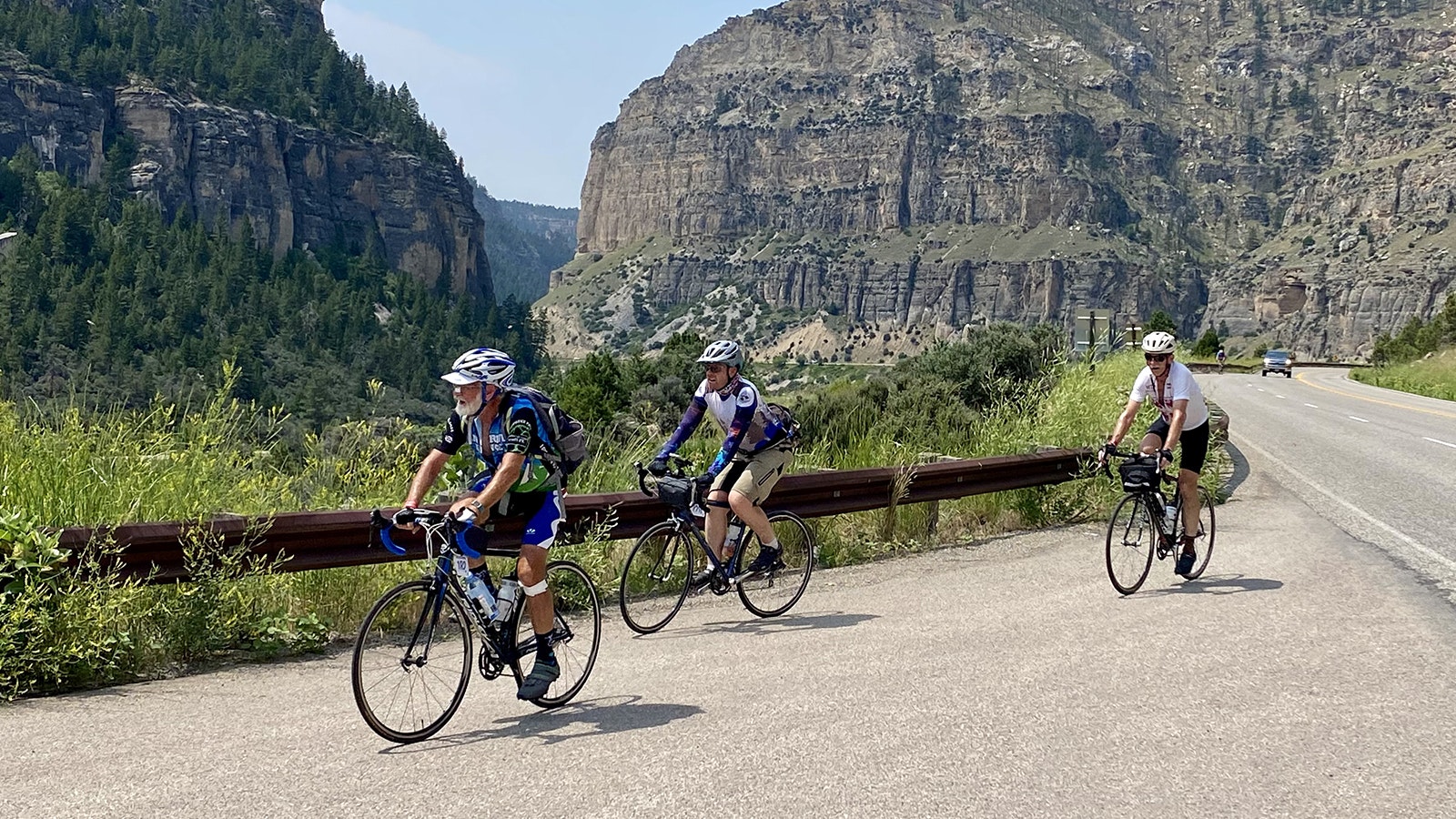
The Tour de Wyoming has announced the route for its six-day, 406-mile trek across northwest Wyoming — with a quick jaunt into Montana — in July 2026.
Rather than biking a long loop through the Bighorn Basin, the 2026 Tour de Wyoming will do day-long excursions to experience the natural beauty and smooth riding to visit Powell, Cody, Lovell, and Greybull, along with an excursion up to Red Lodge, Montana, and a 107-mile "out and back" to the East Entrance of Yellowstone National Park.
Amber Travsky, a wildlife biologist and longtime tour director of the tour, said she didn't select the route this time. The credit goes to the all-volunteer planning committee, but she's excited to be back biking in the Bighorn Basin.
"Every town that we're staying in this time, we have stayed before," she said. "After 27 years, you very rarely get any new towns on the route. We haven't been in that corner of Wyoming for a while, and the communities have been outstanding to work with. It'll be a nice homecoming for many of us."
The Itinerary
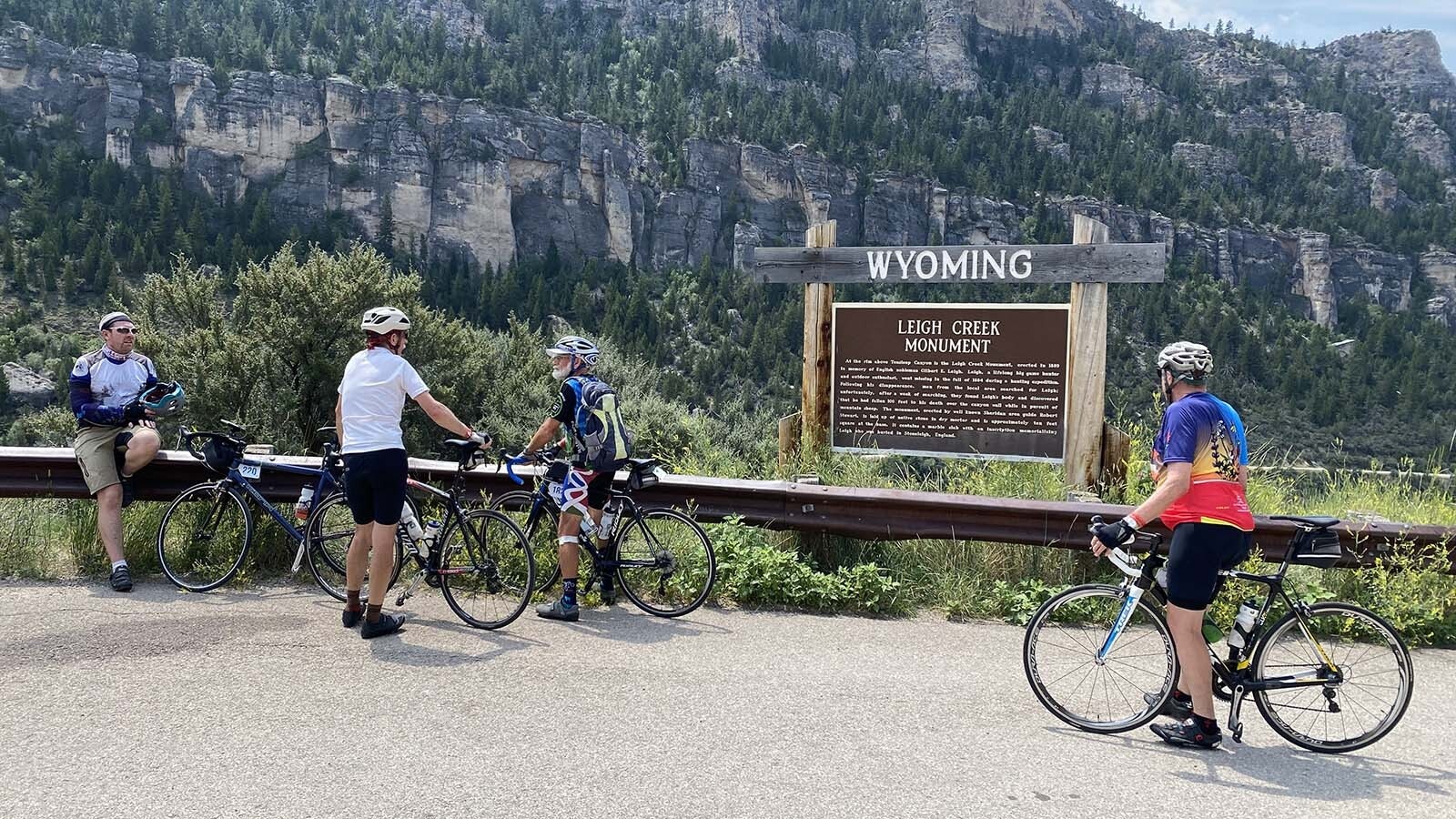
The Tour de Wyoming is a long-distance bike tour, but the last few years have shown that participants have a better experience if they don't have to relocate every day. The 2026 itinerary has been designed with that accommodation in mind.
"We've found that spending two nights in three different towns was very well-received by our riders," Travsky said. "So, we try to plan so people can spend a couple of nights in one place rather than packing up every day."
The 2026 tour starts on July 12. Cyclists will follow a 56-mile loop from Powell past Cowley, Lovell, and Byron before heading back to Powell for the night.
The next day is a 74-mile long climb up to Red Lodge, Montana. The next morning, it's a 65-mile ride to Cody, which will be a "nice descent" after a day of going uphill.
July 15, Day 4, will be the most daunting of the tour for those who are up for it. Cyclists can travel to Yellowstone's East Entrance and back, a round-trip of 107 miles.
The final two days are tame, by comparison. Cyclists will travel 77 miles from Cody to Lovell on July 16, then depart Lovell and finish the tour with a short 28 miles back to Powell.
"It'll be a nice, familiar route but still a little different from what we've done before," Travsky said.
Lots Of Lanes
According to Travsky, one of the perks of holding the Tour de Wyoming in northwest Wyoming is that the highways aren't the only option.
There's a lot of road-adjacent pavement along the route, which is a huge plus for the participants.
"Our ride is 100% pavement, which makes it tricky to pick a good route," she said. "If you look at a Wyoming map, there's not a lot of pavement. Northwest Wyoming has a lot of small, paved roads and lanes that let us get off the highway and away from traffic."
Travsky knows there will be 250 participants in next year's tour, even though nobody can apply until February. That's been the limit for years, as trial and error have proven it's the most manageable number.
"We tried 350 people, and it got to be like a job," she said. "So much work and responsibility. Even 250 people is like moving a small town every day, but we can handle the logistics. That's our sweet spot."
When moving a small town of cyclists, Travsky said it's preferable to work with small towns. That's another reason why next year's tour will be an ideal experience for everyone involved.
"We get lost in big towns," she said. "It's hard to find routes to get in and out of town safely and not lose a few cyclists along the way as they miss a turn. Small towns work well for what we do."
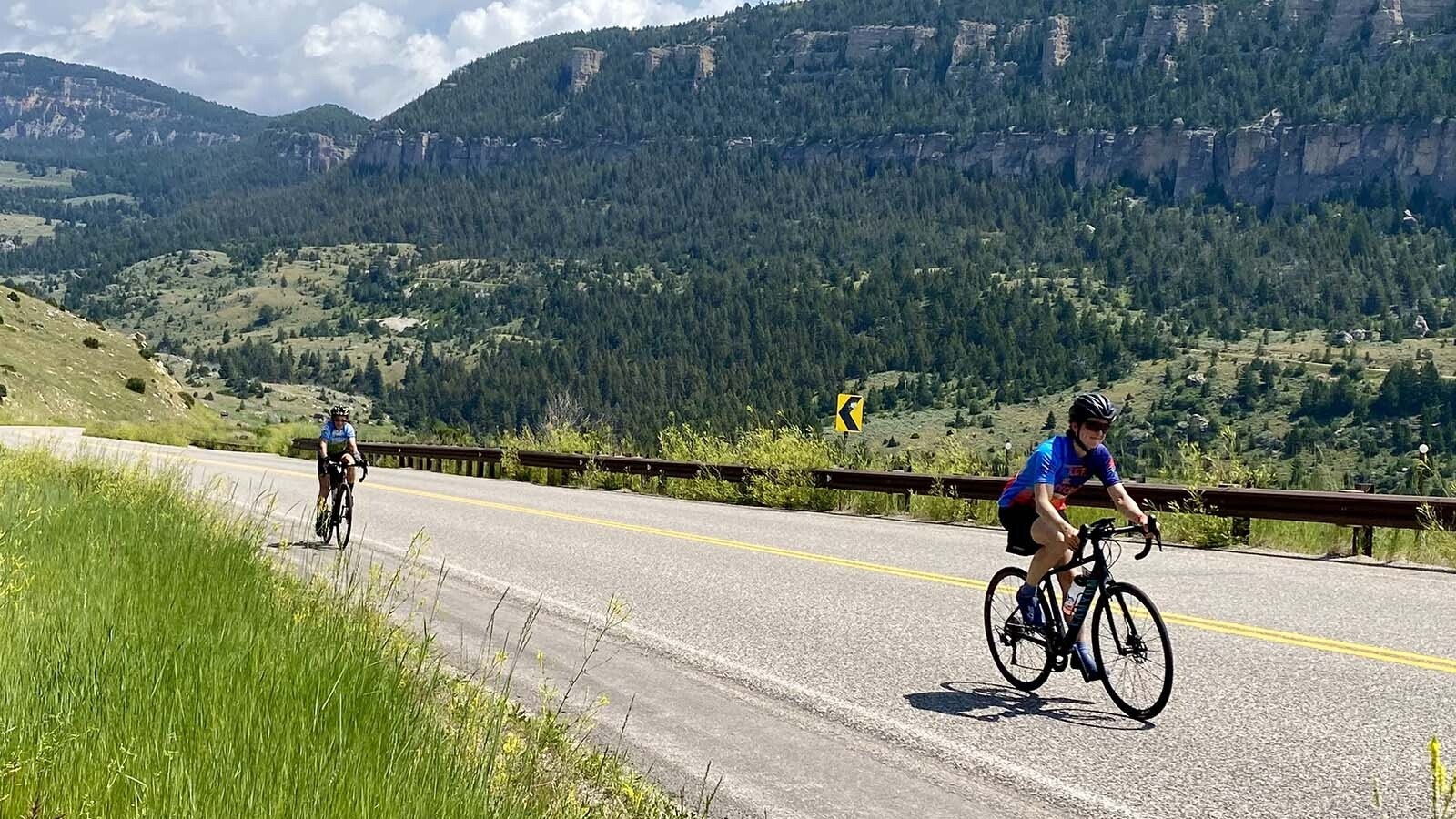
Tour De Wyoming (And Elsewhere)
When the Tour de Wyoming started with 44 riders in 1997, the goal was to make it "all Wyoming." Over the years, Travsky said the planning committee has become more open to expanding its horizons into neighboring states when the opportunity presents itself.
"There are only so many routes you can pick that stay entirely in Wyoming," she said. "We've popped into Colorado, Idaho, and South Dakota in the past, and we'll be able to hit Montana next year, but we try to stay mostly in Wyoming. It's the Tour de Wyoming, after all."
Travsky said people from all over the country participate in the Tour de Wyoming, but roughly one-third are Wyomingites. That includes the 19 volunteers on the planning committee, who don't want to miss out on the fun.
"Most of us are from Laramie and Cheyenne, but we have a long-time rider from Powell who's helping us make arrangements for this tour," she said. "We have people who come every year, so it's like a reunion. I know people all across the country because of the tour."
Since it's not a race, participants can enjoy the tour at their leisure and pleasure. After 27 years, the Tour de Wyoming has earned a reputation as one of the best fully supported bike tours in the nation.
"We have an aid station every 15 to 20 miles to make sure our riders are fed and watered," Travsky said. "We carry all their luggage, we have a caterer that makes all our meals, and a bike repair station available on route. If someone decides they've had enough for one day, they can get a ride to the next stop."
Previous tours included a masseur and "fancy coffee" from Coal Creek Coffee in Laramie.
"We're a little small town for a week," Travsky said. "That's why we need our volunteers."
Enough To Keep Going
Tour de Wyoming participants are selected by a completely random lottery that opens every year in February. The 250-person limit isn't due to a lack of interest, as they consistently have more than enough applicants.
"There's no priority for anyone," Travsky said. "When we didn't do the lottery, we were filled within the first nine minutes. With the lottery, everyone's treated the same. It's just practical."
Even though it's a random lottery, there's room for some accommodations. Many people apply as a group to ensure they can do the tour together, rather than risk being separated as individuals.
Of course, two loopholes can be attempted.
"The one way that people can get in without going through the drawing is to coax a friend or a spouse, or volunteer to be a volunteer," Travsky said.
The money earned through entry fees goes back into the organization to ensure the Tour de Wyoming keeps touring. Anything extra is invested in the communities that have been so supportive over the years.
"We're probably one of the least expensive, fully supported bike tours around," Travsky said. "We try to keep the entry fee at just what we need to make it happen, because we don't want it to be cost-prohibitive. If we have extra funds, we spread them across bike programs, trail development, and whatever else in Wyoming."
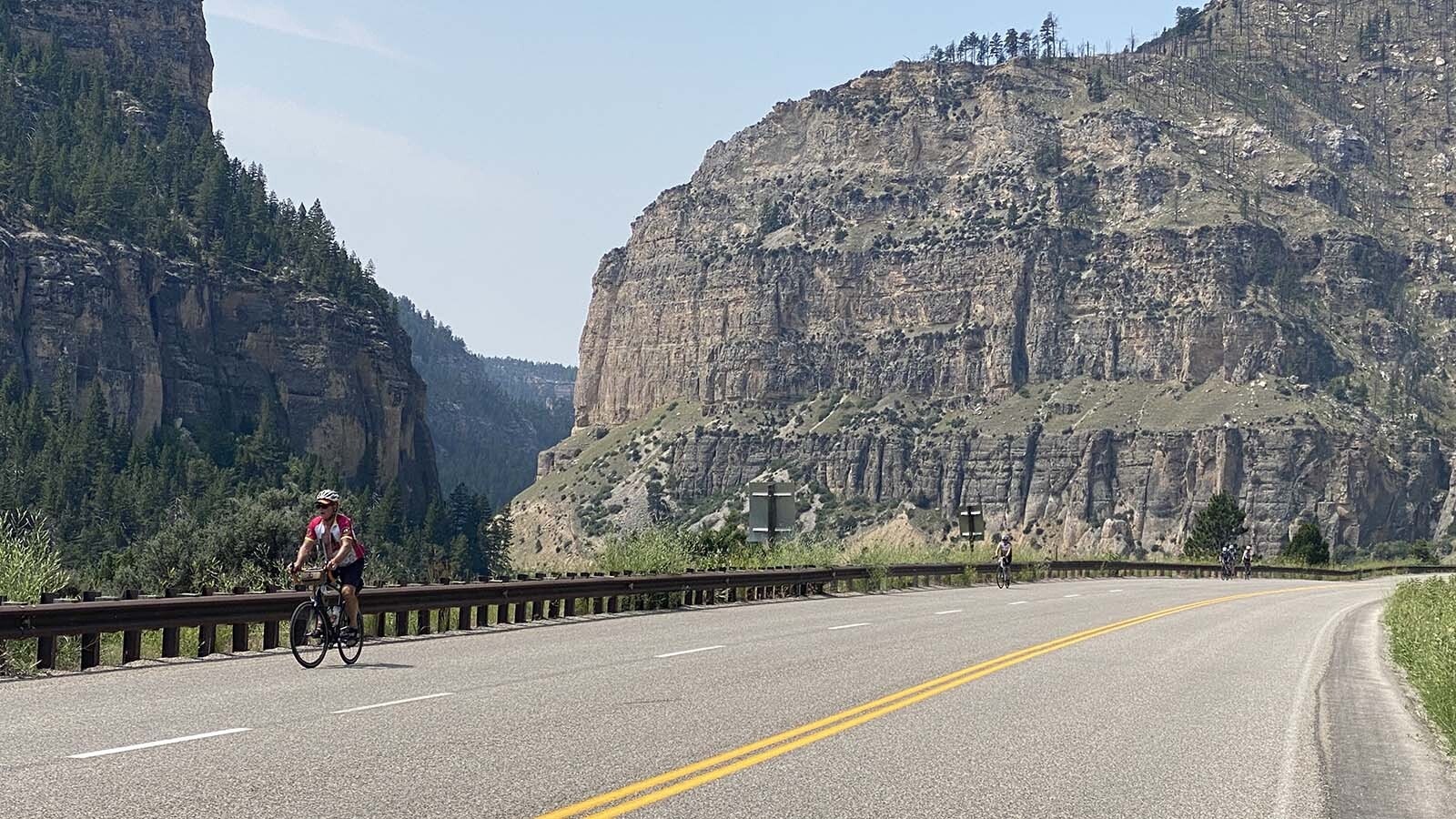
Back In The Bighorn Basin
The lottery for the 2026 Tour de Wyoming will be open from Feb. 1 to Feb. 28. If they're drawn, participants will be eager to get themselves and their bikes to Powell on July 12.
The Tour de Wyoming is an all-volunteer effort. Even Travsky is a volunteer, despite the time and effort she continues to give to the event.
"When you start something like this, you don't know that it's going to be a lifetime commitment," she said. "The riders are the reason I keep doing it."
Seeing old friends and new riders in the Bighorn Basin will be its own reward for Travsky and many other long-time participants. It might be a bicycle tour, but it's the people that make it worthwhile.
"I get excited to see everybody come back every year," she said. "I like northwest Wyoming, particularly the Bighorn Basin, and I'm looking forward to seeing new riders and old friends. It's a really nice community."
Andrew Rossi can be reached at arossi@cowboystatedaily.com.