
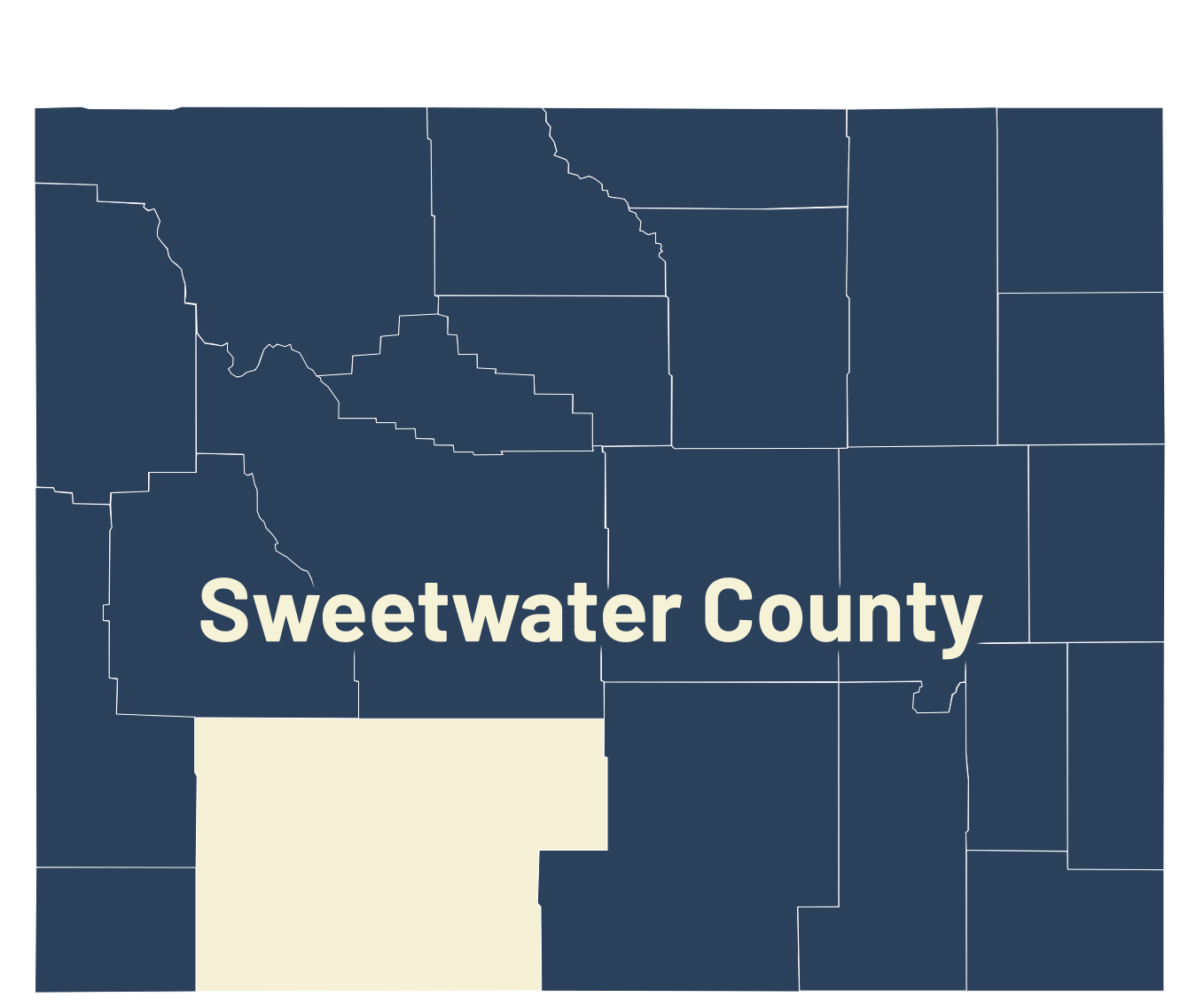

A Wyoming district judge has overturned findings that Sweetwater County School District No. 1 violated federal special education law, handing the Rock Springs-based school district a victory in its ongoing dispute with the Wyoming Department of Education.
In the ruling, Third Judicial District Judge Clark Stith reversed the state's findings that the district had improperly disclosed confidential student information and interfered with a parent's right to participate in the special education process.
Stith directed the Wyoming Department of Education (WDE) to issue a new determination finding no violation of the federal Individuals with Disabilities Education Act (IDEA) by the district in the case.
The district announced the ruling in a statement Friday, Nov. 13, saying the decision vindicates employees who have maintained they followed the law.
"The ruling brings an important measure of clarity to allegations that have received considerable public attention," the district said.
The decision comes after months of controversy surrounding the district's special education program, including a separate state investigation that identified widespread deficiencies in how the district served students with disabilities.
While the court's ruling overturns findings in the January complaint, it is not clear what effect, if any, the decision will have on the broader investigation and its findings.
Judge Rejects State's Findings
The dispute stems from a January 2026 determination by the Wyoming Department of Education that the district violated federal special education requirements involving student confidentiality and parental participation.
The district disputed those findings from the beginning, maintaining that its employees had acted appropriately and complied with federal law.
It appealed the state's determination to district court.
After reviewing the record, Stith sided with the district, concluding that the WDE's decision "rests on factually unsupported and unexplained conclusions."
The judge ordered the state agency to reverse its determination and find no IDEA violation by the district.
For school board Chairman Cole Wright, the ruling represents an important validation of district employees who have faced months of scrutiny.
"The Board takes its responsibilities to students and families seriously," Wright said in the district's statement. "We also take seriously our responsibility to stand behind employees who have done their jobs properly."
Wright said the district believed the evidence did not support the state's original findings.
"We believed the evidence did not support WDE's findings, and the court agreed," he said. "Our employees and our community deserved to have the facts set straight."
The district said it will not identify or comment on any students or families involved in the complaint, citing its responsibility to protect student privacy.
Months Of Special Education Scrutiny
The court's ruling comes against the backdrop of a much broader investigation into special education practices at Sweetwater County School District No. 1.
In January, Wyoming Superintendent of Public Instruction Megan Degenfelder announced that her department would conduct special monitoring of the district following complaints from parents and concerns about staffing, supervision and transparency.
The WDE conducted its five-day monitoring visit in February, interviewing parents, teachers and district staff and reviewing student records and special education practices.
The investigation focused on five areas: parental participation, implementation of individualized education programs (IEPs), educating students in the least restrictive environment, staff qualifications and student confidentiality.
In June, the WDE released a 29-page report concluding that the district was out of compliance in four of the five areas examined.
The state found deficiencies involving staff credentials, delivery of services required under students' IEPs, educating students alongside their nondisabled peers when appropriate, and parental participation in special education decisions.
The district was found compliant in the area of student confidentiality.
Among the findings, state investigators reported that 60% of the student records reviewed showed services were not being delivered in accordance with students' IEPs.
The report also identified 30 unlicensed teachers or providers working in special education roles and raised concerns about inadequate supervision of personnel providing specialized instruction.
At the time, former school board member Cole Seppie described the findings as evidence of problems extending beyond any one employee.
"This wasn't a failure by just one person. This is a systemic failure," Seppie told Cowboy State Daily in June.
The state gave the district a year to correct the deficiencies identified in its monitoring report.
The district, meanwhile, has repeatedly questioned aspects of the state's investigation and defended its employees.
Then-Superintendent Joseph Libby previously criticized the monitoring process, including what he described as scheduling inconsistencies and investigators' failure to review certain district documents before conducting interviews.
He also raised concerns that building principals had not been formally interviewed during the monitoring visit.
"Fundamental fairness requires transparency and an opportunity for response if new allegations arise," Libby told Cowboy State Daily in March.
Libby was placed on paid administrative in September. The district has not commented on why.
What Does The Ruling Mean For Parents?
Although the district is celebrating the court's decision, questions remain about what it means for families who have raised concerns about special education services.
The January complaint overturned by Stith and the broader February monitoring review were separate proceedings, and the district's announcement does not establish that the court overturned the June monitoring report.
Parents have previously described concerns about staffing shortages, student supervision and whether their children were receiving services required under their individualized education programs.
Some have also criticized the district's communication with families and its handling of complaints.
Moving Forward
The court's decision gives Sweetwater County School District No. 1 a significant legal victory in a year marked by controversy over its special education program.
But the larger question of how the district is serving students with disabilities remains important to parents, educators and state officials.
For now, district leaders say the ruling confirms what they have maintained throughout the dispute: that employees involved in the January complaint followed the law.
"Our employees and our community deserved to have the facts set straight," Wright said.
Kate Meadows can be reached at kate@cowboystatedaily.com.


