
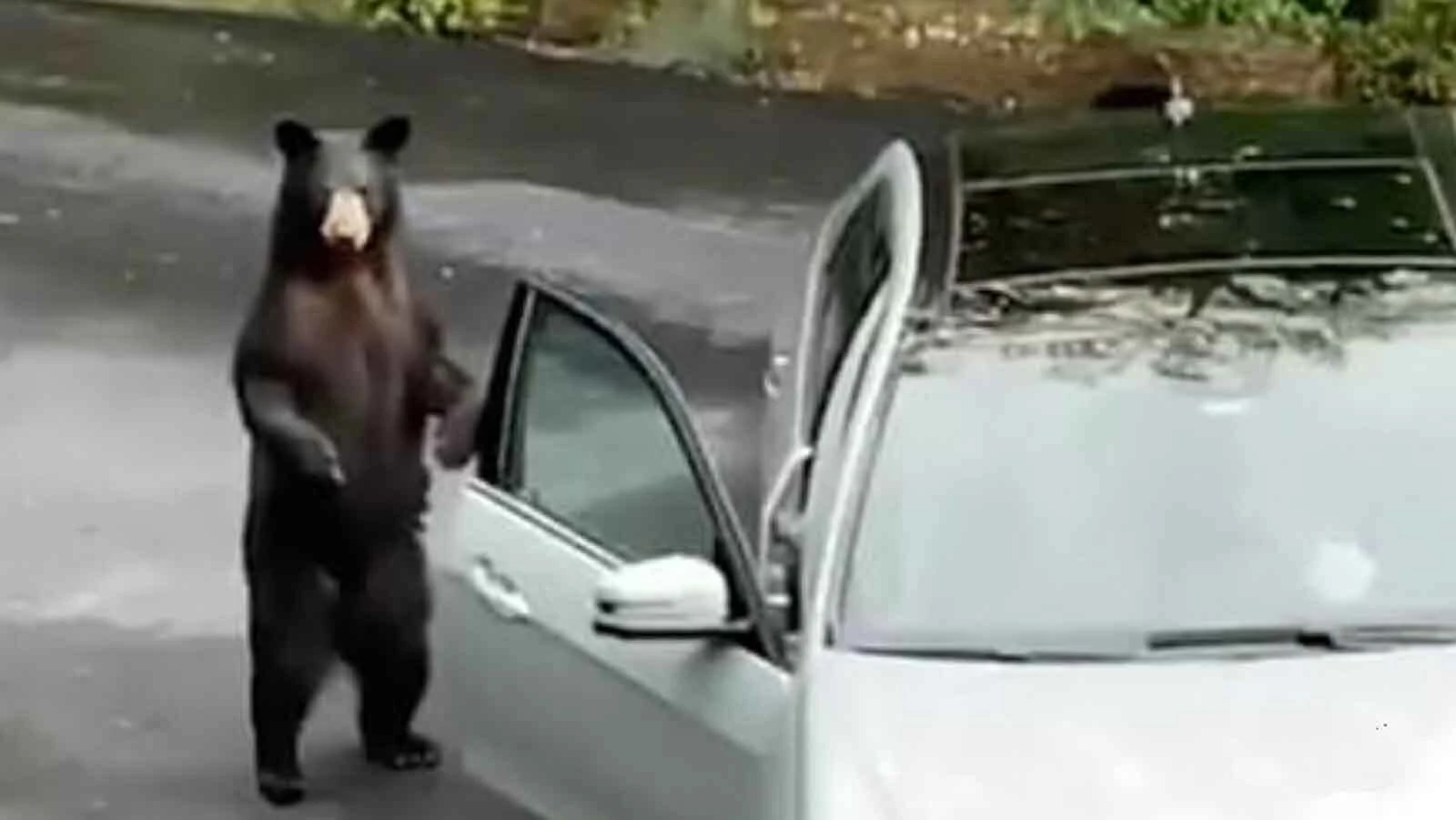
Seriously, what happens when a bear gets into your car?
It’s a question more drivers find themselves asking as bear activity spikes across Wyoming and the surrounding region this year.
Never mind the mechanics of how a bruin figures out the door handle, but what kind of carnage is possible, and who pays the bill?
At one body shop just south of Wyoming, that scenario has become unusually common.
Russell’s Auto Body in Steamboat Springs, Colorado, has handled about a dozen bear-damaged vehicle interiors this year. The average claim has been around $7,000.
“This year has been crazy,” Russell's owner Jennie Dorr told Cowboy State Daily.
They Know How To Get In
Russell's does collision and body repair, including interior and some mechanical work related to crashes and other damage.
“I mean, bear things are not unusual, but it's definitely been very much increased,” she said.
Sometimes the bear never gets inside.
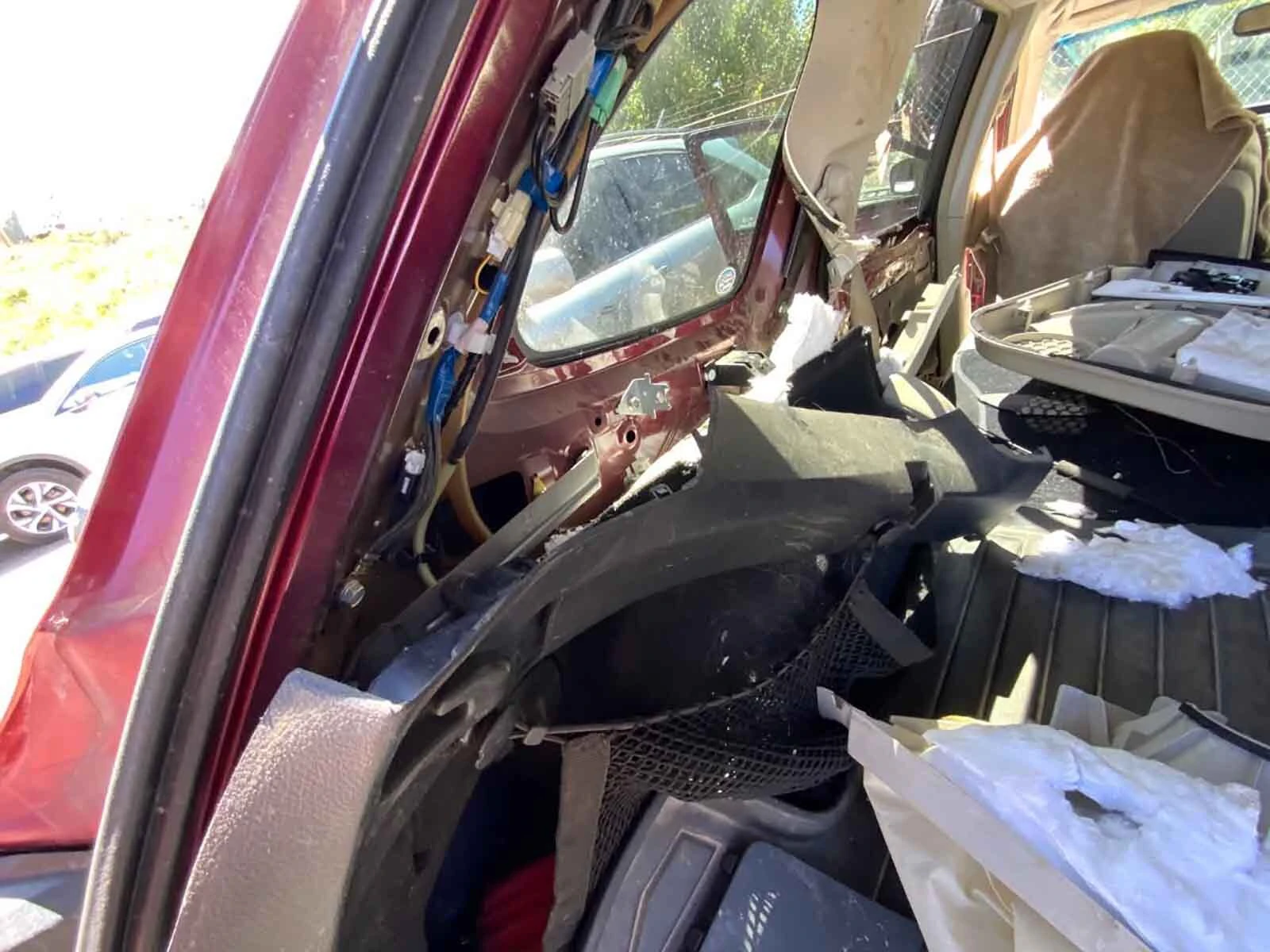
Dorr said Russell's has repaired vehicles where bears grabbed door handles and ripped them off. Others have grabbed windows and broken them or hooked their paws over the top of a door frame and bent the door outward.
That's the sort of damage the shop tends to see when the vehicle is locked. Unlocked cars are another story entirely.
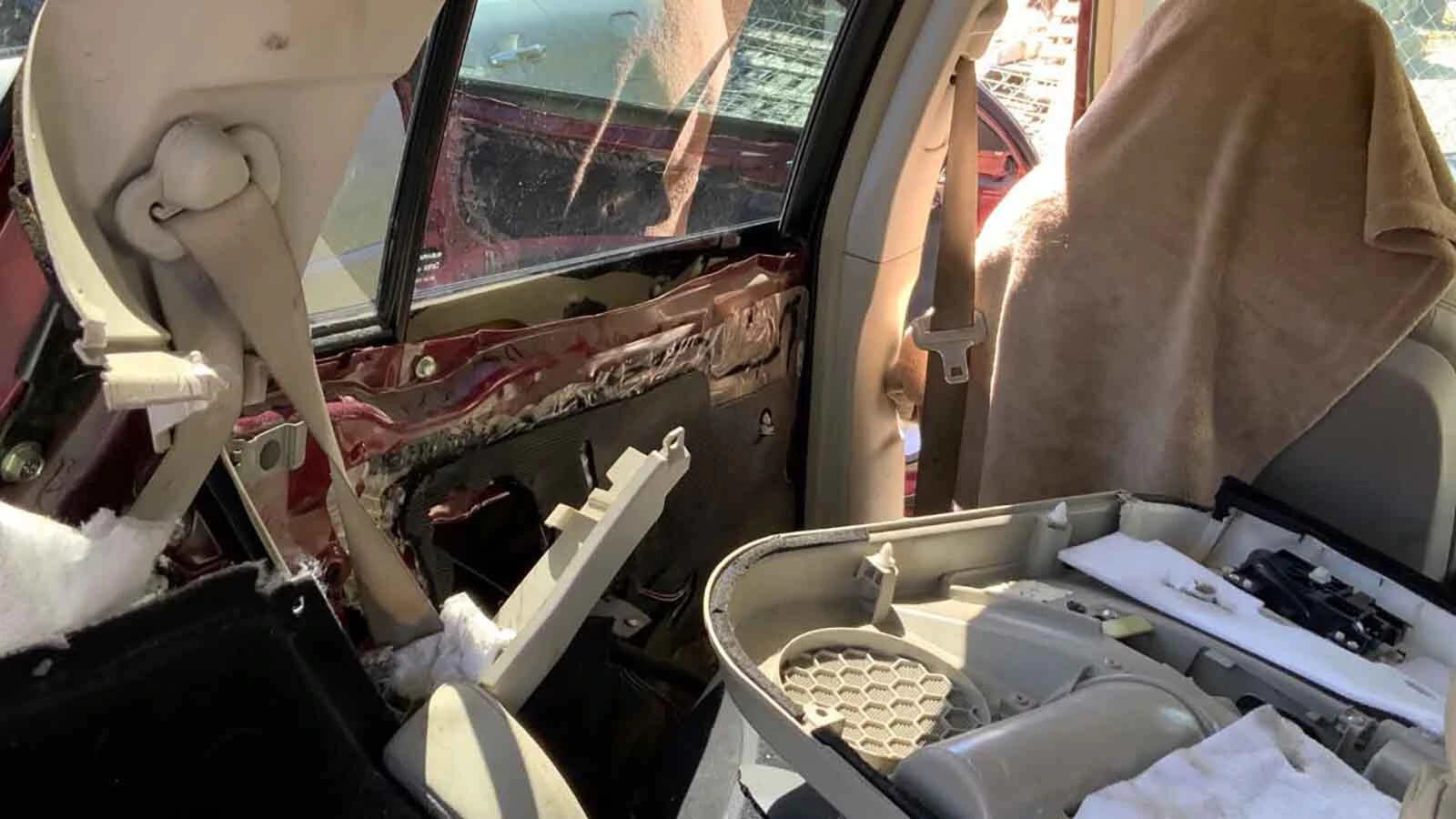
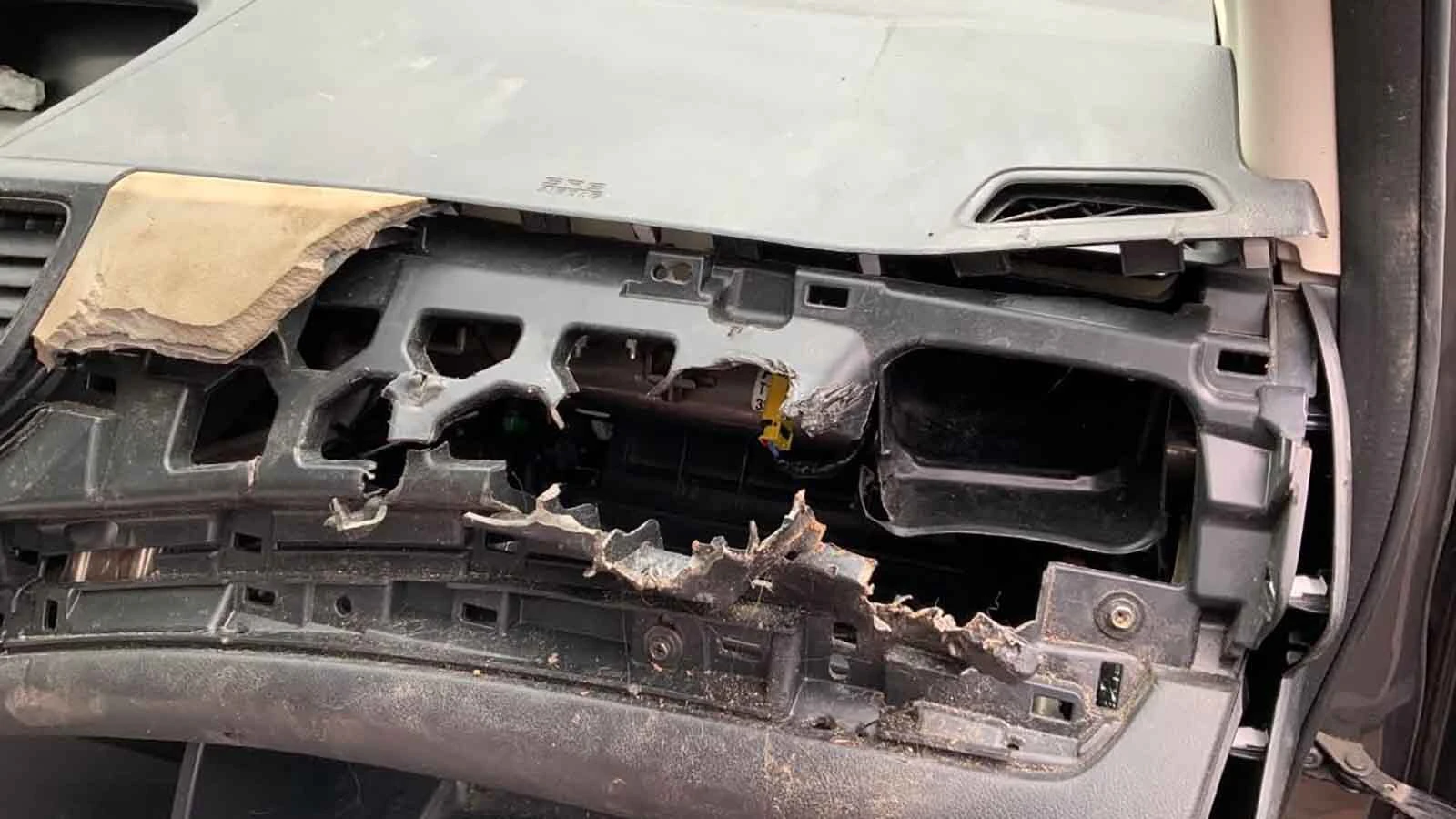
“The bears get inside, and sometimes the door closes behind them, and they panic,” Dorr said. “They shred the entire interior.”
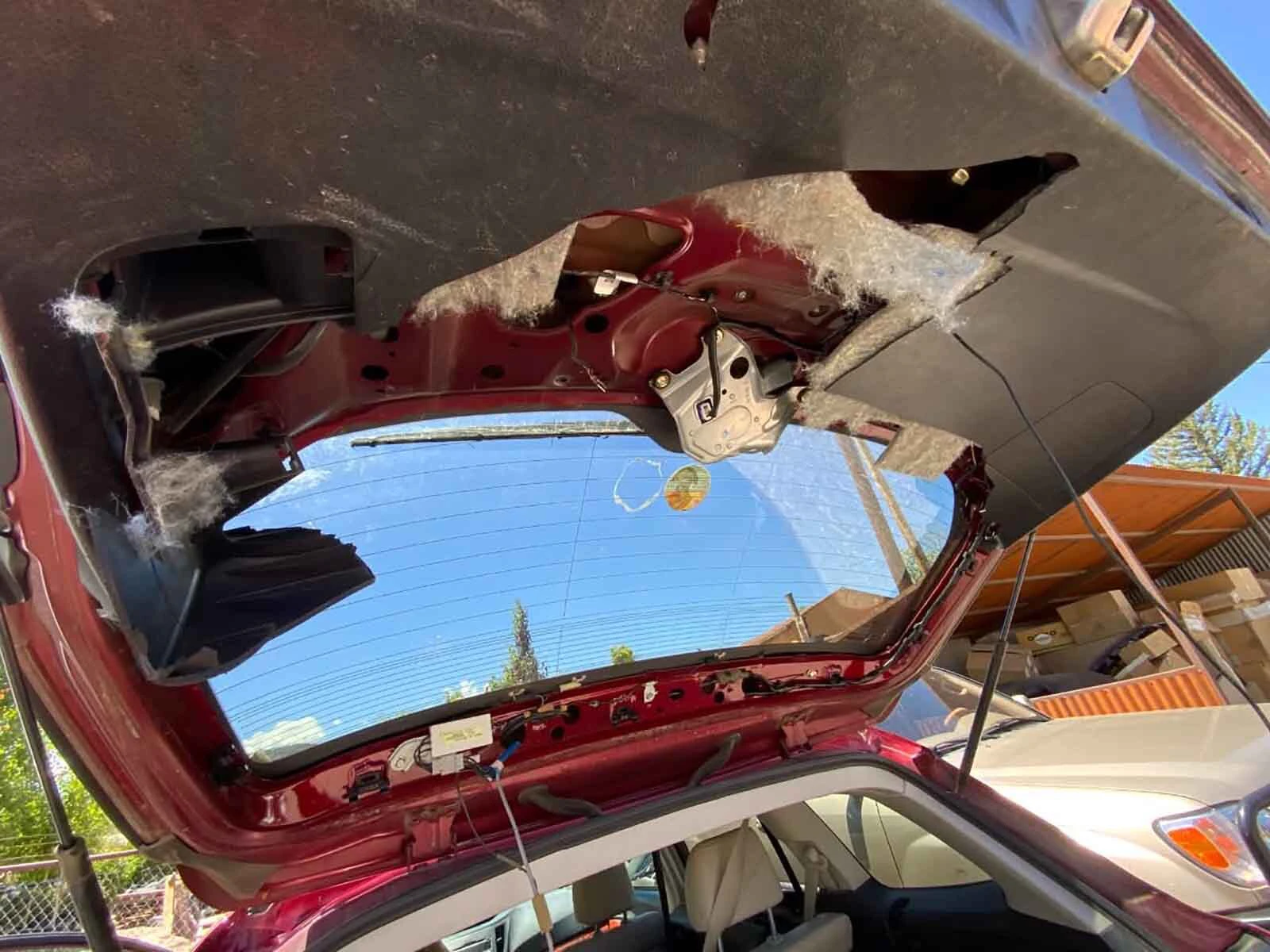
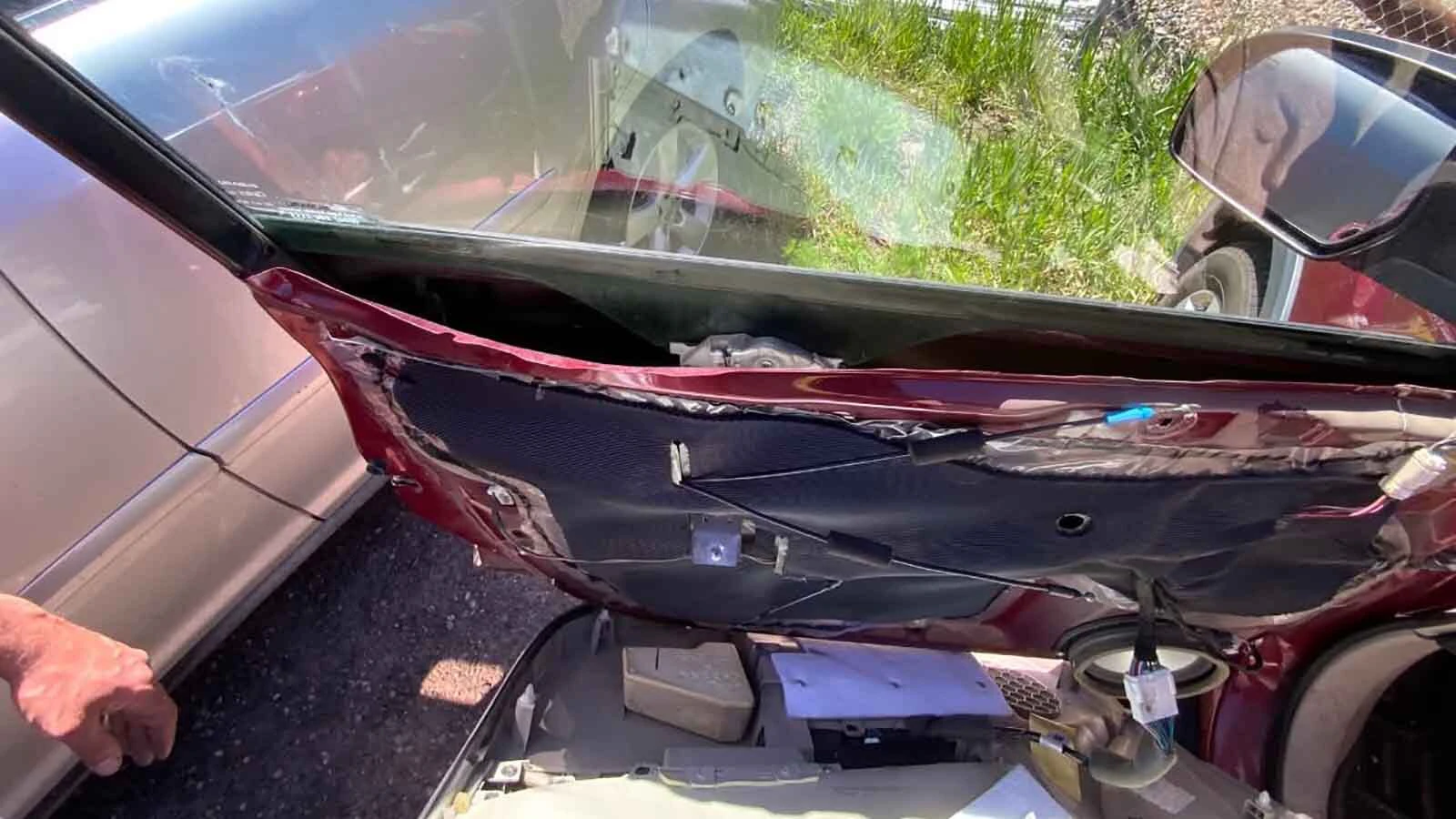
Headliners, center consoles and other interior pieces are eviscerated. Dorr recalled one bear that tore into the dashboard around the airbags trying to get to a snack in the glove box.
The bait doesn't necessarily have to be a forgotten cheeseburger, either.
It could be gum or lotion — "or, you know, something they would never eat,” Dorr said. “Deodorant was one.”
Others have left bags of snacks, birdseed or dog food in their cars, resulting in thousands of dollars in damage.
“They'll go after just about anything because they're so hungry this year,” Dorr said.
Colorado Parks and Wildlife is calling 2026 "an extraordinary bear year," too, warning people: “Bears will work hard to get the calories they need, and can easily damage property, vehicles and homes.”
That'll Be $7,000
Dorr pulled the records for about a dozen bear-damaged interiors Russell's has repaired recently and calculated the average insurance claim.
It was about $7,000 per vehicle, she said, and some bears have managed to do considerably more.
Russell's has had two bear-damaged vehicles declared total losses this year, Dorr said.
In July, a Colorado bear got itself into an SUV and couldn't figure out the reverse maneuver. Trapped inside, it tore through the interior and repeatedly hit the horn, alerting the owner that there was an intruder.
By the time the bear got out, the SUV was finished.
“It’s totaled. It’s unfit to drive,” the owner said.
In another Colorado case, a bear opened an unlocked pickup and became trapped inside. A sheriff’s deputy tied a rope to the door handle and opened it from a distance, allowing the bear to escape. By then, the animal had extensively damaged the interior.
The deputy noted what appeared to be McDonald's inside the vehicle.
The sheriff's department went on afterward to say, "Here’s the deal: In remote areas, many people leave their cars unlocked because there’s ‘no crime.’ But in bear country, an unlocked car is like hanging a ‘buffet is open’ sign."
On Aug. 17, Colorado Parks and Wildlife reported that a 250-pound black bear had gotten into an unlocked vehicle in central Colorado Springs, destroyed the interior and became trapped. The bear was found dead inside days later after sitting in the heat.
The same basic problem keeps repeating itself: Bears are much better at getting into vehicles than they are at getting out.
Bear Coverage?
If a bear gets into a car, panics when the door shuts behind it and proceeds to tear it to smithereens, who pays?
Potentially, the insurance company — but only if the owner bought the right kind of coverage.
In Wyoming, the important word is comprehensive.
That's the part of an auto policy meant for the things that can happen to a car when nobody is driving it: Theft, hail, fire, vandalism, falling objects and animals.
Collision coverage is different. That's generally for damage from hitting another vehicle or object. Liability coverage pays when someone causes injuries or damage to somebody else.
Neither covers "a bear just ripped apart my Kia" scenario.
Comprehensive coverage is optional, but lenders commonly require it when a vehicle is financed or leased. Both State Farm and Progressive specifically identify animal damage as something generally handled under comprehensive coverage.
That doesn't mean insurance picks up every dollar. The owner would typically still be responsible for the deductible, and exactly what's covered depends on the individual policy.
Then there's the bigger question: What if the bear does so much damage that fixing the vehicle isn't worth it?
That's when it can become a total loss.
An insurer essentially compares what the vehicle was worth before the bear got into it against what it would cost to put it back together. If the numbers no longer make sense, the company can declare the vehicle totaled.
Wyoming law also sets a threshold relevant to salvage titles. When there isn't an insurer making that determination, damage exceeding 75% of a vehicle's actual retail cash value can put it into salvage territory.
Operation Bear Claw
"A bear destroyed my car” is plausible enough that people have tried faking it.
A bizarre California insurance fraud investigation dubbed Operation Bear Claw involved claims that a bear had damaged the interiors of a Rolls-Royce Ghost and two Mercedes-Benz vehicles near Lake Arrowhead.
There was video and claw marks, but it turns out the bear was actually a person in a bear costume.
Investigators determined the supposed animal attacks had been staged, with authorities later finding a bear costume and meat-shredding claws during a search.
Before the scheme unraveled, insurers had paid substantial claims. Bristol West paid $52,268 on one claim plus about $34,000 toward a vehicle loan. Progressive paid $55,920 on another, according to reporting on the case. State Farm denied a third claim after reviewing the footage.
The total loss to insurers was $141,839.
Three defendants were sentenced this year after pleading no contest to felony insurance fraud.
It was an absurd scam, but the premise relied on the fact that bears do get into cars, and they can do a lot of damage.
Wyoming Bears Are Hungry
Now is the time of year when bears are entering hyperphagia — the late-summer and fall feeding frenzy during which they build fat reserves before winter. They can consume as many as 20,000 calories a day, says Wyoming Game and Fish.
Drought has compounded the issue by reducing traditional food sources and causing bears to range farther in search of calories.
“No two years are the same when it comes to bear behavior,” Game and Fish Large Carnivore Supervisor Dan Thompson said in an August release. “While ongoing drought across the state is reducing traditional food sources and pushing bears to range further for calories, bear movement is driven by a complex web of environmental factors.”
By September, Game and Fish personnel in the Sheridan Region were responding to multiple bear calls every week.
Story, Big Horn, Dayton and the outskirts of Buffalo and Sheridan were among the areas reporting conflicts. Garbage was the top source of reported conflicts there, but officials warned that bears were traveling widely in search of food, water and other resources.
The state's advice boils down to securing garbage, pet and livestock feed, birdseed and other attractants. Grills should be cleaned and stored where bears can't reach them, they said.
Dorr's advice is the same: “Keep anything that smells good, anything that's yummy outside of your car,” she said, adding that it's also a good idea to keep it locked.
Kolby Fedore can be reached at kolby@cowboystatedaily.com.


