

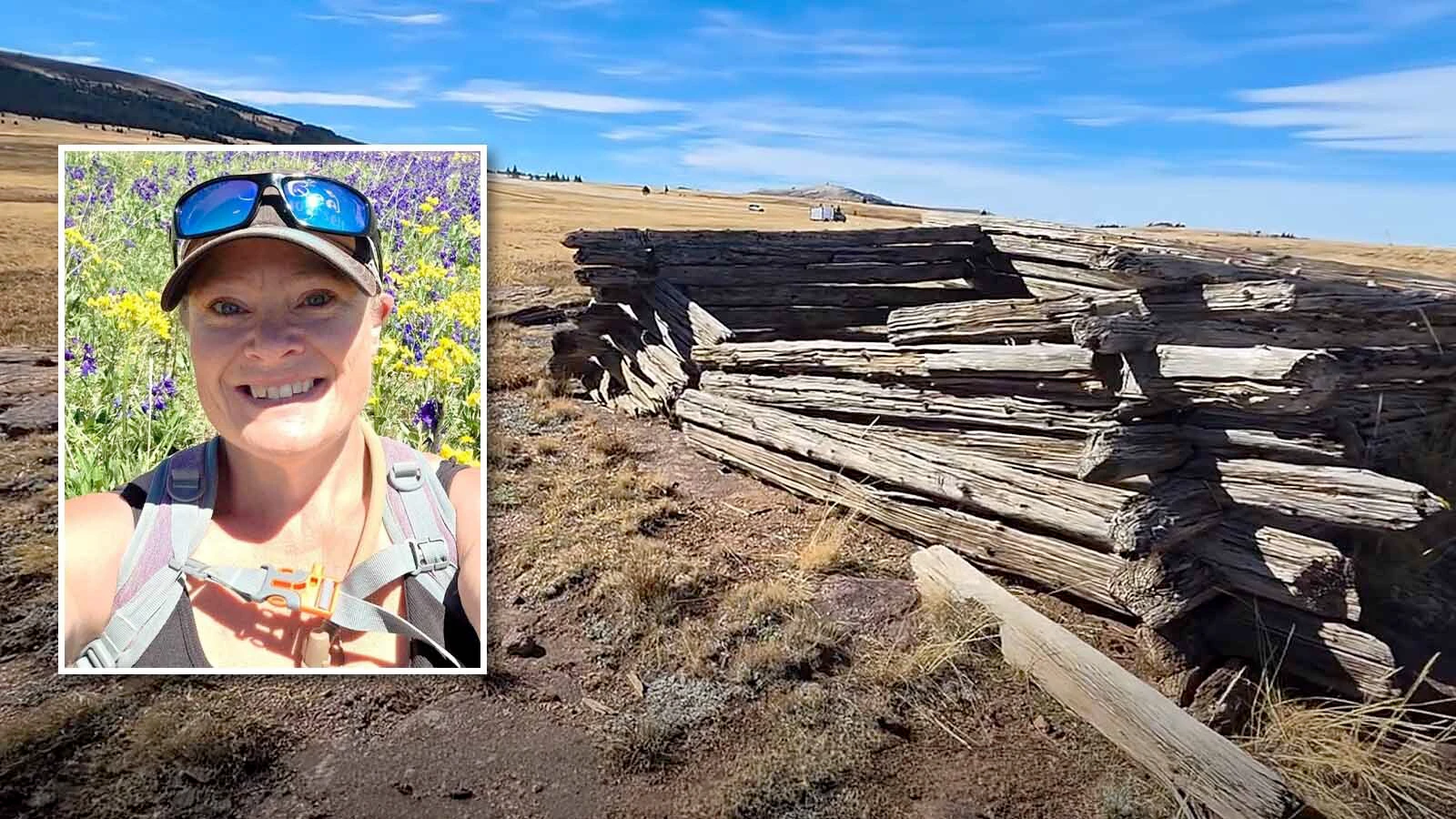
Across the valleys of the Bighorn Mountains in north-central Wyoming, hundreds of pioneer cabins sit rotting and rusting in plain sight.
Sara Yeaman makes it her business to find them, step inside and piece together the stories left behind.
“Wyoming is just in my blood,” Yeaman told Cowboy State Daily. “But there is something extra sacred and magical about the Bighorn Mountains. That's my passion.”
For Yeaman, that passion has turned into a constant pursuit.
When she isn't working behind the scenes at her Lovell honey farm Queen Bee Gardens, Yeaman spends her evenings at her laptop, layering a historic 1898 Bighorn Forest map over modern satellite imagery to pinpoint forgotten sites in the mountains.
“I follow the ancient 1890s wagon and freight roads,” Yeaman said. “Some of them are still pretty good. Some of them are almost non-existent.
"But I know where they are, so I can follow that through the forest, and that's how I find most of the cabins and the mining camp ruins.”
From fall to spring, her weekends are spent on the trail, tracking those old lines into the forest to see what remains.
“Sometimes it’s nothing,” Yeaman said. “But it gives me a hike and I'm a hiker, so that's OK with me.”
More often than not, her treks yield real answers, turning her love for the landscape into a self-taught expertise in the boom-and-bust gold rush history of the Bighorns.
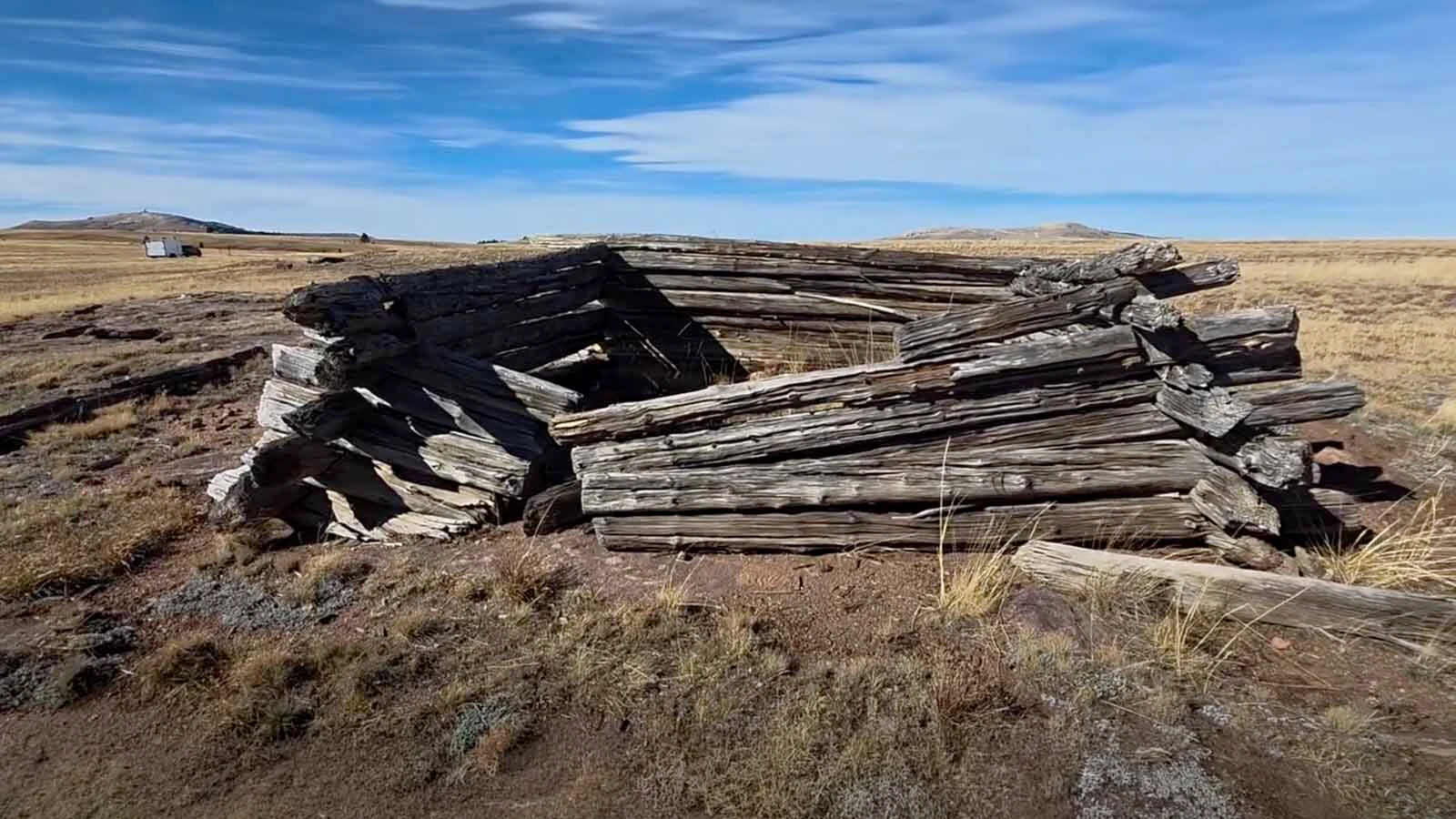
Sara Yeaman was excited to find the nearly forgotten and crumbling cabin of Bob Holland, who is credited with filing the first gold mining claim in the Bald Mountain City, Yeaman said. (Sara Yeaman) 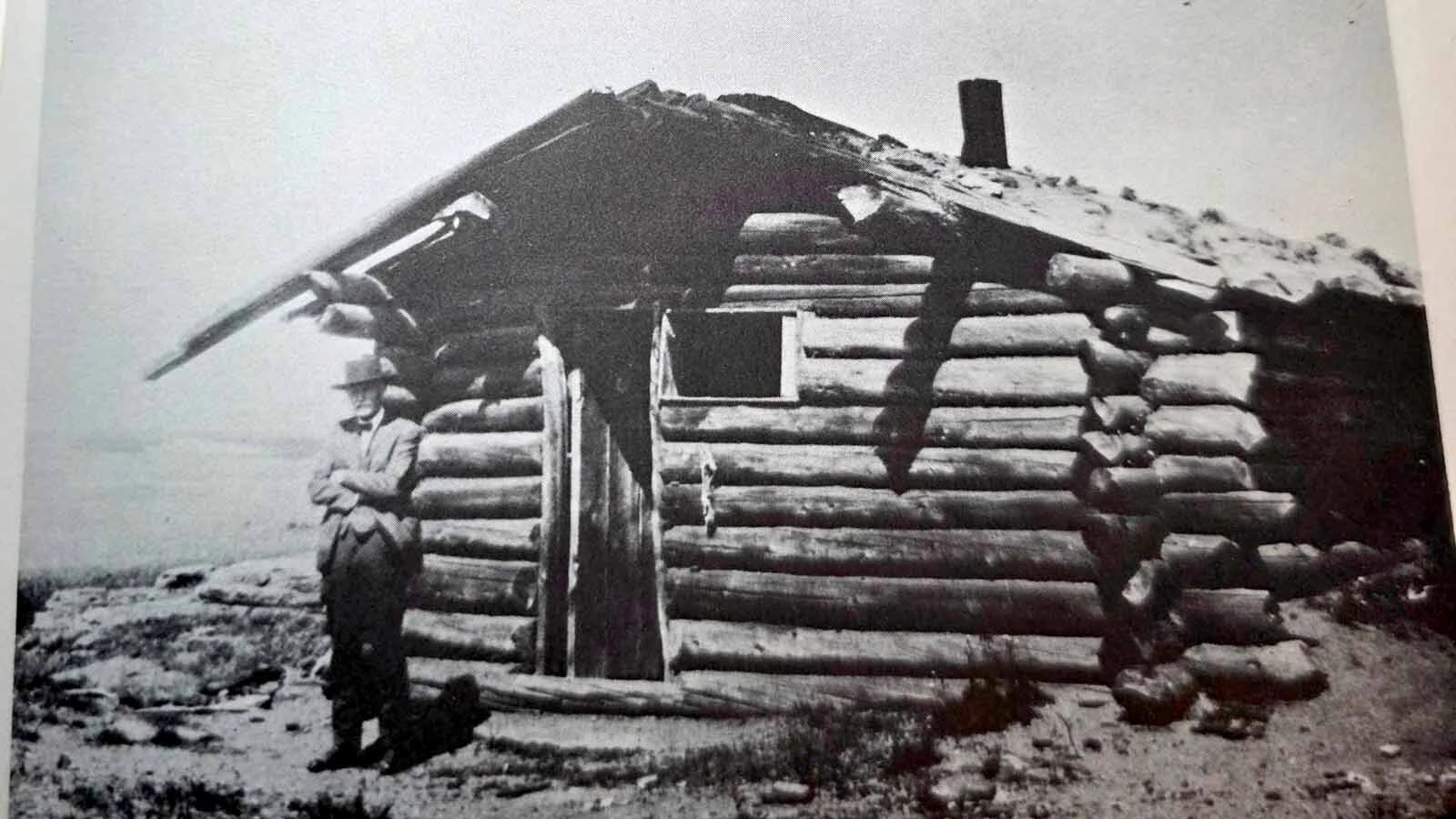
An archival photograph of prospector Bob Holland standing in front of his cabin near Bald Mountain City, the exact historic site Sara Yeaman later located by matching rock formations in the background. (Sara Yeaman) 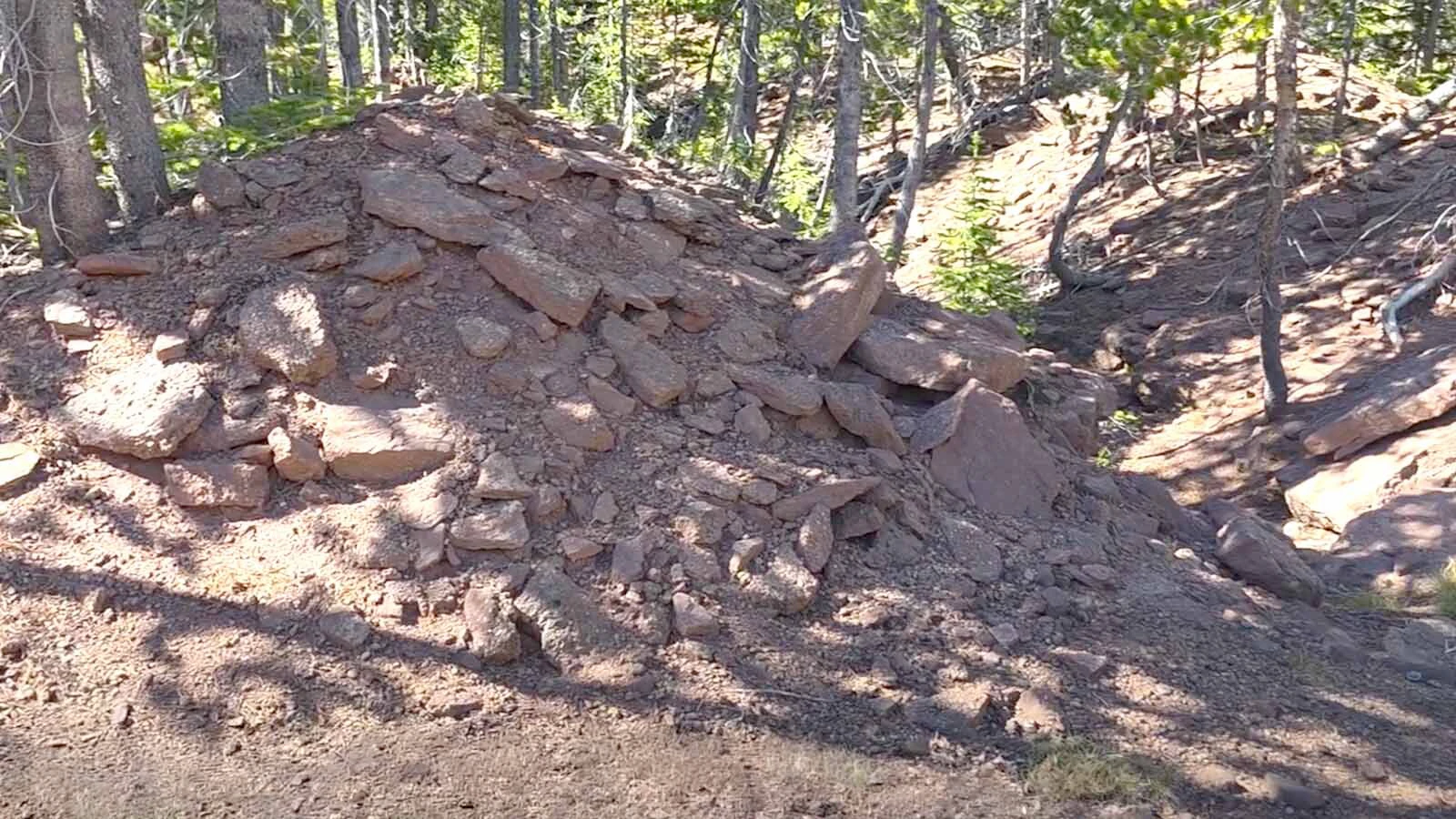
Along the trails leading to the now-forgotten Bald Mountain City gold-rush-era community remain piles of rocks and debris. (Sara Yeaman) 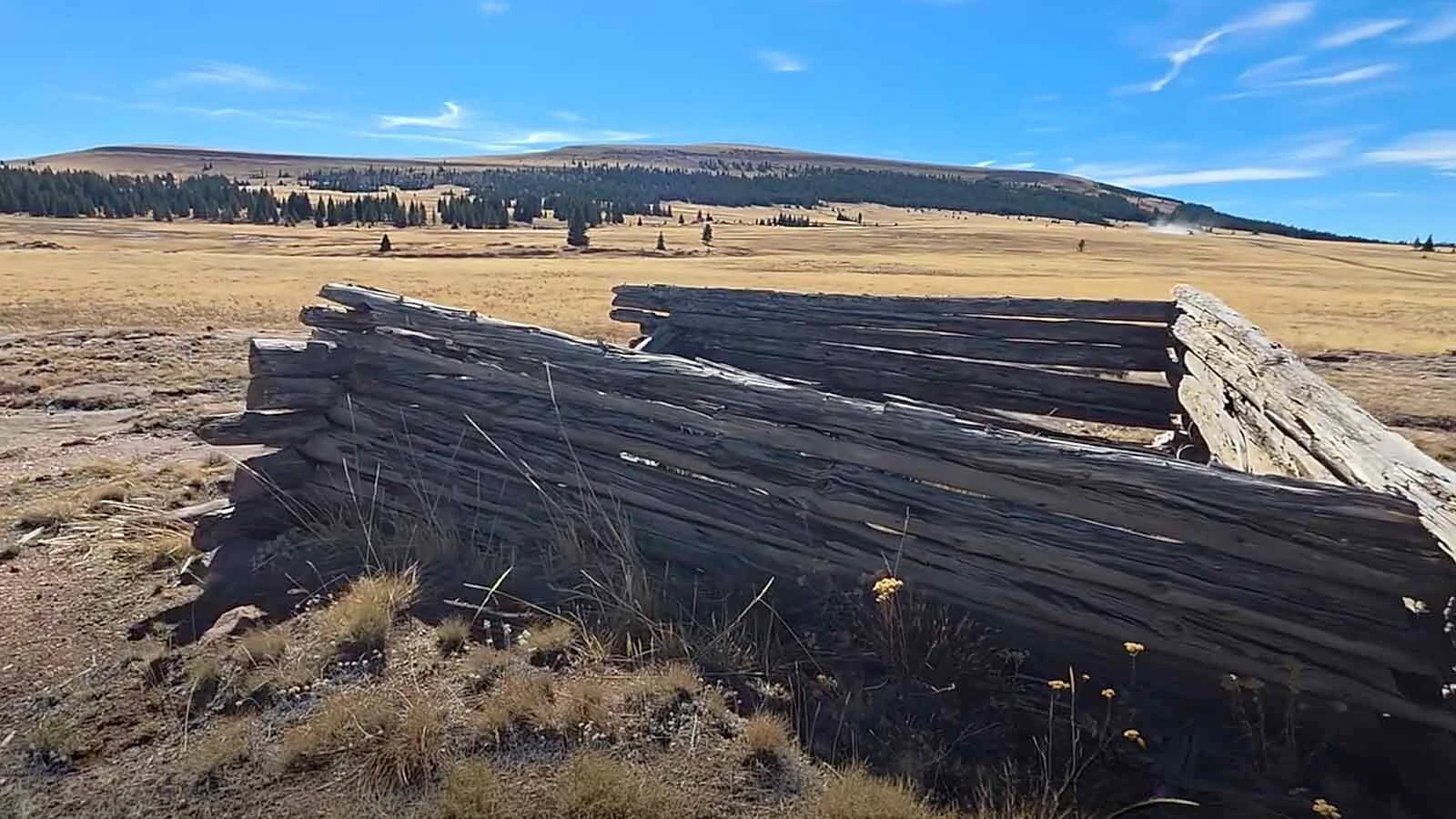
Sara Yeaman was excited to find the nearly forgotten and crumbling cabin of Bob Holland, who is credited with filing the first gold mining claim in the Bald Mountain City, Yeaman said. (Sara Yeaman)
‘Closer To Heaven And Closer To My Son’
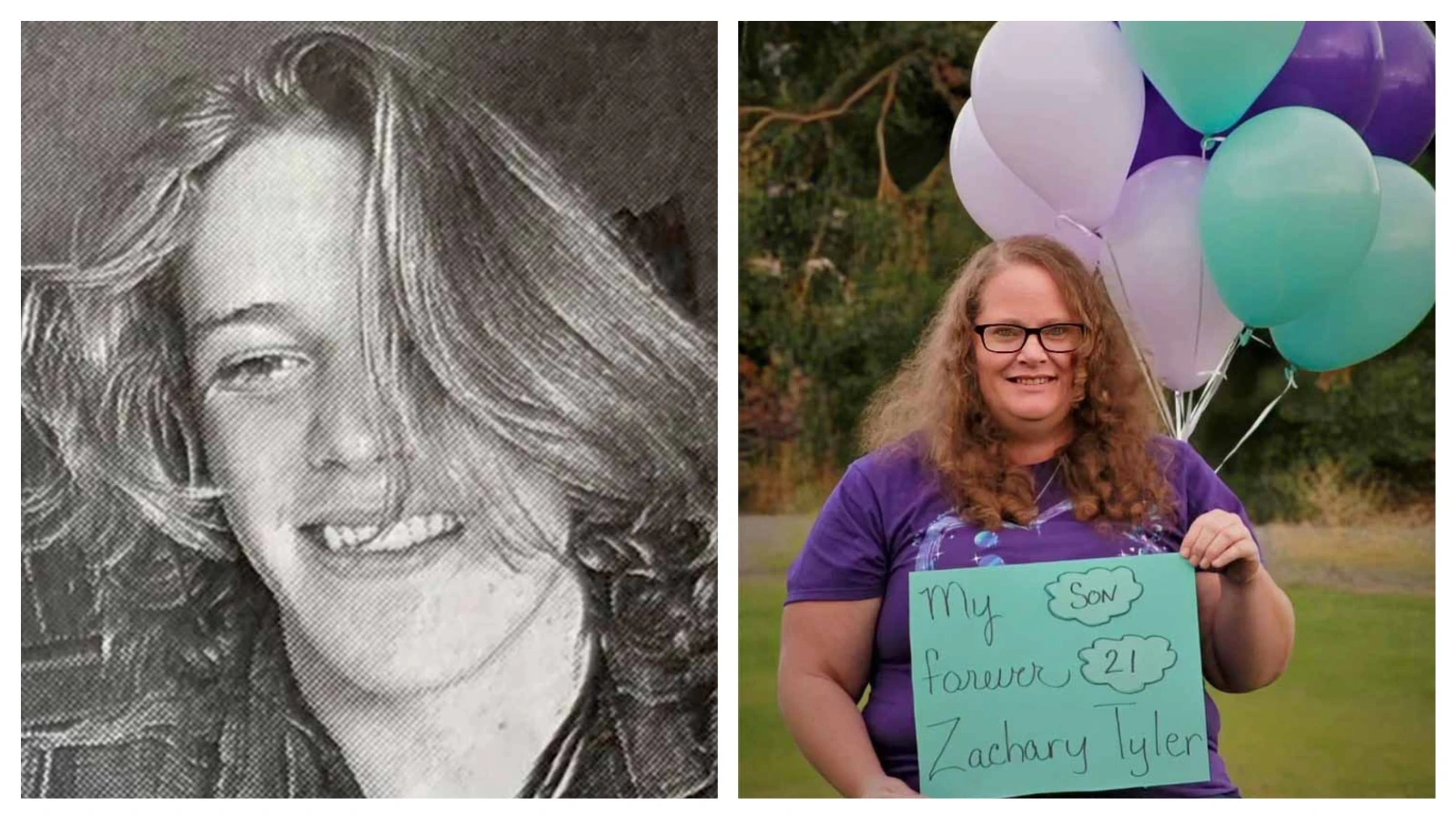
Before the region’s gold rush history drew her into the woods, Yeaman turned to the high country as a place to heal after her 21-year-old son, Zachary, took his own life in 2022.
“The Bighorns became a place where I could put my pain,” Yeaman said.
In the shattering months that followed, Yeaman felt weighed down physically and emotionally.
She said she was very overweight, but felt an overwhelming drive to climb into the mountains and reach the summit.
“I just had a desire to climb onto the peaks and feel closer to heaven and feel closer to my son,” Yeaman said. “So I started going to the gym, and I put in the work.
"I became a total gym rat, and I ended up losing 100 pounds so my body could carry me up the mountains.”
As she pushed deeper into the high country, the wilderness became more than just a place to mourn. In the solace of the woods, Yeaman said she found a way back to purpose.
Every hike into the trees, every stone picked up off the trail and every crumbling cabin she stumbled upon was slowly bringing her back to life, Yeaman said.
“That's why the mountains mean so much to me,” she added. “It's more than a hobby. They saved me, and they keep me connected to my son. That's where the passion started.”
‘A Captivating Ghost Town’
As the bond with her son remained strong in the high peaks, her quiet walks among Wyoming’s nearly forgotten ruins began forging connection with other lost souls.
In particular, in one ghost town left behind by the Bighorn’s 1890s gold rush.
“When you're up in the Bighorns exploring, you just realize that history is right under your feet,” Yeaman said. “Bald Mountain City is such a captivating ghost town story.”
Founded in 1892 following rich placer gold discoveries along Porcupine Creek, Bald Mountain City quickly became the glittering centerpiece of the Bighorn gold rush.
“I started researching it, and I became obsessed,” Yeaman said. “They had a livery. They had a hotel. They had a grocery store that people hunted and provided meat for, and then they would sell it. There were two saloons.”
In the thousands of archival newspaper clippings she’s read, Yeaman said she’s found no mentions of a church or schoolhouse in Bald Mountain City. But that doesn’t mean there weren’t any families.
“There was a report of one baby being born there and they named him Charles Nugget,” Yeaman said. “I think that’s adorable.”
While the Fortunatus Mining and Milling Co. and its bold origin claims captivate her, Yeaman leaves the financial balance sheets and heavy machinery specs to the textbooks.
“I just fell in love with the human side of it,” Yeaman said, adding she loves, “the human stories, the colorful characters.”
Bob Holland’s Cabin
One of her favorite figures is Bob Holland, a man largely forgotten by history but who Yeaman considers a central figure in the town’s brief history.
“I feel like he's a known person to me,” Yeaman said. “I've read so much about him in the papers. His name comes up a lot.”
Holland is credited with filing the very first mining claim in the area, Yeaman said.
Long after the boom faded and the crowds packed up and left, Yeaman said Holland remained a true diehard for his gold dream to the very end.
“He even stayed for several years after the town was abandoned,” Yeaman said. “He just was kind of a hardcore. He believed in the gold, and he just hung around.”
Yeaman eventually tracked down an archival photograph of Holland standing outside his mountain cabin.
By matching the distinctive rock formations in the background to modern terrain, she managed to locate the exact overgrown ruins of his former home.
“I love photographs with rocks, because trees and ground change but the rocks don't change,” Yeaman said. "If there's a rock in the picture, I can pretty much use it as a fingerprint to match it with what the mountains look like today.”
‘Step Back In Time’
When Yeaman speaks about the people of Bald Mountain City, whether it’s the unrelenting Bob Holland or baby Charles Nugget, she speaks as if they are living neighbors rather than long-dead figures from microfilmed newsprint.
Today, Yeaman said the physical remains of the boomtown are so degraded that a casual hiker passing through would hardly notice them.
But where an untrained eye sees only rotting timber and scattered stone, she can almost picture the camp at its chaotic peak, alive with thousands of hopeful prospectors desperately chasing a golden dream before it inevitably vanished.
“You have no idea how much I'd love to just step back in time and see it,” Yeaman said. “It was probably mayhem.”
If she could somehow travel back to the town's heyday, Yeaman thinks she could share a secret with those prospectors that none of them knew at the time.
"I believe it was a scam actually,” Yeaman said. “There is gold in the Bighorns, but it's really, really fine grain gold that's very hard to catch. It’s so fine that it will literally float on water.”
‘Share That Magic’
All of that research is now feeding into a historical fiction novel Yeaman is writing, but her devotion to the Bighorns stretches well beyond the page.
She routinely shares videos of her history-seeking explorations with followers online and also sells hand-crafted dreamcatchers made with stones, wood and natural treasures gathered along her hikes.
“Everything but the string comes from nature,” Yeaman said. “When you hold one of my pieces, you really are holding a piece of Wyoming.”
Each effort takes a distinct path, but Yeaman sees them all as interconnected chapters of an open-ended love letter to the mountains that saved her.
“Everything I do comes directly out of my love for the Bighorns,” Yeaman said. “I want to share that magic with others.”
Emma Jane Jackson can be reached at emma@cowboystatedaily.com.


