
All I wanted was the election results.
What I got was an education that made my head spin.
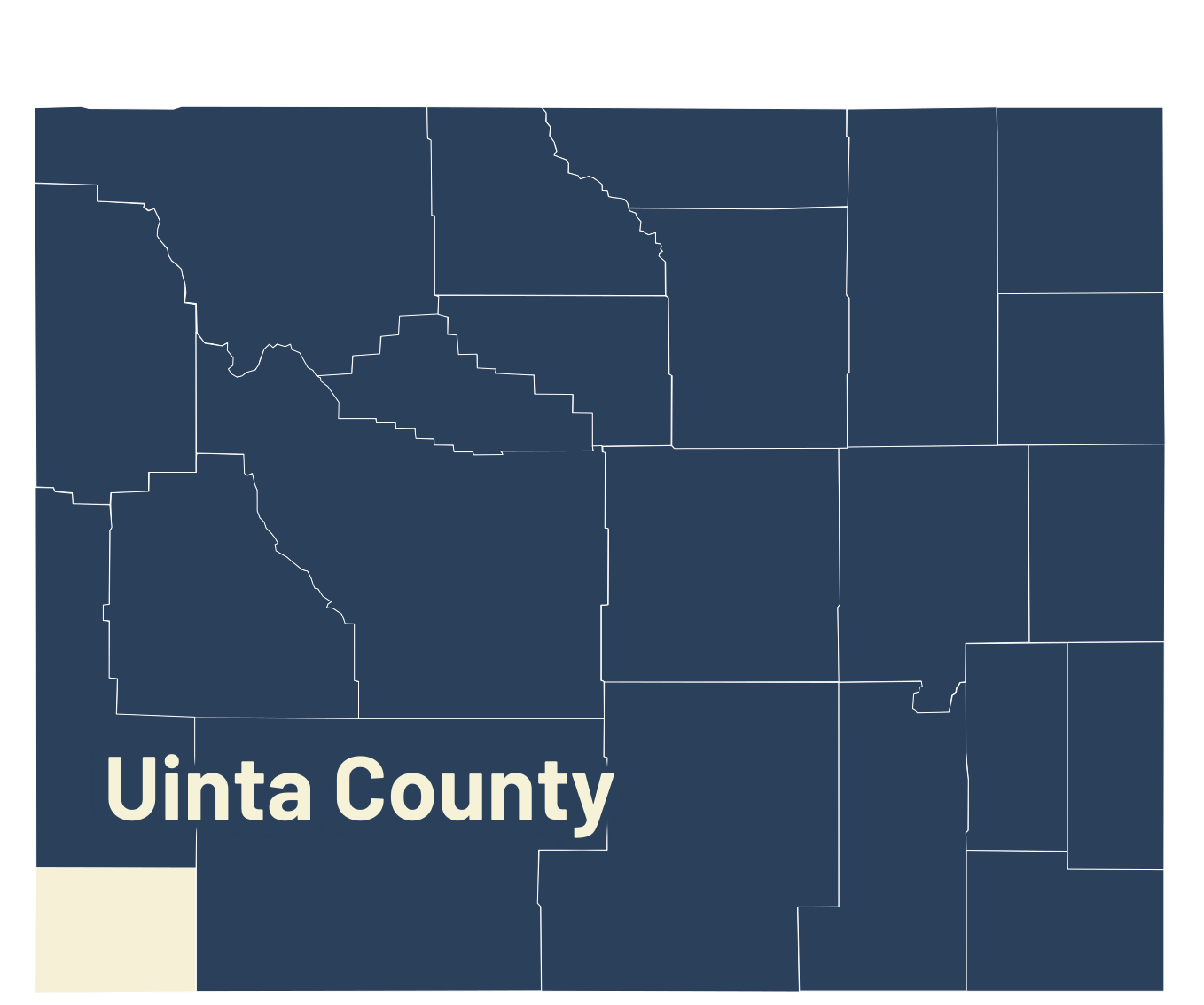
I have voted in more than a score of elections, across nearly five decades, and in four different states. In all those trips to the voting booth, I never gave much thought to the write-in vote.
That changed on August 17th when Cris, a friend and fellow traveler, asked me to write him in for a precinct committeeman seat in the following day’s primary election. That seat was wide open and nobody else was on the ballot. Chances are that a half-dozen votes would make it his.
Suddenly, a write-in vote was more than a meaningless rant against the registered candidates. This one could actually count. My interest piqued, I eagerly awaited the results. Those results never came.
After waiting five weeks, I decided to visit the clerk’s office. The nice lady at the desk was befuddled at my inquiry. She wasn’t sure if the write-in results were available to the public. She would have to ask the clerk, she said.
“But I’m only seeking results of a public election,” I protested. The absurdity tempted me to vent. But she didn’t deserve it. I could wait for the clerk’s answer. The next morning, I got it. I would have to file a formal request, under Wyoming’s Public Records Act (W.S. 16-4-201).
This was getting weird. But I dutifully filled out the form specifying that I wanted “the vote totals for the August 18, 2026 election of Uinta County Republican Party Precinct Committeemen and Committeewomen write-in candidates.” That ought to do it.
Six days later the clerk sent me a file titled, “2026 Primary Precinct Committeepeople Write In Results.pdf.” Her accompanying email explained that the names had “not been reviewed by my office to determine if they are registered voters in the Republican Party or if they live in the precinct, they were written down in.”
That was my first major surprise. The election results that interested me had not and would not be determined by the county clerk. “The write-in names are provided to the party chairs pursuant to Wyoming State Statute 22-4-101(d),” she wrote. “The County does not manage the write-ins for Precinct Committeemen and Committeewomen beyond that point.”
Who knew? In Uinta County, eight out of 56 Republican committeepersons were left to be determined by write-in, as were 15 out of 20 Democratic committeepersons. But the state declines to declare a winner in any of those races.
That’s somewhat understandable. Five of the Democrat precincts didn’t get a single write-in. How do you count nothing? But in all the Republican precincts and in half of the Democratic ones, declaring a winner among a handful of eligible candidates would be child’s play.
State law used to say, “The county clerk shall issue a certificate of election to the precinct committeemen and committeewomen elected and concurrently notify the county central committee chairman.” But that requirement was erased in 2015 by Senate File 33. Now, winners are only certified if they are registered candidates.
The write-ins are left to the party chair to appoint or not—as he sees fit.
That seems like false advertising to me. Why put write-in blanks on the ballot if nobody will count them? Doesn’t that deprive voters of “the privilege of writing upon the ballot” that is guaranteed by Art. 6, Sec. 11 of the Wyoming Constitution?
But it gets weirder. Remember Cris? He was the whole reason that I was even paying attention to the write-in vote. According to the clerk’s reckoning, nobody voted for him at all. Zip. zero, nada—even though at least a dozen told him that they had written him in.
So, he asked the clerk. To her credit, she promptly re-examined the ballots and found that he did indeed receive 14 write-in votes. That’s enough to win the race, but he’s not the winner unless the county chair says so.
She found other errors as well—enough to generate a new file titled, “Updated 2026 Primary Precinct Committeepeople Write In Results Republican.pdf.” Out of 286 total write-in votes, 174 would have been permanently lost unless this random writer had questioned the results.
This led me to ask: How could a three-person canvassing board sworn in under (W.S. 22-16-101) have a 61% error rate? It turns out that the canvassing board never looked at the ballots. Only the clerk did. She explained, in a separate email, “Reasonable interpretation of the statute makes the production of this list separate from the canvass board. Further clarification of the statute would need to be provided by the state legislature if there is a desire to have county canvassing boards address precinct committeemen and committeewomen write-ins in the future.”
I’m betting that you didn’t know this. I certainly didn’t. But I don’t blame my county clerk. This madness is going on in all 23 counties.
To exempt portions of the ballot from proper counting procedures makes them a sham. Either remove write-in votes from the ballot or count them properly. Anything else is just one more reason for voters to doubt elections.
Jonathan Lange is a Lutheran Church—Missouri Synod pastor in Evanston and Kemmerer and serves the Wyoming Pastors Network. Follow his blog at https://jonathanlange.substack.com/ Email: JLange64@protonmail.com