
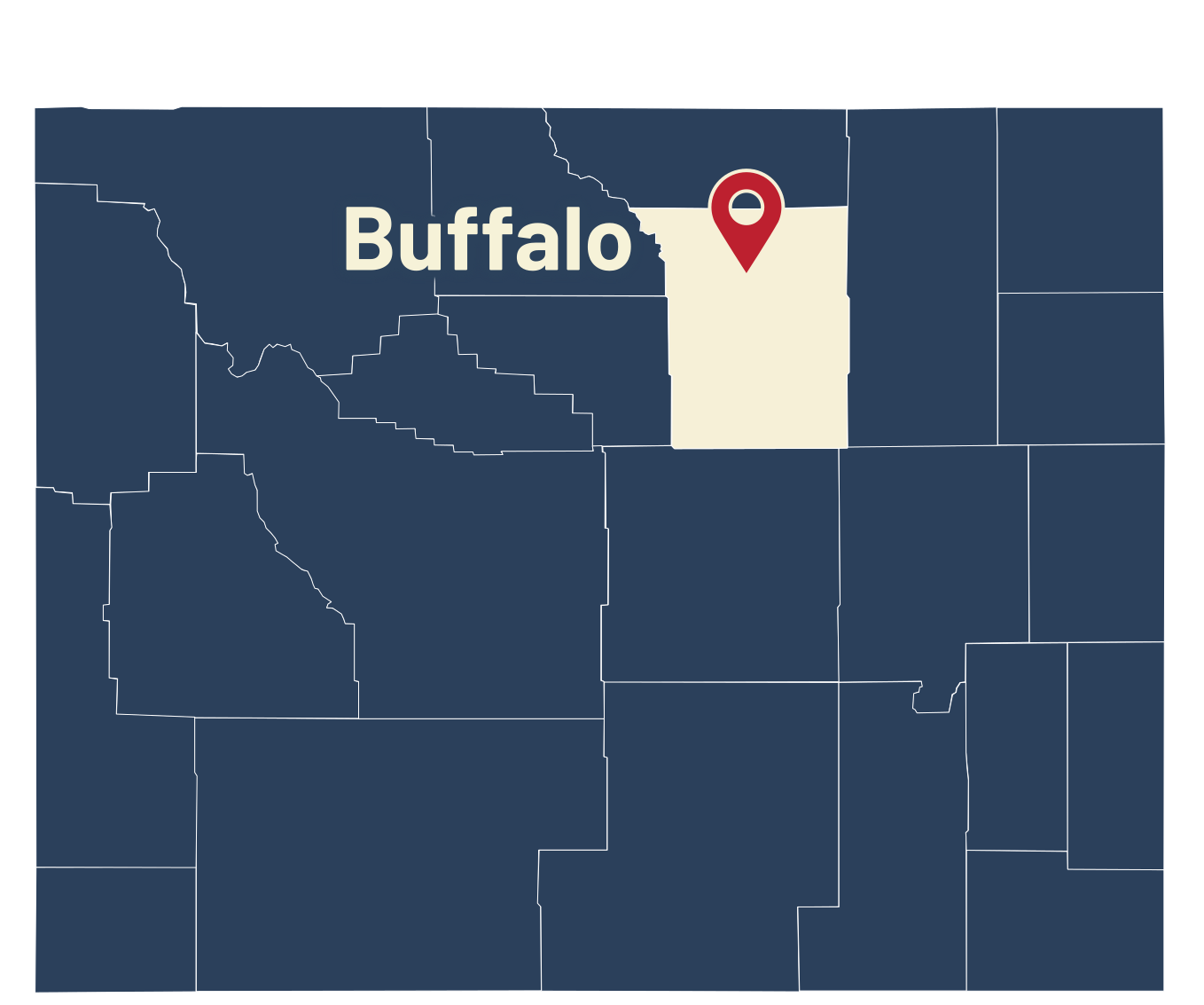
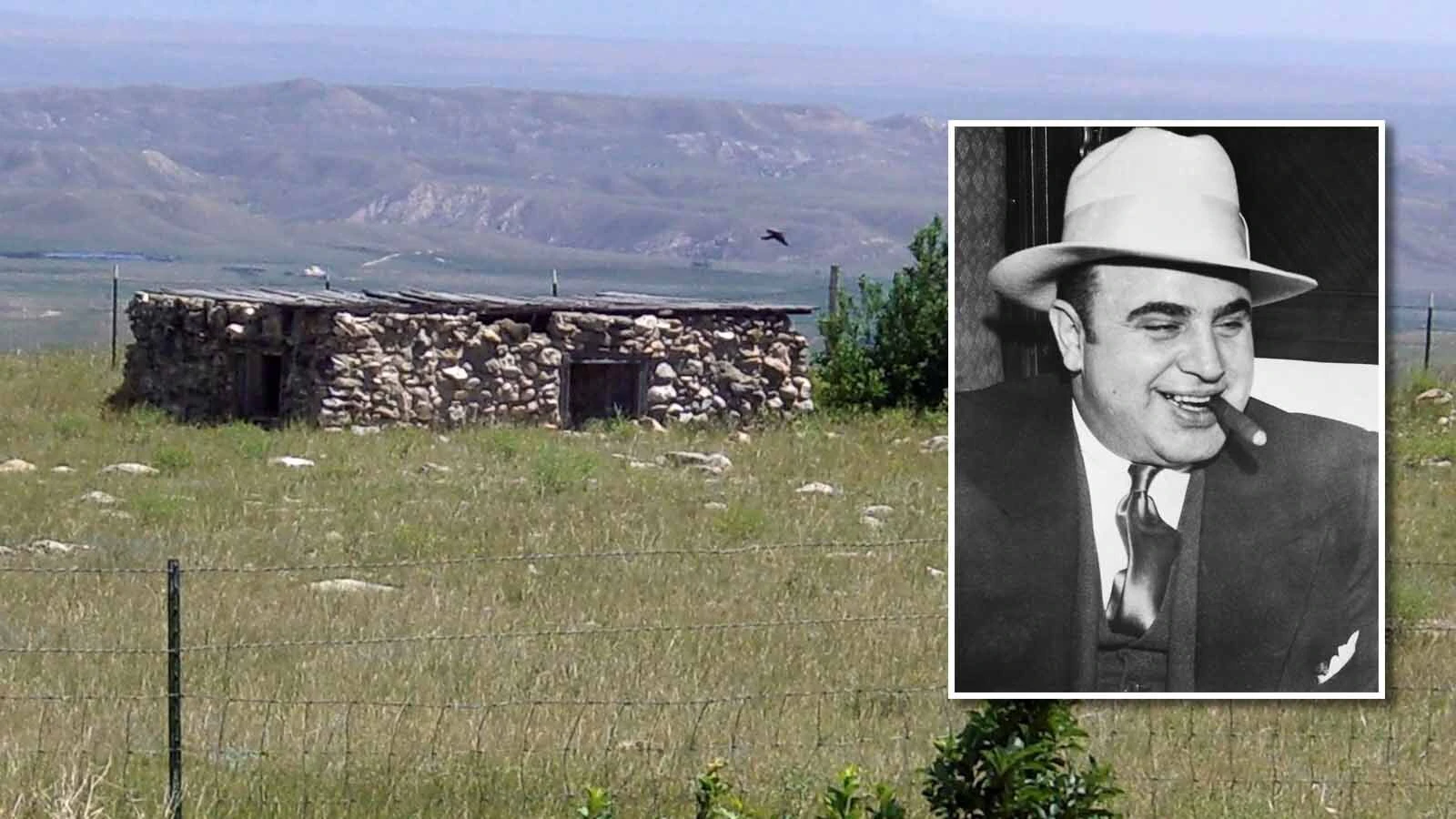
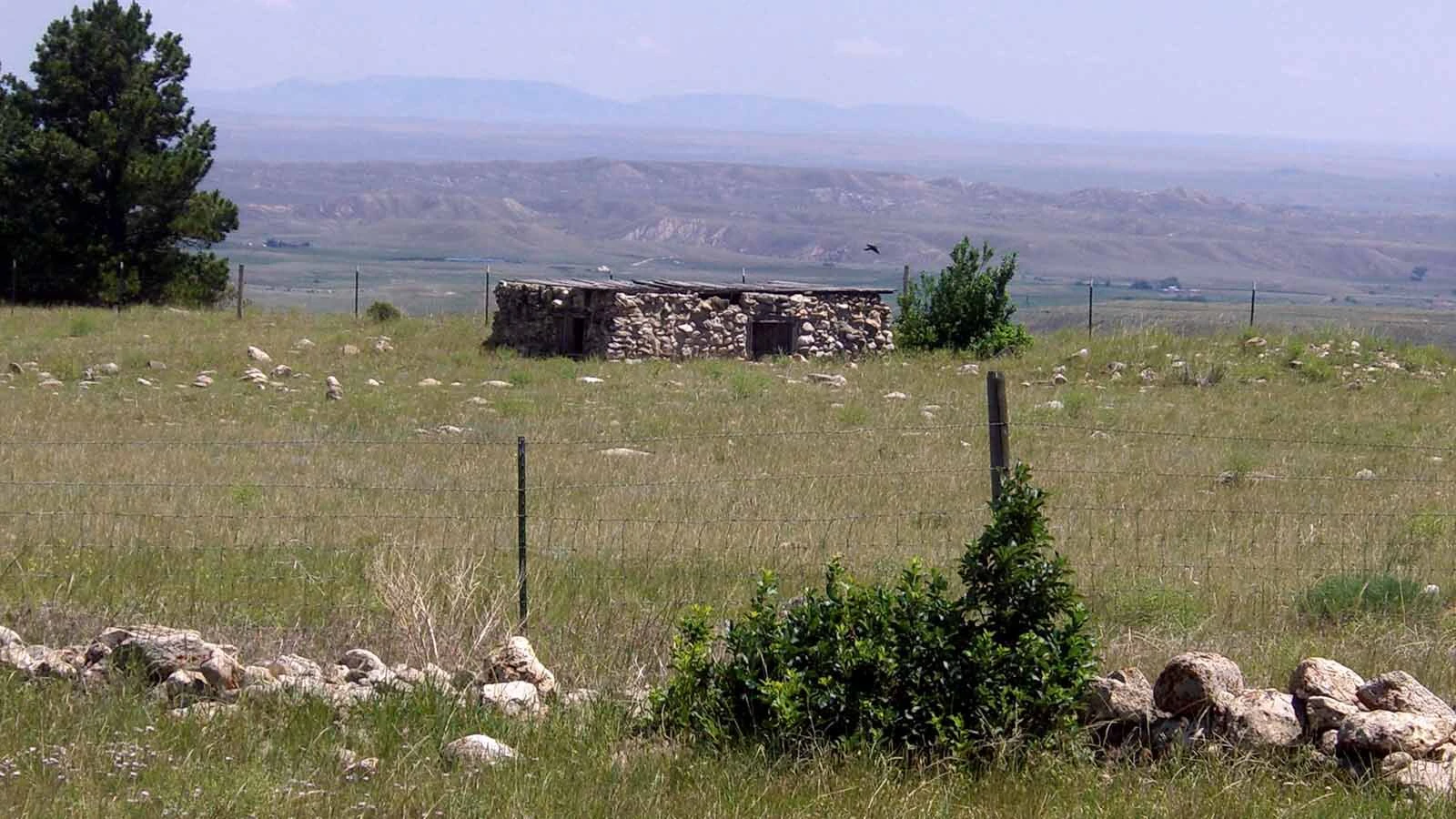
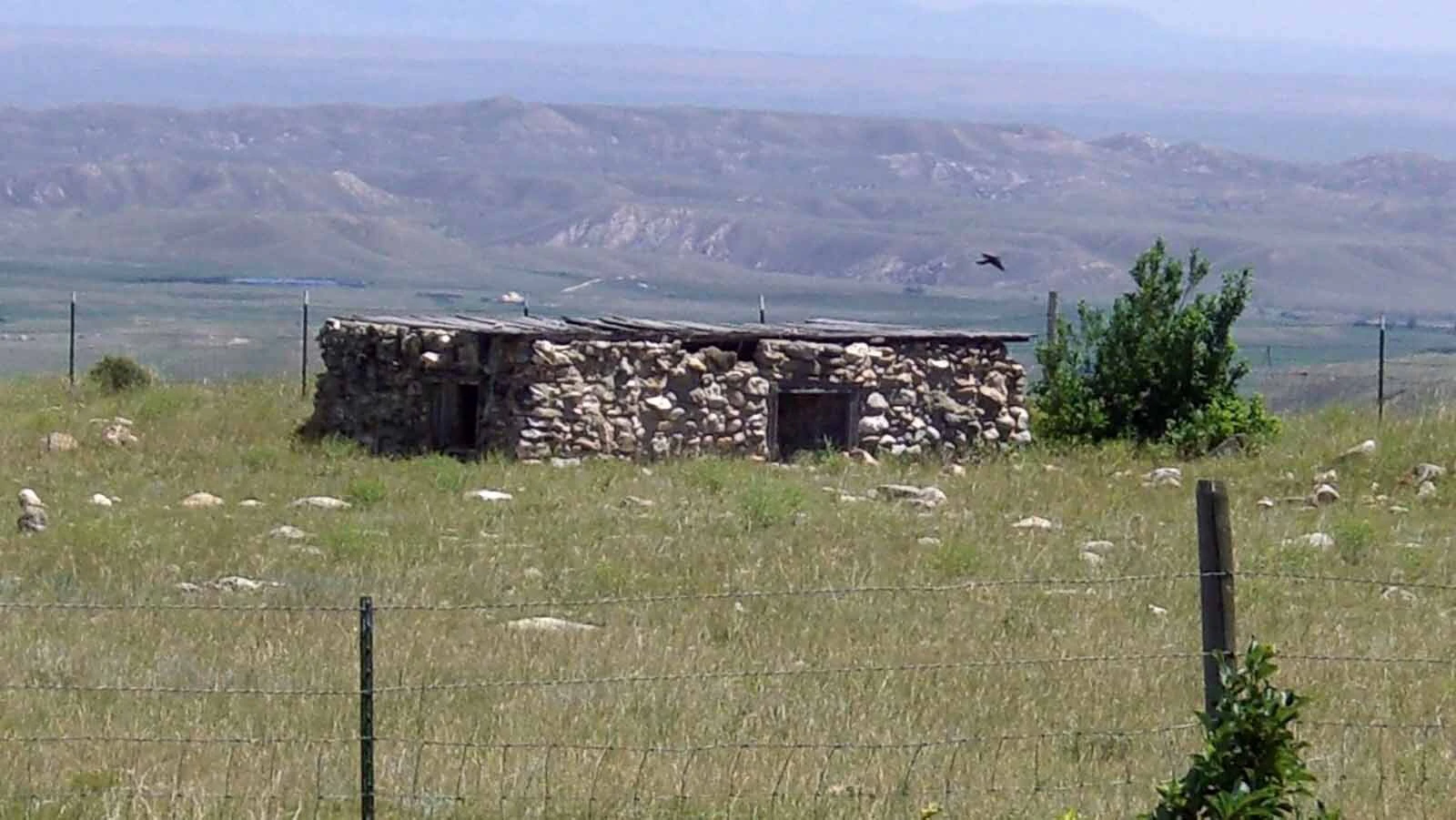
On the eastern slope of the Bighorn Mountains near Buffalo, a now long-abandoned, squat stone structure sits on a plateau, surrounded by a stone wall.
It looks like the perfect out-of-the-way spot for someone hiding from the Chicago mob, which it very well could have been.
This is the house that “Old Steve” built.
That’s how local families like the Fraleys and Tasses knew and remember their affable neighbor, a goat herder for 20 years who kept to himself.
But there was more to Old Steve. According to him, there were a lot of skeletons in his closet — and more to the point, he knew who put them there.
Steve didn’t move to Buffalo for the scenery or rustic life, and it wasn’t for a love of goats.
He was hiding from a violent past with the Chicago mafia.
Old Steve literally knew where the bodies were buried and escaped to the Bighorns before he could be buried with them.
“He was an interesting figure in our community,” Buffalo resident Kathleen McPhee told Cowboy State Daily. “He was a well-liked, quiet man who wanted out of any spotlight at all, but we were all aware of the reasons that he moved to such a remote location.”
Pleasant And Respectful
McPhee was only a girl when she met Old Steve.
She remembers him as a “very pleasant, respectful” old man who was “very careful about his language.”
“He had quite a little herd of goats, which he used for milk and for meat, and they were his pets,” she said. “In those days, many shepherds were trailed up Crazy Woman Canyon Road and then up the hills south of Crazy Woman Canyon.
"Everybody that came by would stop and chat with Old Steve, just as any neighbor would.”
McPhee didn’t know or spend much time with Old Steve, but her neighbors did.
Cliff Fraley, Leo Tass, and Ellis Patch, McPhee’s father, often stopped by the stone cabin Steve built when he settled in the Bighorns.
Despite being what modern Wyomingites would call a “transplant,” nobody treated Old Steve like an outsider. After he built his stone home, McPhee said it "felt like he’d always been there.”
Fraley, Tass, Patch, and other ranchers would regularly stop by Old Steve’s stone shack for small talk and a cup of coffee.
During these friendly visits, he became more candid about his past.
Chicago Cleaner
“Old Steve” had another name he went by in Wyoming: Steve Mushal.
The Buffalo community knew him by that name, but he may have never revealed his true identity to his neighbors.
McPhee said everyone knew Steve was connected to the Chicago mafia. He confided as much to many people, hinting at scary, sordid deeds from his past.
“He had worked as a sort of disposal agent in mob situations,” McPhee said. “He was a driver for a mob boss, but he certainly knew who in the mob had killed whoever it was, and he had a lot of information that way.”
The rustic retreat in the Bighorns was Steve’s way of escaping the mafia. He believed it was only a matter of time before his former associates targeted him.
“He knew that there was a time that they would decide he knew too much and would not want him around anymore, and he decided he needed to go somewhere where nobody could find him,” McPhee said. “He chose a good spot.”
Steve planned to disappear into a community where nobody would recognize him, making it hard for anyone outside Buffalo to know where he was.
Over time, he integrated into the community and seemed to enjoy the new life he’d created.
McPhee didn’t hear any of these stories firsthand, but her father and several others did.
As he got older, Steve apparently felt safe enough to open up to his friends and neighbors.
“His intent was to fade into the woodwork, but as anyone living by themselves, he got lonely,” she said. “Knowing that none of us out here, way out in the foot of the Bighorns, had any connection whatsoever with the mob, or really even knew how they operated, he considered the sheepherders and cattle ranchers his friends.”
McPhee thinks Mushal may have been motivated to integrate into the community for more than loneliness alone. If any former associates discovered his location, it was better to be among friends.
“I think he felt safe because, firstly, as his friends, they would not have any contact with the mob; and secondly, they would protect him to the extent they could,” she said.
Old Steve never confessed to murdering anyone himself — at least McPhee never heard that he had.
“I don't remember that he shared that with Dad, or that Dad shared it with me,” she said. “Maybe Dad thought I was too young to know about murdering and disposing of people.”
A Former Friend In The Bighorns?
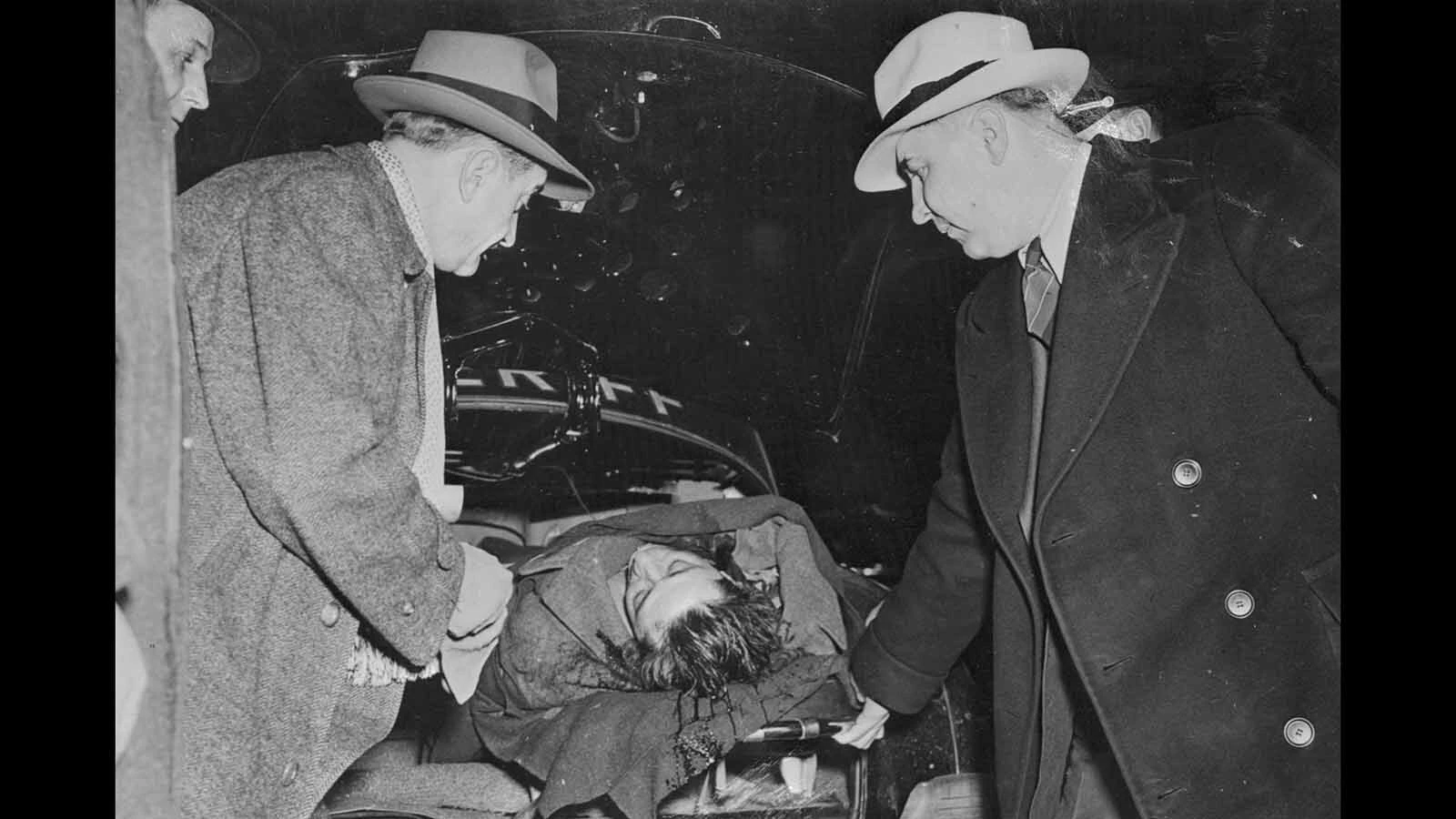
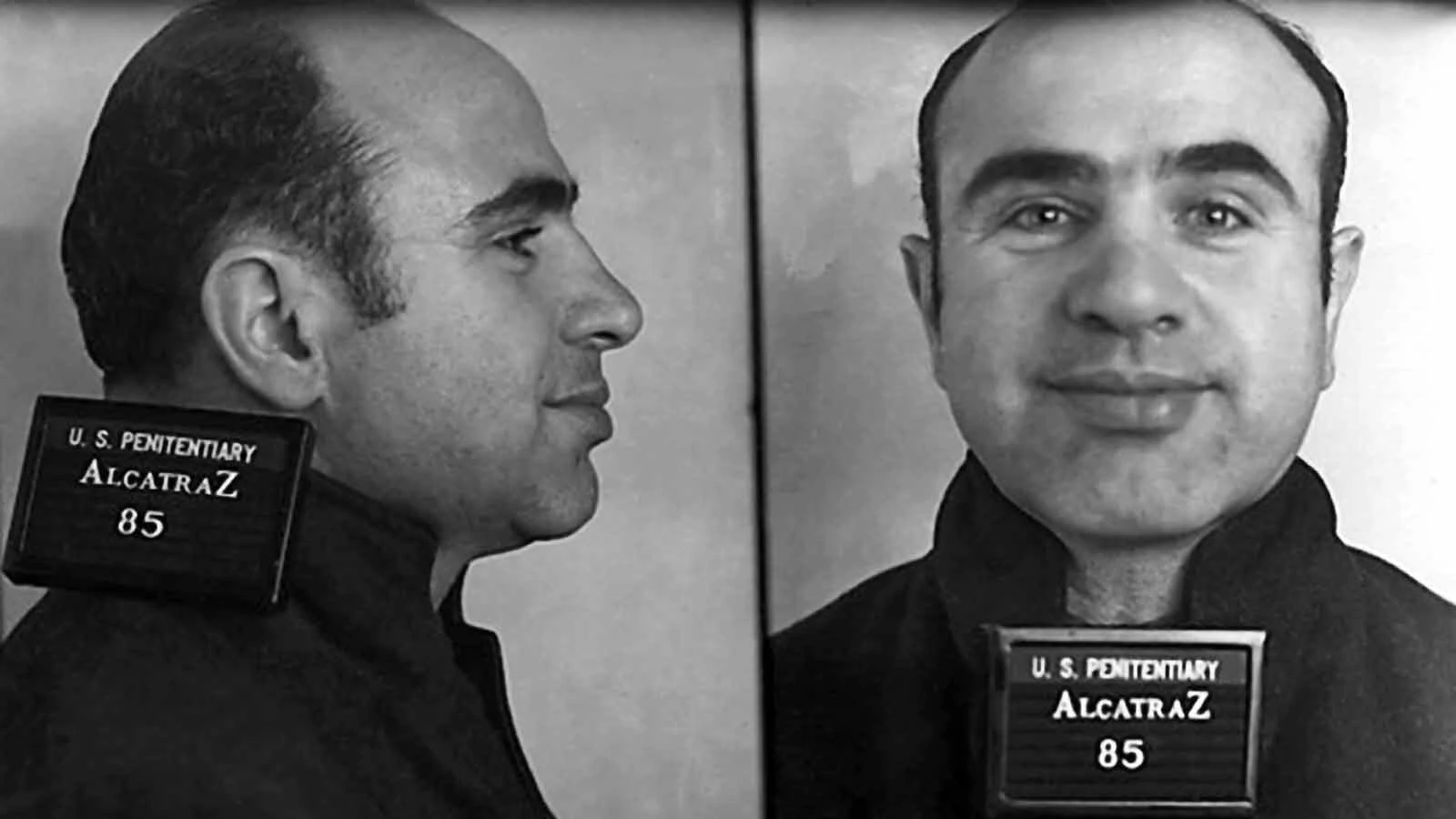
When people hear about the Chicago mafia, they immediately think of Al Capone’s violent reign in the 1920s.
Capone was sent up the river for tax evasion in 1931, but “the Chicago Outfit” continued to be one of the largest and most violent criminal organizations in the United States.
According to McPhee's timeline, Steve would have driven and taken orders from a man named Frank "The Enforcer" Nitti, Capone’s successor as boss of the Chicago Outfit, and Paul Ricca, whom many believe held the real power behind the throne for 40 years.
Depending on when he started working with the Chicago Outfit, he could have chauffeured Capone himself.
Mafiosos who betray their peers and cooperate with law enforcement investigations are known as "rats.”
Steve may have fled to the Bighorns after turning on the Chicago Outfit, but that would be pure conjecture.
Cowboy State Daily reached out to the National Museum of Organized Crime and Law Enforcement in Las Vegas, Nevada — better known as The Mob Museum — for more information on Mushal and the Chicago Outfit.
One of the museum’s centerpiece exhibits is the brick wall where the St. Valentine’s Day Massacre took place on Feb. 14, 1929.
Nobody at The Mob Museum was available for an interview at the time of publication, but staff confirmed they couldn’t find anything in their records linking Steve to the Chicago Outfit.
McPhee said Steve spoke about his mafia connections but never in much depth.
She remembers her father talking about Old Steve's reaction when someone asked if he’d ever go back to Chicago for a visit.
“He said, ‘Oh no, no, no, they'd kill me,’” she said. "He really was in fear for his life if he were to go back."
Well Done
Steve Mushal was found dead on Sept. 19, 1963. He was 69 years old.
Cliff Fraley was the one who found his body in his home.
Local legend says that Steve was found dead at the bottom of his well, possibly after his mafia associates finally found and whacked him.
McPhee thinks the truth is more mundane.
“He was building a well inside the house, and I’m not quite sure why he would do that,” she said. “The neighbors hadn't seen him for some time, so Cliff Fraley thought he’d go out and check on old Steve and see how he was doing.
"He went in and found that he had passed away.”
Steve’s body was found sitting on a ledge next to the well he was digging. It looked as though he’d died in his sleep.
“It was all very peaceful, and he was comfortable,” she said. “He probably had worn himself out trying to dig the well deeper.”
McPhee thinks Old Steve probably died of a heart attack.
Buffalo ranchers and residents didn’t know anything about mafia hits, but they were convinced that there was no foul play in Old Steve's death. If he had been hiding from the mafia, he succeeded.
“They always used the word ‘peaceful,’” she said. “He was sitting there peacefully, not in any sort of stressful situation. He got tired, sat down, and died.”
Death Details
Old Steve was buried at Willow Grove Cemetery on Sept. 25, 1963. Fraley and Tass served as pallbearers.
His death certificate and obituary reveal a little more about his life, but nothing to implicate him in any mafia doings.
According to the certificate, Mushal was born in Palanka, Hungary, on Dec. 26, 1893. His parents' names are unknown, and he was never married (at least to anyone's knowledge).
His obituary says he came to Wyoming from California in 1940 and settled in Buffalo in 1942, when he bought his plot of land from the Tass family.
His only documented association with an organization was the International Longshoremen's Association, a labor union with historical ties to organized crime.
That could be a tie between Old Steve and the Chicago Outfit, or it could be a curious coincidence.
Either way, California is a long way from Chicago.
Old Steve’s Silver
Old Steve's story didn’t end with his death.
The small fortune found in his home remains local legend.
After Steve’s death, Fraley and Ray Phillips tried to settle his estate. As they went through his home, they found silver dollars. A lot of them.
“Apparently, he had silver dollars in every nook and cranny inside his house,” McPhee said. “Cliff and Ray gathered all of those things up and took them to the bank for safekeeping.”
The coins were put into an account at the Wyoming Bank and Trust Co. so they could be given as an estate settlement to any next of kin who came to Buffalo looking for Steve.
“The dollar per silver dollar was counted up and put in an account at the bank,” McPhee said. “I don’t know how much there was, but they were worth a lot more than $1 apiece.”
No one ever came to claim Steve’s estate, and the silver dollars mysteriously disappeared.
Locals say that someone at the bank switched actual dollar bills for the much-more valuable silver dollars. The account balance stayed the same on paper, but the wealth had diminished.
Nobody knows who allegedly stole Steve’s silver dollars. Fraley and Phillips were the obvious suspects, but McPhee felt she could at least exonerate Fraley.
“Cliff was a very, very honest man,” she said. “As for Ray, he was as honest as he was.”
Can’t Fuhgeddaboudit
More than 50 years later, Old Steve Mushal remains as mysterious in death as he was in life.
“I’m not even sure there's a photo of him,” McPhee said.
He's almost a mythical figure, except for the many people who met, knew, and remembered the actual man.
Old Steve was a well-known and respected friend and neighbor among Buffalo’s ranchers for more than 20 unassuming years.
The house and wall that he built still stand abandoned in the Bighorns. Other than the memories of those who knew him (and his never-claimed estate) that’s all that’s left of Old Steve Mushal.
One would think having an ex-associate of the Chicago Outfit in hiding as a neighbor would be concerning, but Buffalo residents had nothing but respect and affection for Old Steve.
“He was generally well thought of,” McPhee said. “He did not have any difficulty or get angry with anyone, everyone felt comfortable with him, and he was happy to see people. He considered us as friends.”
If Old Steve really was hiding in the Bighorns to save himself from the violence of the Chicago Outfit, he succeeded.
Andrew Rossi can be reached at arossi@cowboystatedaily.com.


