
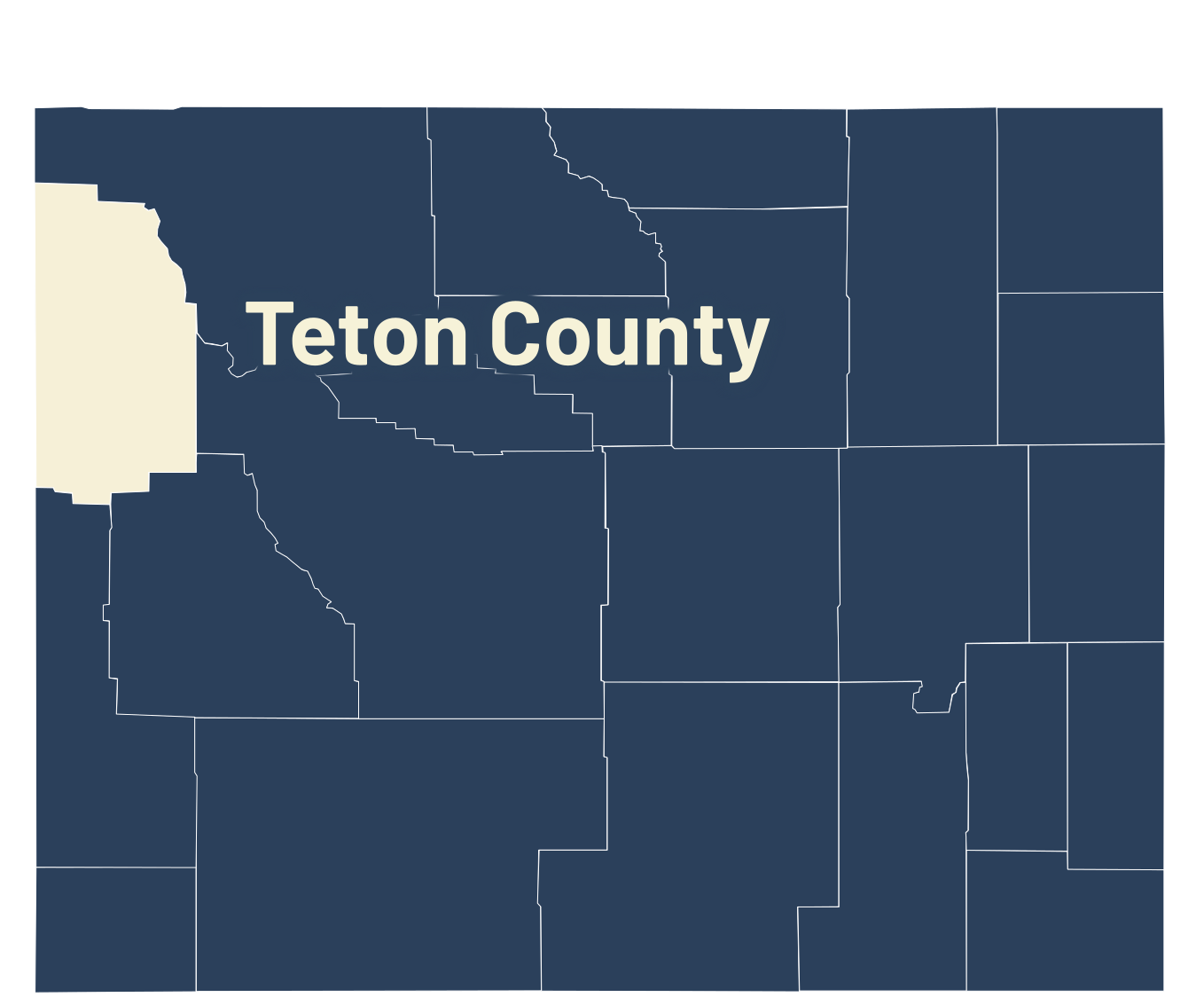
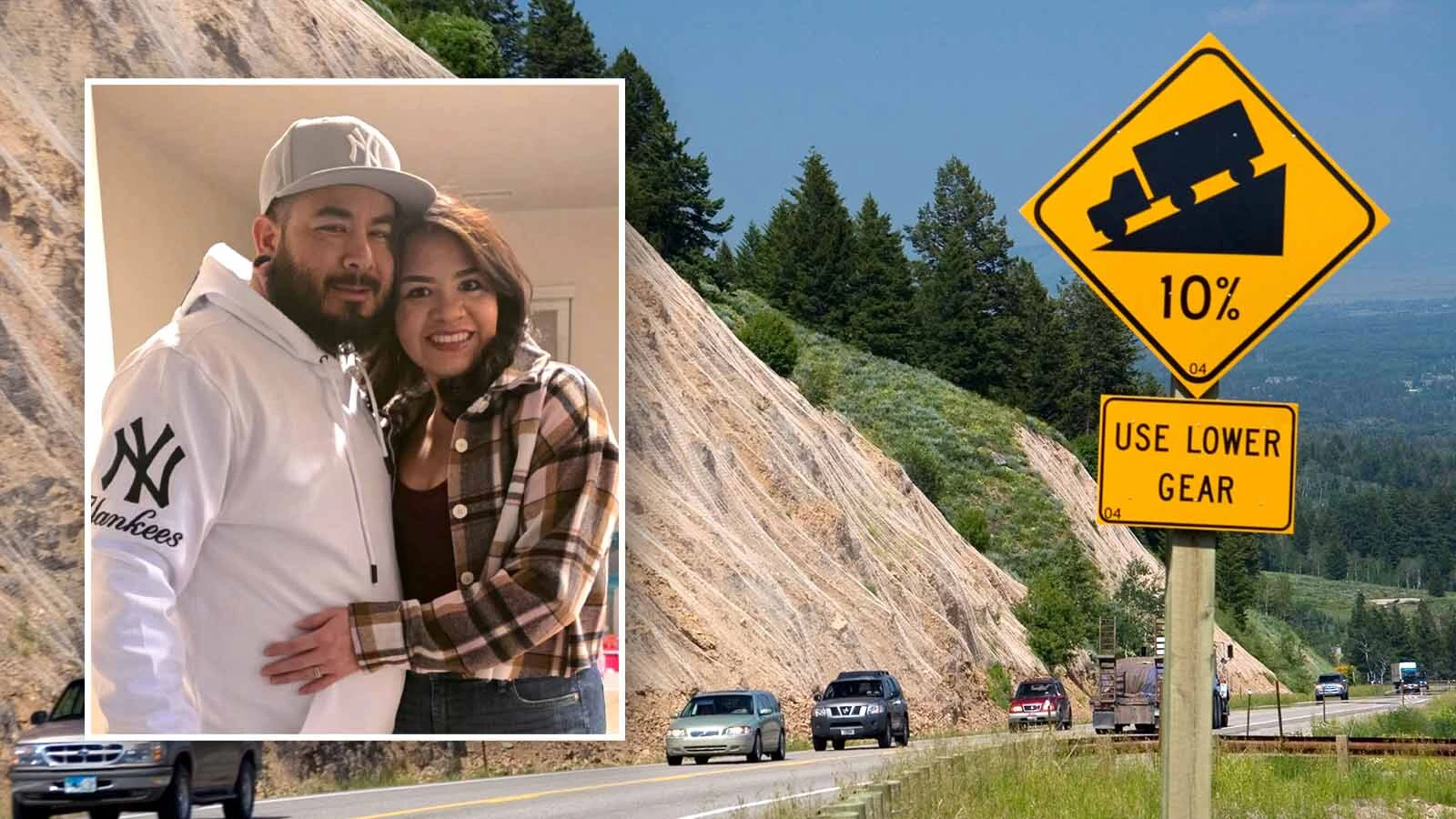
Javier De Luna Chavez was not a quitter. He survived kidney failure, years of dialysis, a transplant and COVID before he was killed Sept. 2 when the pickup carrying him home careened off Teton Pass and rolled.
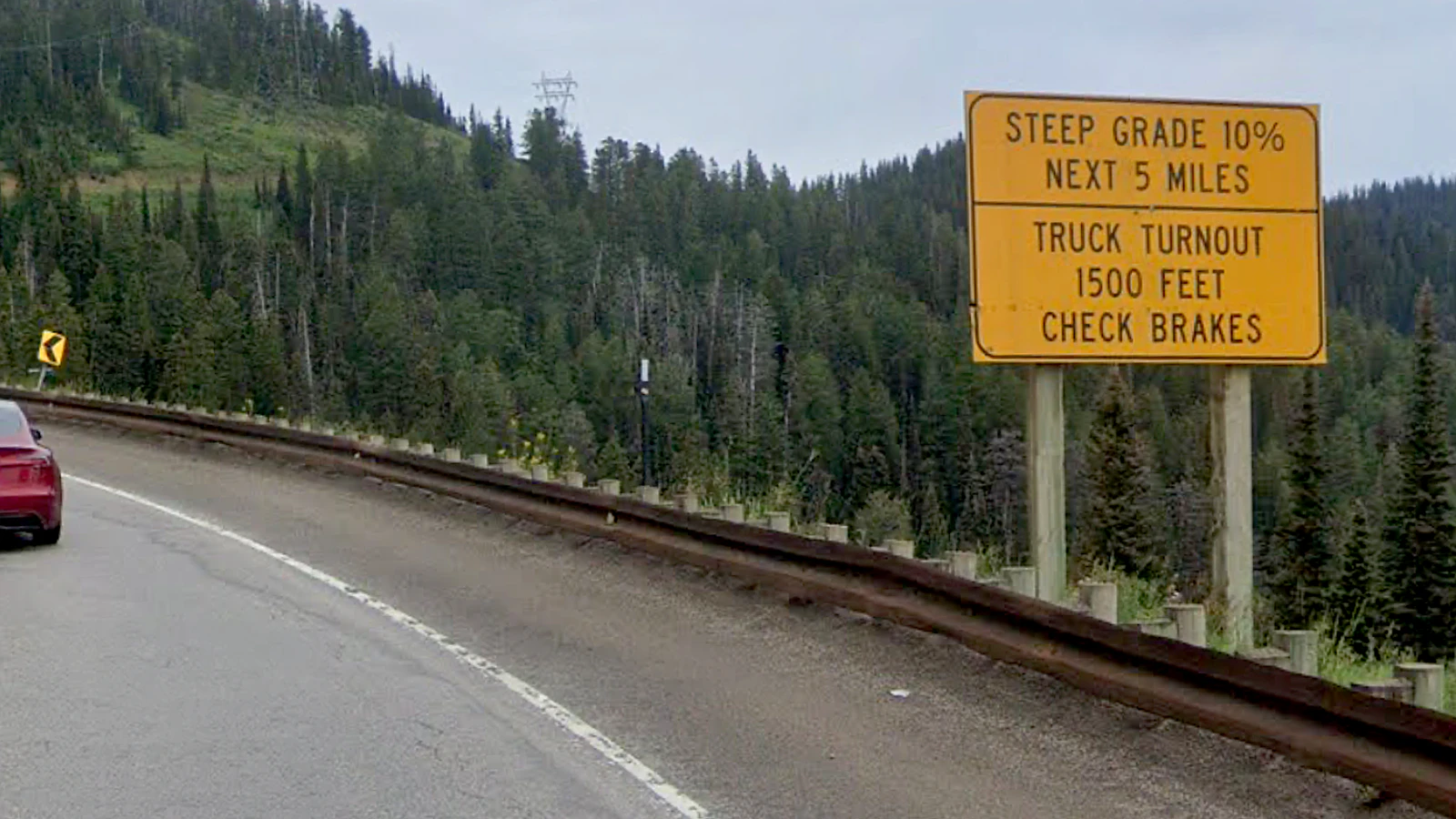
His wife, Avilene De Luna, watched Javier fight for his life over the course of a decade. Then he became the third fatality on the steep 10% grade of Wyoming Highway 22 in less than two months.
Two hours after he had kidney transplant surgery in 2020, De Luna said her husband ordered himself a cheeseburger and started walking.
“He was not a quitter,” she said.
The 41-year-old Colorado father of three died at the scene of the crash after the Ford F-250 he was riding in gained speed descending Teton Pass, crossed the opposite lane of Highway 22, left the road and hit an uphill driveway that launched the truck into the air, according to the Wyoming Highway Patrol.
The truck rolled over the driveway before coming down on its side.
De Luna said Javier had recently spent more than $500 upgrading the pickup's brakes for hauling.
She believes the extreme 10% grade descent overwhelmed those upgraded brakes, though the Wyoming Highway Patrol investigation remains ongoing and has not publicly determined the truck's mechanical condition or precisely what caused it to gain speed.
Now in the wake of Chavez’s sudden death, his widow told Cowboy State Daily that she's made a promise to her husband, “which I plan to keep,” to join a growing number of voices calling for changes to address what they say is an overly dangerous and hazardous drive over Teton Pass.
“This bloodshed ends with him,” she said.
‘He Never Met A Stranger’
For De Luna, the hardest part of seeing her husband's name in news stories about Teton Pass is how little an official crash report says about a person.
What it doesn’t say is that Javier was a father of three, an athlete, a coach, a mechanic, an animal lover and a relentless worker.
“He was such a phenomenal dad,” she said.
Sports consumed much of his life. He wrestled, played football and baseball, and ran track when he was younger. Once he became a father, he moved to the sidelines.
“It was always on a field somewhere, whether it be a football field or a softball field or a baseball field," De Luna said.
Their son Fabian was sitting near his mother during her interview with Cowboy State Daily. When she asked whether there was anything he wanted Wyoming to know about his father, he said, “How incredible of a coach he was."
Javier also had an ability to collect friends almost accidentally.
De Luna recalled that when the couple started a small hauling business, Javier regularly spoke by phone with a dispatcher in Pakistan. What began as business conversations turned into discussions about family, culture, and life on the other side of the world.
Javier began talking about someday flying to Pakistan to meet the man who had become his friend without the two ever occupying the same continent.
The morning after Javier died, the dispatcher sent a message asking whether he was ready to work.
De Luna had to tell him Javier was gone.
When he heard that, the man asked De Luna if she would be OK with him praying to Allah for him.
“Absolutely,” she told him. “Pray to Buddha, pray to Allah, pray to God, pray — yes, all the prayers.”
That, she said, was Javier.
“This person never met my husband in person, never,” she said. “It was a phone call.”
Yet Javier had made a friend.
“His love was more than Colorado, was more than Nebraska — which is where he had his transplant — was more than where his family is from,” De Luna said. “It just went everywhere, because again, he never met a stranger.”
Rich In The Ways That Mattered
After years of battling kidney disease, dialysis and hospital stays, Javier’s transplant finally gave the family some breathing room — and they decided they weren’t going to spend it sitting still.
They started traveling.
Wisconsin. Minnesota. Mexico. London. Italy. Then came Hawaii.
The family loved it so much they went three times in one year.
“Not because we had money,” De Luna said, adding that they found the cheapest places to stay they could, ate what they could afford and figured out the rest as they went.
Sometimes, she joked, Javier didn't seem to realize they weren't wealthy.
“He never realized that we were poor because he was so rich inside,” she said.
His response to financial uncertainty was usually the same.
“Don't worry about it,” he’d say. "We’ll be fine, babe."
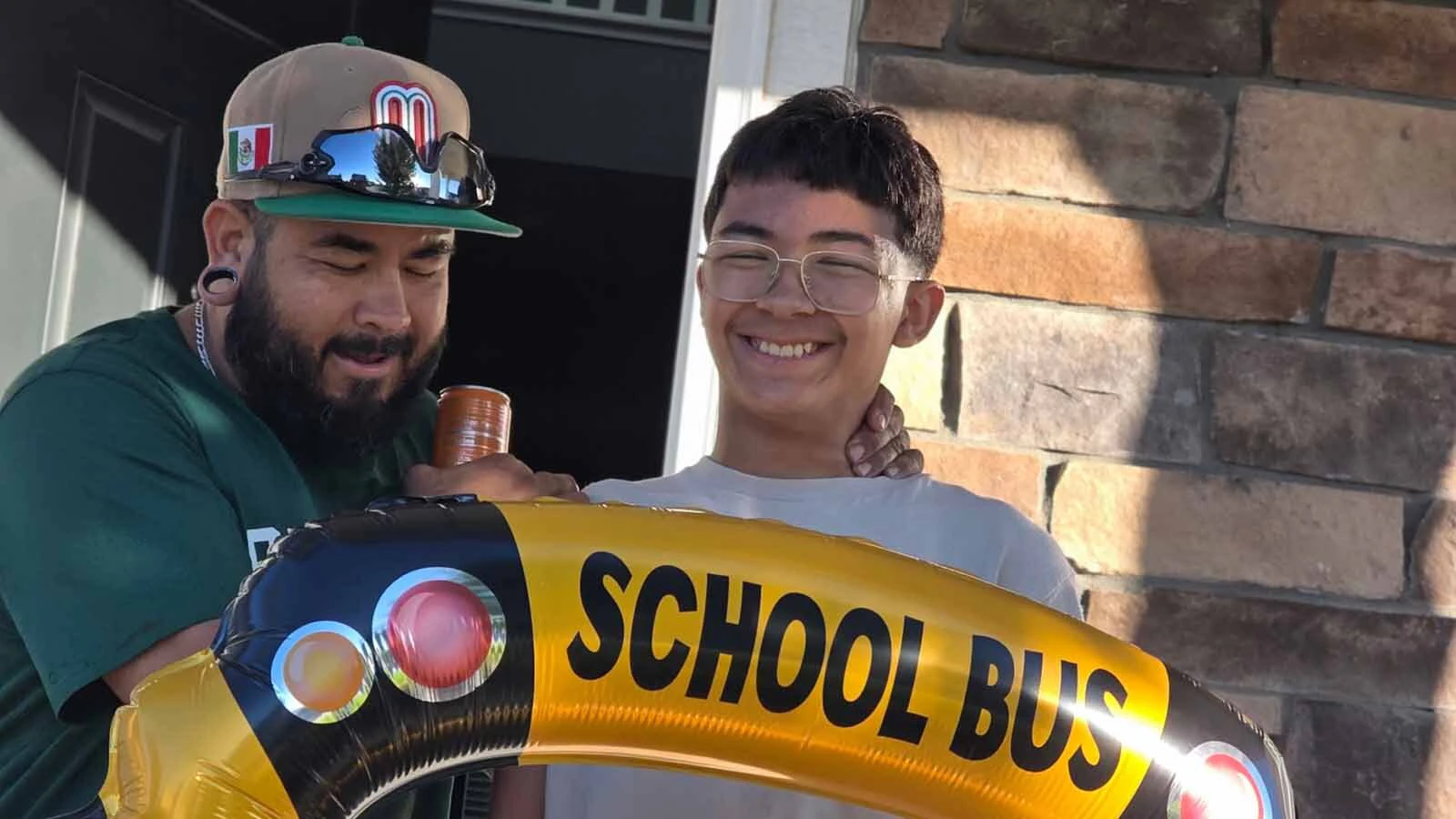
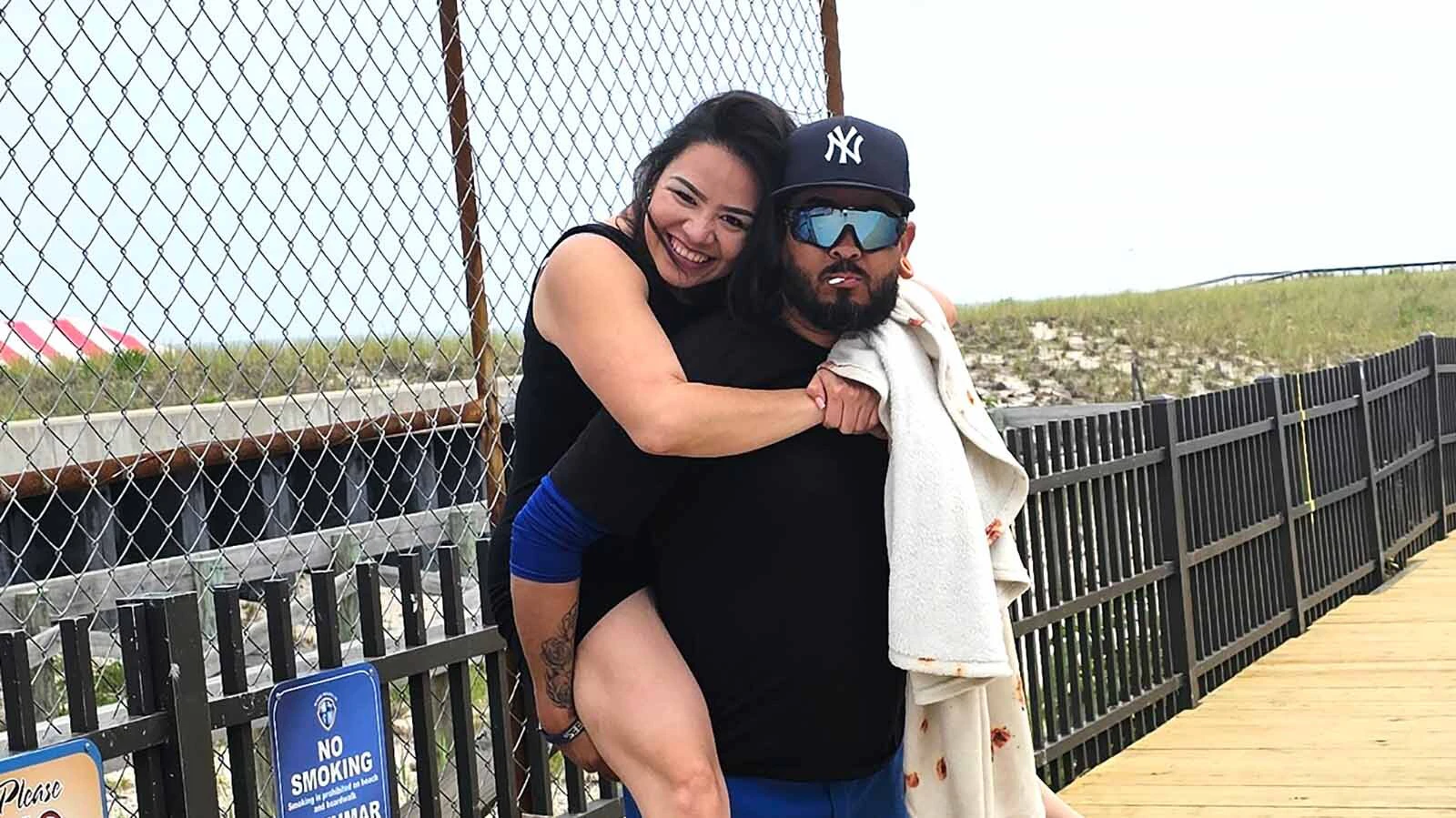
Javier De Luna Chavez with his son Fabian. De Luna remembered her husband as both a “phenomenal father” and a “phenomenal coach.” (Avilene De Luna) 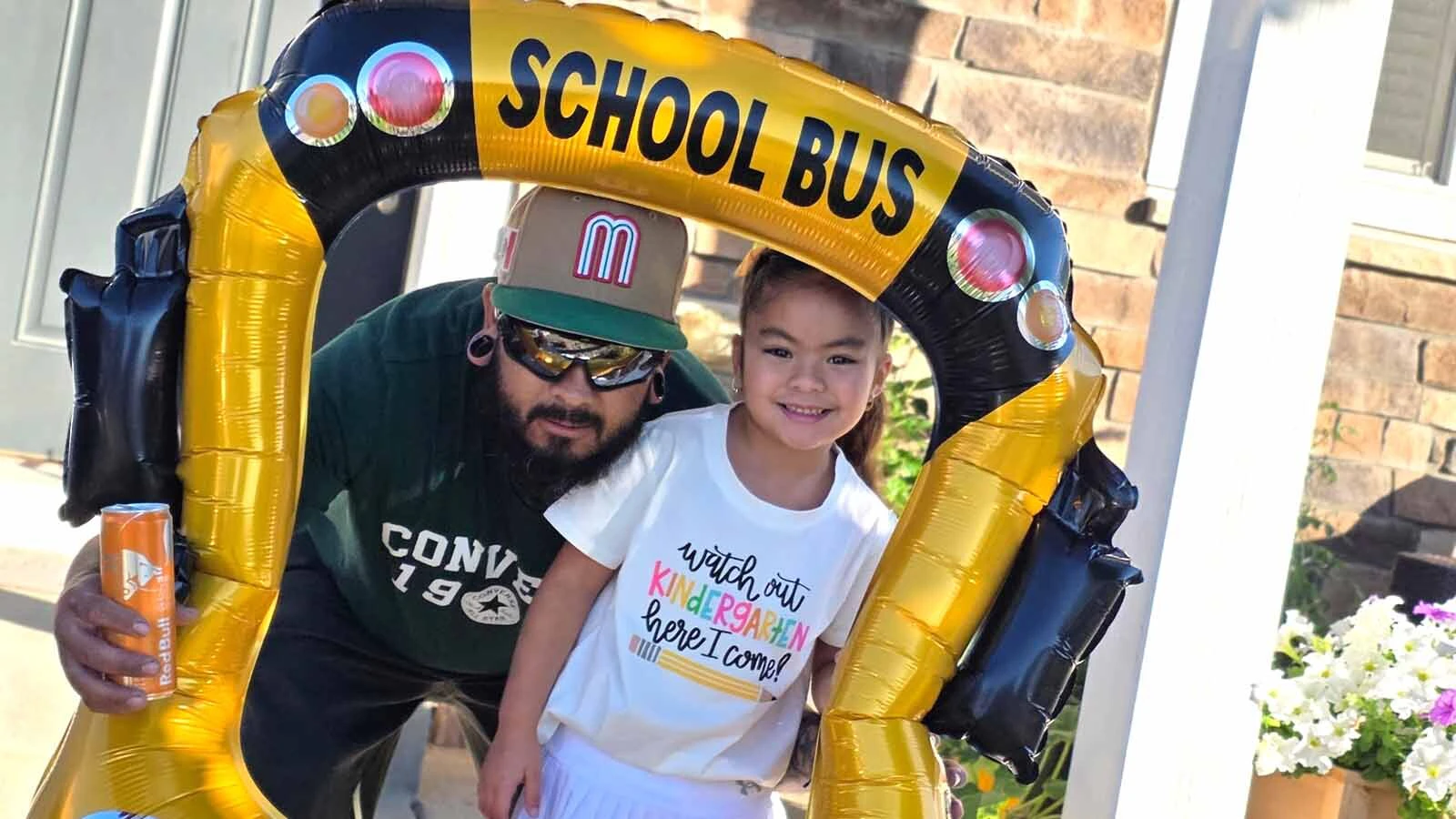
Javier De Luna Chavez with his 5-year-old daughter, Amelia. (Avilene De Luna)
One Last Load
About two or three months before Javier died, the couple started a hauling business. Javier wanted to work and provide for his family while having more flexibility to be home.
De Luna said much of what came in went right back out in expenses.
By early September, Javier had decided he wanted to cut back on out-of-state hauling and took what was supposed to be one final out-of-state run.
After delivering a load from Colorado to Montana, Javier was offered another job picking up in Rexburg, Idaho, and bringing another load toward home.
He called his wife.
The money wasn't great, she said, especially after driving hours empty to pick it up, but it would at least pay for diesel on the trip home.
“Go ahead, babe,” she remembers telling him. “It's money to come home.”
Before that last haul, De Luna and their 5-year-old daughter Amelia had actually considered going with Javier.
Amelia had a cough and wasn't going to school, De Luna said, so mother and daughter planned to ride along.
That decision now haunts her — and comforts her.
“To think that me and my daughter were supposed to be in that truck with him,” she said, adding that she can't bring herself to call that turn of fate fortunate.
“There's nothing about this that I'm thankful for,” she said.
Except one thing.
“I'm not crying more than one death,” she added.
Her son could have lost his entire family.

‘Promise Me’
De Luna spoke with Javier as he traveled through Wyoming that evening. He expected to make it home around 5 a.m. and told her not to wait up.
Their last phone call was nothing out of the ordinary.
Javier asked whether their son had done his chores and fed the family's many pets.
“He loved animals,” De Luna said.
Eventually, husband and wife said goodbye.
“I love you. Be safe,” she told him.
He told her he loved her too.
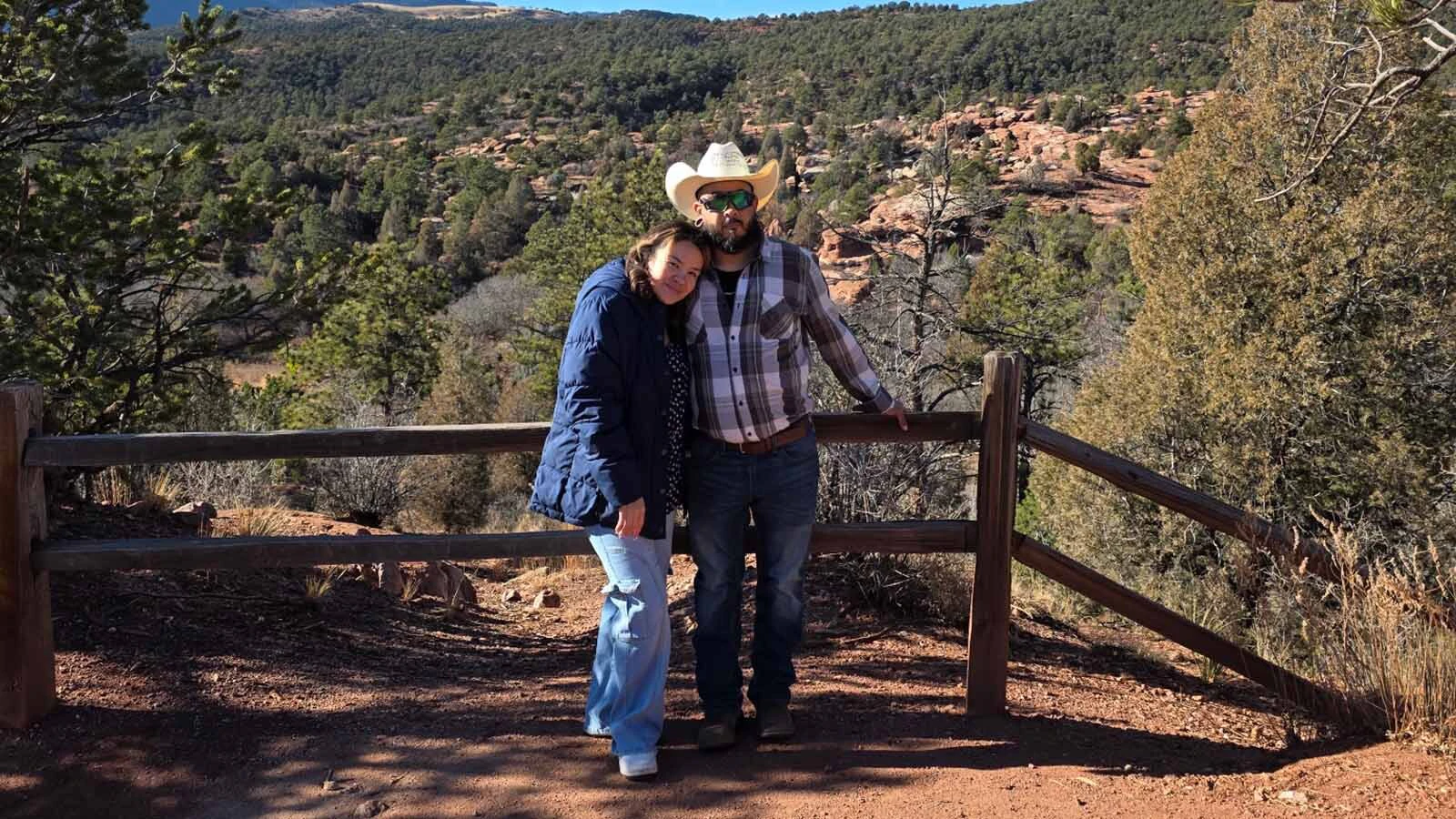
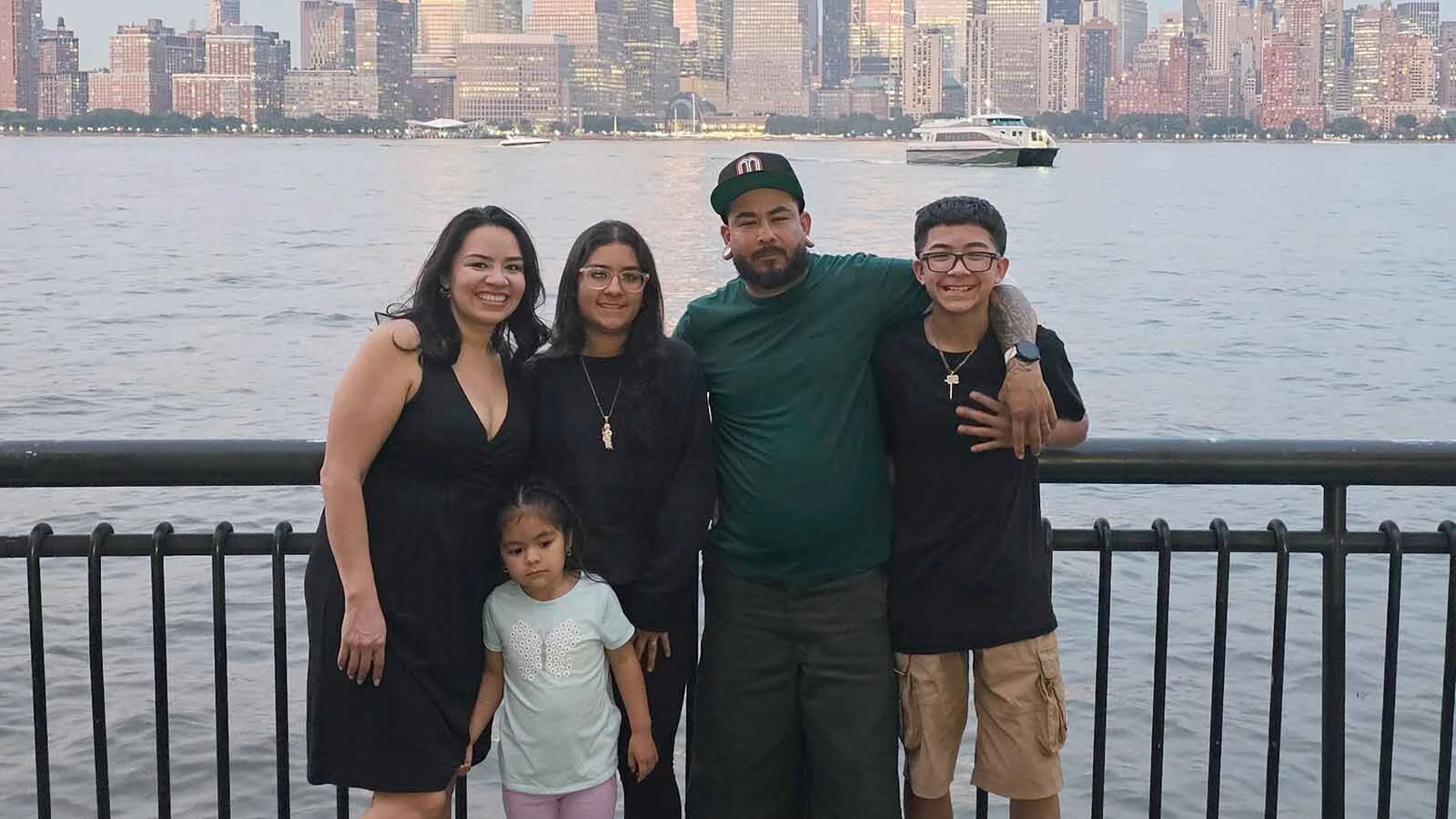
Avilene De Luna described her husband, Javier De Luna Chavez, as a man who “never met a stranger” and was rich in the ways that mattered most. (Avilene De Luna) Javier De Luna Chavez, right, with his family in New York. After years of health struggles, the family made traveling and creating memories together a priority. (Avilene De Luna)
A Summer Of Runaways And Wreckage
The crash that killed Javier did not happen in isolation.
Teton Pass has been the focus of an escalating safety debate throughout the summer.
On July 7, a dump truck hauling asphalt came down the east side of the pass near milepost 6.8 and crashed into a string of vehicles after losing its brakes, killing 66-year-old Nicholas Besobrasow of Tetonia, Idaho, and 57-year-old David Page of Mammoth Lakes, California.
Witnesses saw smoke pouring from the truck’s brakes as it accelerated down the sustained 10% grade.
The Highway Patrol initially described the wreck as a brake failure.
After an investigation, however, a trooper concluded the brakes faded because the driver overused them while descending too fast, rather than because of a mechanical defect.
The trooper wrote that the driver passed opportunities to stop, including a runaway-truck escape ramp just before the crash site.
The driver has since been charged with two misdemeanor counts of homicide by vehicle.
Eight days after that fatal wreck, another motorist captured video of an RV barreling down the pass, weaving through traffic as it descended.
It made it to the bottom without crashing.
By Aug. 3, nearly 200 people packed a community meeting in Teton County to discuss what could be done about improving safety on the pass.
The Wyoming Department of Transportation reported during that discussion that crashes on Teton Pass had increased about 20% over five years.
The community effort that followed has pushed for better warnings before drivers commit to the pass, particularly for commercial vehicles, RVs and vehicles towing trailers.
That history is why De Luna keeps coming back to the same question: How many warnings does Wyoming need?
She believes drivers hauling cargo or pulling RVs should be warned far more forcefully about the 10% grade before beginning the descent and given a clear opportunity to take another route.
“I would love to have the option, or an alert like, ‘Hey, this one is extremely dangerous,’” she said.
Changes Are Coming
Some changes are now scheduled.
The Wyoming Department of Transportation announced two days after Javier’s death on Sept. 4 that crews will begin upgrading roadside signage on Teton Pass beginning Sept. 21.
New “Must Stop Brake Check” signs will go up at the summit, while “No Parking” signs will be added at the gravel escape ramp and vehicle arrester system.
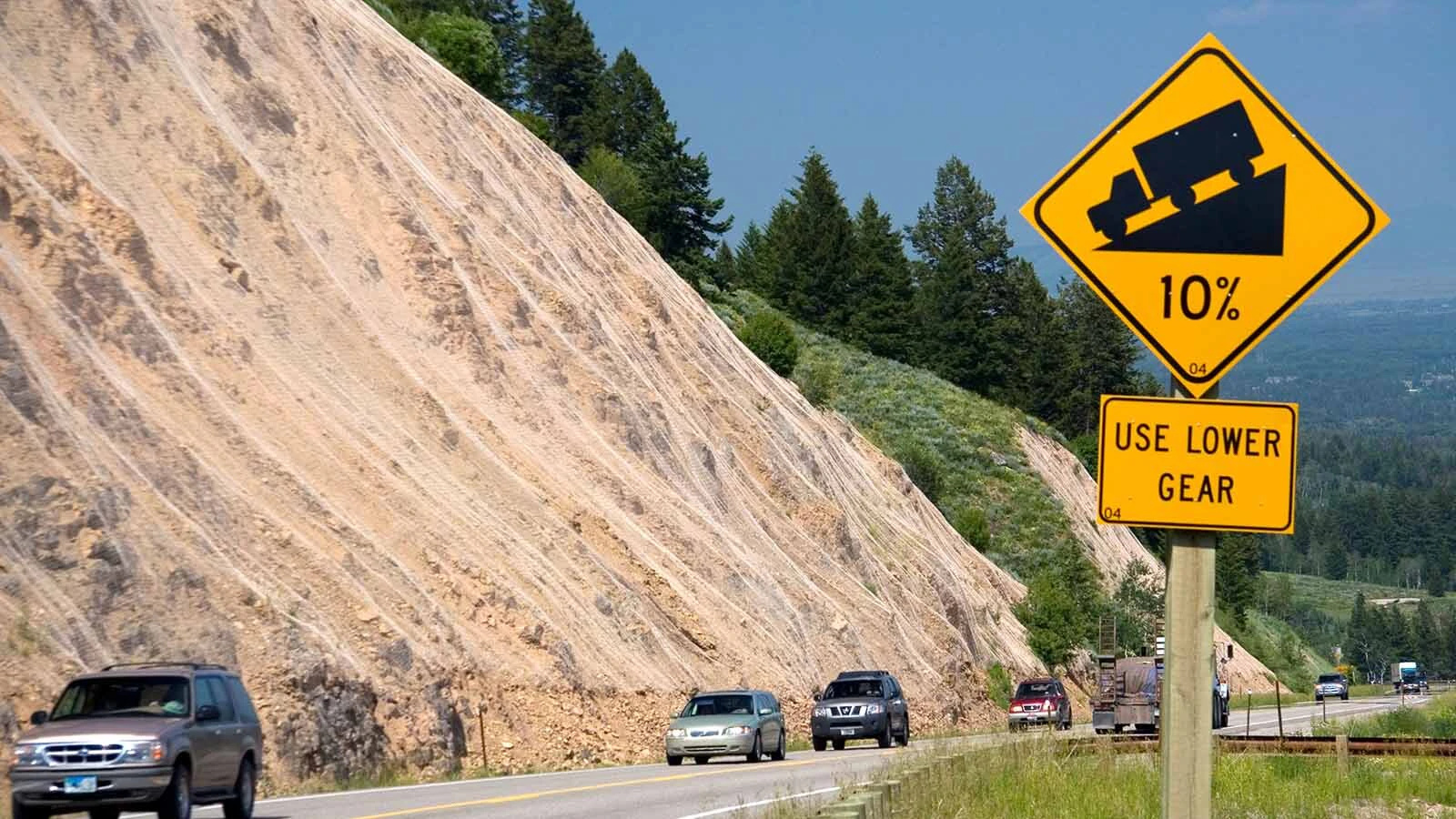
Existing warnings for “sharp curves,” “steep grades” and “stay in low gear” will also be changed so they address “All Vehicles,” rather than only truckers.
WYDOT is also designing map-style signs showing the grade, restrictions and an alternate route through Swan Valley. Those are planned for the scale house, state line and summit turnout.
“We have about 50 signs from the state line to Wilson informing drivers of steep grades and to use low gear,” WYDOT District 3 Traffic Engineer Darin Kaufman said in announcing the work.
WYDOT also stresses that drivers themselves remain a critical part of the equation: buckle up, slow down, obey speed limits and use a low gear on steep descents.
De Luna told Cowboy State Daily she intends to come to Wyoming when the work begins.
“I will be there,” she said.
She wants officials to consider everything from stronger warnings and restrictions to major physical changes or rerouting.
She also wants Javier's death to be the one that finally makes the problem impossible to ignore.
‘Why Are We Allowing A Road To Win?’
De Luna hasn't decided whether the family's fight will ever include a courtroom.
Asked whether she has spoken with an attorney or is considering legal action, she said she hasn't thought that far ahead.
Money isn't what she wants from Wyoming, she said.
“This is a war against a road,” she said. “Why are we allowing a road to win a war? Do the people not matter?”
She said she will keep pushing whether it takes months, years or even raising money herself.
“I am not gonna back down from a pass,” De Luna said. “That is a promise that I made to my husband.”
The response to Javier's death has already shown her how many people he touched.
The funeral home the family chose in Colorado seats about 180 people, she said, and they're expecting more than 300.
On Wednesday, someone called the funeral home and anonymously paid more than $6,000 toward Javier's cremation and services.
De Luna doesn't know who did it.
For De Luna, it was another reminder of the man who could turn a dispatcher on the other side of the planet into a friend.
“He was very loved,” she said.
De Luna established a GoFundMe for Javier's family to help with the costs of bringing him home to Colorado, memorial expenses, mental health support and caring for their three children as the family adjusts to life without him.
“My husband had so many people that it would be him to also become viral even after his death,” she said.
De Luna laughed at the thought.
“I was very fortunate to be with him,” she said.
Kolby Fedore can be reached at kolby@cowboystatedaily.com.


