Ever since cattle prices reached record highs in the last couple of years, beef prices have been the talk of the town.
Lately, this talk has expanded to Washington, D.C. and some individuals who don’t know much about cattle and beef are making decisions which hurt cattle producers.
Any commodity facing uncertainty will drop in price, and in the past, cattle prices have dropped off due to meatpackers closing a plant or Washington, D.C getting involved.
Due to record-low cattle numbers and high demand worldwide, low cattle prices generally come back.
The national price for fat heifers and steers was $245 per hundredweight (cwt) in April, which was $34 higher than a year ago. Calves and feeder cattle were $418 per cwt in April, which was $97 per cwt higher than a year ago.
Cattle producers have been taking advantage of the high prices of heifer calves instead of keeping them to rebuild their herds.
Cattle are not like chickens or pigs where producers can make the decision to rebuild numbers and see results a year later.
For example, if you keep an April-born heifer and wean her off of her mother today, she should be able to breed during the first of May 2027, if her nutritional requirements are met throughout winter and spring.
In nine months, she will have a calf of her own, which will likely be weaned in October, then sold or kept as a replacement.
From planning to breed the first cow to selling her granddaughter takes 32 months.
If you wanted to feed her out as a fat cow and process her into beef products, it could take another eight months.
All in all, the decision to rebuild a herd takes a long time.
During those months, the heifer could be owned by several different entities – the rancher, a stocker buyer who would grow her on winter wheat for a cheap gain and/or a feedlot making a fat cow ready to be processed.
In her lifetime, the heifer could have three or four owners.
Any one of those owners could have lost money on the heifer.
At the time they sell the heifer, some politician could be dreaming up a wild idea or a packinghouse could close down – anything to result in uncertainty.
All commodities have a futures market associated with them.
These are traders who have never see a cow or a commodity but make money on the market changes of the commodity.
They panic over any uncertainty, which can cause the price of the commodity to drop and therefore affect the producer.
President Donald Trump wants to import more lean beef into the U.S. I don’t see it as having much affect on the price of hamburger, as hamburger is the most popular beef product coming from the cow.
The issue we need to be careful of is the integrity of the beef product. Is it safe?
This lean beef will most likely come from Brazil or Australia, as both countries have currently met their quota for selling meat to China this year and are looking for other countries to buy it.
I believe these meat products should have an “imported beef” label so consumers can choose if they actually want to buy it.
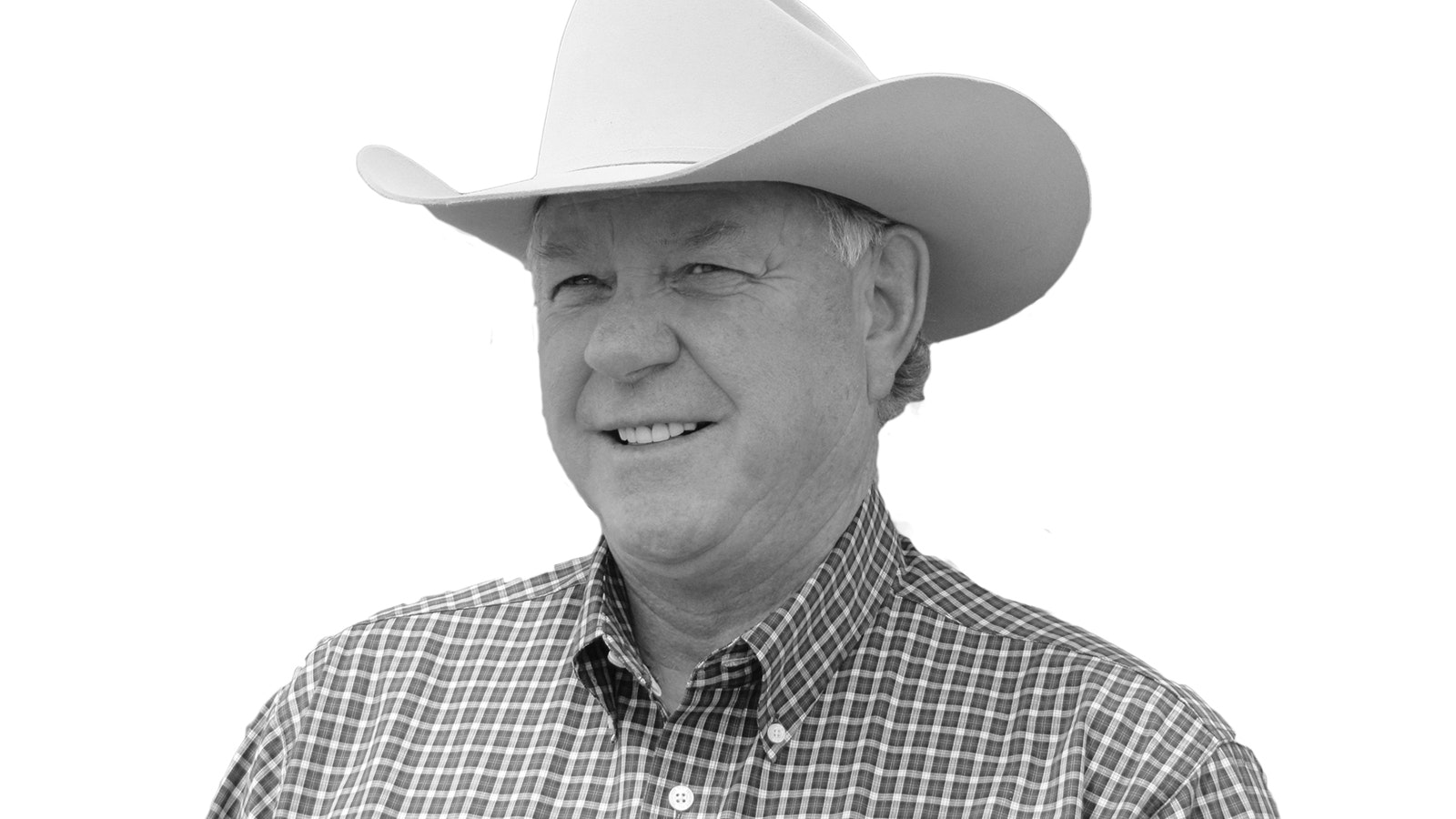
Dennis Sun is the publisher of the Wyoming Livestock Roundup, a weekly agriculture newspaper available online and in print.