
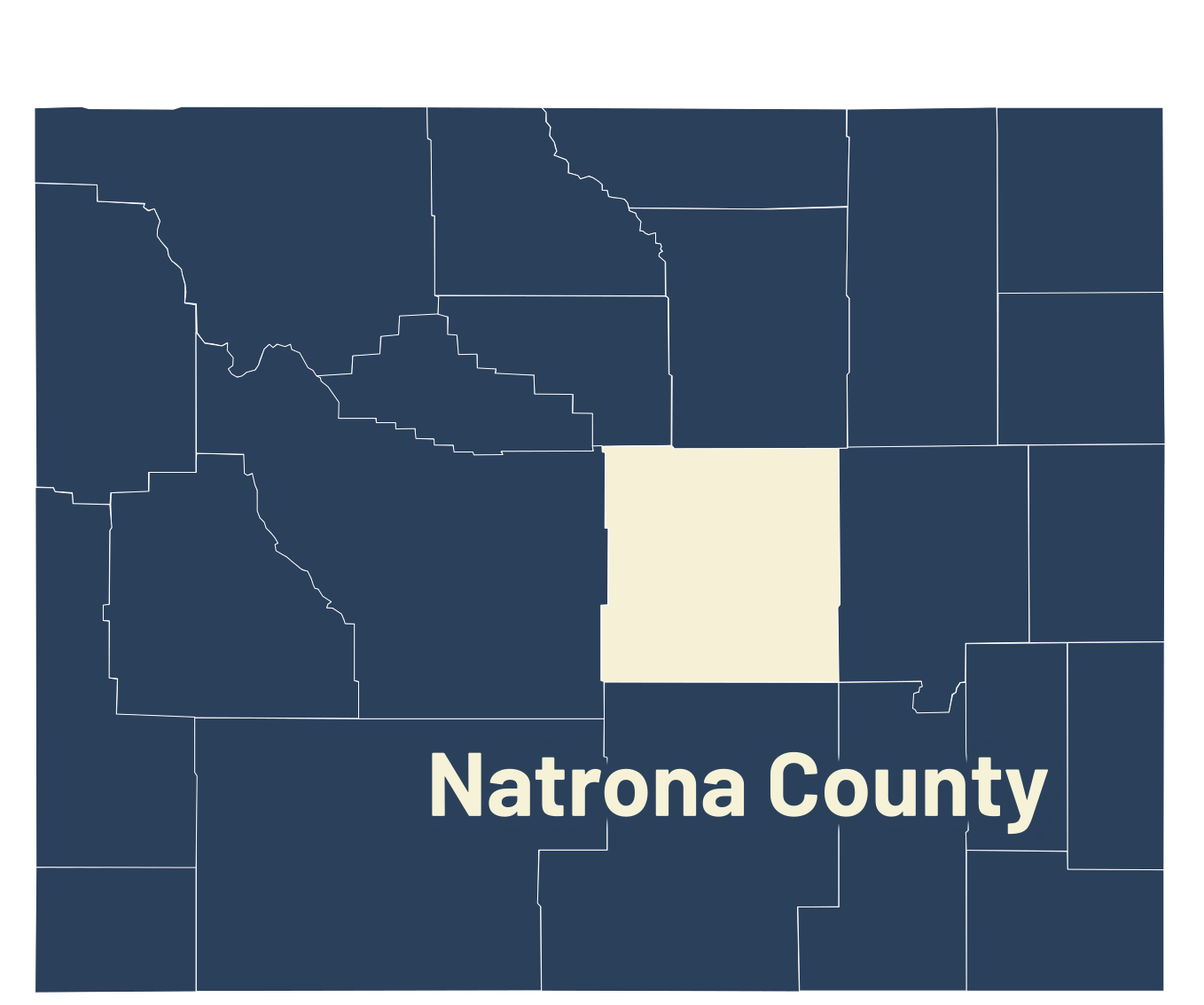
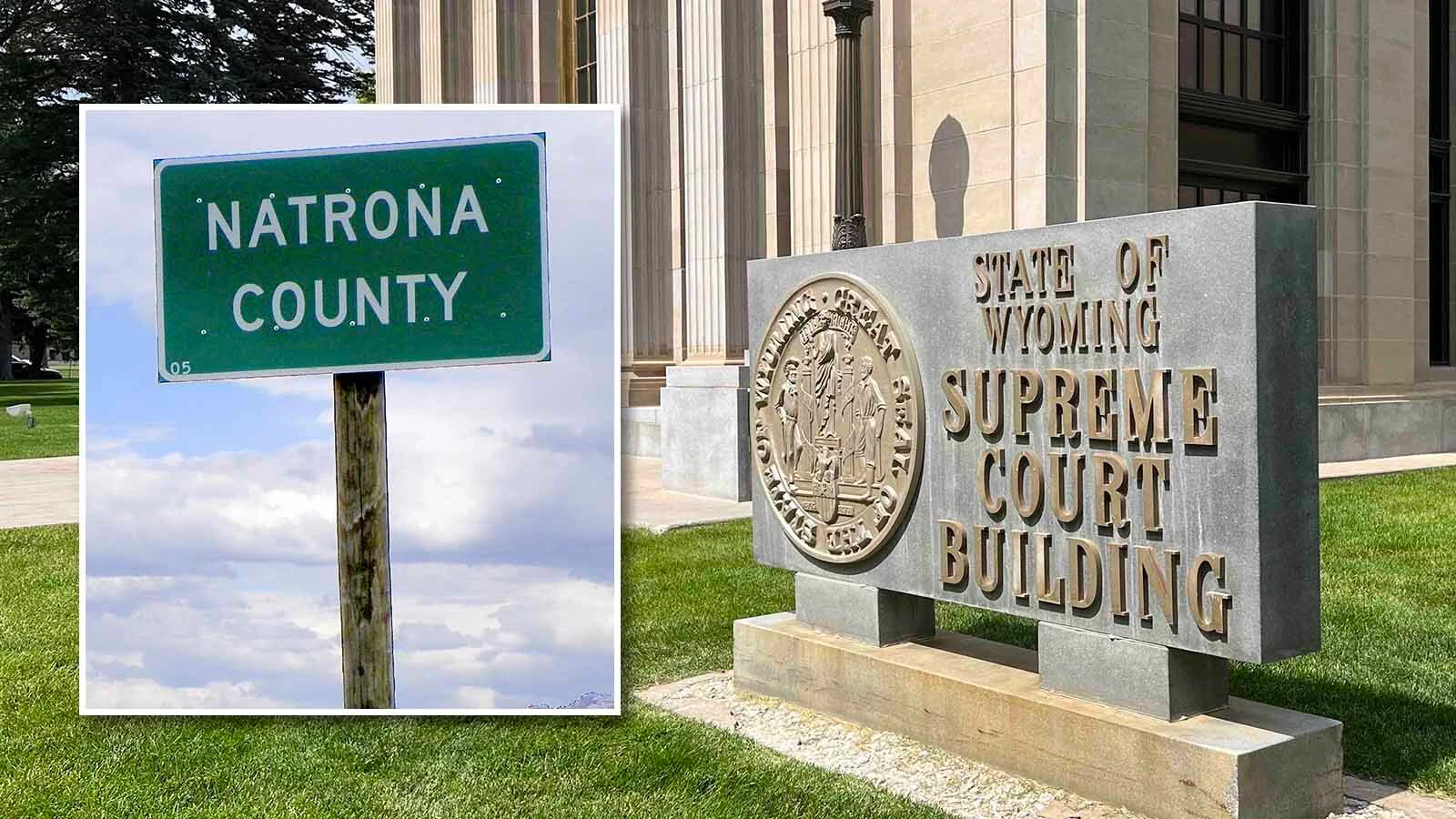
Arguments about a Natrona County District Court judge’s reversal of a decision not to renew six controversial gravel-mining leases at the base of Casper Mountain went to the Wyoming Supreme Court on Wednesday.
Natrona County Judge Joshua Eames ruled Jan. 6 that the Wyoming Board of Land Commissioners’ June 5, 2025, denial of the leases on state land “failed to comply with the statute, (and) its denial of Prism’s renewal applications is unlawful and must be reversed."
Assistant State Attorney General Kate Gamble, who represented the land board, told the justices Eames’ ruling, which cited statute language about an “exclusive right of renewal,” was wrong.
“The district court found that the board cannot deny an application for a renewal lease, even if it believes and has reason to believe that using the land for rock and assorted mineral purposes is inconsistent with its fiduciary duty and the state's best interest,” Gamble said.
She asked the court to reverse the district court's decision and find that the law that governs the gravel lease renewals is “ambiguous” and subject to “varying interpretations.”
Prism Logistics attorney Deborah Roden argued that the statute was clear.
She said the court should at a minimum send the case back to the land board for consideration of the four factors under a Wyoming statute that would have granted Prism Logistics renewal of the leases, or give the company a “home run” and direct the land board to renew the six leases.
In his ruling, Eames concluded the statute states that if Prism satisfies any of four conditions the land board is required to renew the leases for 10 years.
Among those conditions are that the lessee is “proceeding in good faith to develop the leased lands.”
Another is that it has shown “the director or the board” that production has been delayed because of licensing issues that have been attempted through “reasonable diligence” but not yet obtained.
Application Ambiguous
Gamble told the board it was not clear how the statute’s wording on an “exclusive right to renew” should be applied. She cited a case where the court ruled a statute was ambiguous because it was unclear “who that exclusive option to renew operated against.”
The statute could “reasonably be read” to allow Prism to enforce its right of renewal against competing applicants who wanted to acquire the leases. Prism could also exercise its “exclusive right against the Land Board of Commissioners itself” and force the board to act in its favor, she said.
Justice Kari Gray told Gamble her reasoning “had kind of a problem.”
She argued the land board can't do what it wants in exercising its fiduciary duty when it “of course has to follow what the Legislature directed it to do.”
Gray said the statute first states the land board “may” lease its lands when people apply for leases related to mining. But if the four conditions for the renewals are met then the “exclusive right” language comes into play.
Gamble argued that when the Legislature redid the statute in 1981 from a “preferred right” of renewal to an “exclusive right” that it did not take away the land board’s management authority under the state Constitution and statutes.
If the high court rules to uphold the district court ruling, the land board asks that the case be sent back to decide if Prism fulfilled any of the four provisions that would allow for the leases to be renewed, Gamble said.
“The record plainly shows the board did not make a decision on any of the four requirements,” she said. “The board would ask that this court remand back to the board and allow it to make a decision if the court disagrees with the board’s primary argument.”
During her argument, Roden agreed that the five-member land board never addressed whether Prism had met any of the four criteria.
Roden said the statute is clear regarding the renewal of leases to the lessee and that the “four factors” in the statute determine the right of renewal.
Justice John Fenn asked Roden: If those factors were never ruled on, shouldn’t the court just remand the case back to the land board?
‘Rare Circumstances’
Roden agreed that sending back the case to land board makes sense but that case law makes exceptions for “rare circumstances” that would allow the Supreme Court to grant renewals.
She pointed out the land board’s director recommended renewal and pointed to the “reasonable diligence” language that would seem to obligate that the leases should be renewed.
Roden said Prism invested in initial exploration, applied for a limited mining operation, negotiated with the individual who had grazing rights, and applied for a Department of Environmental Quality air-quality permit.
Natrona County commissioners revised their zoning for the mountain residential area and the company got “stuck in a circular spin,” Roden said. She said instead of pushing ahead the company decided to go to the court to “decide where this sits instead of proceeding forward and tearing up the land.”
Under a question from Gray, Roden explained that the land board made its initial approval of the six leases in June 2023 as part of a consent agenda.
Roden asked the high court to affirm the district court decision and send the case back to the land board or “grant me my home run and find that there are rare circumstances that exist” and grant renewal of the six leases.
Thankful For Hearing
Prism Logistics Manager Kyle True attended the arguments and said he is thankful he lives in a country that “resolved things without shouting or violence.”
He said the process allowed “the rights of everyone involved” to be sorted out by the court system.
True said it is “above my pay grade” to interpret the questions and comments from the justices, but that he hoped the case would revert back to the land board.
Carolyn Griffith, who chairs the Casper Mountain Preservation Alliance, said that 18 members of the Casper community attended the arguments and were concerned about how the state represented themselves.
She was hoping the state would have picked up on the some of the comments raised at state land board meetings and was “disappointed” that she did not hear any of it in the arguments.
Griffith said however the high court rules, opposition and concerns to the gravel pit remain.
She said the alliance stopped taking petition signatures after collecting 20,000 because they thought they had made their point but believed they could easily collect another 10,000 if needed.
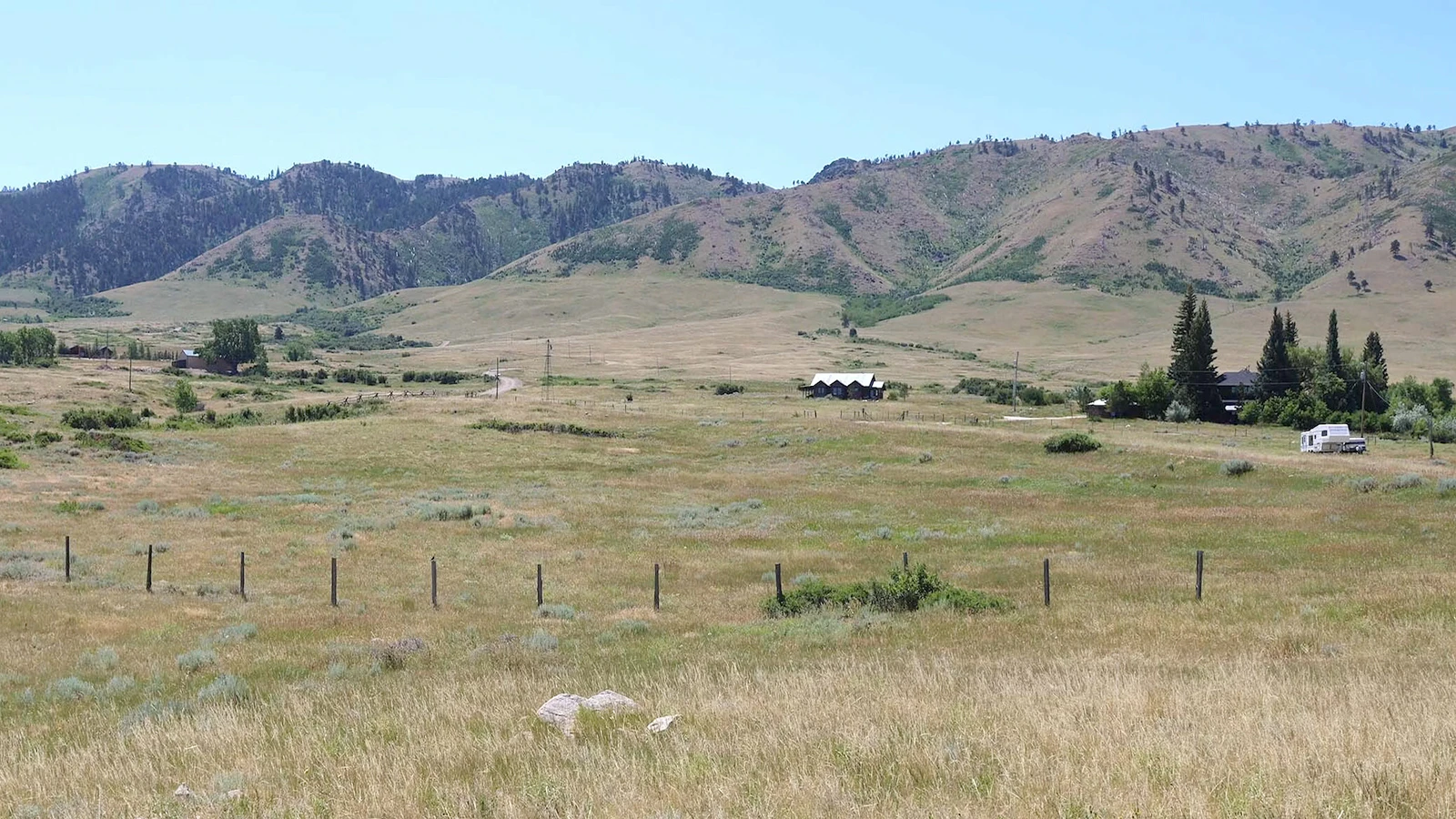
Residents at the base of Casper Mountain have cited concerns about groundwater contamination or diversion, air quality, intensive trucking, loss of land values, and other issues that make the state land targeted by Prism inappropriate for the community.
“Casper does not want to see a gravel pit on the face of Casper Mountain,” she said. “And everybody has their own reasons."
A separate case between Natrona County commissioners and Prism Logistics is scheduled for oral arguments Oct. 14.
The county is appealing a Natrona County District Court decision stating that a zoning law change removing mining from mountain residential areas did not have jurisdiction over the state lands leased by Prism.
Dale Killingbeck can be reached at dale@cowboystatedaily.com.


