Wyoming is still a place where a tipped worker can legally be paid as little as $2.13 an hour in direct wages.
The state's minimum wage is $5.15 an hour, although most workers covered by the federal Fair Labor Standards Act are entitled to the federal minimum wage of $7.25. For qualifying tipped workers, employers can take what's known as a tip credit and pay a cash wage as low as $2.13, provided wages and tips together reach at least the federal minimum.
If they don't, the employer has to make up the difference, the U.S. Department of Labor says.
Those numbers haven't moved much in a long time.
The federal minimum wage has been $7.25 since 2009. The $2.13 federal tipped cash wage has remained since 1991.
What customers leave behind, however, is another story.
In Wyoming, 20% isn't particularly extravagant anymore.
Restaurant technology company Toast, using transactions processed through its platform, found Wyoming customers left an average tip of 20.7% during the first quarter of 2026. At full-service restaurants, Wyoming averaged 20.9%, and 19% at quick-service restaurants.
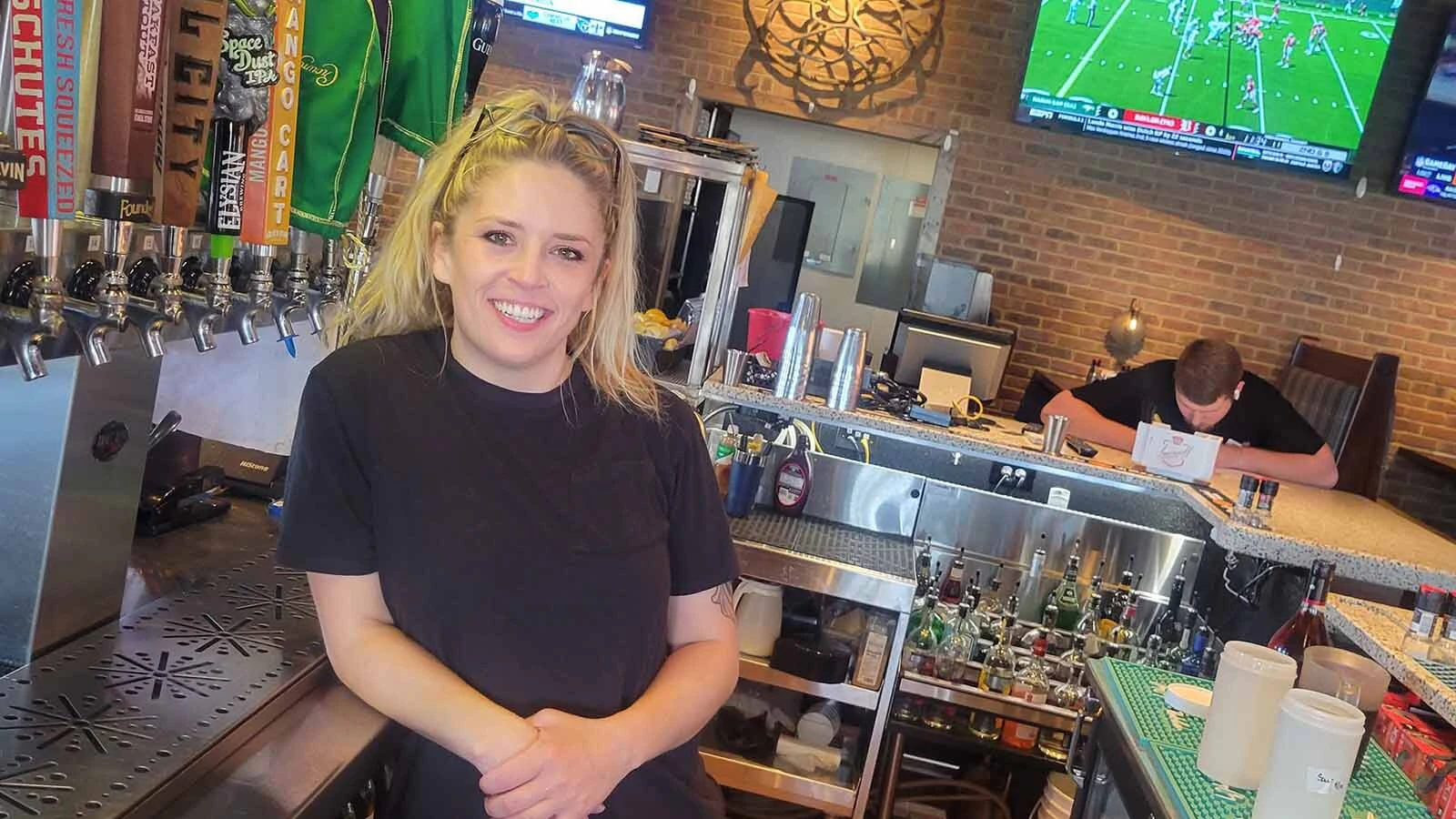
Those numbers sound about right to Katie Garner, who has worked behind the bar at Wyoming Ale Works in Casper since 2019.
“Twenty percent is normal,” she said. She considers 15% on the low end and estimates her own tips average closer to 30%.
Every once in a while, somebody blows percentages completely out of the water.
The biggest tip Garner has ever received was $800.
Behind The Bar
Bartending is Garner's primary source of income, and she is the sole earner in her household.
“It's been the only way I've survived providing for myself and daughter,” she said.
That makes the few dollars or few dozen dollars someone adds to a receipt more than a pleasant bonus at the end of her shift.
Garner can be juggling a roughly 30-seat bar at Wyoming Ale Works, where customers can order beer, wine, liquor and nonalcoholic drinks along with food from a substantial restaurant menu that runs from wraps to ribeyes.
Garner takes those orders, keeps food and drinks moving in a timely fashion and stays engaged with the people sitting in front of her. She'll jump in on back-of-house work when necessary and wash dishes.
And sometimes she deals with rude customers.
Through all of it, Garner is also doing something she considers essential to making a living in the business: building relationships with regulars.
Tips exceeding 100% of the bill aren't unheard of for her.
On the other end are customers who expect plenty but don't want to pay anything extra for the service.
“It's usually people that haven't worked customer service before or haven't been in the industry" Garner said.
'20% Minimum'
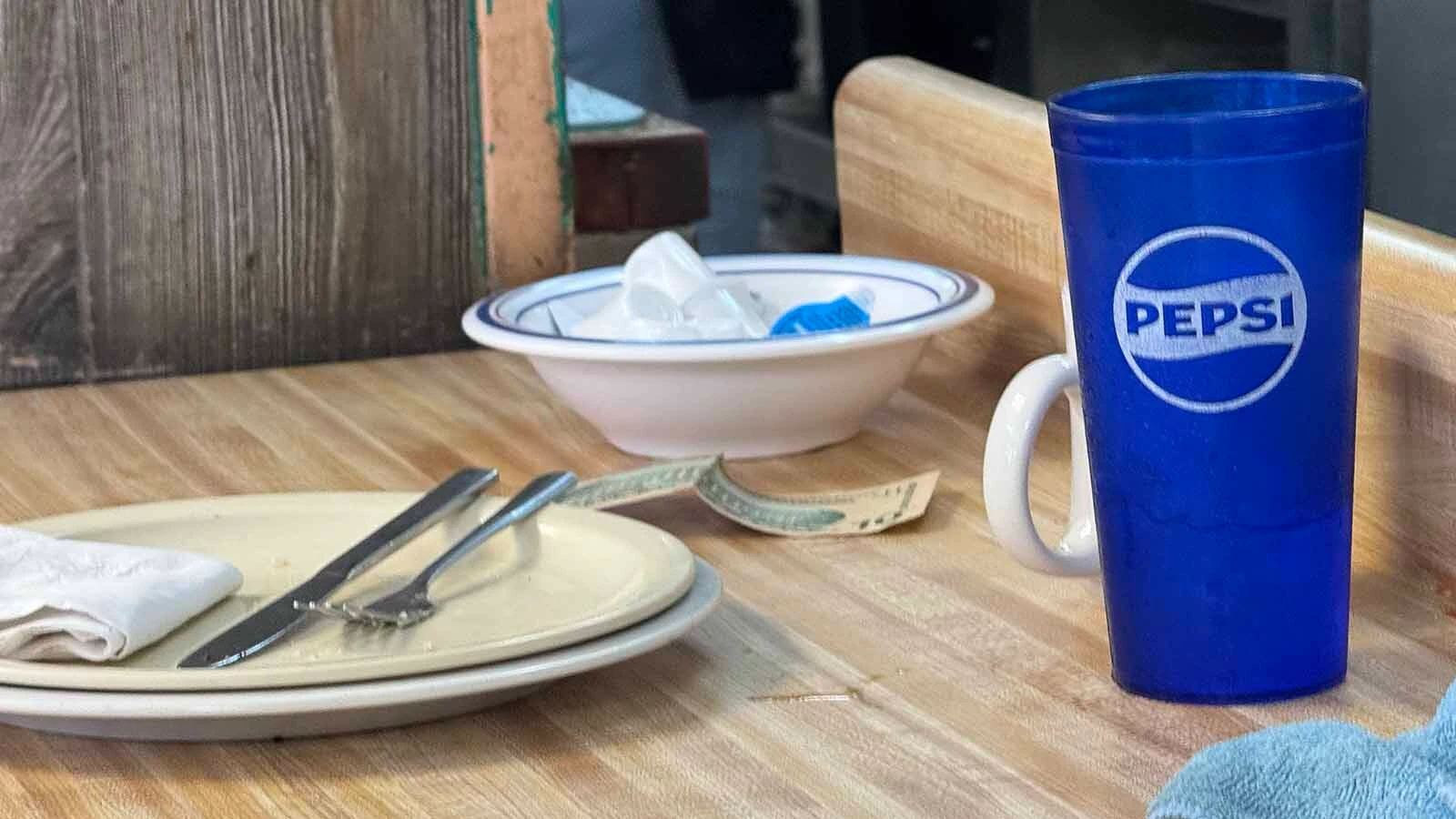
Casper Realtor Andrew Blonigen says tips should be "20% minimum."
Would he leave less?
“No, no.”
It would take “really extreme negligence” by the server, Blonigen said, because a bad meal isn't necessarily the fault of the person carrying it to the table.
“If the food sucks and all that, the server doesn't control them,” he said. “They can't help that, you know, most of the time that it takes a long time or that it's overdone or underdone or not correct.”
At a bar, he's generally a dollar-a-drink guy, although he acknowledged that rule hasn't exactly kept pace with the price of a beer.
If he's running a tab, he'll generally go back to 20%.
At a coffee shop, Blonigen typically leaves about $1 per item. A coffee and breakfast sandwich gets $2.
Takeout merits something, but not restaurant-service money.
“I don't think 20% is appropriate on takeout, but 10% I think would be appropriate,” he said. “I don't think I've ever tipped at a food truck.”
Working For Those Tips
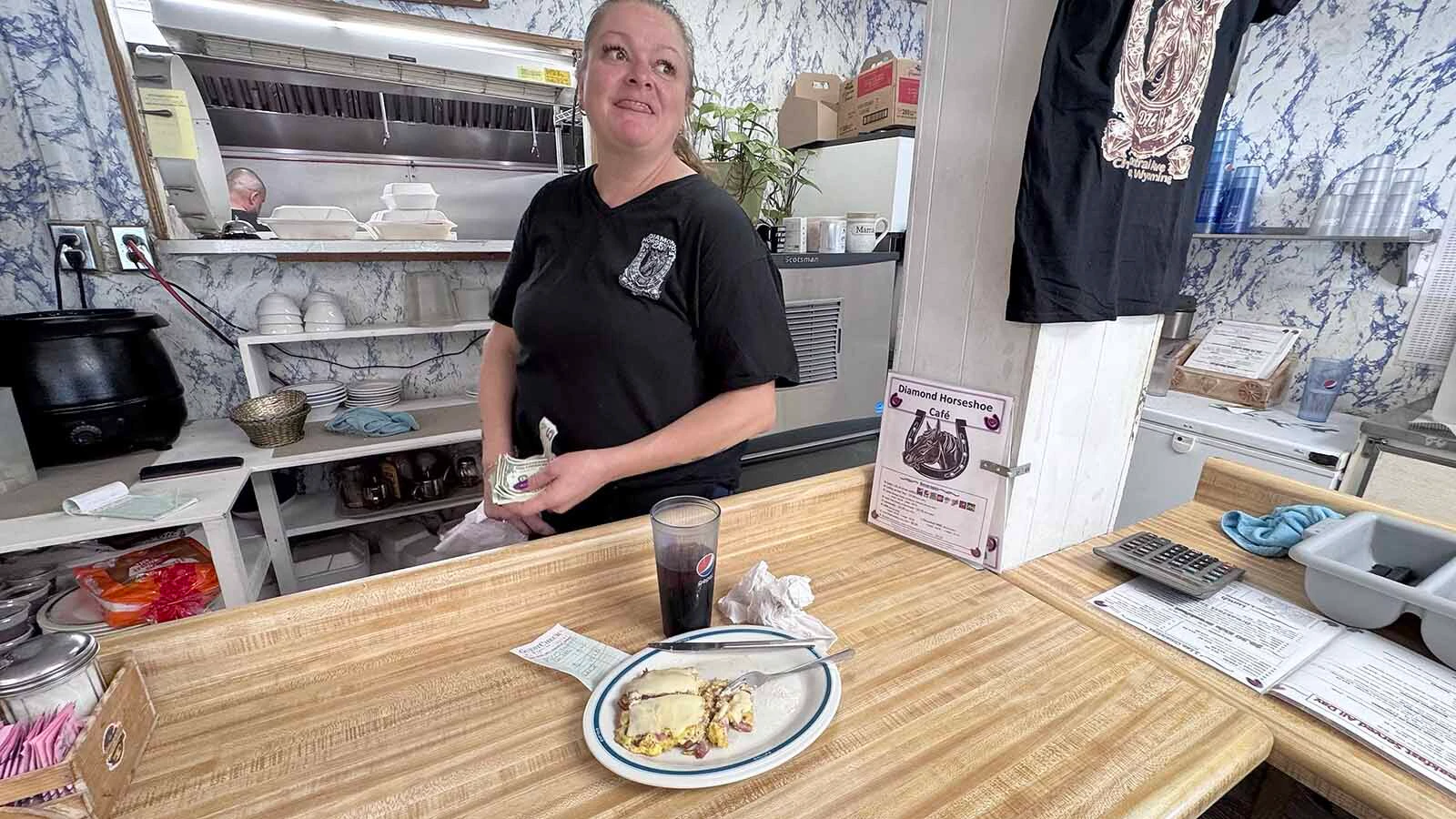
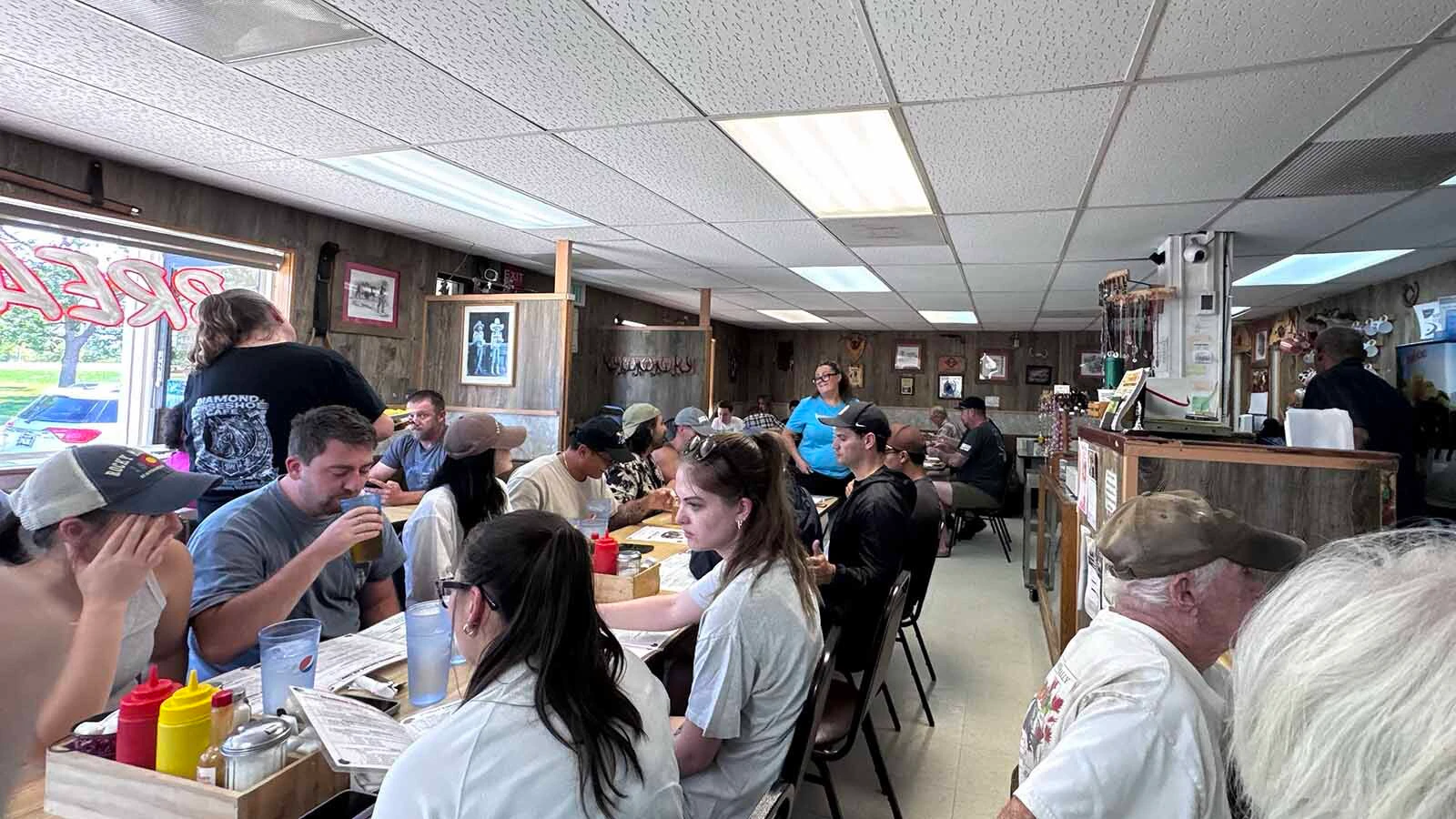
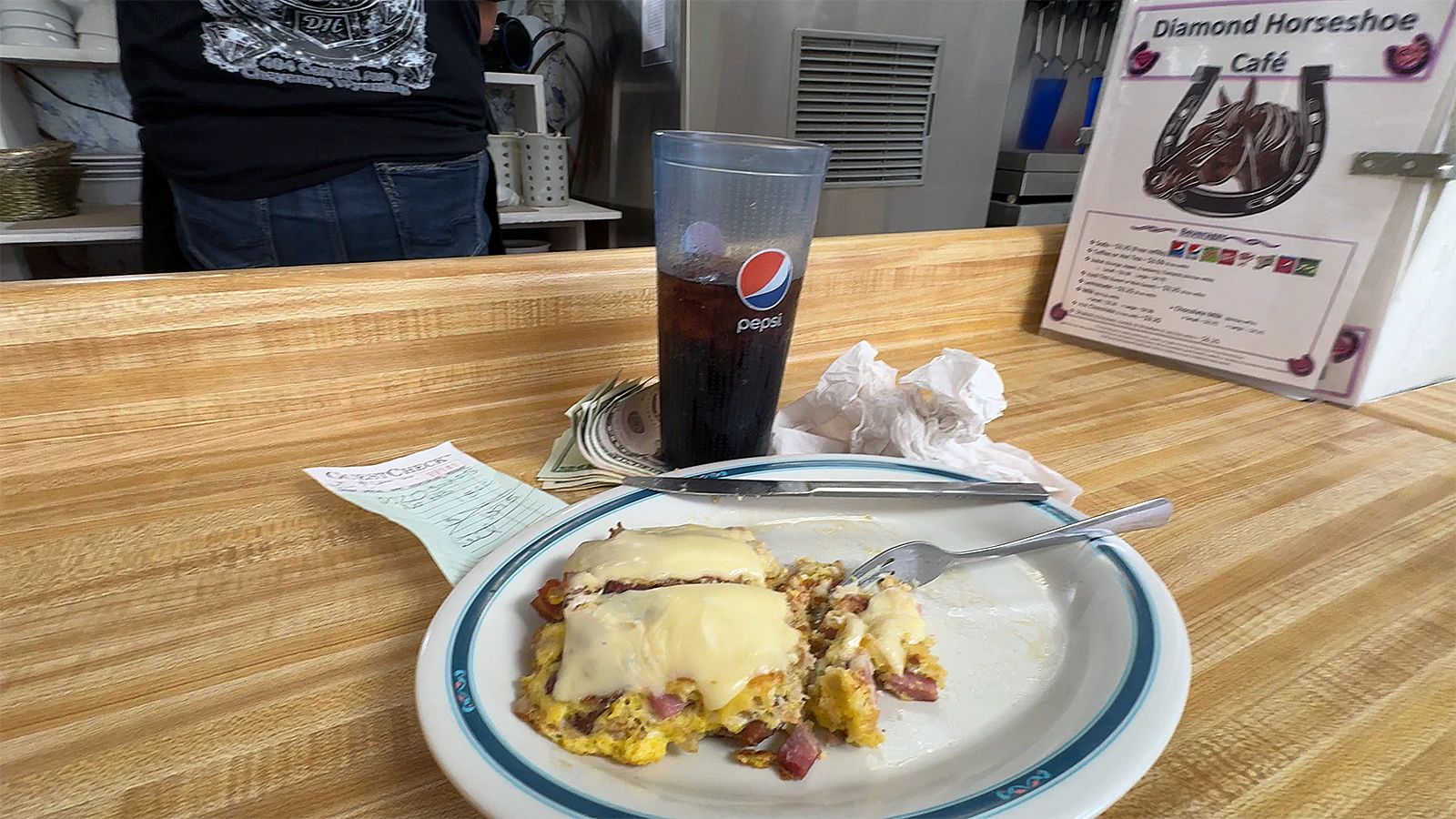
Outside a packed Diamond Horseshoe Café in south Cheyenne on Sunday morning, Cruze and Emily Torres had just finished breakfast.
Both said they’ve worked service-industry jobs before and always tip well.
“At least 20%, always,” said Cruz. “Even when it’s bad service, I do, like, 15% minimum. You realize the wage for them is only $2.50 or whatever, so it’s like, yeah, I want to tip them well.”
Both said they relied on tips when working in the industry and that there aren’t many scenarios under which they would outright stiff someone.
“Like, it would have to be if the food just didn’t come or something,” said Cruz.
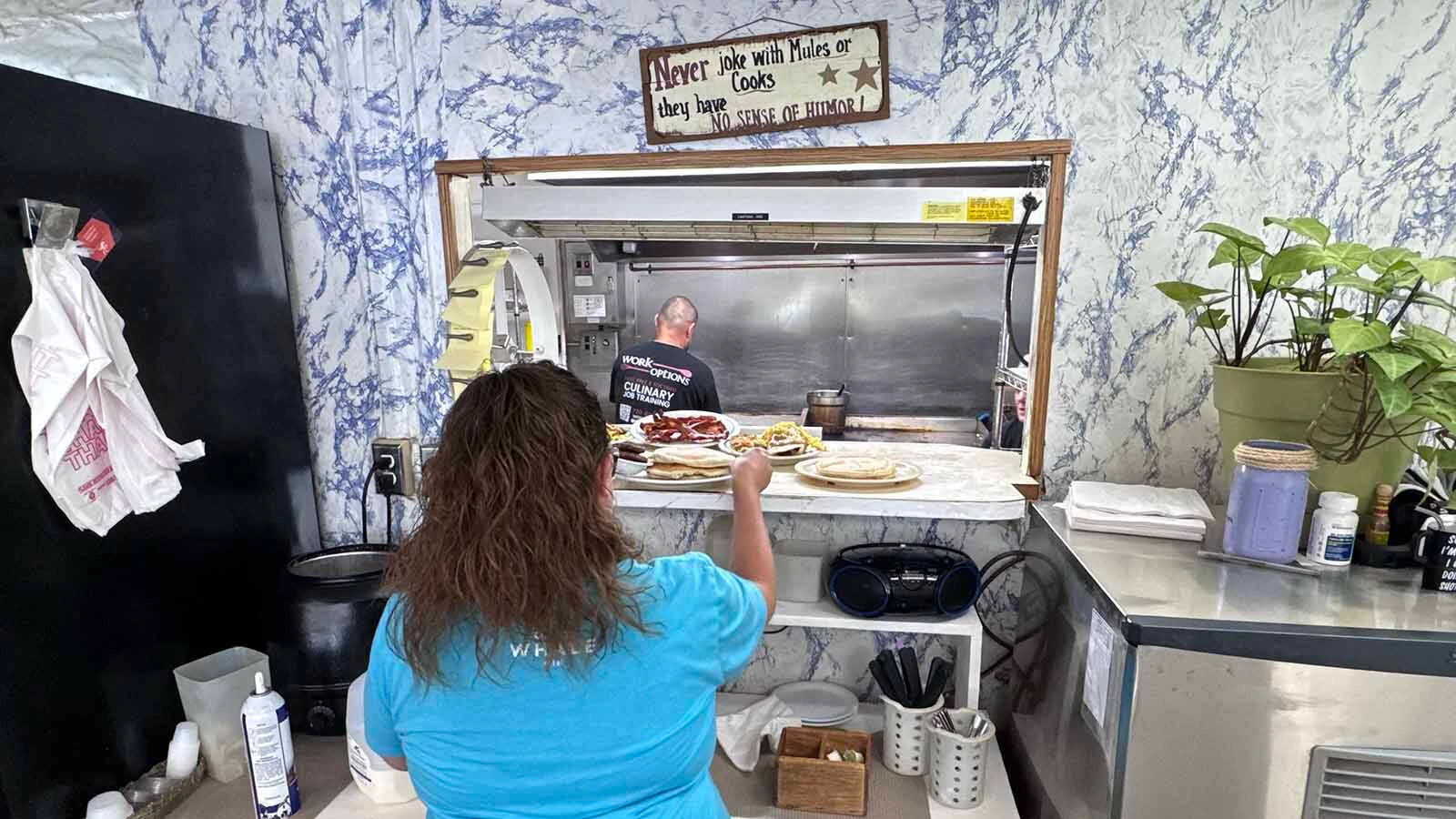
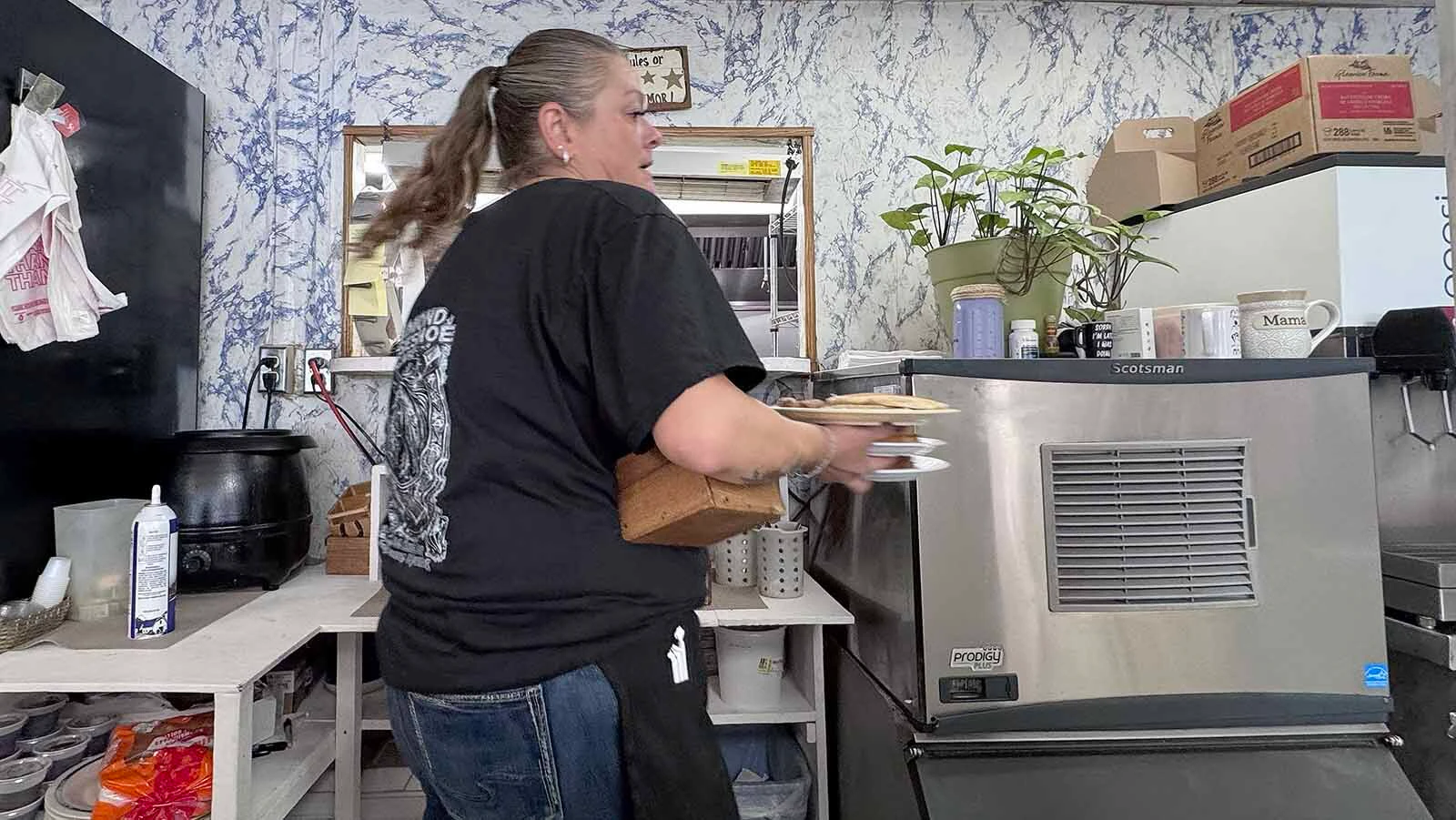
Inside, servers Kendra Scott and Chanci Roberts were bustling around a standing-room-only dining room like ballerinas on fast-forward.
Watching how hard they work prompted John at the end of the service counter to drop a $10-spot down as a tip for his cup of coffee and eggs.
“Yup, they deserve it, really working hard,” said John, who added like Prince, he just goes by the one name.
Perhaps it’s the vibe in the café as well. Along with the servers working at a blistering pace, the short-order cooks in the kitchen are in a groove, cranking out filling breakfasts almost as fast as the orders come in.
“Kendra!” yells one as she places plates of food in the pick-up window.
As if on cue, the cooks start dancing while the classic rock station in the kitchen blares Bachman Turner Overdrive’s 1974 anthem “Taking Care of Business.”
It Gets Awkward
Then there's the modern tipping experience that has spread well beyond the traditional restaurant check: A customer buys something at a counter, an employee spins around a screen and suddenly there are several suggested percentages staring back.
If the choices start at 20%, 25% and 30%, Blonigen thinks "that's a steep start."
“I think there should be room for less because typically on those screens, it's not service worth that percentage.”
The fact that an employee might be standing there waiting while the customer makes the choice doesn't help.
“With the new electronic things, where the server stands there and is standing there waiting for you to tip them, it definitely creates pressure,” he said.
Still, Blonigen's distinction isn't simply about whether somebody carried a plate or pulled a tap handle.
It's about service.
Having worked in restaurants, Blonigen said the people who make good money in tips often provide something beyond getting the order right.
That means “interacting with guests, getting to know the guests.”
“If they want to sit and stare at each other for dinner most of the time, they can do that at home,” Blonigen said. “They're looking for something different, so interaction, entertaining and doing those things instead of just being an order taker.”
$2,000 Tip
Years ago, while Blonigen was working in the restaurant business, he took care of a roughly 20-person company Christmas party.
The bill came to about $1,000.
At the end of the night, they handed him a folded wad of cash, which ended up being twenty $100 bills — a whopping $2,000.
Stunned, he says he went back to the customers.
“You guys, you don't have to do this. Like, this is insane.”
Their answer was simple.
“No, Merry Christmas! Everything was amazing.”
He said he was shocked and grateful.
Blonigen tries to pay it forward, and when he's with someone who isn't a great tipper, he says he'll usually make up for it.
The good news is, Toast's nationwide data shows Wyomingites are generally good tippers, averaging about 21%, which is tied for fourth highest overall in the country.
Gratuity
Tipping exists within an unusual wage system.
Federal law places restrictions on what happens to tips after a customer leaves them. Employers, including managers and supervisors, cannot keep employees' tips for themselves, regardless of whether the employer takes a tip credit. Valid tip pools are allowed under federal rules.
Wyoming law likewise states that tips and gratuities received by an employee are the employee's property.
There is another distinction customers might not realize: An automatic service charge isn't necessarily a tip.
The Department of Labor distinguishes between voluntary tips, where customers determine whether and how much to leave, and compulsory service charges imposed by a business. A mandatory charge is not considered a tip under the Fair Labor Standards Act.
That distinction has become even more important with a new federal tax break.
'No Tax On Tips'
Beginning with the 2025 tax year, qualifying workers can claim the new federal deduction popularly known as “No Tax on Tips.”
Eligible employees and self-employed workers can deduct as much as $25,000 in qualified tips from income subject to federal income tax. The deduction is available for tax years 2025 through 2028 and begins phasing out for taxpayers with modified adjusted gross incomes above $150,000, or $300,000 for married couples filing jointly.
Bartenders and wait staff are explicitly among the occupations the IRS recognizes as having customarily and regularly received tips before the end of 2024, making them eligible for the deduction when the other requirements are met. The federal list stretches considerably beyond restaurants and bars, including occupations in hospitality, personal services, transportation and other traditionally tipped industries.
The catchy name, however, is broader than the reality.
Tips didn't simply become tax-free.
Workers still have to report tip income, and tips generally remain subject to Social Security and Medicare taxes. The deduction concerns federal income tax on qualified tips. Mandatory service charges also don't qualify because the gratuity generally must be voluntary.
Wyoming workers already live in one of the few states without an individual state income tax, so the new benefit here concerns what qualifying workers owe in federal income tax.
For Blonigen, none of that changes the amount he leaves behind.
“No,” he said when asked whether the new tax treatment changed his thinking about tips.
His 20% minimum remains.
Kolby Fedore can be reached at kolby@cowboystatedaily.com.