
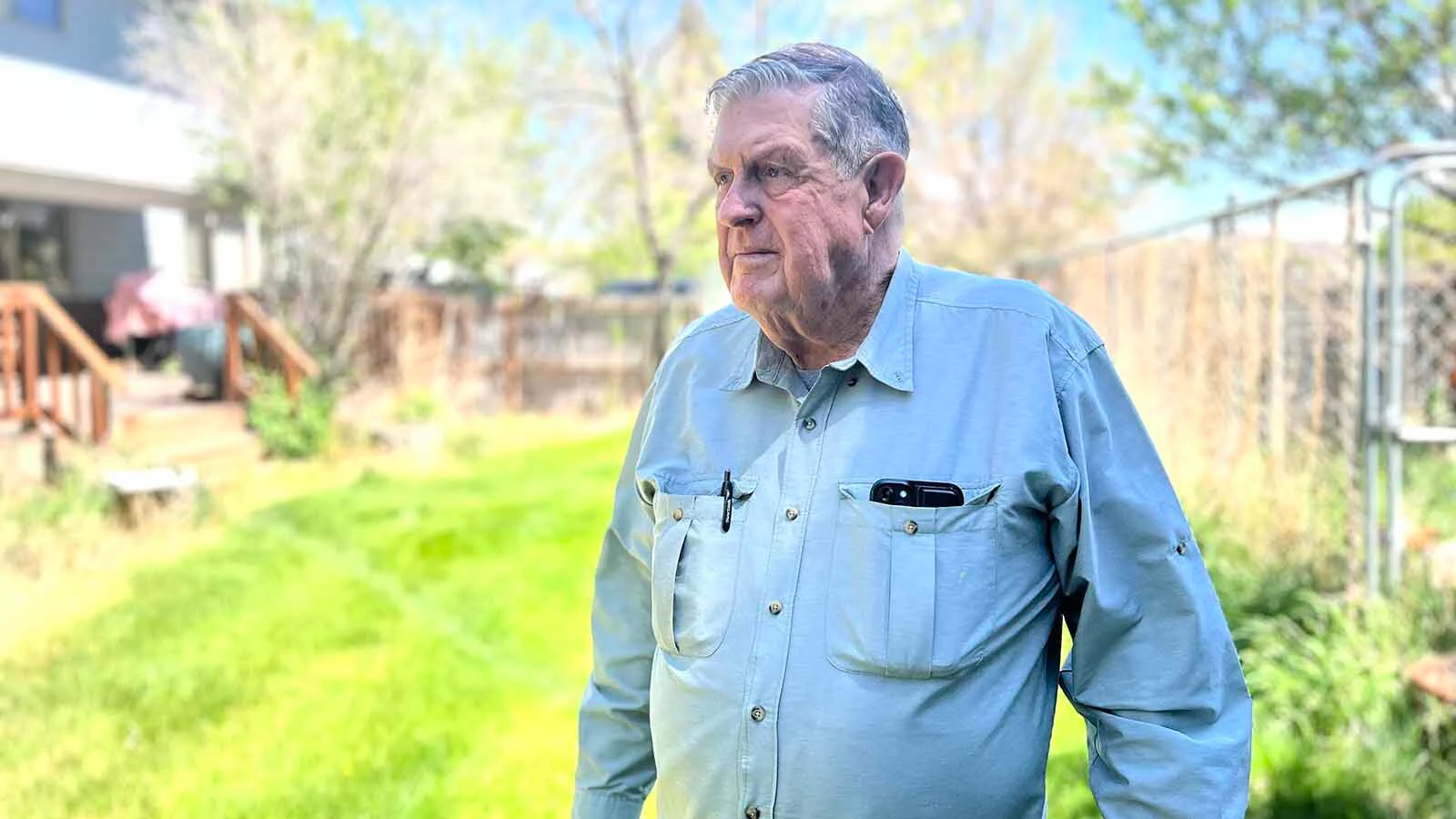
Cody resident Bob Richard was given a long leash to explore and work in the wilderness as a child, setting the stage for a lifetime of exploration and comfort in the natural world.
It was an upbringing that set him on the path to becoming the renowned Yellowstone National Park historian he is today.
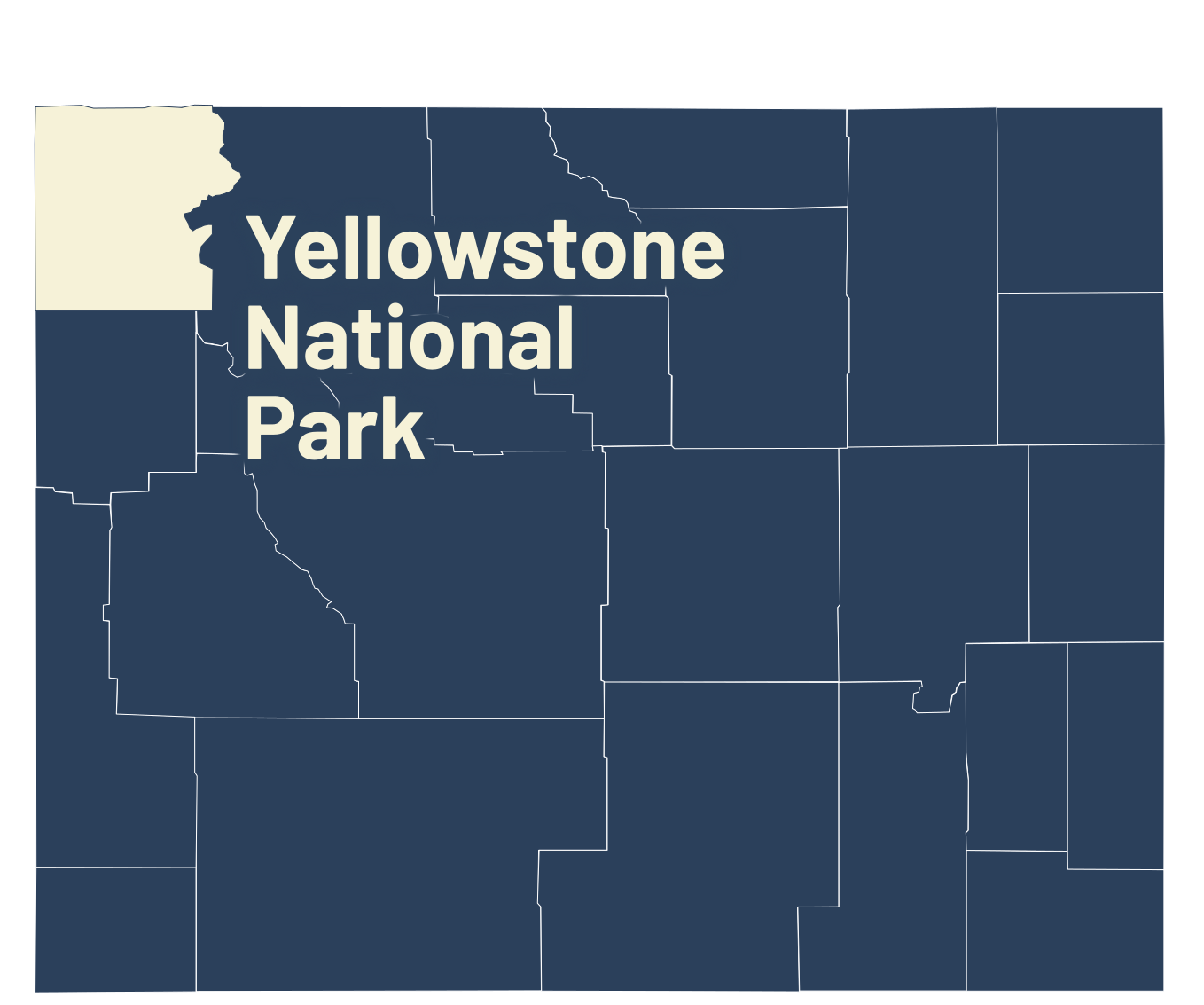
At the ripe age of 8 in 1945, Richard served as a camp helper to Earl Crouch, who had established a gold mine just outside the Yellowstone National Park boundary near Eagle Creek. Crouch also built and ran the historic Absaroka Lodge in the North Fork.
By the time Richard started helping Crouch as a child, Crouch had already been hired by Richard's uncle, Chew Frost, to cook for hunters and fishermen traveling along Eagle Creek. Richard would later work for Crouch at his mine, about 10 miles into the backcountry near Eagle Creek.
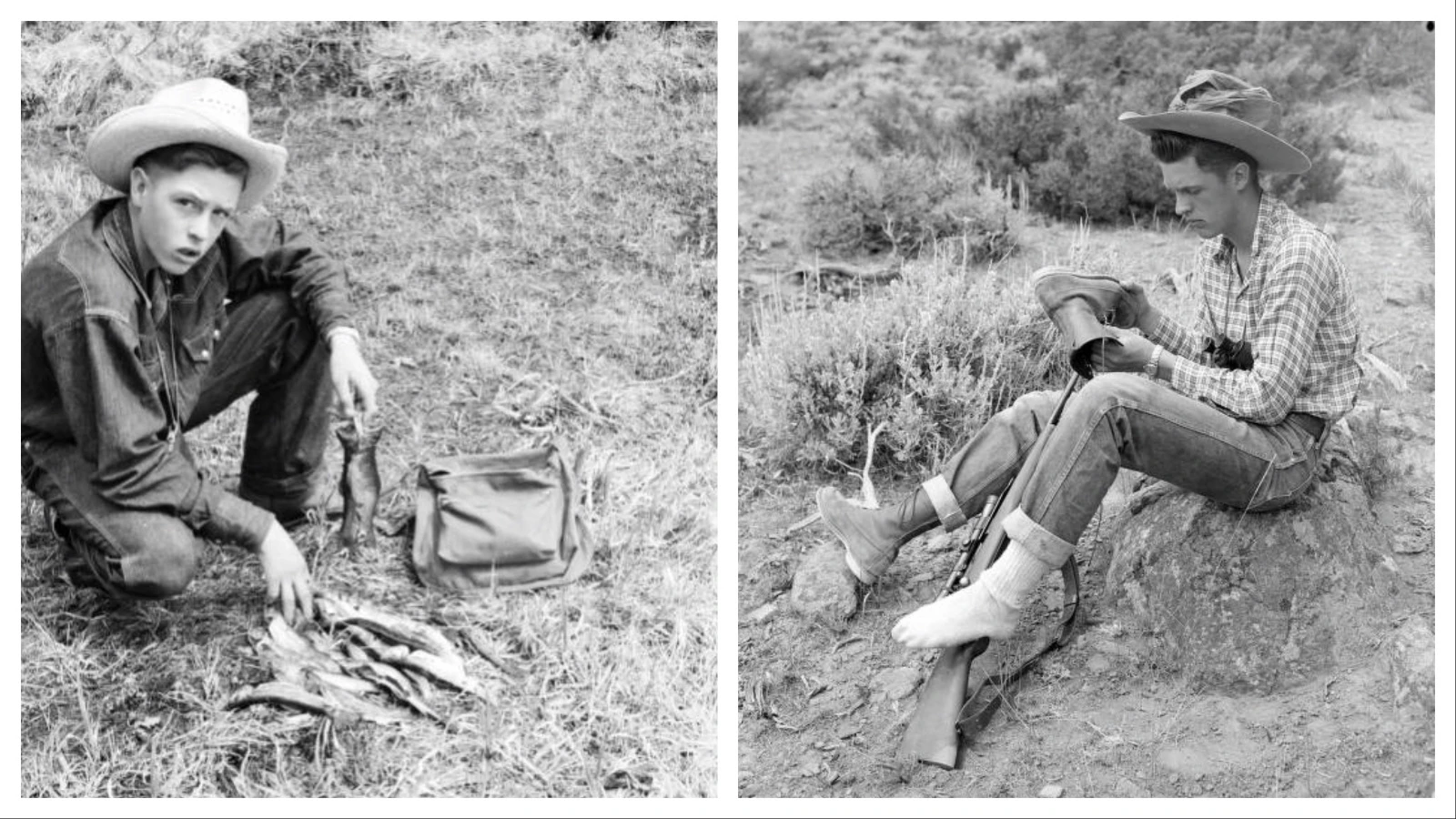
Crouch taught Richard, now 89, to fish with a rod made from lodgepole pine using bacon for bait. Lying on his stomach, his hazel eyes fixed intently on the bubbling waters of Eagle Creek in search of signs of life, Richard would sneak up and reel in all the brook trout he could, just as Crouch had taught him.
His job was to catch enough brook trout to serve guests at breakfast.
The experience taught him, at a young age, the joys of fishing and the value of self-reliance.
Two Months Alone at 12
At age 12, Richard had an experience that would usher him quickly into adulthood and give him a lifetime appreciation for the outdoors. For two straight months, he lived in the wilderness with no company but his horse and his dog, never once seeing another person.
"There, I became very self-sufficient," Richard said.
Richard's job that summer was to set out salt licks for cattle grazing in the high country below Trout Peak, northwest of Cody. Each morning, he woke early to move cattle before the heat set in, then hauled 50-pound salt blocks to various salt stations.
Richard had already learned to cook, and his family sent him off with enough food to last the trip. Fresh water, though, he had to fetch from a spring a few hundred yards from his cabin.
One day, badly thirsty, he went into his cabin for a cool drink of water — and found a dead mouse floating in the container, a hard lesson on the need to keep water and food covered.
"I learned you have to cover things and you have to keep things out of reach of the rodents," he said.
Richard's uncle, whom he's named after, fostered that sense of self-reliance early on.
Richard remembered his uncle, while he was still a child, quizzing him on how long the grass in their pasture could sustain their cattle, without ever having taught him anything about the subject. Richard guessed correctly, and he believes present-day parents should be more comfortable letting their children learn lessons like this for themselves.
Cutting Hay and Driving Cars
A few years earlier, Richard's grandfather had already started letting him drive their car to Yellowstone from Cody, as long as he could name every feature along the way up the North Fork to the park, which included nearly every stream and mountain.
If he ever got an answer wrong, Richard would have to give up the driver's seat and sit between the old man and his grandmother while his grandfather smoked a big cigar.
The strong smell of that cigar, Richard told Cowboy State Daily in a 2024 interview, motivated him to quickly learn all the streams and formations so he wouldn't lose his driving privileges — and have to sit through that smell again.
Around this time, Richard was also running a team of horses to cut hay. The next year, the family invested in a tractor, which he also drove.
"That was great," Richard remembered with a smile. "I got twice as much done, and I didn't have to harness horses or take care of them."
He would finish each day sharpening the mowing blades.
Doing chores like these was simply a way of life for a boy growing up on a ranch, as Richard explained: "I was expected to do it, and I didn't know anything else."
While attending school at Wapiti Elementary in the North Fork outside Cody, Richard built a friendship with future Wyoming U.S. Senator Craig Thomas. While Thomas shoveled coal to heat the tiny one-room schoolhouse in the cold winter months, Richard would hold open the stove door for him.
"We were always very special friends," Richard said.
Richard had another brush with fame through former Wyoming Gov. Mike Sullivan, who attended a Boy Scout jamboree with him in 1953.
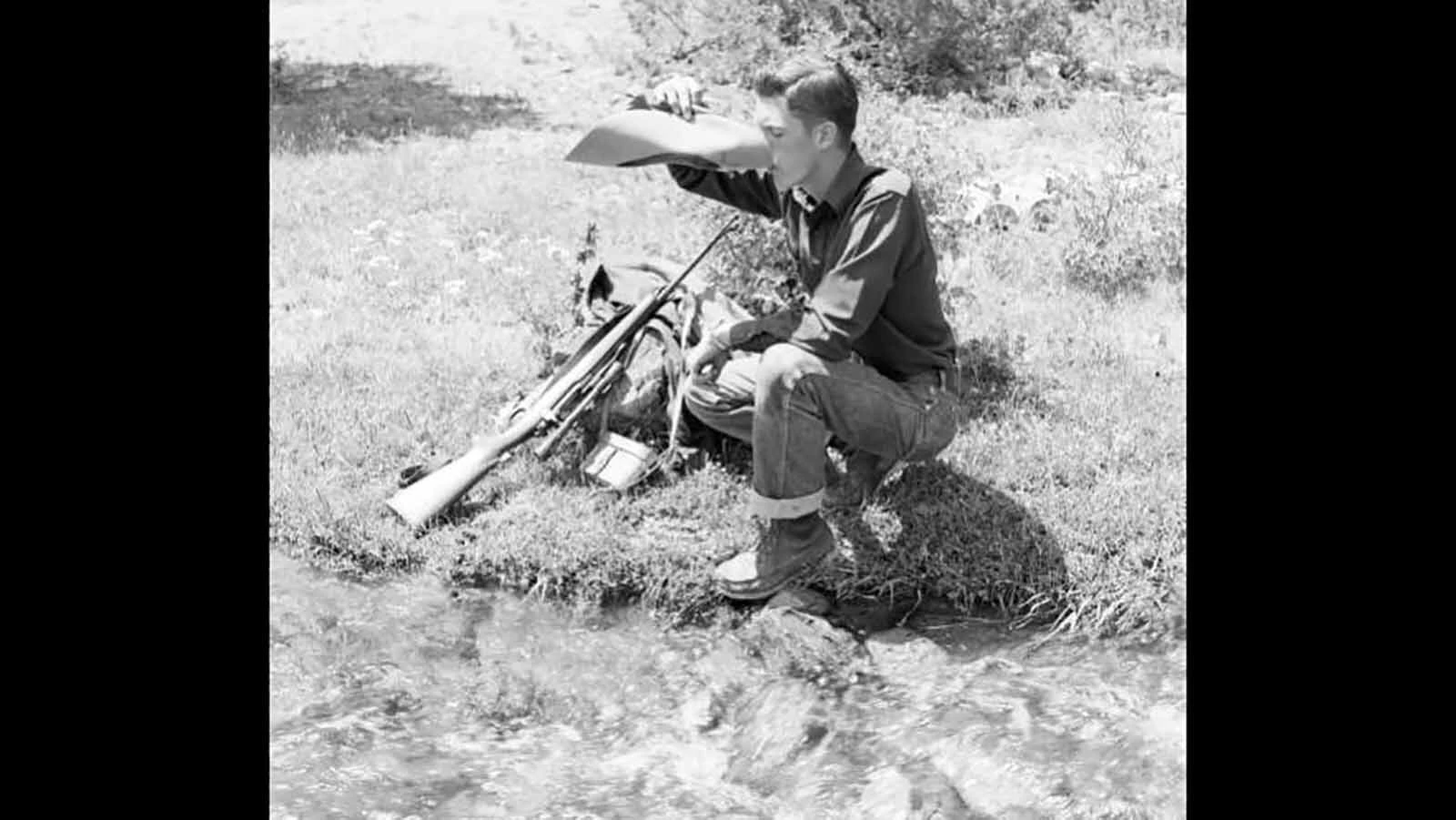
Bob Richard drinks water out Deer Creek from his cowboy hat in 1950. (McCracken Research Center at the Buffalo Bill Center of the West, Jack Richard Collection) 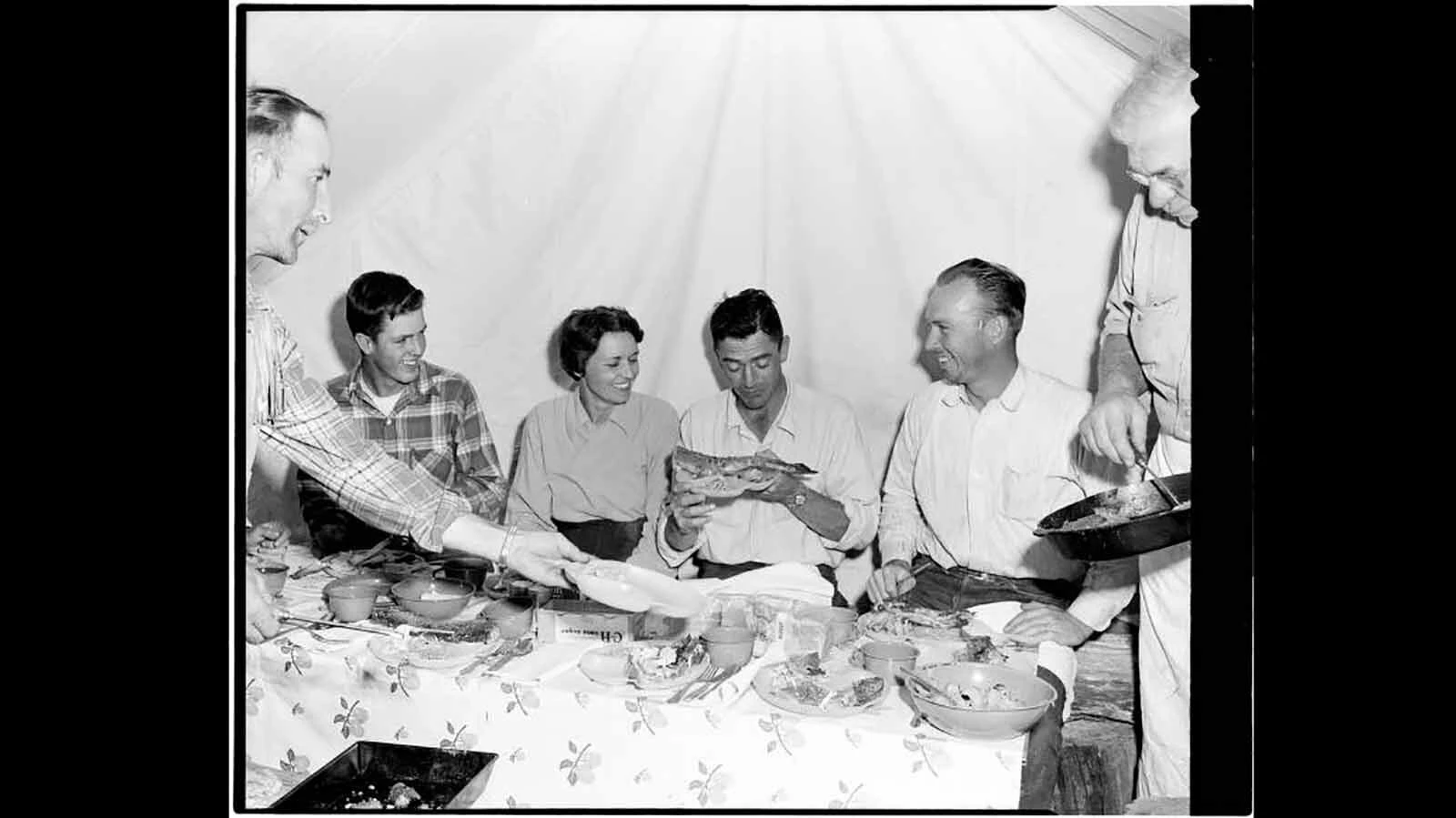
Bob Richard (second from left), friends and family chow down on some fresh trout while camping outside the Yellowstone Thororfare in 1952. (McCracken Research Center at the Buffalo Bill Center of the West, Jack Richard Collection)
Gold Mine
After Crouch died, Richard inherited his gold mine claims. A cabin was on the property, and Richard routinely invited travelers inside for dinner and respite from inclement weather.
On one occasion, he invited in a family with a young daughter.
The young girl took a particular liking to Richard's Jell-O dessert, calling it one of the best things she'd ever eaten. Richard said she became a Wapiti District ranger for the Forest Service as an adult.
"She always remembered having dessert with Bob Richard at Crouch Mine," Richard said with a chuckle.
While Richard was serving as an air officer with the 7th Marine Regiment — 12 years that included service in the Vietnam War — the mine land was designated a wilderness area by the U.S. Forest Service. As a result, Richard was informed he would need to build a road to the mine and put it back into production, or the Forest Service would reclaim it.
Offended by the ultimatum, Richard decided the land was too pristine to be altered. He turned the land back to the Forest Service with an agreement that they would never build a road there or operate a mine.
"I was very unhappy that they would even consider doing or telling me that I had to do something to destroy what was there," Richard said.
A Yellowstone Love Affair
A passion for Yellowstone and the surrounding area runs thick in Richard's bloodline.
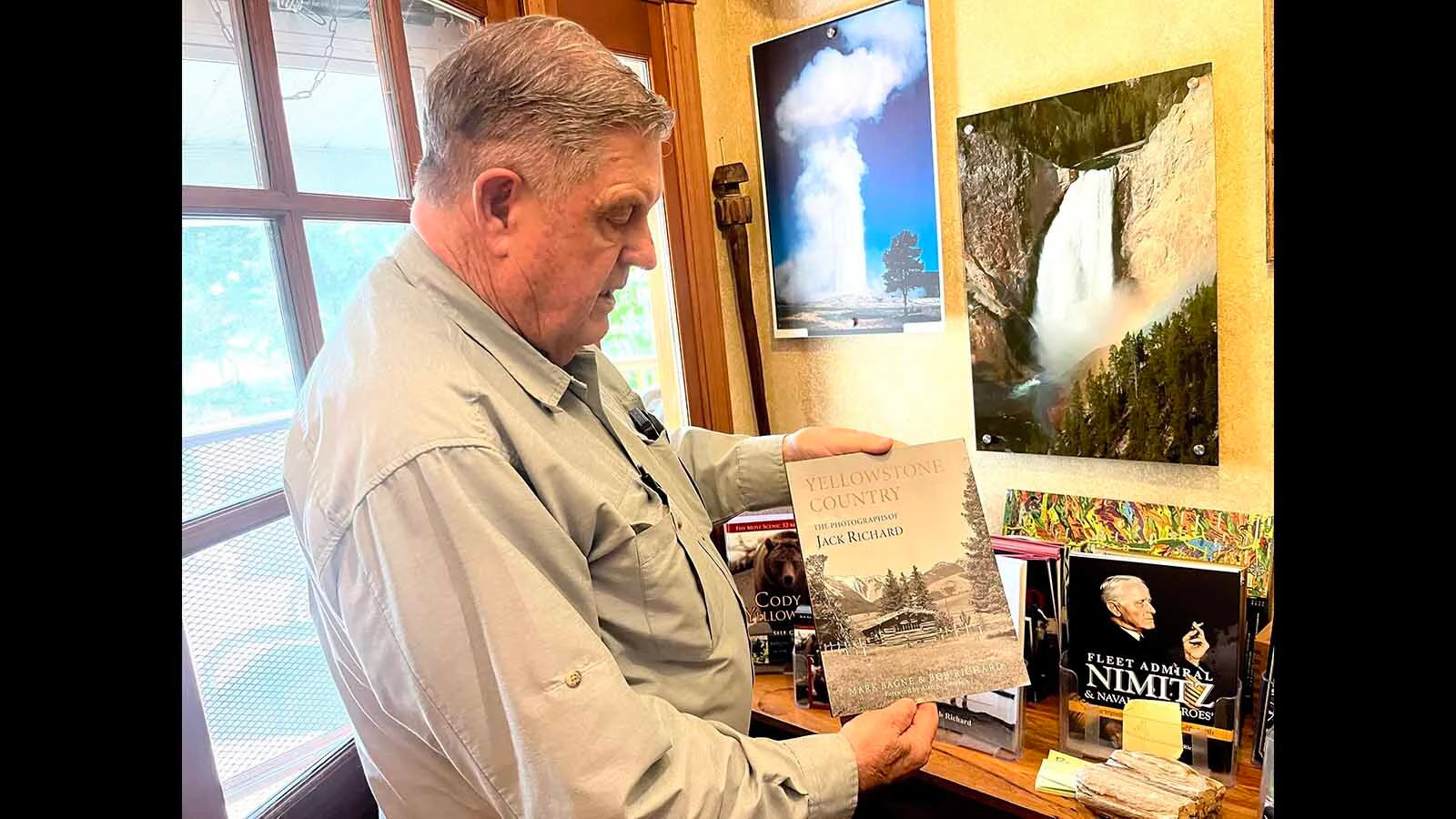
His grandfather and uncle were hunting scouts for Buffalo Bill Cody and also served as early Yellowstone tour guides. His father, Jack Richard, was a noted Yellowstone photographer, and a large collection of his work is owned by the Buffalo Bill Center of the West.
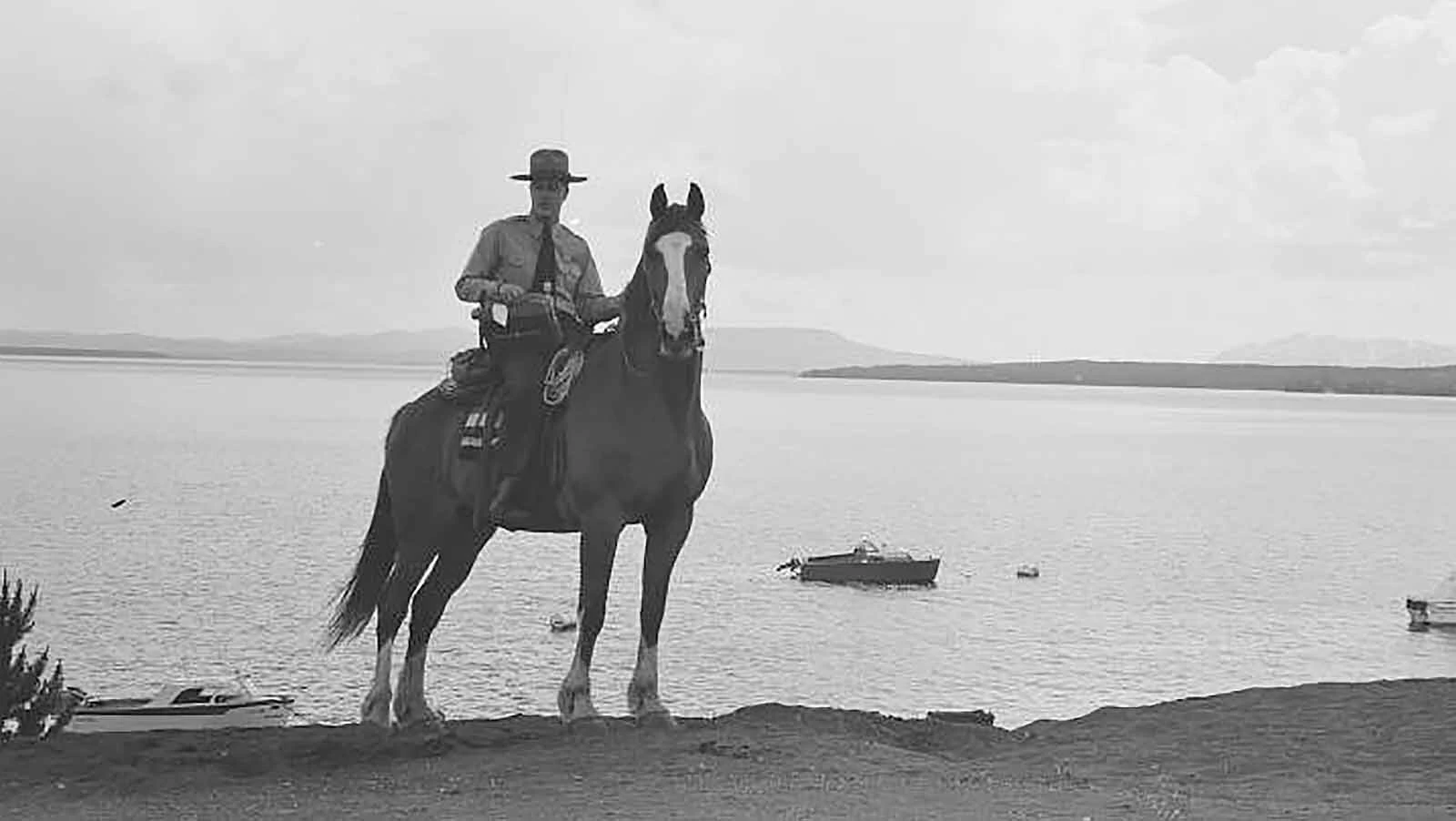
While in college, before entering the military in the late 1950s, Richard worked as a front-country horse ranger in the park — the first person to ever hold that role. On weekends, he'd ride into the backcountry to work his mine.
Richard carries many fond memories of that experience, and he kept up a lifelong friendship with the park's then-superintendent, Lon Garrison, long after leaving the job. Richard dedicated his last published book to Garrison.
Sharing his love for the places that make up his backyard is Richard's true passion in life, and answering questions about them is the cherry on top.
He eventually followed in his father and uncle's footsteps by establishing his own Yellowstone tour company, known as Grub Steak Expeditions, where he was a licensed fishing and hiking guide who showed thousands of people around the Yellowstone area. It was a job that gave him 37 years of joy and one more excuse to spend time in his beloved "backyard."
Richard has also written several published books about old Yellowstone history.
The park holds a particular soft spot in Richard's heart, but to this day the Eagle Creek area outside the park boundaries remains his favorite place to visit within the Yellowstone ecosystem.
"Everything in Yellowstone has a meaning, and I love the backcountry, I love the frontcountry," Richard said. "From my view, it's my park and my forest, and I'm happy to share it with anyone that has that love."
These days, Richard hosts a Local Lore series at the Buffalo Bill Center of the West, in coordination with the Center's McCracken Research Library, where he gives a presentation on a different topic in local history each time. Mack Frost, digital technician at McCracken and Richard's second cousin, said the free presentations are always well attended.
"It's been very fruitful," he said.
When asked how he'd like to be remembered when he's gone, Richard gave an answer reflecting his deepest affinities in life.
"Someone who loves Wyoming, someone who loves Yellowstone," Richard said. "Somebody that loves the Shoshone Forest with all its natural beauty."
Richard said he wants people to share in the history of these places, so they may gain a little of the passion he lives and breathes each day. As part of this mission, he is donating his entire photographic collection — 220,000 photos — to the American Heritage Center in Laramie.
Leo Wolfson can be reached at leo@cowboystatedaily.com.


