
JACKSON — Speculation has dogged cryptocurrency and other digital assets, even as optimistic entrepreneurs have built out multibillion-dollar enterprises — despite simultaneously sparring with regulators over what the new rules of the road should be.
Now, as roughly 500 of the most powerful CEOs and executives in the digital asset space converge on Jackson Hole for their own version of a “Little Davos” economic forum, which is held annually in Poland, many believe the industry is approaching a pivotal moment.
It’s a moment when they can say they are speculative no more. They’re all grown up.
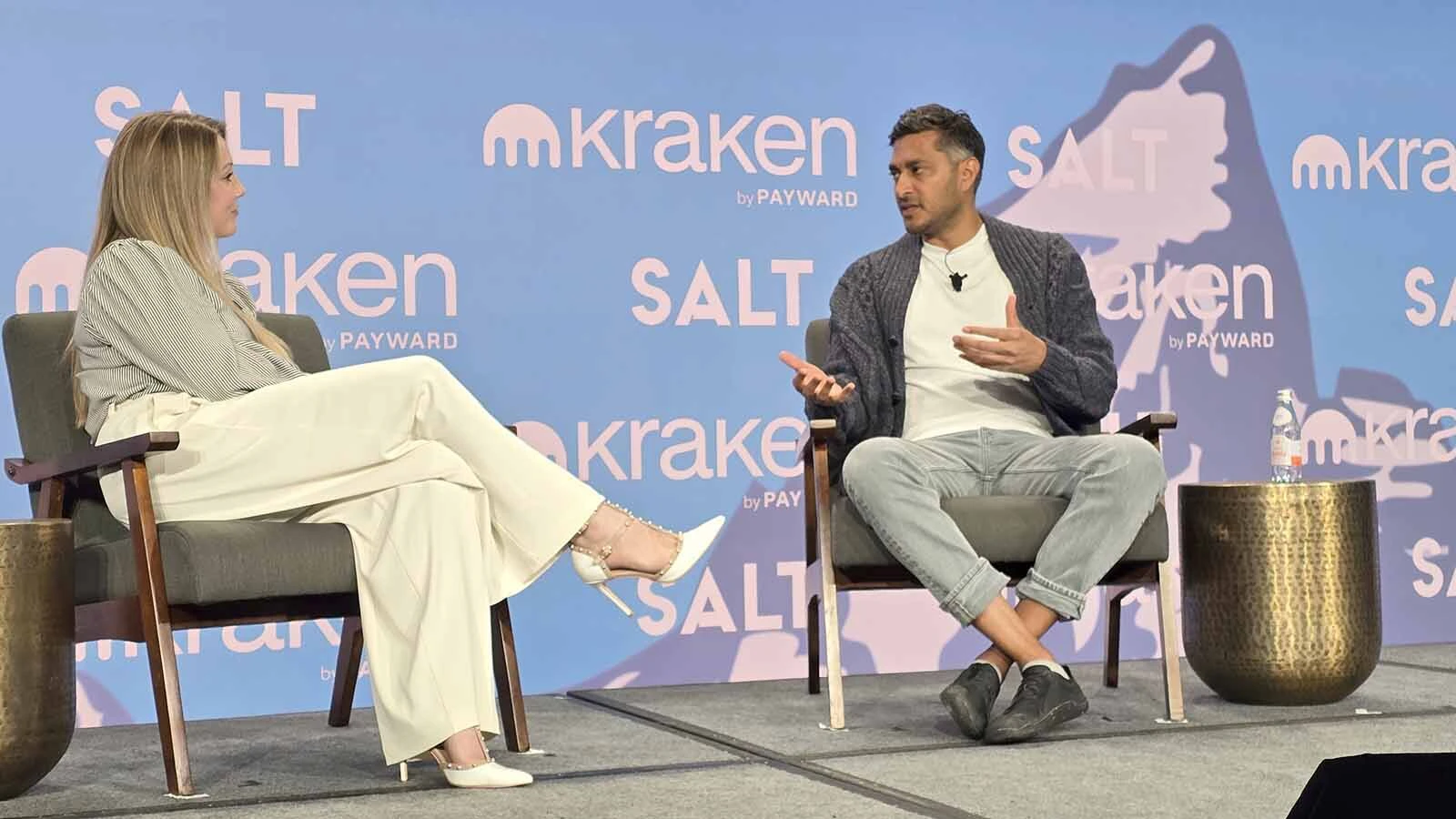
”I like to call it our puberty phase, where we’re growing through and moving past the first generation of blockchain business plans that were building technology for technology’s sake, trying to show that we’re real, that we have applications and use cases,” Avalanche’s John Nahas said. “And I think there was a lot of speculation, but now we are moving toward real-world adoption, real-world use cases.”
The new iteration looks different from the hype cycles of years past.
“It’s effectively blockchain, not crypto, right?” he said. “So blockchain should be the rails that allow for seamless flow of value for businesses to … improve their monetization strategies or to save money through cost optimizations and automation.”
Blockchain is a shared, unchangeable digital ledger that records transactions across a network of computers. Think of it as a digital notebook that everyone on the network has an exact copy of, where new pages can be added but past pages can never be erased or altered.
According to Nahas, the quiet shift from consumer hype to corporate utility using blockchain applications is driving more real-world adoption than the digital asset sector has ever seen.
Turmoil In D.C.
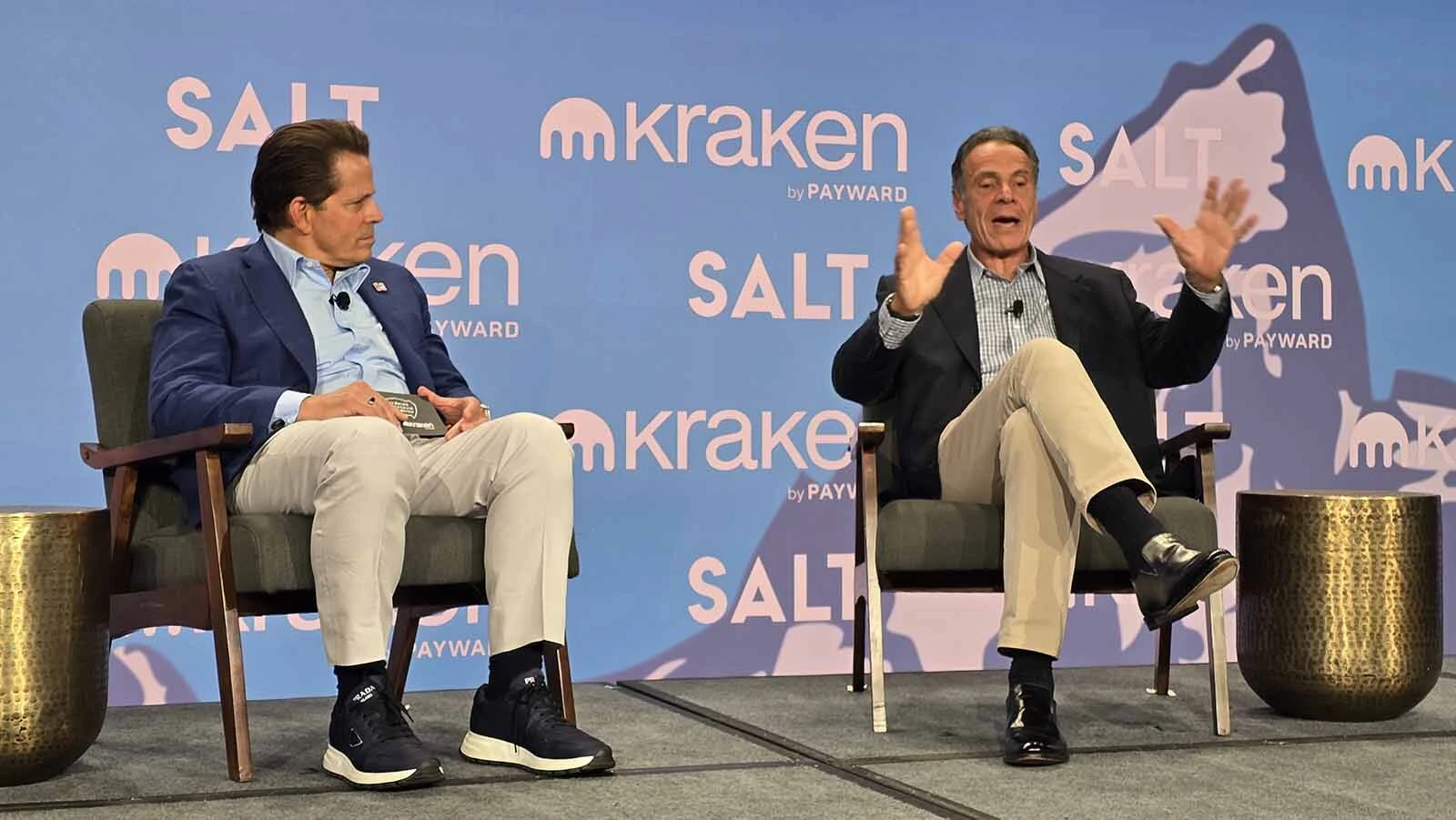
Inside the Four Seasons Resort, where the Wyoming Blockchain Symposium held court, the pivot from crypto to blockchain was being cast as all but inevitable. That was equally as true in public panels as it was in more private, off-the-record parties, where participants felt freer to discuss their challenges.
Chief among these is the pitched battle still ongoing in Washington, D.C., to set rules of the road that industries and politicians of both red and blue stripes can live with.
The Securities and Exchange Commission had scheduled a highly anticipated open meeting the Friday before the symposium where it planned to unveil crypto asset regulations. That announcement had been predicated on Congress passing key legislation, the Clarity Act, which would have been a signature accomplishment for the Trump administration.
The legislation would set definitions for crypto assets, as well as allow companies to raise up to $75 million before triggering strict, traditional securities registration. That creates a “digital sandbox” that allows companies some space for some experimentation and regulators time to figure out just where a new digital product should fit into the regulatory framework.
Thursday afternoon, the SEC abruptly canceled its meeting, citing a “scheduling conflict,” after the Senate packed up for a five-week August recess without taking a vote on the Clarity Act.
The scheduling conflict also evidently extended to Jackson, where SEC Commissioner Paul Atkins was scheduled as one of the Wyoming Blockchain Symposium’s keynote speakers.
September Deadline Looms
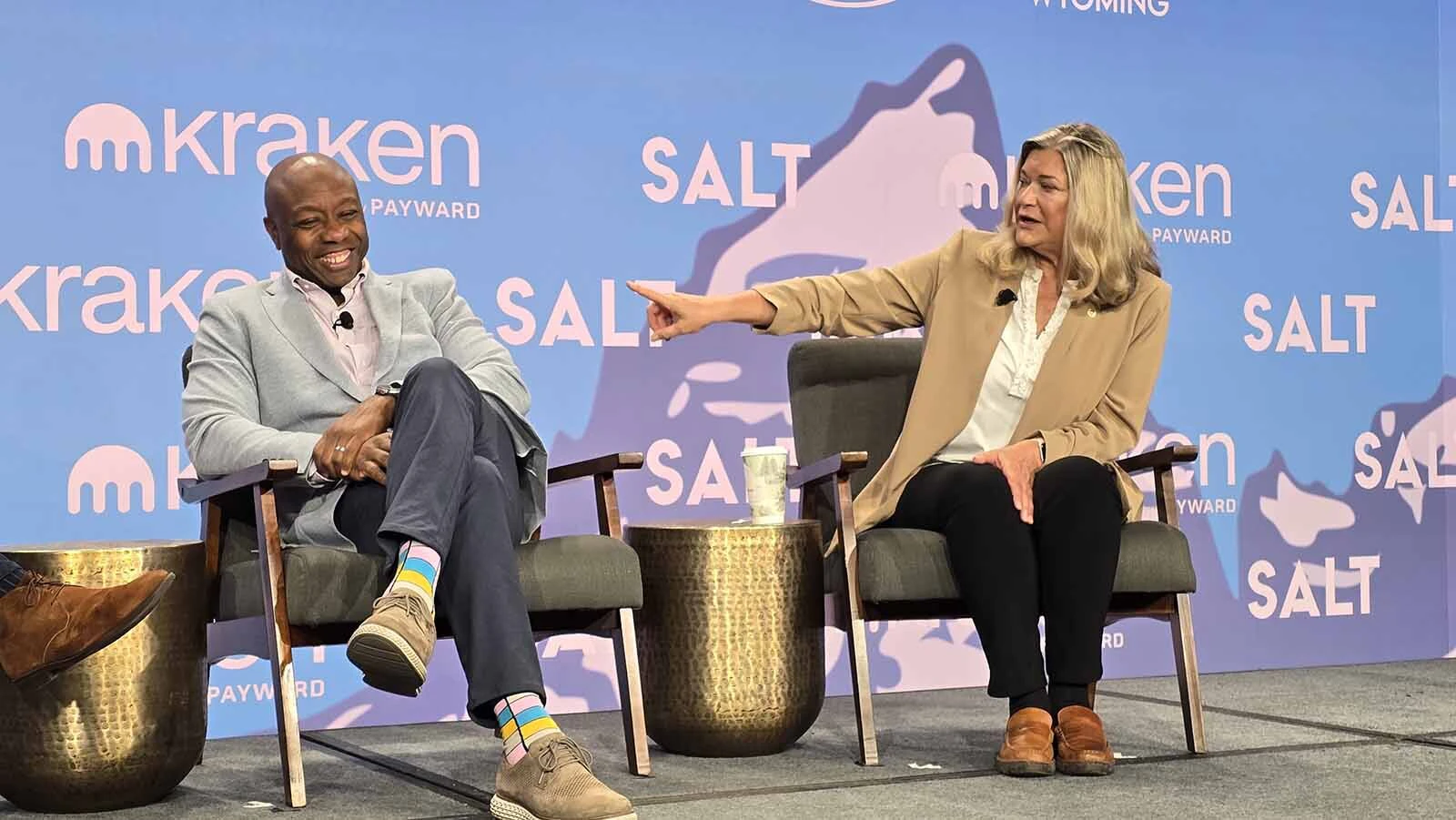
The clock is ticking for the Clarity Act, Wyoming Republican U.S. Sen. Cynthia Lummis acknowledged.
A vote has been locked in by Senate Majority Leader John Thune for 2 p.m. Sept. 5, which gives lawmakers three weeks to hash out a final deal after returning from the August recess.
Setting a date was helpful, Lummis added, because it will force everyone to get serious.
“You have to force them to vote to get them to be serious about it,” she said. “Otherwise they will negotiate ad nauseam. When this bill started Last Labor Day, it was less than 300 pages. It’s now more than 600. We have given Democrats over 100 of their demands and requests. But as long as there’s no certain date where they have to actually vote, there’s no end to what they want.”
Banks have meanwhile been fighting for changes in the Clarity Act to adjust the Genius Act, which created stablecoin rules last summer while Democrats and other groups have placed what Lummis described as “land mines” in the bill every chance they get, hoping to scuttle it.
One of the biggest, so far avoided, was a requirement that the Association of Assistant Attorneys General and U.S. Attorneys General had wanted that essentially said coders and developers would have to prove their innocence in terms of knowledge about the use of their products.
“We don’t want to flip the U.S. justice system on its head and make people prove they’re innocent,” Lummis said. “So we’re protecting coders and developers who put out products not knowing whether they’re being used for illicit finance or legitimate finance. So that remains a barrier within the bill.”

Democrats Target Trump
The biggest sticking point so far, Lummis said, has been Democrats targeting Trump, trying to punish his family’s businesses for their success in the digital asset sector.
Trump, Lummis added, to his credit, has agreed to either put such assets into a blind trust or divest them.
“I don’t know what he‘ll do,” she said, “but I can tell you he’s already agreed to more than any president in history. So kudos to him. And the reason he did that is he gets how important this industry is to the United States, how important it is that we embed it in this country, how we can protect innovation and protect consumers.”
U.S. Can’t Keep Driving Innovation Off-Shore
Lummis, long-dubbed Wyoming’s Crypto Queen, added that the United States can’t afford to keep driving innovation offshore with a patchwork of enforcement actions mixed in with unofficial speeches.
“I was born here (in Wyoming), and I hope to die here,” Lummis said. “This is my beloved home, Wyoming. And I have three grandsons and I want them to have choices in their future, their financial future, how they choose to make a living.”
She has one grandson who’s choosing to be a rancher. But other grandsons might be interested in the freedom the digital asset industry can provide, she said.
“It provides protection from an overbearing government,” she said. “It provides opportunity. It’s a new financial product. It is the basis, because of the blockchain, for the 21st century. You’re at the very front of it, because after Clarity passes, we’re moving right into artificial intelligence. They sort of go hand in hand.”
The new opportunities the industry could bring Wyoming could mean opportunities to stay home, instead of move away, Lummis added.
“That was always the goal of Wyoming being in the forefront of legislation to embed digital assets here in Wyoming,” she said. “Both because we have the culture of wide open, but also because we’re No. 1 in the country in terms of our college graduates leaving the state, going elsewhere. We need an industry that can help keep our college graduates here.”

Blockchain Already Finding Its Niche
That vision — digital assets jobs that attract more young people to stay in Wyoming while working on global problems — was a thread that ran through the business side of the symposium as well.
Nahas ticked through a list of companies already experimenting with blockchain in ways that sound a lot more like “normal” everyday business than the casino-style feeling from cryptocurrency of old.
The FIFA World Cup, for example, used Avalanche to help manage ticketing and crack down on scalping and fraud.
Other companies have explored Avalanche systems for things like global payments. In Saudi Arabia, Nahas worked with the central bank on a pilot where every validator — computers that secure the network — physically sat inside the kingdom’s borders, operating on a private, permissions chain.
In other words, there’s no reason this technology can't fit inside a conservative central bank’s compliance rules — which could one day involve Wyoming banks, energy companies, and even ranch-to-retail supply chains.
Other speakers, including executives from PAXOS, Securitize, BitGo, and RAIN, pushed similar messages. Forget meme coins, and think about digital assets that act as boring old water lines and plumbing.
Regulated stablecoins can move money faster and cheaper, turning private shares into digital tokens that are easier to track and trade, and allowing people to create “agentic” payments that can automatically route themselves to the best rail.
That’s the sort of back-office work that can live anywhere, including Wyoming, which has already spent years writing some of the country’s most detailed digital-assets laws.


