
The only thing hotter than my Boston Red Sox (a record of 31-5 since June 25) is the record of the states that refused to turn over their confidential statewide voter registration lists (SVRLs) to the Department of Justice (DOJ).
The DOJ sued 30 states and the District of Columbia to compel the release of their unredacted voter logs, containing confidential personal information.
But as of Friday, federal judges have dismissed 21 of those cases, ruling the DOJ had no right to these records.
More cases await decisions. But with a record of 0 for 21, the DOJ’s prospects are dismal.
At a recent oral argument before the federal court in Washington, the DOJ attorneys admitted the relevant facts involved in the Washington case were the same as in the other cases that had already been dismissed.
I expect the Washington case is a prime candidate to be the 22nd dismissal.
But here in Wyoming we never had a chance to dispute the DOJ’s unprecedented snatching of our confidential voter logs, because our Secretary of State, Chuck Gray, voluntarily turned it over last August without telling the public.
Rather than stand up for the privacy rights of Wyoming voters that Wyoming election law guarantees, Gray sent the DOJ everything it requested - and then boasted that he had been the first in the nation to turn over these records.
While the baseball pundits may be divided about the reasons for the Red Sox resurgence, the reasons for the 21 federal court orders dismissing the DOJ complaints are not hard to understand.
When challenged the DOJ has been unable to produce any legal authority to justify its demand for confidential logs from any state.
First, before the DOJ can demand voter records from state election officials under the Civil Rights Act (CRA), it must specify the basis and the purpose for the demand in writing.
Court after court has held that the DOJ letters to the states demanding the logs, letters which were essentially identical to the letter that Gray received, failed to satisfy this simple condition.
Second, the logs created and maintained by the states are not voter records covered by the act, which only requires states to retain and not alter voting records that “come into their possession.”
These are things like the registration forms filled out by voters and submitted through the county clerks.
But the logs containing the confidential personal information about registered voters are electronic files created by the states.
The logs are regularly updated and changed to reflect the addition of newly registered voters and the deletion of other voters, who have moved, passed away or otherwise fallen out of the system.
In short, the voter logs are living electronic documents.
Requiring the voter registration logs to be preserved without alteration under the CRA would conflict with the state’s duty to maintain a current voter list in compliance with other federal laws.
The Wyoming voter roll created and maintained by the Wyoming Secretary of State was no more subject to the federal law than the ones maintained in New Hampshire, West Virginia or any of the other states that have successfully protected their records from this unlawful and unwarranted federal intrusion.
In Colorado, Judge Phil Brimmer recently held “Colorado’s SVRL is not a record or paper that must be produced pursuant to [the CRA]”.
He may be a Colorado judge, but he is also a true son of Wyoming, whose father was Clarence Brimmer, a respected Wyoming federal judge before whom I practiced.
I think Clarence would be proud to see that this acorn did not fall far from the tree.
So, why didn’t Gray recognize these obvious defects?
Didn’t he know the law, or did he just choose to ignore it? Was it incompetence or something else?
Does Gray have anything to counter the weight of the 21 written decisions of the federal judges, who have ruled the DOJ had no right to this information?
Gray just says he worked “in close consultation with the attorney general” and that together “we agree that the disclosure of the requested records is proper under the Civil Rights Act.”
Gray has hidden behind a claim that the Wyoming attorney general approved his decision, whenever anyone has questioned his decision.
But he has refused to show us any proof of what the attorney general actually said. Apparently, Gray does not trust us to use our own eyes and our own common sense.
Secretary Gray, our election law is clear.
You had a duty to protect the confidential personal identifying information of Wyoming voters.
If you won’t level with us about why you violated our trust, then I would suggest that the thoughtful voters of Wyoming should think twice about sending you to Washington as our next representative.
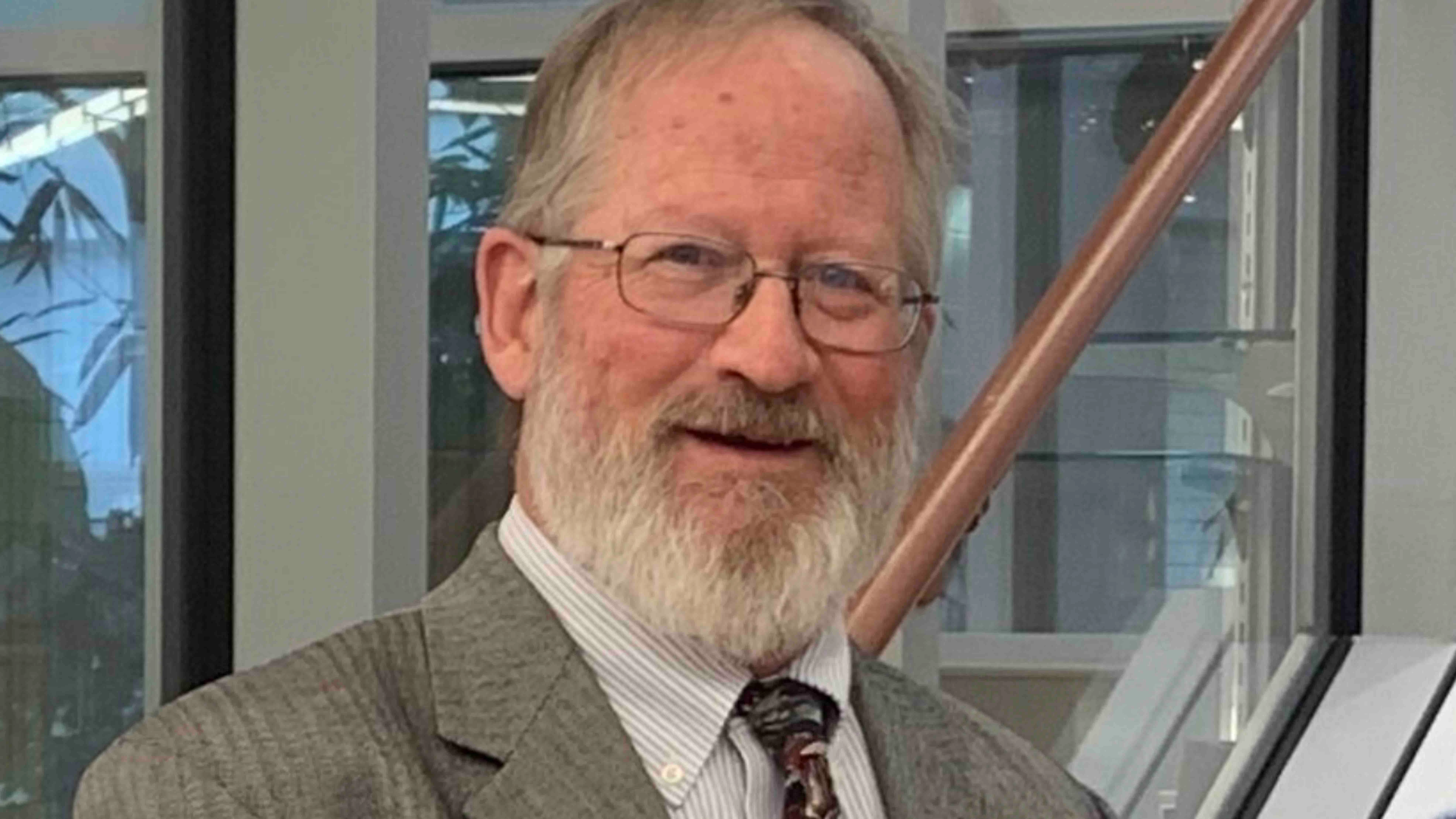
George Powers is a retired attorney in Cheyenne.
For forty years, Mr. Powers’ practice primarily focused on civil trial and appellate litigation throughout the State of Wyoming with areas of special interest including medical malpractice, insurance claims and railroad litigation.
George Powers can be reached at: gpowers@spkm.org


