
In the early 2000s, Zariah Whiteplume recalls how she would have to go to the "water hole" on the Navajo Reservation just so her family could wash dishes and have water to drink.
“I remember visiting my great-grandmother in New Mexico and we barely had any electricity,” Whiteplume said. “We had no running water, and it's so crazy that we used to go in an outhouse, and haul water.”
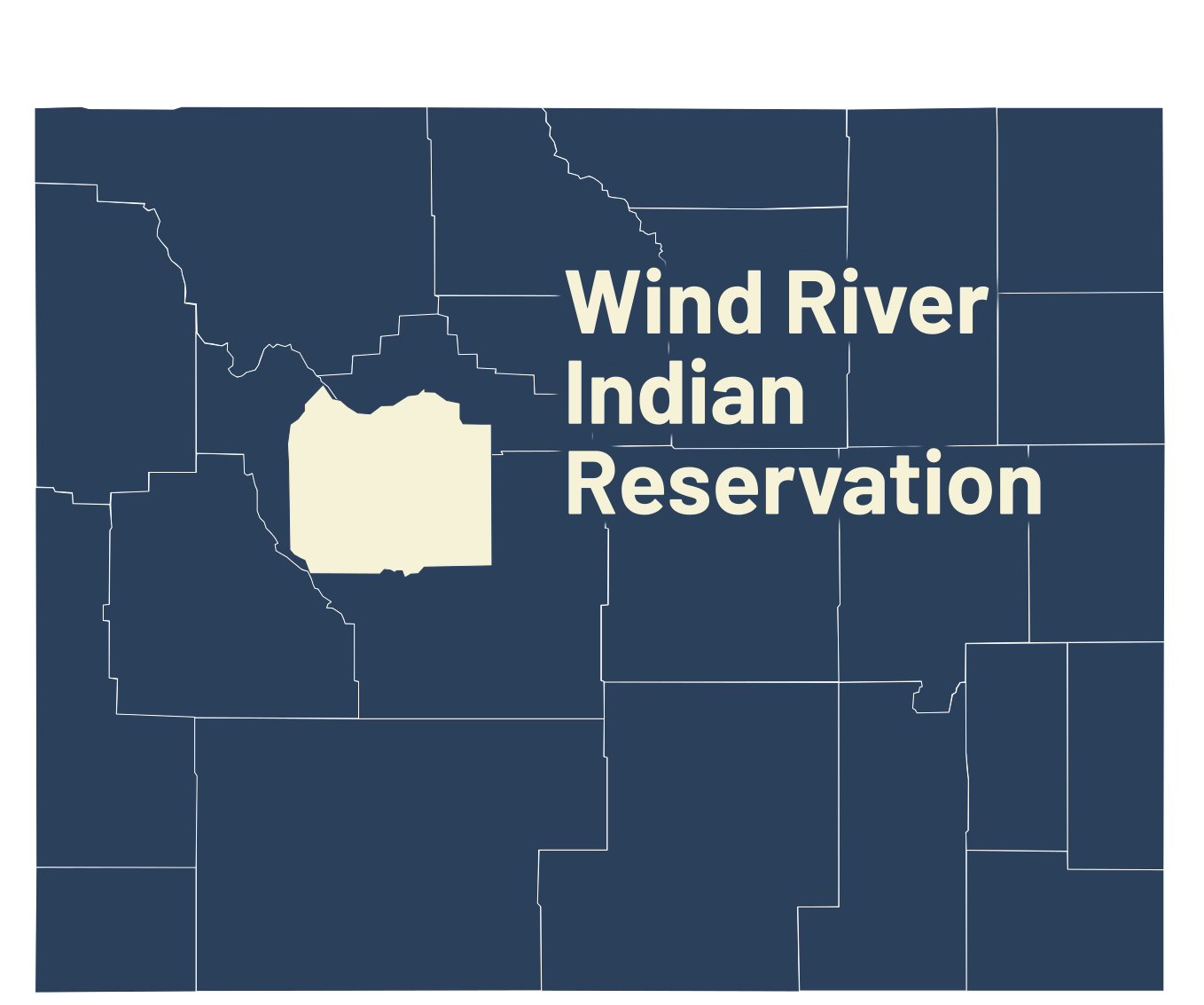
Whiteplume, 22, has known poverty all her life in two places: The Navajo and Wind River reservations. The experiences have led her on a quest to make life better for both her tribes, the Northern Arapaho and Diné (Navajo).
“I know there's still so many tribal members who live like that out on the reservation,” she told Cowboy State Daily. “I feel like I came a long way but when you're young you don't really realize that you are poor. It’s just the way it is.”
Whiteplume wanted to change that, so she began pursuing an electrical engineering degree with a focus on renewable energy.
Members of her Diné family attended United Tribes Technical College in Bismarck, North Dakota, and persuaded her to visit. There, Whiteplume discovered her love for math was a strong asset and she was recruited to the engineering program.
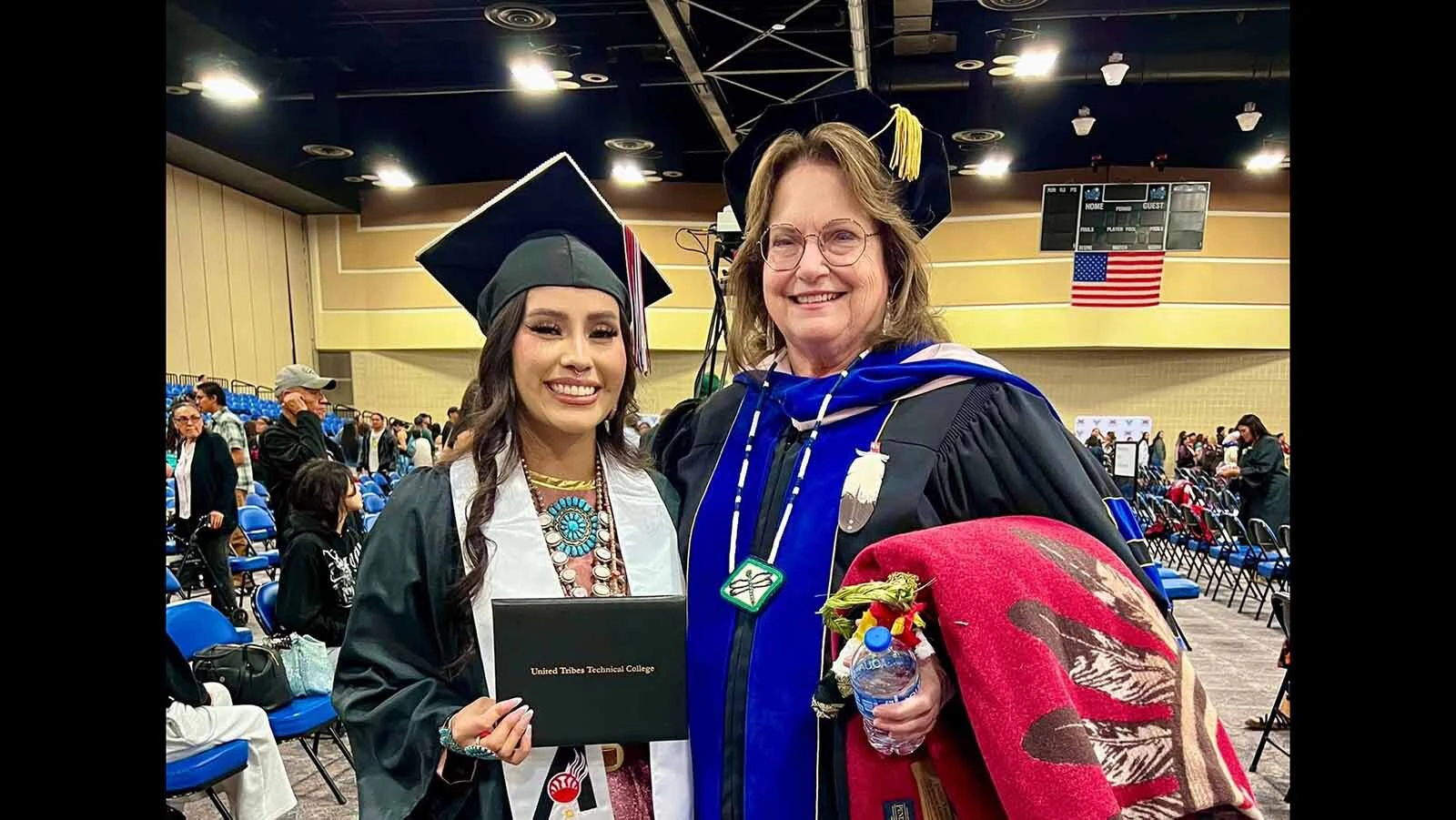
This past spring, she graduated with her pre-engineering degree.
“It's a very demanding degree, but I'm also proud to say that I'm one of a few of the young women in STEM (Science, Technology, Engineering, Math),” Whiteplume said. “United Tribes brought me opportunities I thought I would never have.”
Thanks to her Diné connections, Whiteplume was able to intern at the Los Alamos National Lab in New Mexico for two summers. This year, she transferred to the Sandia National Laboratories in Albuquerque.
“I want to come back to my community and engage with the youth,” she said. “We need to introduce more of our kids at earlier ages to the sciences but also incorporate our cultural ways.”
Whiteplume said she hopes to build a bridge between her Native cultures and modern electrical engineering.
This process is called Traditional Ecological Knowledge, or TEK, and can be used to ensure proposed renewable energy fits community priorities, respects culturally significant places, and meets local needs rather than imposing outside solutions.
Sharing Her Culture
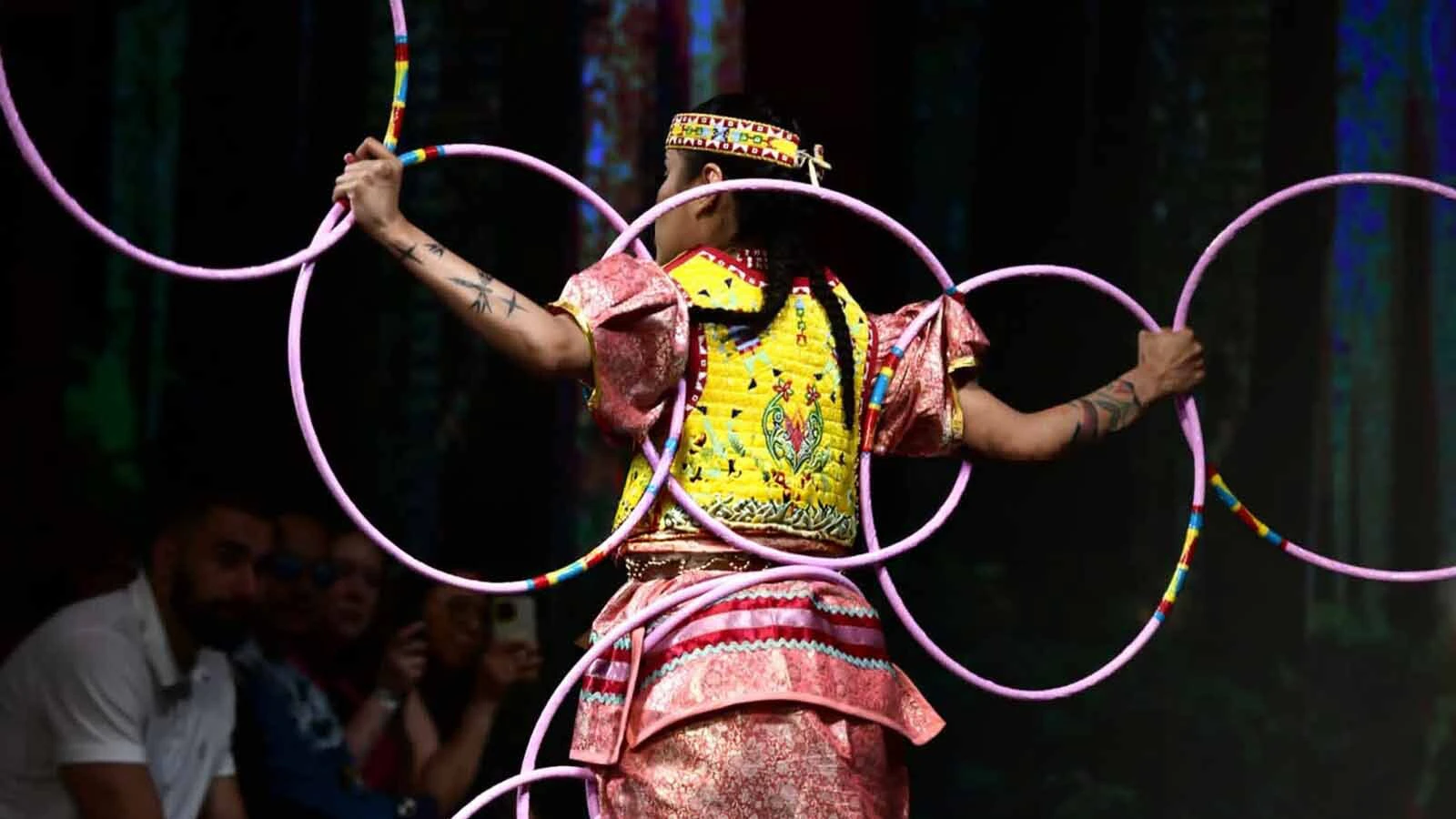
As she pursues her education and dreams of a future sharing her passion of math and science to children on the reservations, Whiteplume is also staying in touch with her cultural identity through hoop dancing.
She has performed before various audiences, including school children in North Dakota.
“The elementary kids from around the Bismarck school districts get most excited whenever I come out,” Whiteplume said. “That means a lot to me.”
Whiteplume was 8 when she first began learning to hoop dance with Jasmine Bell and her team of young girls on the Wind River Reservation. Over the years, she has had numerous mentors. In middle school, her teacher was Ann Abeyta in Fort Washakie.
“Hoop dancing is a healing dance and people enjoy watching because of how skilled you have to be to do the dance,” Whiteplume said. “When I dance, I pick up the hoops with my feet and I don't ever bend down to pick up the hoops off the ground.”
Whiteplume said what makes the dance so special is telling her own story. Each year, she adds a hoop; she now dances with 22 of them.
“I always get nervous before I dance and my parents always remind me that when I dance I'm not only healing myself but I'm healing everybody else around me and to keep my family members in mind,” she said.
Whiteplume said she makes a purposeful effort to always have positive vibes when dancing. Once she begins, rather than concern herself with the technical aspects, she pays attention to the drum group and its music while keeping her thoughts centered on family.
“It just flows naturally,” she said.
Whiteplume spent her early years dancing around Lander and the Wind River Reservation. After she graduated, she said it was heartwarming to hear from locals who said they had watched her grow up through her hoop dancing.
When Whiteplume was in high school, she was asked to hoop dance for the opening of a show. Red Berry Woman, a contemporary fashion design company owned by a Hidatsa Sioux. Assiniboine and Crow woman named Norma Baker-Flying Horse, then asked her to model in the show, leading to another opportunity to showcase her heritage with others.
“Indigenous designers are telling their story and representing their own tribes in their art,” Whiteplume said. “They will use geometrics and florals and just intricate designs that they create themselves, which I think is beautiful.”
Cultural Exchange
Whiteplume said that the biggest performance of her life came when she hoop danced in June in Tokyo. She was invited to perform at an all-Indigenous international fashion show.
Whiteplume performed and modeled as part of the Cultural Enrichment Segment for Hitechmoda Productions, a fashion show for Indigenous designers to showcase their art. She was invited to dance specifically by “Ally’s Ribbons,” a designer from the First Nations in Canada who specializes in ribbon designs.
Because Whiteplume didn’t dance until the second segment of the show, she was also able to model for C. Lysias Designs of the First Nations of Canada in the first segment. She described the outfit as a beautiful leather skirt paired with a Pendleton heart neckline top.
“It was cool to see a mixture between Japanese designers and our Native designers,” Whiteplume said, explaining that geishas and other Japanese-themed artists were also featured alongside the Native artists.
Whiteplume said one of her most memorable experiences wasn’t at the show itself but came afterward when she visited an otter café and was able to have an experience that tied her back to the pow wows of her childhood.
“One of our pieces of regalia that we dance with as Native people are otters,” Whiteplume said. “I always wanted to interact with a live otter, and it was so special to be able to pet and feed some of these creatures.”
Whiteplume said she will continue to hoop dance and model to keep in touch with her cultural identity and share it with others. She has been invited to be the head lady dancer at the Fremont County Fair on July 27.
But her main passion is showing kids on the reservation that it is cool to be a young woman in STEM and to use her engineering skills to better their lives by introducing renewable resources in a culturally sensitive way.
"Engineering is a lot of hands-on work and solving problems using math," Whiteplume said. "I am still in a bit of shock when I realize that I'm doing it. I'm going to be an engineer."
Contact Jackie Dorothy at jackie@cowboystatedaily.com
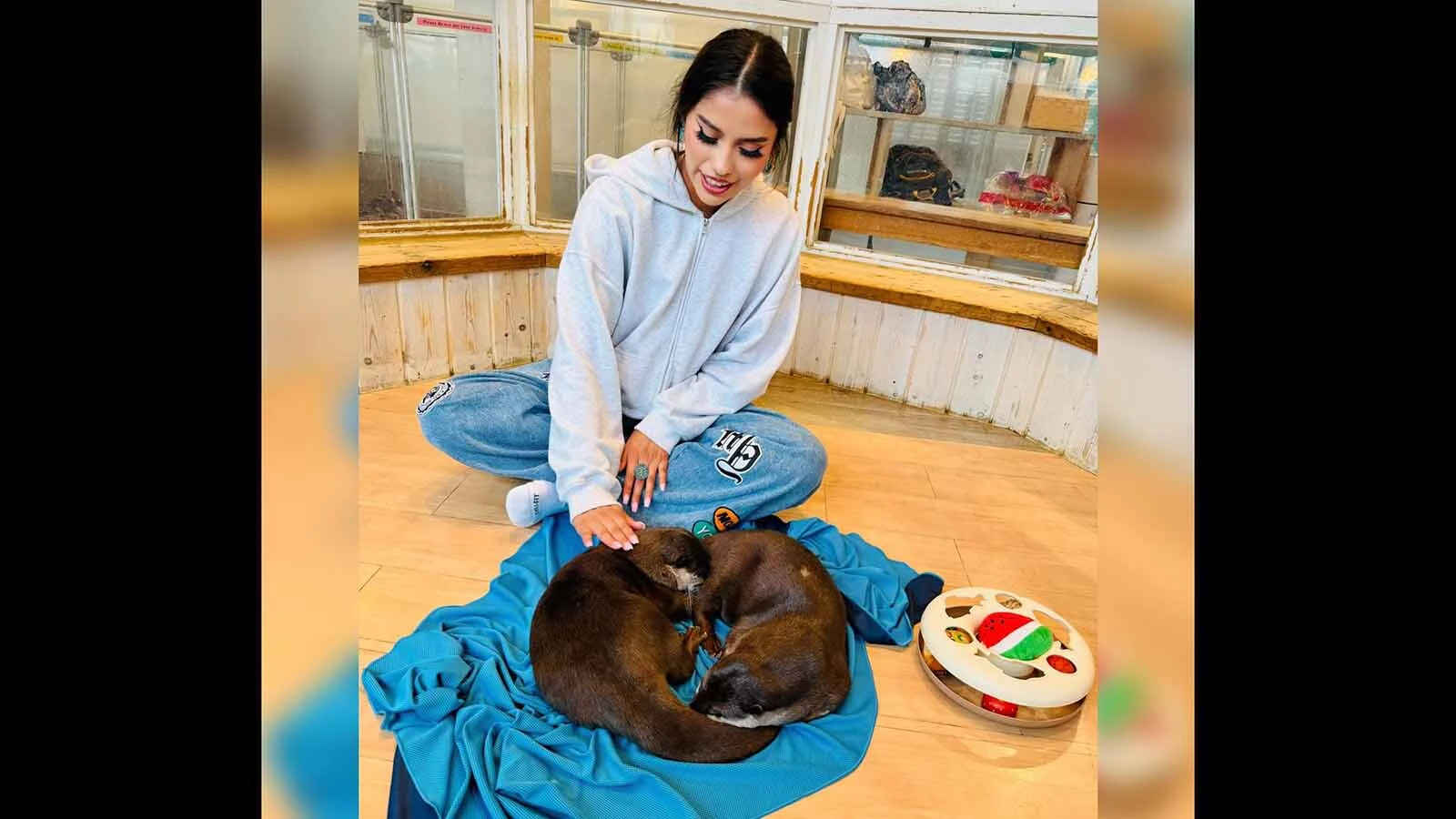
Electrical Engineering student, Zariah Whiteplume, keeps contacted to her culture through hoop dancing performances. Recently, she was invited to Tokyo to perform and while there, was able to visit an Otter Cafe. Otters, Whiteplume said, are often used in native regalia and it was special moment to be able to pet a live otter in Japan. (Zariah Whiteplume) 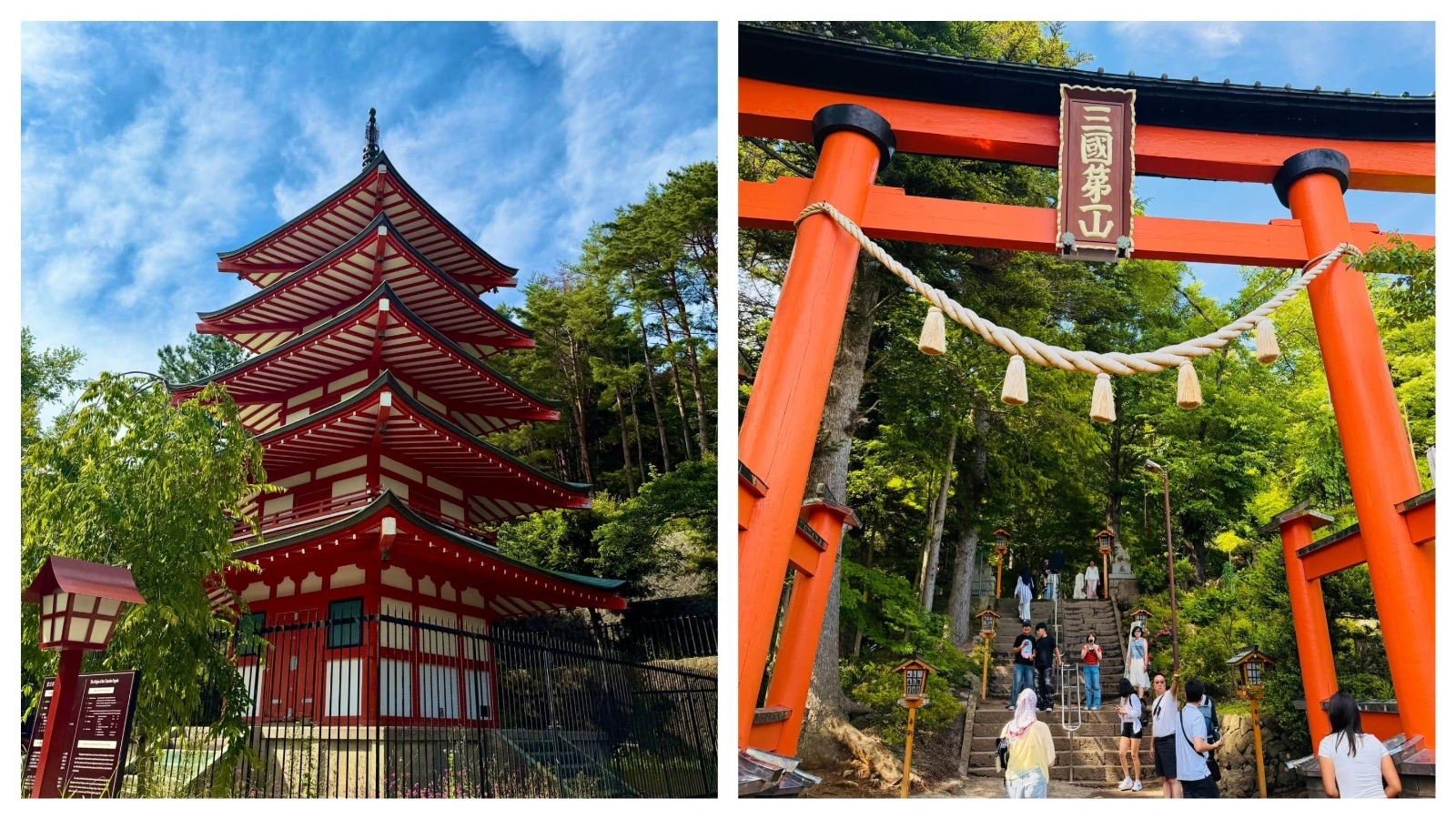
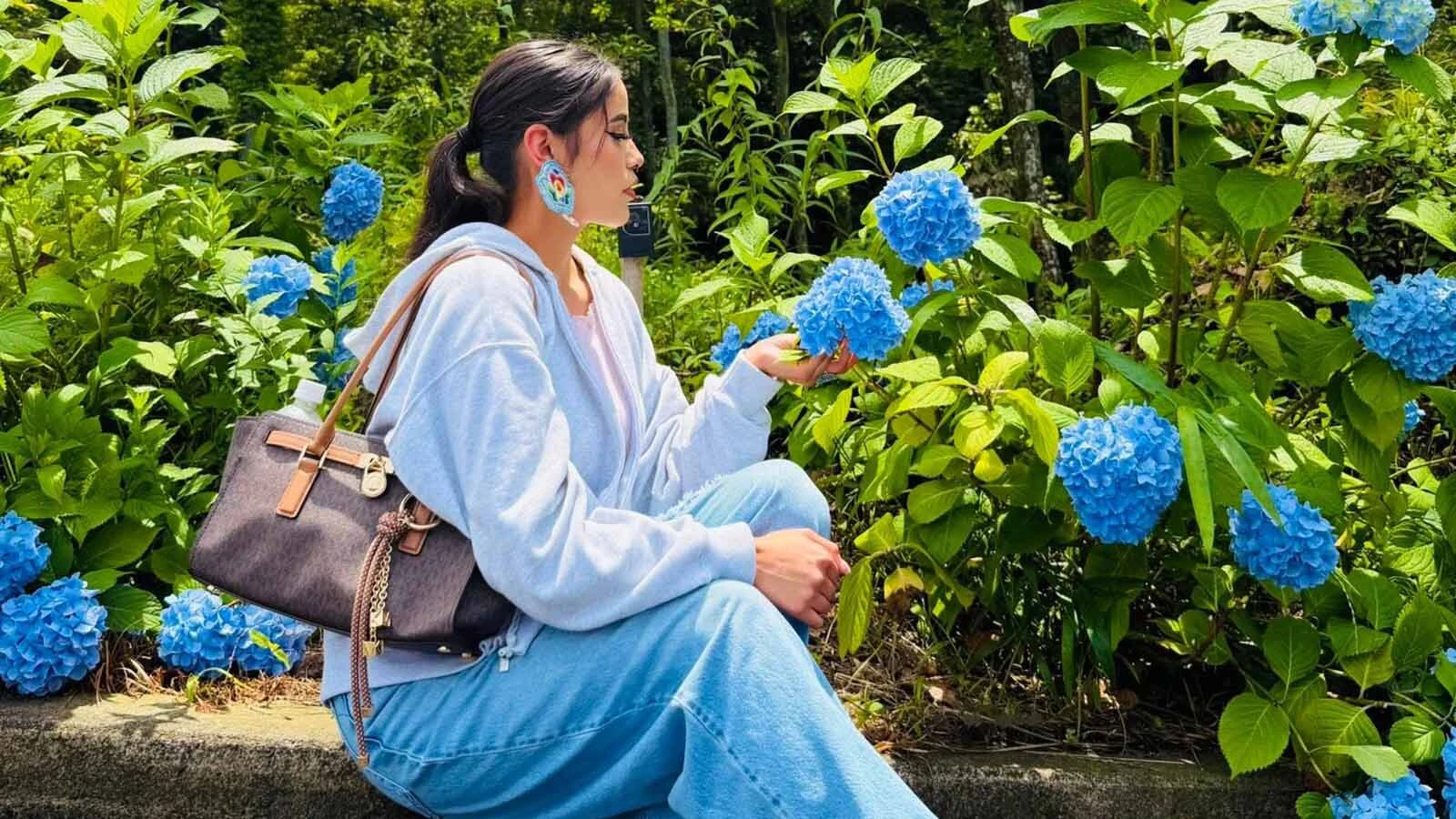
Zariah Whiteplume grew up without running water or much electricity on the Wind River and Navajo reservations. This summer, she was hoop dancing and modeling in Tokyo, Japan. “I know there's still so many tribal members who live like that,” she said. (Zariah Whiteplume) 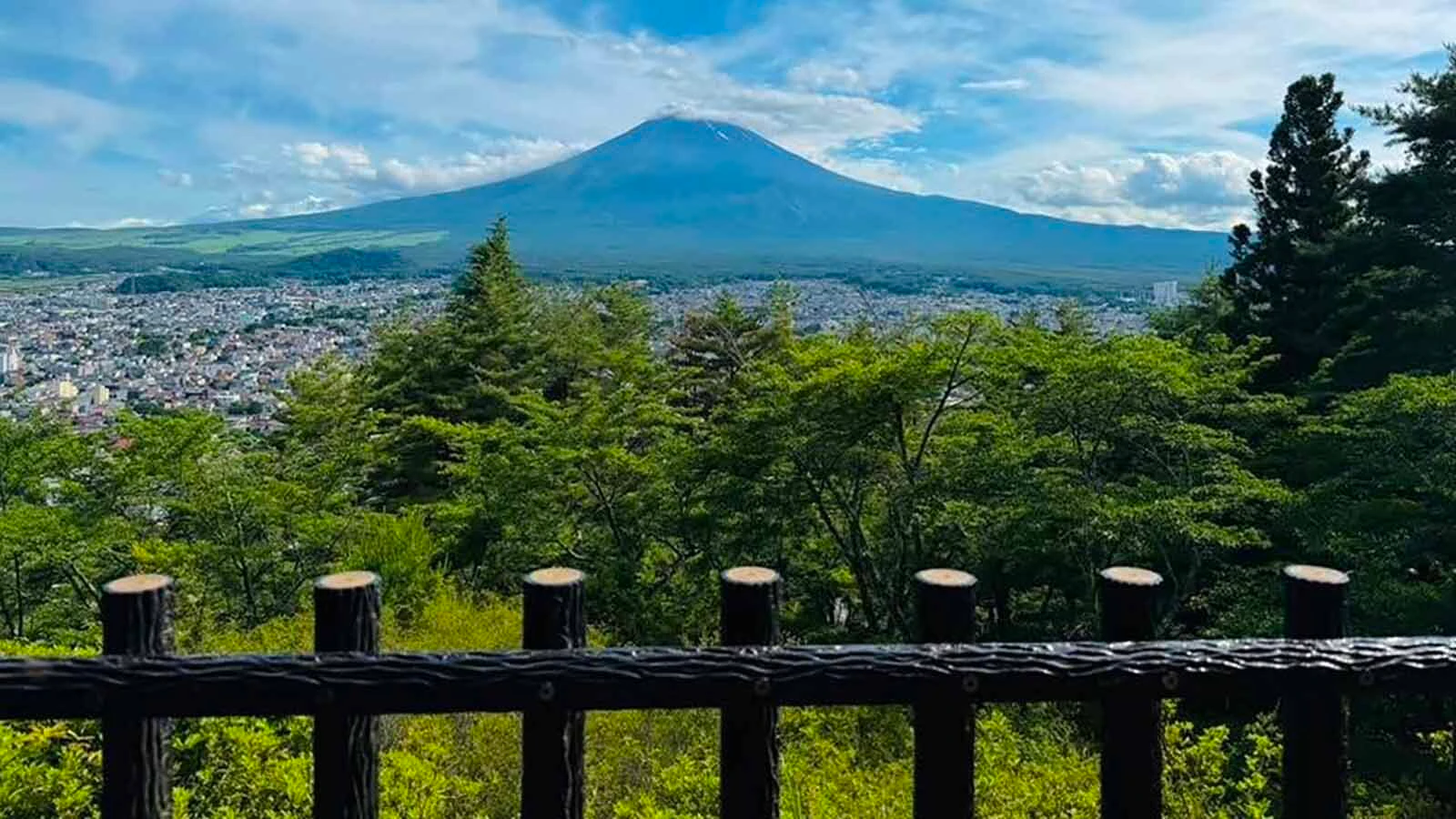
Zariah Whiteplume grew up without running water or much electricity on the Wind River and Navajo reservations. This summer, she was hoop dancing and modeling in Tokyo, Japan. “I know there's still so many tribal members who live like that,” she said. (Zariah Whiteplume)
Jackie Dorothy can be reached at jackie@cowboystatedaily.com.


