The Aathal Dinosaur Museum in Switzerland is celebrating the latest of its growing collection of Wyoming dinosaur discoveries.
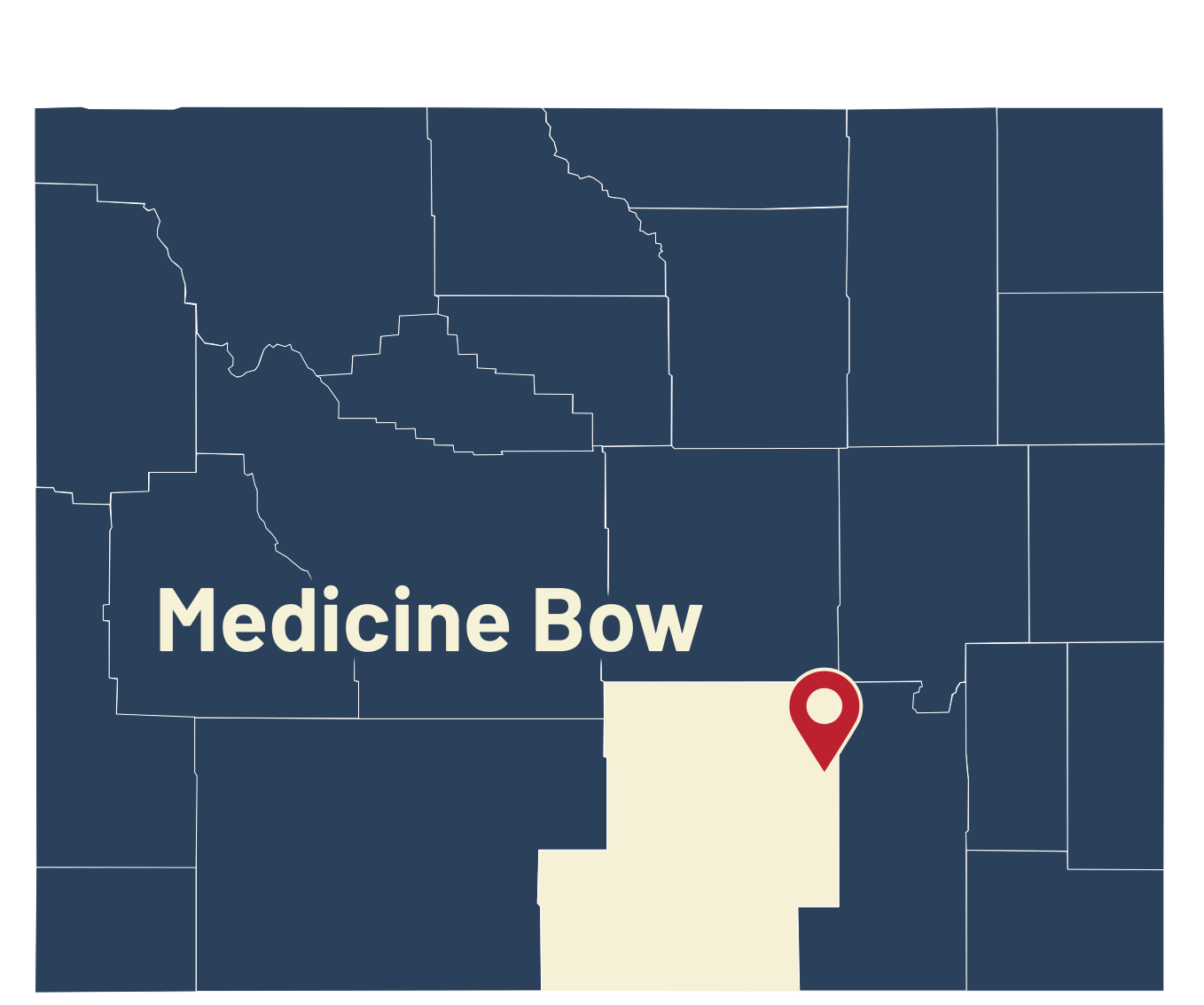
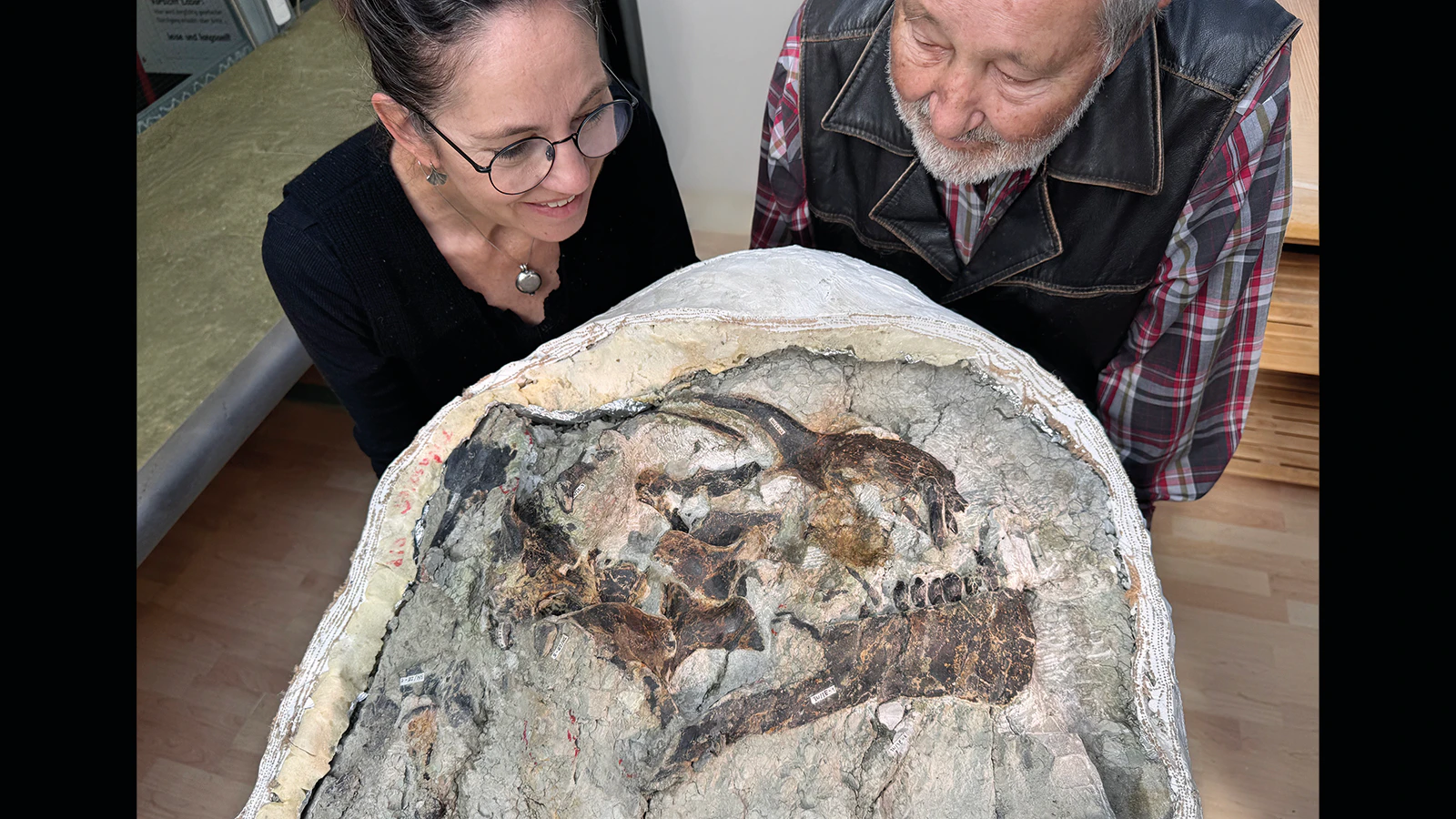
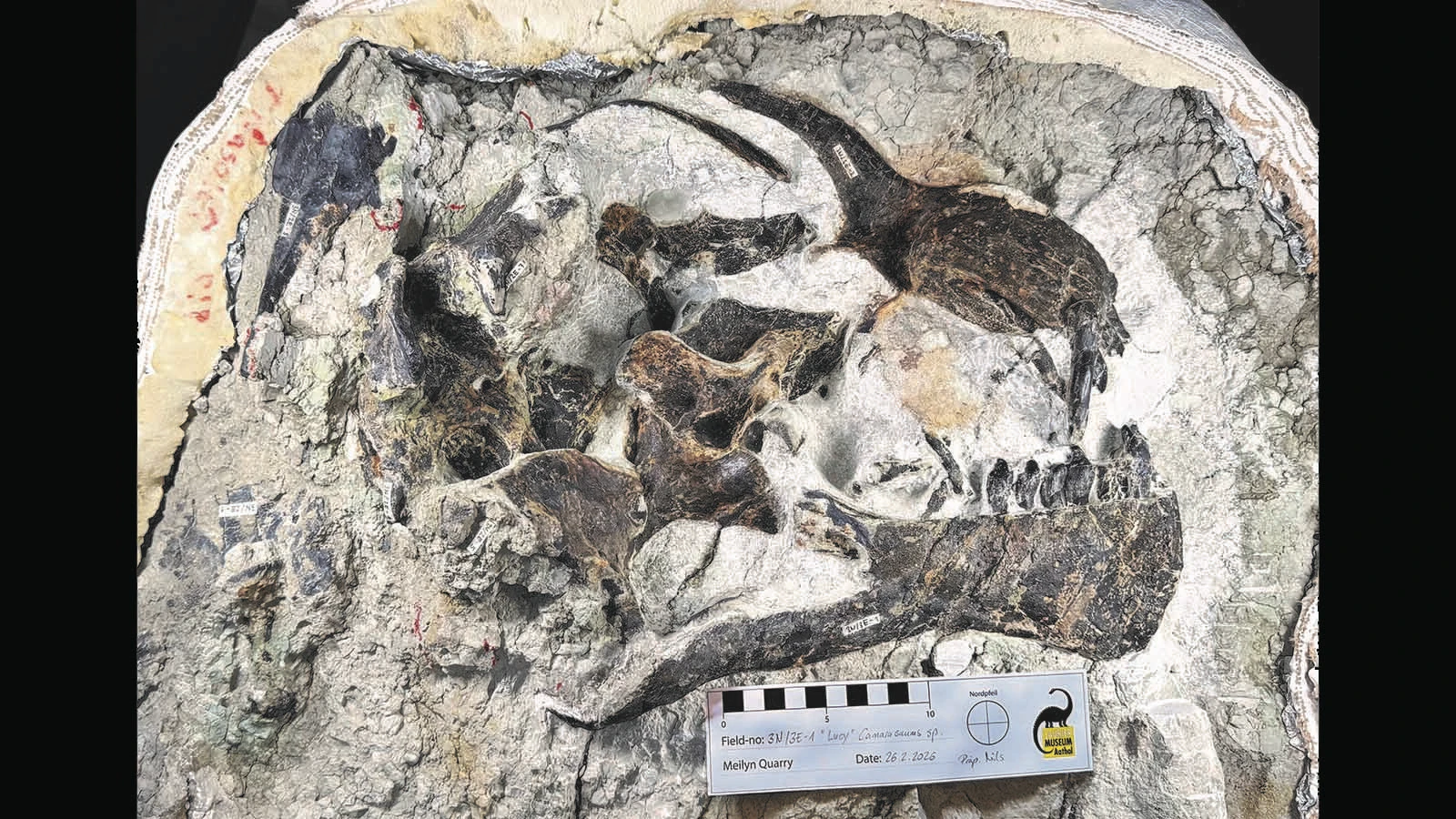
The museum recently unveiled “Lucy,” the tiny articulated skull of a young Camarasaurus found at a famous Jurassic dig site near Medicine Bow.
Yolonda Schicker-Siber, director and curator of the museum, said this skull is only the second of its kind ever found, and will provide important insights into how the world’s largest dinosaurs grew up.
“Our team works in close collaboration with researchers from around the world,” said Schicker-Siber. “We estimate that (Lucy) was around 8 to 10 years old at the time of its death, although this will be the subject of further research.”
It’s the tiny head of an 8-year-old dinosaur, give or take 150 million years.
History of Prehistory
Schicker-Siber is the daughter of Hans Jakob "Kirby" Siber, the man who founded the museum in 1992. He’s a renowned fossil finder who’s been working in Wyoming for decades.
Siber was the one who initially found “Big Al,” a famously intact Allosaurus skeleton riddled with injuries.
His later excavations in Wyoming include some of the best specimens of Allosaurus, Stegosaurus, and Diplodocus ever found, along with several previously unknown species from the Late Jurassic Period from private ranches in the Bighorn Basin.
These specimens are now on display at the Aathal museum and the University of Zurich in Switzerland.
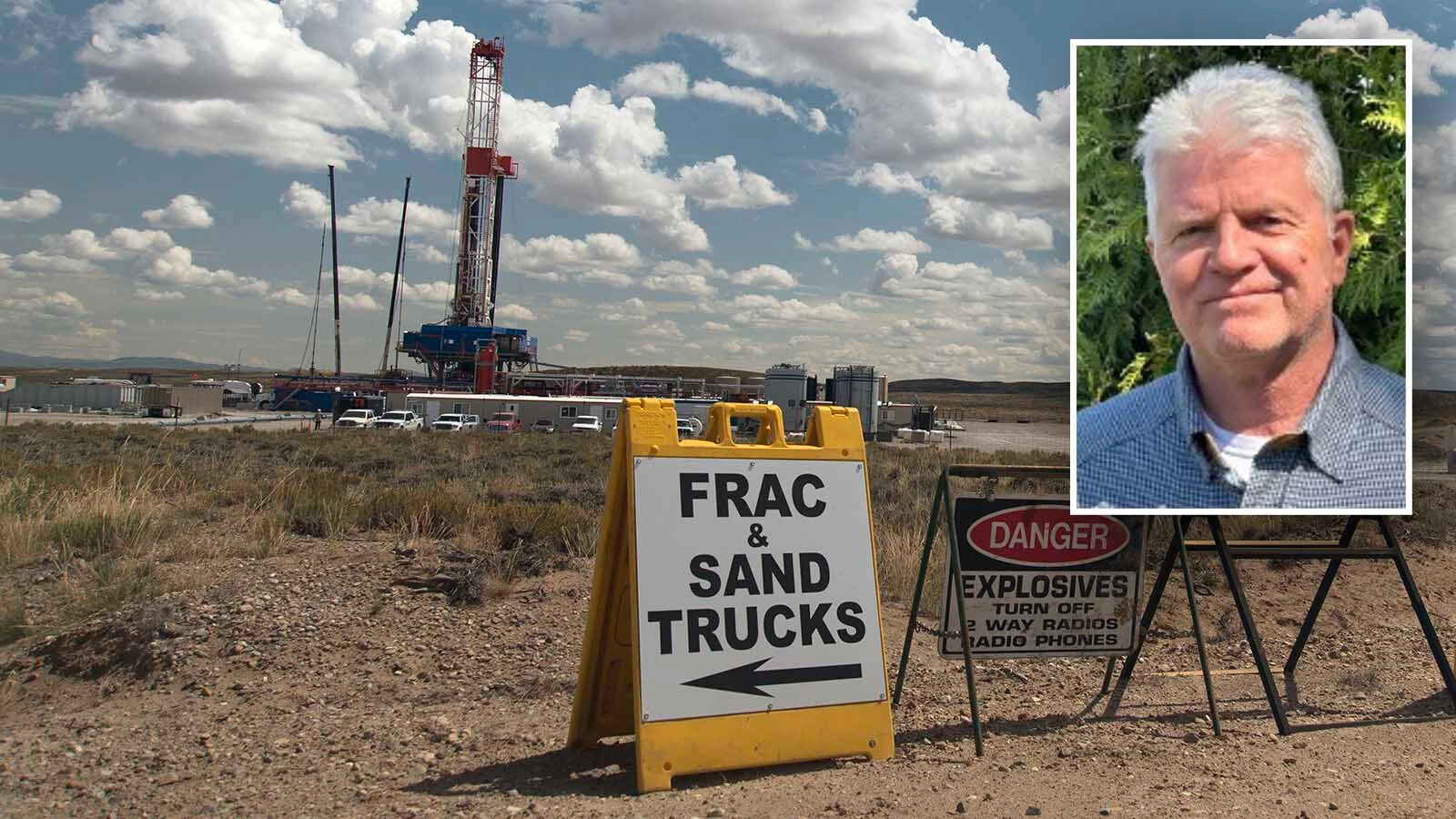
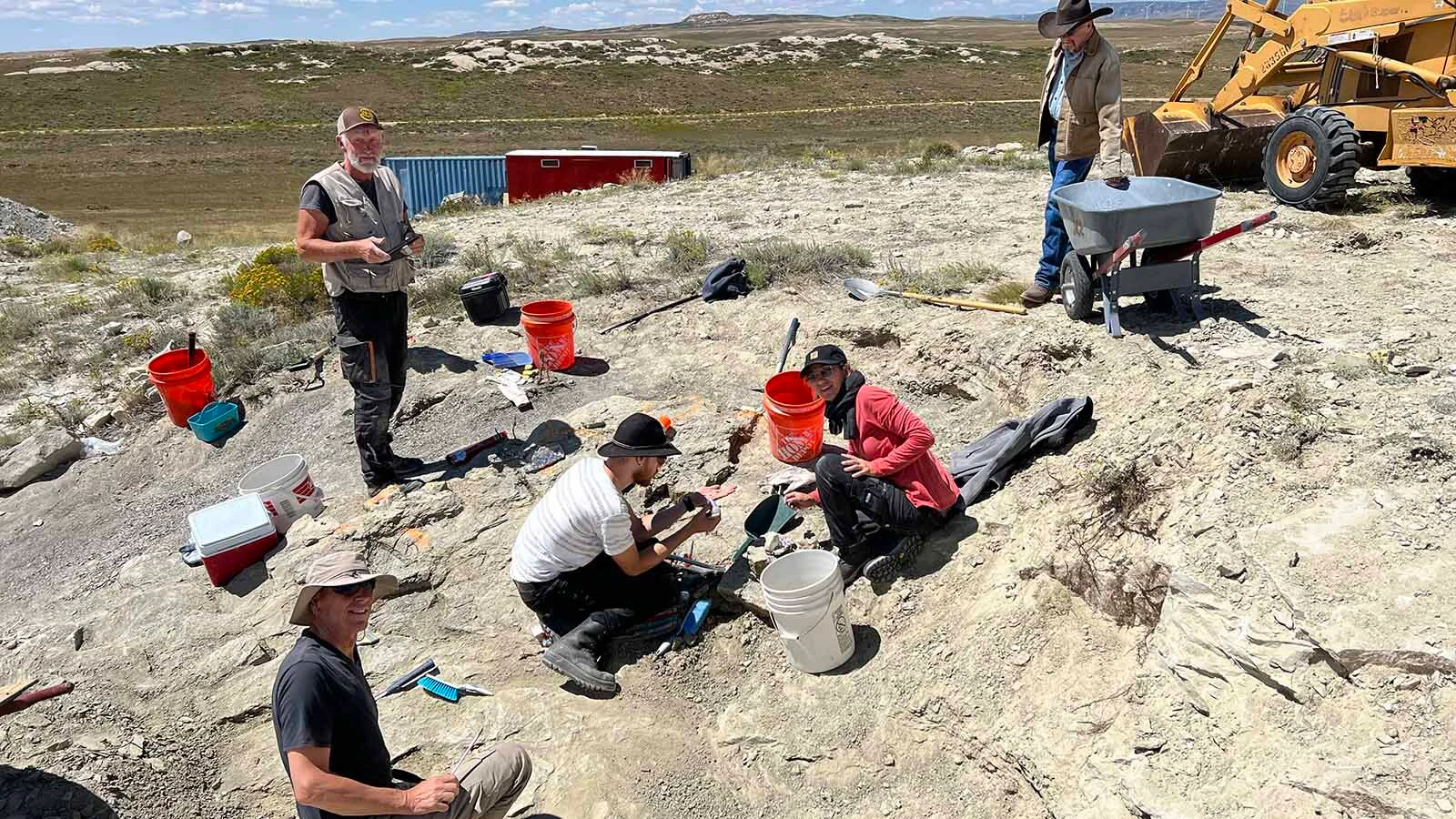
Since 2018, the museum has been excavating at the Meilyn Quarry near Medicine Bow. It's located near Como Bluff, one of the most famous dinosaur sites in the world.
This particular quarry is owned by Burkhard Pohl, the founder of the Wyoming Dinosaur Center in Thermopolis.
It has previously produced the skeletons of a Stegosaurus and a pair of Allosaurus, an adult and a juvenile.
The Meilyn Quarry is where the small skull of Lucy was discovered, but the paleontologists working with the museum didn’t immediately see the enormity of this discovery.
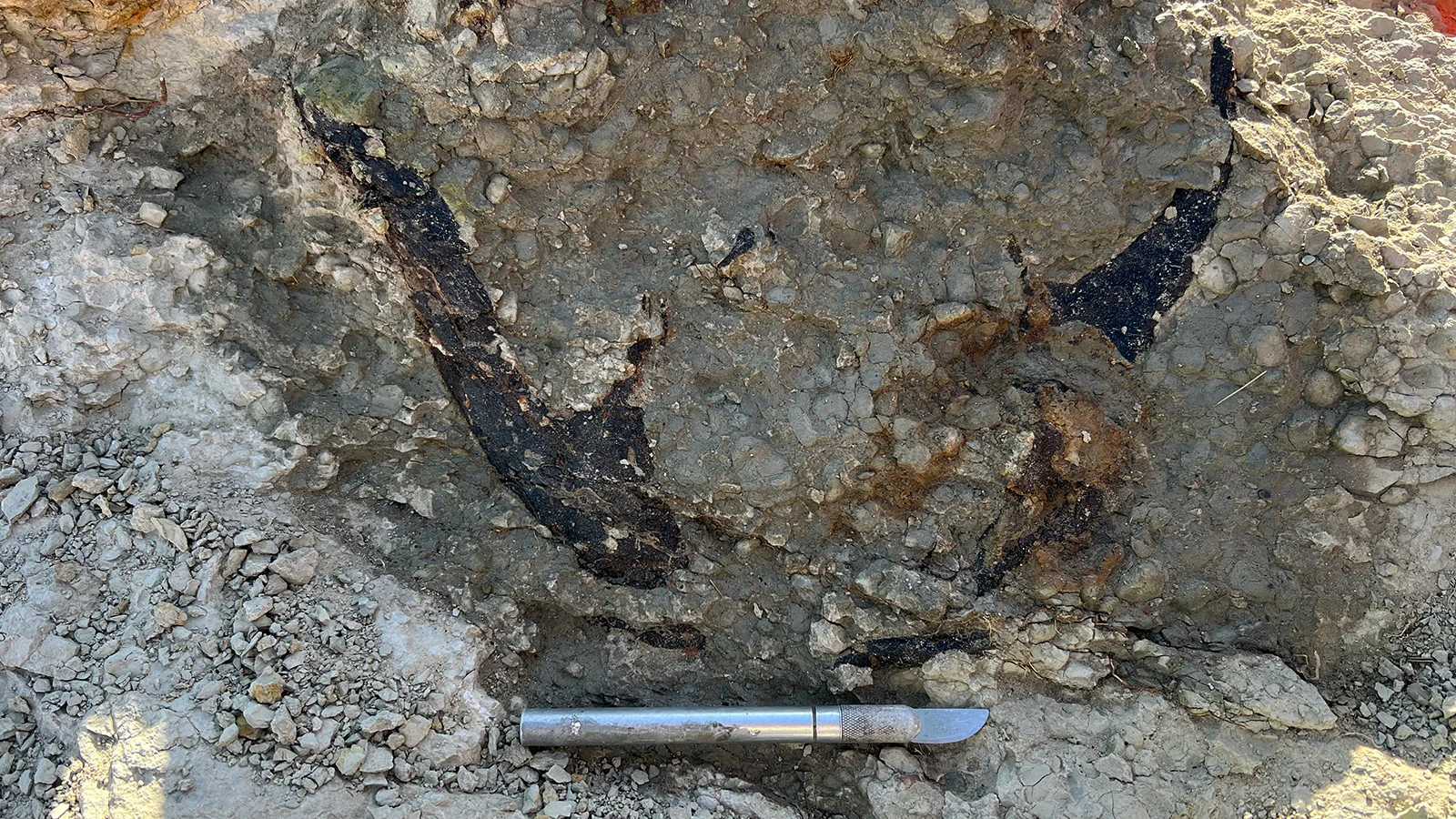
“We discovered the first skull fragments in 2023,” Schicker-Siber said. “To avoid any risk, the surrounding area was excavated extensively, and the skull was removed as a large block and transported to Switzerland.”
As the museum focused on other incredible specimens it had recovered from the Meilyn Quarry, the small skull stayed untouched in the 150-million-year-old rock, preserving it. Nils Knötschke, an experienced fossil preparator, started working on the block earlier this year.
“Once we realized how complete the skull of this juvenile Camarasaurus is, we conducted extensive research into comparable material,” Schicker-Siber said. “In fact, we had to look back over 100 years.”
Baby Pictures
Camarasaurus is one of the most common dinosaurs in the Morrison Formation, known from thousands of partial fossils and several nearly complete skeletons.
Many of the best Camarasaurus specimens ever found were excavated in Wyoming.
The Museum of Evolution in Denmark and the Natural History Museum Abu Dhabi in the United Arab Emirates each have remarkably well-preserved Camarasaurus specimens collected in Wyoming.
The Aathal Dinosaur Museum has its own exceptional Camarasaurus, so well-preserved that skin impressions were found alongside the articulated skeleton.
However, all of these Camarasaurus were adults when they died, over 60 feet long and easily weighing more than 10 tons each.
Finding any fossils from very young dinosaurs, even the very common Camarasaurus, is incredibly rare.
In 1914, a nearly perfect juvenile Camarasaurus with a complete skull was found during excavations at Dinosaur National Monument (DNM) in Utah. Nearly every bone in its body was preserved in the same position it was when the young dinosaur was alive.
Many paleontologists consider it to be the best-preserved sauropod specimen ever found. In terms of size and preservation, it had no equal.
Until now.
Lucy’s skull is only 30 centimeters long, just under a foot. By contrast, an adult Camarasaurus skull can be over 2 feet long.
Finding dinosaur bones can be tricky enough. Finding a skull, let alone one that’s nearly complete and articulated, is almost unheard of.
“The specimen from DNM, now on display at the Carnegie Museum of Natural History in Pittsburgh, Pennsylvania, appears to be the only previously known complete skull of a juvenile Camarasaurus,” Schicker-Siber said. “Lucy is the second.”
Lived Fast, Died Young
In the Late Jurassic, sauropods like Camarasaurus lived fast and died young. That’s one of the reasons why finding the fossils of young individuals is so difficult.
“I like to say sauropod dinosaurs made it on flip-top heads, air-filled bones, and teenage pregnancy,” Mathew Wedel, associate professor of anatomy at the Western University of Health Sciences in Pomona, California, told Cowboy State Daily in November 2023.
Wedel published a study that found the Late Jurassic was populated by immature sauropods that reached sexual maturity very early to replenish their population.
Many would have died when they were still grown and only a fraction of their adult size.
“There wouldn’t necessarily always have to be full-grown adults around,” he said. “Once you have the potential for half-grown animals to be reproducing, the population was mostly reproducing juveniles and subadults.
"You would only get adults when conditions are perfect for them to make it through the lottery and develop to full size.”
Even the largest Jurassic predator wouldn’t risk serious injury by attacking a fully-grown Camarasaurus, which could outweigh them by several tons.
Attacking a juvenile Camarasaurus, like Lucy, would be much easier and likely to succeed.
That’s why it’s so hard to find fossils from very young sauropods.
In addition to their bones being much smaller and more delicate than those in adults, they would have ended up in the stomachs and feces of meat-eating dinosaurs like Allosaurus long before they had a chance to be buried and fossilized.
“There had to be juveniles, (but) there didn’t have to be adults,” Wedel said. “The adults were vastly outnumbered. That’s one of the reasons sauropods were so successful.”
Baby Boom
Lucy's skull is currently on display at the Aathal Museum. Schicker-Siber said it will remain there until it’s time to flip the skull and the rock encasing it over to expose the other side.
“Further work will continue after our return from the excavation in Wyoming in September,” she said. “The block will then be carefully turned over and prepared from the underside.”
Additional preparation will give paleontologists a clearer view of the shape and structure of the small skull.
That could provide insight into how Camarasaurus changed as it grew, what it was eating, and even how this young individual might have died.
Meanwhile, work continues on other specimens recovered from the Meilyn Quarry. The museum has finished work on the skeleton of “Bruce,” a juvenile Allosaurus, and continues preparing the most exciting discovery of all: “Lil’ Lenny.”
“We discovered a small sauropod skeleton, likely also a Camarasaurus, in 2023 and 2024,” Schicker-Siber said. “Preparation is still ongoing, so it is too early to provide detailed information, (but) what we can say is that it is a much younger individual than Lucy.”
Lil’ Lenny’s fossils include bones from the legs, arms, and hips.
Further excavation and preparation could reveal even more bones from all these specimens, including the partial or complete skull of Lil’ Lenny, another earth-shattering discovery.
These small sauropods aren’t even the Jurassic babies to be delivered to the museum.
The 6-foot-long “Toni” specimen, found in the Bighorn Basin in 2012, is believed to be the only known baby Brachiosaurus.
For anyone curious about the names, these tiny dinosaurs were named after human children when they were found. “Lucy” was named after Schicker-Siber’s daughter, and “Lil’ Lenny” after her son.
“Field names are not scientific designations,” she said. “They are used purely for documentation.”
Bringing The Babies Home?
Lucy's skull is going to get a lot of attention and affection in Switzerland until it’s time to head home. As part of their excavation agreement, Schicker-Siber said all the fossils they’ve excavated from the Meilyn Quarry since 2018 will eventually be returned.
“The finds are prepared in Switzerland and may be exhibited at the Sauriermuseum for a certain period of time,” she said. “Ultimately, the specimens will return to their owner in Wyoming.”
That means Lucy and Lil’ Lenny could eventually end up on display in Thermopolis as some of the best and only examples of what the world’s biggest dinosaurs looked like as they were growing up.
Meanwhile, the Sauriermuseum is preparing for its next expedition to the Meilyn Quarry this summer. One can only imagine what’s waiting for them in the Jurassic rocks of Medicine Bow.
Andrew Rossi can be reached at arossi@cowboystatedaily.com.