Brad Ruckert talks about grocery store prices like they’re a matter of survival. That’s because for his family, they were.
“If we didn’t have our stores, we’d be spending $1,200-plus a month in groceries to feed our children well,” he told Cowboy State Daily.
He and his wife have four kids, including twin teenage boys whose pictures Ruckert would swear are next to “hollow leg syndrome” in the dictionary.
Ruckert runs Down Home Discount in Powell and Cody, a business that has quietly grown over the last nine years into a two-semitrailer-loads-a-week operation.
His model is deceptively simple. He buys near-date and post-date shelf pulls, resets, and food-service overstocks in bulk and repackages them.
The goal is to sell it at a minimum of 20% below Walmart prices, with a stretch goal of hitting 50% cheaper whenever he can.
His profit margin is slim at 2%, relying on moving volume rather than marking things up.
Ruckert is among entrepreneurs across Wyoming who are taking aim at high grocery store prices.
In Casper, one woman hopes to start a nonprofit grocery, while in Star Valley a disabled veteran is considering a grocery cooperative to help take the edge off high food prices.
Bringing Back The $100 Mart
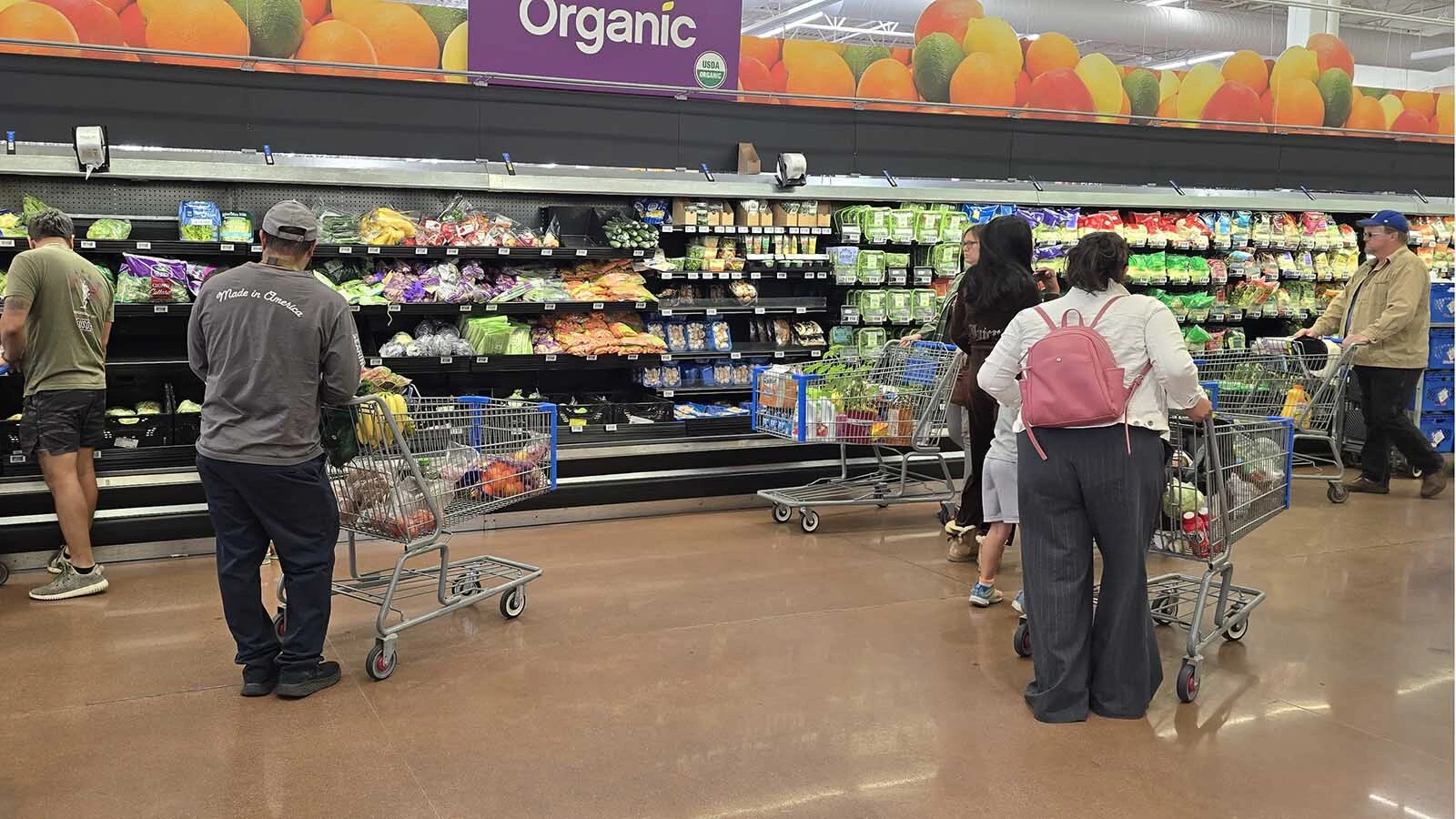
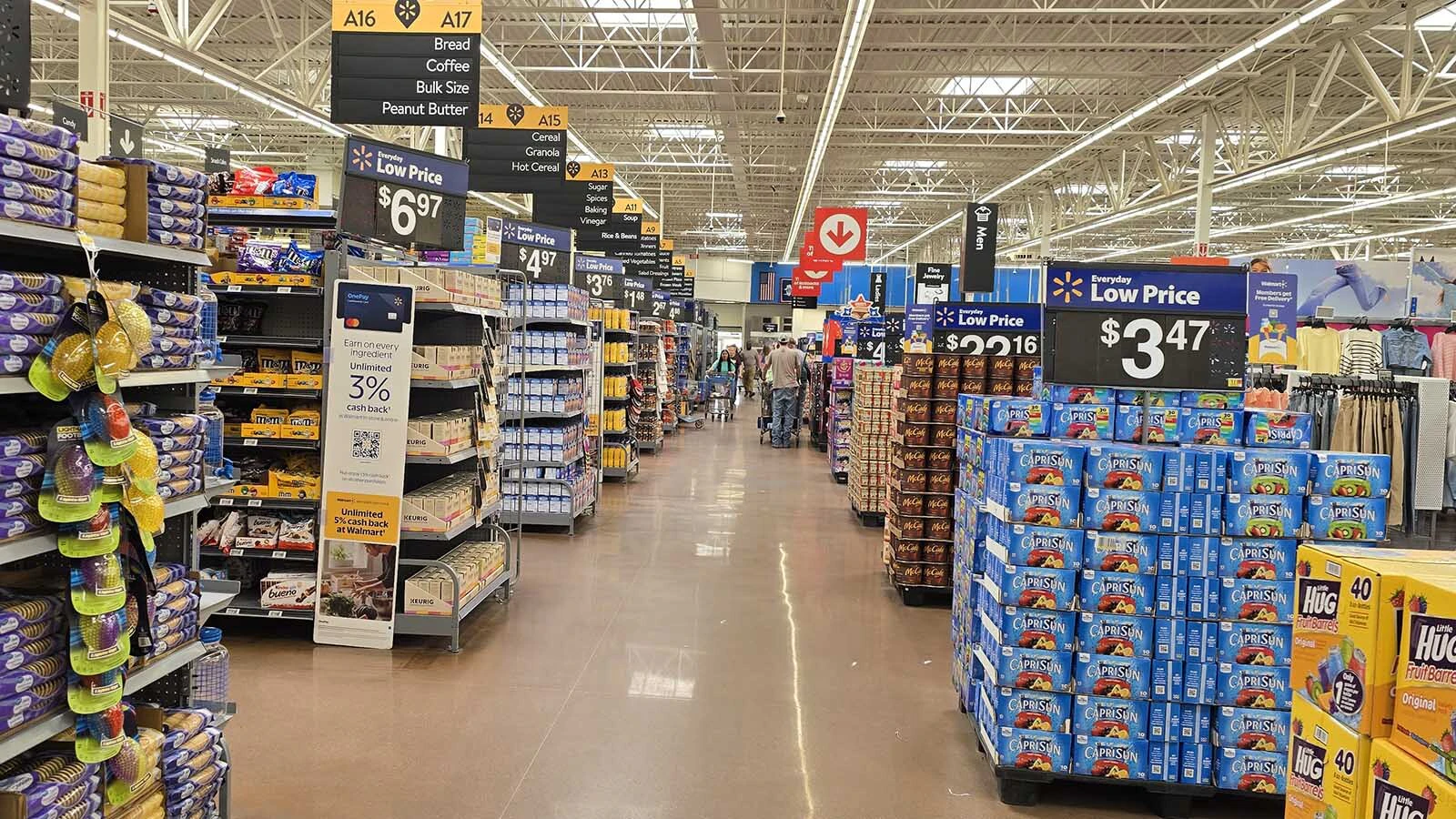
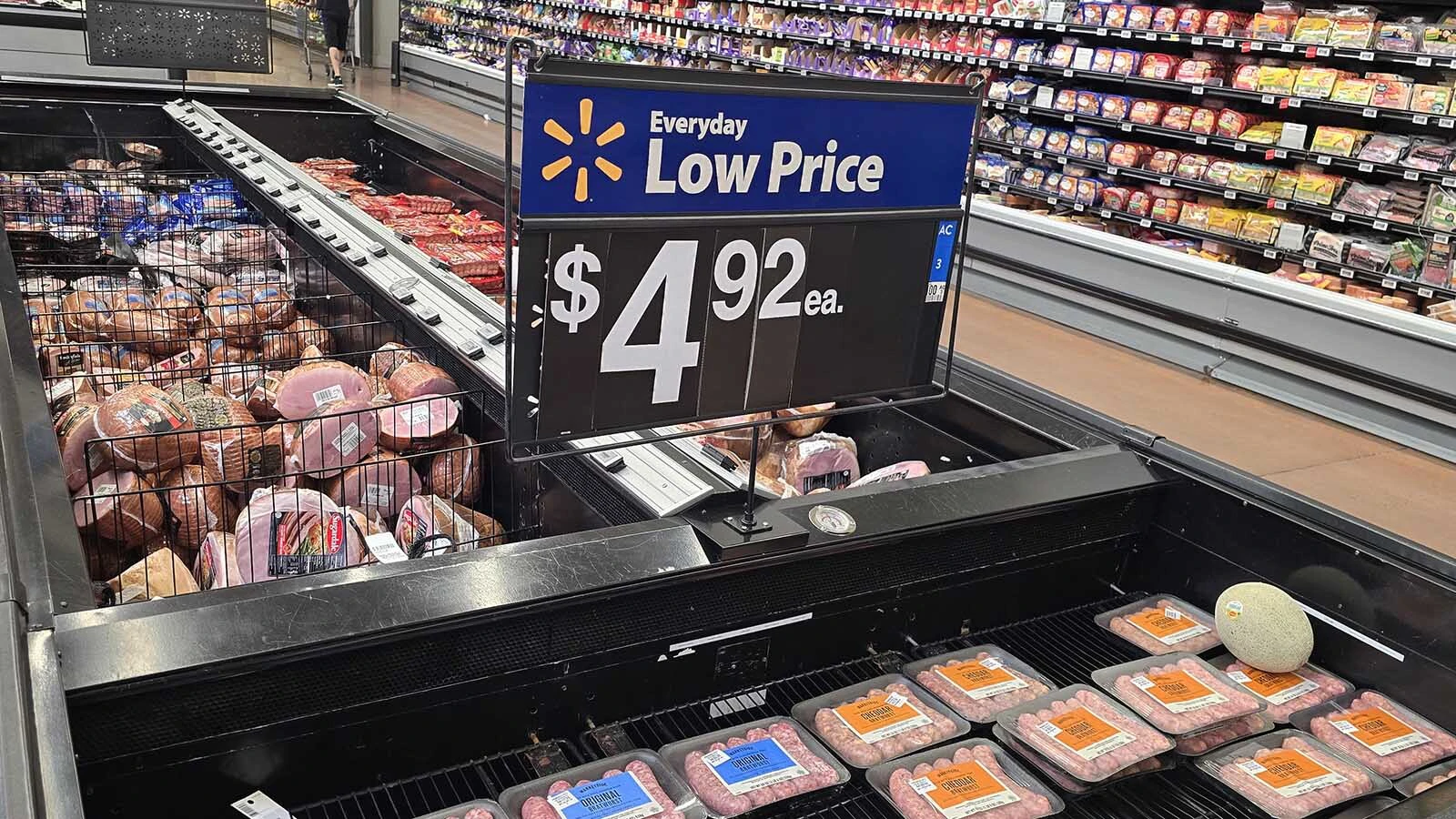
Ruckert jokes that people used to call Walmart the "$100 Mart” because they could get a cart full for less than a c-note. But prices at Walmart are no joke anymore.
“You can’t go into Walmart now and walk out without spending $300,” he said.
Wyoming food prices have been on an inflation streak for a while now.
In 2022, Wyoming Economics Analysis Division principal economist Amy Bittner told Cowboy State Daily that Wyoming food prices had jumped 15.6% year over year for the second quarter’s cost-of-living index.
That was, at the time, the highest inflation rate in roughly 40 years.
Trends like that are what prompted Ruckert to start his business to create a place that would once again feel like the $100 Mart.
His business model means inventory is always fluid.
Since Ruckert buys things by the semitrailer, he never knows for sure exactly what he’ll have. But one customer in Cody has crafted a huge money-saving strategy around that.
“Every Monday, she goes through the store and spends about 20 minutes seeing what’s new and what we’ve got,” he said. “Then she goes home, builds a menu, and comes back Tuesday to do her grocery shopping for the week.”
She’s told Ruckert she is saving around 60% to 70% by taking that approach, he said.
For Ruckert, the business is personal on two levels. Economically, his own family needed this type of discount business. But his family needed it emotionally as well.
“We have four children and I was doing commercial plumbing,” he said. “One day my daughter followed me to the end of the driveway as I was leaving to do a job in Yellowstone.”
She was wrapped up in a blanket and crying because her dad was leaving home on a cold Monday morning, and it broke his heart.
“That was the big kind of final straw on the camel’s back for me and my wife to say we need to do something different,” he said. “Tighten the belt and do some things to spend time with our kids.”
Bringing $1 Vitamins To Casper
In Casper, Bobbi Collins is working to build something new that Ruckert’s store inspired.
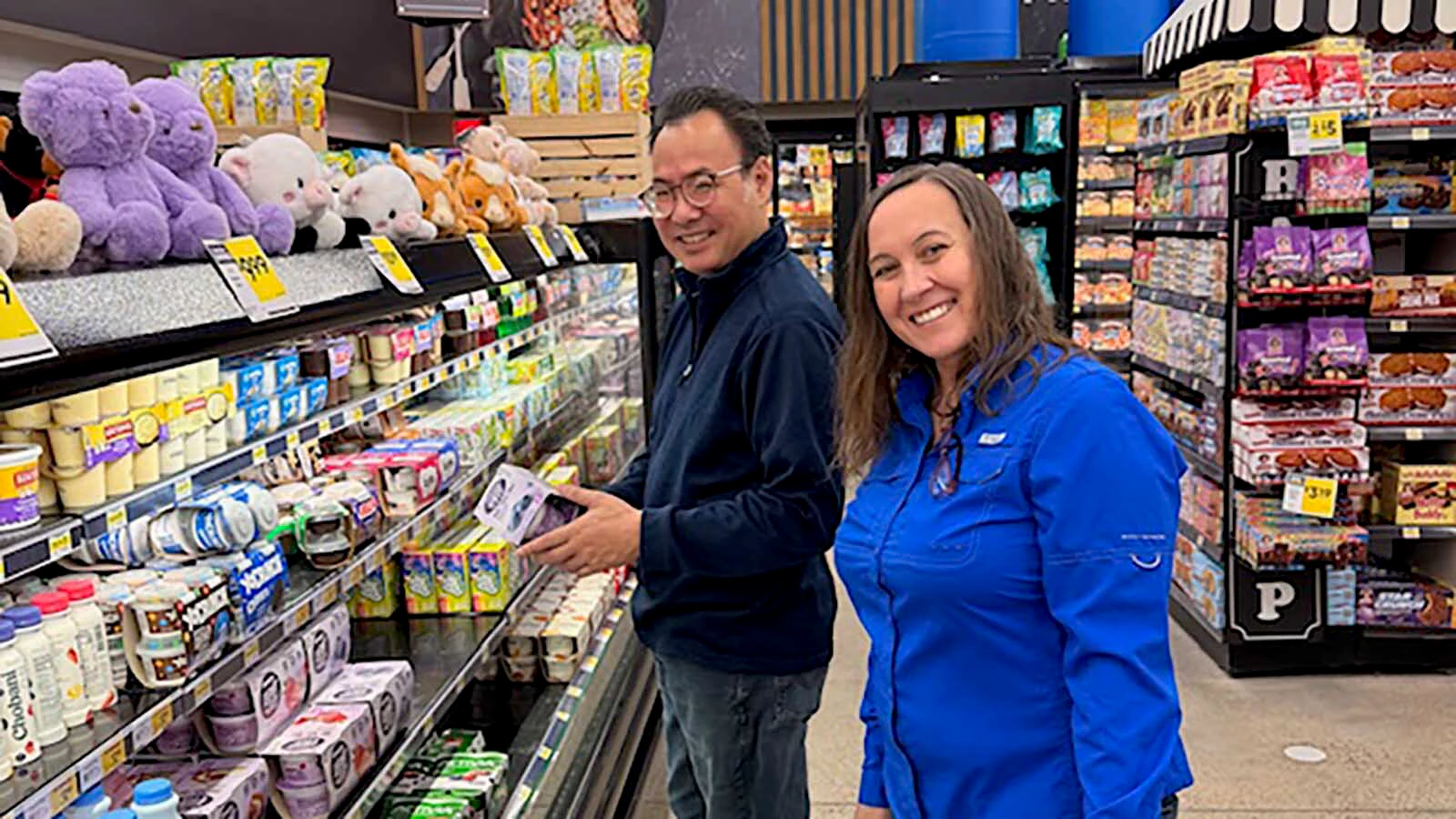
Over Christmas, Collins went shopping with her daughter at the Cody store and watched in disbelief as her daughter bought normally expensive prenatal vitamins for just $1 a bottle.
“You can go in (Down Home Discount) and buy 10 times more with $100 than you could going to Walmart,” she said. “I thought, ‘Casper, Glenrock, Douglas — all those places could really use something like this.'”
Collins hoped initially to open the business in Glenrock but realized that the community doesn’t have a large enough population to support such a business. So, she has decided to open the store in Casper instead.
She’s been negotiating a lease agreement for the old Big Lots building and hopes to open there in the fall. The business will be called Cornerstone Market.
Collins has been a single mom and remembers what it was like to earn a 50-cent raise and then lose food stamps overnight. That left her with $100 to cover an entire month’s worth of food for herself and two children.
“You’re trying to figure out, ‘How am I going to make this $100 stretch for the whole month?’” she said.
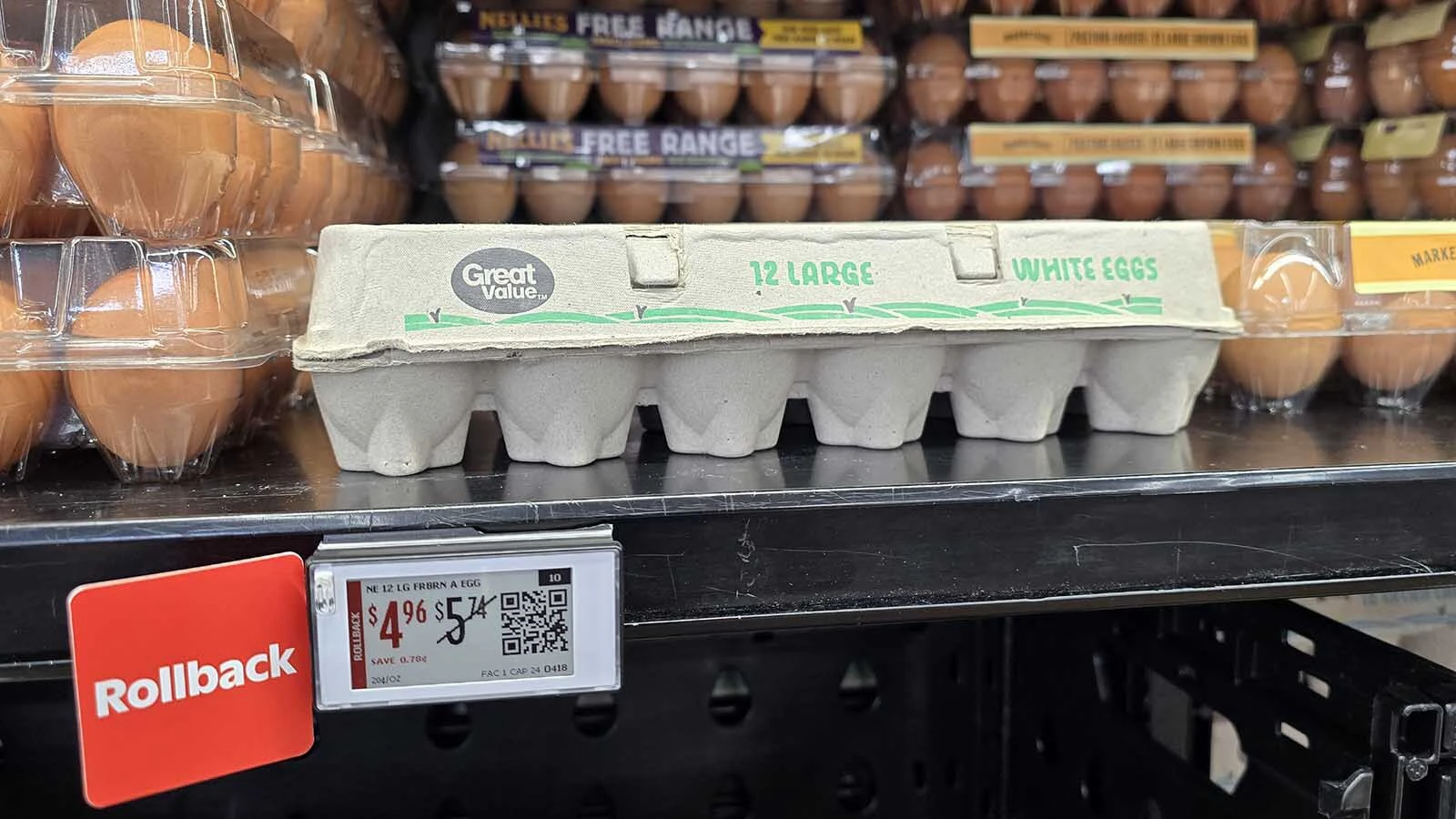
Watching for price rollbacks is one way shoppers are beating inflation for essentials like eggs. (Renee Jean, Cowboy State Daily) 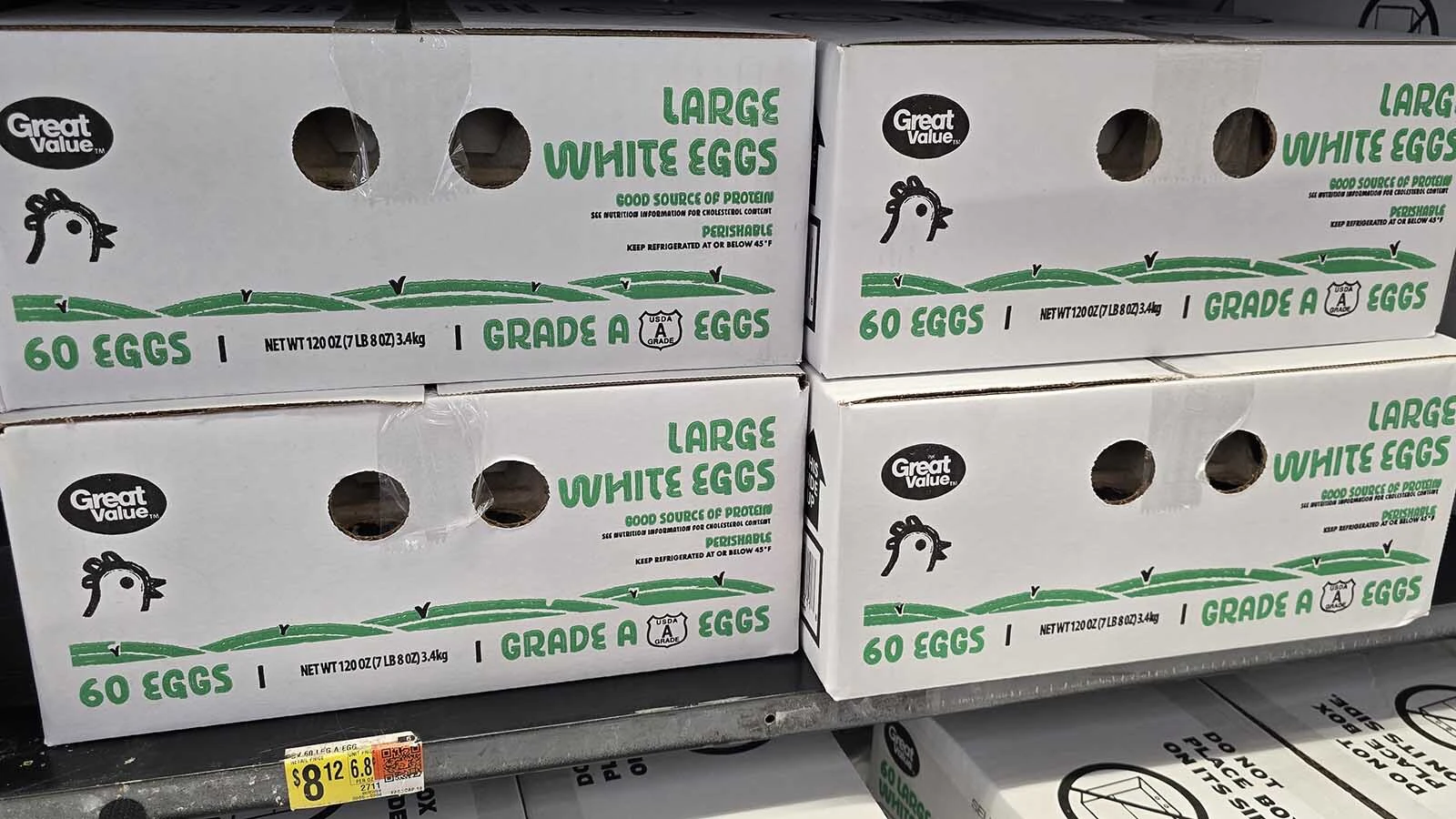
Buying in bulk is another way to beat inflation for essentials like eggs. (Renee Jean, Cowboy State Daily) 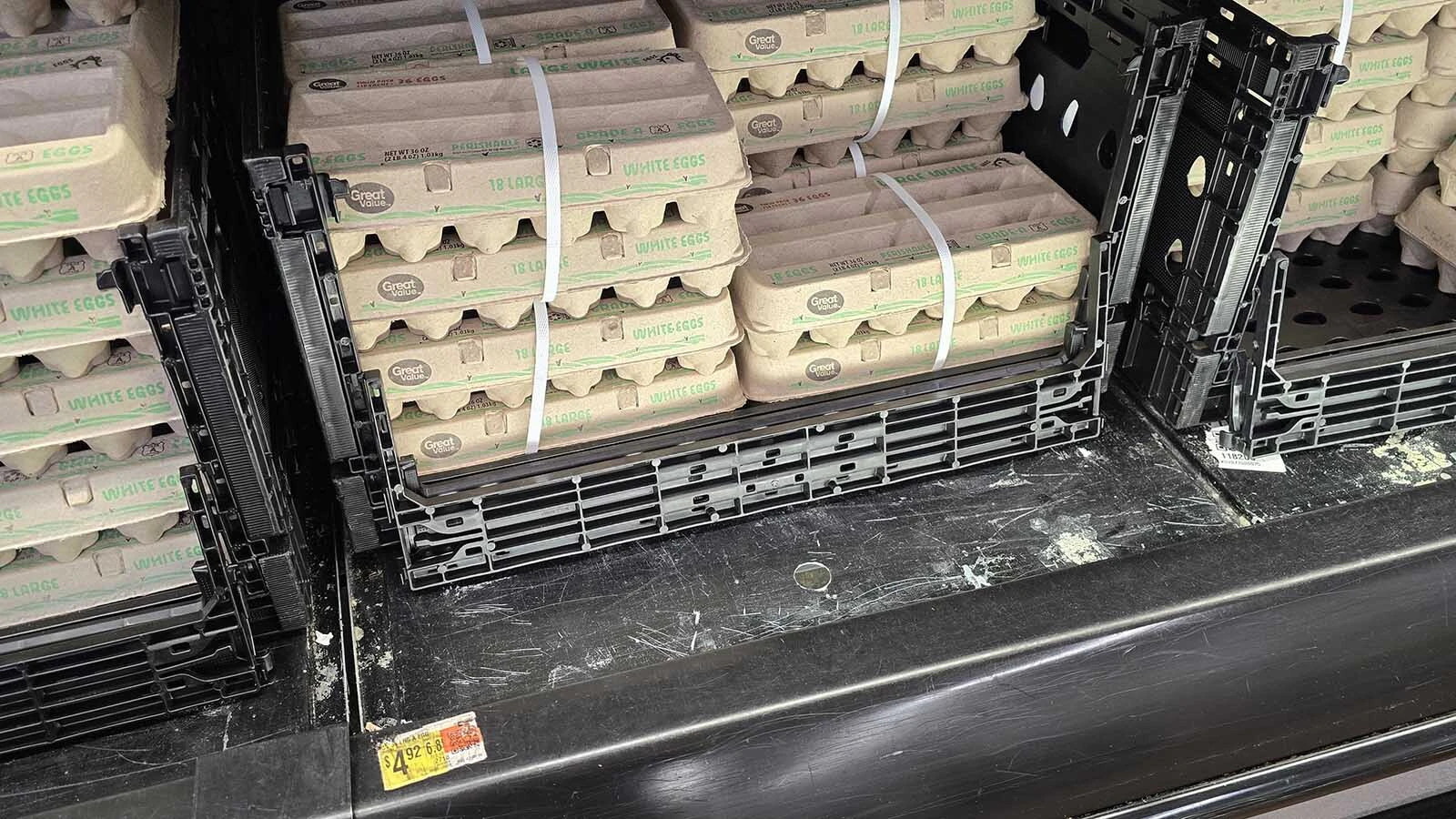
A carton of 18 great value large eggs are running just over $4. Buying the eggs in a 60-egg case saves quite a bit over that price. Those are running just over $8. (Renee Jean, Cowboy State Daily)
Leveraging The Dented Can Discount
The stress during that time was unbelievable for Collins as she tried to figure things out on her own.
She has since married and doesn’t have the same financial worries she did then, but has noticed that the affordability strain has worsened for significant numbers of people.
“With inflation and everything the way it’s been going nowadays, it’s just extremely difficult to go into a store and be able to stretch your dollar,” she said. “To have an opportunity (like Down Home Discount) where you can stretch that money a little bit more than if you were going to say, Walmart or Family Dollar, that would be extremely helpful to a lot of families nowadays.
"Everything is still expensive, and it’s going to continue to get expensive."
Collins’ store will operate a lot like Ruckert’s Downhome Discount model, sourcing things like dented cans and post-dated pallets.
But she wants to focus on serving low-income families and seniors with goods priced 20% to 80% below Walmart for comparable goods.
“How we plan to do that is partnerships through national organizations such as Walmart, Smith’s, Albertsons — all the above,” she said. “If they have products that they can’t move or that are about to expire — say dented cans they can’t sell or smashed boxes during shipment — that any of it could be donated to us.”
She’s combining her nonprofit with a formal Food Bank of Wyoming partnership to offer a weekly in-store pantry as well as a five-day-a-week emergency pantry.
Star Valley Pushes Back On High Prices
No competition is what Star Valley’s Susan Johannah Hale believes has caused soaring grocery store prices on her side of the Cowboy State.
From Alpine at the north end of the valley through Afton in the south, there’s one grocery store chain, Broulim’s Fresh Foods, all owned by the same person.
She believes that’s contributing to prices that are “more than uncomfortable,” she told Cowboy State Daily.
“In all fairness to Broulim’s, the grocery store industry is one of the hardest industries for businesses to actually make money,” she said. “It’s not an easy industry. It’s not an industry with a high profit margin.”
That said, she has noticed she can go across the border into Idaho and find much cheaper prices. It has her more than a little bit steamed.
“A can of crushed tomatoes here is like five bucks,” she said. “Cheese would be about $5 and eggs six bucks, if it’s the better kind.”
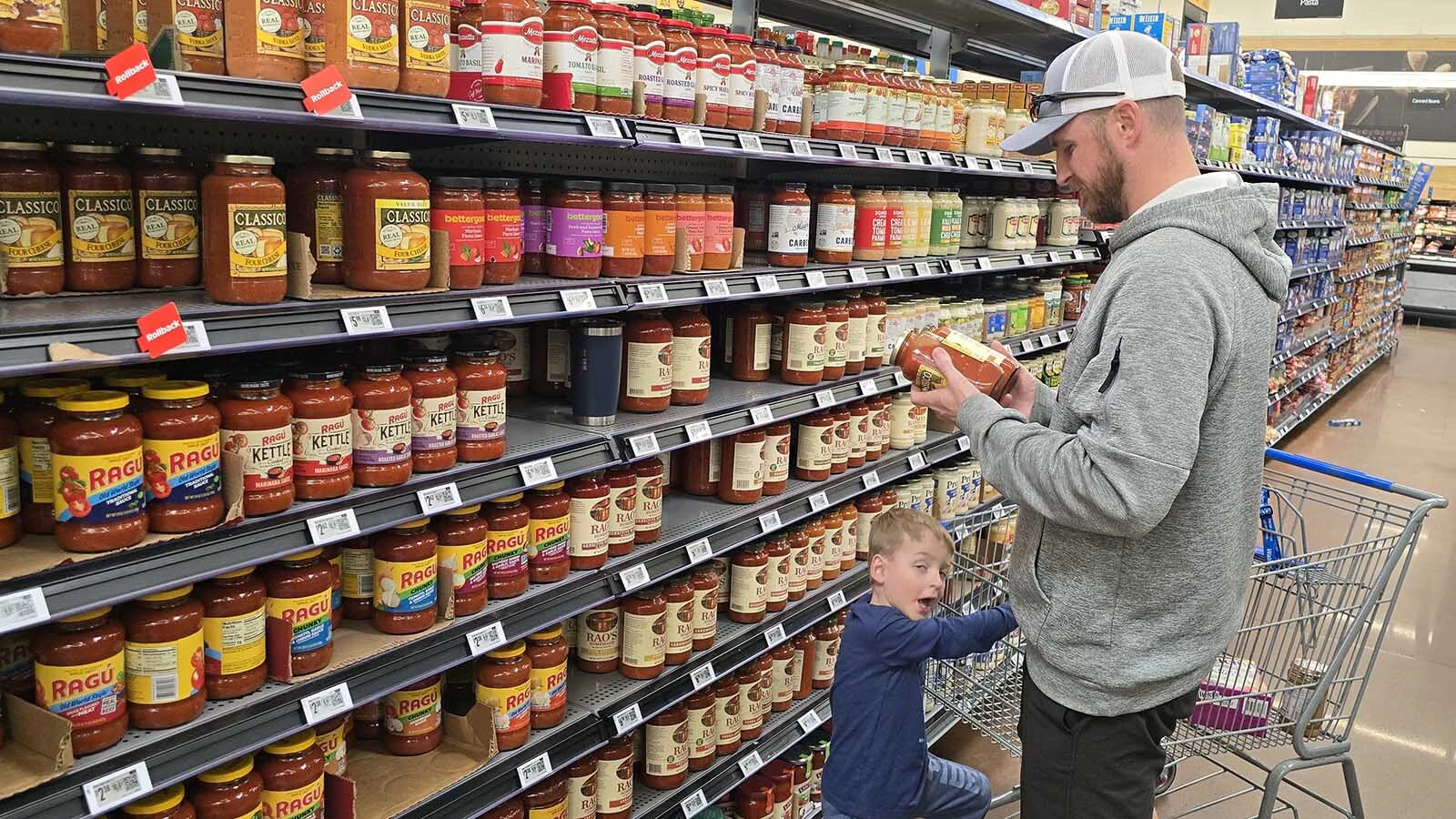
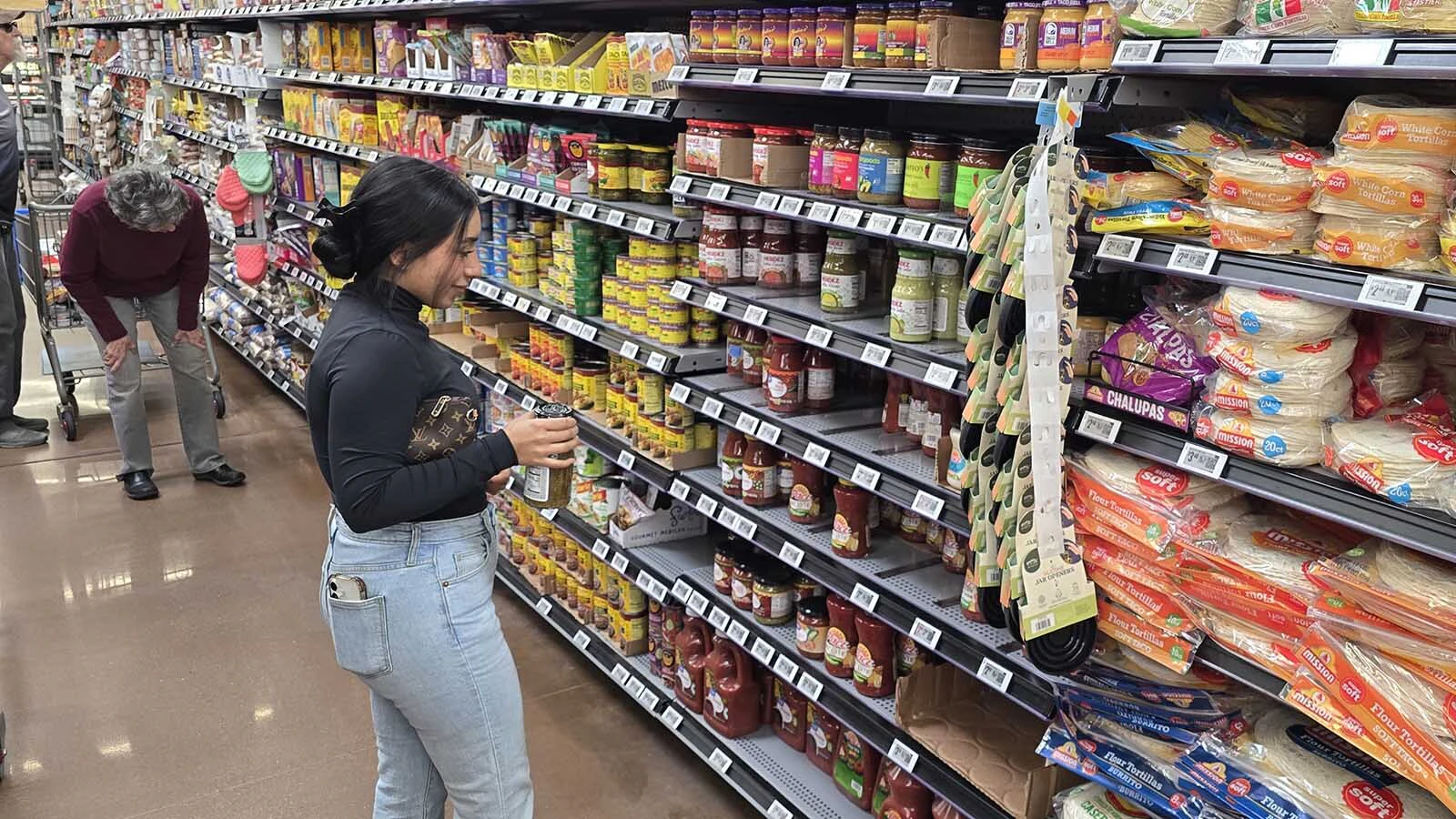
For comparison, a 28-ounce can of Great Value crushed tomatoes is $1.52 at Walmart in Cheyenne.
Even Jackson’s Cheaper
Hale said she’s found that she can save money on groceries in pricey Jackson Hole.
“I can walk out of Smith’s in Jackson Hole paying about $120 for about $300 worth of groceries in Afton,” she said. “So, a lot of people will drive to Idaho Falls or Jackson or they team up and go together to make these runs for food.”
That prompted her to make a post she called “Groceries and Math” in a Star Valley forum on Facebook to see if anyone else feels the same way and gauge interest in something like a food co-op.
It’s where people go in together to buy goods in larger quantities, but at cheaper prices, once it’s all been divvied up.
“In the FFA, we were taught to have ‘less need for charity, and more of it when needed,’” she wrote in the post. “Right now, many in our valley are being drained by food costs they can’t easily control. We can change that dynamic.
"A food co-op isn’t about looking for a hand-out. It’s about ensuring nobody has power over us when it comes to feeding our families.”
A small start with a truck and a single distribution point could be a first step in that direction, Hale said.
Within 48 hours, she had a Google group with more than 100 members interested in her idea.
“The response has been overwhelming,” she told Cowboy State Daily. “And I’m still getting Facebook messages. One person who is interested has managed a grocery store. Another one is an accountant."
Hale isn’t sure what direction the group will ultimately go in, but it feels like the start of a little Star Valley movement that can help a lot of the blue-collar workforce outmaneuver restrictive systems and create new access to more affordable food options.
Across Wyoming, the independent-minded aren’t just complaining about high prices anymore. They’re ready to act to bring more affordable food options home.
Contact Renee Jean at renee@cowboystatedaily.com
Renée Jean can be reached at renee@cowboystatedaily.com.