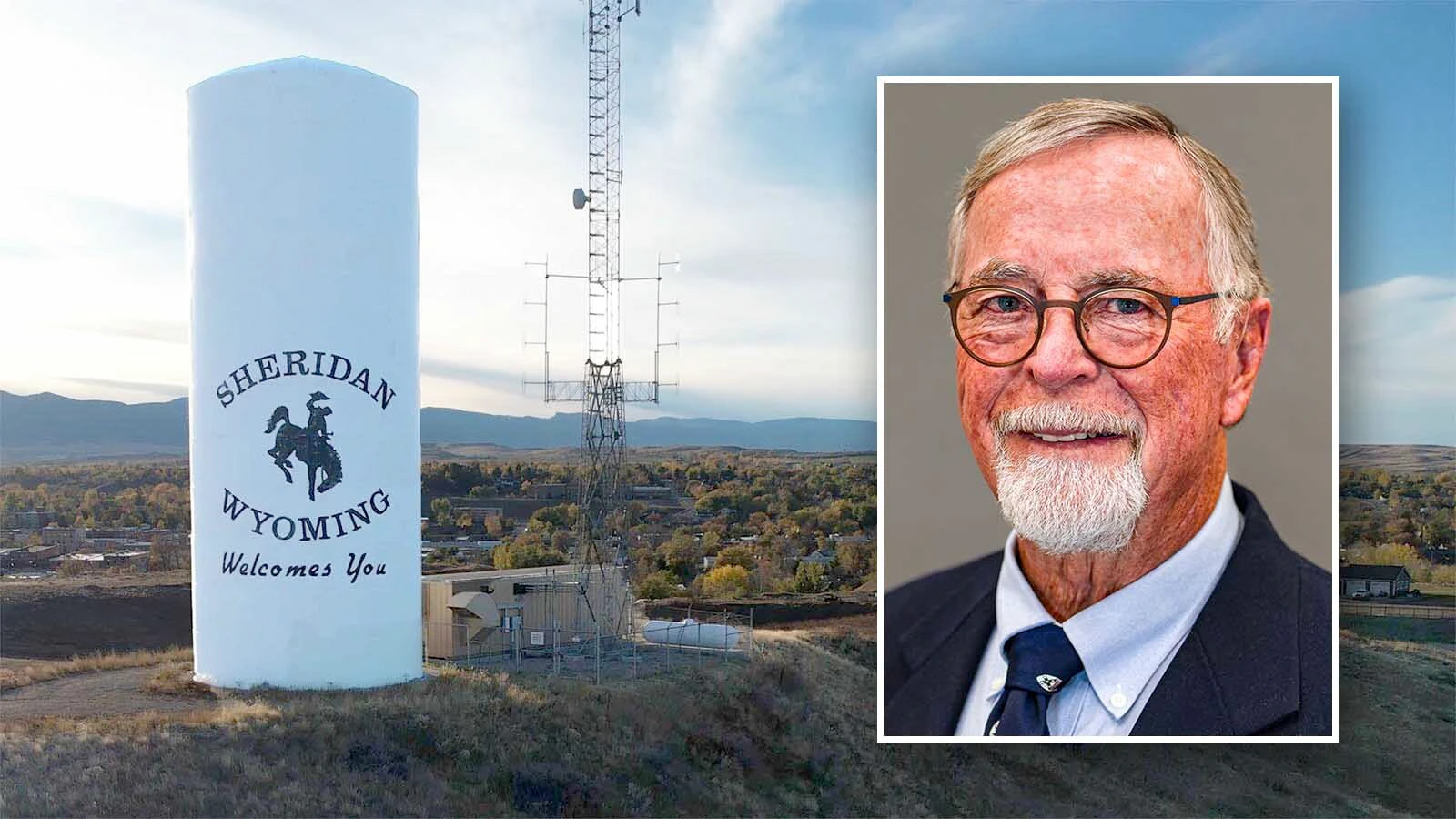
By most accounts, Cliff Root has led a successful life, leading Riverton and Shoshoni-based companies and a railroad as a chief executive officer.
Still recovering from the effects of a stroke, he now puts his energy into community pursuits, like serving on the board of the nonprofit Volunteers of America Northern Rockies.
But it’s his time in the jungles of Vietnam that have molded Root's outlook and appreciation for what’s good in life, because he’s seen too much bad.
“I’ve always tried to be of service to the state, the county, the city, and the citizens,” he said. "I always had the belief that if you look for the good in people, the good will come out.
“I always think that God kind of took care of me.”
At 77, Root is planning a trip with other veterans to the Vietnam Veterans Memorial in Washington, D.C., at the end of the month.
After more than 50 years, he hopes to find some closure for seeing things nobody should ever see, then coming home to be called a “baby killer."
“Part of it is that you just want to put that resentment for what happened during that period to bed,” he said.
No. 5655789
Root was born in Phillips, South Dakota, on Sept. 26, 1948, and grew up in Midland, about halfway between Pierre and Rapid City.
After graduation, he headed to college, but after five semesters ran out of money.
It was 1969, and he decided to go to work for a while and earn enough to go back, but just a month after leaving college, he received his draft notice.
He still remembers his draft number: 5655789.
“I thought I’d fly under the radar, but it didn’t work out that way,” he said.
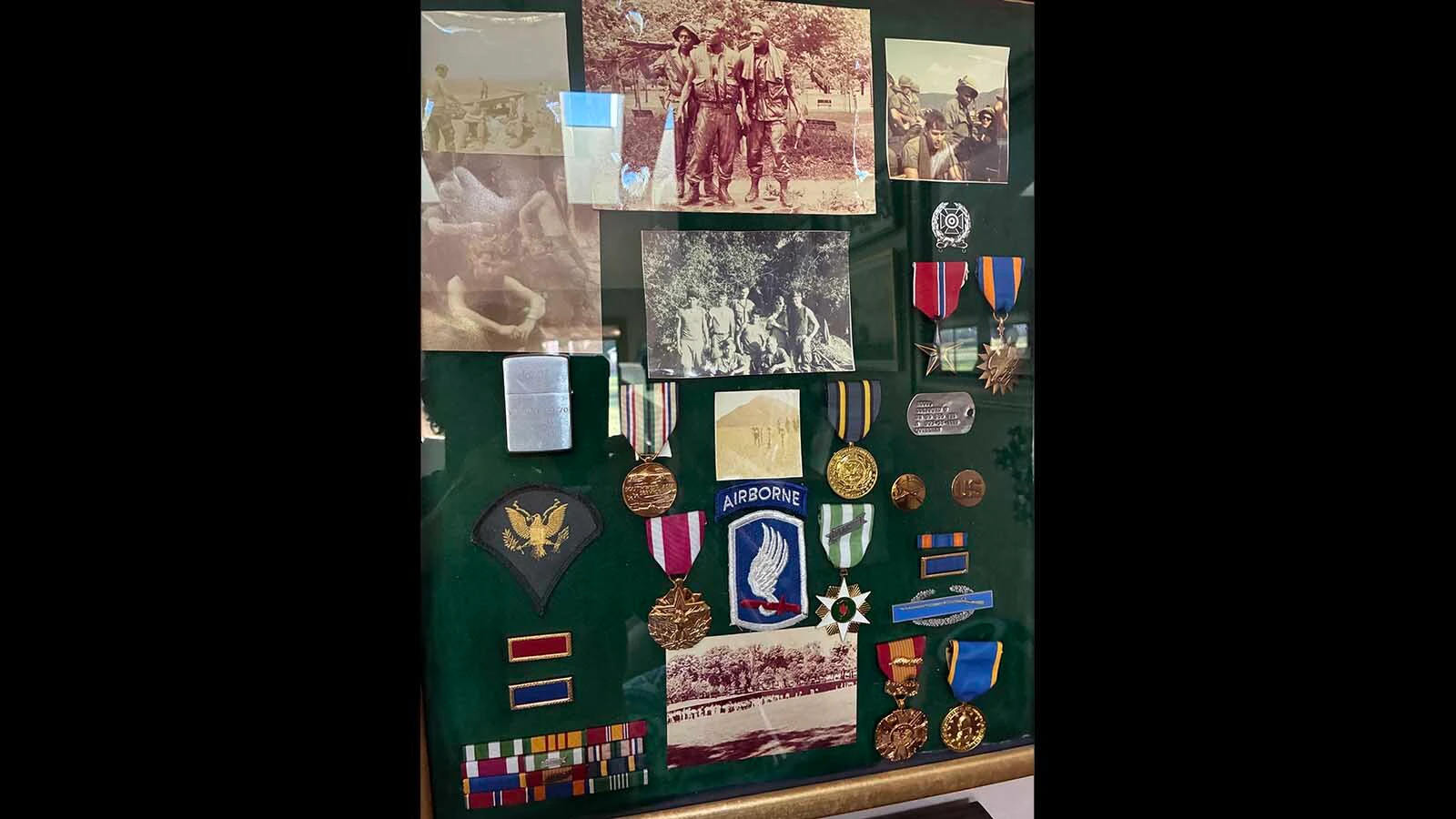
Root was sent to basic training at Fort Polk, Louisiana, and then to advanced individual infantry training at the same base.
Because he heard that airborne soldiers were being assigned to Germany, he volunteered and qualified to go to airborne school at Fort Benning, Georgia.
His whole airborne graduating class was sent to Vietnam.
They arrived in the country, went through orientation, and were assigned to a base in Bin Dinh Province, called Landing Zone Uplift.
Most of his time during 1969 into 1970 was spent flying on helicopters into pockets of fighting.
“We were (U.S. Army Chief of Staff William) Westmoreland’s boys,” he said. “We would go places wherever they were having trouble, wherever there was a firefight going on.”
War Gets ‘Real’
Just into Root's tour, as part of the 173rd Airborne Brigade, he was doing village security as the fourth man walking down a trail.
The lead soldier stepped on a claymore mine and was blown in half.
“It doesn’t get real until you see something like that,” he said. “It changes you for the rest of your life — or did me, anyway.”
Soon, the kid who grew up around South Dakota farms and became an expert shot with firearms was assigned to the point position on jungle patrols. He did that for his entire tour.
Typically, the point man on a patrol only lasted for a few days before he was killed or injured.
Root said he never walked on the jungle trails before, and that his sense of smell — and a peculiar odor attached to the Vietnamese — made him aware of when he was walking into a confrontation with the enemy.
“I know what white-and-green tracers look like coming at you and I know what leeches are. I’ve had a lot of leeches on me,” he said. “I’ve been washed down swollen rivers.
"I’ve climbed mountains, a lot of people don’t realize that the … mountains in Vietnam are high, often times there is a triple canopy, three layers of trees, you cannot see the sun.”
He added that, “I never walked into an ambush walking point 10 months.”
For his service Root was awarded the Bronze Star and the Vietnamese Service Medal. He said he was nominated for the Silver Star with a “V” for valor.
“I told him to give it to the guys that were dead on the hill,” he said. “I was hit in the leg with some shrapnel, and I should have gotten a Purple Heart, but I told him the same thing.
"I was not a nice person. I regret some of the things that I did, but I was standing on what I believed at the time. I was a good soldier.”
Return Home
Following his tour in Vietnam, Root returned to find a nation that rejected his service.
He remembers flying into California and hearing the term “baby killer” and a lot of f-bombs.
South Dakota was a little more accepting. Still, from time-to-time somebody would ask him the question he hated most: did he kill anybody?
“That was off the charts for me,” he said.
Root spent time working on a farm, and then in 1972 his brother, who lived in Riverton, said he could get him a job.
He moved to Wyoming and worked as a carpenter’s helper and carpenter. Then he went down in a uranium mine in the Gas Hills near Riverton until it shut down in 1983.
The loss of his mining job sent him back to college.
Root graduated with an associate degree from Central Wyoming College focused on business and computers.
Meanwhile, his first marriage of seven years ended in divorce. His second, with Marissa in 1985, has lasted 41 years.
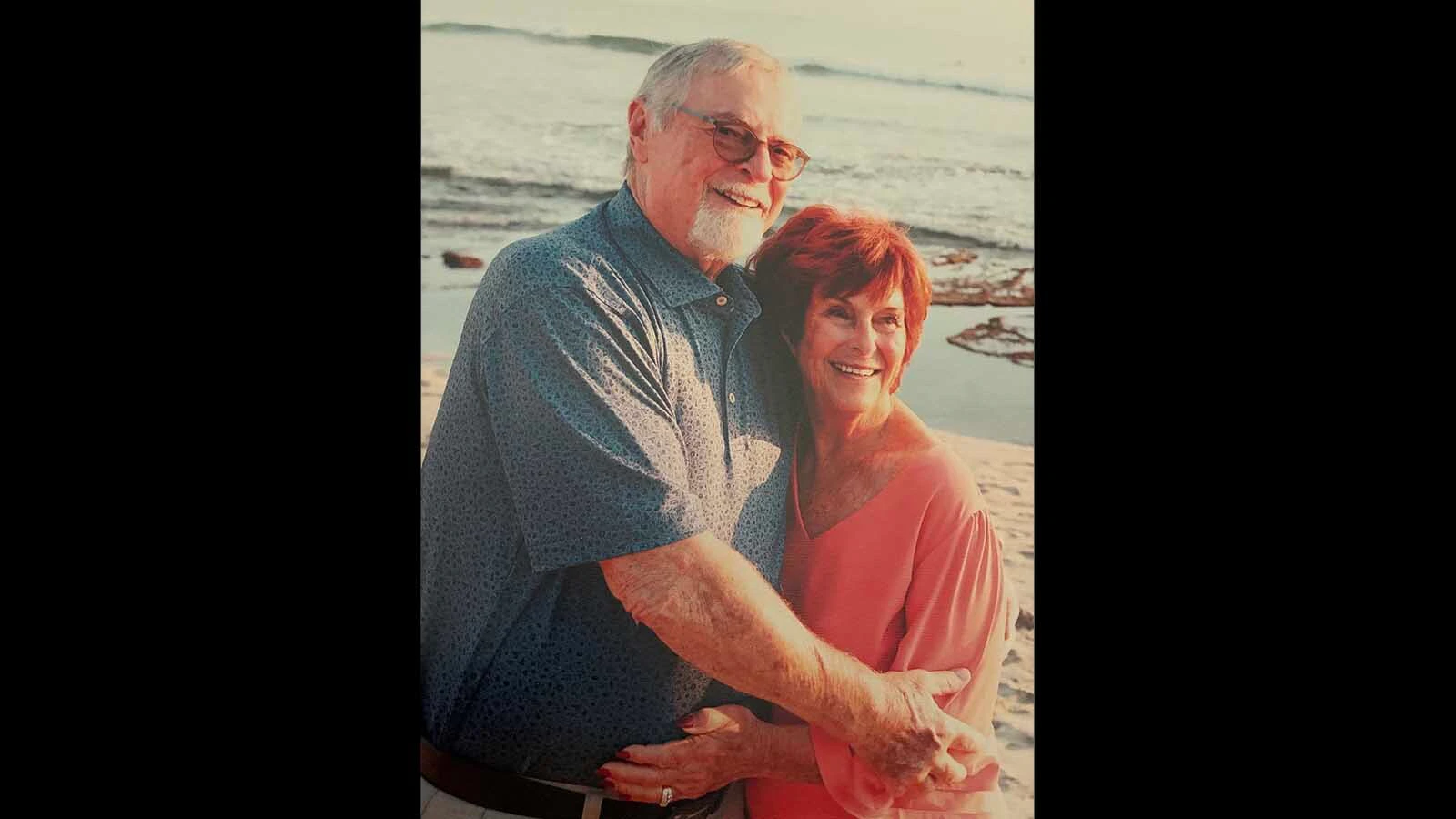
“She is the love of my life,” he said.
Root credits her with helping him overcome the nightmares that kept reoccurring because of his war service.
In 1985, while working for a computer company, he sold a system to Bonneville Transloaders Incorporated (BTI), a Riverton firm specializing in trucking soda ash from the Green River Basin in Wyoming to the Bonneville railhead for the Burlington Northern & Santa Fe Railroad.
He helped set up BTI’s accounting and payroll functions, and then decided to ask the company for a job.
He was hired as an assistant office manager. The company was growing and had a five-year contract with the railroad.
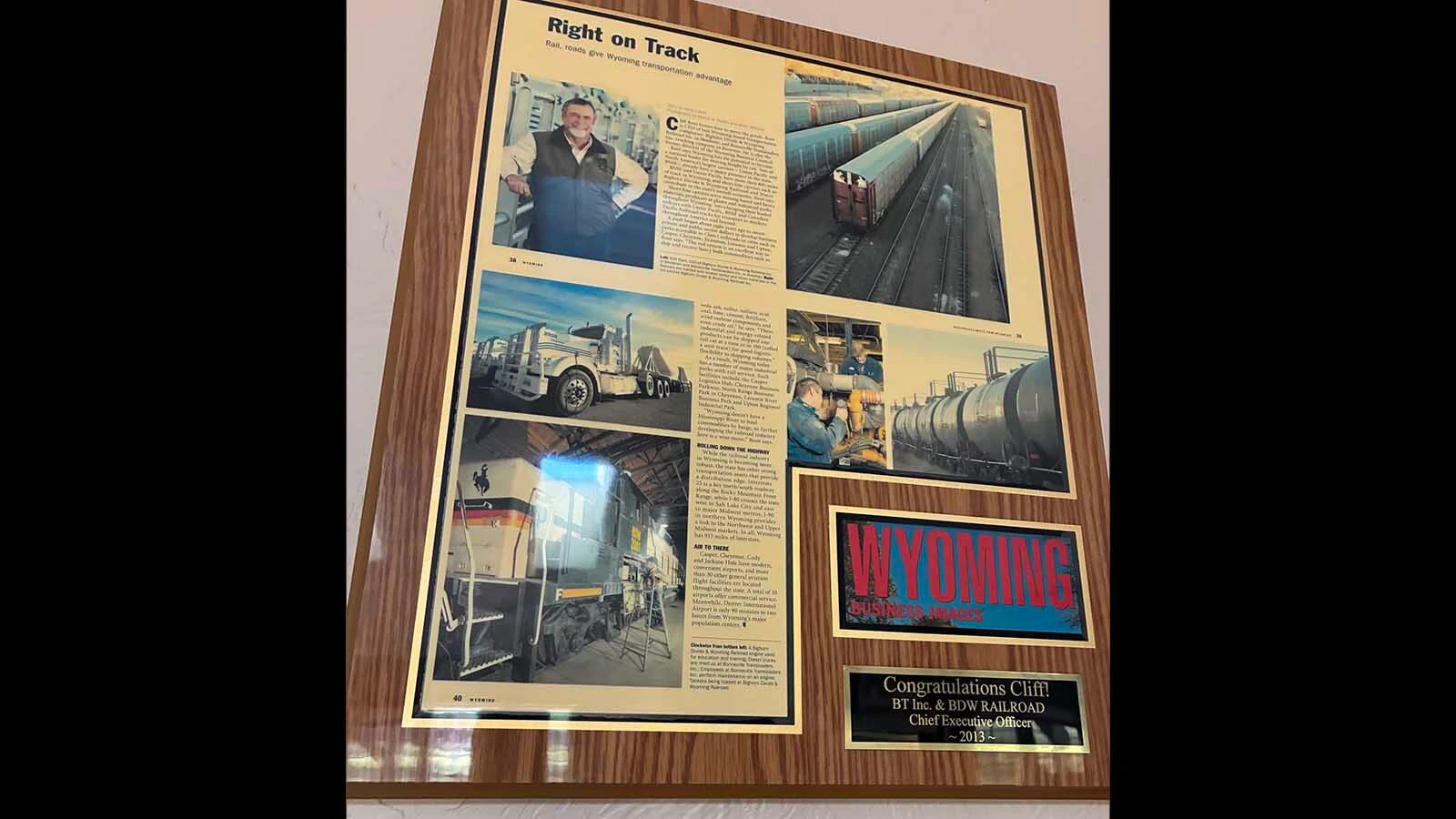
During the following years, he moved up through the company to manager, superintendent, and then CEO over both the trucking company and a sister company, the Bighorn Divide and Wyoming Railroad.
The BTI founders left it to Root to keep the companies going. He said he felt the pressure to save jobs for the community.
“We worked very hard at getting contacts not just with Burlington Northern, but with glass producers and other users of soda ash,” he said. “We diversified and went into other areas of trucking, and we had the little railroad which I invested in early on and then we developed that railroad.”
‘Great Guy To Be Around’
BTI Chief Financial Officer Mike Axthelm worked with Root for 14 years before Root’s retirement, and characterizes him as a “great guy to be around.”
“While he was here, the company was quite large and we had several branch offices, and he did a good job of keeping the company cohesive and moving forward even though we had a lot of pieces to the company at that time,” he said.
“I just appreciated working with him,” Axthelm added. "I appreciated his integrity and honesty and how he conducted himself.”
As the railroad executive, Root worked to expand operations and get trackage rights with Burlington to the Lost Cabin Gas Plant in Lysite, where sulfur is produced for use as a component of fertilizer.
Big Horn and Wyoming Railroad would travel the 23 miles and pick up cars and create a unit train for BNSF to pick up and pull across the United States, he said.
He helped develop a third company to repair rail cars.
Root's business savvy led to his appointment on the Wyoming Business Council, where he also served one year as chairman.
He bristles at the efforts by some Wyoming legislators to kill the council during its budget session earlier this year. He points to a state investment in conjunction with Natrona County that brought an oil-related company into the county during his tenure.
Root said that company continues to benefit the region.
“Those jobs are still there,” he said. “People are still working there paying taxes.”
‘Down Like A Sack Of Potatoes'
Then after turning 65, and his retirement from BTI, Root remembers walking with his wife on a 10-mile hike and going “down like a sack of potatoes.”
He suffered a stroke in the cerebellum of his brain and severed the nerves to his right ear. His right eye was sticking “straight up.”
Forced to retire from his executive role at the railroad, Root spent months in rehab going from a wheelchair to being able to walk again.
Because he couldn’t hear, he resigned a board position at Wyoming Community Bank.
VOA Board Member
Root was asked by the Volunteers of America Northern Rockies seven years ago to join its board.
He enjoys and supports the nonprofit’s work that includes veterans' services, a residential treatment center for those seeking help with drug, alcohol, and gambling addictions, and mental health services.
“It’s been an overwhelmingly good experience,” he said. “We serve a lot of people, a lot of diverse people.”
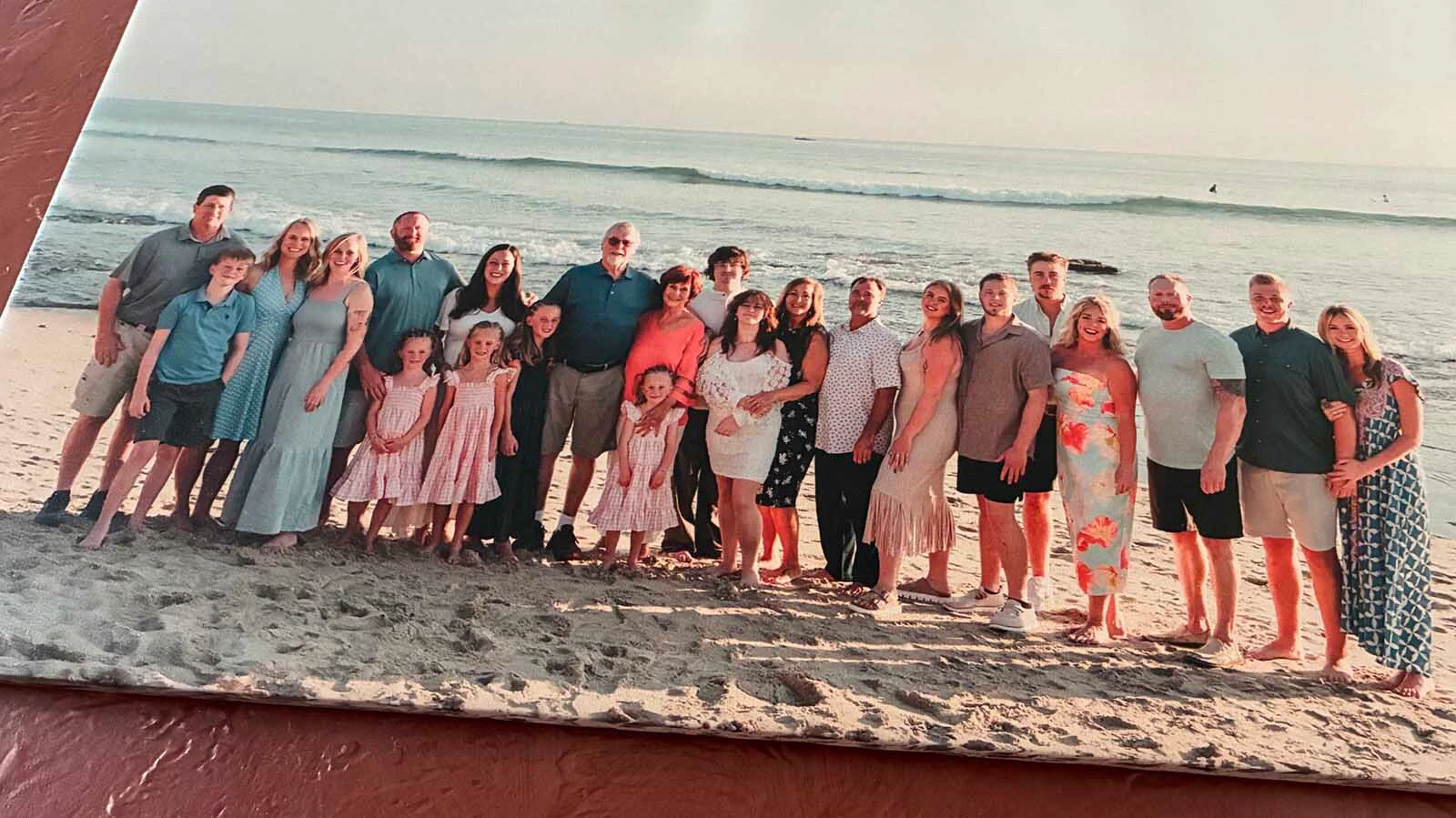
Asked to define himself, Root said his desire and hope is that he is a good father and grandfather. As a businessman, he is proud of his efforts at sustaining jobs and growing his companies over the years.
“I make the joke that I was just too dumb to quit,” he said.
He looks forward to his trip to the Vietnam Veterans Memorial later this month. Root plans to visit the section of the wall that contains the names of men he fought with.
The former point man stays in touch with the living members who experienced the war and firefights with him.
“There are three of us still alive in my squad,” he said. “The rest died over there. A lot of guys that went through what I went through committed suicide.”
Dale Killingbeck can be reached at dale@cowboystatedaily.com.