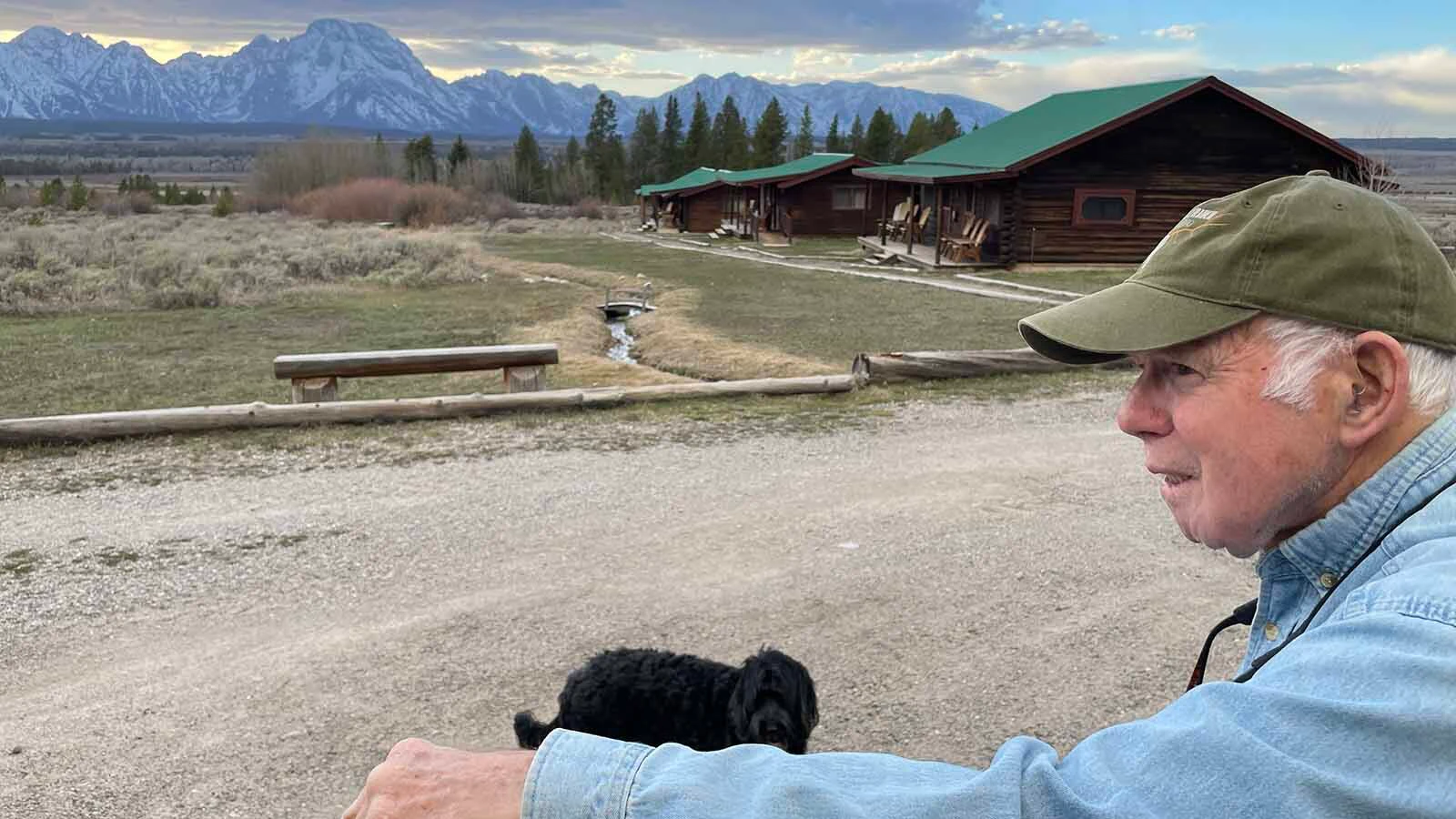
John Turner grew up in a cabin built of felled timber. There was no electricity, and winter temperatures in Jackson Hole, Wyoming, were merciless.
“I was never too excited about going to bed at night, because the bedrooms were ambient temperature,” he said, standing in his childhood bedroom. “If it was 20 below outside, it was 20 below in here.”
When it got bad enough, he’d drag one of the ranch dogs under the covers for extra warmth, even if he knew his mother would scold him over laundry.
Turner stood quietly in the room for a beat. It felt like he was about to say something profound regarding the old days.
He didn’t.
“Sorry to desert you here, but I gotta go,” he said, padding out of the room, the century-old floorboards creaking beneath his feet.
The past stays present here, but so does the work.
Turner’s childhood home is part of the Triangle X Ranch inside Grand Teton National Park (GTNP), which has been home to five generations of Turners who this year mark the ranch's 100th anniversary.
The family is also entering a moment they never quite get used to: the renegotiation of its operating lease with the National Park Service. The process that will help determine whether Triangle X endures as it has, or if it’s compelled to change like so many dude ranch operations around it.
On top of all that, John Turner is expecting company.
“The neighbors are coming over. My wife's going to kill me if I’m not there to help,” he said, keeping a brisk pace on his way out the door.
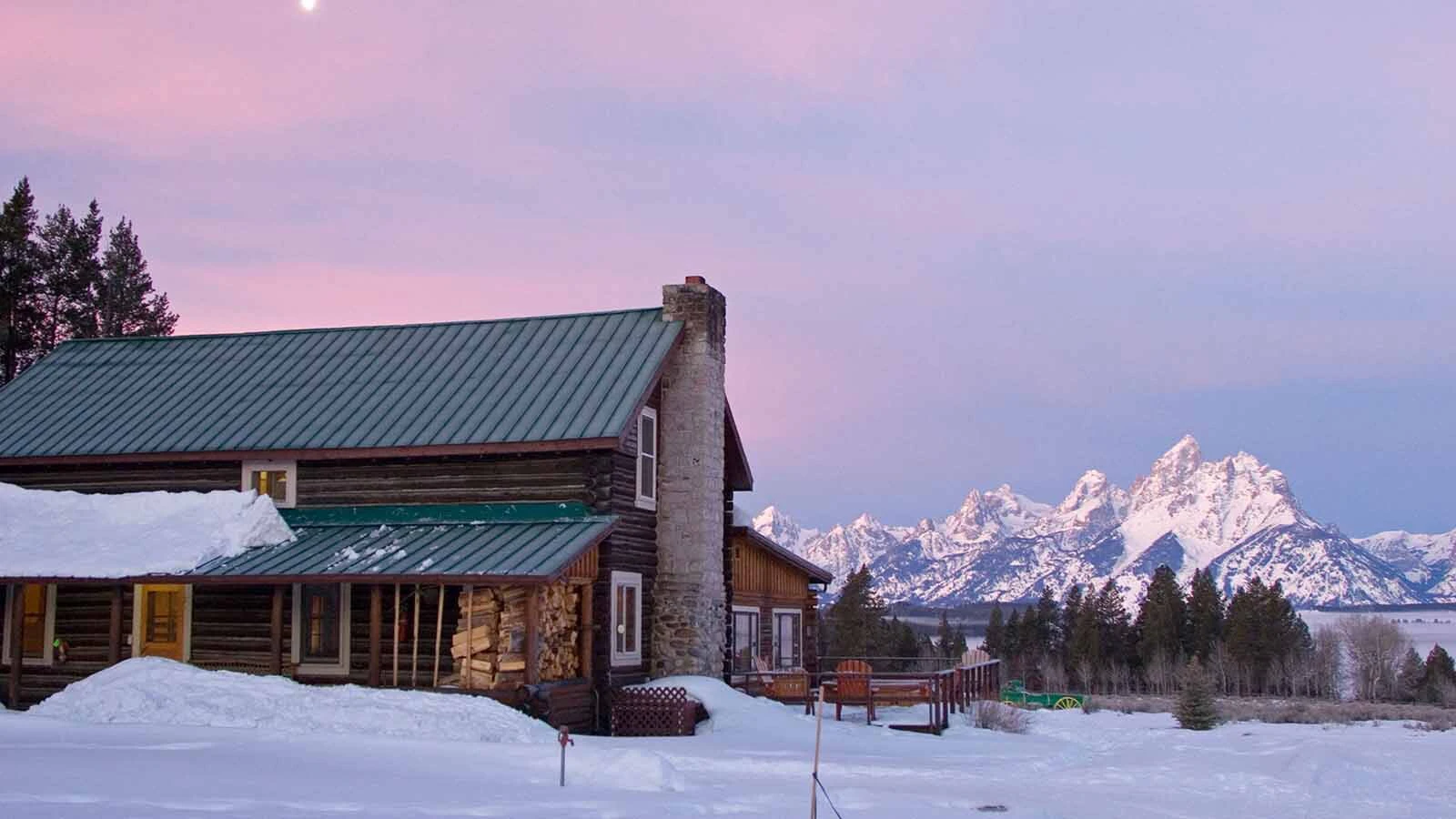
Still, there’s one thing that’ll always slow him down. On the cabin porch, he stopped to take in the view. The day’s last light ramped off the Tetons into a colorful dusk.
“We think it's the best view in Jackson Hole,” he said.
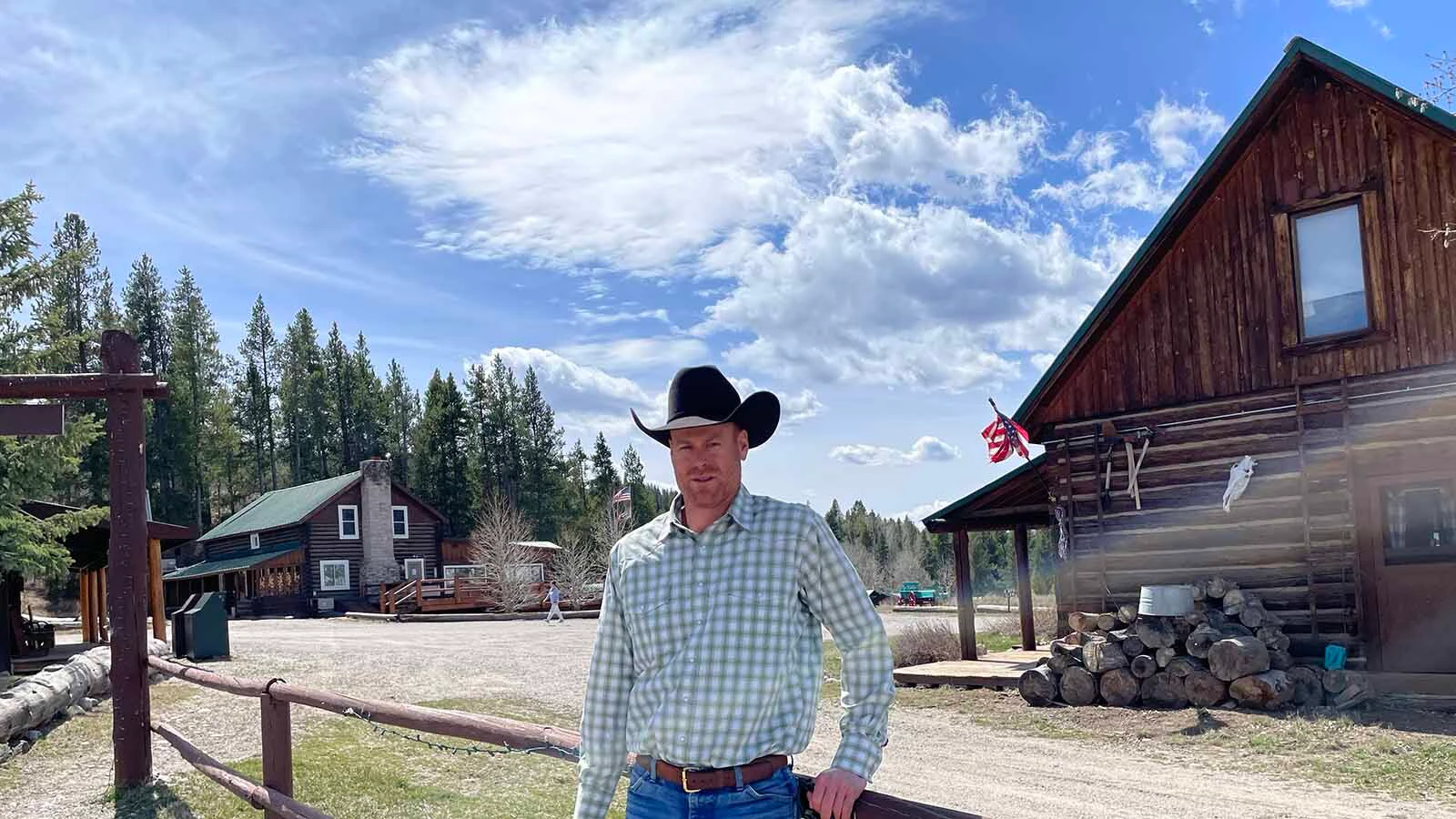
This year marks the 100th anniversary of the legendary Triangle X Ranch in Grand Teton National Park, now led by a fifth generation of the Turner family, like Lucas Turner, fourth generation. (Zakary Sonntag, Cowboy State Daily) 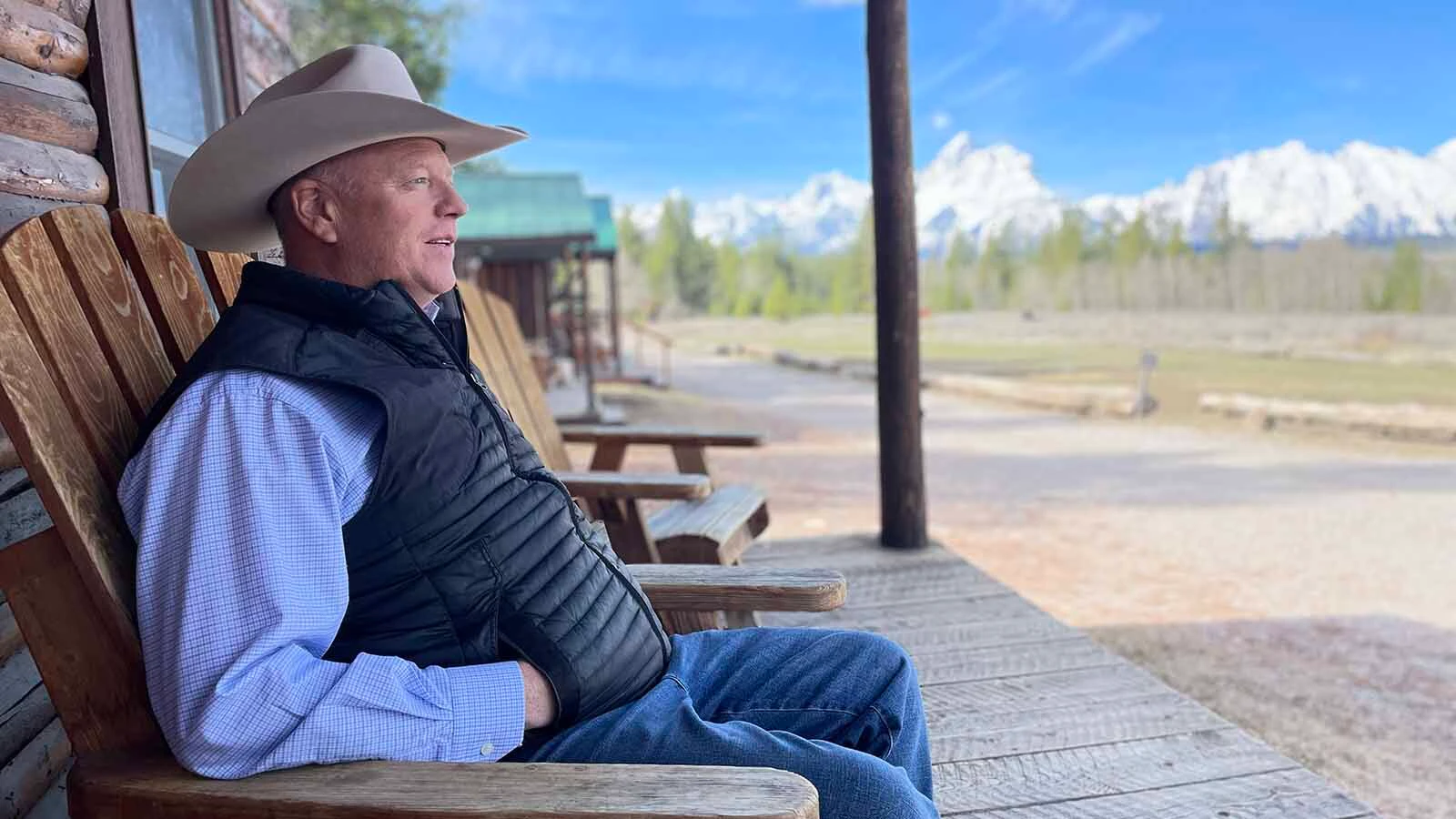
This year marks the 100th anniversary of the legendary Triangle X Ranch in Grand Teton National Park, now led by a fifth generation of the Turner family, like John H. Turner, fourth generation. (Zakary Sonntag, Cowboy State Daily) 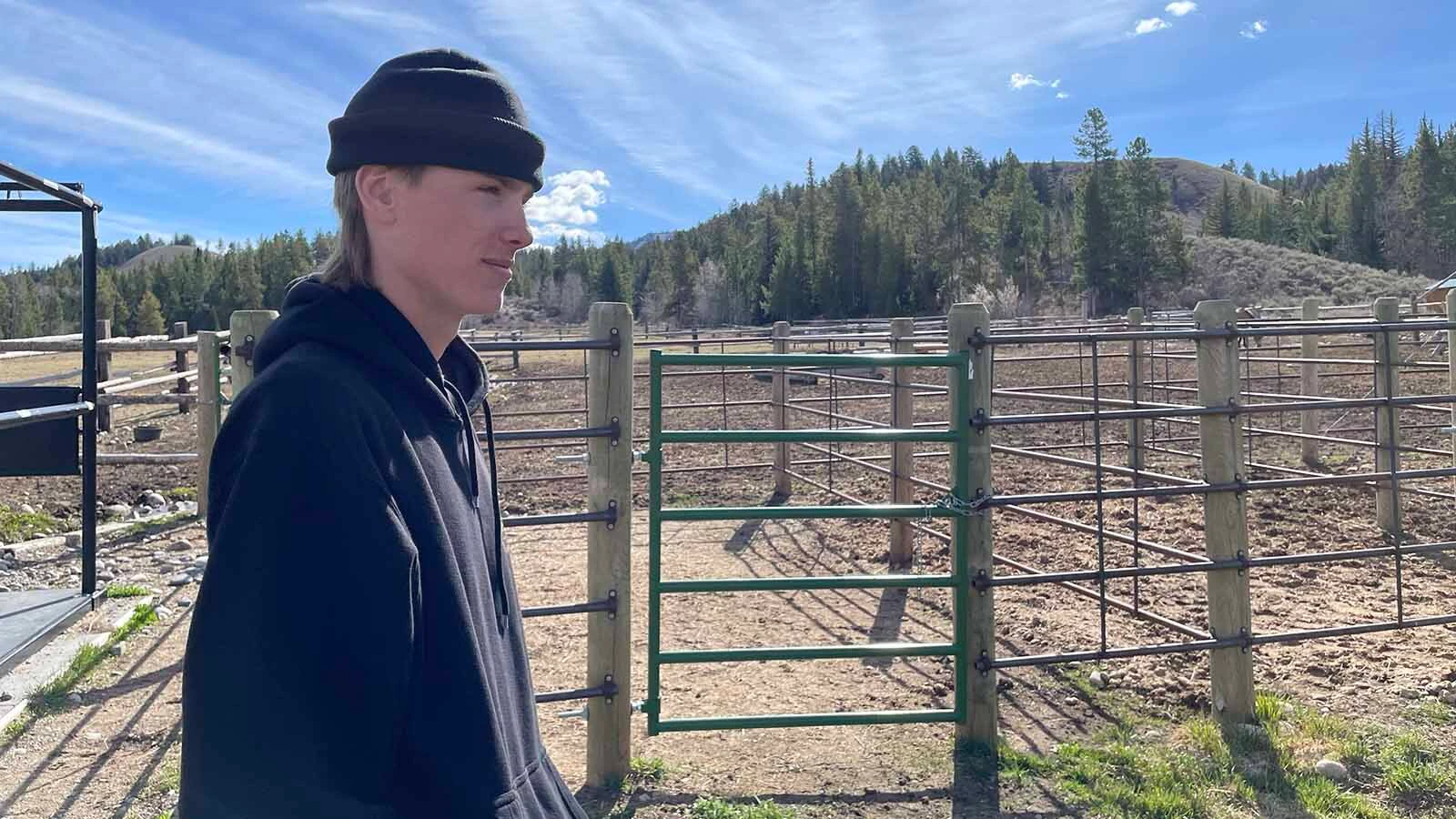
This year marks the 100th anniversary of the legendary Triangle X Ranch in Grand Teton National Park, now led by a fifth generation of the Turner family, like Bodie Turner, fifth generation. (Zakary Sonntag, Cowboy State Daily) 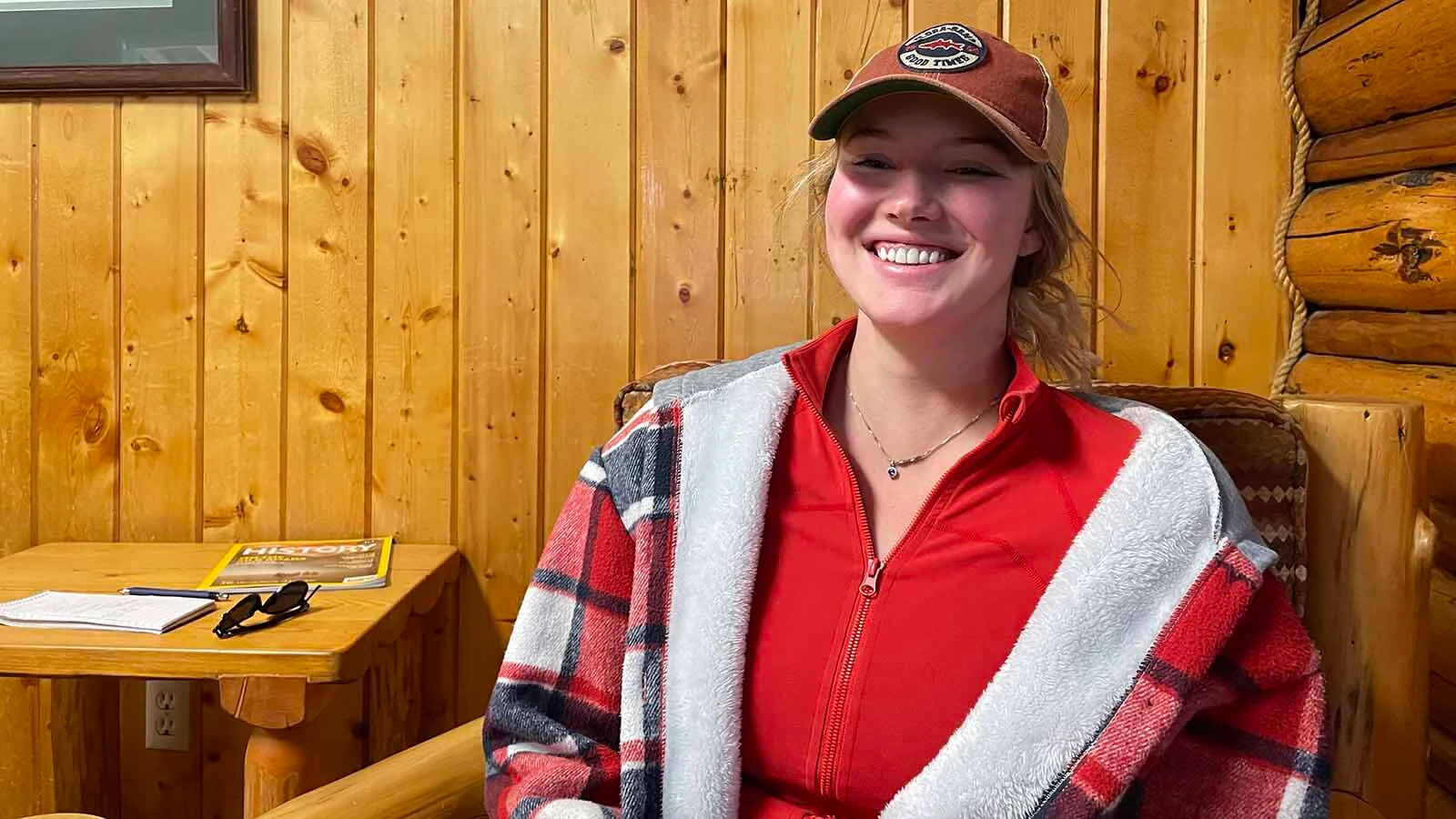
This year marks the 100th anniversary of the legendary Triangle X Ranch in Grand Teton National Park, now led by a fifth generation of the Turner family, like Grace Turner, fifth generation. (Zakary Sonntag, Cowboy State Daily) 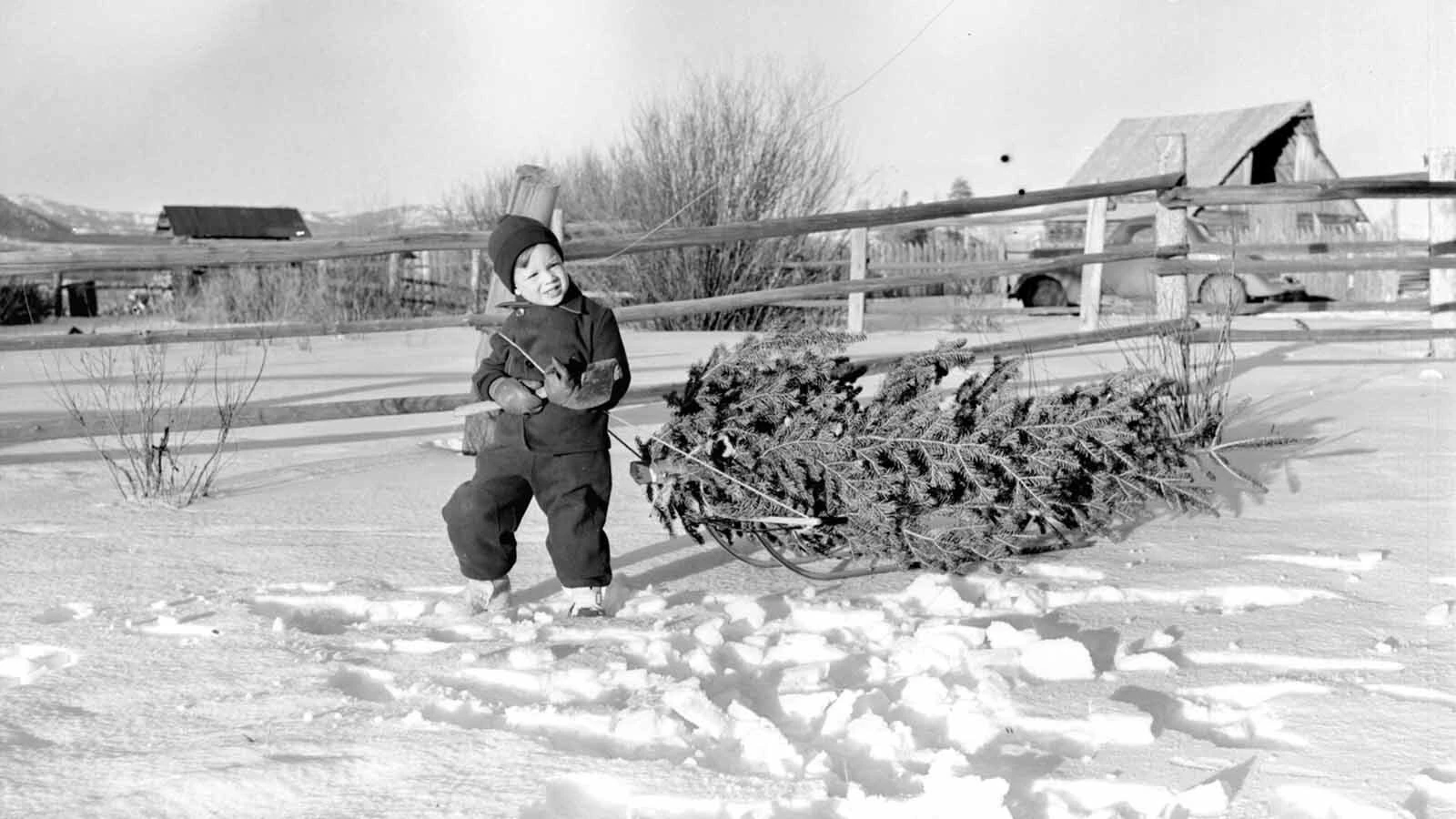
This year marks the 100th anniversary of the legendary Triangle X Ranch in Grand Teton National Park, now led by a fifth generation of the Turner family. (Courtesy Triangle X Ranch) 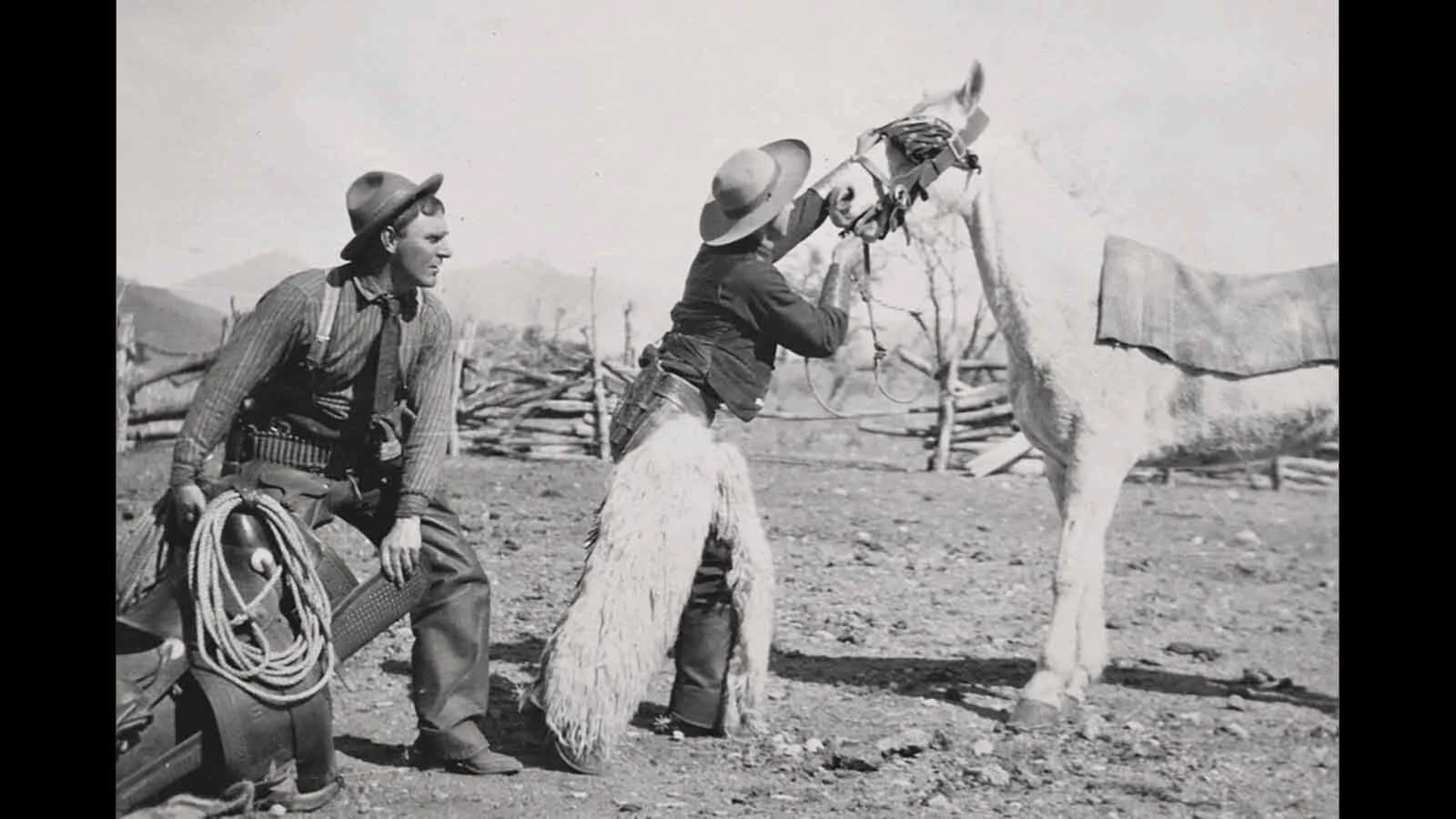
This year marks the 100th anniversary of the legendary Triangle X Ranch in Grand Teton National Park, now led by a fifth generation of the Turner family. (Courtesy Triangle X Ranch)
Shaped By Place
The view is part of what shaped the Turners. So is everything the valley demanded of them, including a growing season of only six weeks.
John Turner is a meat eater. He eats deer, moose, bear, and especially elk.
His diet was shaped by circumstance in a valley that offered few alternatives. What began as necessity became preference. By now, he’s eaten more elk meat than a cougar.
“His diet was always very heavy meat. It was what they lived on,” said his daughter, Kathryn. “He’s that way to this day. ”
Necessity still sets the terms here.
The next morning, Bodie Turner, 19, stood by the corrals, watching the horses nose the rails and drift apart.
He’s been riding these animals into the backcountry since he was 12 — not as an extracurricular activity, but as a worker on pack trips.
By 16, he was the most experienced person on the crew, leading clients who were initially stunned to learn their guide didn’t yet have facial hair.
By 19, that responsibility meant making life-and-death decisions deep in the Teton wilderness, none more difficult than the day his lead mule sank into a hidden bog.
Bodie was leading a string of seven animals into the South Fork of the Buffalo River, and less than halfway into the 12‑mile trip to camp, the trail was coming apart. Enormous pines lay crisscrossed over the path and the ground was slick with spring melt.
On a narrow stretch between a rock cliff and the rushing river, Bodie attempted to go around a fallen tree. Then the earth gave way, and his horse was up to its belly in bog.
Bodie’s horse fought its way out, but his lead mule, Trixie, fell deeper in, and the mule behind came down on Trixie’s back.
“She's laying in the mud up to her neck, with another huge mule laying on top of her, and they both have 140-pound pack loads on them,” he said. “It’s almost like quicksand, it's just getting deeper and deeper.”
After two hours of wrestling, the top mule was pulled out. But as evening settled and a storm rolled in, Bodie made one of the hardest decisions of his life.
He sent the group ahead, then put Trixie down.
He shuddered while describing the “worst part.”
For fear of attracting predators, he took his hand axe, quartered the mule, then pulled her out piece by piece and buried her nearby.
“She was my lead mule for six years, the one that was always right there directly behind me,” he said, sounding nauseous. “It was a brutal experience. It was awful.
“It can get Western pretty quickly out here."
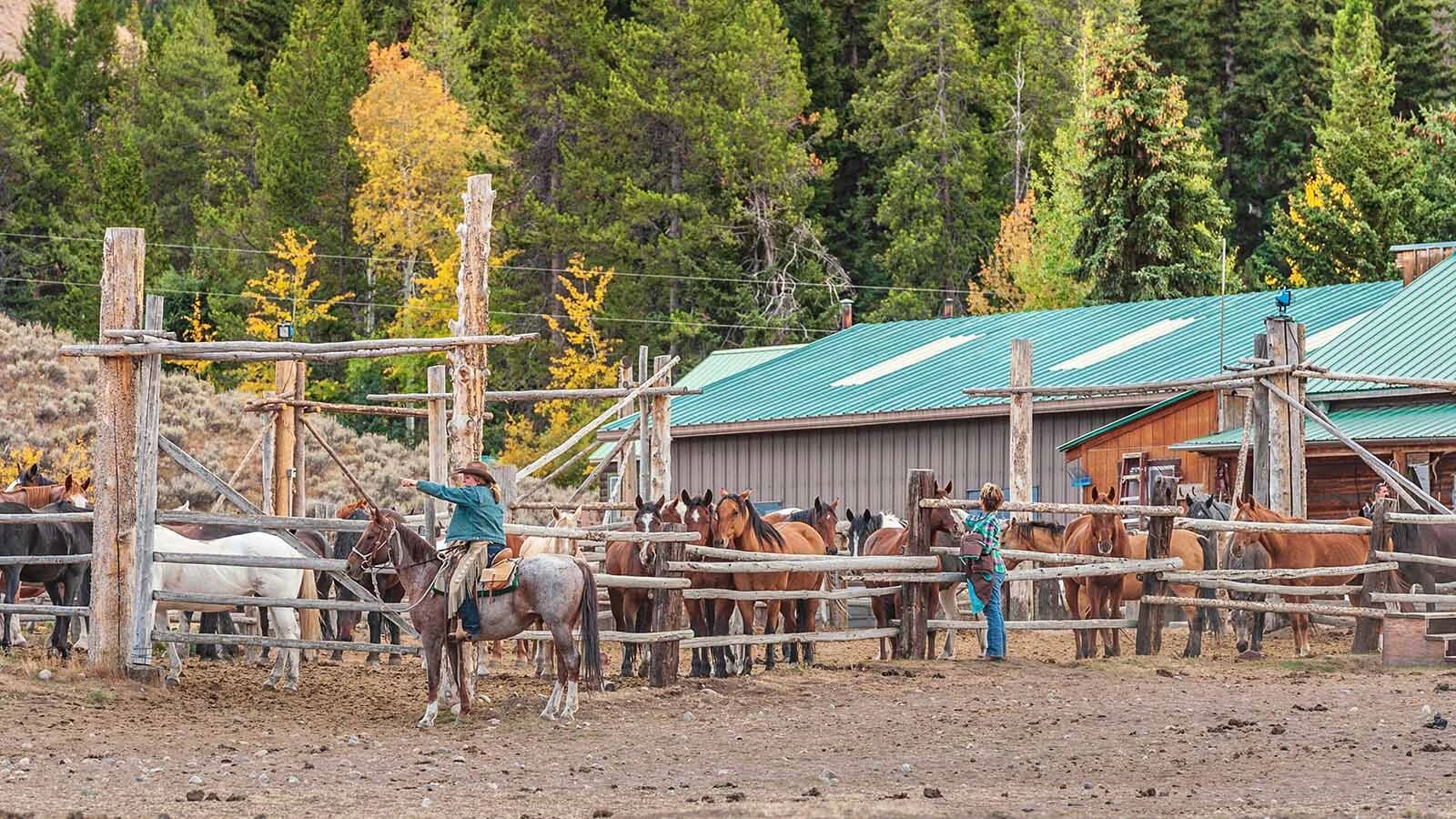
This year marks the 100th anniversary of the legendary Triangle X Ranch in Grand Teton National Park, now led by a fifth generation of the Turner family. (Deborah Brown via Alamy) 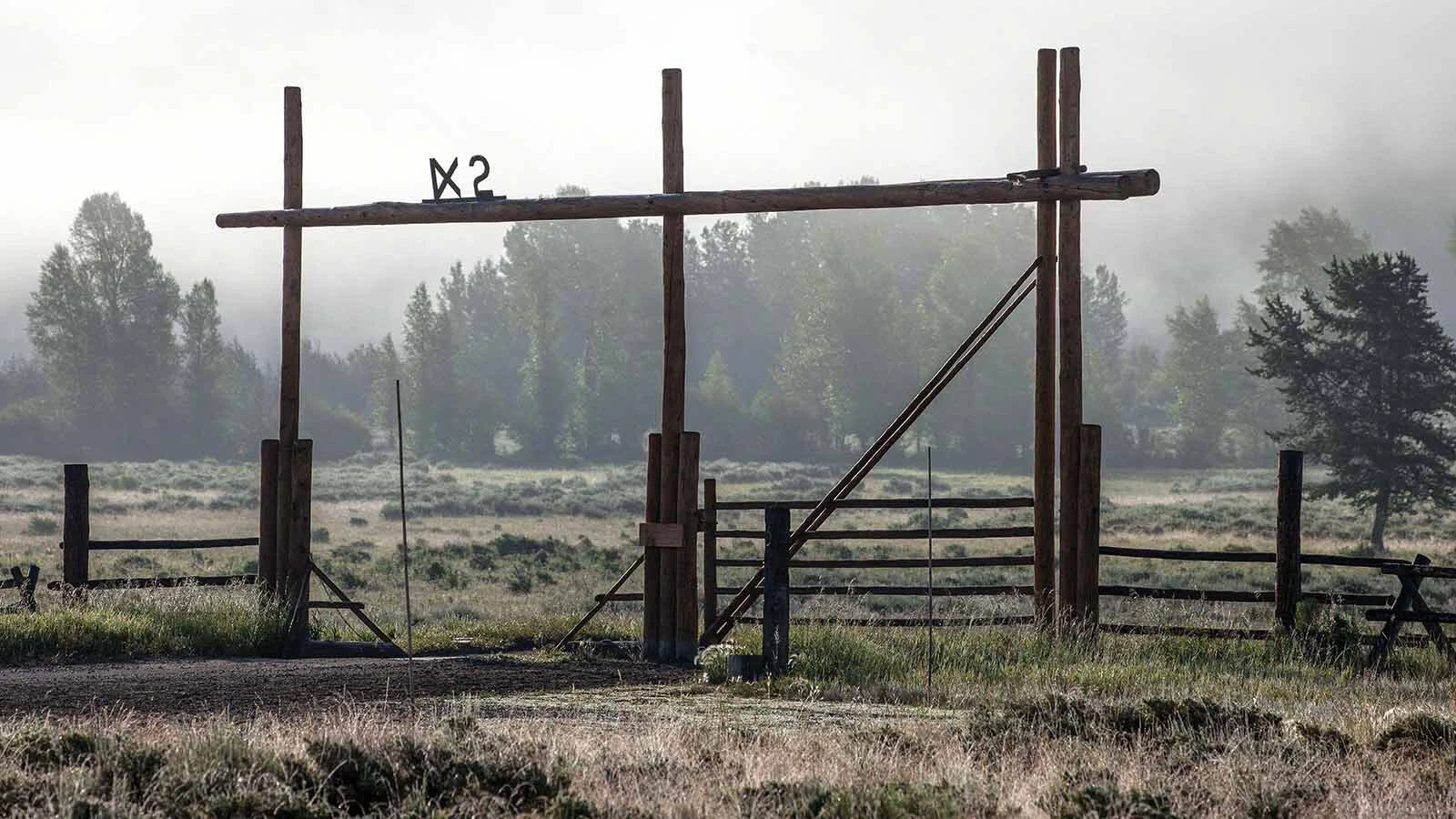
This year marks the 100th anniversary of the legendary Triangle X Ranch in Grand Teton National Park, now led by a fifth generation of the Turner family. (Jon G. Fuller Jr. via Alamy) 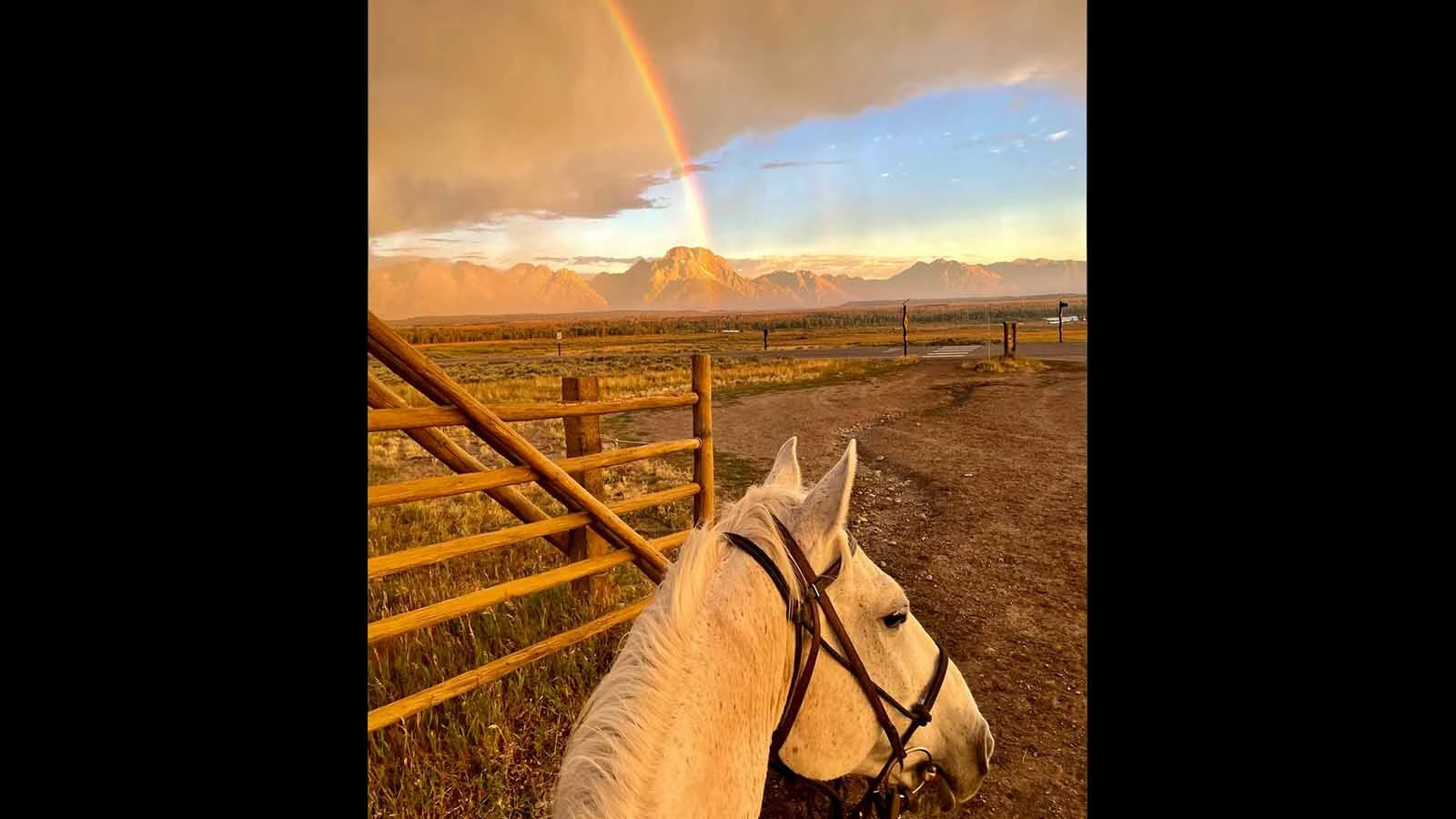
This year marks the 100th anniversary of the legendary Triangle X Ranch in Grand Teton National Park, now led by a fifth generation of the Turner family. (Courtesy Triangle X Ranch) 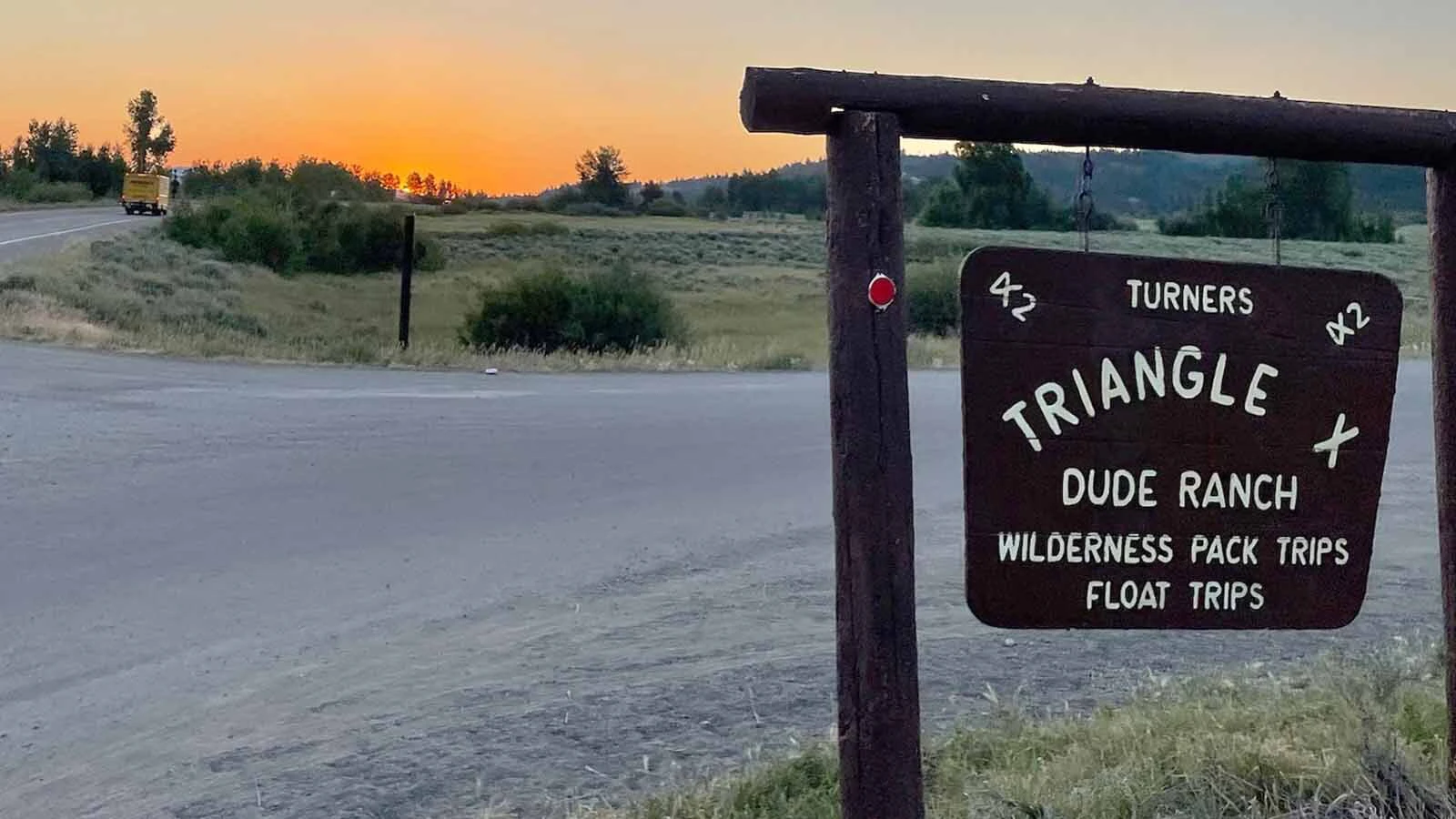
This year marks the 100th anniversary of the legendary Triangle X Ranch in Grand Teton National Park, now led by a fifth generation of the Turner family. (Courtesy Triangle X Ranch) 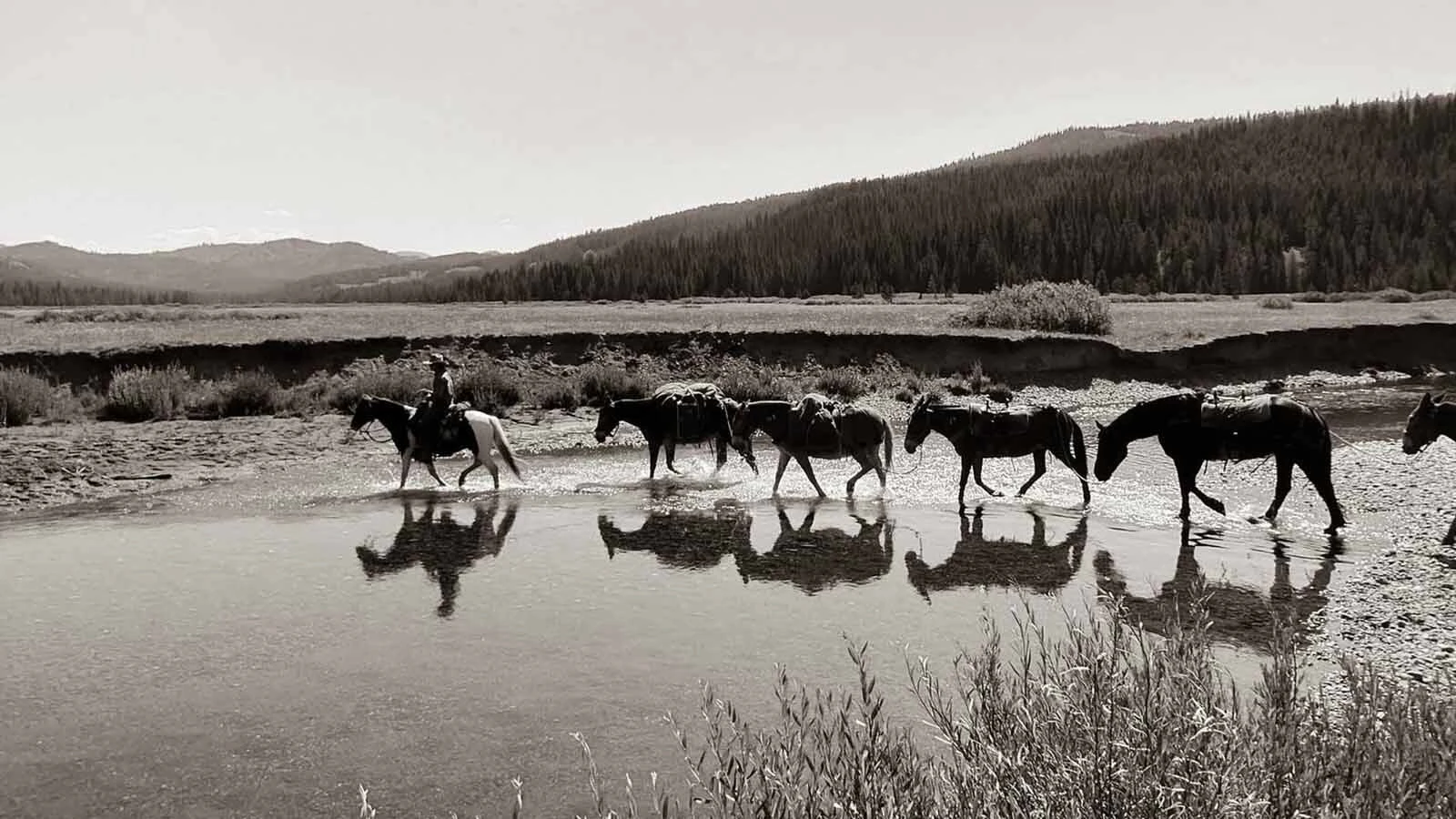
This year marks the 100th anniversary of the legendary Triangle X Ranch in Grand Teton National Park, now led by a fifth generation of the Turner family. (Courtesy Triangle X Ranch) 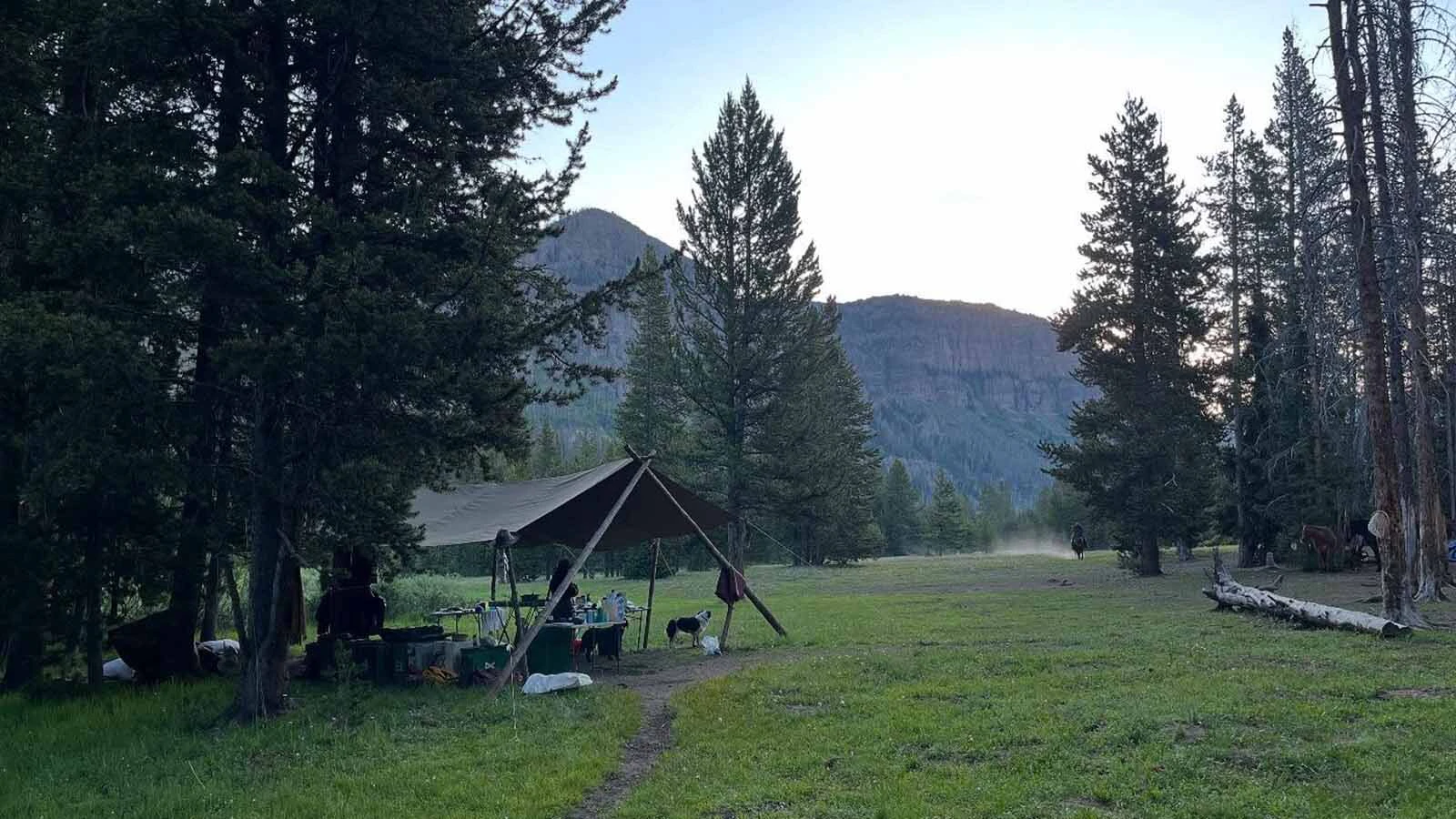
This year marks the 100th anniversary of the legendary Triangle X Ranch in Grand Teton National Park, now led by a fifth generation of the Turner family. (Courtesy Triangle X Ranch) 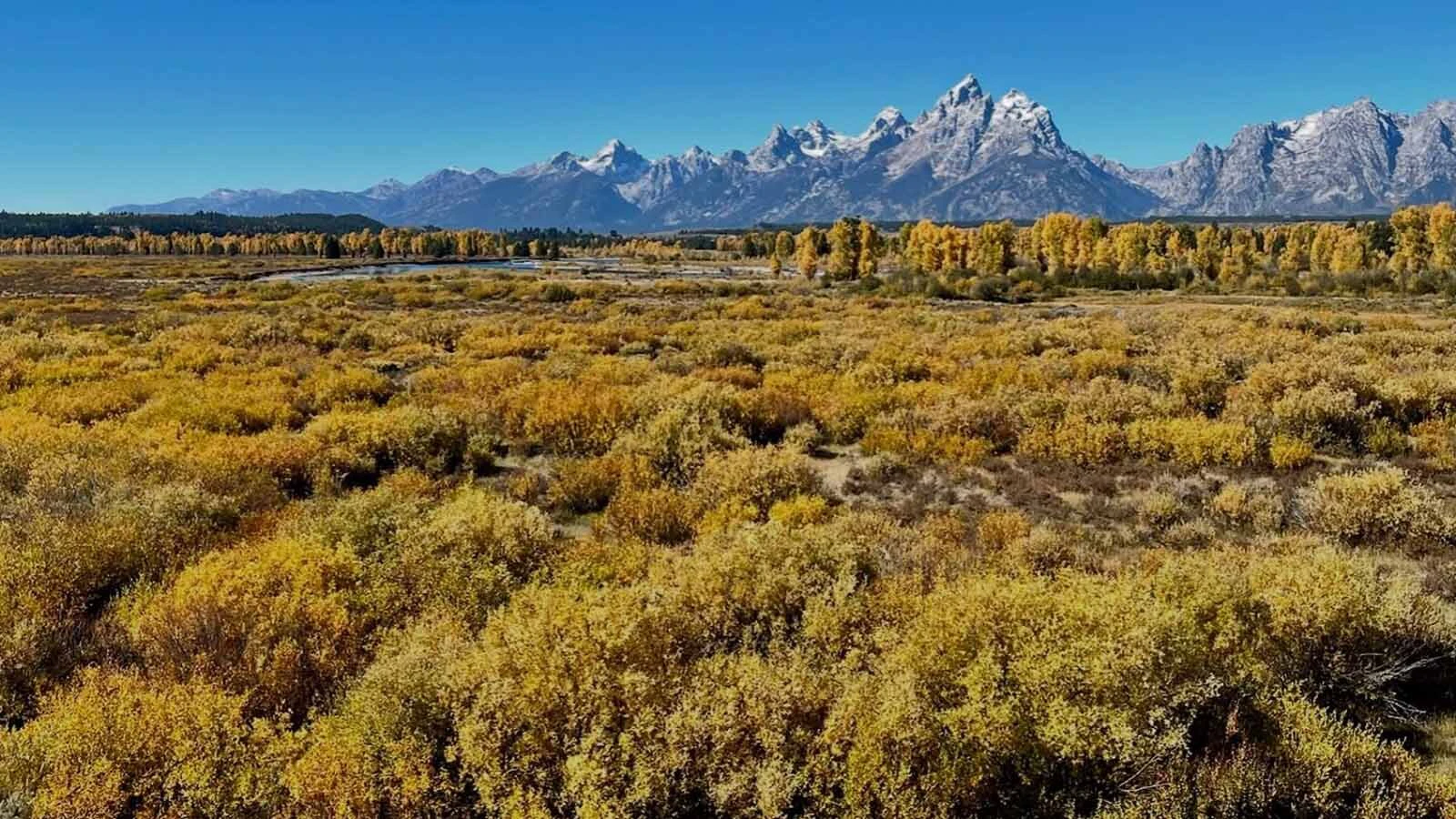
This year marks the 100th anniversary of the legendary Triangle X Ranch in Grand Teton National Park, now led by a fifth generation of the Turner family. (Courtesy Triangle X Ranch)
Grizzly Country
Bodie’s story isn’t singular. Across generations at the Triangle X, responsibility arrived early and danger was never abstract.
There’s one threat every generation of Turner has learned to respect early: grizzly bears.
Lucas Turner, fourth generation, has had more bear encounters than he can count, but one stands out.
His client had killed an elk deep in the backcountry too late in the day to pack the meat out safely. When Lucas returned the next morning, a giant grizzly had claimed the carcass and was guarding it.
Lucas rode in yelling, trying to drive it off. Instead, the bear drove him off.
“The bear shot off the mound and ran straight at us. Our horses turned around and we hauled ass the other direction,” he said.
He tried twice more. Each time, the bear chased him farther. Then a second grizzly appeared and made a run at the carcass. The first bear responded in full force.
“You’ve never seen an NFL linebacker hit somebody like this bear hit that other bear,” Lucas said. “Nonstop, full-out, he trucked that second bear. It was nothing but teeth and snarls for a good 30 seconds.”
This year marks the 100th anniversary of the legendary Triangle X Ranch in Grand Teton National Park, now led by a fifth generation of the Turner family. (Jim West via Alamy) 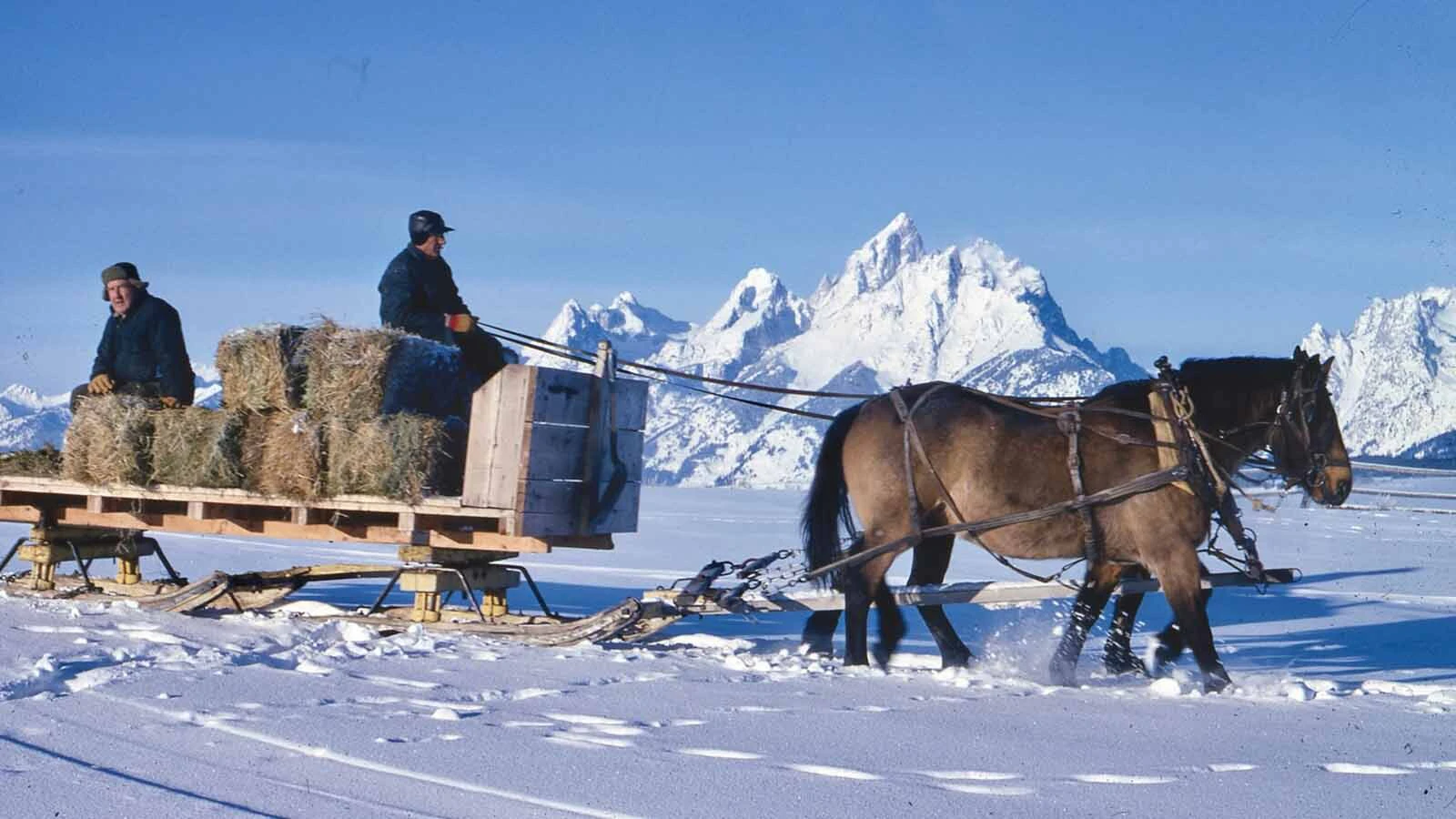
This year marks the 100th anniversary of the legendary Triangle X Ranch in Grand Teton National Park, now led by a fifth generation of the Turner family. (Courtesy Triangle X Ranch) 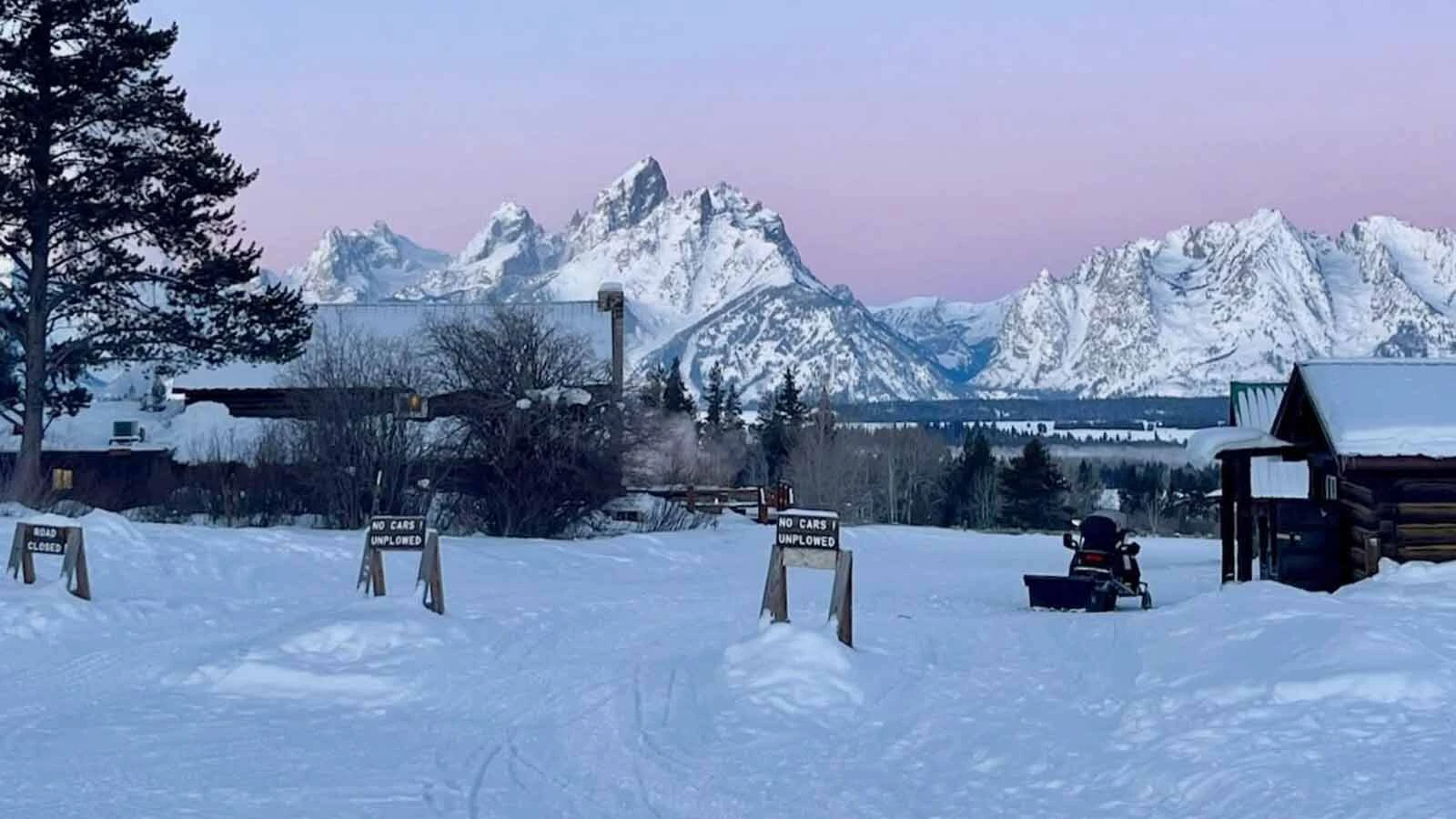
This year marks the 100th anniversary of the legendary Triangle X Ranch in Grand Teton National Park, now led by a fifth generation of the Turner family. (Courtesy Triangle X Ranch) 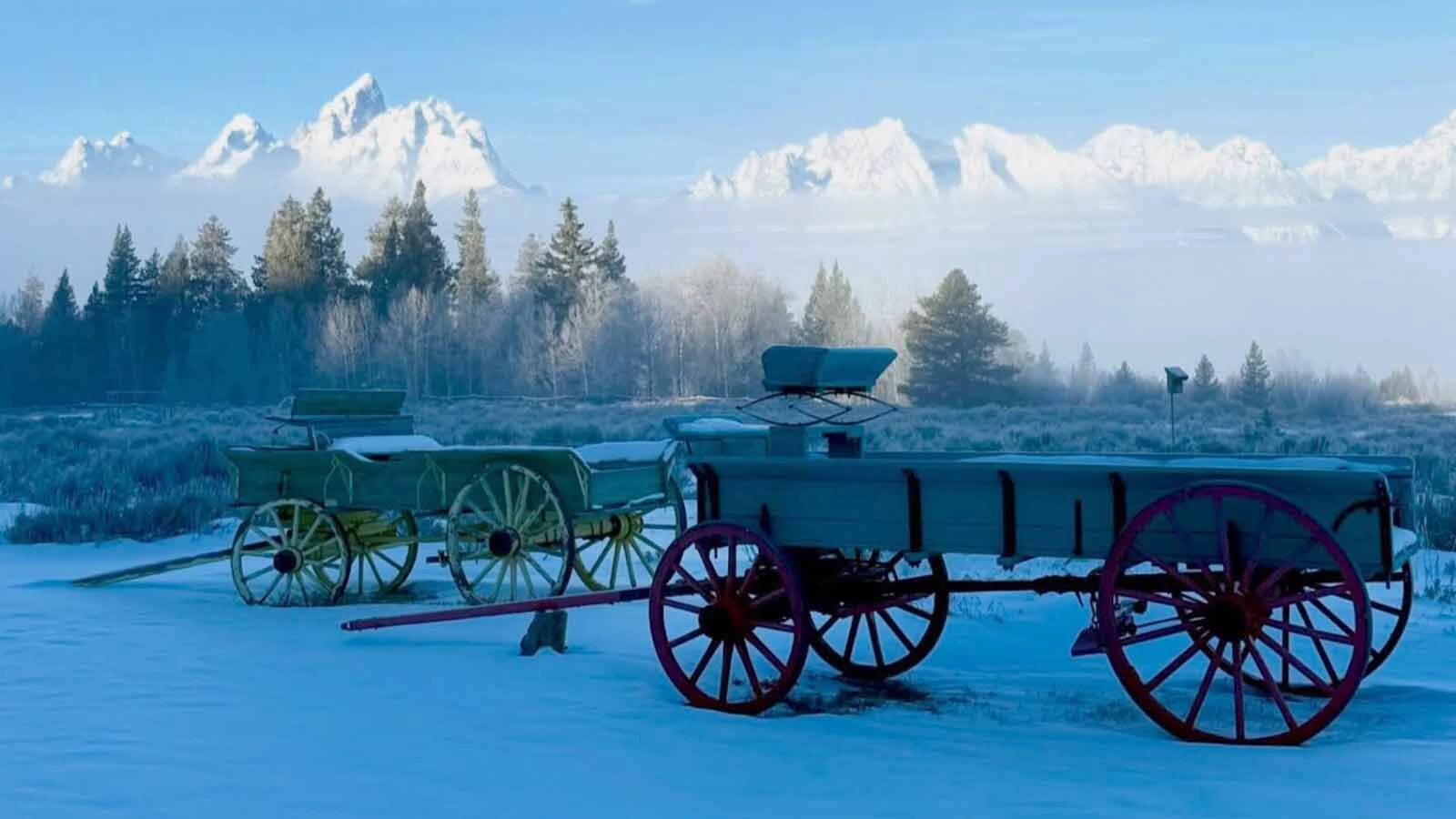
This year marks the 100th anniversary of the legendary Triangle X Ranch in Grand Teton National Park, now led by a fifth generation of the Turner family. (Courtesy Triangle X Ranch) 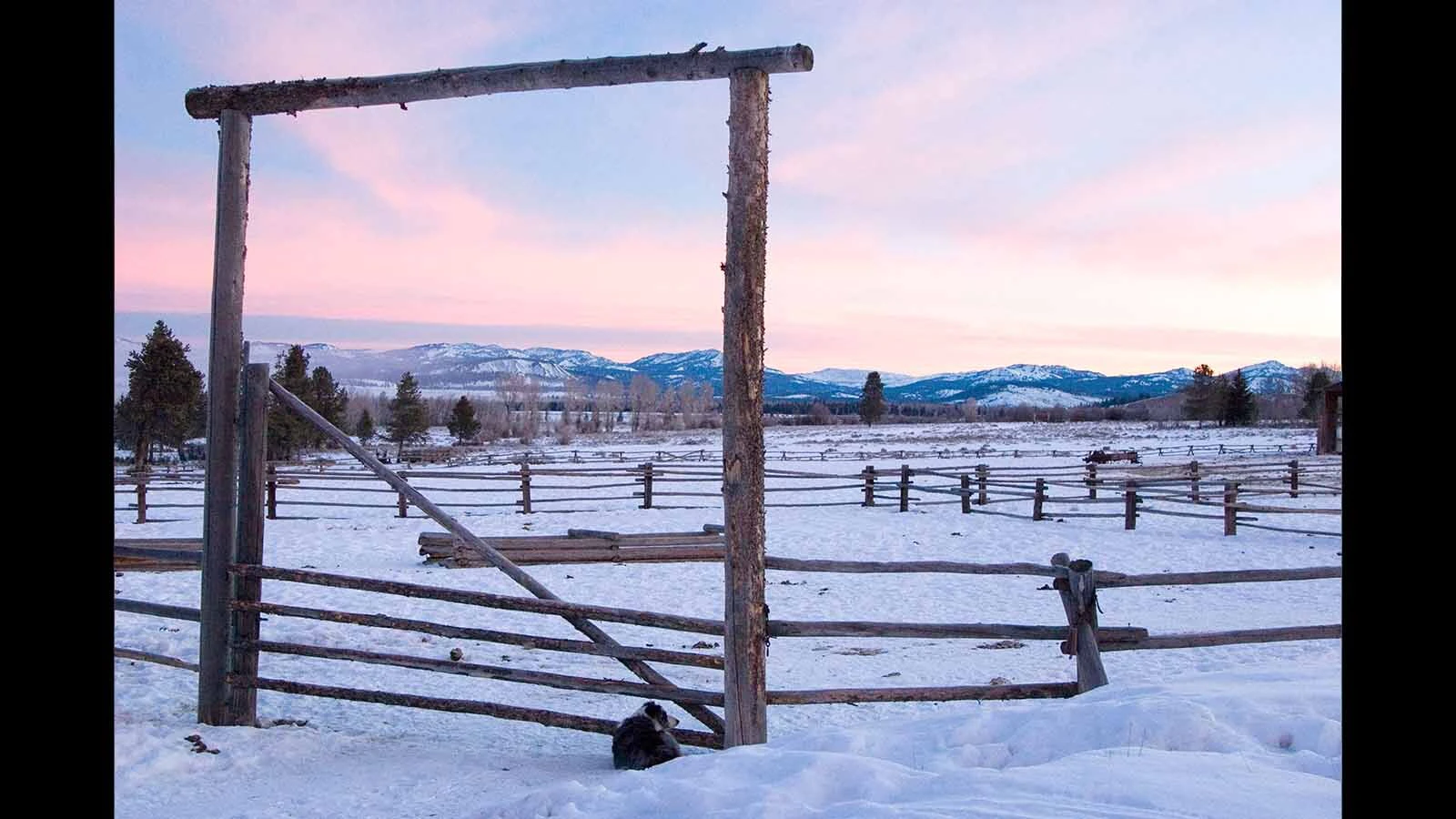
This year marks the 100th anniversary of the legendary Triangle X Ranch in Grand Teton National Park, now led by a fifth generation of the Turner family. (Jim West via Alamy) 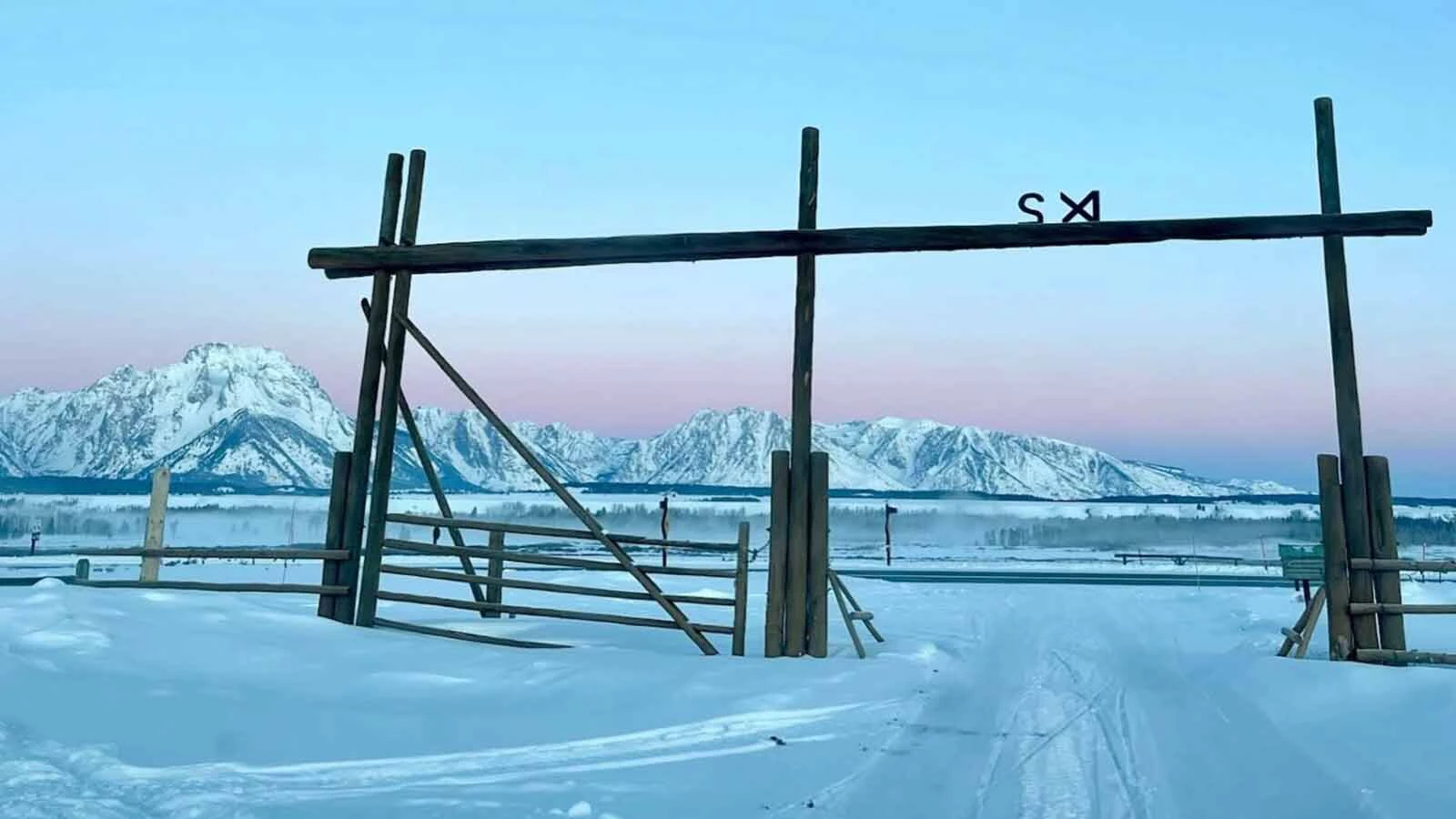
This year marks the 100th anniversary of the legendary Triangle X Ranch in Grand Teton National Park, now led by a fifth generation of the Turner family. (Courtesy Triangle X Ranch)
Two Rules: ‘Be There For Breakfast, And Be There For Dinner’
These experiences weren’t just adventurous — they’re formative. Even among Wyoming’s ranch families, the Turners’ upbringings stand out.
Kathryn Turner spoke about her education at the Moran School, a three‑room schoolhouse set inside Grand Teton National Park where multiple grades were taught together. There were only ever three kids in her class; one was her brother, and the other two were cousins.
Her favorite classroom, though, arrived on wheels.
Once a week, a converted yellow school bus rolled into Moran. Inside were easels and palettes, a full‑size weaving loom, a pottery wheel. They even managed to cram in a drum kit and band instruments.
“The whole school would file into this bus and make art all afternoon, and when we were done, we'd file out and it would roll down the road to the next outlying school,” Kathryn said, explaining that she didn’t realize until later in life how unconventional her education had been.
That experience was among the inspirations that put her on a path to becoming a professional painter. Today, she’s among Wyoming’s best‑known fine artists with a studio in Jackson.
John H. Turner, fourth generation, sees ranch life as a springboard to wider success. Turners have become private pilots and real estate mavens and lawyers.
“I think that growing up on this ranch has really created in all of us a generation of overachievers,” said John H., fourth generation, who attributes their ambition in part to an ingrained sense of independence and freedom. “We really only had two rules — be there for breakfast, and be there for dinner.”
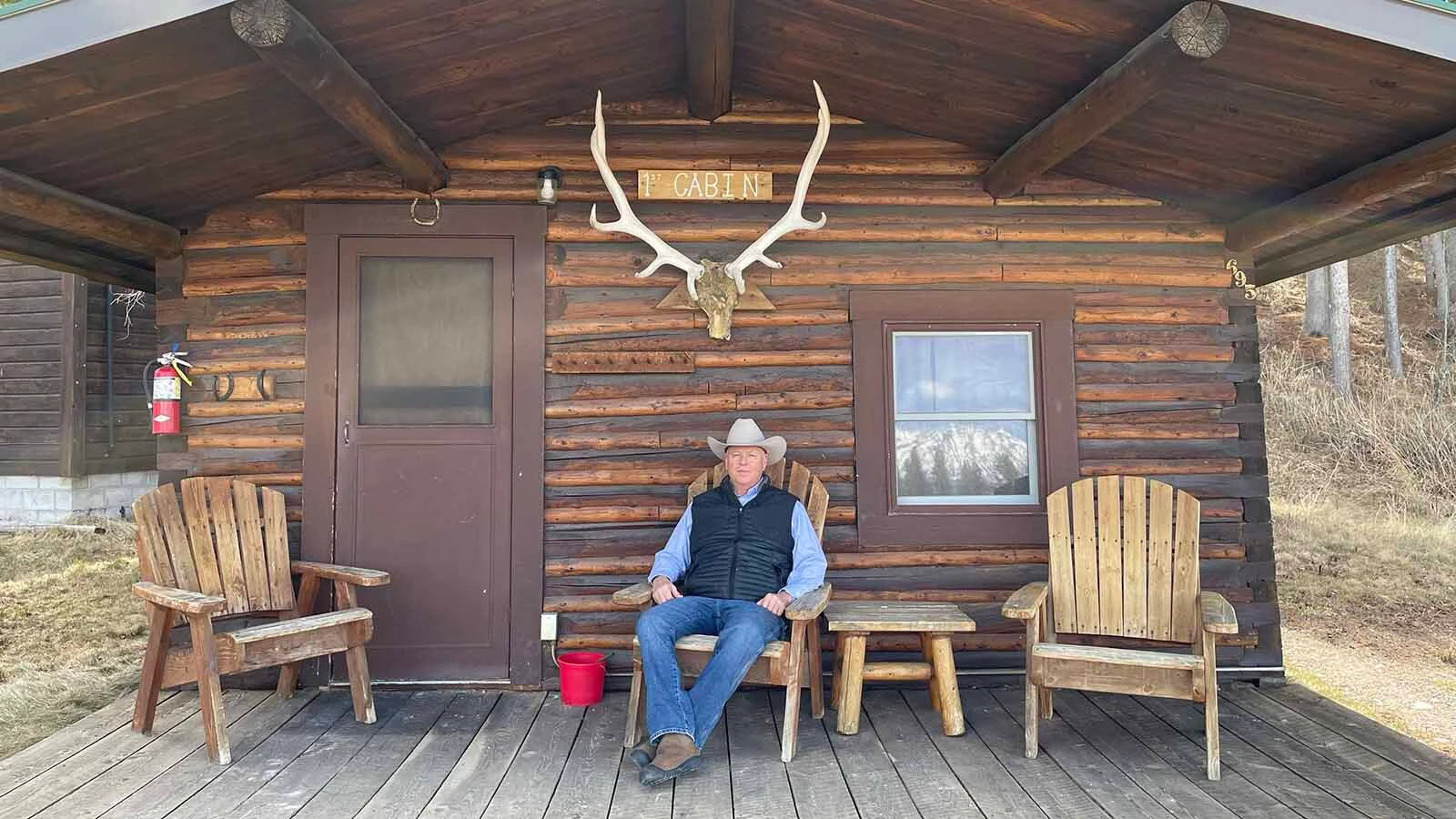
This year marks the 100th anniversary of the legendary Triangle X Ranch in Grand Teton National Park, now led by a fifth generation of the Turner family, like John H. Turner, fourth generation. (Zakary Sonntag, Cowboy State Daily) 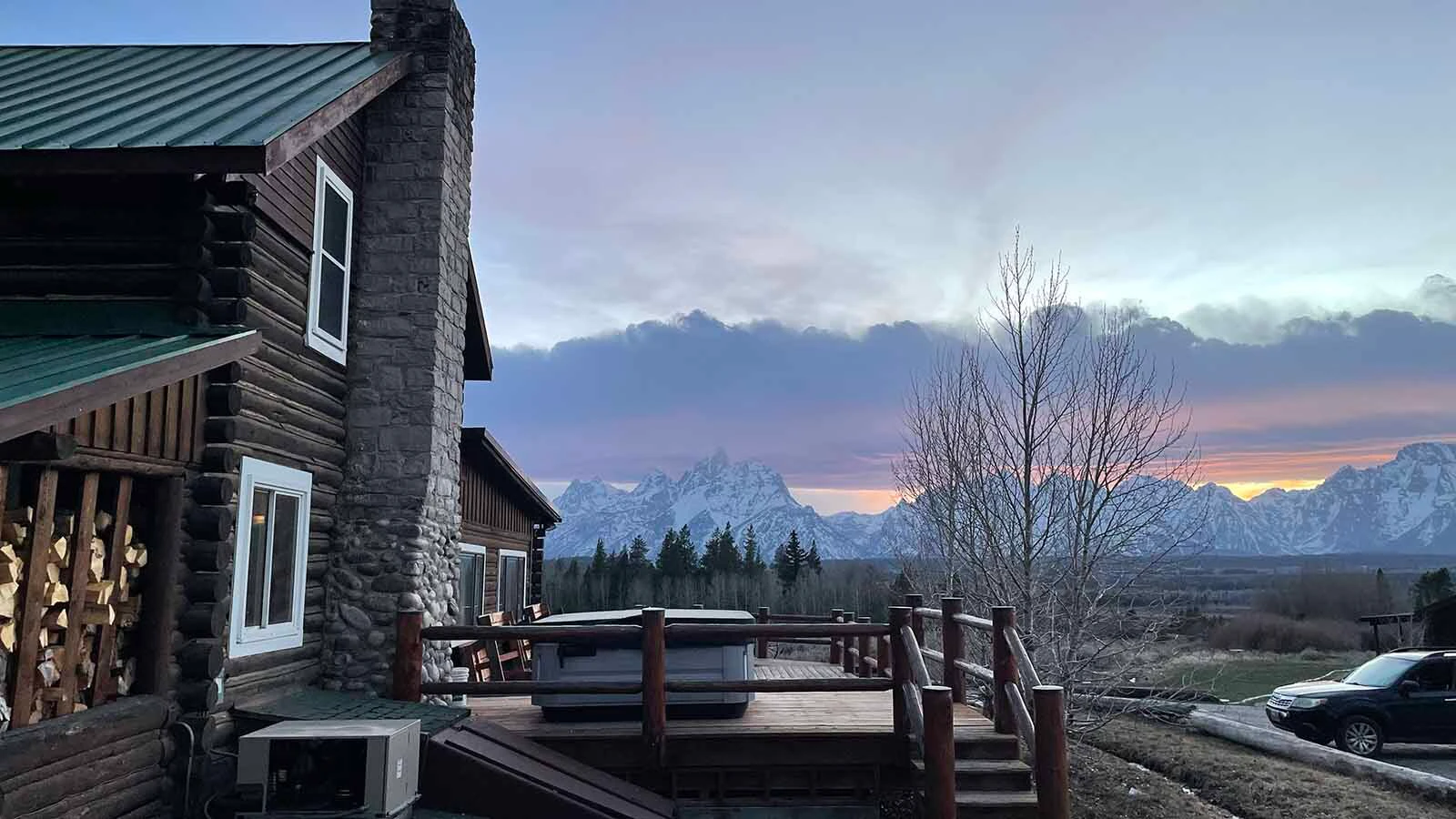
This year marks the 100th anniversary of the legendary Triangle X Ranch in Grand Teton National Park, now led by a fifth generation of the Turner family. (Zakary Sonntag, Cowboy State Daily) 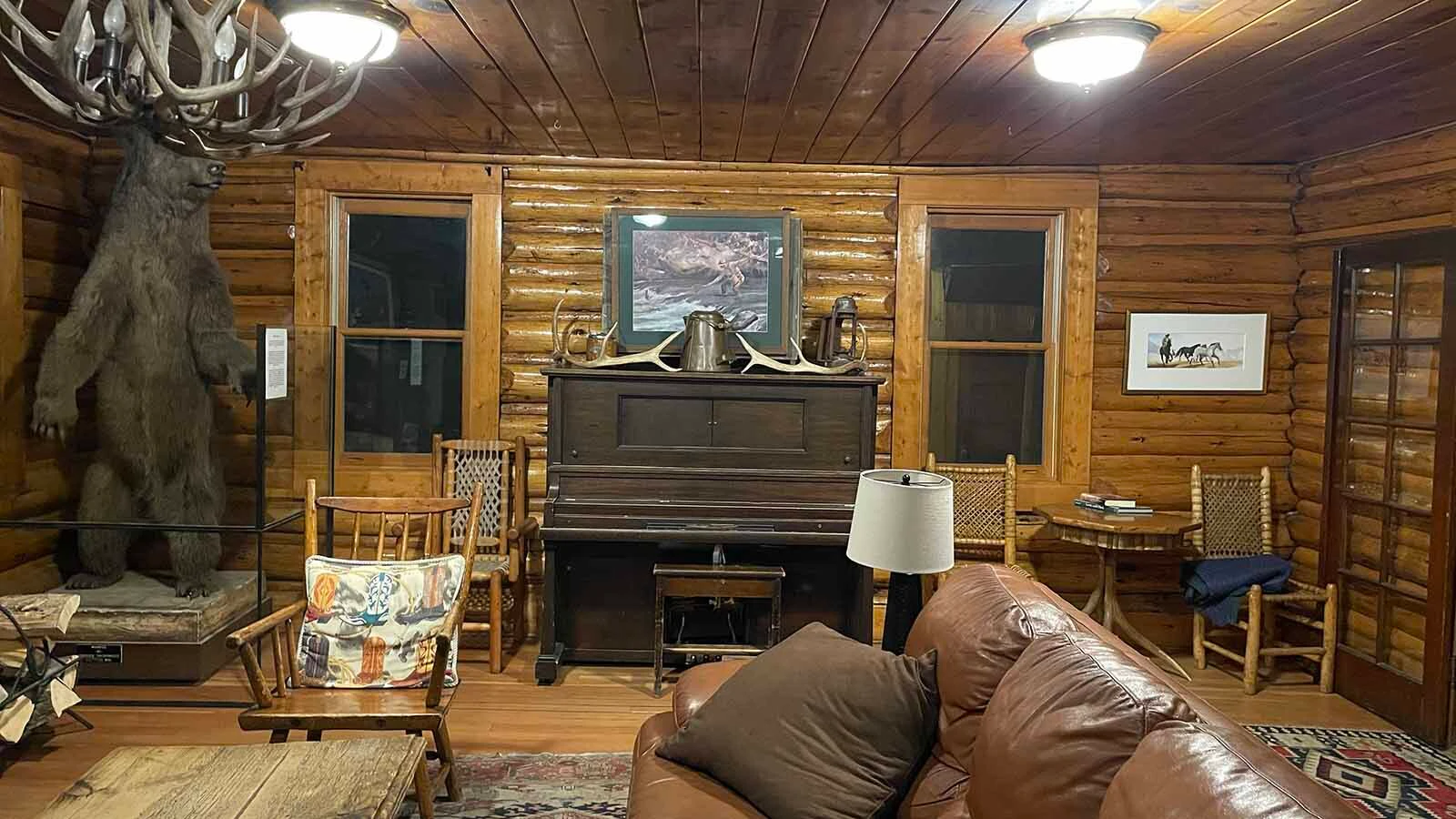
This year marks the 100th anniversary of the legendary Triangle X Ranch in Grand Teton National Park, now led by a fifth generation of the Turner family. (Zakary Sonntag, Cowboy State Daily) 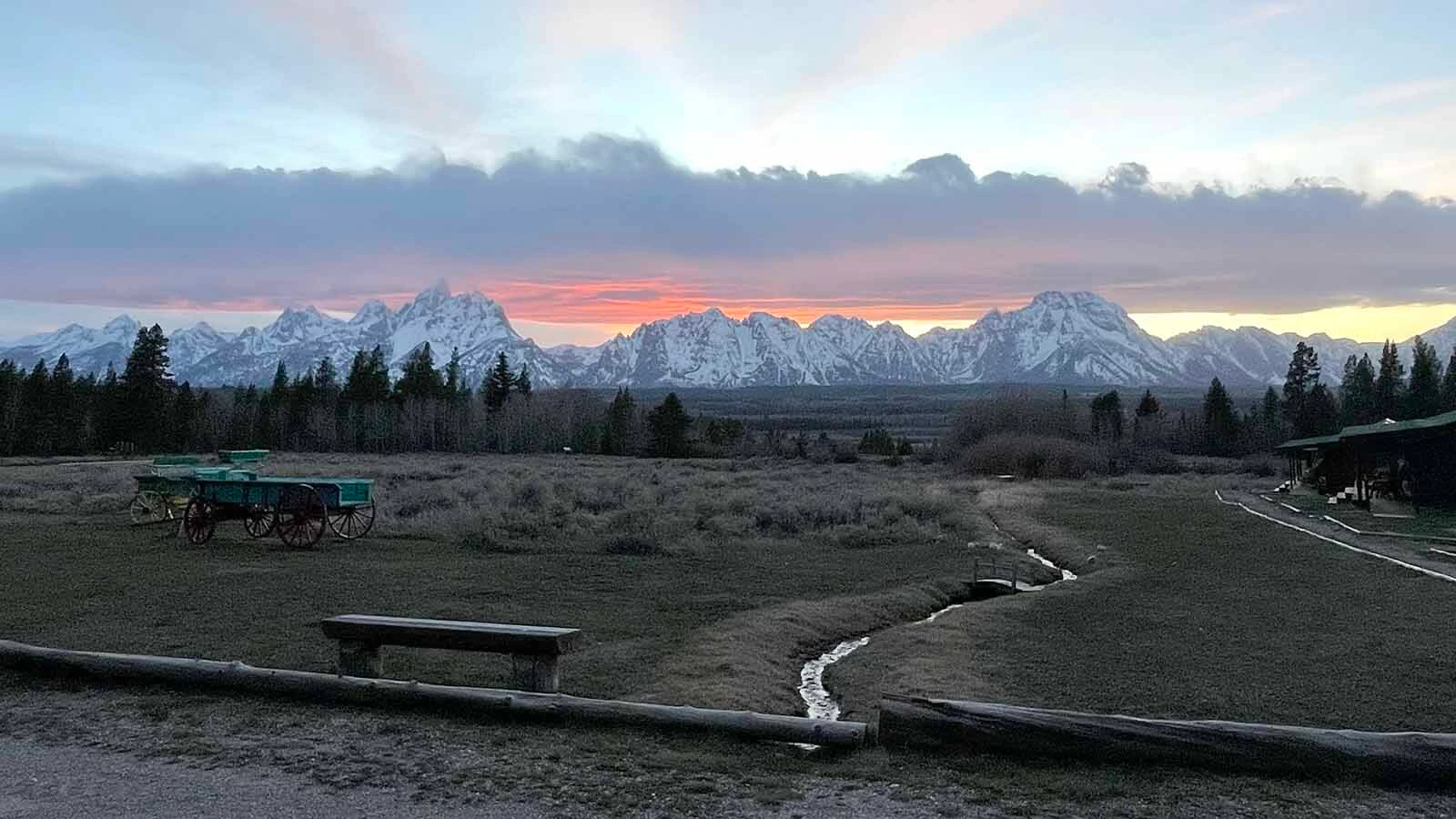
This year marks the 100th anniversary of the legendary Triangle X Ranch in Grand Teton National Park, now led by a fifth generation of the Turner family. (Zakary Sonntag, Cowboy State Daily) 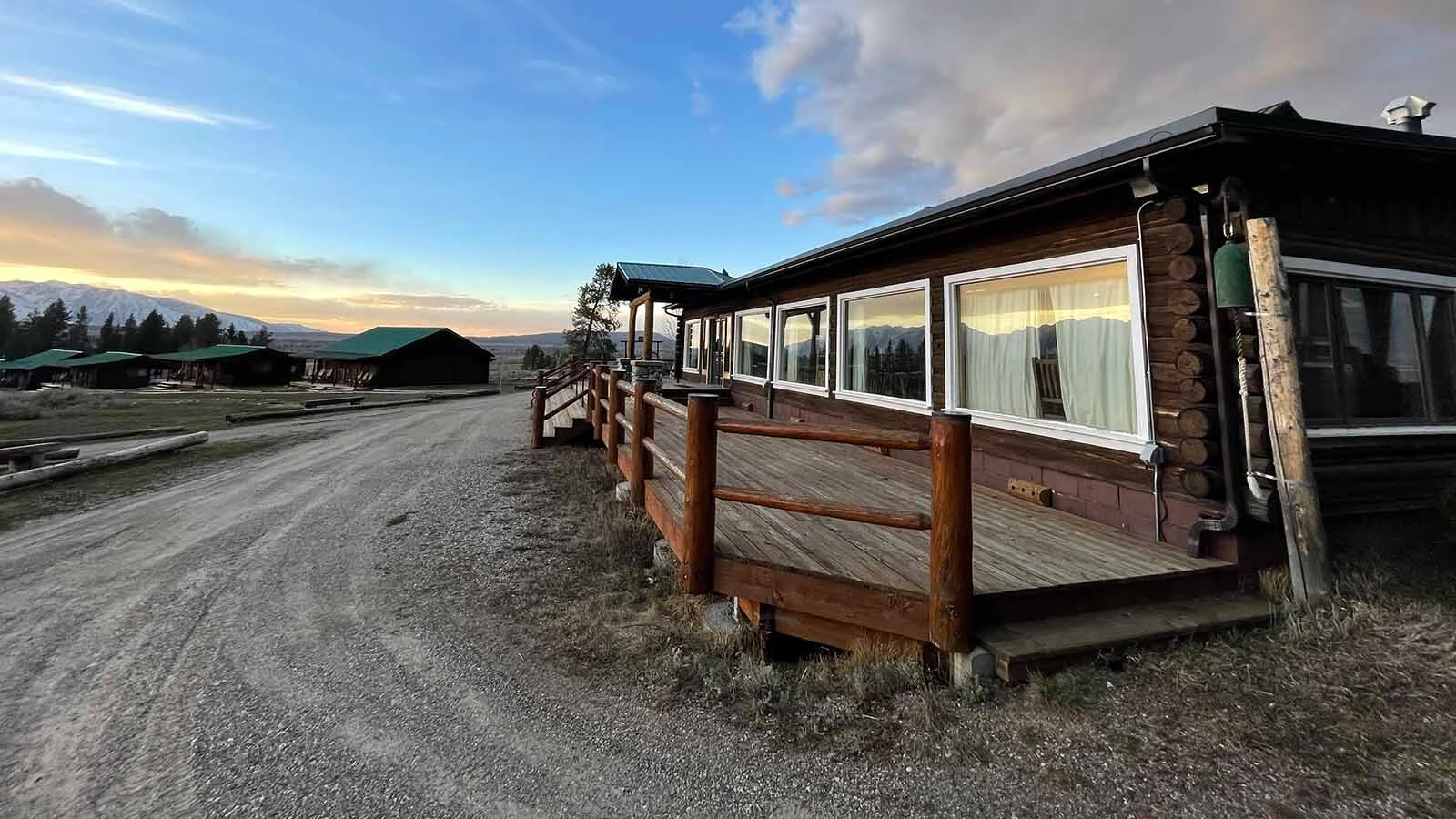
This year marks the 100th anniversary of the legendary Triangle X Ranch in Grand Teton National Park, now led by a fifth generation of the Turner family. (Zakary Sonntag, Cowboy State Daily) 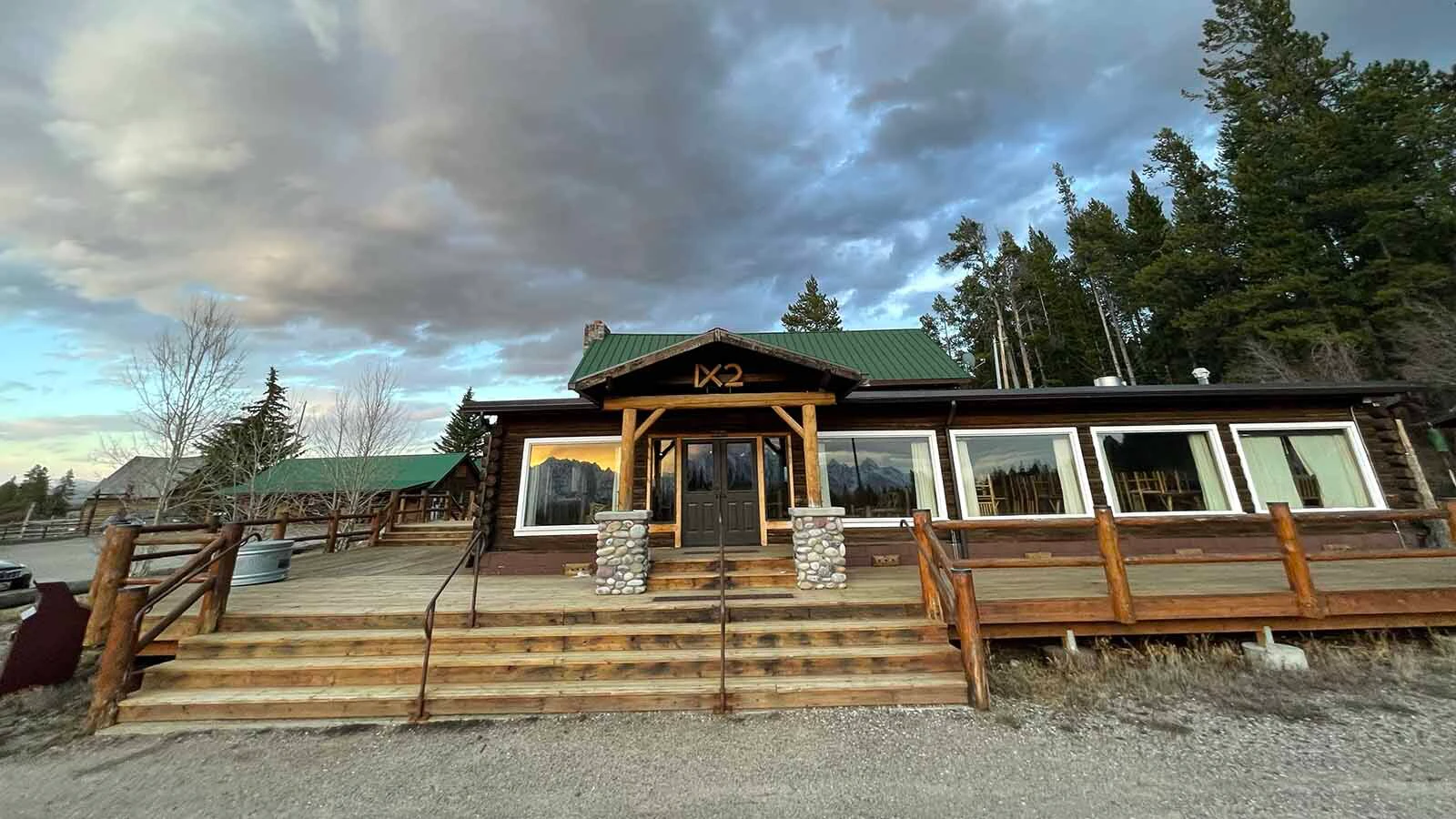
This year marks the 100th anniversary of the legendary Triangle X Ranch in Grand Teton National Park, now led by a fifth generation of the Turner family. (Zakary Sonntag, Cowboy State Daily) 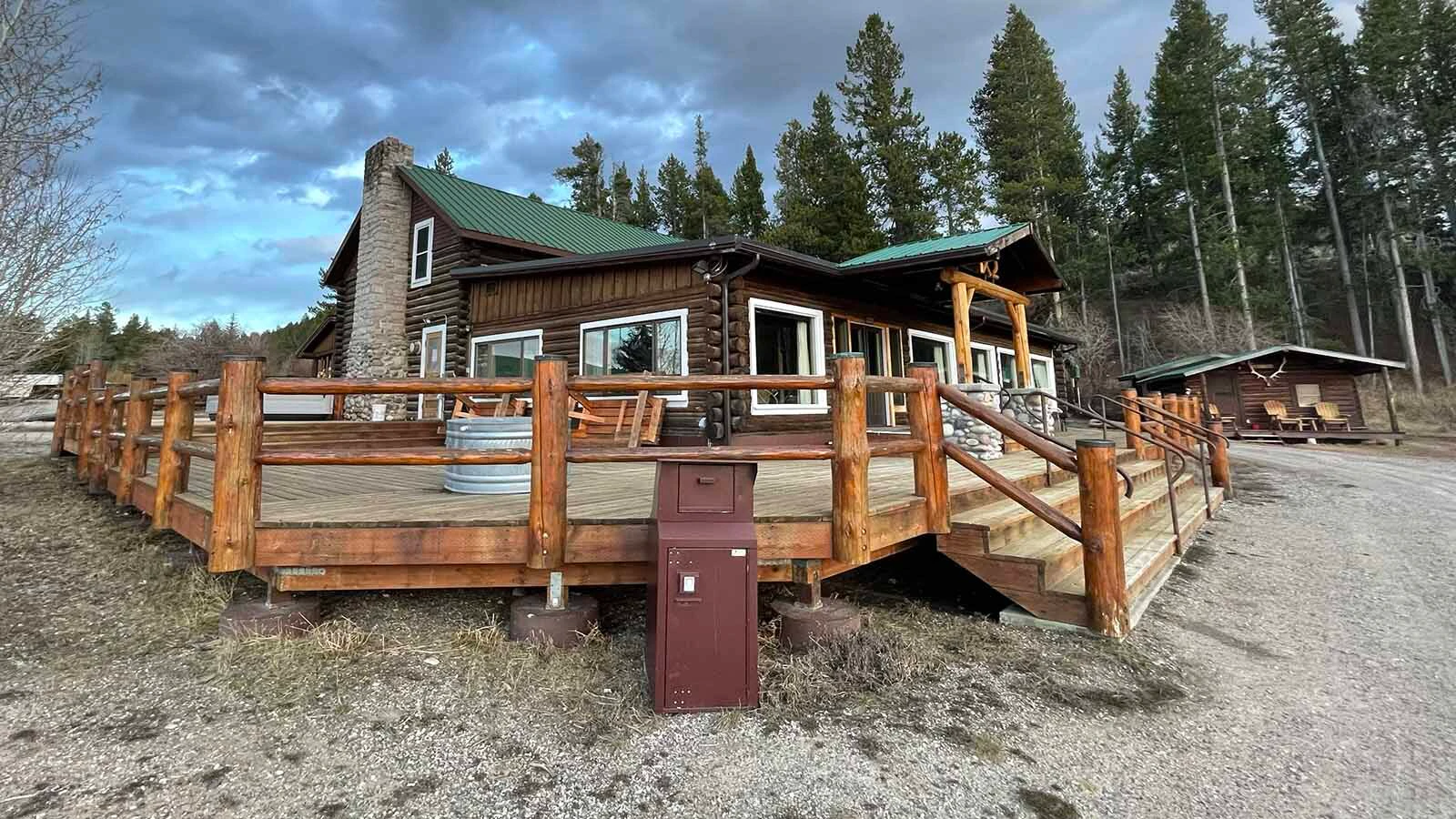
This year marks the 100th anniversary of the legendary Triangle X Ranch in Grand Teton National Park, now led by a fifth generation of the Turner family. (Zakary Sonntag, Cowboy State Daily)
Songs On The Trail
More surprising is not what they achieved beyond the ranch, but the way they’ve held the Triangle X in continuity. As most family businesses dissolve by the third generation, the Turners are holding strong in the fifth.
They’ve managed to grow the business while still offering experiences just like those their ancestors had, and their clients have the sore butts to prove it.
“There's always someone on the first day who says, ‘I've had enough.’ Eight hours in the saddle and they're like, ‘I can’t believe we’re paying money to put up with this!’” said John H., sitting beneath a century-old antler mount at the ranch.
“But by the time we get back six days later, they jump off their horse and say, ‘I can’t believe it’s over already. I can’t believe I enjoyed it so much!’”
They’ve even resisted the pressure to put Wi-Fi in guest cabins.
But who needs an internet connection when you’ve got a crooner like John Turner dishing up campfire classics. After half a century serenading guests with a nylon-string guitar, the old balladeer’s voice still carries.
"The man loves to play guitar and sing at cookouts. And not just sing — sing loud,” said Grace Turner, fifth generation, who manages books for Triangle X. “I wish everyone could witness it.”
George H.W. Bush got to witness it. He must have been impressed. He later tapped Turner to lead the U.S.Fish and Wildlife Service.
This year marks the 100th anniversary of the legendary Triangle X Ranch in Grand Teton National Park, now led by a fifth generation of the Turner family. (Courtesy Triangle X Ranch) 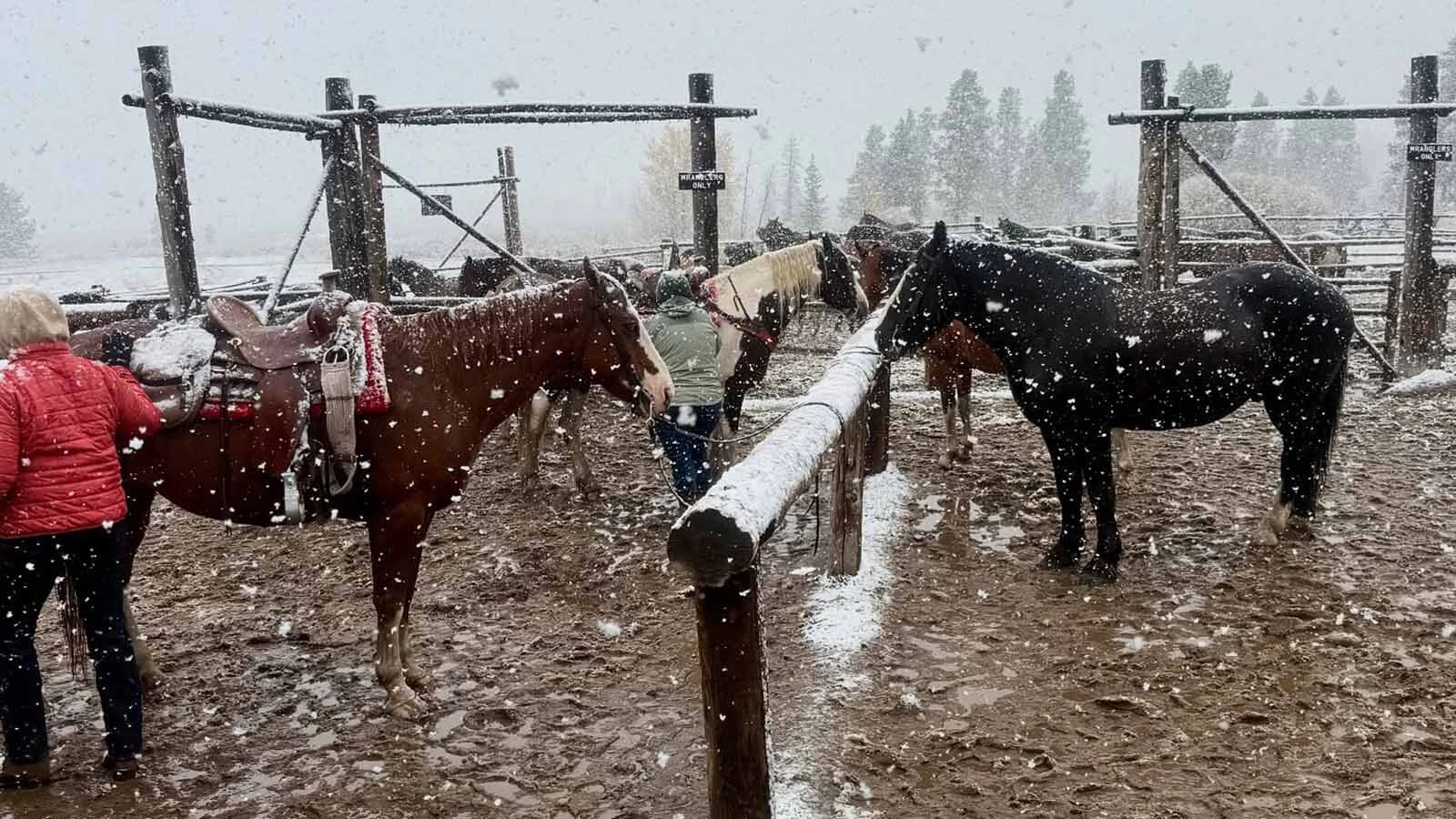
This year marks the 100th anniversary of the legendary Triangle X Ranch in Grand Teton National Park, now led by a fifth generation of the Turner family. (Courtesy Triangle X Ranch) 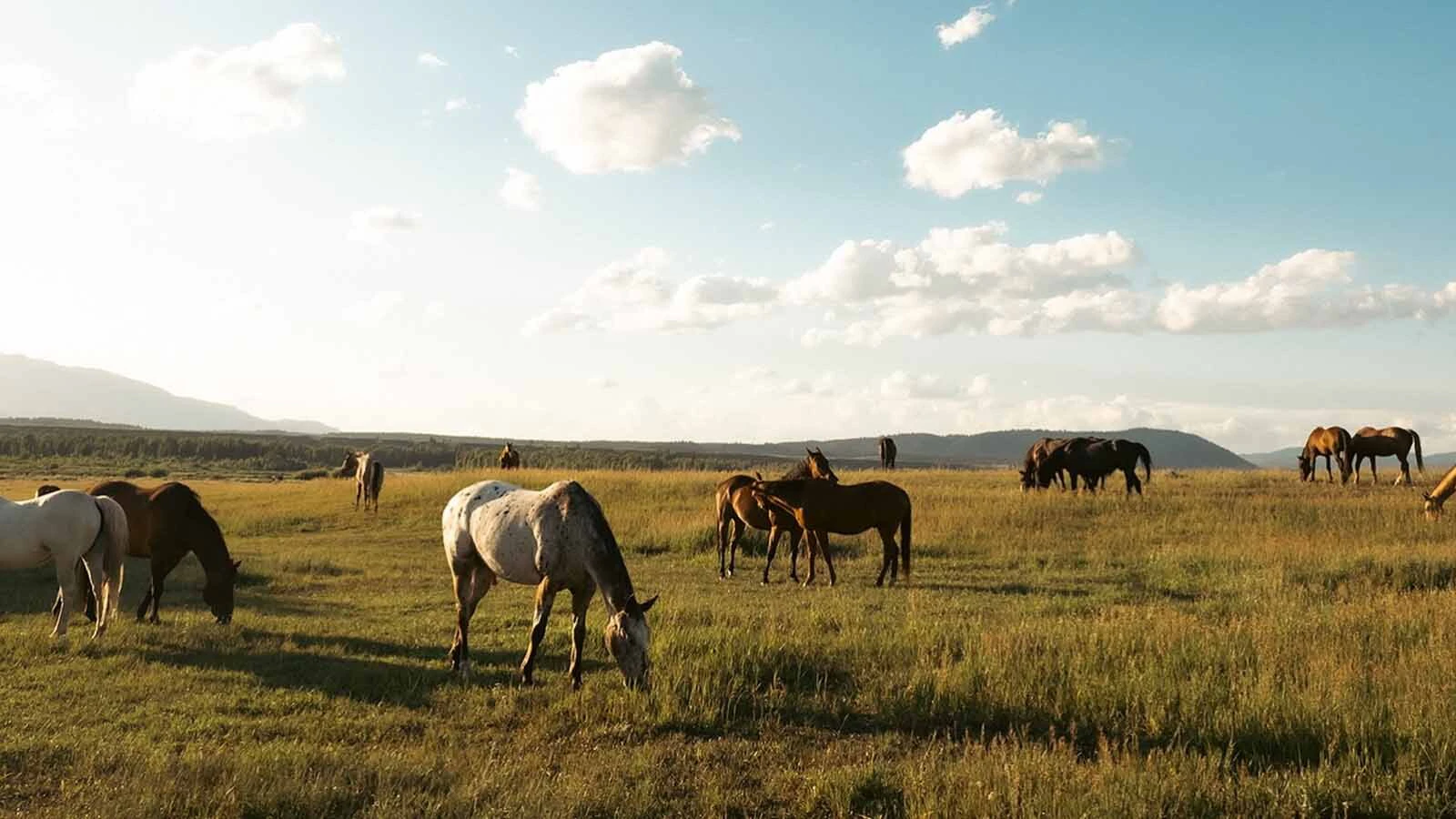
This year marks the 100th anniversary of the legendary Triangle X Ranch in Grand Teton National Park, now led by a fifth generation of the Turner family. (Courtesy Triangle X Ranch) 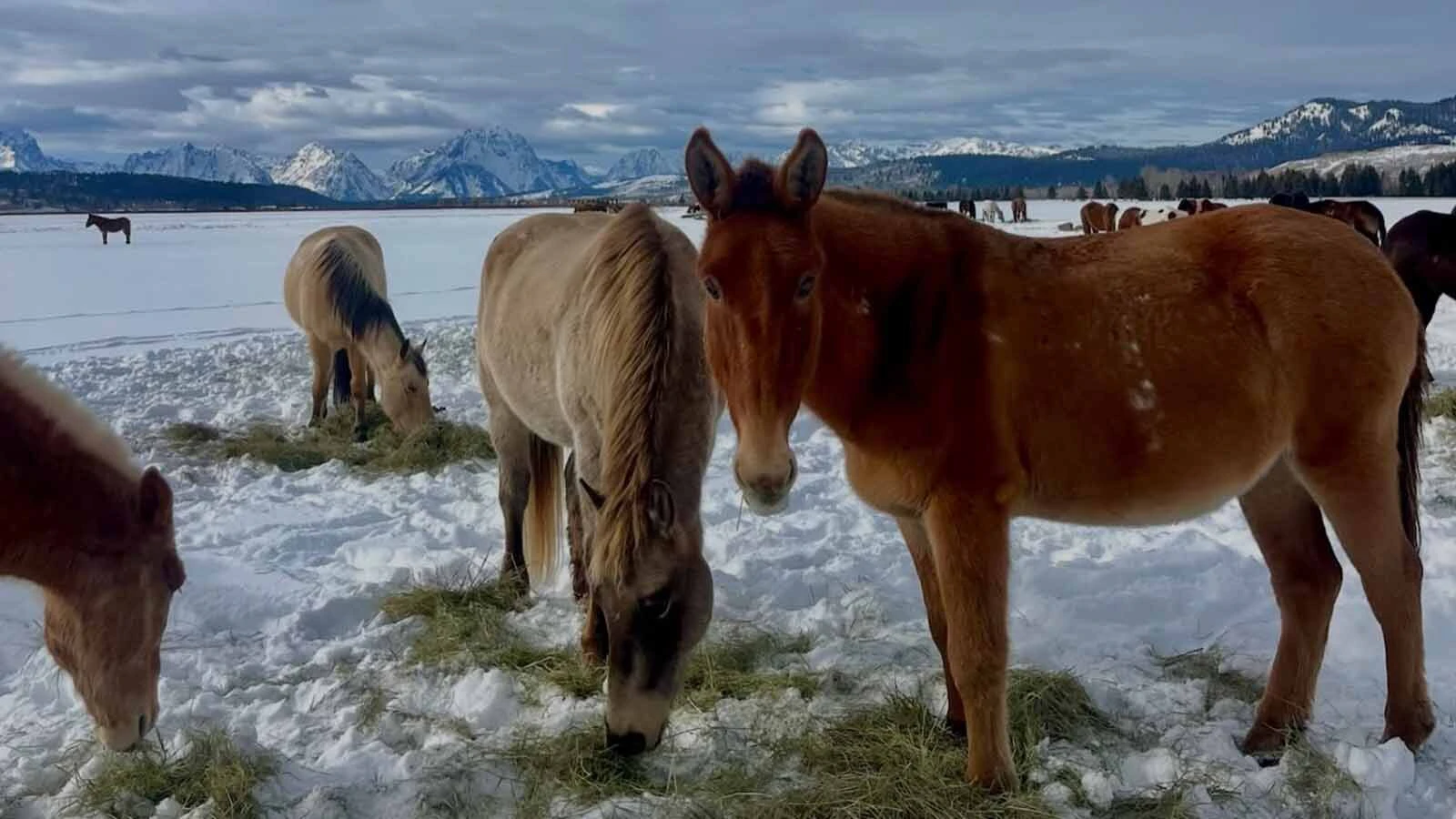
This year marks the 100th anniversary of the legendary Triangle X Ranch in Grand Teton National Park, now led by a fifth generation of the Turner family. (Courtesy Triangle X Ranch) 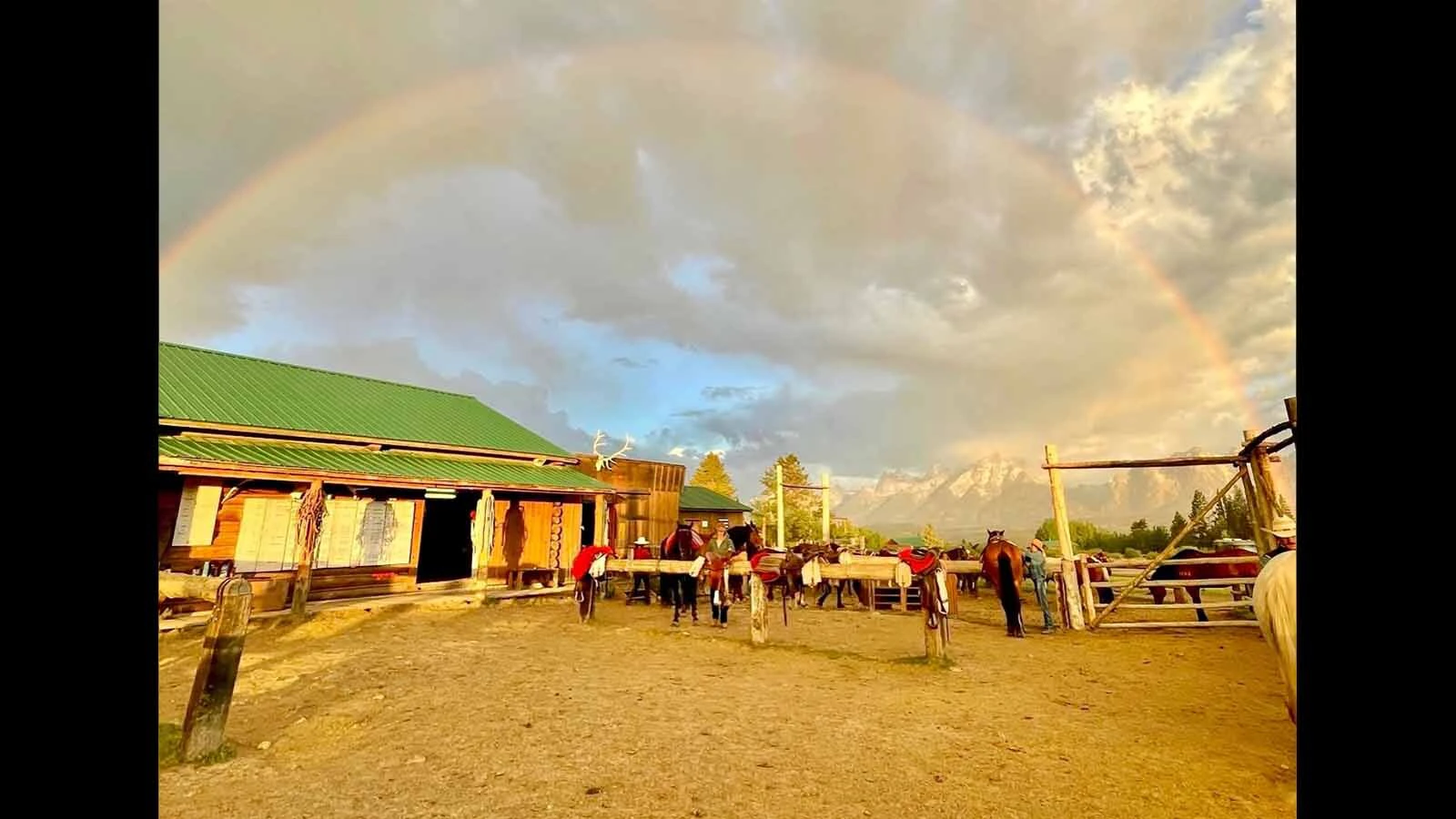
This year marks the 100th anniversary of the legendary Triangle X Ranch in Grand Teton National Park, now led by a fifth generation of the Turner family. (Courtesy Triangle X Ranch) 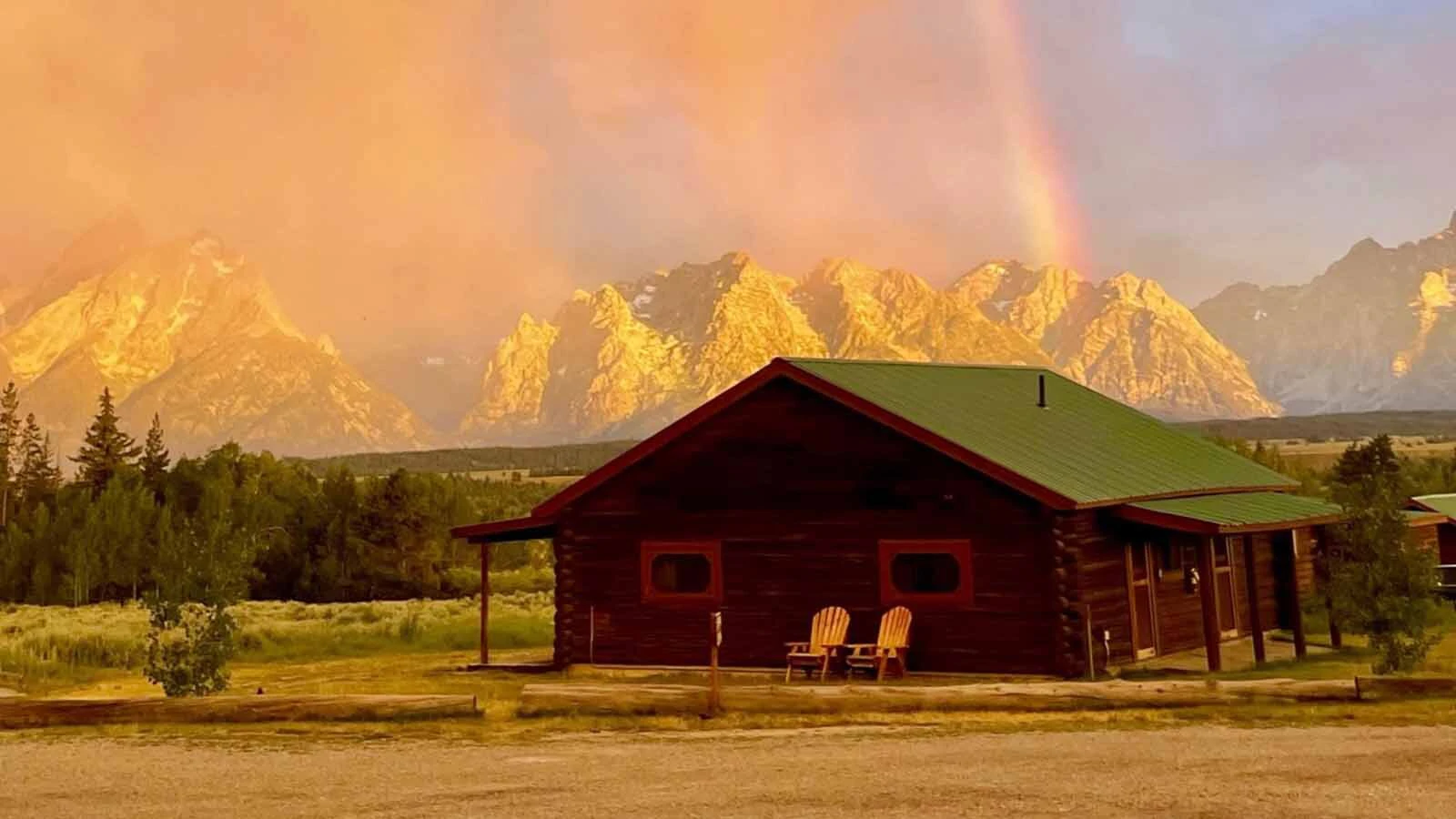
This year marks the 100th anniversary of the legendary Triangle X Ranch in Grand Teton National Park, now led by a fifth generation of the Turner family. (Courtesy Triangle X Ranch) 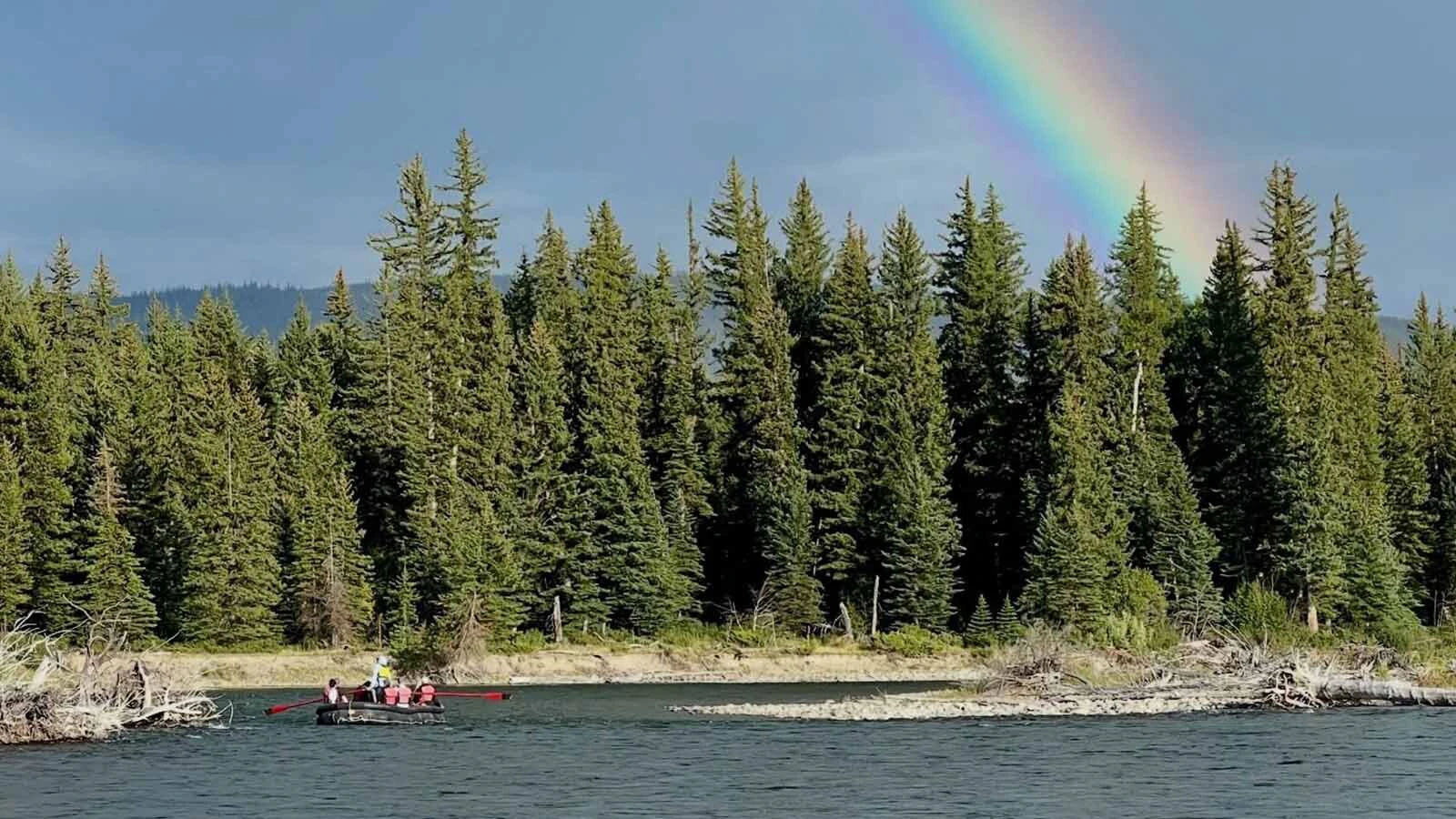
This year marks the 100th anniversary of the legendary Triangle X Ranch in Grand Teton National Park, now led by a fifth generation of the Turner family. (Courtesy Triangle X Ranch)
Will The Legacy Last?
Traditions like these stand apart in an era when most family-run concessions in the National Parks system have given way to uniform modern offerings.
In the late 1990s, Congress overhauled the rules around concessionaire contracts in a way designed to increase competition. Yet those reforms have also seen contracts increasingly flow to a small handful of large hospitality companies.
“Prior to '98, when you stopped at a gas station or a cafe in Yellowstone or any national park, it was owned by a different family and it all had a little bit different flair, a little piece of Americana,” said Robert Turner, general manager of Triangle X.
“Now it's cookie cutter. You go to a restaurant in Mammoth and it's the same damn menu you find at the Grand Canyon,” he said.
For now, the Turners are granted special protections under the GTNP Act of 1950, which recognizes the Triangle X Ranch as a specially protected lessee. But that won’t be the case forever.
“The future is not a given, and we’re aware that in many ways we are at the mercy of the government,” said Kathryn.
Changes in the parks are mirrored elsewhere around Jackson Hole.
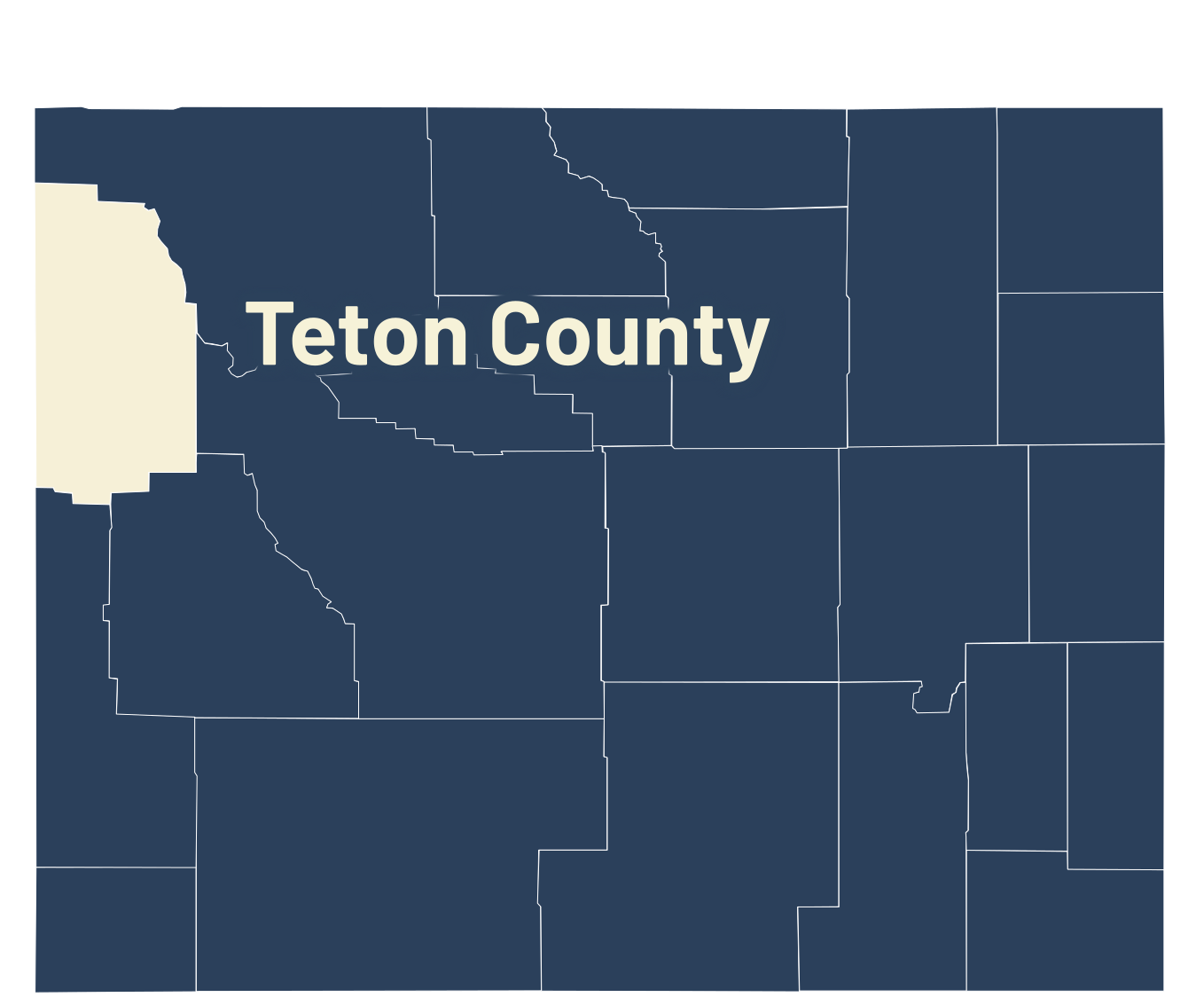
Teton County has gone from the poorest county in Wyoming to the wealthiest in the nation, according to Turner, with new wealth driving living costs up and local residents out.
“There's about 100 in my class at Jackson High School,” said Robert. “There's only four of us that are still in the valley. A lot of them would love to come back. They just can't afford it."
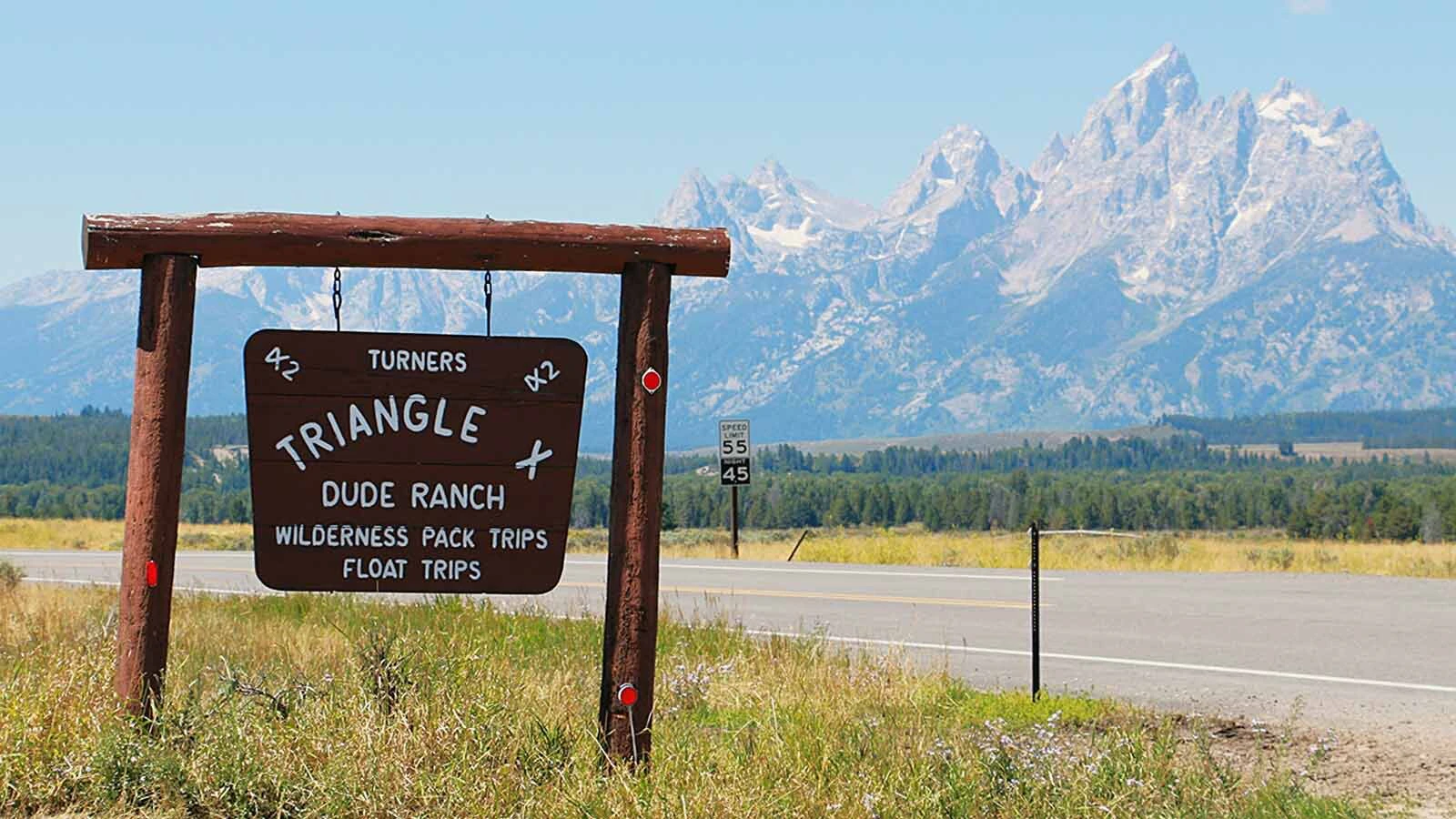
‘It’s Cool To Be A Cowboy'
Not all changes are bad.
Fourth-generation Turners were called country bumpkins and the “morons from Moran” when they first stepped off the bus at Jackson High School.
Fifth-generation Turners are now the coolest kids in town.
“Western-like culture’s become so romanticized that now people want to be like us, rather than want to make fun of us,” said Grace. “It's cool to be a cowboy.”
For the last remaining third-generation Turner, the most warmly welcomed change is electricity.
“We’d work year-round just to survive winter. The mountains of wood we had to pile,” John Turner said.
As for Turner’s busy lifestyle, nothing’s changed. He just finished restoring a pair of rawhide pine deck chairs, and he’s right on to the next project.
“I’ve got to let you go,” he said. “I’m in charge of all the gravel roads in our little subdivision, and I need to figure out where I’m going to put a 24-load dump truck.”
Zakary Sonntag can be reached at zakary@cowboystatedaily.com.