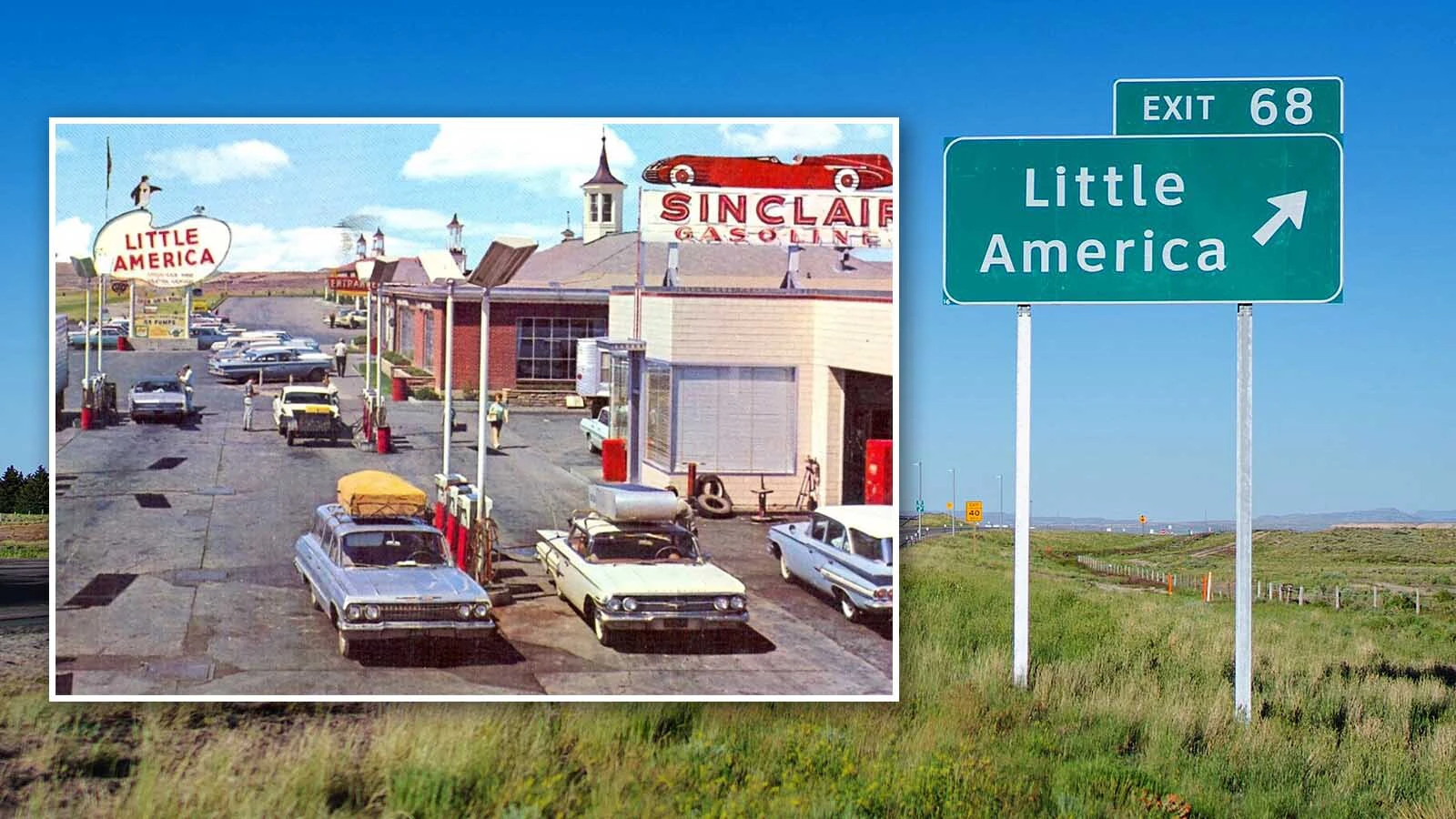
The stuffed penguin may have already found itself a new spot in the Little America Travel Center, but for fans of this oasis near Green River in Wyoming, the original 92-year-old hotel that’s being demolished holds a lot of memories.
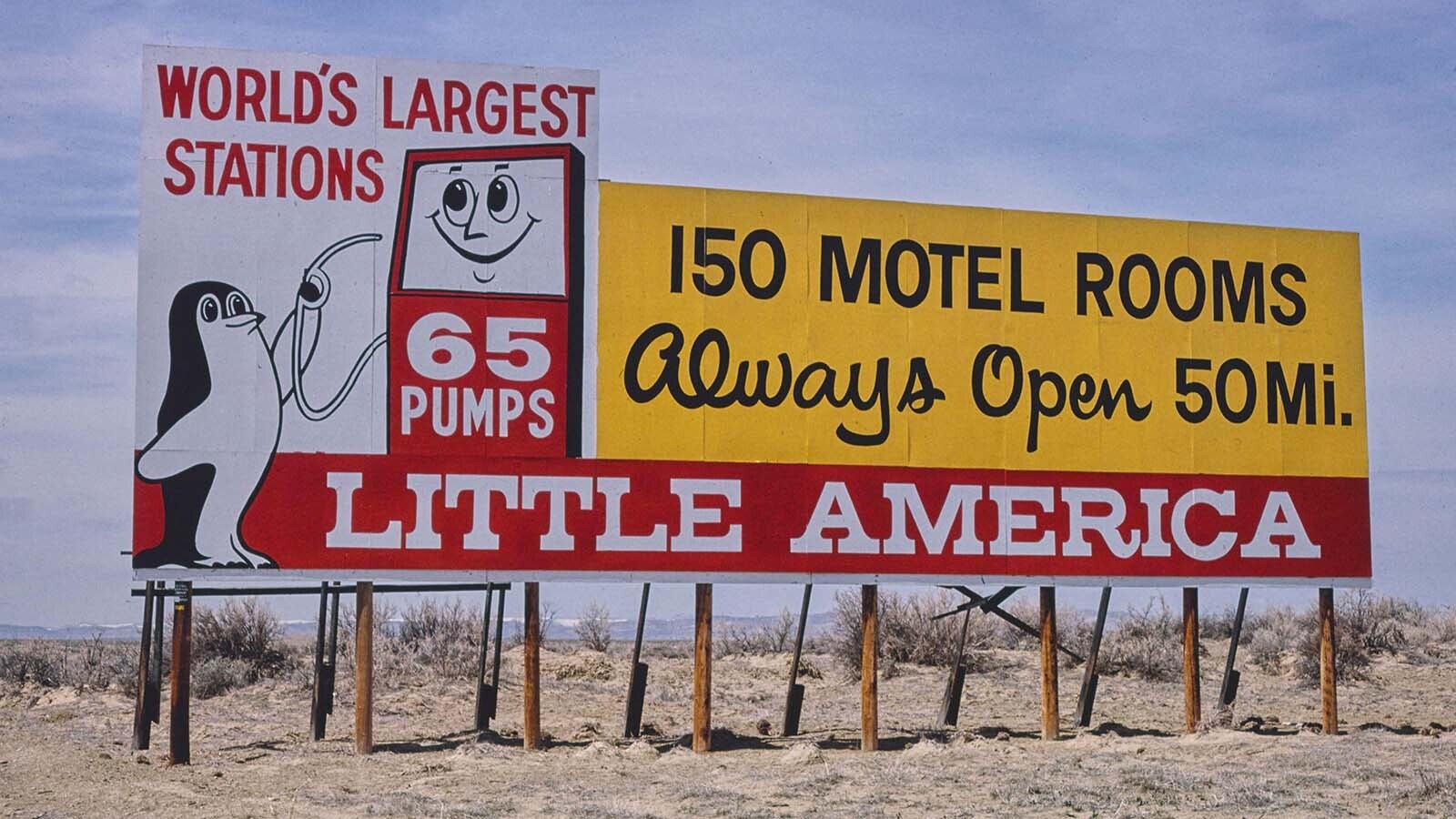
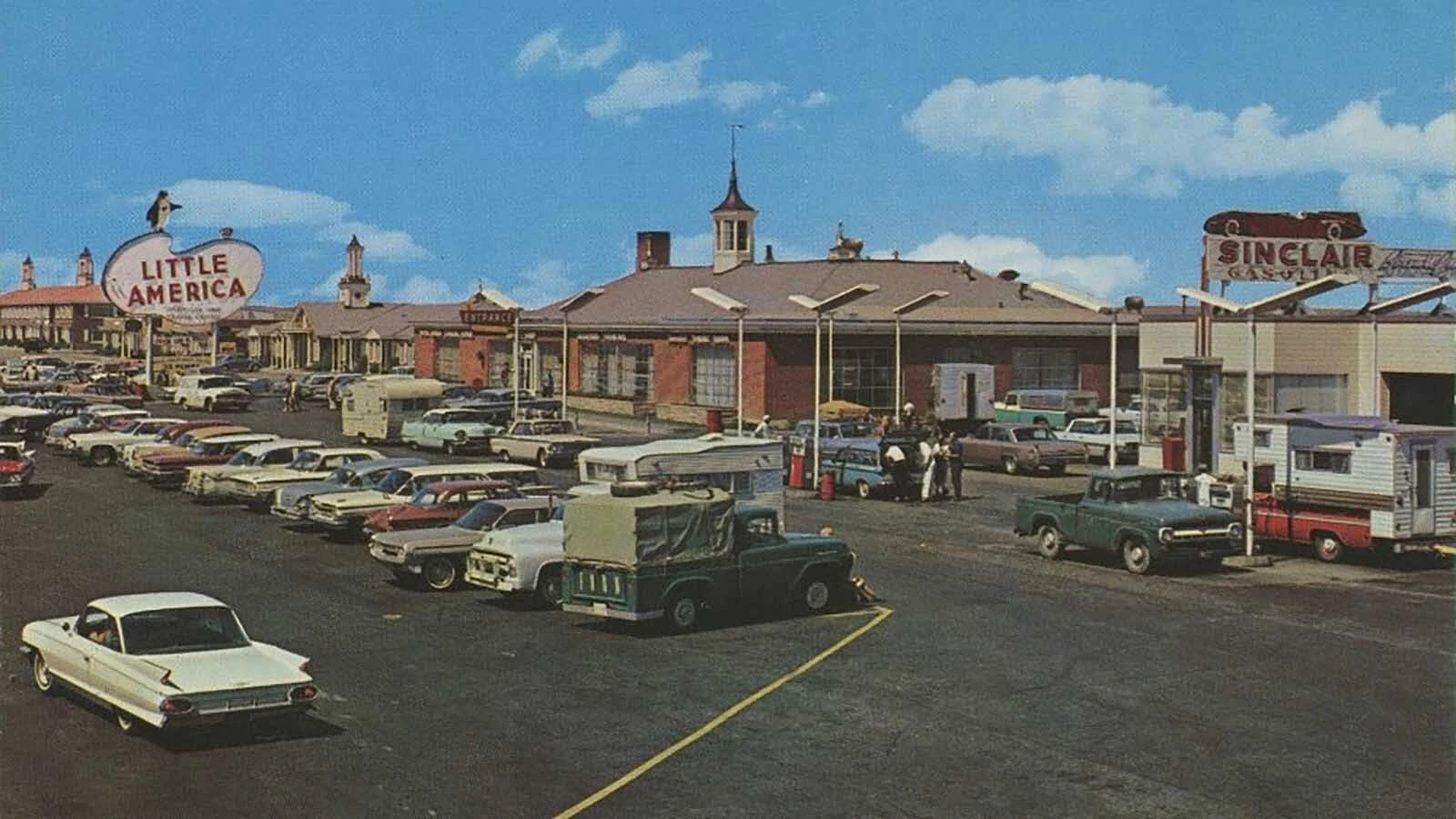
From cheap ice cream cones, its iconic penguin mascot and seemingly endless roadside billboards, Little America opened in 1934 and became a destination for families road-tripping first across U.S. Highway 30, then Interstate 80.
Cowboy State Daily has received numerous messages from people wanting to share memories of Little America and lament the destruction of its brick lodges, which many travelers described as clean and cozy.
The one-story rooms are a 1960s-time capsule, built in their present location along I-80 after a 1948 fire. But they have been standing for decades, and are no longer cost-effective to repair, Little America officials told Cowboy State Daily.
Because of that, the company is tearing the aging hotel buildings down to focus instead on its existing RV park and its expanded travel center.
Little America will still cater to motorists wanting to gas up and take a quick break from driving with its cafe, gift shop, and sizable children’s playground.
Even without a hotel, the company says it's still offering respite for weary travelers, as well as a place to find forgotten items for those staying in the RV Park.
The stuffed emperor penguin on display at the Green River Little America started its journey to Wyoming from Antarctica alive and died during transport. The plan was to keep a living penguin at the hotel, but it was doomed from the start. But that didn't stop the hotel from adopting the penguin as its mascot. 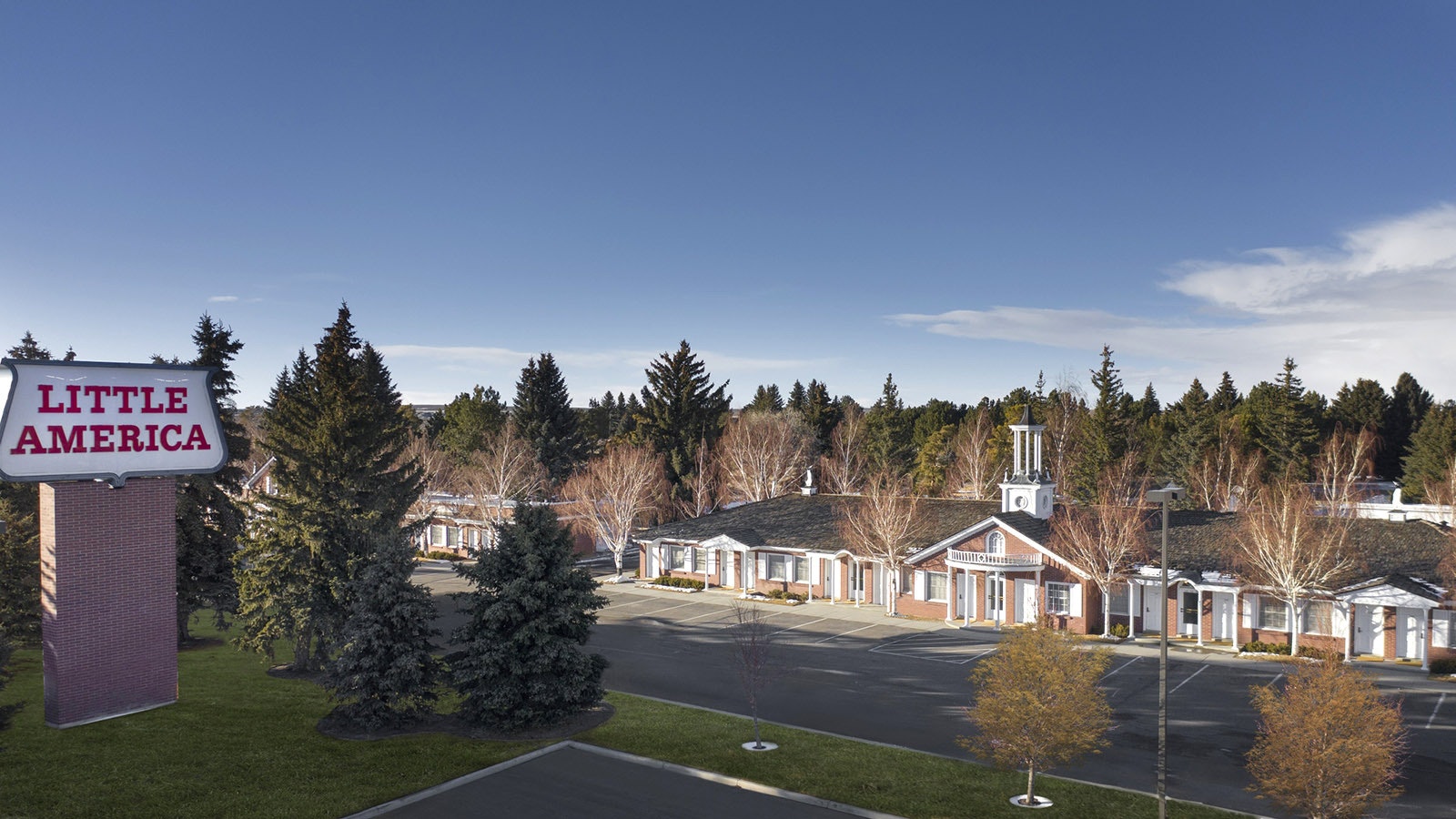
Little America Wyoming presents a classic American facade that sets a tone for more than a hotel, it's a small city of its own, complete with a ZIP code. (Little America Wyoming via Facebook) 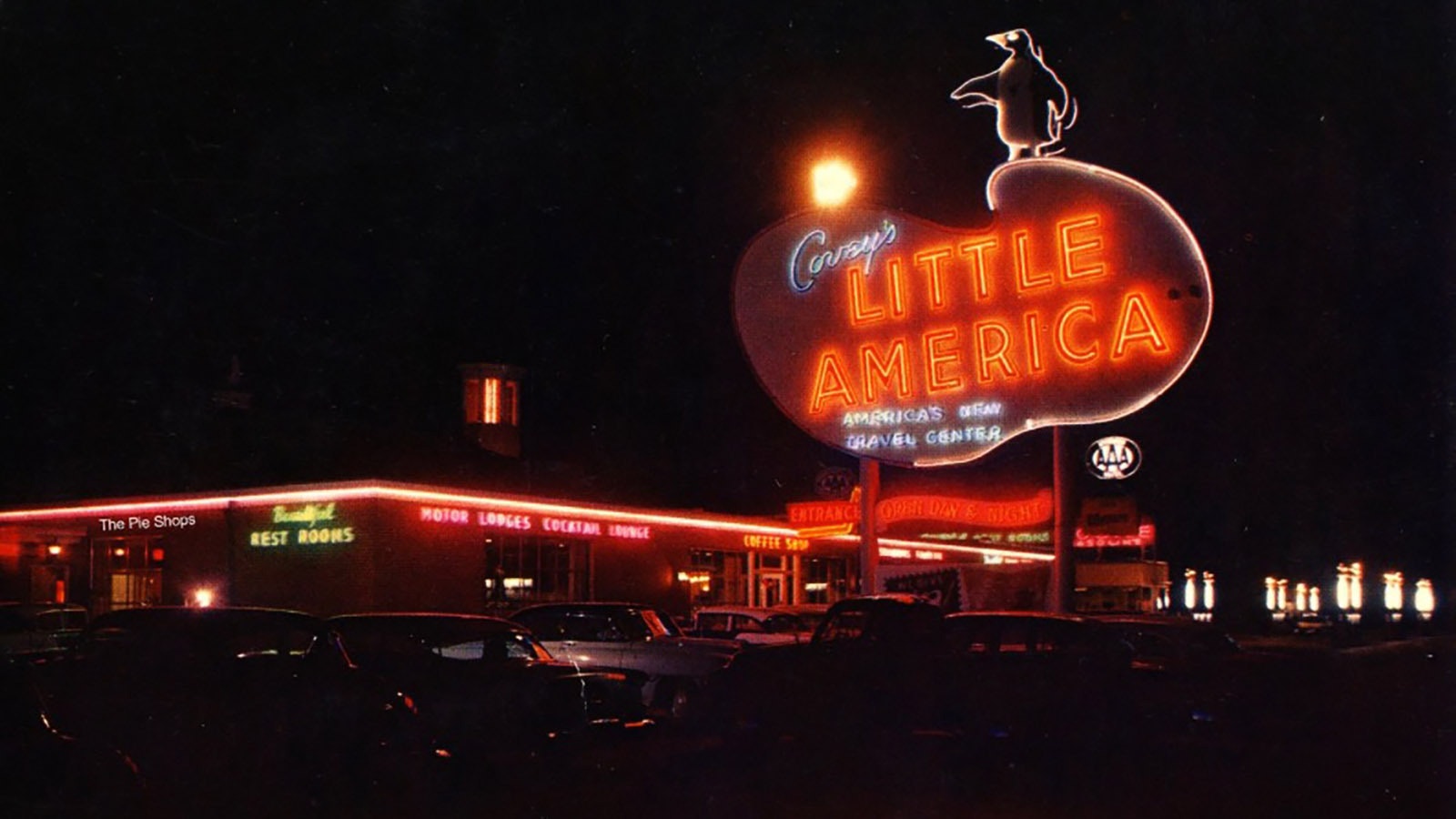
The classic neon of Little America in the 1950s and 1960s. (Little America Wyoming via Facebook) 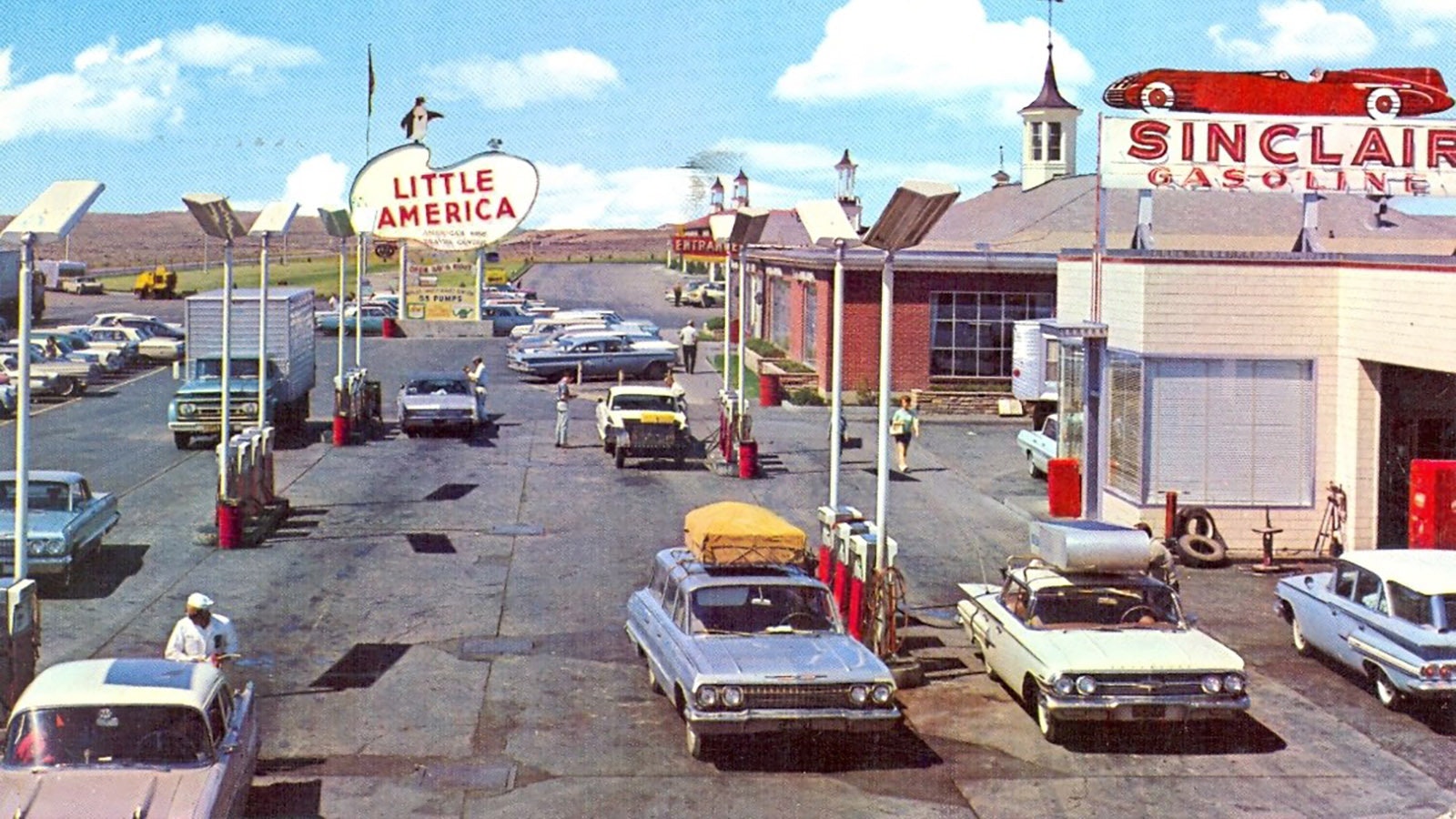
Little America Wyoming is a mandatory stop for many travelers across Interstate 80, even if it's just to fuel up. (Little America Wyoming via Facebook) 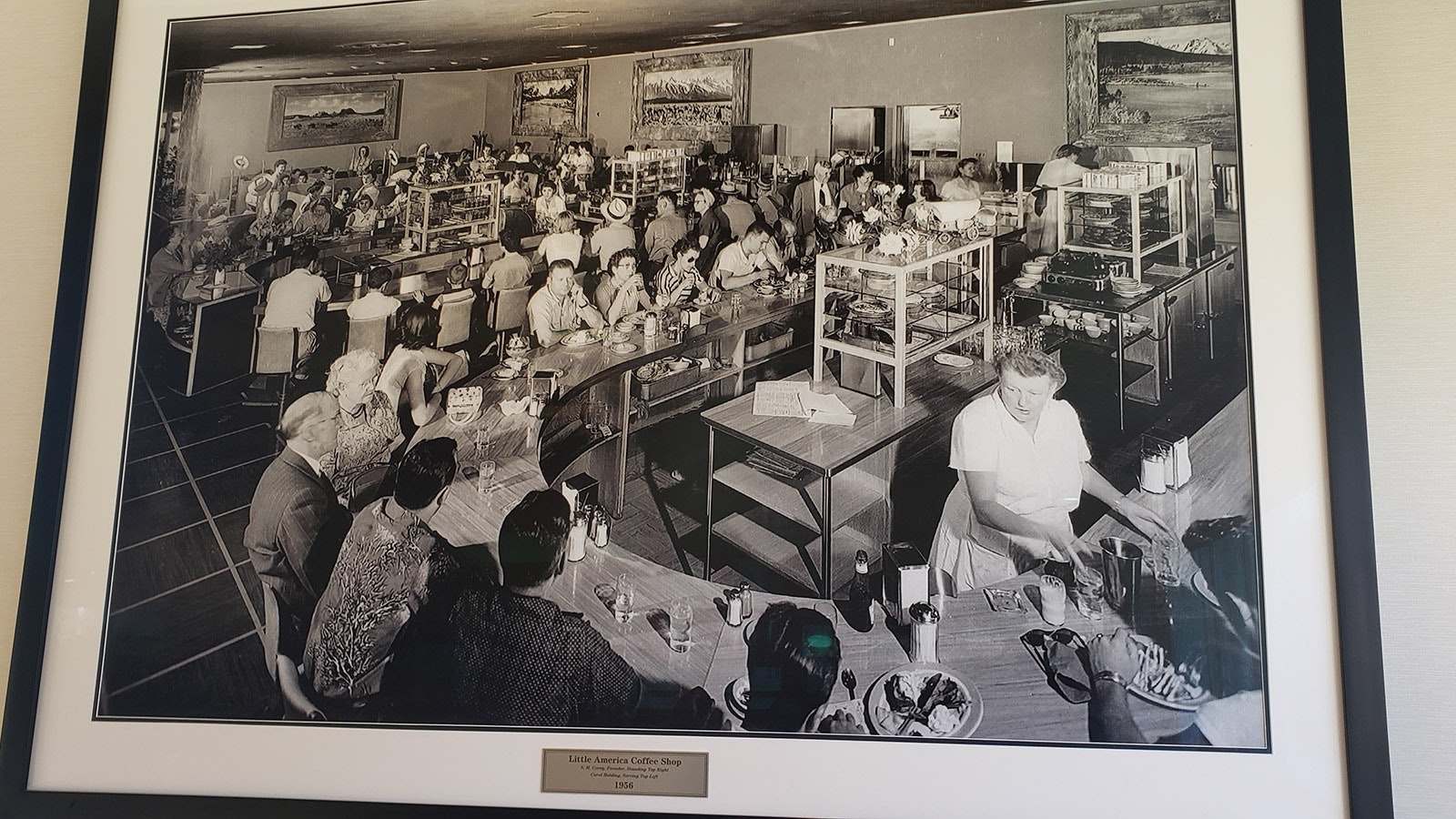
The diner is packed in this vintage photo. (Renée Jean, Cowboy State Daily)
‘LA’ Meant Pancakes, Penguins, And Family
For special occasion breakfasts or dinners — think Sundays after church — Rock Springs resident Albert Bazzanella’s grandpa would often suggest the family take a road trip to “LA."
That would have Bazzanella and his sister, who were children at the time, laughing and giggling. They knew their grandpa didn’t mean some far-away place in California. He meant Little America, the place with 5-cent ice cream cones and huge plates of pancakes, which was a lot closer to home.
“I have a lot of good memories of Little America as a kid and a young adult as well,” Bazzanella told Cowboy State Daily. “I think it’s a great feeling know that we have some ‘firsts’ in the state of Wyoming, like the first JCPenney store in Kemmerer and the first Little America.
"Just the fact that these places originated in Wyoming and grew to be such well-known and recognized places by everyone throughout the United States and the world for that matter is amazing.”
'Heartbreaking' Loss
Bazzanella is one of many Wyomingites who sees the demolition of Little America’s hotels as “heartbreaking.”
“Knowing that we are losing such an iconic piece of history known as Little America really makes me sad,” he said. “But I have a lot of great memories with family at Little America, and those memories can never be taken away.”
Memories like meeting owner Earl Holding in the 1970s.
“I was just a kid,” Bazzanella said. “But he was a really nice, down-to-earth guy.”
Holding and Bazzanella’s father had become good friends after a chance encounter at the Mustang Restaurant in Green River.
“My dad was a milkman working for Cream ‘O’ Weber Dairies back in the day,” he said. “From what I remember him telling me, he was delivering milk to the Mustang Restaurant, and Mr. Holding was eating breakfast there. They struck up a conversation and became real good friends.”
Little America became a must-stop for the family any time they were visiting family in Kemmerer or headed to Salt Lake City.
“I remember getting ice cream cones for 5 cents,” he said. “They were advertised on billboards along Interstate 80 with the Little America Penguin. I believe the penguin’s name was Emperor.”
Bazzanella’s family didn’t ever stay in the motel, since they lived in Rock Springs, but Bazzanella remembers how he and his sister would get to pick out a souvenir from the gift shop if they’d been well-behaved while there.
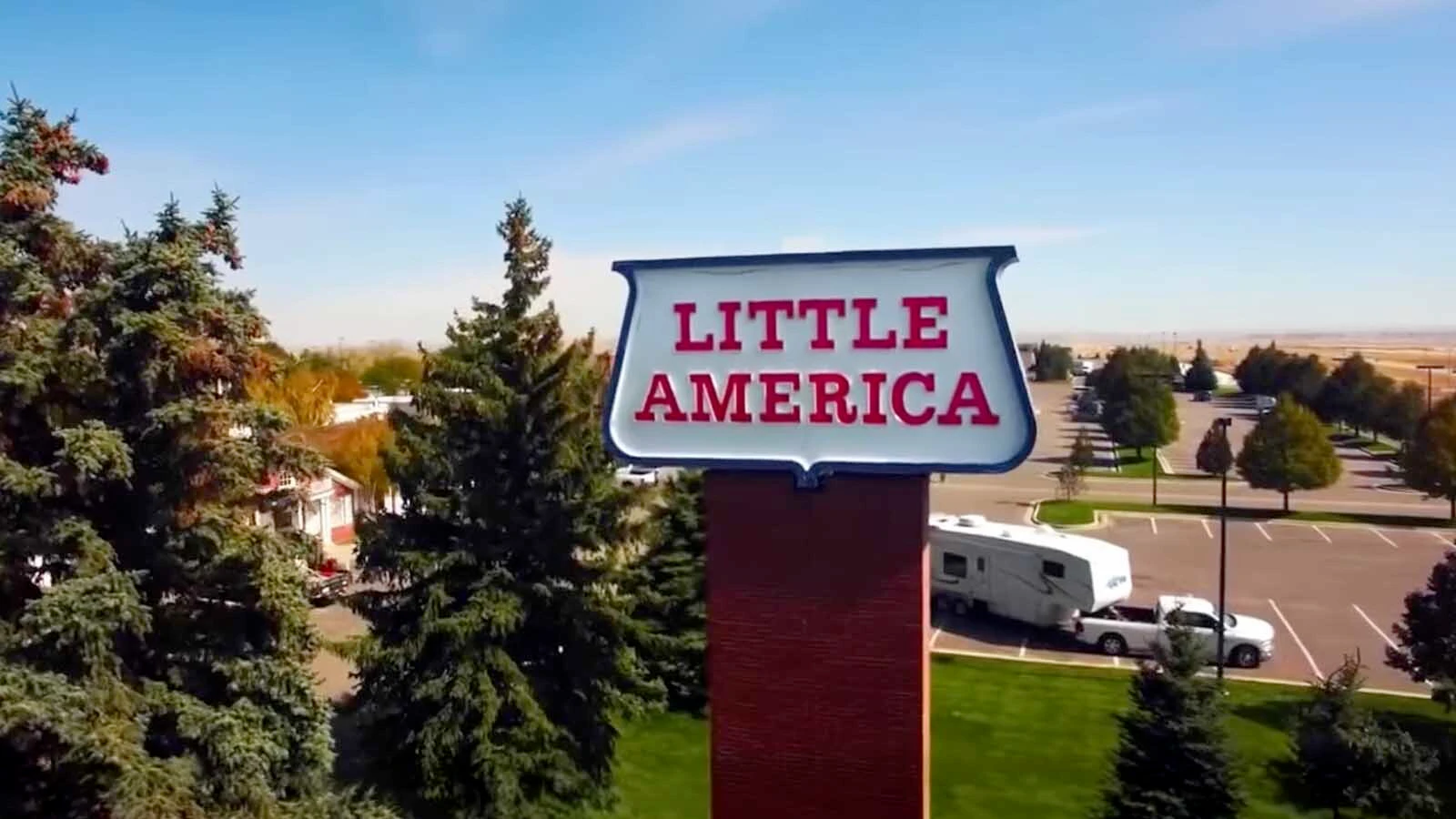
Fans of the Little America hotel near Green River say its demolition is “heartbreaking.” Its cheap ice cream cones, penguin mascot and endless roadside billboards are legendary. It’s also been a lifesaving haven from Wyoming’s notorious blizzards. (The Little America Hotel Wyoming via Facebook) 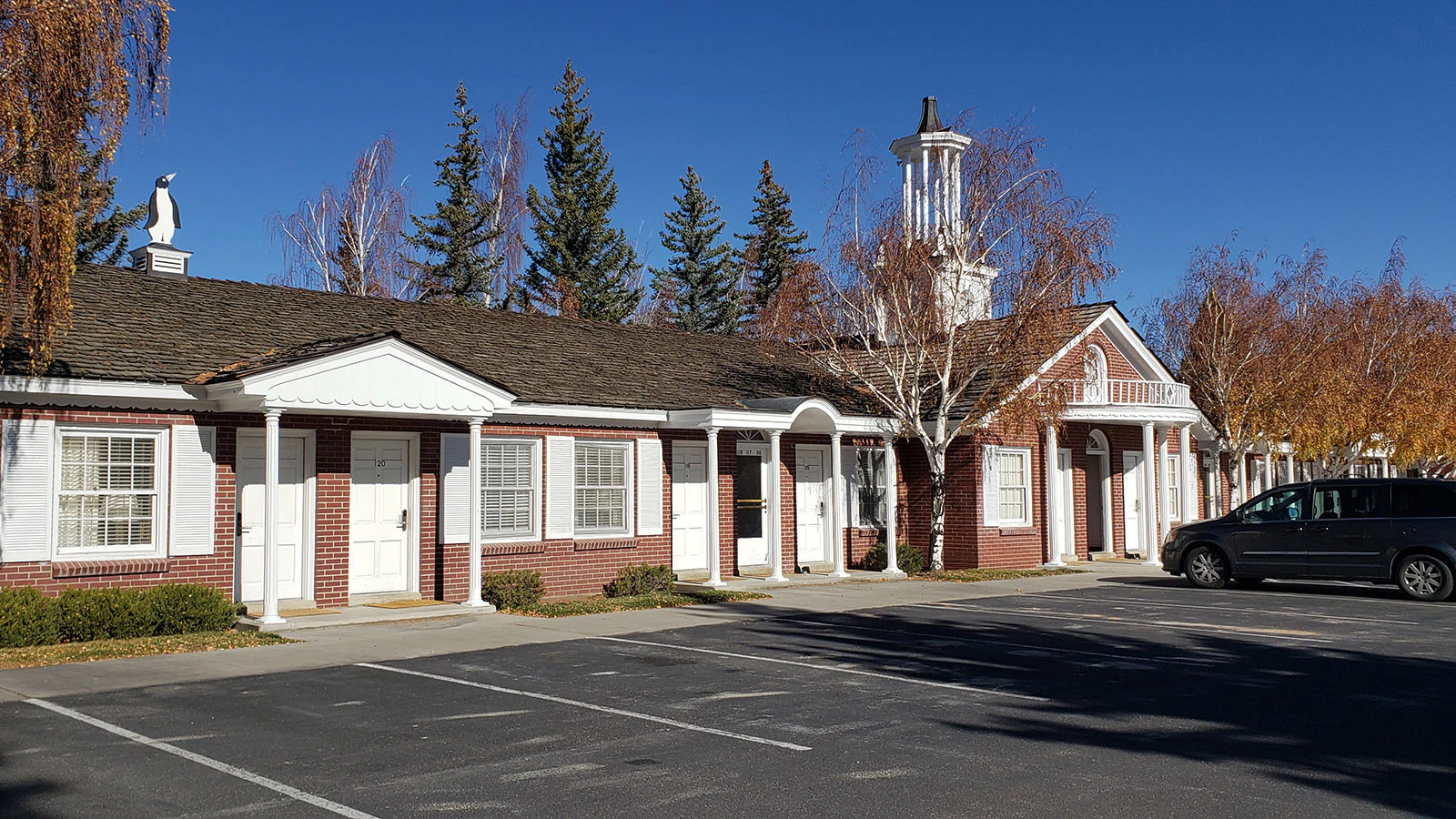
Fans of the Little America hotel near Green River say its demolition is “heartbreaking.” Its cheap ice cream cones, penguin mascot and endless roadside billboards are legendary. It’s also been a lifesaving haven from Wyoming’s notorious blizzards. (The Little America Hotel Wyoming via Facebook) 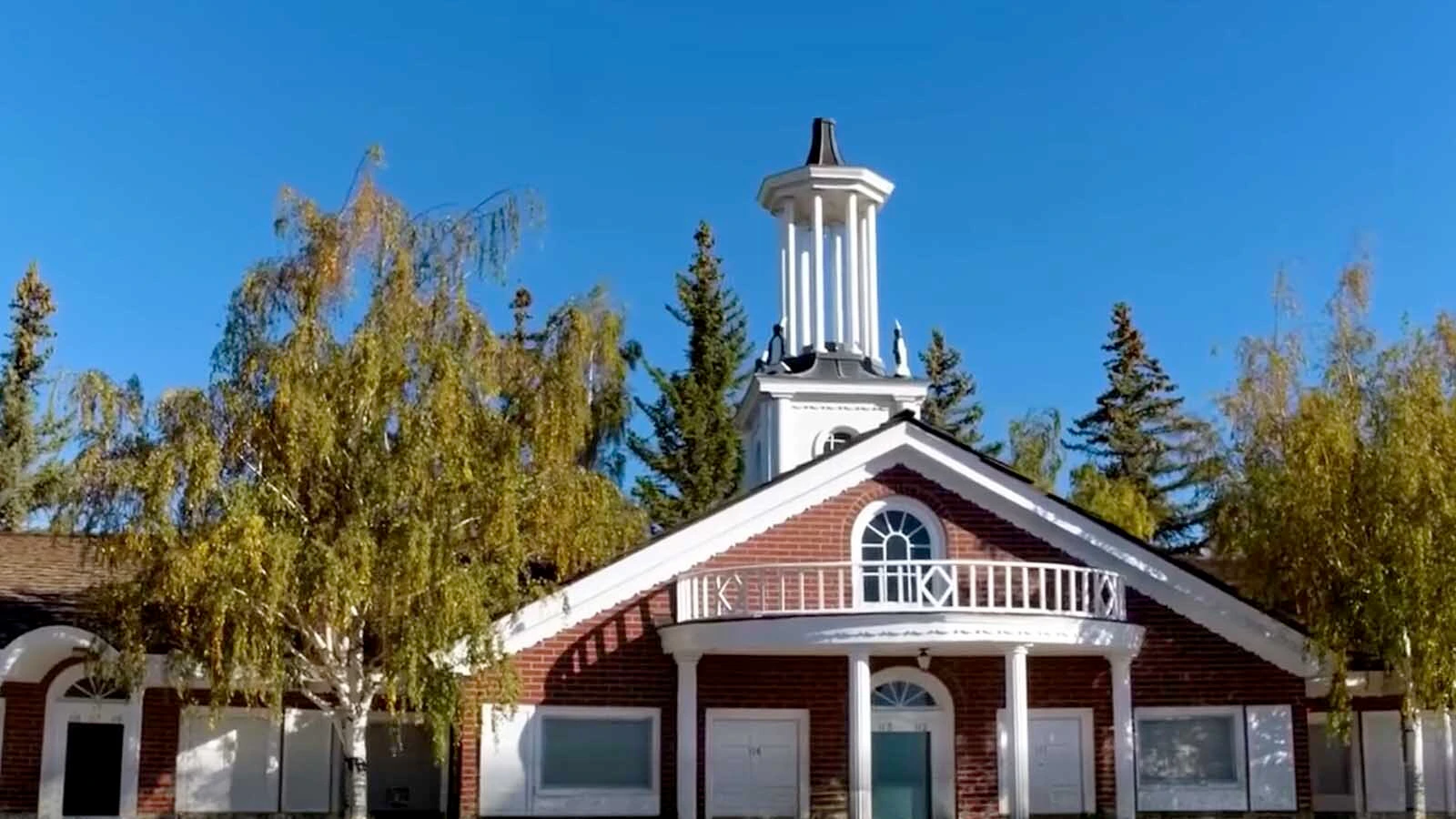
Fans of the Little America hotel near Green River say its demolition is “heartbreaking.” Its cheap ice cream cones, penguin mascot and endless roadside billboards are legendary. It’s also been a lifesaving haven from Wyoming’s notorious blizzards. (The Little America Hotel Wyoming via Facebook) 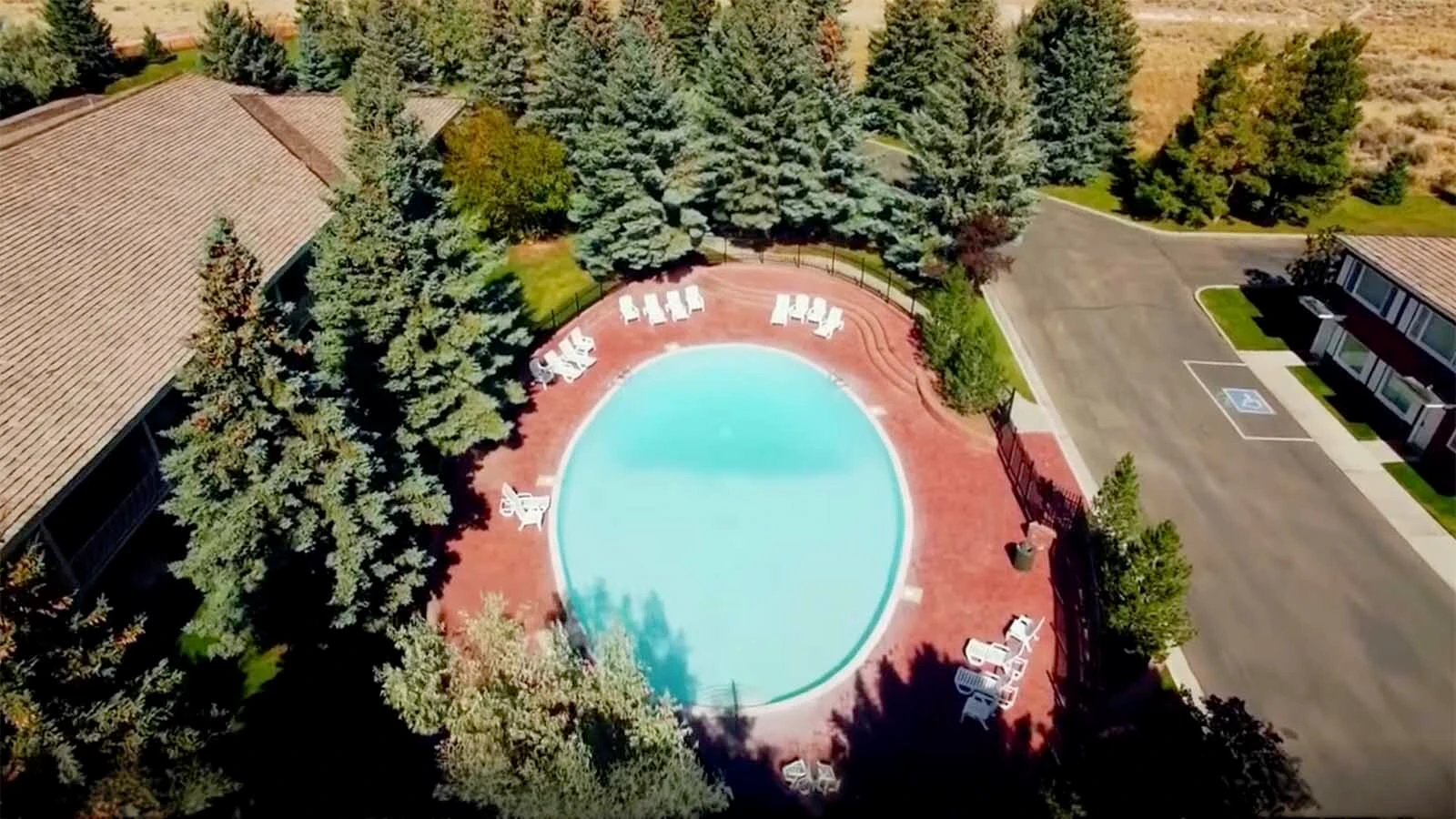
Fans of the Little America hotel near Green River say its demolition is “heartbreaking.” Its cheap ice cream cones, penguin mascot and endless roadside billboards are legendary. It’s also been a lifesaving haven from Wyoming’s notorious blizzards. (The Little America Hotel Wyoming via Facebook) 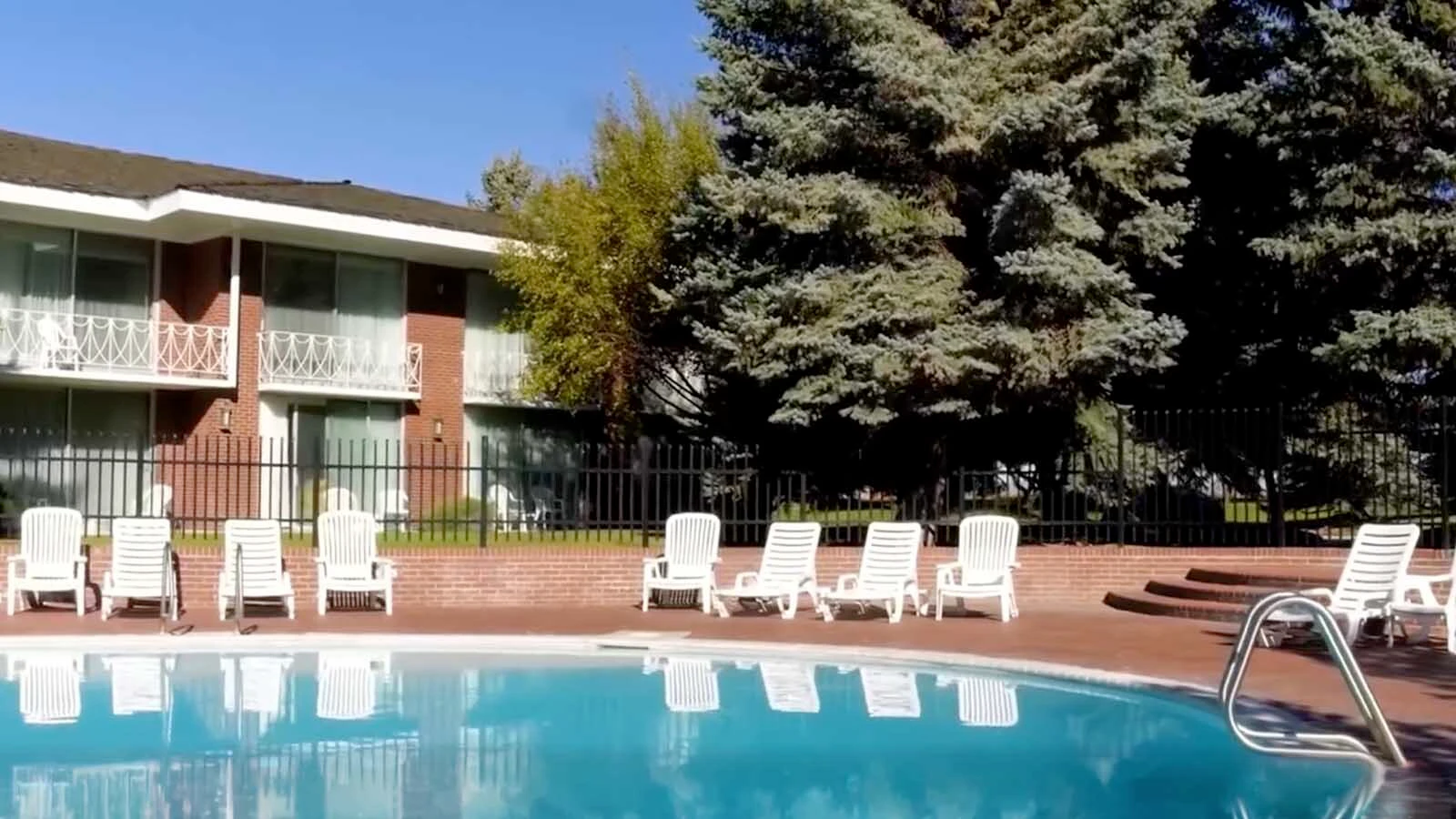
Fans of the Little America hotel near Green River say its demolition is “heartbreaking.” Its cheap ice cream cones, penguin mascot and endless roadside billboards are legendary. It’s also been a lifesaving haven from Wyoming’s notorious blizzards. (The Little America Hotel Wyoming via Facebook) Fans of the Little America hotel near Green River say its demolition is “heartbreaking.” Its cheap ice cream cones, penguin mascot and endless roadside billboards are legendary. It’s also been a lifesaving haven from Wyoming’s notorious blizzards. (The Little America Hotel Wyoming via Facebook)
A Warm Light In Any Storm
For some, Little America meant more than just a cheap ice cream cone and a tank of gas. It was often safety from a perilous blizzard or hazardous wind, a place where the lights were always on and the rooms always warm.
Gene Bryan, a former Wyoming tourism director, remembers the time he and his family were caught in a Wyoming whiteout along I-80.
“It was a terrible mess,” he said. “And my dad was probably as good a driver as any whoever drove a vehicle. He was in the trucking business all his life, so he knew how to drive in every possible kind of condition.”
But even he was mighty relieved to see the friendly warm glow of Little America suddenly appear on the horizon.
“Boy, you talk about coming up at the right time,” Bryan said.
Years later, Bryan never failed to stop at Little America if it was on his way, even if only for food and fuel.
Wyoming paramedic Crystal Zimmerschide feels the same way after having a similar experience.
She was driving alone from Gillette to Ogden, Utah, for paramedic school when the snow and wind turned treacherous.
Fortunately for her, when Wyoming suddenly closed the highway, she was right by Little America.
“I was very thankful that motel was there, because it was one of those freak snowstorms that hits you all of a sudden, and you can’t go forward,” she said. “They didn’t really have the rolling closures then, like they do now, so there was very little warning. They had to shut down right there at Little America.”
The room and the television were small, Zimmerschide recalled, but it meant the world to have a safe place from the storm. In retrospect, it was probably perfect, because she needed to study, and the hotel didn’t offer a lot of distractions.
Hospitality Born From Wish For Respite
Providing respite is how Little America got its start.
Before there was a travel center and dozens of billboards marching across Wyoming and Utah, there was a simple sheepherder caught up in a howling Wyoming winter storm.
Stephen Mack Covey became lost in a “raging northeast blizzard,” which forced him to hunker down for one long, lonely, and cold night.
It was a terrible storm, with 50 mph wind and temperatures that dropped to minus 40.
“Oh, how I longed for a warm fireside, something to eat, and wool blankets,” Covey would later recall. "I thought what a blessing it would be if some good soul would build a house of shelter of some kind on that god-forsaken spot.”
After Covey saw Admiral Richard E. Byrd’s 1929 expedition to Antarctica, he remembered that wish, born on a bitter cold night, and decided to make good on it.
He built a modest motel with 12 cabins, two gas pumps, a cocktail lounge and a 24-seat cafe — in the middle of nowhere.
Somehow it worked. The price of a burger when he opened was 35 cents. A gallon of gas was 16 cents, and ice cream cones were 5 cents.
Covey was so taken with Byrd’s expedition that he named his business Little America and adopted a penguin as his mascot.
When he rebuilt along I-80, he placed dozens of billboards advising travelers how far away his hotel was, and warning them that if they passed it by, there’d be nothing else available for miles.
A Place Where Even Strangers Found Help
Little America became something of a city unto itself, with everything a weary traveler needed. Food to eat, beds in which to sleep, and gas to keep the car going.
It even had its own post office and ZIP code, as well as employee residences.
That made it a community, and it was a community that realized that sometimes people have to rely upon each other.
That made Little America a place where strangers didn’t hesitate to help travelers in need.
Yvonne Spaulding remembers the time when her parents’ car stalled on the way to San Francisco.
They’d stopped at Little America for lunch. When they went back to their car, it wouldn’t start.
“My husband and brother-in-law went into the gas station and sought help,” she told Cowboy State Daily. “Well … we found it! These guys jumped into action and pretty soon the car was ready to go.”
They wouldn’t take any money for their time and trouble, Spaulding added, except the family kept insisting they take $50, and wouldn’t take “no” for answer.
“It was way less than they should have been paid,” she said. “We were so relieved to have the car fixed and eagerly got back in the car and headed back down I-80.”
In Spaulding’s eyes, the people the family met at Little America were “some of the finest folks we encountered on our entire trip to San Francisco.”
“They were all super customer-service oriented, friendly, very helpful, cheerful, and eager to please,” she said. “We will never forget our stop at Little America, and it will always hold a special place in our hearts forever. We all teared up when we saw the hotel was being closed and torn down.”
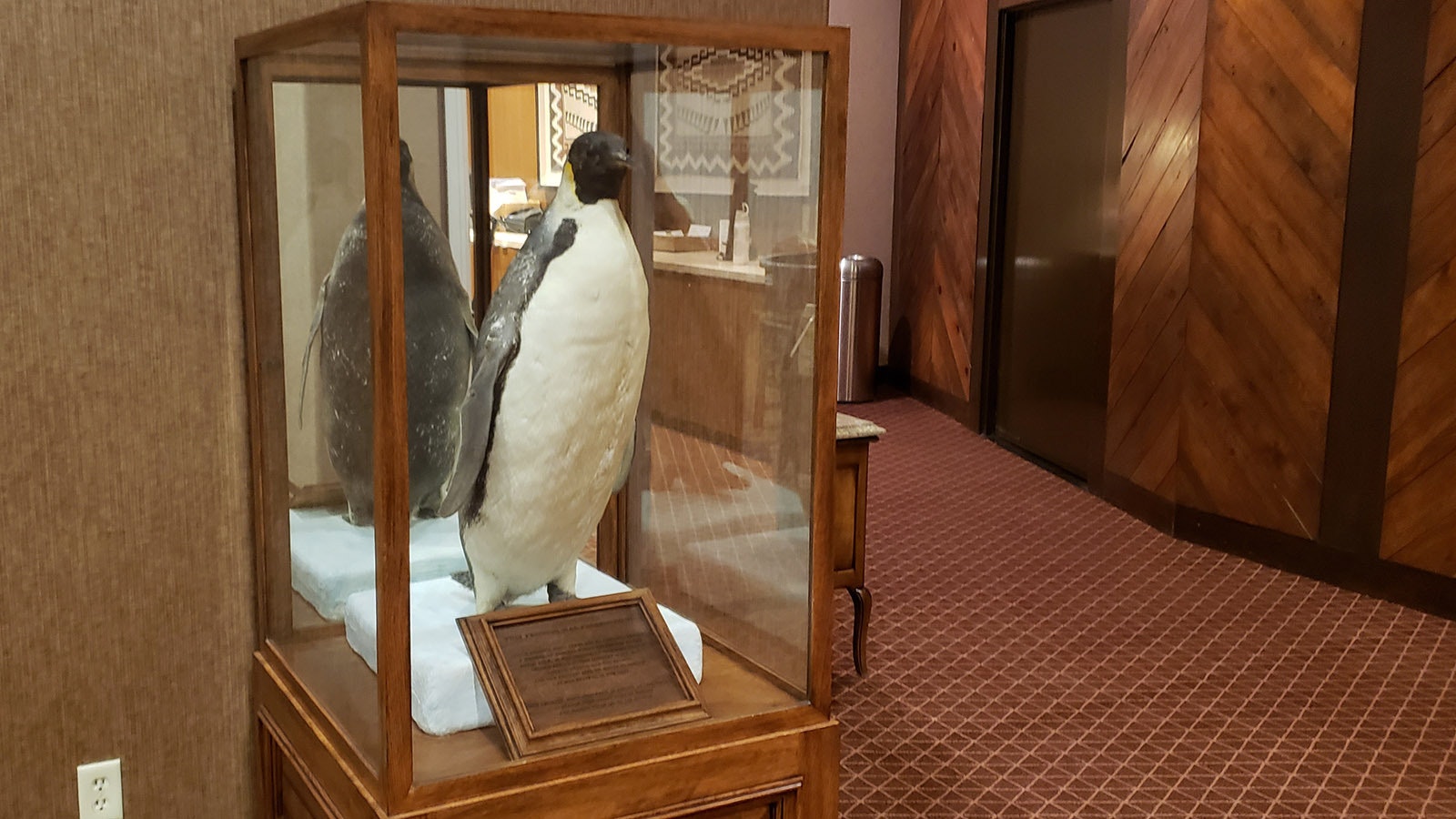
The stuffed emperor penguin on display at the Green River Little America started its journey to Wyoming from Antarctica alive and died during transport. The plan was to keep a living penguin at the hotel, but it was doomed from the start. The bird was taxidermied and arrived stuff, and it remains on display at the first Little America. (Renee Jean, Cowboy State Daily) 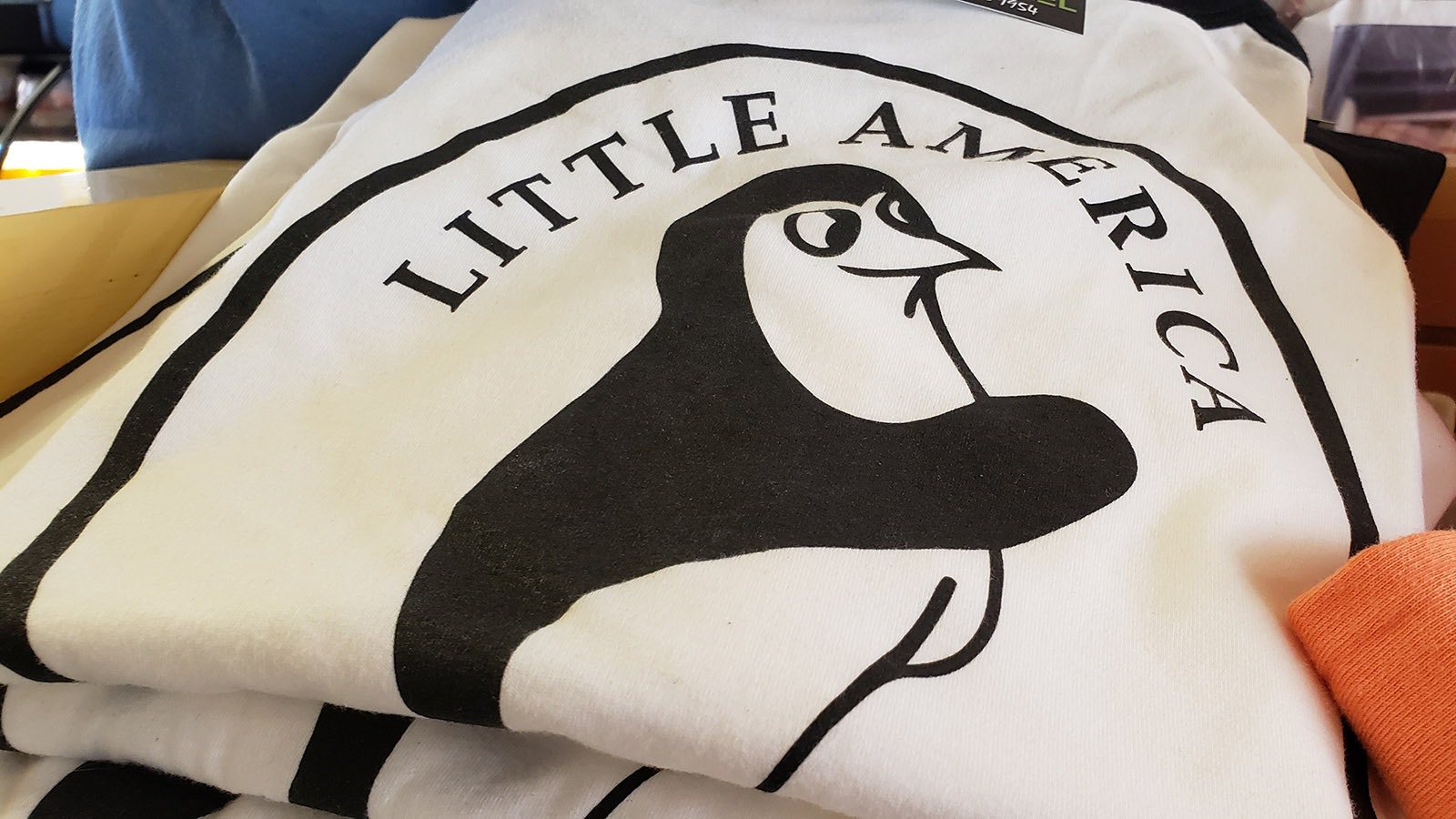
Take home a mascot with this Little America penguin T-shirt. (Renée Jean, Cowboy State Daily) 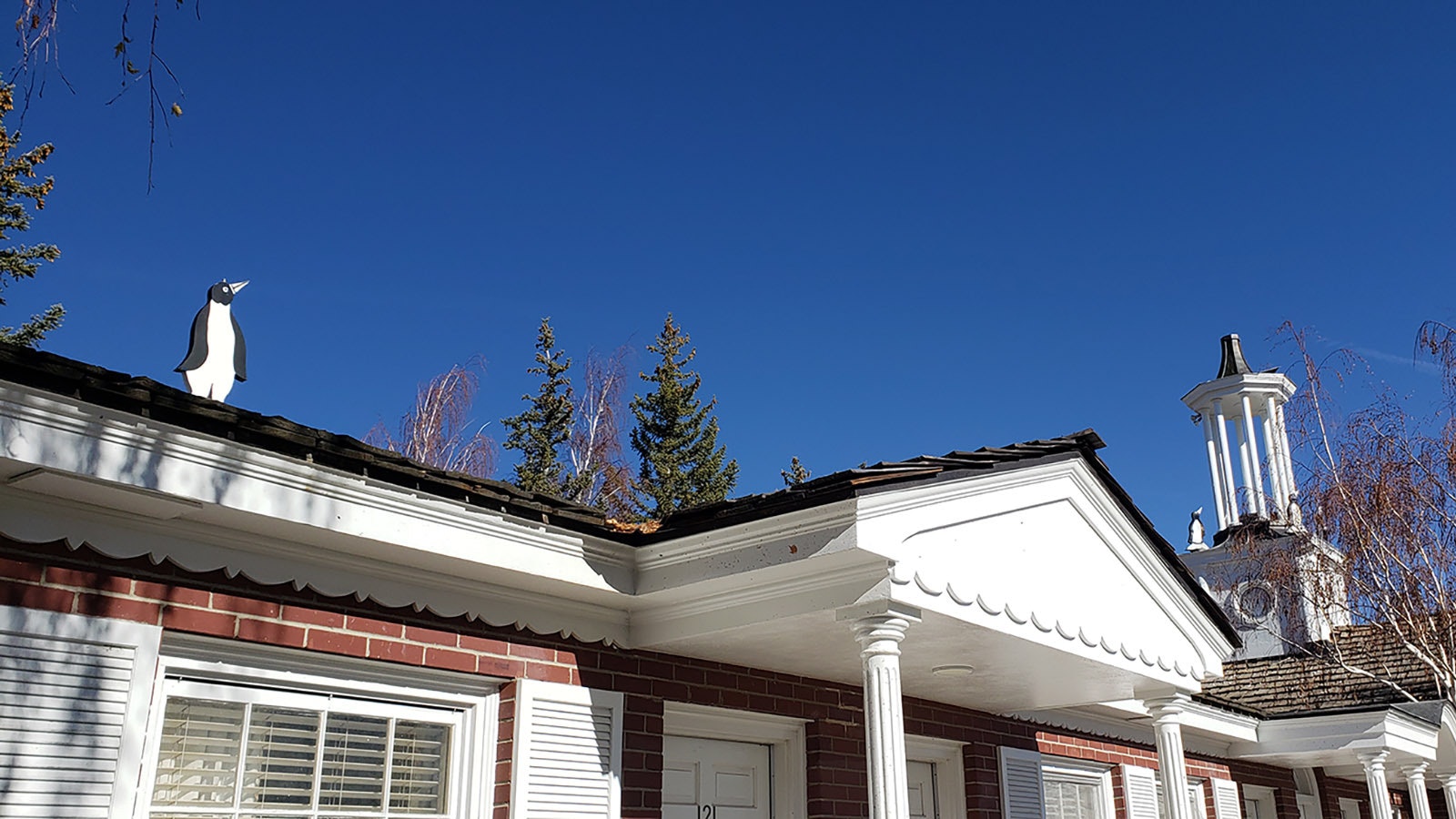
Penguins on top of one of the hotel buildings. (Renée Jean, Cowboy State Daily)
That Penguin
Some of those sharing their memories of Little America never actually got to visit at all.
That was the case for Bruce Jones, who just remembers seeing the Little America signs with its penguin whenever his family visited Wyoming and wishing he could go check it out.
“I always wanted to see (the penguin) but never did,” he said. “Whenever we visited Wyoming, we stayed with family, like most folks we knew.”
Jones is glad to know that Little America isn’t completely shutting down and is just “adjusting to the times.”
He may yet get to see the penguin, though, even though he’s now 78 and doesn’t travel often anymore.
He’s planning a trip to Wyoming in July to meet up with friends and family in Wyoming. That will include stops in Lander and Green River along the way, and perhaps Little America if he’s up to it.
“I decided I had it in me to make one last leisurely trip to see some people who matter to me,” he said. “I may get to see the place yet … and will let you know if I do.”
Some places have a power that pulls on the heart, and Little America was such a place.
Located along a lonely stretch of highway in Wyoming, it was born from a humble sheepherder’s desire to bring warmth and life to others who might be caught in a cold Wyoming snowstorm.
Renée Jean can be reached at renee@cowboystatedaily.com.