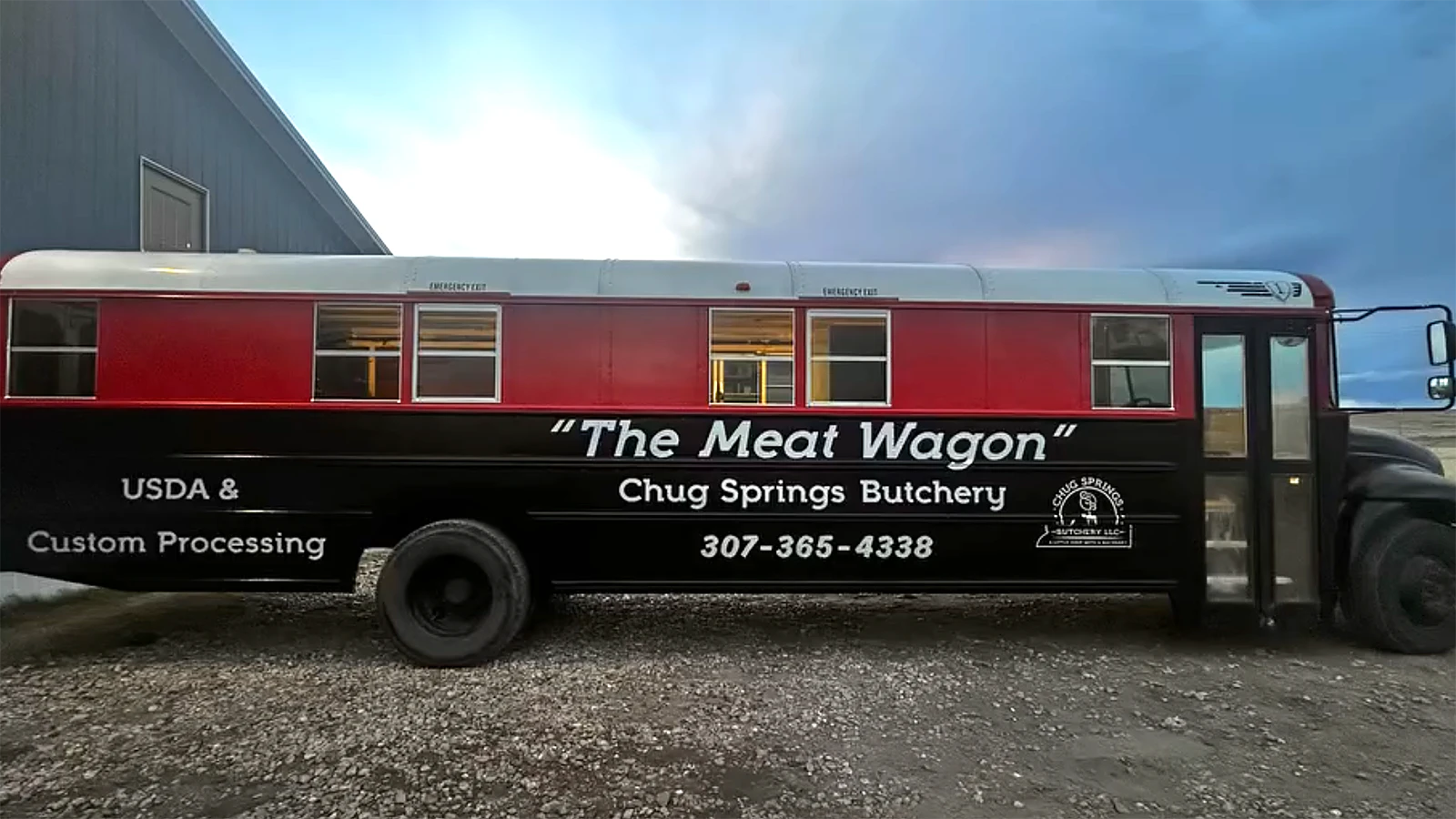
When Alex Springs opened Chug Springs Butchery in tiny Chugwater, Wyoming, the dream was simple. Bring high-quality, Wyoming-raised beef to the people who live there.
Chugwater needed a business like his, he reasoned.
When he talked to people in his small town, they all seemed to agree it was a great idea. Instead of customers, though, what came calling at this hopeful butchery in small-town Wyoming was a big dose of reality.
“People didn’t want to get off at Chugwater to drive to our shop,” Springs told Cowboy State Daily. “And even the Chugwater people who bought from us when we had meat at The Mercantile wouldn’t come out to the shop to buy. Two miles was too far.”
At the same time, some of those same customers will drive all the way to Cheyenne for a shopping trip that includes buying meat from a grocery store.
“I get it. They’re going to Cheyenne for stuff they can’t get in Chugwater,” he said. “They’re just going to buy everything while they’re there so they don’t have to make an extra stop.”
It’s an irksome paradox all too common in Wyoming, a frontier state where shopping options might easily be 100 miles away.
People love the idea of having an option close to home, but the business owner struggles to get enough foot traffic to survive.
As Alex and his wife wrestled with that reality, an idea began to form.
If people wouldn’t come to the meat counter, what if the meat counter came to them instead?
That’s how the Chug Springs Meat Wagon was born.
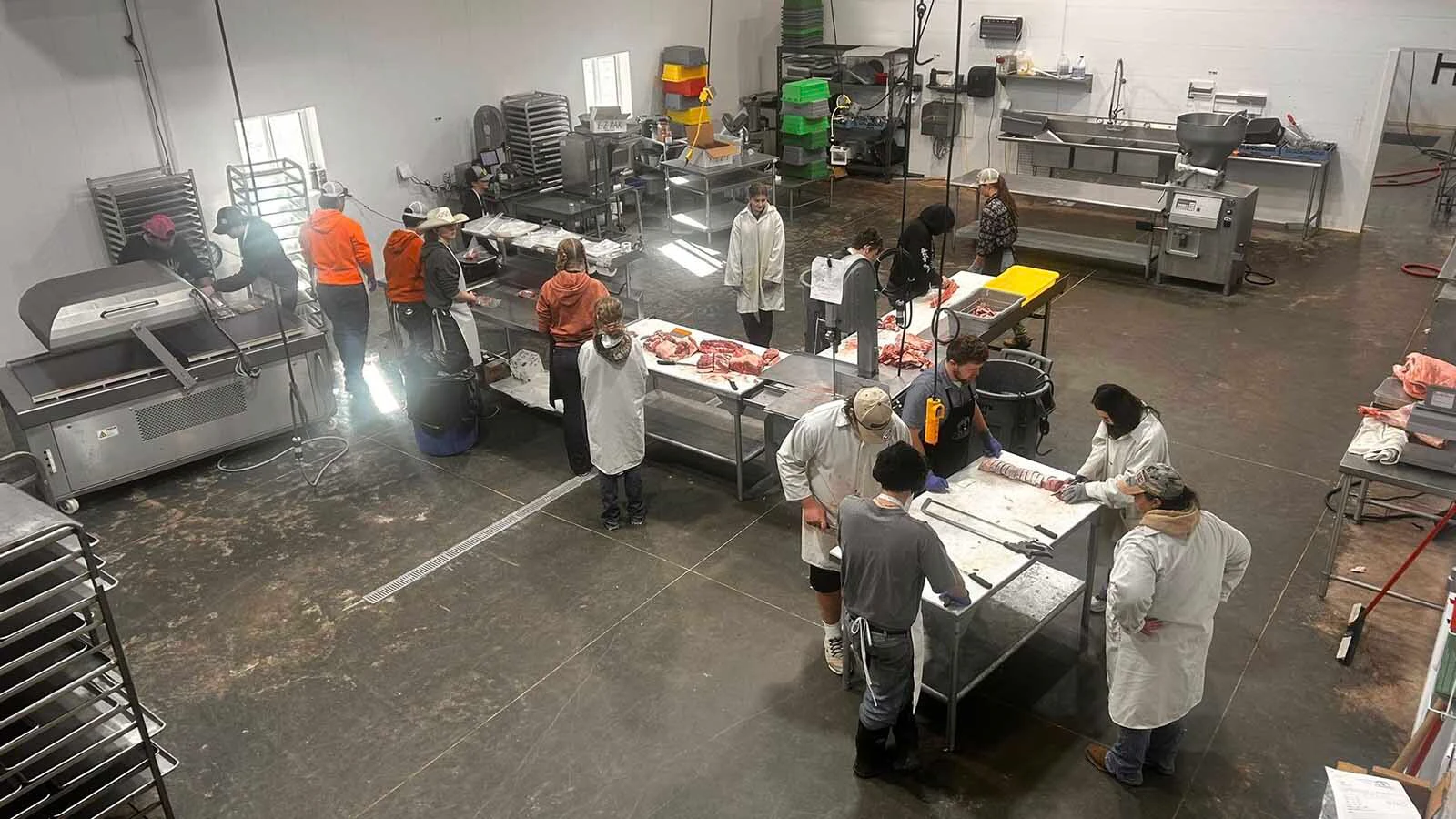
Chugwater butcher Alex Springs has turned an old school bus into a mobile meat shop to bring Wyoming beef to small towns. It’s a creative solution to get local meat to rural customers in a state with a whole lot of nowhere between towns. (Courtesy Chug Springs Butchery) 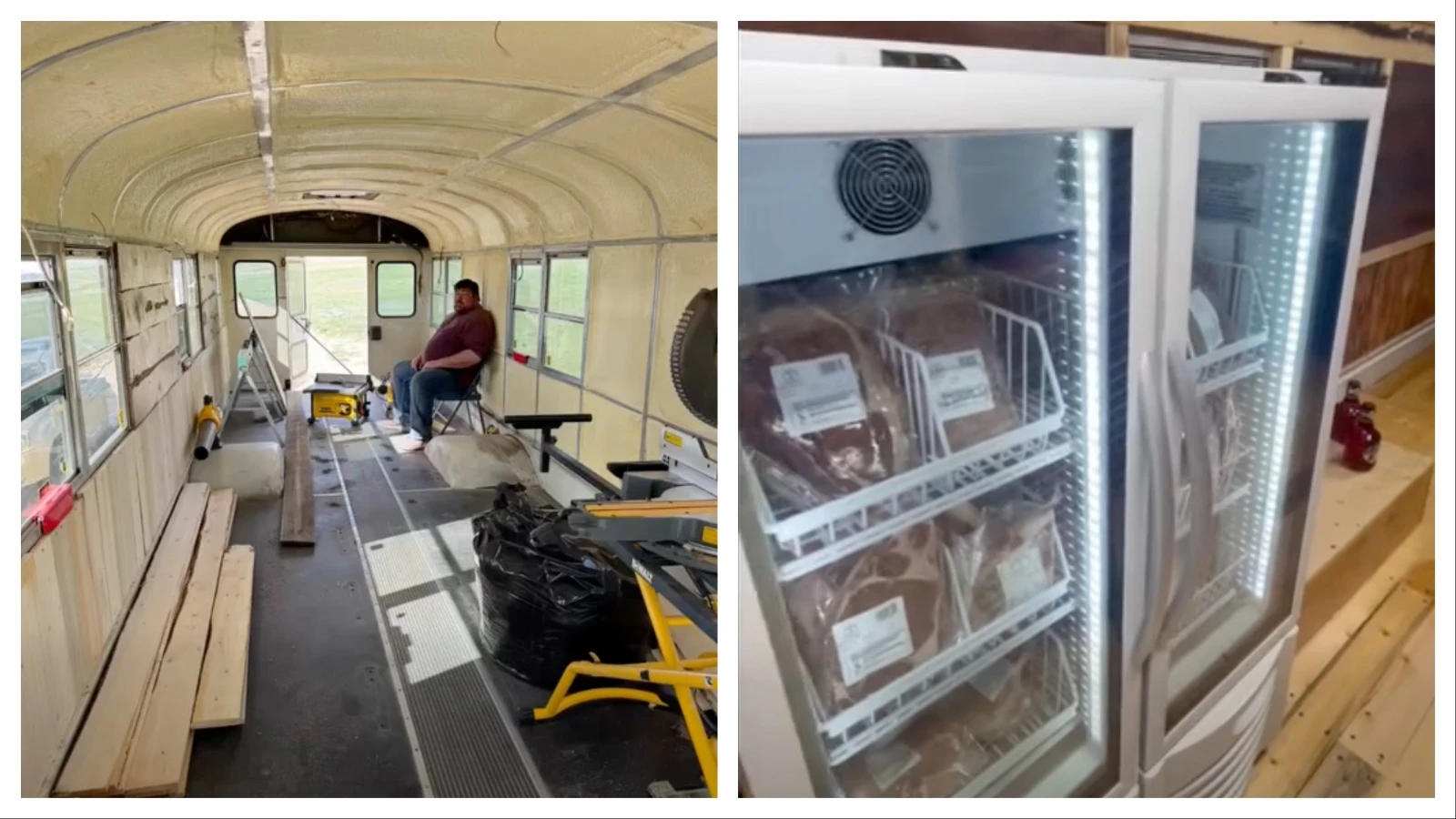
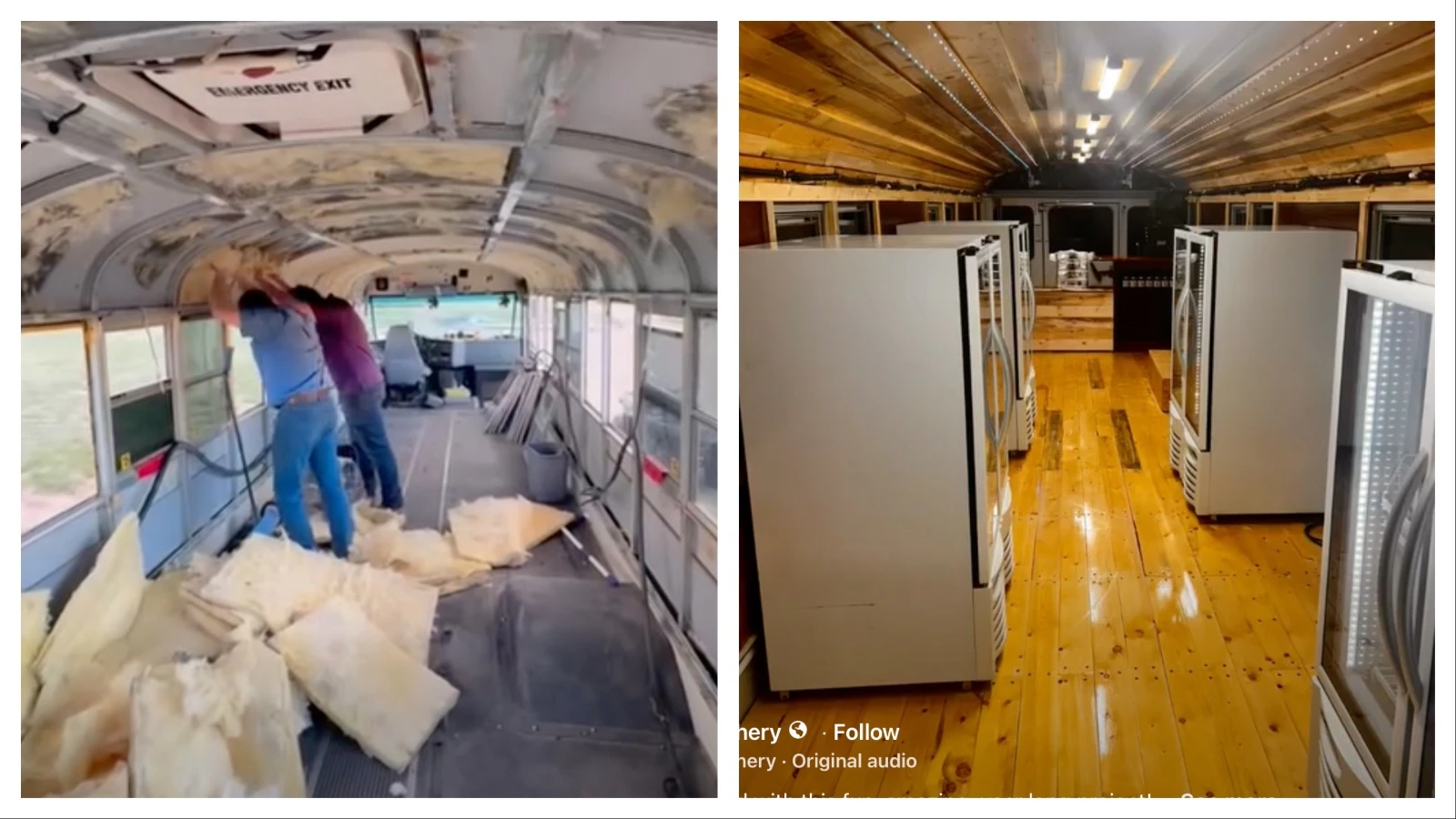
Chugwater butcher Alex Springs has turned an old school bus into a mobile meat shop to bring Wyoming beef to small towns. It’s a creative solution to get local meat to rural customers in a state with a whole lot of nowhere between towns. (Courtesy Chug Springs Butchery) 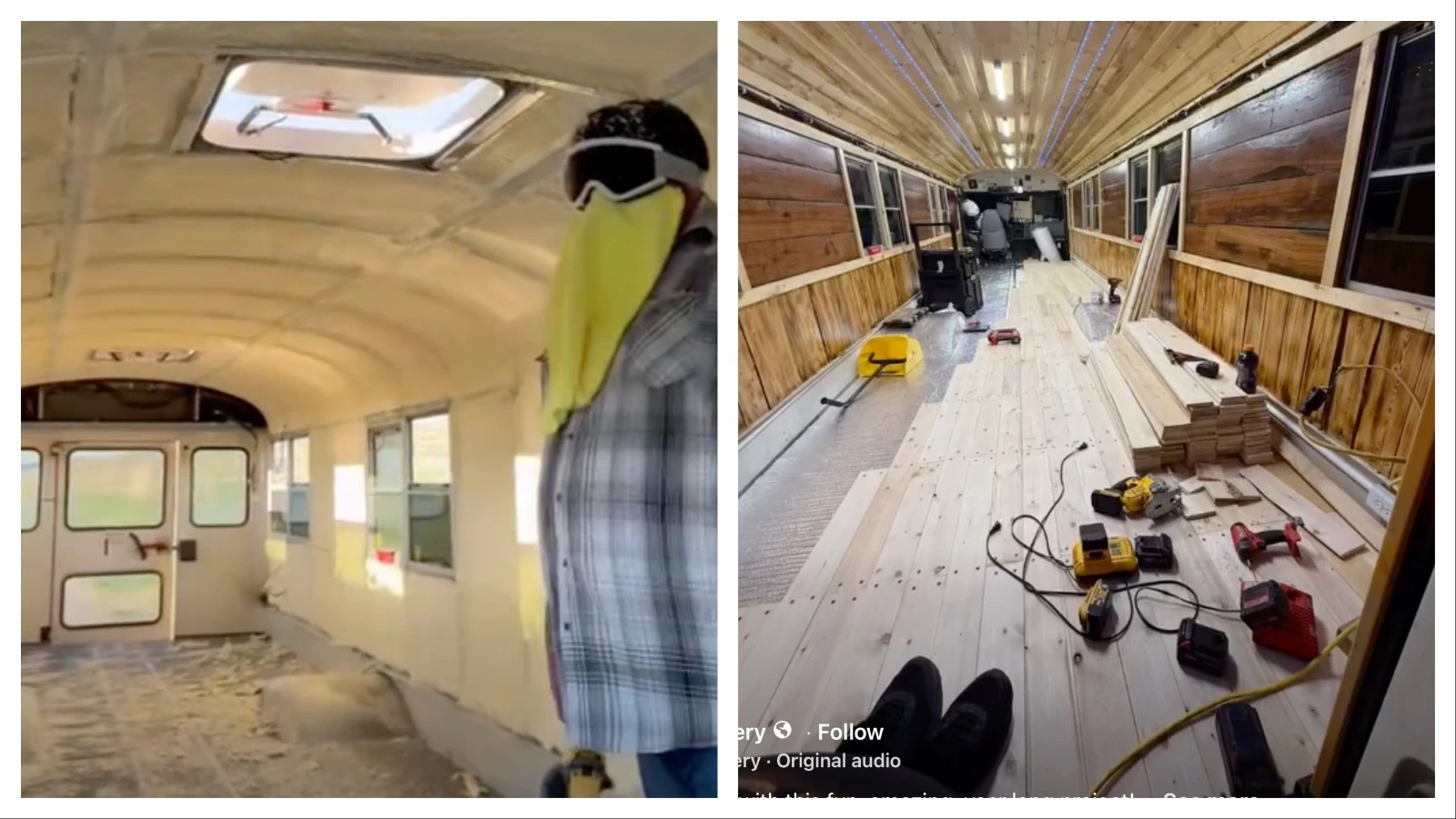
Chugwater butcher Alex Springs has turned an old school bus into a mobile meat shop to bring Wyoming beef to small towns. It’s a creative solution to get local meat to rural customers in a state with a whole lot of nowhere between towns. (Courtesy Chug Springs Butchery)
From Brick And Mortar To Bus On Wheels
The big turning point came when the couple were talking about their business, trying to figure out what to do.
Alex’s wife, Danette, had a brainstorm and blurted out the idea of a trailer to take meat to other towns.
“People can, like, order boxes of meat and we can go deliver it,” she said.
As they continued discussing that, Springs came back with an idea to buy an old school bus and convert it into a mobile meat counter on wheels.
“We could just go to the towns one day a week,” he said. “Because most of the towns around here aren’t big enough to support a full-fledged meat counter.
"People have tried it, we have tried it, and there’s just not enough traffic to cover the expense of a brick-and-mortar building.”
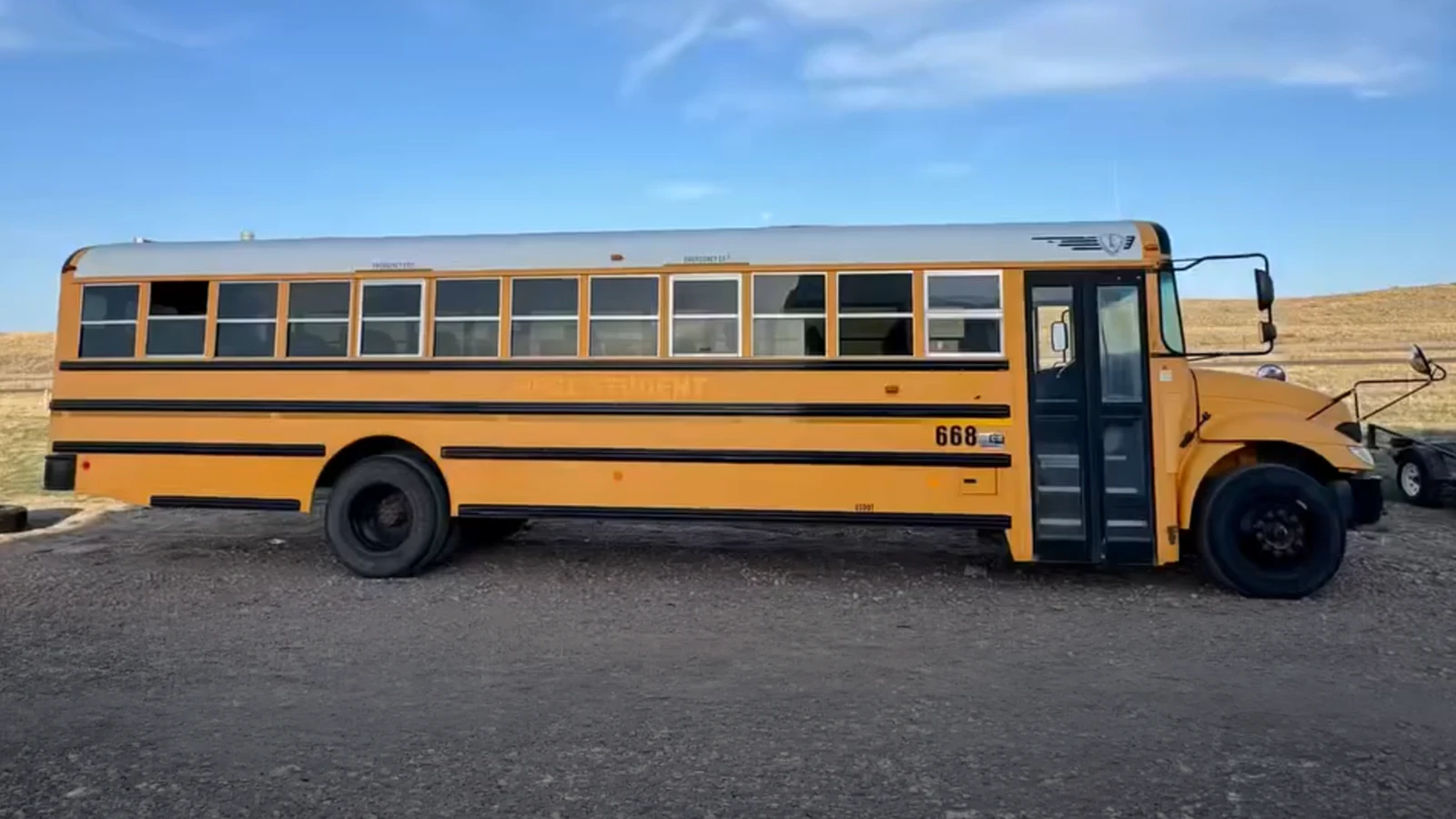
Springs got lucky and found exactly what he was looking for at a price he could afford.
“I traded for it with some processed beef,” he said of the old school bus. “So, I got the bus about as cheaply as I could get it.”
Hop On The Bus
Then the real work began.
“We had to strip everything out of it, all the way down to bare metal,” he said. “That was a job in itself getting everything stripped out and cleaned up.”
Next up was spraying foam inside it for insulation, so the mobile meat counter would be quiet and comfortable year-round.
“Probably the longest process was getting it sandblasted and painted,” he said. “We had to send it off for that, because we didn’t want it to look like a school bus.”
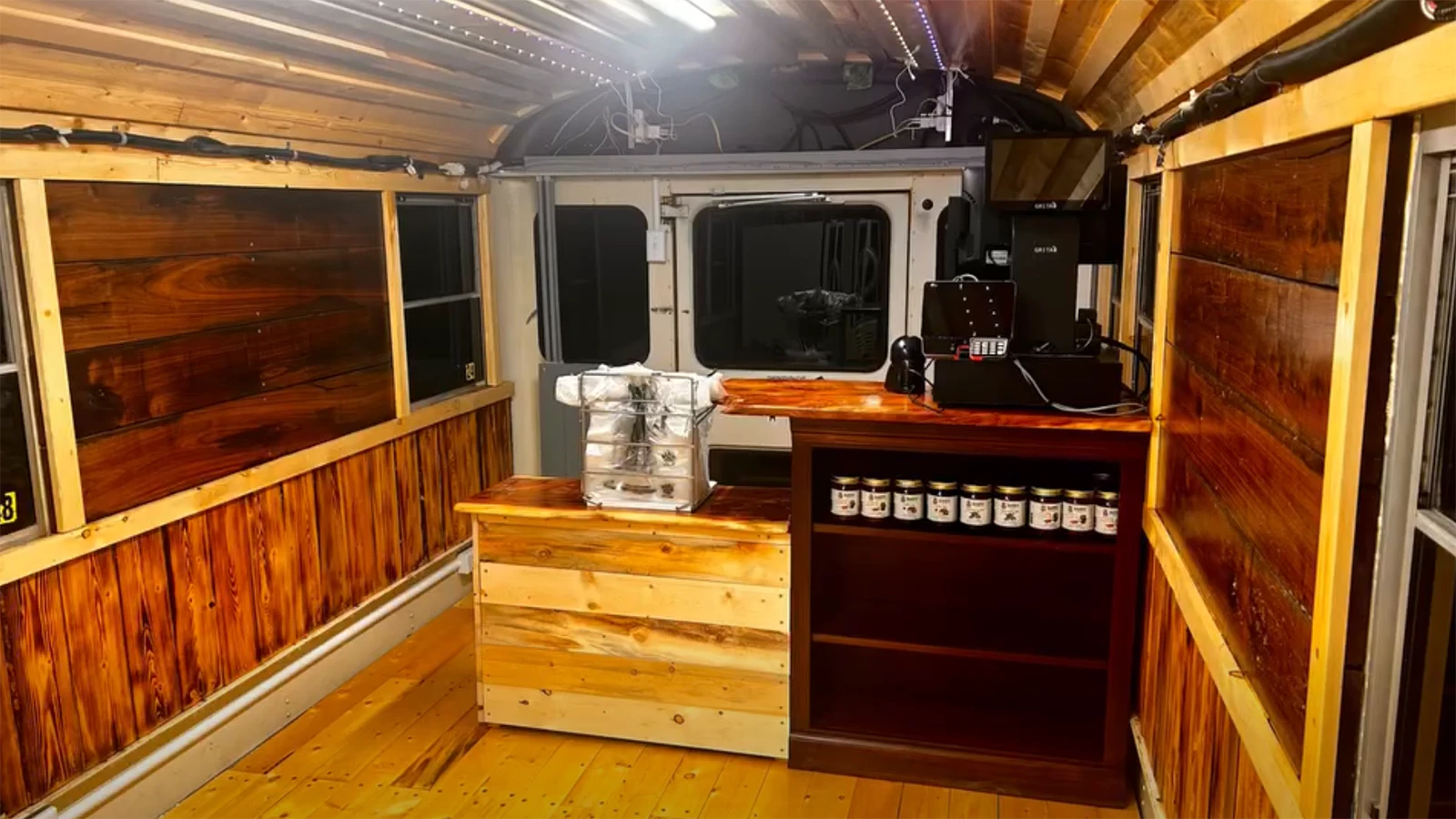
Inside, Springs and his wife decided to go for an old-fashioned-style butcher shop.
Springs acquired some rough-cut lumber of all different thicknesses and widths, then the family worked on planing it themselves, straightening everything out into usable building materials.
“It took weeks of work just preparing all the wood to put in,” Springs said. “So, the whole interior is all rough-cut lumber and it’s all handmade.”
The final product is a mobile butcher’s store with a “wow” factor — something Springs hoped would turn heads when it pulls into a town and invites people to come see what’s inside.
Better Than Chugwater Chili Day
Chugwater’s big chili cook-off is a bit like Christmas Day for Chug Springs Butchery. That’s typically when Springs sees his best sales.
So, when he rolled into Wheatland for a test run of his new concept, he had fairly modest expectations.
He was going to be happy he managed to make $500 to $600 in sales.
He barely advertised the test run, thinking he could hone in on workflow and tweak everything.
Springs meant the initial outing to be something of a “soft” opening, where a business quietly opens without any advertisement and treats the day as a training exercise.
Springs soon discovered just how wrong he was.
Wheatland, it turned out, couldn’t wait for him to open the meat wagon door.
The rest of his day was a blur.
By the time it was all over, Springs had done $1,500 in sales, triple what he’d hoped for, and more than he’s ever sold in one day.
He even sold out of some things, which has him excited about what will happen once he starts advertising.
Chugwater butcher Alex Springs has turned an old school bus into a mobile meat shop to bring Wyoming beef to small towns. It’s a creative solution to get local meat to rural customers in a state with a whole lot of nowhere between towns. (Courtesy Chug Springs Butchery) 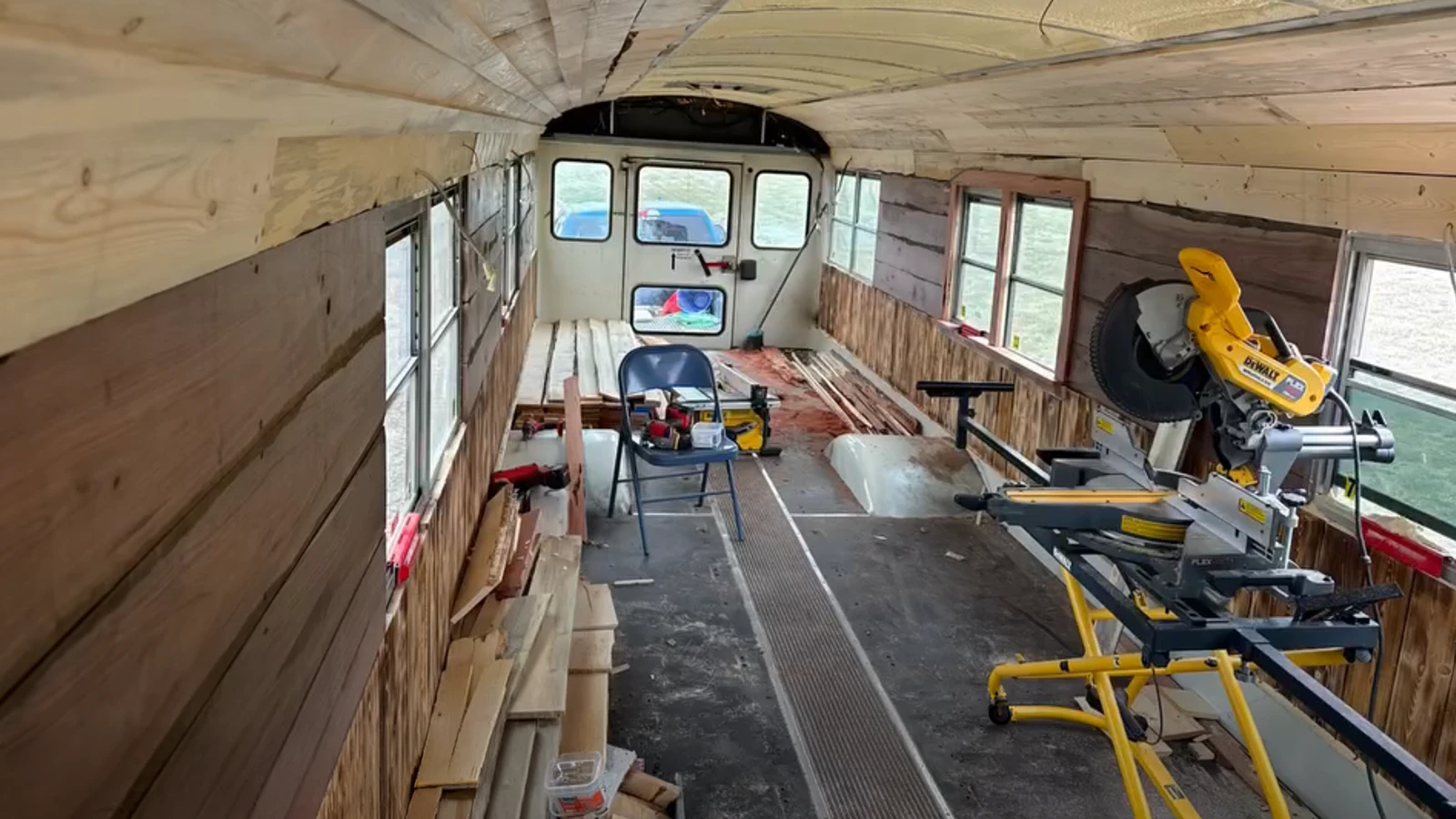
Chugwater butcher Alex Springs has turned an old school bus into a mobile meat shop to bring Wyoming beef to small towns. It’s a creative solution to get local meat to rural customers in a state with a whole lot of nowhere between towns. (Courtesy Chug Springs Butchery) 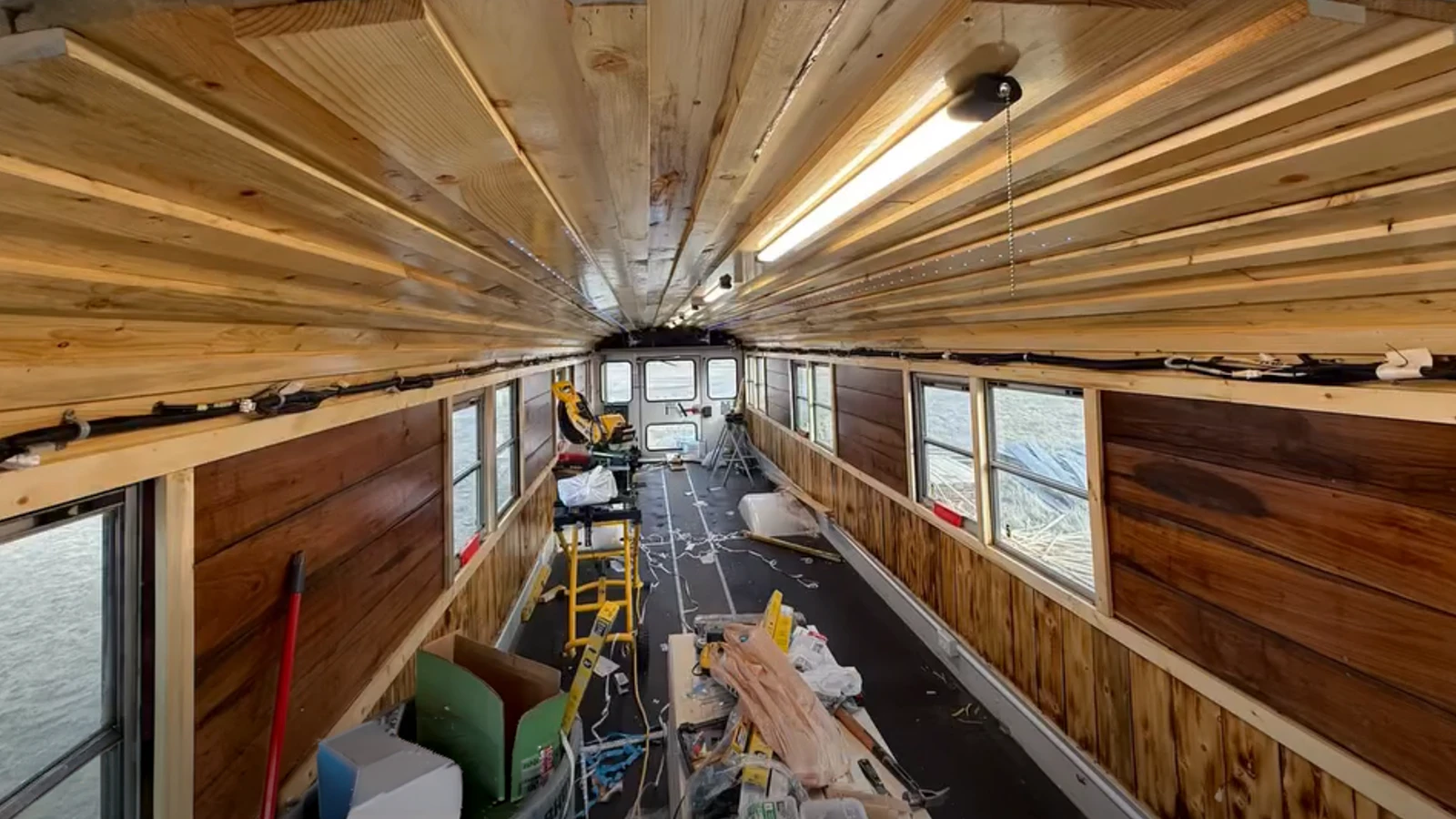
Chugwater butcher Alex Springs has turned an old school bus into a mobile meat shop to bring Wyoming beef to small towns. It’s a creative solution to get local meat to rural customers in a state with a whole lot of nowhere between towns. (Courtesy Chug Springs Butchery) 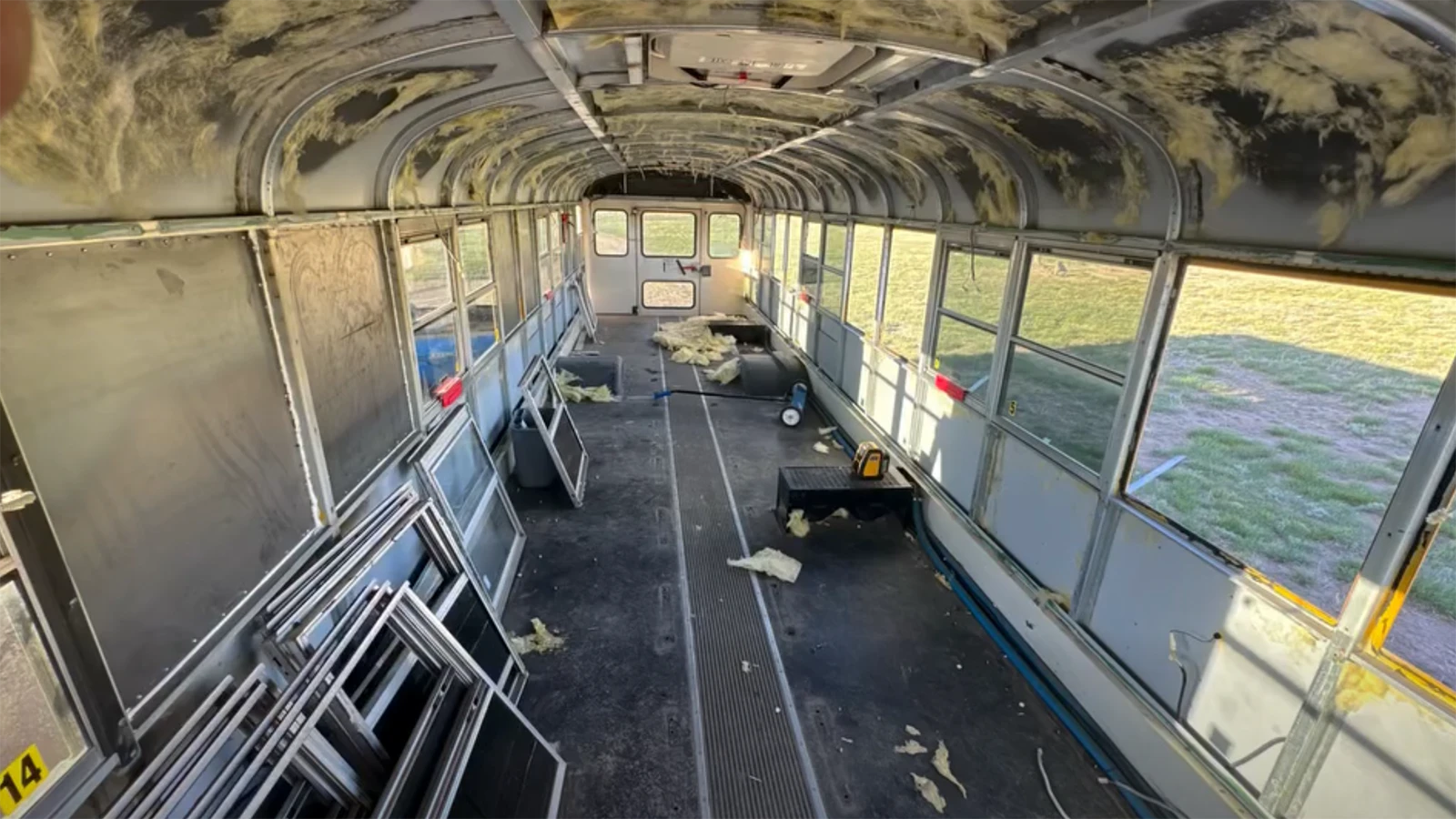
Chugwater butcher Alex Springs has turned an old school bus into a mobile meat shop to bring Wyoming beef to small towns. It’s a creative solution to get local meat to rural customers in a state with a whole lot of nowhere between towns. (Courtesy Chug Springs Butchery)
Where Food Desert Meets Meat Wagon
This isn’t just a win for a tiny Chugwater business.
People who spend their time thinking about food access in rural areas across Wyoming see deeper potential for this business model across a state that has the 11th highest food insecurity in the nation.
Danica Sveda, executive director of Food Bank of Wyoming, told Cowboy State Daily she already runs a few mobile food pantries in rural communities like Newcastle, Lyman, Kaycee, Rock River and Buffalo, because those towns either lack a full grocery store or have shops where food prices have been driven higher by transportation and distribution costs.
She only has about one mobile food pantry for every 500 miles of state highway, which is not nearly enough for the needs she sees. More food options like this visiting Wyoming’s tiny towns can only help by broadening access to fresh, high-quality foods.
“This is a brilliant idea,” she told Cowboy State Daily. “I love the creativity of it. I love the Wyoming approach.
"And I especially appreciate identifying and procuring local food, because if we can keep what we grow here in Wyoming, it’s just money back into the economy. It’s money in the pocket of the processor and the rancher.”
Not only that, but it’s high-quality food, because it’s meat that’s been sourced from ranchers in the Chugwater region and neighboring states.
That makes the mobile meat wagon Chug Springs Butchery has come up with more than just a clever business pivot.
It’s pointing the way to broader solutions to Wyoming’s food desert problem, by finding new ways to move high-quality, locally connected protein into communities that desperately need more food options.
“This is a great Wyoming solution to some of the challenges we face in this frontier environment,” she said.
More Wyoming Beef On Wyoming Plates
From the beginning, Chug Springs Butchery has worked closely with local ranchers to source as much beef from Wyoming as possible, though Springs has sometimes had to source from neighboring states like Colorado and Nebraska as well due to costs and logistics.
“As we get bigger, we’ll be able to buy just Wyoming beef,” he said. “That’s our goal, is to switch over to just Wyoming beef.”
The mobile wagon’s inventory so far is a smorgasbord of popular meats — steaks, roasts, ground beef — as well as interesting specialties like beef bacon, which Springs said is not widely available from anywhere else in Wyoming.
“We’re trying to get some lamb, goat, and some bison,” he said. “We would like to provide what people want, so we’ve kept our inventory kind of selective.
“We’re just asking people what kind of cuts they’re looking for, what kind of cuts they can’t find elsewhere.”
Connecting All The Dots
With the success of Wheatland’s test run, Springs plans to make that community a stop each Monday and foresees adding other communities to the meat wagon’s itinerary soon, such as Douglas, Torrington, Cheyenne and possibly Guernsey.
Chugwater, too, will likely become one of the meat wagon’s stops once or twice a month.
While many locals won’t make the 2-mile drive out to his shop, Springs is betting they will line up if he pulls his newly painted red and black bus into town.
That’s the kind of news that makes Sveda smile.
State reports examining food security in Wyoming have flagged several weak areas, including transportation, distribution, and storage, all things a mobile meat wagon solves in one dynamic package.
It’s a solution that Sveda sees as a triple win.
It’s broadening rural families’ food choices, even as they’ve watched their grocery store options dwindle.
It’s giving a struggling brick and mortar business in a tiny town a new path to a sustainable business.
And it’s a new opportunity to build a bridge between local beef and local people, which can help local ranchers.
“This is the wonderful thing about living in Wyoming,” Sveda said. “It’s small enough that we can talk to each other. We can collaborate, we can partner, we can share ideas.
"We can work together and pool our resources to have a common solution that works for everybody.”
Renée Jean can be reached at renee@cowboystatedaily.com.