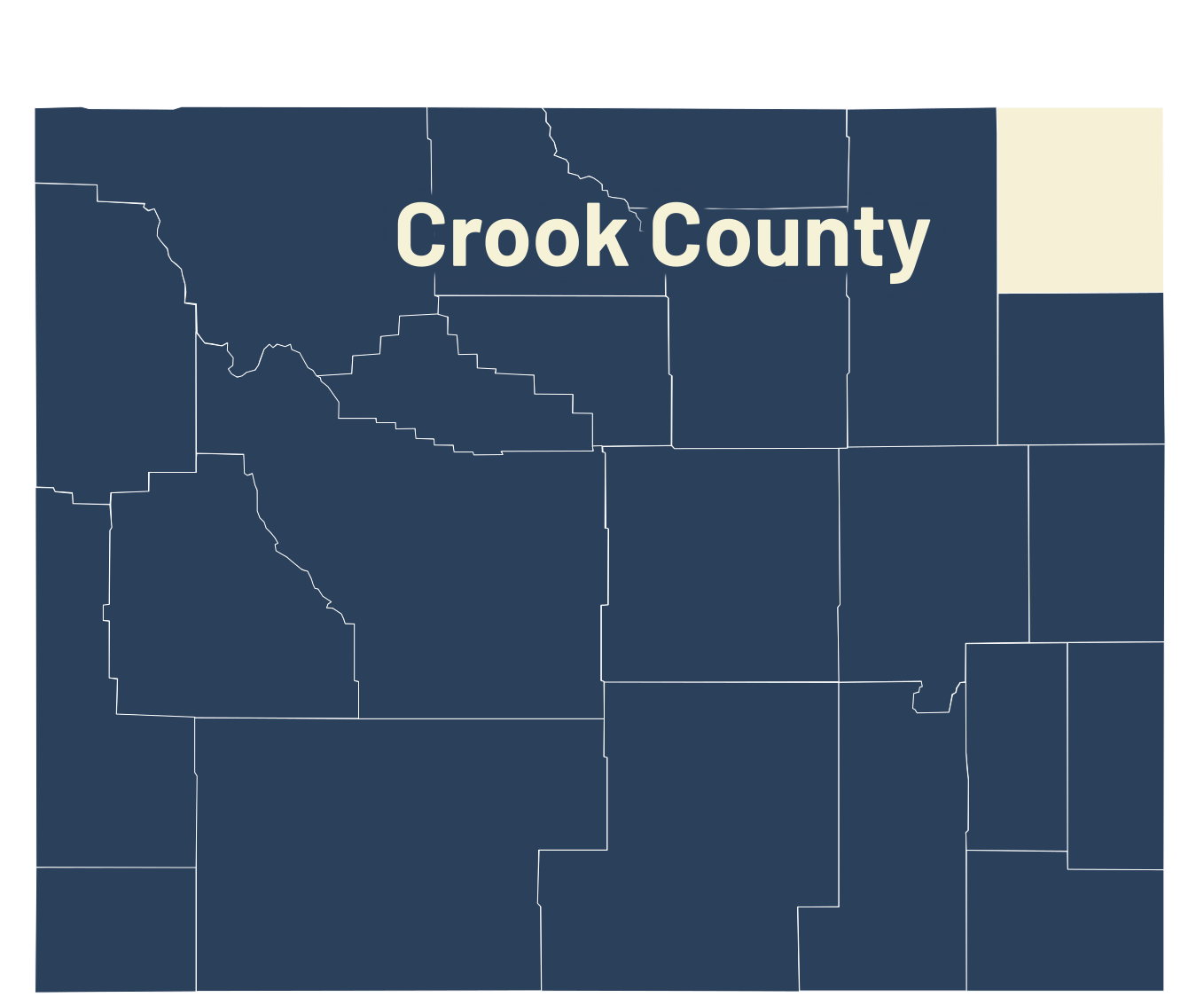
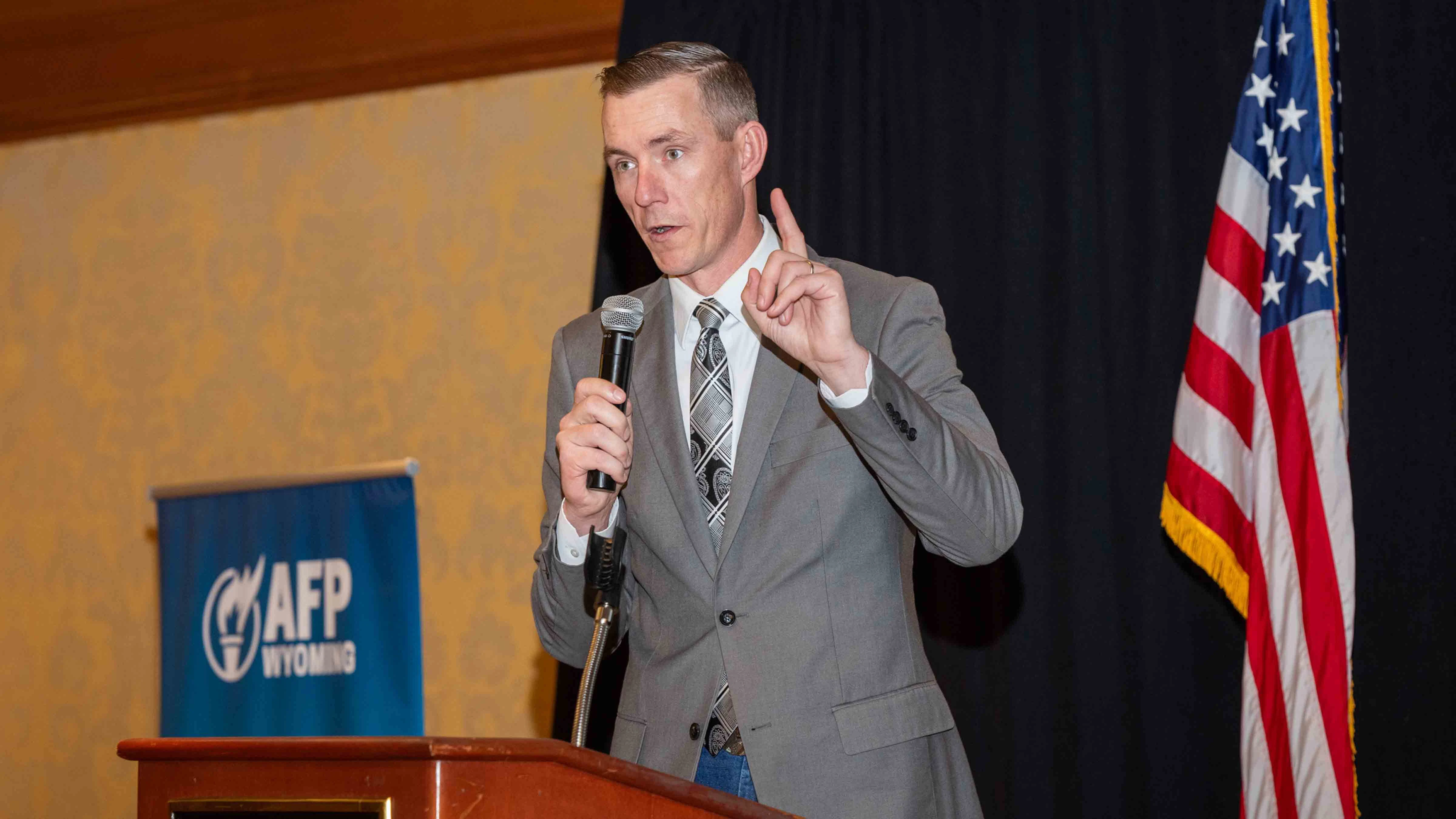
A food fight is about to start in Wyoming and Crook County rancher and Americans for Prosperity State Director Tyler Lindholm is spoiling for it. The former lawmaker, who authored Wyoming’s 2015 Food Freedom Act, has come out swinging after the state seized USDA-inspected beef from a farm stand in Cheyenne and banned it from selling meat.
“Lock up a freezer with Wyoming beef?” Lindholm said in a recent post on his Facebook page. “I’ll make you famous.”
The post included a news video of Lindholm on RFD News, breaking down what he called misunderstandings about state “Food Freedom” laws after regulators banned the WyFresh Farm Stand in Cheyenne from selling meat.
State regulators said the farm stand failed to obtain a required $200 license for anyone processing, distributing, storing, or preparing any food, including meat, for sale.
The meat was confiscated by the Wyoming Department of Agriculture, which attached yellow tags to the farm stand’s freezer door handles that said, “No retail food license.”
Lindholm, however, said that’s not how he and other lawmakers envisioned the Food Freedom Act working when it was crafted in 2015.
“I can understand foodborne illness regulations that are going to help keep the general public safe,” he told Cowboy State Daily. “But this is USDA-inspected beef, which means it’s already gone through the highest level of inspection, theoretically, by federal and state law. That should be the safest product you can purchase.”
Lindholm added that it’s not just a WyFresh issue. He’s heard a number of complaints from other farm stands and FoodFreedom stores across the state, many of whom have run into various issues with various agencies.
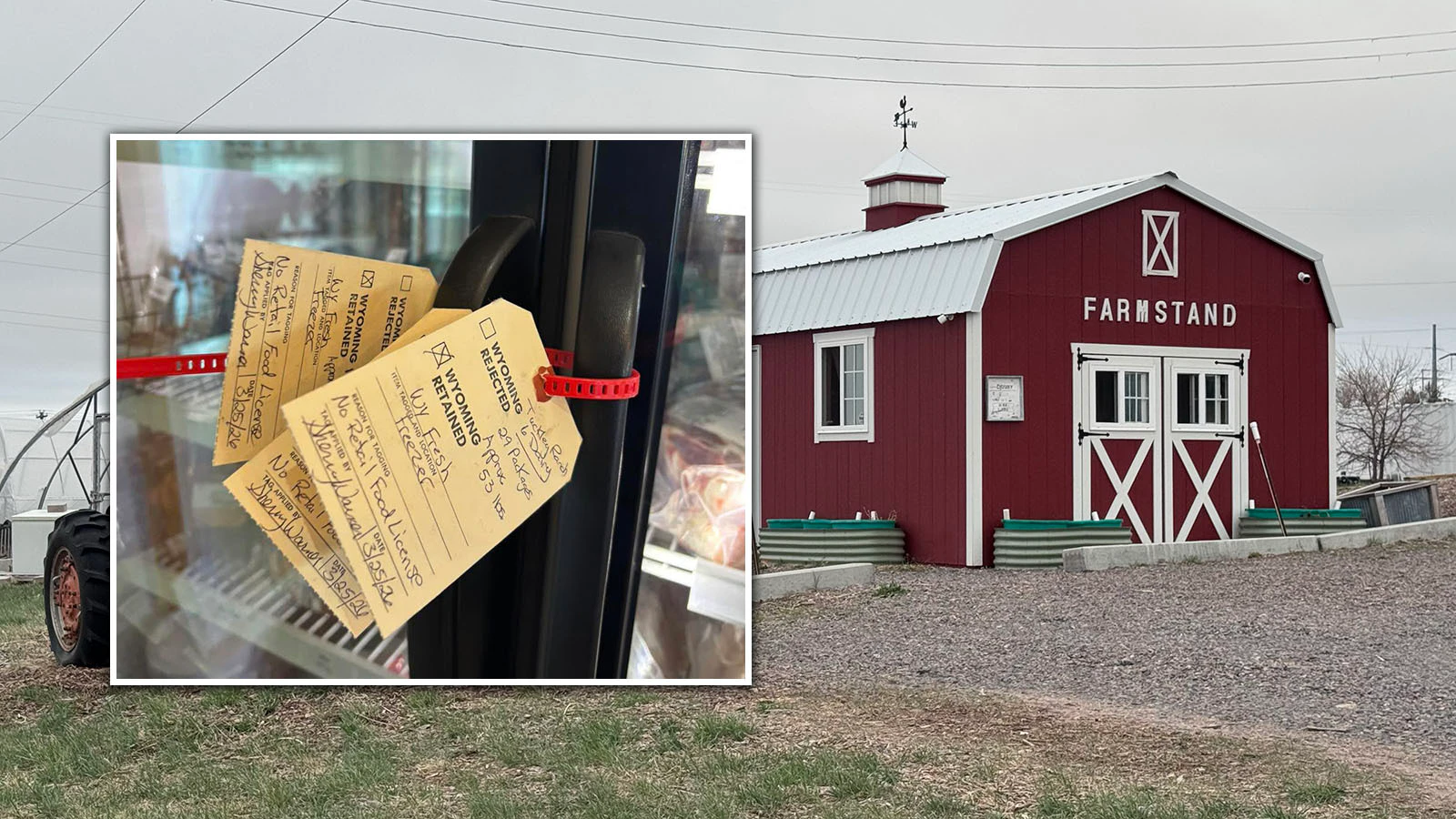
A yellow tag zip-tied to a WY fresh farm freezer shows the meat inside is being retained because the farm is operating without a necessary license. (Courtesy Wy fresh farm; Cowboy State Daily) 
A yellow tag zip-tied to a WY fresh farm freezer shows the meat inside is being retained because the farm is operating without a necessary license. (Courtesy Wy fresh farm) 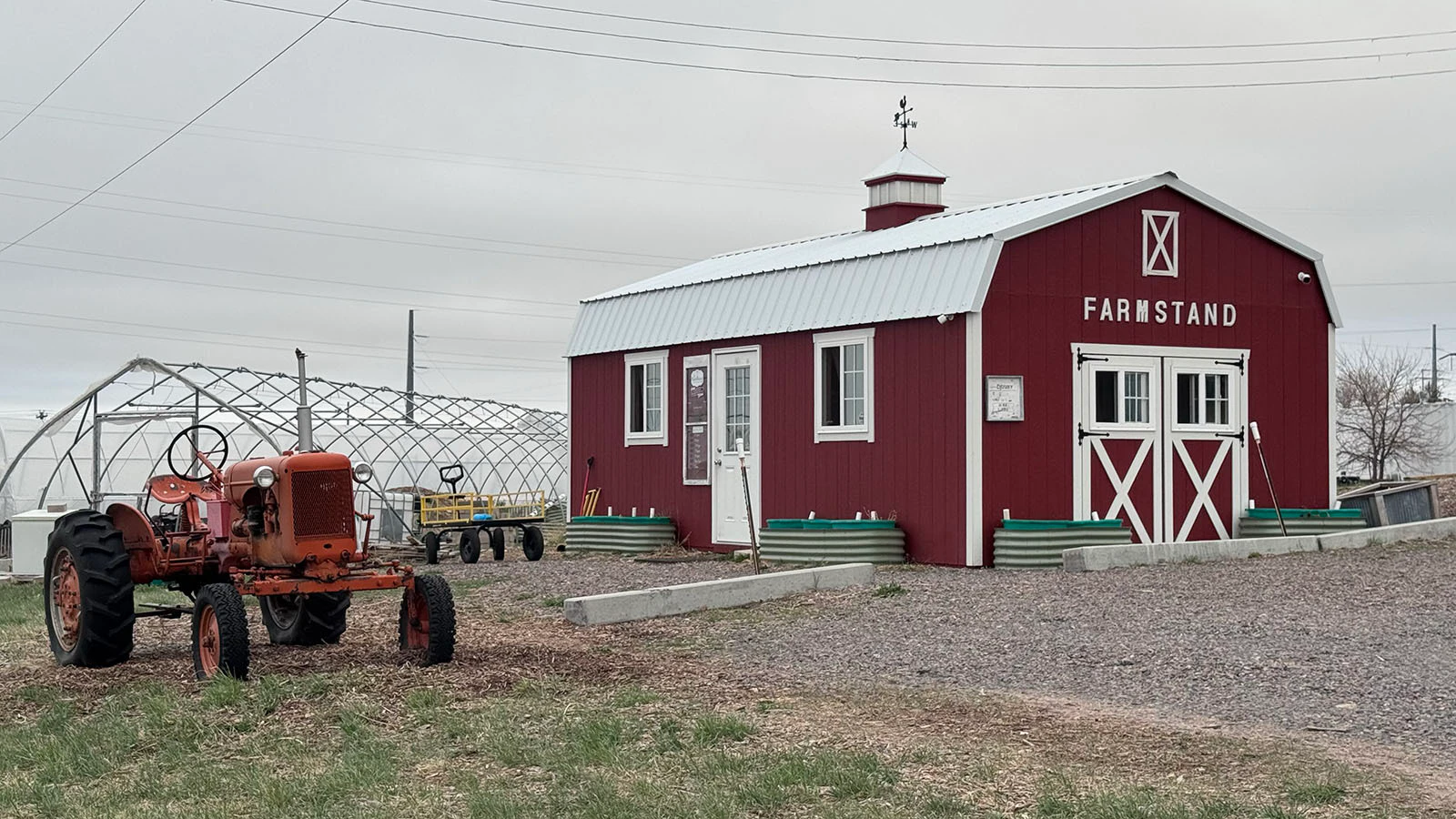
Wy fresh farm just outside the southern border of the city of Cheyenne. (Greg Johnson, Cowboy State Daily) 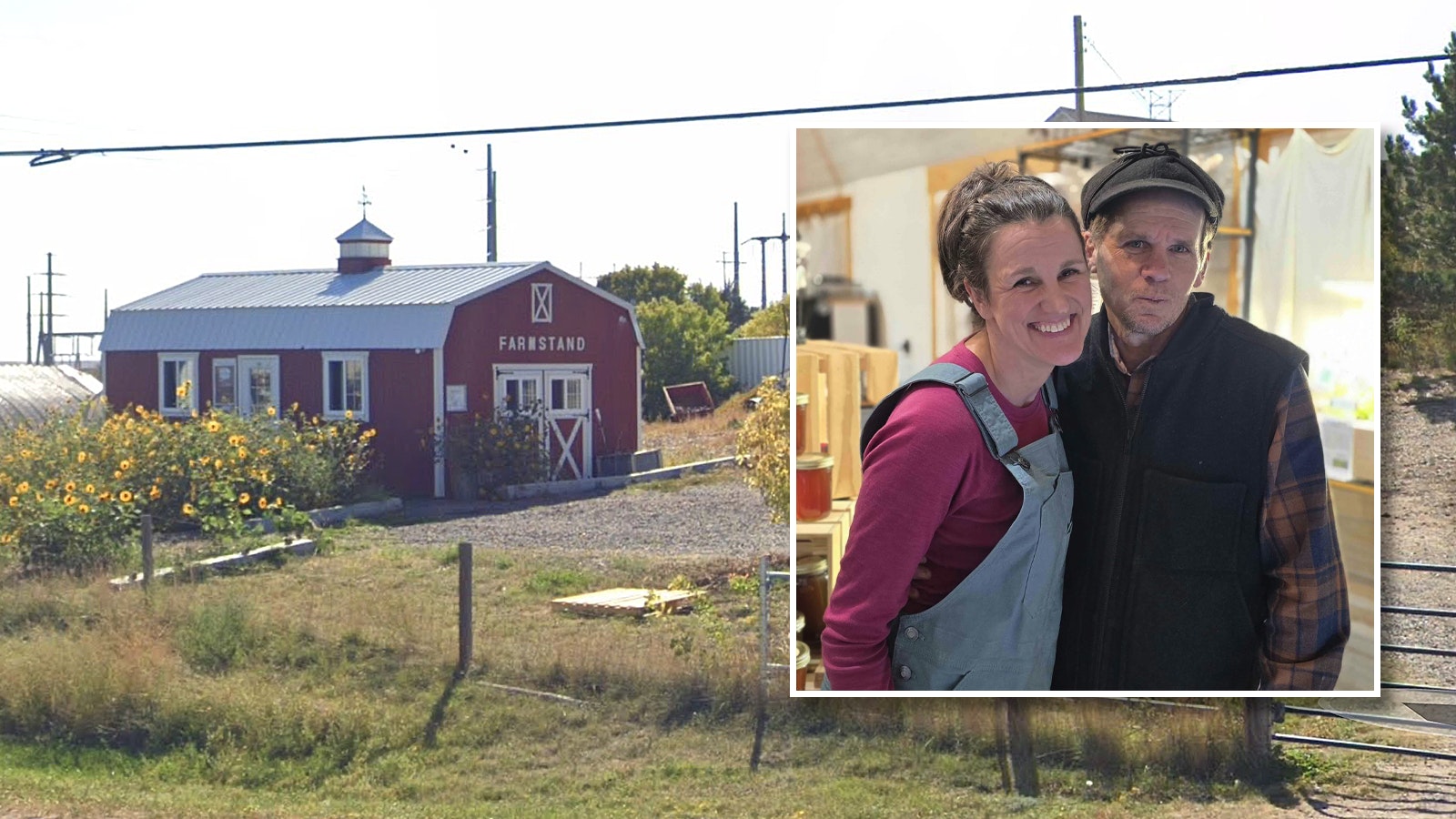
Cheyenne City Council voted Monday to delay a final decision on forcibly annexing a farm that sells sells fresh, local produce for eight months after hours of testimony from concerned residents. (Renee Jean, Cowboy State Daily; Google)
State Regulators Cite Federal Law
Wyoming Department of Agriculture disputed the idea that there are widespread complaints, and told Cowboy State Daily that there are federal issues at play.
“WDA’s role and mission remains one to maintain a food safety system, as required by federal and state statutes, that provides our residents with safe, wholesome food,” Wyoming Department of Agriculture spokesman Derek Grant said. “The more local, the better - but those food products and vendors have to meet the established standards, including those for the retail sale of food.”
The Food Freedom Act does provide many opportunities for local consumers to buy locally produced foods, but one exception, Grant said, is meat.
“Meat remains tied to federal law,” he said. “That is why it is explicitly excluded in parts of the Food Freedom Act.”
State statutes cannot supplant federal law, Grant said.
“WDA has to uphold these laws in order to maintain our state meat inspection program, so our producers and small businesses can continue to operate,” he said. “If Wyoming loses this delegated authority, all meat inspection and compliance would have to go through the federal government, which would create a significant roadblock for local food.”
Lindholm told Cowboy State Daily he doesn’t agree with the Wyoming Department of Agriculture’s interpretation.
“And I think I’ve got a right to disagree in that regard because legislative intent is a thing,” he said. “And I was in the legislature at the time, and I know my intent.”
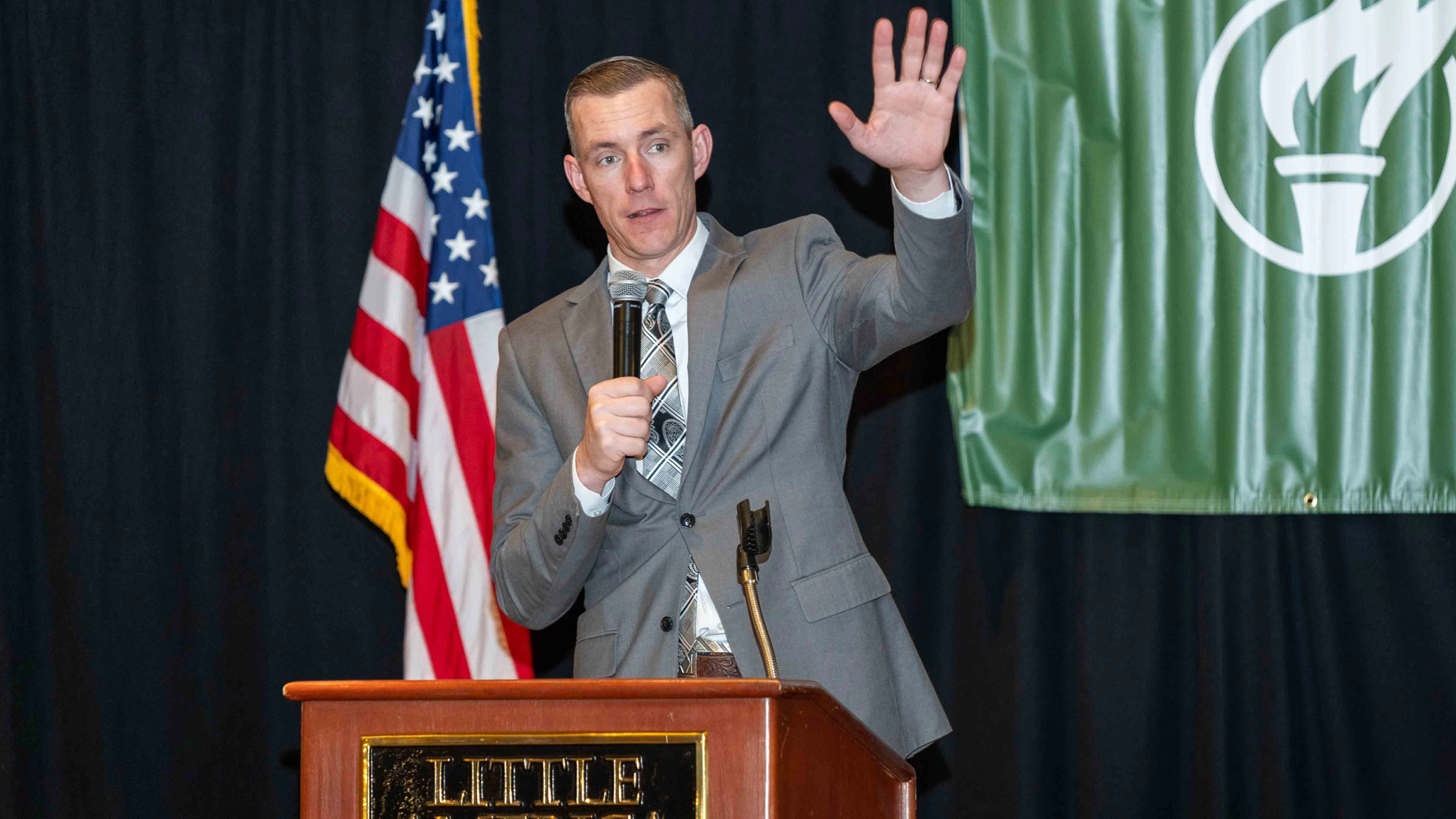
Lindholm: Designated Agents Shouldn’t Need A Permit
Farmers and ranchers just don’t have time to stand around selling their beef, their eggs, or their dairy products to customers, Lindholm said. Solving that was a big thrust behind the Food Freedom Act.
“If they’re acting as a designated agent for the producer of this beef that was inspected, it would be my interpretation that they would be fine,” Lindholm said, indicating his belief that designated agents acting under the Food Freedom Act don’t need “a $200 piece of paper.”
If, however, a farm stand is buying beef and then re-selling, that would require a permit.
The designated agent provision is one of many tweaks that has come along since the Food Freedom Act was passed in 2015, as Lindholm and lawmakers have wrestled with how regulators have applied the law.
More Clarity In Law Needed
Joee Rain Pavlica-Kari, owner of the Lucky Buffalo Farm Stand near Burns, sees the real problem as lack of education.
To her, as someone who has owned other businesses, a $200 licensing fee doesn’t shock or concern her. It’s just a cost of doing business.
But she can see how it could be confusing to others.
“I think the Food Freedom Act needs to be laid out as to how business is done,” she said. “I think the name is misleading in a way where people think they can do anything under it.”
But certain rules and regulations need to be followed for the benefit of all, she added.
“I think there should be a class or document or something to help educate business owners on how the Food Freedom Act works,” she said, adding she’d like to see the law simplified, so that it’s easier to read and understand.
“How it’s written is very complex,” she said. “Maybe just simplifying it for the lay person to understand it.”
Lindholm To Push For Changes
Lindholm agrees more clarity is warranted, and said he will push for tweaks to the law in the next legislative session.
“I’ve had the opportunity to talk with several interested legislators in Cheyenne all the way up to Buffalo,” he said. “A lot of folks see this situation as being what it is, which is the heavy hand of government.”
Whenever the regulatory arm of the government tries to reach too far, it’s the job of the legislature to “make it very clear to agencies” what’s really expected.
“I’ve heard from folks across the state, not just producers and consumers about this,” he said. “And legislators have a vested interest in seeing this move forward, because they’ve got farmers markets in their communities, so I absolutely think that the Wyoming Department of Agriculture can look forward to several pieces of legislation.”
Lindholm added the whole point of the legislation is to keep things easy for neighbors in a community. He said It shouldn’t take an Act of Congress to buy a cookie or kombucha from your neighbors.
“I mean, Wyoming doesn’t even tax food,” Lindholm said. “So it’s not like there’s any role for government to play in this situation, but here they are.”
Lindholm added he understands the Department of Agriculture must be able to investigate problems and take action if there’s a real safety issue at stake. Because of that issue, he’s not trying to vilify them.
“But it’s just really frustrating that this is who we’re going after,” he said. “I mean, somebody trying to sell local beef, all the while we’ve got Cisco trucks backing up to every goddamn restaurant in the state of Wyoming where we have no clue where that beef comes from.”
Renée Jean can be reached at renee@cowboystatedaily.com.