The trend in high cattle prices continues, as bull sales in the Wyoming-Montana region are up roughly 30% from a year ago.
“The sales are all up this year, anywhere you look,” said Kurt Kangas, regional manager for the American Angus Association who oversees cattle sales in Montana and Wyoming.
The numbers are especially impressive, he said, because last year was also an extraordinarily good bull season.
“Every bull sale in the region has seen an increase this year,” Kangas said, adding that most bulls are selling anywhere from $1,000 to $2,000 more than they did last year.
Driving the prices is a tight supply combined with a big appetite for beef. As producers rebuild their herds, genetics are also becoming increasingly important.
Buyers range from beef producers to genetics companies that buy bulls not for their meat but for their semen. Regardless who the buyers are, it's the genetic capabilities of the bulls that have made them so valuable.
“We are a burger nation,” Kangas said.
Recent Wyoming Sales
Two Wyoming cattle companies hosted bull sales within the past week. The Sinclair Cattle Company held its spring sale on Saturday in Buffalo.
“It was a good sale for them,” Kangas said. “The bulls sold well. A lot of states were involved.”
The company sold 135 yearling bulls, for an average of $7,655. That’s an increase of about $1,200 from last year’s average price.
In Glenrock on March 27, Lisco & M Diamond Angus sold 111 yearling bulls, at an average cost of $10,623 – an all-time record, Boner said. Last year’s March sale resulted in 86 yearling bulls sold, for an average price of $7,168 – more than $3,000 less than this year’s average.
“It went really good,” said Brad Boner, a co-owner of Lisco & M Diamond Angus. “The quality bulls brought in maybe a little more than expected, but overall (the sale) was what we expected, right on track with this region and the 30% increase in prices.”
Who Buys Bulls?
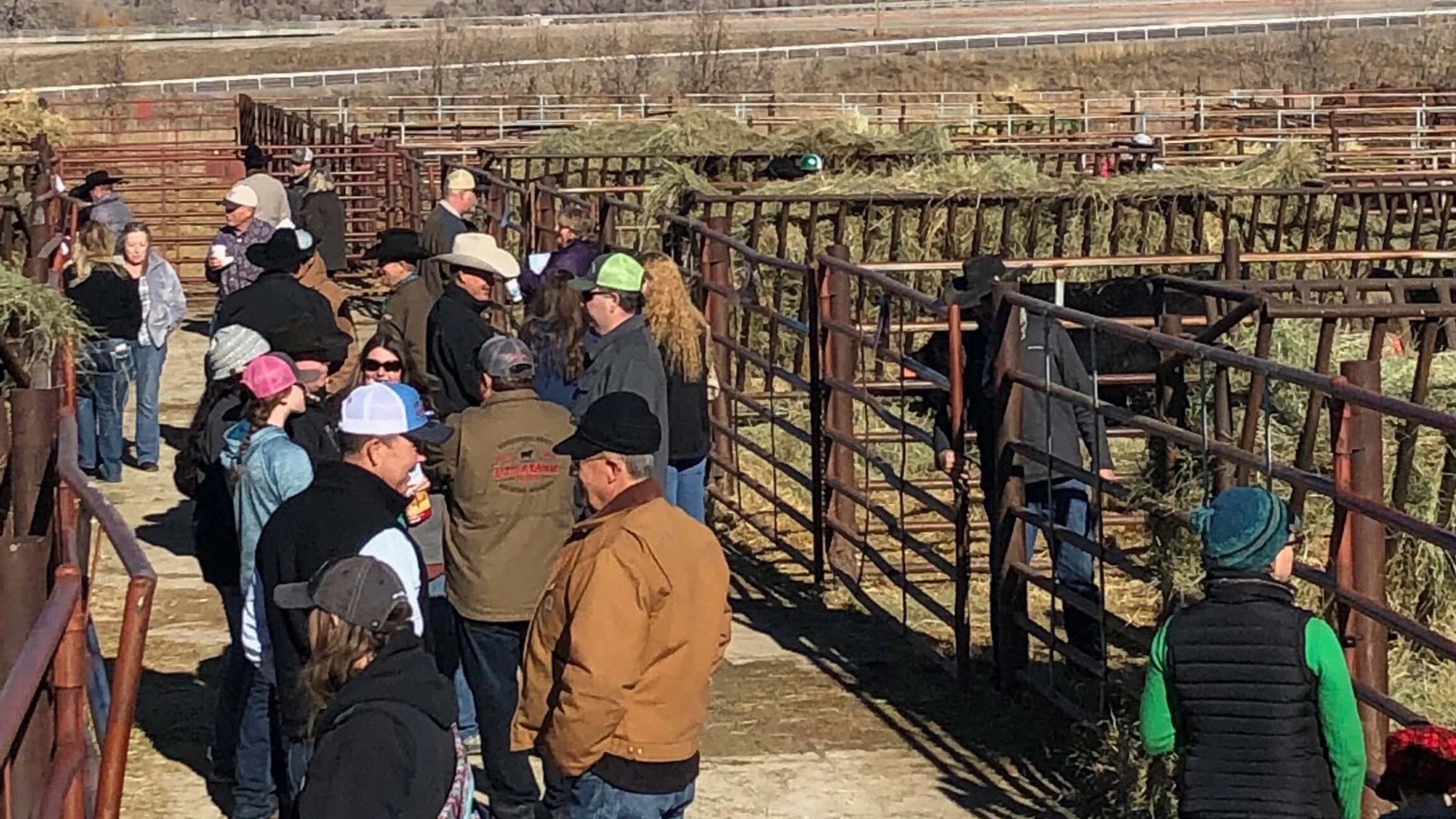
The primary buyers at bull sales are local producers, commercial cattlemen and semen stud companies. Bull semen is known in the cattle industry as “white gold,” because it allows elite genetics to be rapidly disseminated, enabling breeders to improve herd productivity and meat quality.
Some buyers look for worthwhile sires to improve their herd genetics. Others replace older herd sires or are looking for specialized traits, such as reproductive efficiency in their cow-calf operations.
Bulls that sell for highest dollar amount typically go to semen companies, Kangas said.
The Western Ag Network, a multimedia agricultural news agency, reported that a bull recently sold for $180,000 to a genetics company in Texas.
While bulls have typically been selling to commercial breeders for between $6,000 and $15,000, Kangas said some commercial producers will pay more — in the tens of thousands of dollars — if they’re planning a big heifer project or intend to breed hundreds of calves.
Bulls with low birthweights and heifer bulls — those specifically selected to breed with young female cows who will birth their first calves — are particularly in high demand now, Kangas said.
Another factor driving up overall bull prices, he said, is that producers are paying more for older bulls — bulls that go to slaughter.
“The price of the slaughter bulls is real good,” Kangas said. It’s a pretty attractive market for those guys to take the older bulls in.”
Slaughter bulls that in prior years would sell for under $1,000 are now going $4,500 to $5,000 pretty easily, he said.
The American Angus Association reported that the National Angus Bull Sale, which took place in January, set a national record for the highest sale average ever recorded in the sale’s 87-year history: $22,276.
More Than The Bulls
It’s not just the bulls that are in high demand, Kangas said. Calves are, as well. The calf market is up by 38% compared to a year ago.
Producers are investing in next year’s calf crop and in the long-term viability of their herds.
Kangas said he expects to see a trend of more heifers being retained for breeding – which is a good thing, he said.
A challenge to herd viability will be the weather this year, he said, adding, “We don’t talk about it.”
Wyoming has seen unseasonably dry and windy weather this winter, leading to an increased risk of wildfire and drought in the coming months.
But for now, the news is all good for beef producers.
“The increase this sale season has actually surprised me,” Kangas said. “I knew it would be high. But not this high.”
Kate Meadows can be reached at kate@cowboystatedaily.com.