They may cite the U.S. Constitution’s 10th Amendment with language of “powers” reserved to the “people,” use the term “sovereign” or tell law enforcement officers that they are “traveling” and not driving.
Social media is full of videos of people who claim they don’t need to have a driver’s license, car registration, insurance, or other legal docuimentaton because of their Constitutionally protected rights.
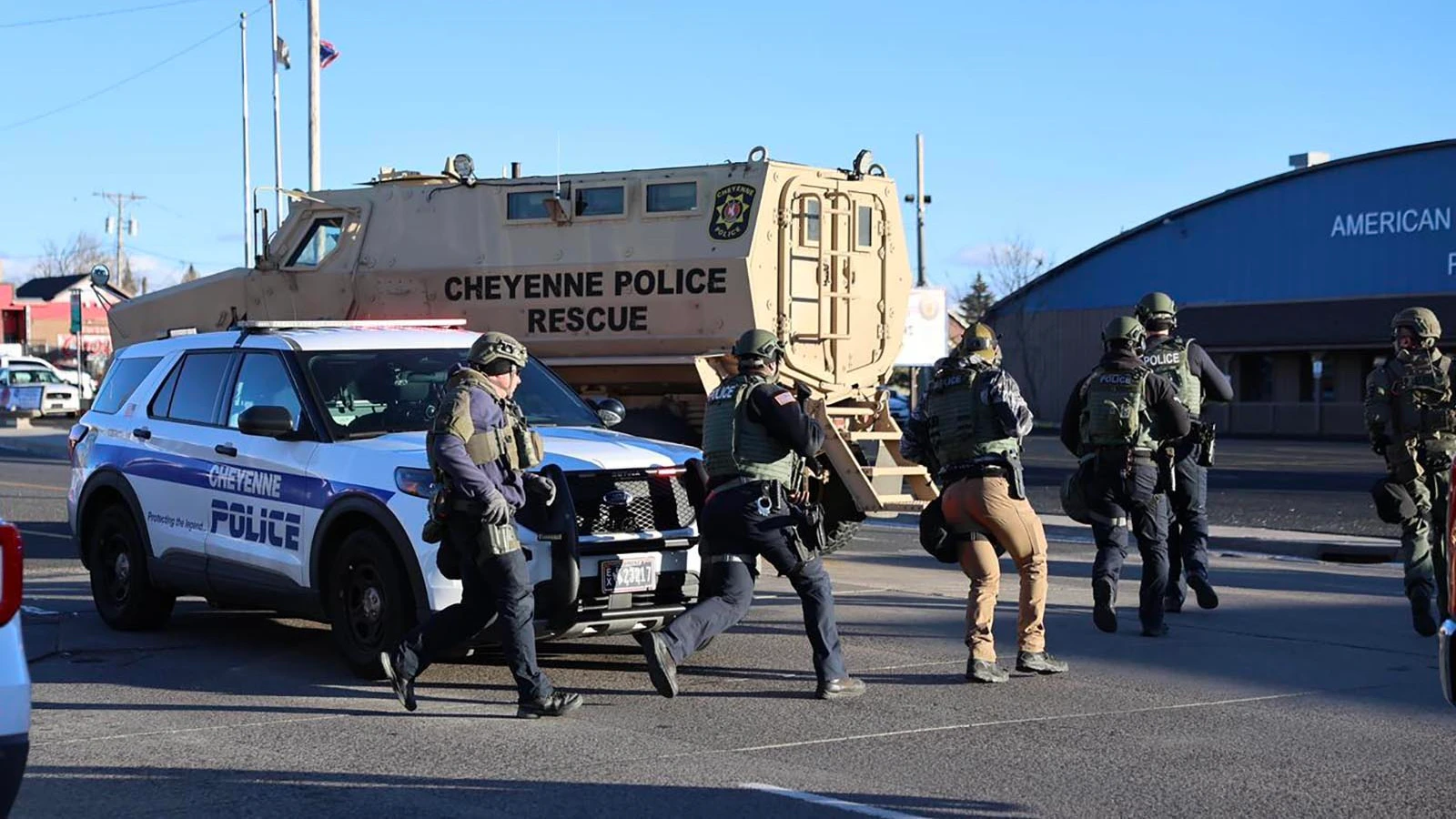
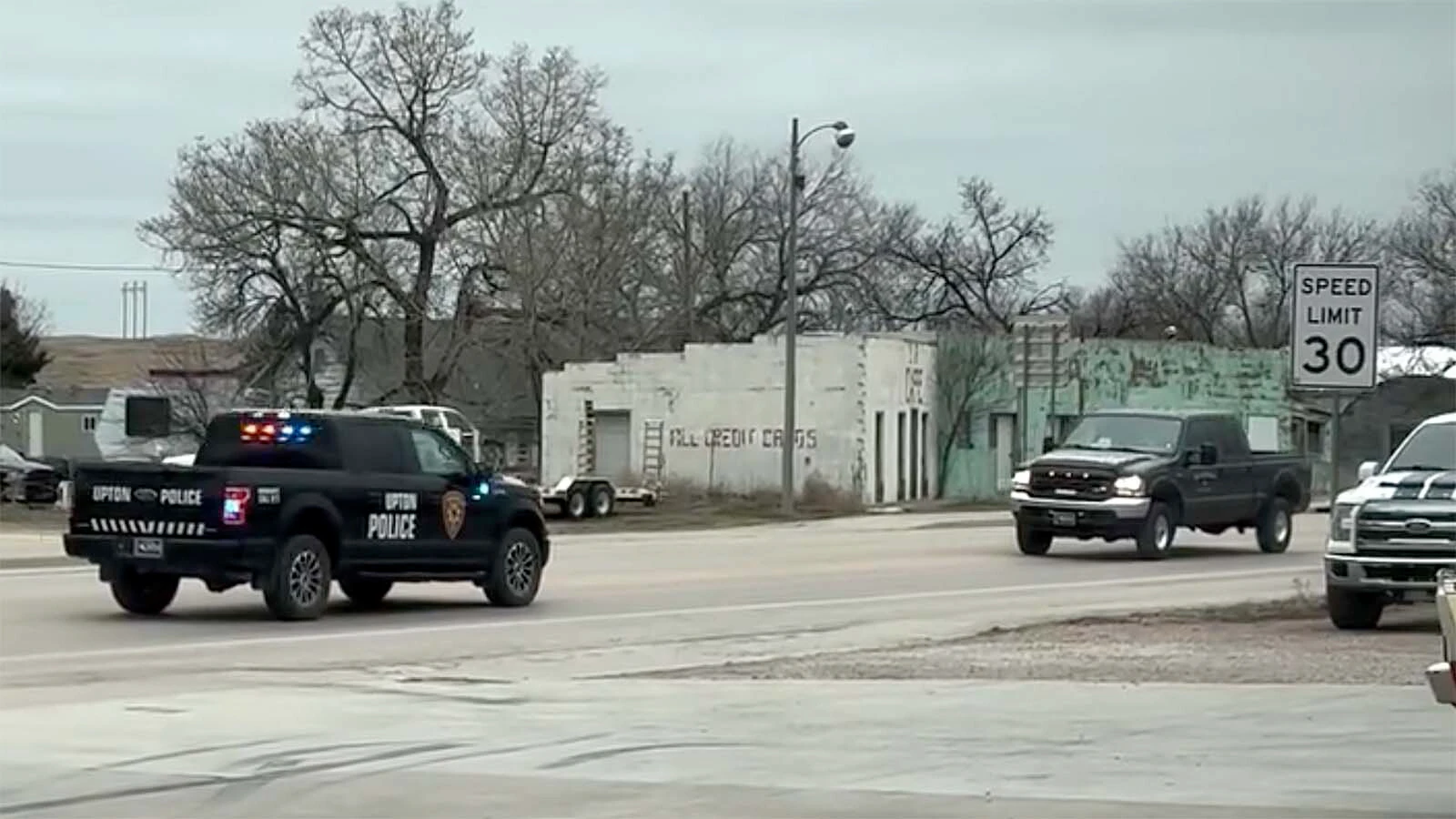
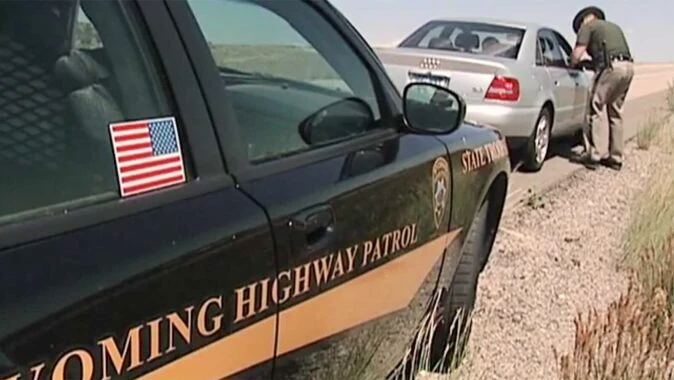
They typically end up escalating traffic stops, sometimes requiring several officers because of their resistance to comply with law enforcement officers. Broken car windows and arrests often ensue.
Many refuse to pay taxes, cite the Uniform Commercial Code, and cite phrases such as “under color of law.”
These resisters are part of a fringe movement often labeled as “sovereign citizens" who believe most laws the general public follow don’t apply to them due to pseudo-legal constitutional or pre-constitutional arguments that courts and historians have regularly and consistently thrown out.
Besides motor vehicle laws, sovereign citizens are known to ignore or resist paying or filing taxes or acquiring various other permits and licenses.
One man in northern Wyoming who contends the words “sovereign citizen” are an “oxymoron” adds that in addition to the demands by the state for vehicle permits and licenses, marriage licenses are another sham of government.
“Marriage licenses are the ultimate fraud against liberty and property and rights,” he wrote Cowboy State Daily in an email, asking his name not to be used. “Operating in authority in law above legal jurisdiction is necessary when legal authorities enable tyranny. The system was set up to protect us from legal injustice. We have been conned.”
Such are the words and ideas that Pittsburgh, Pennsylvania, Chatham University Professor Christine Sarteschi sifts through daily as she tracks a movement that surfaced in the 1950s and has ebbed and flowed through iterations over the decades.
In the 1970s and 1980s, many referred to the “Posse Comitatus” movement as people refused to pay taxes and claimed individual sovereignty based on English common law.
There were the Montana Freemen in the 1990s, and more recently a Black movement who announce they are “Moorish sovereigns” not subject to the U.S. Constitution or any U.S. laws because of their Moorish nationality.

Government ‘No Authority’
Sarteschi said a simple definition for all the people and groups is that they are people “who don’t believe the government has authority over them.”
“Therefore, the government can’t tell them what to do … especially when it comes to driver’s licenses and getting insurance for your car and registering your vehicle,” she said. “There’s a ton of videos on YouTube of those ‘sovereigns’ getting pulled over and arguing with police and basically saying, ‘I don’t have to do this because I’m traveling, I’m not driving or I’m not a U.S. citizen.'”
Sarteschi, a professor of social work and criminology, has researched and written about the movement.
Her second book about the movement comes out this year and includes information on people arrested in the Jan. 6, 2021, riot at the U.S. Capitol who have argued sovereign defenses in court and how the sovereign citizen movement has spread to several nations around the world.
“I was able to track them to 36 different countries,” she said. “And it’s just that the internet makes it so easy to spread this information to others.”
Sarteschi said she searches for court records daily and finds cases across the United States where defendants cite English common law, or find invalid ways to interpret laws, something that will fit their argument.
Many will cite the Uniform Commercial Code to try and get around “paying bills of some kind,” she said.
Numbers Nationally
While numbers on the amount of people in the U.S. who adhere to individual sovereignty ideology is hard to determine, the Southern Poverty Law Center has estimated between 300,000 and 500,000, Sarteschi said.
Pinning down the movement and ideas to just one area of the country also is hard to do. For most people, they typically don’t belong to any group but may follow some “guru” on social media who is promoting his own pseudo-legal ideas and theories, she said.
Sarteschi’s research shows that groups within the movement typically splinter and die over a period of time.
“But they do talk online to each other,” she said. “It’s just that they try different tactics, individually all around the same idea, they have different methods that they try or they share with each other.”
While some do not like the term sovereign citizen, one guru in the movement recently came out and determined that it may not be such a bad term at all, Sarteschi said.
Other labels those in the movement call themselves are “state citizen,” “American state citizen” “living man,” and “living woman.”
Sarteschi said she believes the movement stays alive because people get in trouble with the law and go online and may stumble on a social media page that is espousing the ideology.
Social media videos of people getting their windows busted out by police at stops while refusing to cooperate as they cite “common law” or other arguments makes people think they are “clowns,” she said.
Sarteschi believes the movement needs to be taken more seriously, and she has shared her expertise with various law enforcement groups in the U.S. and in Canada.
Whenever prosecutors and judges reduce charges or give them lenient sentences after being besieged from the sovereign by paperwork, lawsuits and sometimes liens on houses or their property — the defendant considers it a win.
“So, I think that keeps it going,” she said. “It’s like, ‘Hey, this does work.”
Typically, those in the ideology represent themselves in court because they consider attorneys “bar card members” and accredited by Britain and not America. They would prefer to represent themselves, Sarteschi said.
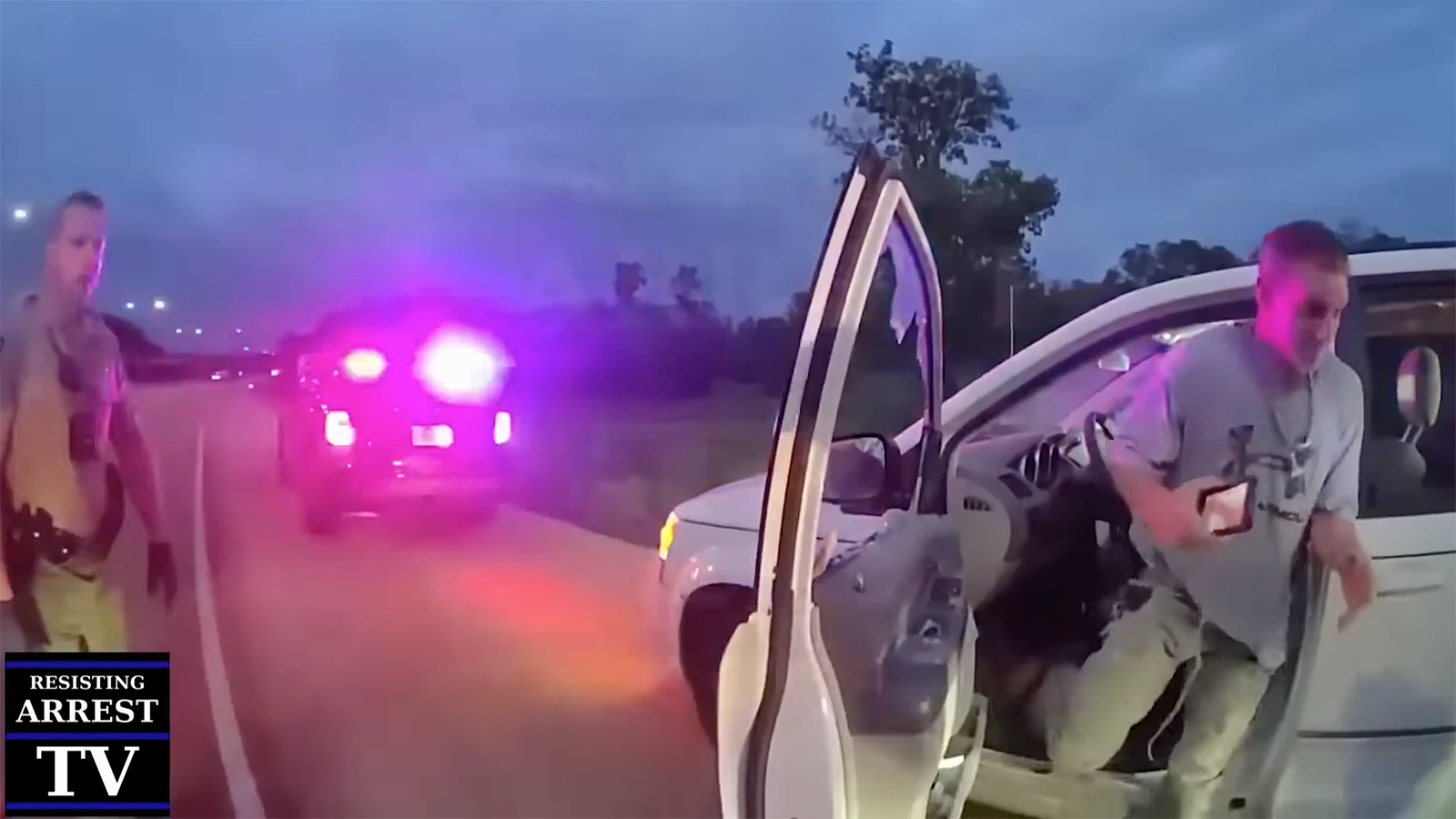
Resisting Arrest TV on YouTube garners a lot of page views on social media by showing law enforcement videos of “sovereign citizen” traffic encounters. (Via YouTube) 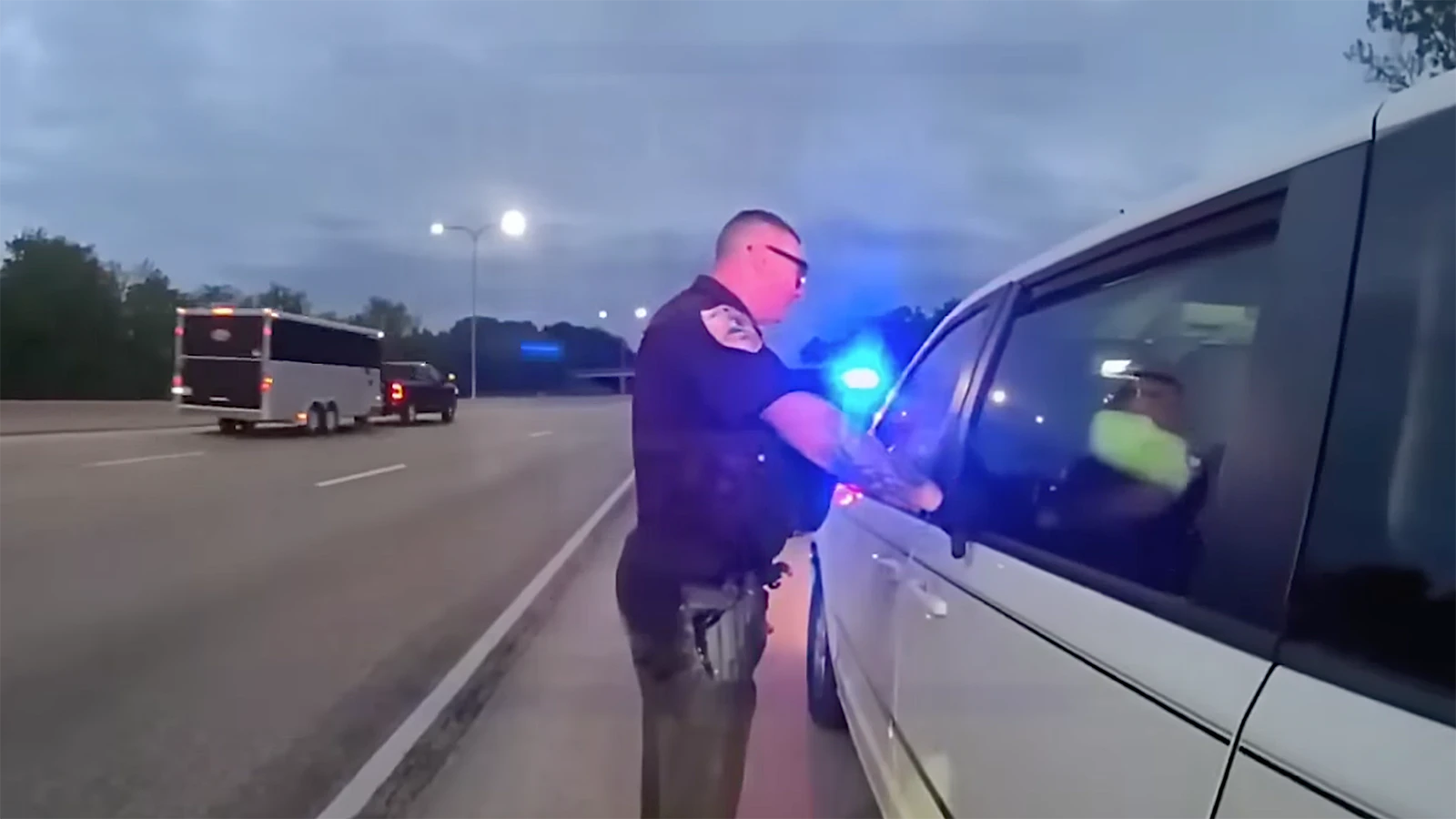
Resisting Arrest TV on YouTube garners a lot of page views on social media by showing law enforcement videos of “sovereign citizen” traffic encounters. (Via YouTube) 
Professor Christine Sarteschi of Chatham University studies the “sovereign citizen” movement. (Courtesy Photo) 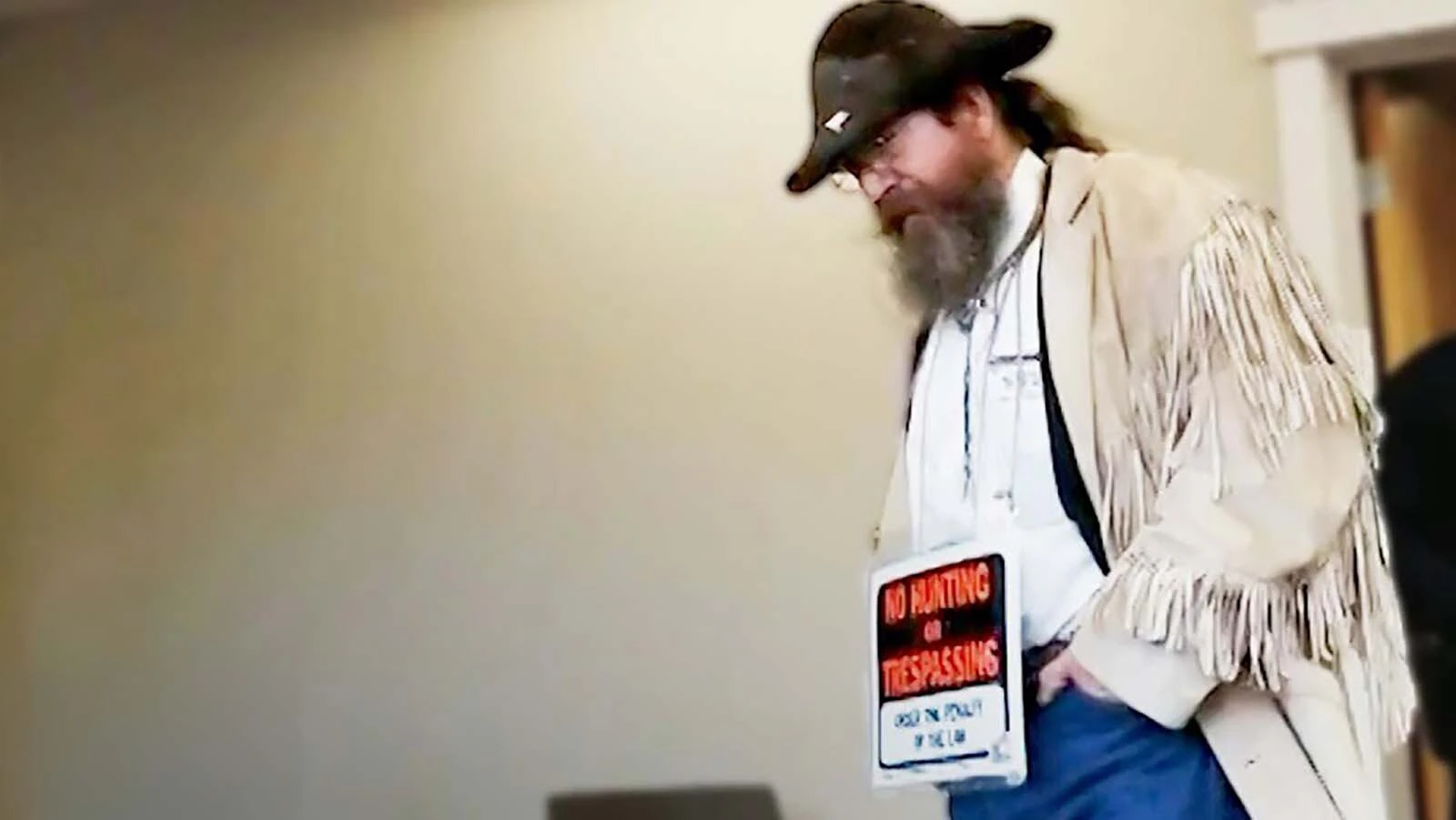
Ernie Tertelgte of Montana made headlines when he wore a "No Hunting No Trespassing" sign to court. (Court Cam via YouTube)
Wyoming Sheriffs’ Views
Two Wyoming sheriffs contacted by Cowboy State Daily reported that their departments' encounters with those expressing individual sovereignty are rare.
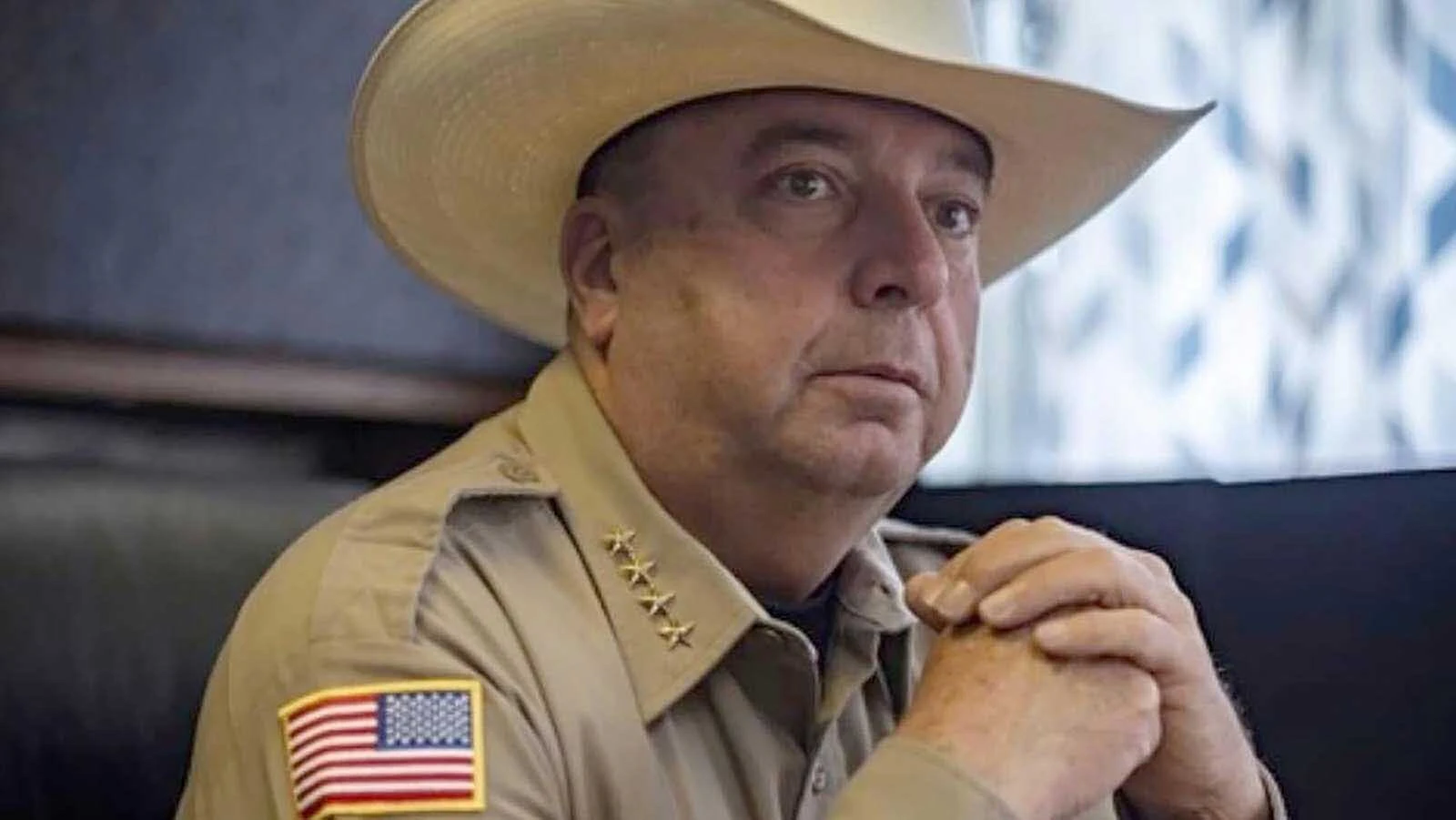
Laramie County Sheriff Brian Kozak said his deputies occasionally stop someone who will espouse some of the talking points used by the sovereignty movement.
“We don’t really encounter many of them, but I can tell you that generally those folks tend to respect the sheriff’s office more than police departments, because the sheriff is elected,” he said. “So, that helps when our deputies are dealing with these ‘sovereign citizens’ or groups alike.”
Kozak said his deputies handle the contact like any other.
Those not producing the right documents required by state law will be cited or, if need be, arrested. He understands that sometimes the person will try and file lawsuits against the deputy or the sheriff’s office.
“They generally don’t go anywhere,” he said. “They are typically lawsuits that our county attorney can get dismissed fairly easily.”
Dealing with the sovereign individual is something his deputies are trained for.
While many sovereign citizens carry weapons, as is their Second Amendment right, Kozak said it would not generally be an issue for officers who regularly encounter drivers with weapons in their vehicles.
He said Wyoming law allows most people to conceal carry if they don’t have a felony record or have been hospitalized for mental illness.
“In other areas, there have been some hazardous calls, people have been hurt in dealing with these type of people,” he said. “So, the officer’s safety is heightened. We’ll make sure we are always safe in these contacts as well.”
Kozak said during his career in the 1980s and 1990s working for an Arizona police department, the movement seemed to be more prevalent then than it is now.
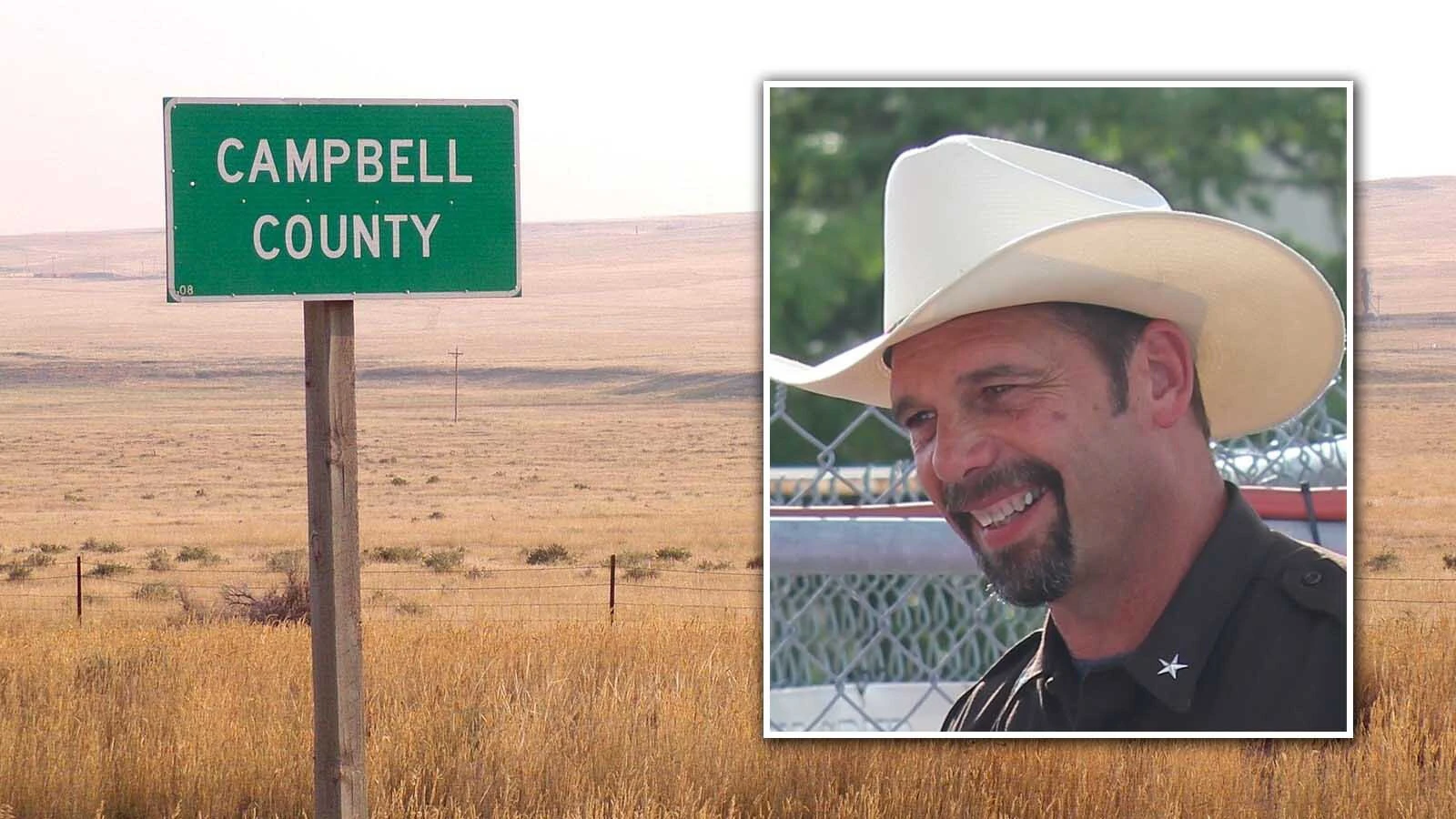
Campbell County
In Campbell County, Sheriff Scott Matheny said he recalls someone last fall who claimed to be a sovereign citizen who made an argument about “having a job and paying taxes” that made no sense when pulled over for a violation.
“It was his way of not wanting to get the ticket for having to update the registration,” he said. “They are few and far between.”
Campbell County Sheriff's Office Lt. Dan Maul, who oversees deputies who patrol the county, agreed the encounters with those operating under common law or other sovereign means are infrequent.
“In Campbell County we have never had huge numbers,” Maul said. “It’s always been kind of a rare contact that we might have. I guess it might have dwindled somewhat, but it was never a big issue that we’ve dealt with.”
Maul said the county’s deputies simply follow the state law if they find someone without a license plate or driver’s license. Typically, the person will argue whether or not they need to have a driver’s license and registration for a vehicle, he said.
“From our perspective, we simply follow what state law dictates and handle it accordingly,” he said.
As someone with 40 years of law enforcement experience, Matheny said he believes the whole movement associated with sovereign citizens is cyclical.
He said somebody will pick up the idea and it garners more interest, “and then they see how it doesn’t help their cause and it dies off.”
One Man’s Outcome
During a February 2024 traffic stop in Natrona County outside Casper, a Wyoming Highway Patrol trooper encountered Frank Ray Berris, then 53, who defined himself as a “sovereign citizen.”
His vehicle had homemade license plates that declared “United States of America Republic Diplomat Foreign National” and “UCC1-308.”
According to a U.S. District Court statement from June 2024, he told officers they would have to “kill him” before he would get out of the car. He had two semiautomatic pistols and an AR-style rifle in the vehicle with him.
He also was a felon, who under law was prohibited from possessing the weapons and ammunition.
After his arrest, Berris represented himself in court and was sentenced to 90 months in a federal prison.
Sarteschi said her research shows that the movement typically is “nothing but a headache” to the legal system.
But one thing seems clear as she continues to regularly pour over the cases.
“To date, nothing has actually worked,” Sarteschi said.
Dale Killingbeck can be reached at dale@cowboystatedaily.com.