Like many rabbit holes, it all started with a simple question.
About two years ago, Jaye Wells was at a small gathering in Cody when the topic of the 2026 centennial anniversary of the Dude Ranchers’ Association came up.
Wells asked how many dude ranches in the country had a comparable 100-year legacy to the Cody-based member organization.
“Nobody in the room knew,” said Wells, co-founder of the True Ranch Collection, with a portfolio of dude ranches around the West, including the Blackwater Creek Lodge and Guest Ranch in Cody.
Thus began a yearslong and, at times laborious, project of tracking down the number of dude ranches in operation since 1926, which are commemorated in “100 Years of Dude Ranching,” a coffee-table-style book published by Wells in December.
Though it took a lot of digging through records at the Wyoming Historical Society, old newspaper clippings and cross-referencing family records, the team behind the book finally identified a fitting answer to Wells’ question.
Of the 94 dude ranches that are members of the association today, 26 were in operation and accepting guests a century ago.
“That shocked us,” Wells said. “Every ranch has got its own little curiosity.”
The team behind the book was strict about the criteria it established: To be included in the book, a dude ranch must have been accepting guests in 1926. Had they expanded their criteria, the list would have been even longer.
“There are a lot of ranches that are 97 or 98 years old,” Wells said.
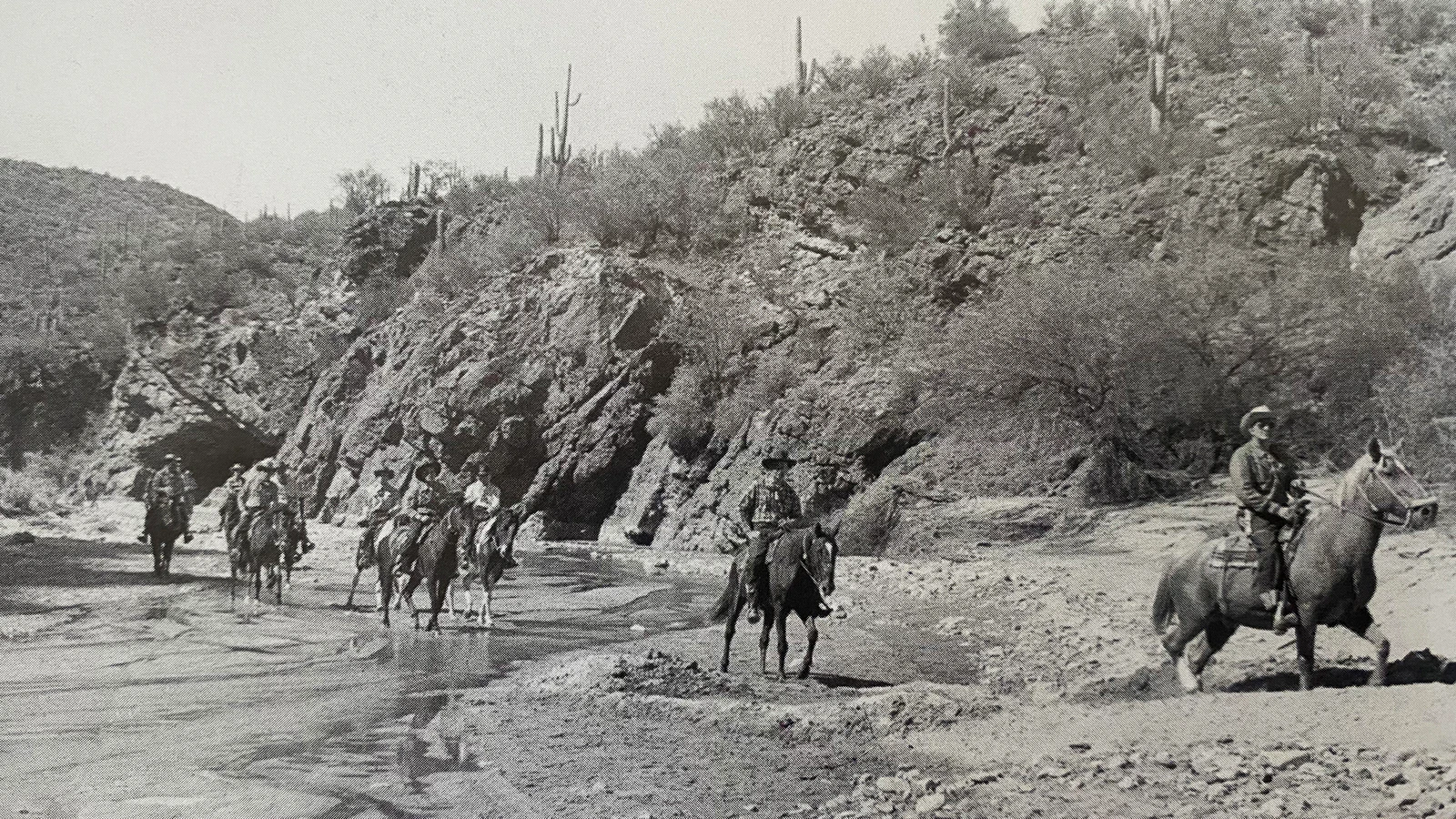
Guests enjoy a ride on the Kay El Bar Ranch. (Courtesy Scott T. Baxter) 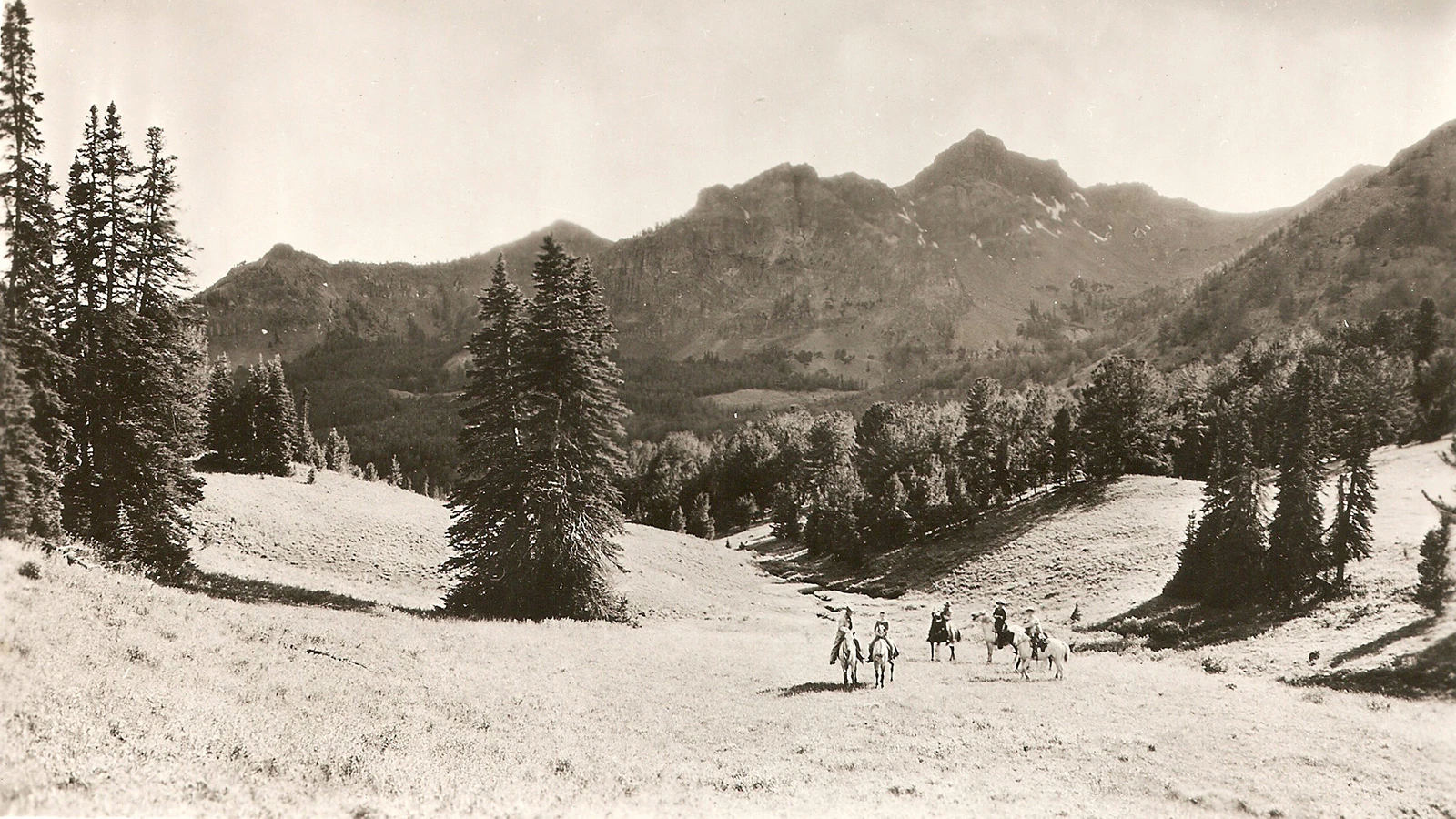
The OTO Dude Ranch has been going for decades. (Courtesy Scott T. Baxter) 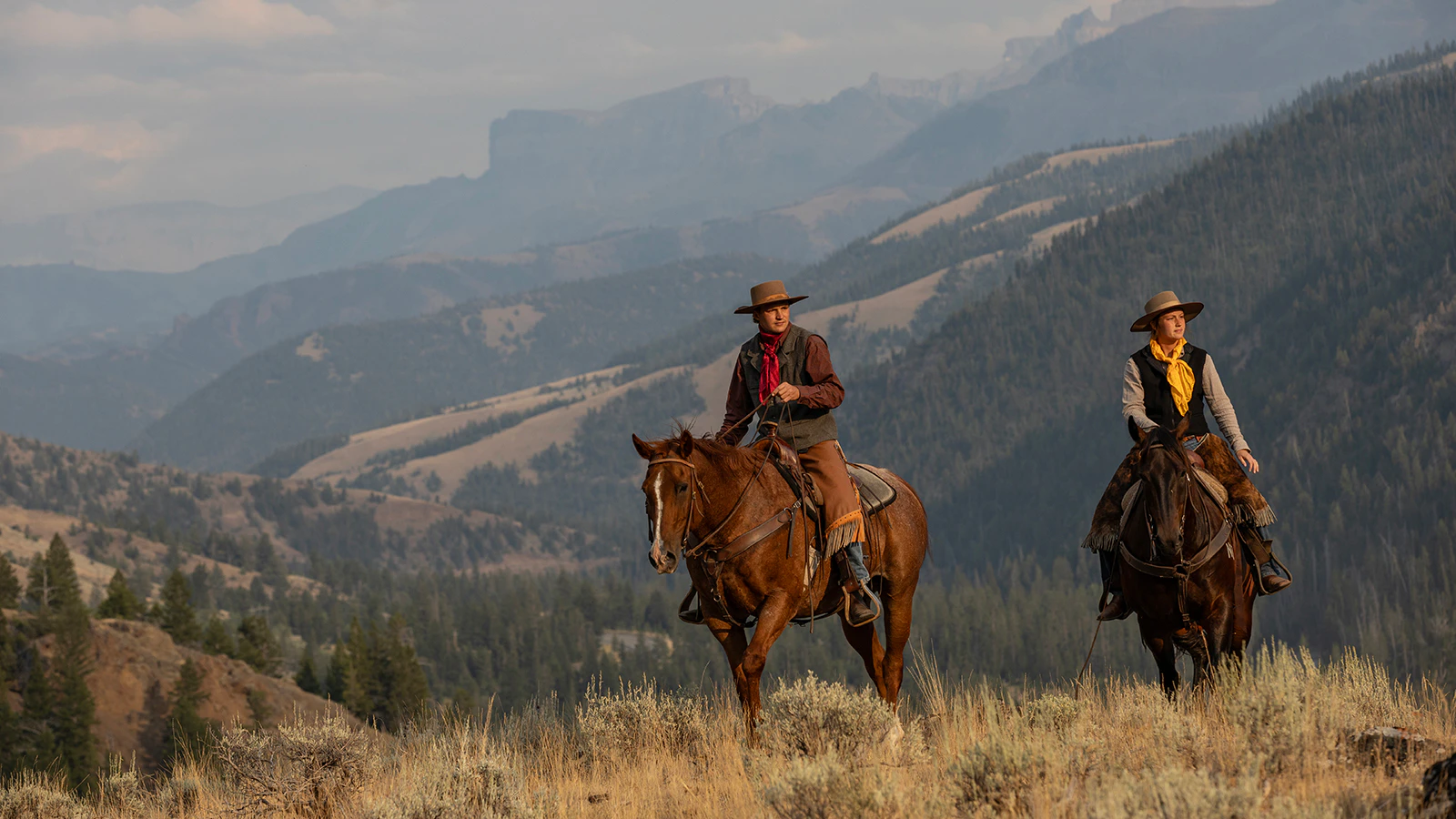
The Shoshone Lodge & Guest Ranch in Cody is one of 13 Wyoming ranches that has been in operation since at least 1926. (Courtesy Scott T. Baxter) 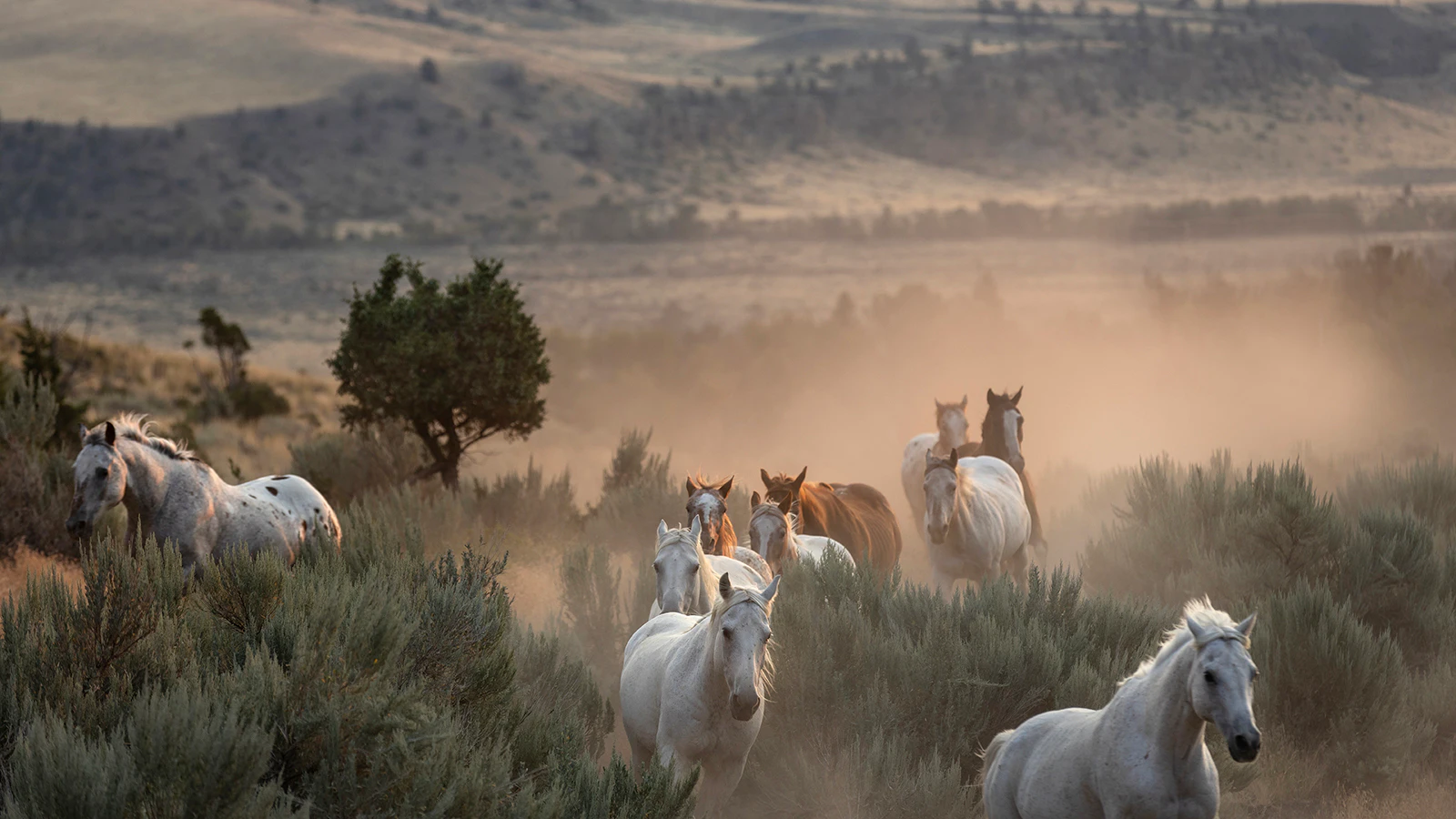
Horses run free on the Rimrock Ranch. (Courtesy Scott T. Baxter) 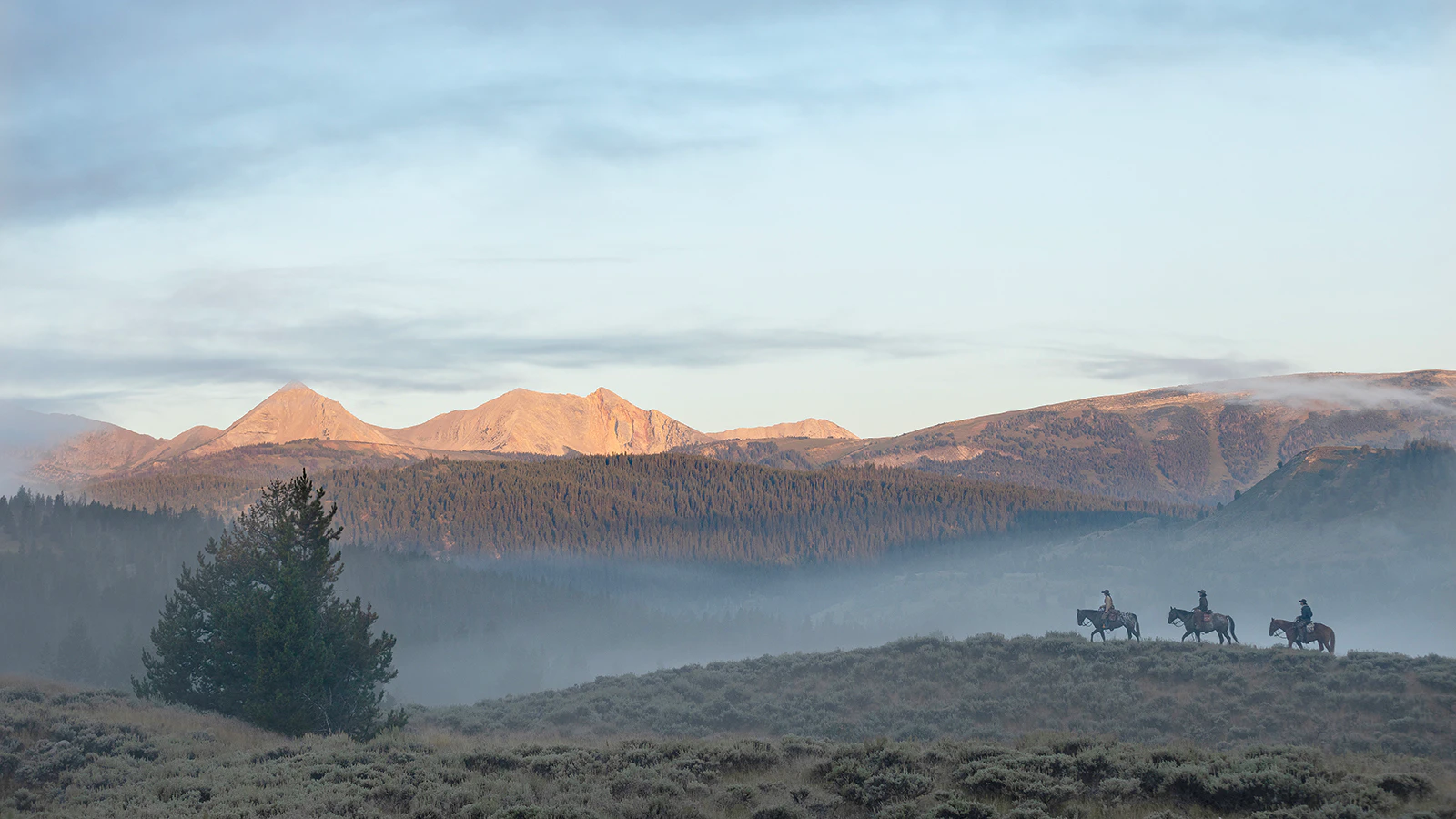
Wyoming has 13 100-year-old dude raches, half of the 26 centennial dude ranches in the West. That's one of the things the team behind the new book "100 Years of Dude Ranching" learned in documenting the industry's century of Western hospitality. Above is a scene from the Nine Quarter Circle Ranch. (Courtesy Scott T. Baxter)
A Tribute To Hospitality
As much as the book celebrates the long legacy of dude ranching, it also serves as a tribute to a unique way of life — particularly in Wyoming.
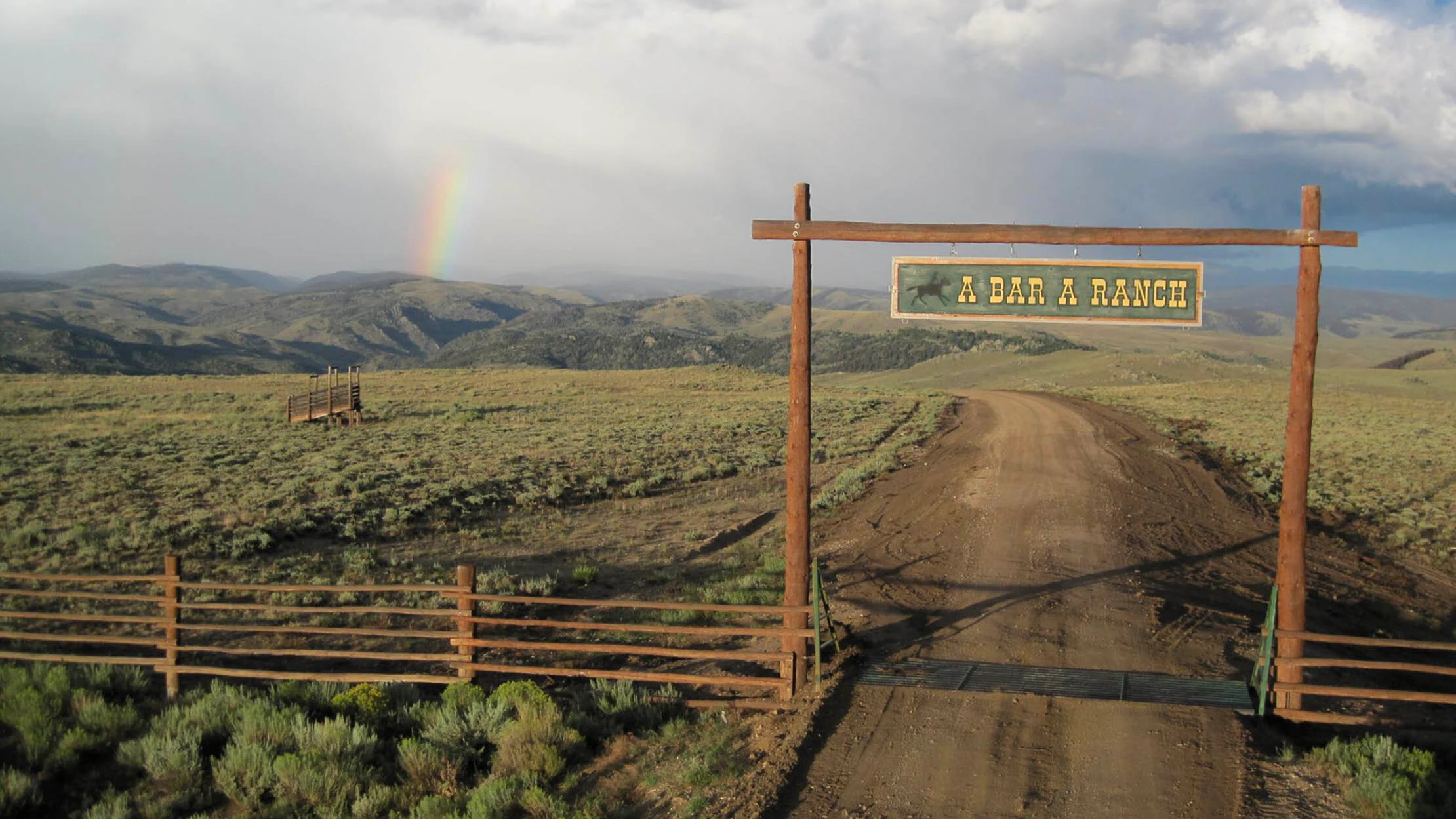
The state is home to half of the 26 centennial ranches: A Bar A Ranch (Encampment), Absaroka Ranch (Dubois), Blackwater Creek Lodge and Guest Ranch (Cody), CM Ranch (Dubois), Crossed Sabres Ranch (Cody), Darwin Ranch (Jackson), Eatons’ Ranch (Wolf), the Hideout Lodge and Guest Ranch (Shell), Medicine Bow Lodge and Guest Ranch (Saratoga), Paradise Guest Ranch (Buffalo), Rimrock Ranch (Cody), Shoshone Lodge and Guest Ranch (Cody), and Triangle X Ranch (Moose).
As the book details, the origins of dude ranching trace back to the 1880s, when a ranch near modern-day Medora, North Dakota, began charging guests from back East room and board when they’d come out West to hunt bison and other big game.
The word “dude” had become a popular term by that time for a man with fancy duds.
More and more ranches started opening up to guests in the 1900s, including welcoming many young men whose parents had sent them West to dry out and stay out of trouble.
“You had to be wealthy to stay at a dude ranch back in the day,” Wells said.
But life on these ranches today might look surprisingly similar to a century ago.
Ranch hands might start rounding up horses at 4:30 in the morning and preparing breakfast so it’s ready for guests when they awaken, Wells said. In addition to historic photos of the ranches, photographer Scott Baxter spent four months on the road capturing how the ranches look now.
While still offering a vacation that’s more expensive than a typical tourist might be able to afford, Wells said one of the constants at the centennial ranches spread across four states is the service and experience they offer.
“The strongest element that’s kept dude ranching going all that time is a common denominator,” Wells said. “It’s the desire to offer great hospitality.”
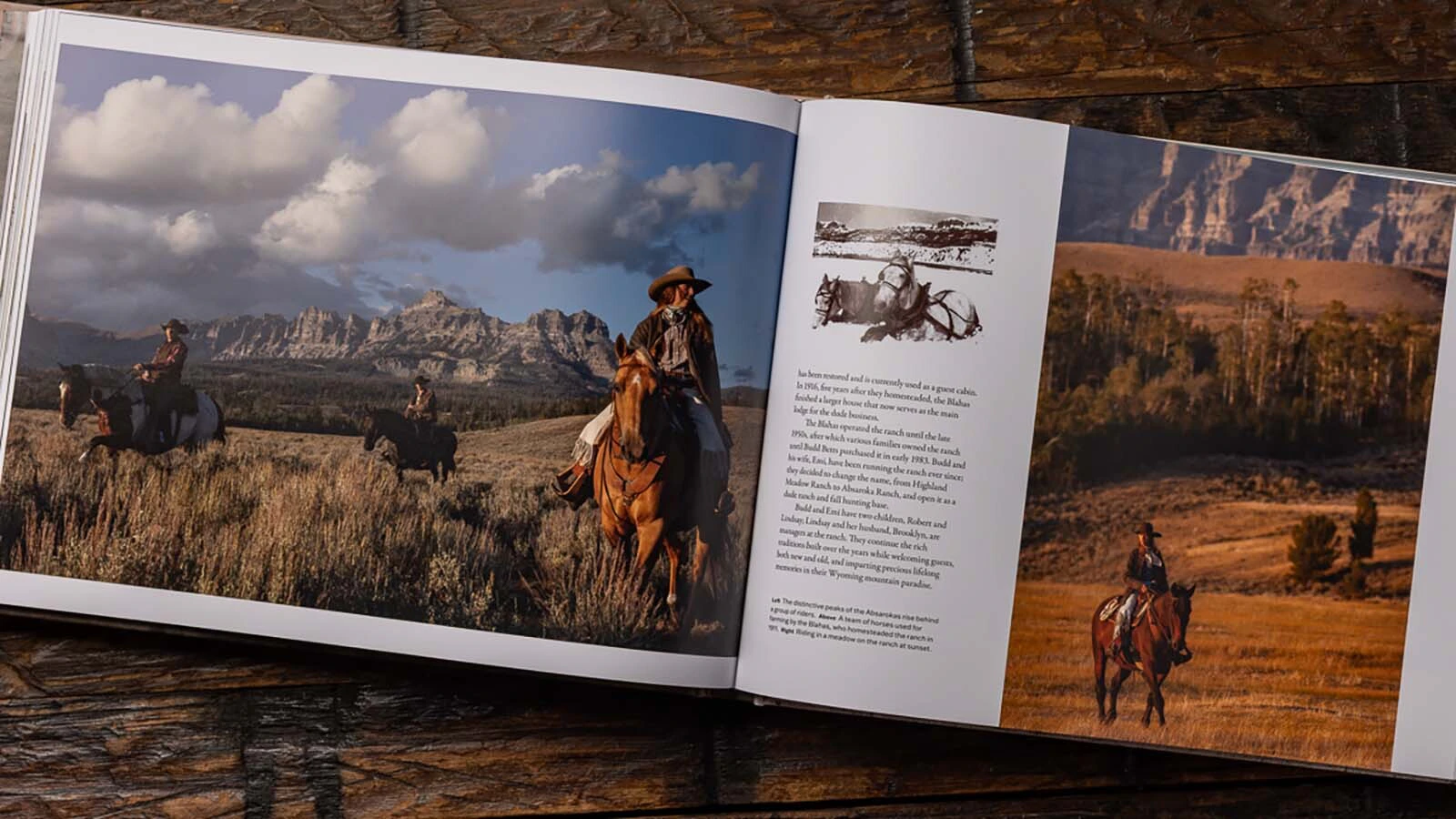
As much as the book celebrates dude ranches, it's also a tribute to a unique way of life, particularly in Wyoming. "It's such a tough business, but it's such a joy," said Jaye Wells, who owns the Blackwater Creek Lodge & Guest Ranch in Cody. (Courtesy Scott T. Baxter) 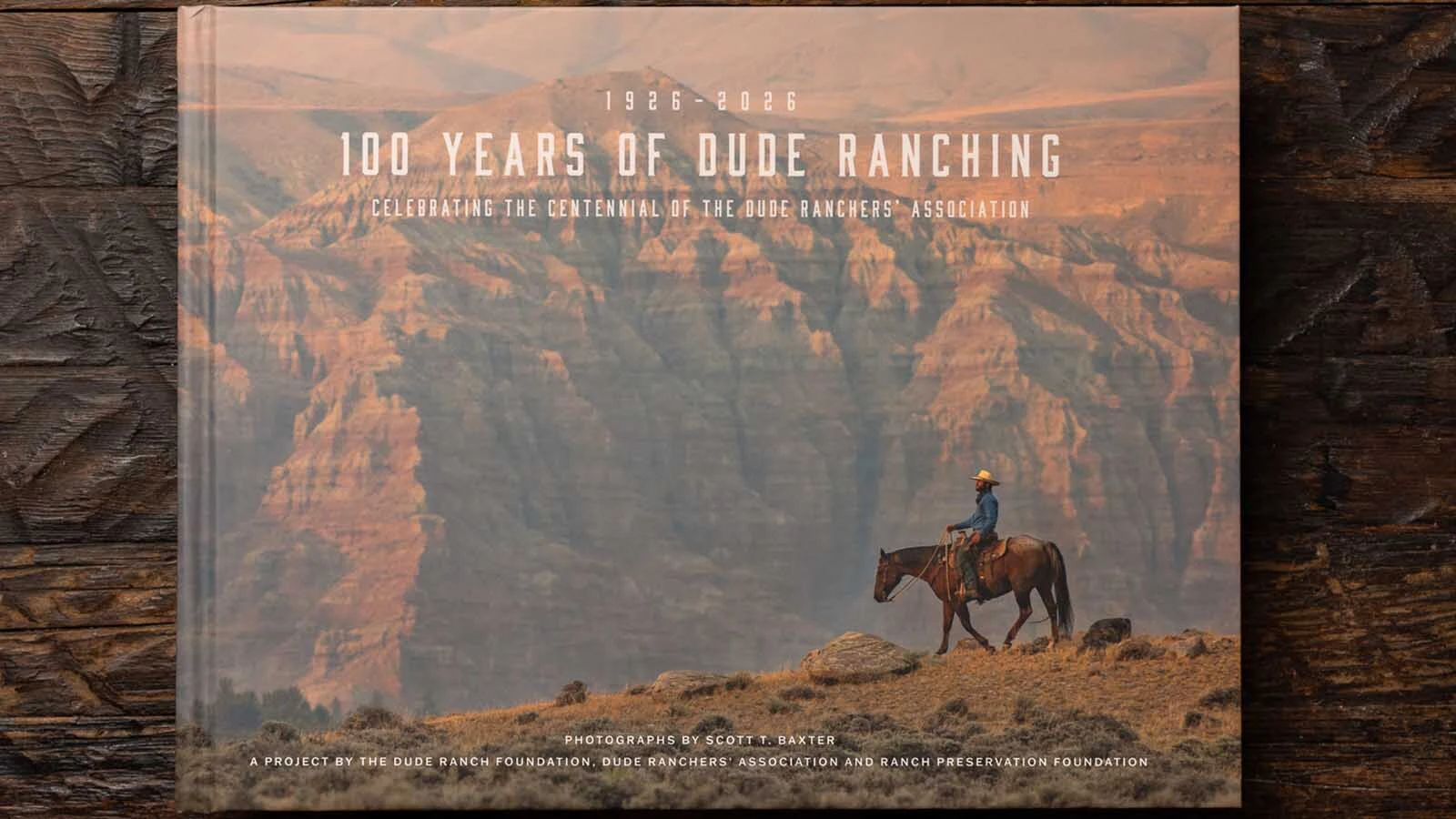
It was while kicking around ideas for the 100-year anniversary of the Dude Ranching Association that Jaye Wells asked how many ranches have a similar legacy. "Nobody in the room knew," Wells recalled. That's how the new book "100 Years of Dude Ranching" was born. (Courtesy Scott T. Baxter) 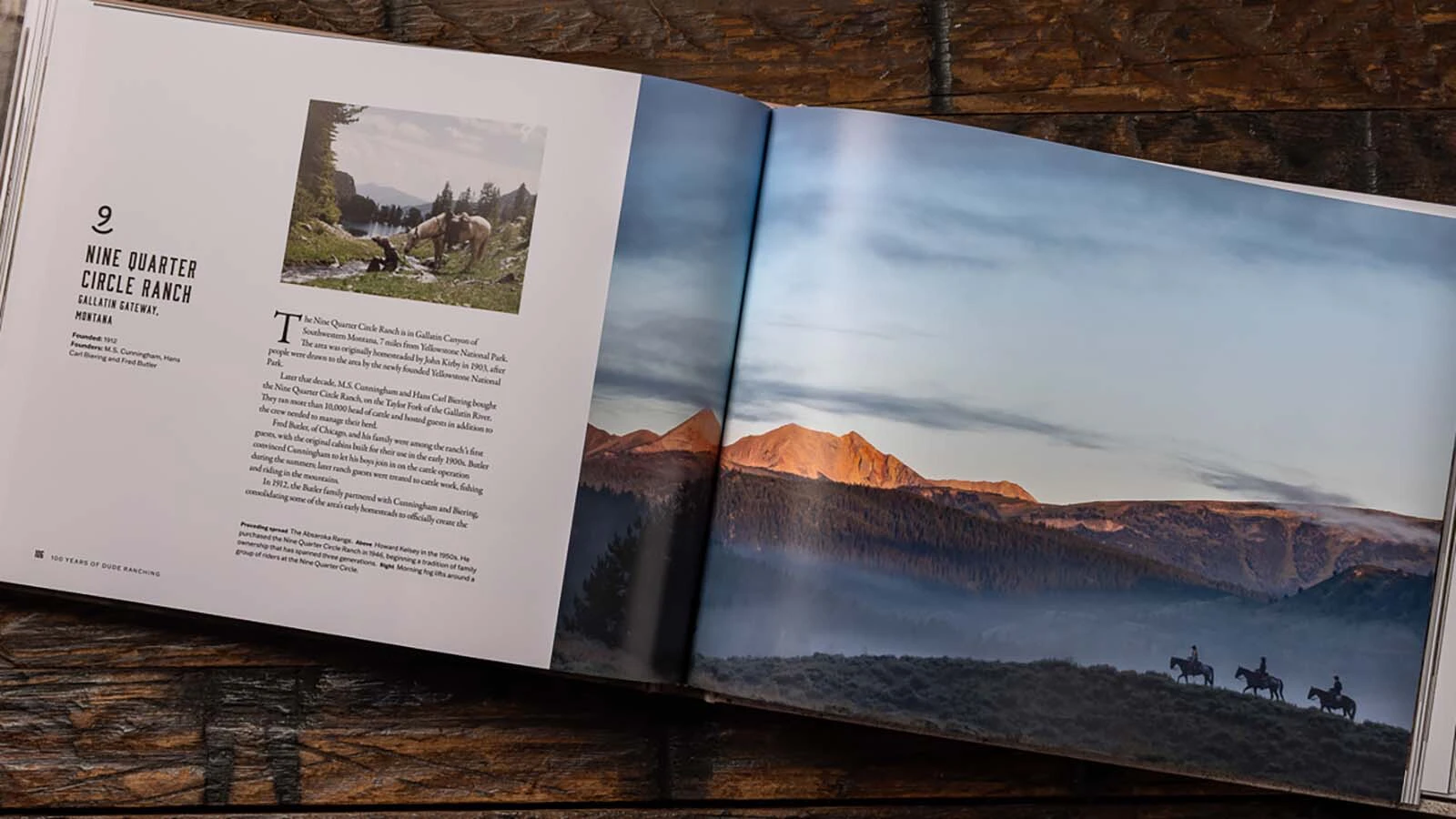
As much as the book celebrates dude ranches, it's also a tribute to a unique way of life, particularly in Wyoming. "It's such a tough business, but it's such a joy," said Jaye Wells, who owns the Blackwater Creek Lodge & Guest Ranch in Cody. (Courtesy Scott T. Baxter) 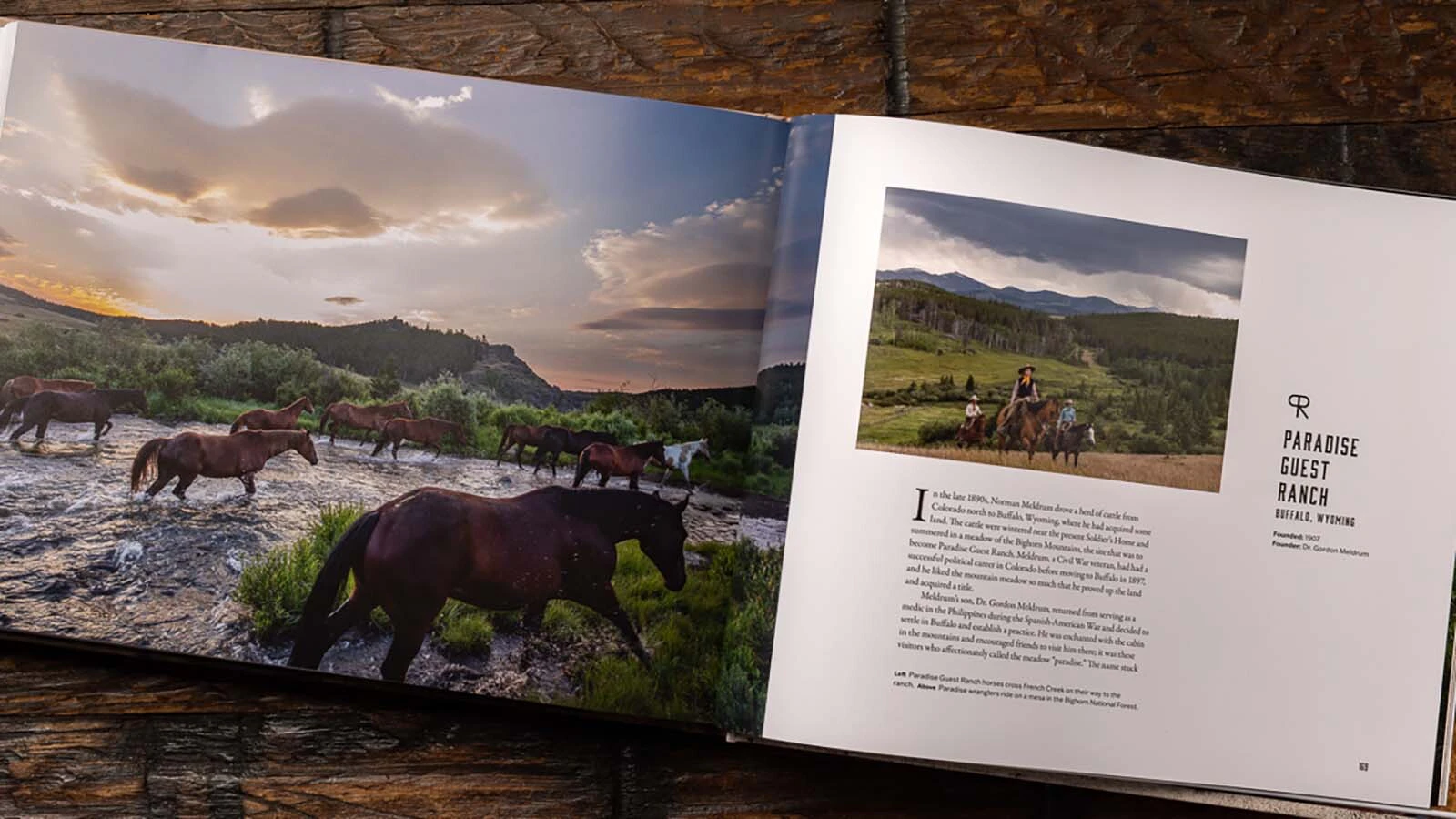
As much as the book celebrates dude ranches, it's also a tribute to a unique way of life, particularly in Wyoming. "It's such a tough business, but it's such a joy," said Jaye Wells, who owns the Blackwater Creek Lodge & Guest Ranch in Cody. (Courtesy Scott T. Baxter)
Pressures To Modernize
Even so, dude ranch owners do feel some pressure to modernize to appease guests who have become downright uncomfortable unplugging.
Such changes have seen ranches offering Wi-Fi, say, or packing days with lots of activities.
Even though guests will quickly learn that riding a horse all day is exercise in and of itself, Wells said he’s felt that pressure, too. “We have a full-blown exercise room at White Stallion Ranch,” he said of one of his ranches near Tucson, Arizona. “You have to have it now.”
What’s more, even though guests will rave about how relaxing they find their stay or how much they appreciate the quality time with loved ones, they’re booking shorter and shorter stays.
In the 1920s, people from out East might come to a ranch for months at a time, and there was a time not so long ago when a one- or two-week stay was the norm.
“Now, guests only want to stay three nights. That’s the number one trend in the business we see,” Wells said. “We forget we’re so connected now, it’s almost too much. We’re being bombarded by information 24 hours a day.”
‘It’s Such A Joy’
Putting this book together gave Wells a newfound appreciation for the diversity of Wyoming’s topography and landscapes.
The project also offered constant reminders about why he loves dude ranching so much and how pivotal the business was to shaping the West.
Of course, he’s also reminded of how unique this business is while conversing with guests over the years — including tourists from abroad who marvel at the idea of being able to shoot a gun, spend a week bonding with a horse or simply get to decompress in a way they haven’t been able to do since childhood.
“I would venture to say it’s one of the most iconic symbols in the world,” Wells said of dude ranching. “It’s such a tough business, but it’s such a joy.”