Dear editor:
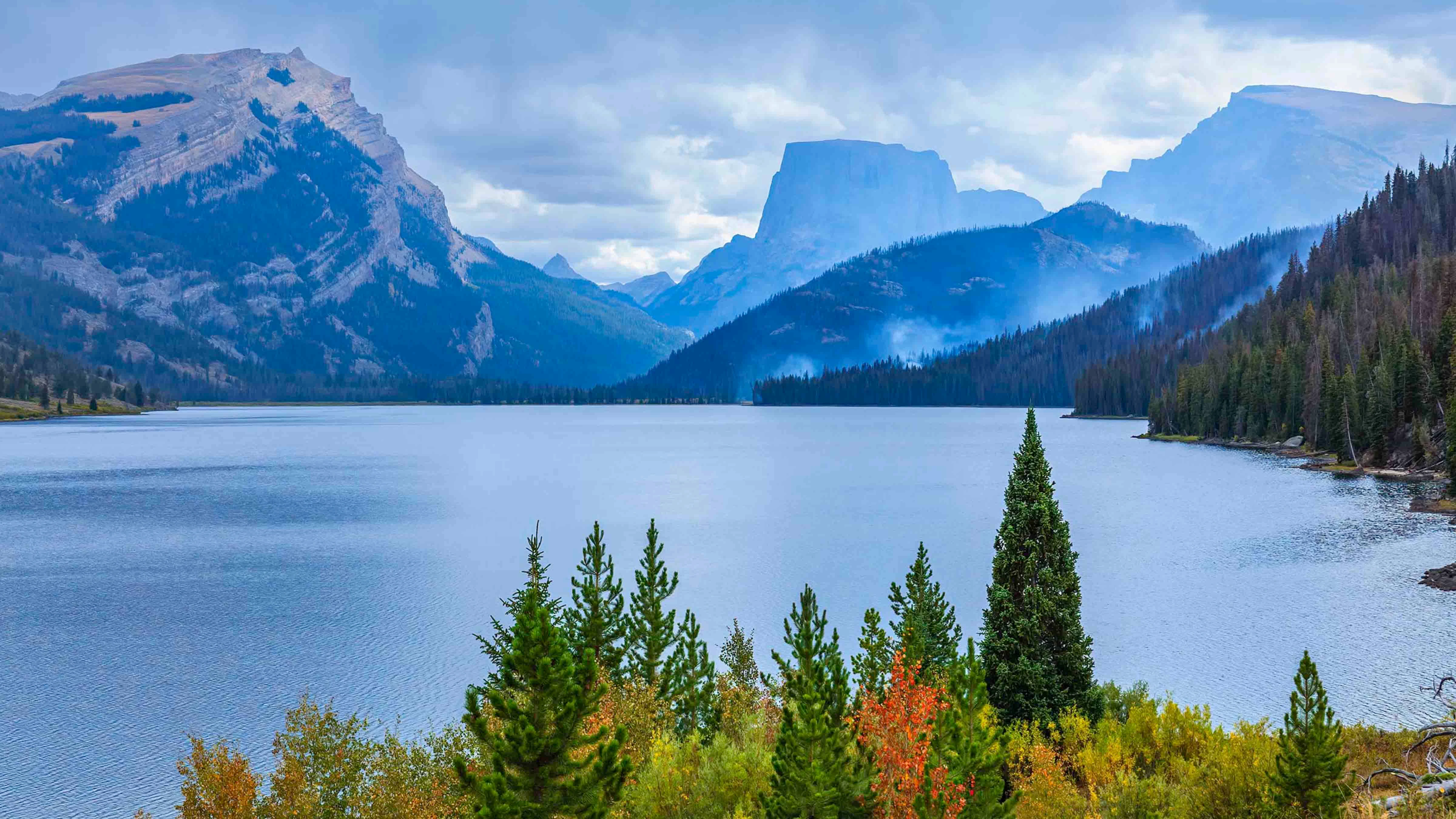
“God bless Wyoming and keep it wild.” That is a familiar quote to Wyomingites.
One that garnered increased attention during Wyoming’s 1990 centennial celebration, adorns various posters and other memorabilia, and is used as a reminder of the specialness of this state.
Fifteen-year-old Helen “Becky” Mettler, visiting Wyoming in 1925 from New Jersey, recorded that as her last diary entry prior to falling to her death in the Wyoming wild.
While she invoked the Lord’s name in her request, I believe implied was the hope that Wyomingites would do the same…keep it wild. Unfortunately, I think we may have fallen short.
I suppose we all have our interpretation of a wild Wyoming, though I think common attributes and descriptors involve solitude, remote, untrammeled, and undeveloped.
That magical feeling of lonely freedom, the hardiness of open spaces, the realization that you are your own protector…and that you may need to be your own savior.
A place where the comfort of any human sign is stripped away.
A place that can be magnificently dark and beautifully bright, that can be harshly punishing and individually rewarding, all at the same time. Unfortunately, that lonely freedom-the wildness of Wyoming-is becoming increasingly elusive at an ever-increasing rate.
I am sure every generation that inhabited this land has mourned a similar fate, from the Shoshone and Arapahoe to the fur trade era trappers, to the pioneers to the early ranchers and outfitters.
Each saw the end of an era and longed for the wildness of the past. Excepting perhaps the American Indian, I believe none of them witnessed such a rapid break in the continuity and understanding of the magic of the wild as we are currently witnessing.
Many Wyomingites understood this wild nature instinctively, and it was transmitted through generations by values, habits, and hard-earned wisdom.
This is not to say all Wyomingites were environmentalists or conservationists.
Far from it, my family included. However, the aggregate understood what needed guarding and that the wildness of Wyoming was a living inheritance. This also provided many in the state with a sense of what was worth preserving.
That sense is in decline owing to many different factors ranging from technology, the relocation of a significant number of people nationwide, an increase in disposable income, and the ever-increasing promotion of tourism as a prime Wyoming economic pillar.
The predictable and unfortunate consequence of the combination of these factors is the rupture in an understanding of the specialness of the wild, with its past now foreign and its future uncertain.
Once pristine retreats are now littered with mountain bike trails that were willed into existence by individual retailers. The asphalt highways of Yellowstone and Teton National Parks serve as deepfakes to a connection to the wild.
The recent explosion of guided adventure businesses (kayaking, mountaineering, back country skiing, dog sledding, glamping, etc.) are crowding out the once limited number of generational outfitting and guide services.
Wind turbines litter once unblemished skylines. Residents of such states as Utah and Colorado now find so much of their own wilderness experience so thoroughly and deliberately destroyed that small armies of them are now found in the deepest pockets of the Wyoming wild, enjoying a multimillion-dollar safety net of hospitals and search and rescue architecture.
The same pertains to Jackson, advertised well beyond its capacity and that is now overwhelming surrounding counties. What were once remote backcountry winter trails are now regularly groomed with what appears to be an unsatiable appetite for more.
What should be the frightening wild of the Wyoming eco-system is constricted by social media to a few animals in Yellowstone and Teton National Parks whose darling social media status subordinate them to nothing more than virtual pets and serves as a reductionist lens for a national audience to the detriment of understanding a far more complex system.
I am under no illusion that this trend is cyclical and that the pendulum will somehow swing back. Neither technology nor the desire to monetize outdoor hobbies will un-scale.
We will not uninvent the automobile and the subdivision and development of land will continue as a norm. I am also fully aware Becky Mettler, who wanted Wyoming to remain wild, wrote that line while a guest on a Jackson area dude ranch intent on making money off the very wildness Becky desired preserved.
This isn’t a solvable problem, rather, it is a consequence that will only grow worse as more people continue to prostitute ever increasing portions of Wyoming’s wild.
I fully accept that while my grandfather could tell tales of locals still trading with the Shoshone while on their very last buffalo hunts, I will tell tales to my grandchildren of catching fish that hadn’t already sustained hook injuries.
Any contract to keep Wyoming wild is dead and there is no solution otherwise.
What remains is what was always present, individual choice. A choice to understand the history and the underpinnings of what made Wyoming’s wild so special and attempt to live within that framework.
None of it is complicated, but all of it is admittedly very difficult.
Sincerely,
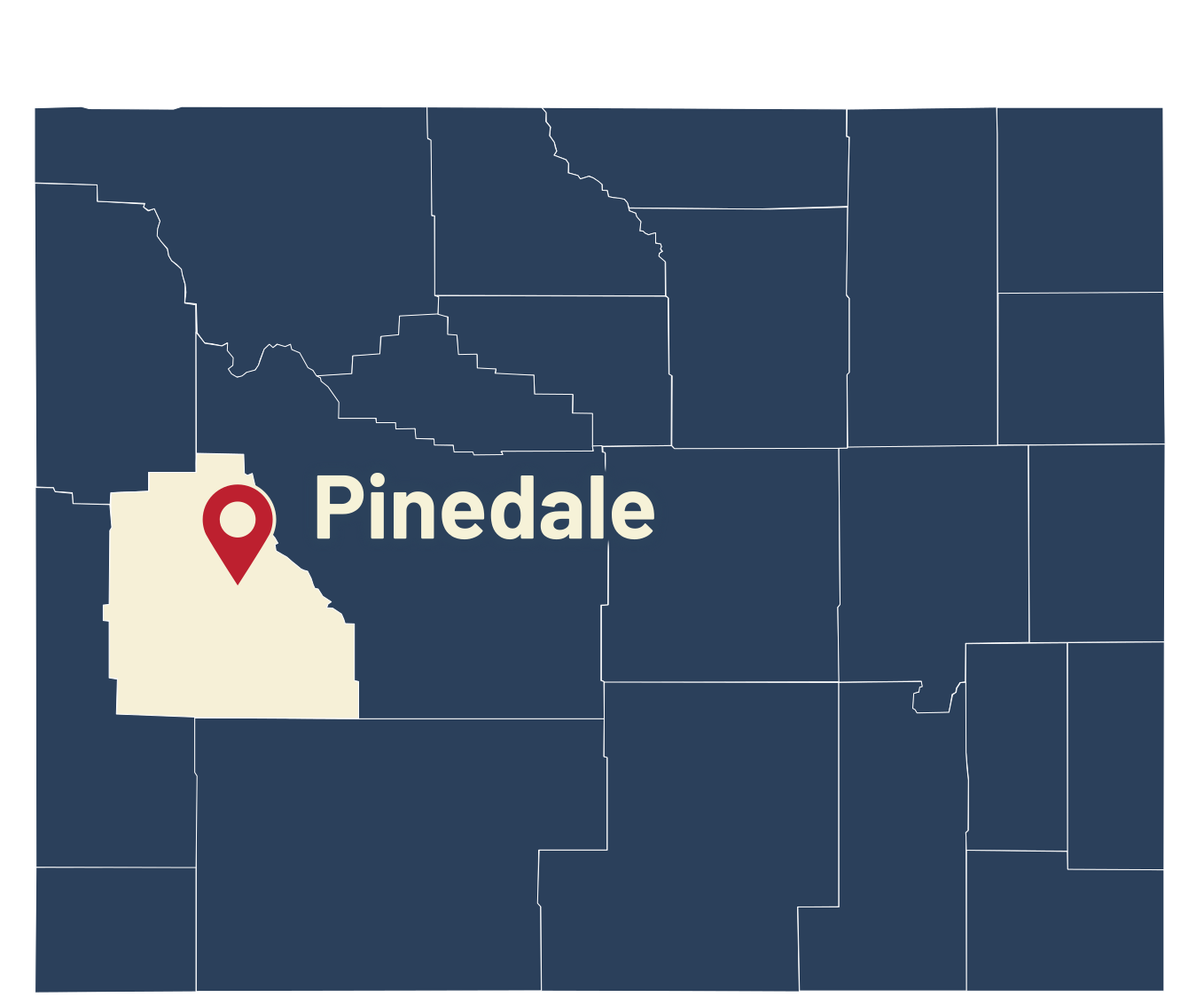
Heath Harrower, Pinedale