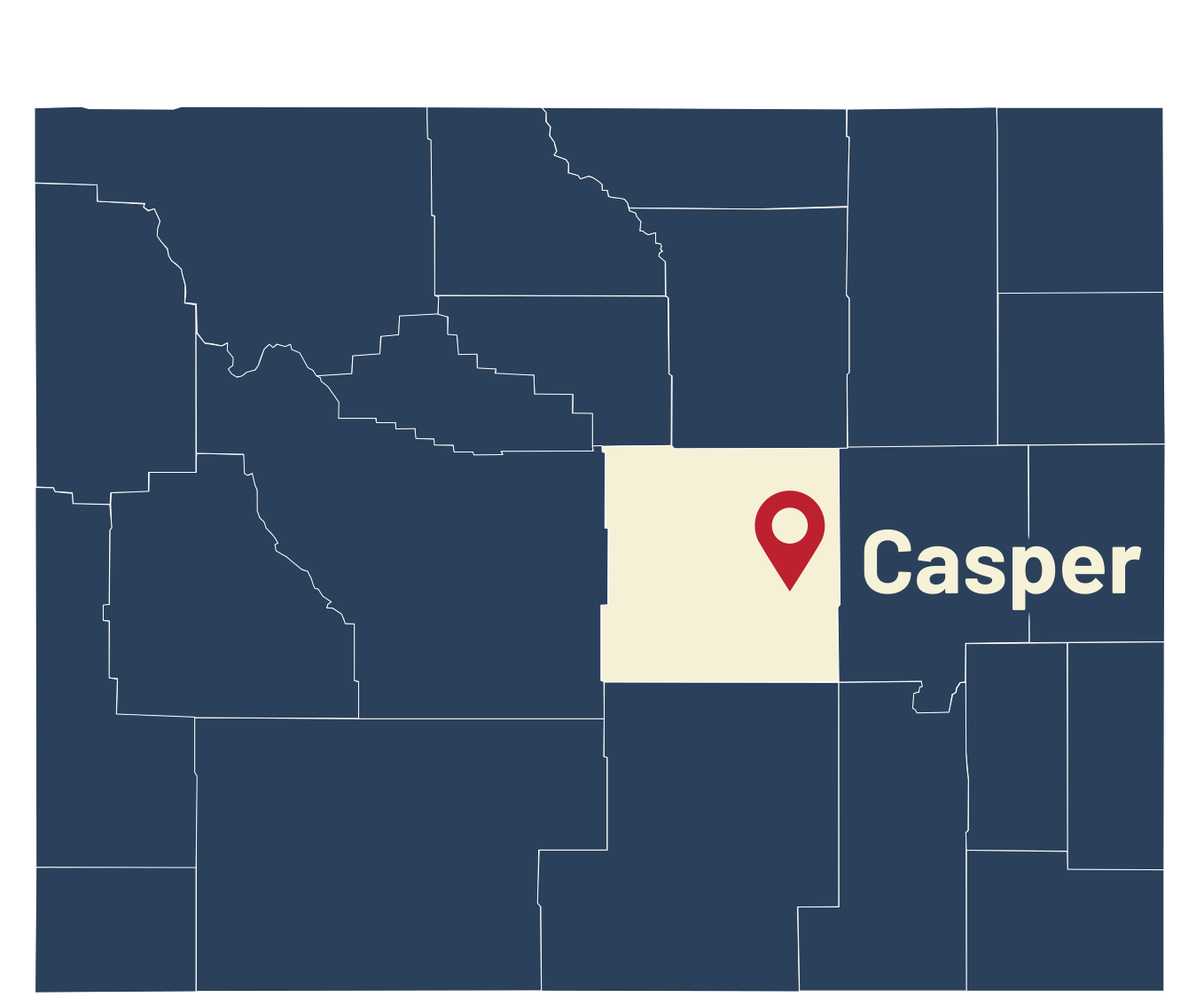
Casper City Council members gave a study designating seven areas of the city with “blight” a thumbs up Tuesday as a first step toward renovating rundown areas, generating potential revenue and sparking urban renewal.
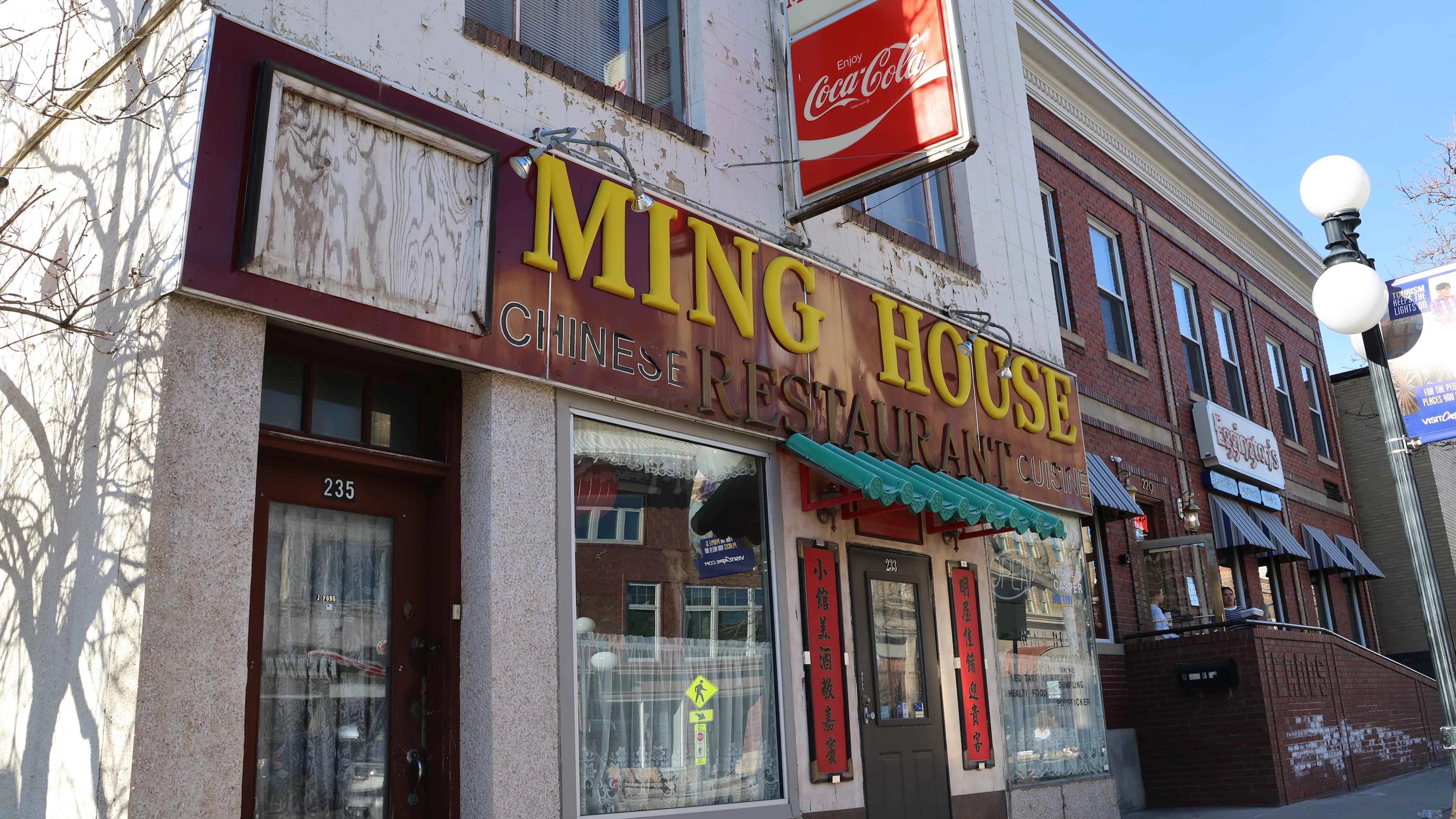
The study highlighted downtown, North Casper, the CY Avenue corridor, Eastridge Mall, the Paradise Valley corridor, events center area and Platte River commons as areas for potential renewal.
Casper Community Development Director Liz Becher and consultant Mark Christensen of AVI in Cheyenne, a professional planner, took council through the results of a study. The effort was approved by council last year and funded by Advance Casper and the Downtown Development Authority.
“Urban renewal areas open up opportunities for increased sales tax, property tax, building permit revenue and allow us to look at different revenue streams such as industrial revenue bonds and perhaps again, federal grants,” Becher said. “And then also looking at tools such as tax increment financing and beginning to explore that option.”
Christensen reminded the council that statutes associated with the state’s Urban Renewal Code give municipalities power to declare areas as “blighted” and then allow tools such as the tax increment financing to reinvest in those areas.
He said his investigation of the seven areas of the city found “blight” in all of them. He used 13 characteristics of blight that were taken from the state statute that defines the term.
In his report to council Christensen wrote that while his study documented blight in the seven areas, those designations did not mean that urban renewal had to be limited to those locations.
“These areas are illustrative examples demonstrating that statutory conditions of blight exist with the City of Casper,” he wrote. “Under Wyoming law, the identification of one or more blighted areas is sufficient to authorize the city to exercise urban renewal powers.”
The study allows the city to pursue state and federal funds including Environmental Protection Agency brownfield assessment and remediation grants, infrastructure improvement grants, housing and redevelopment grants as well as other economic funding programs, he said.
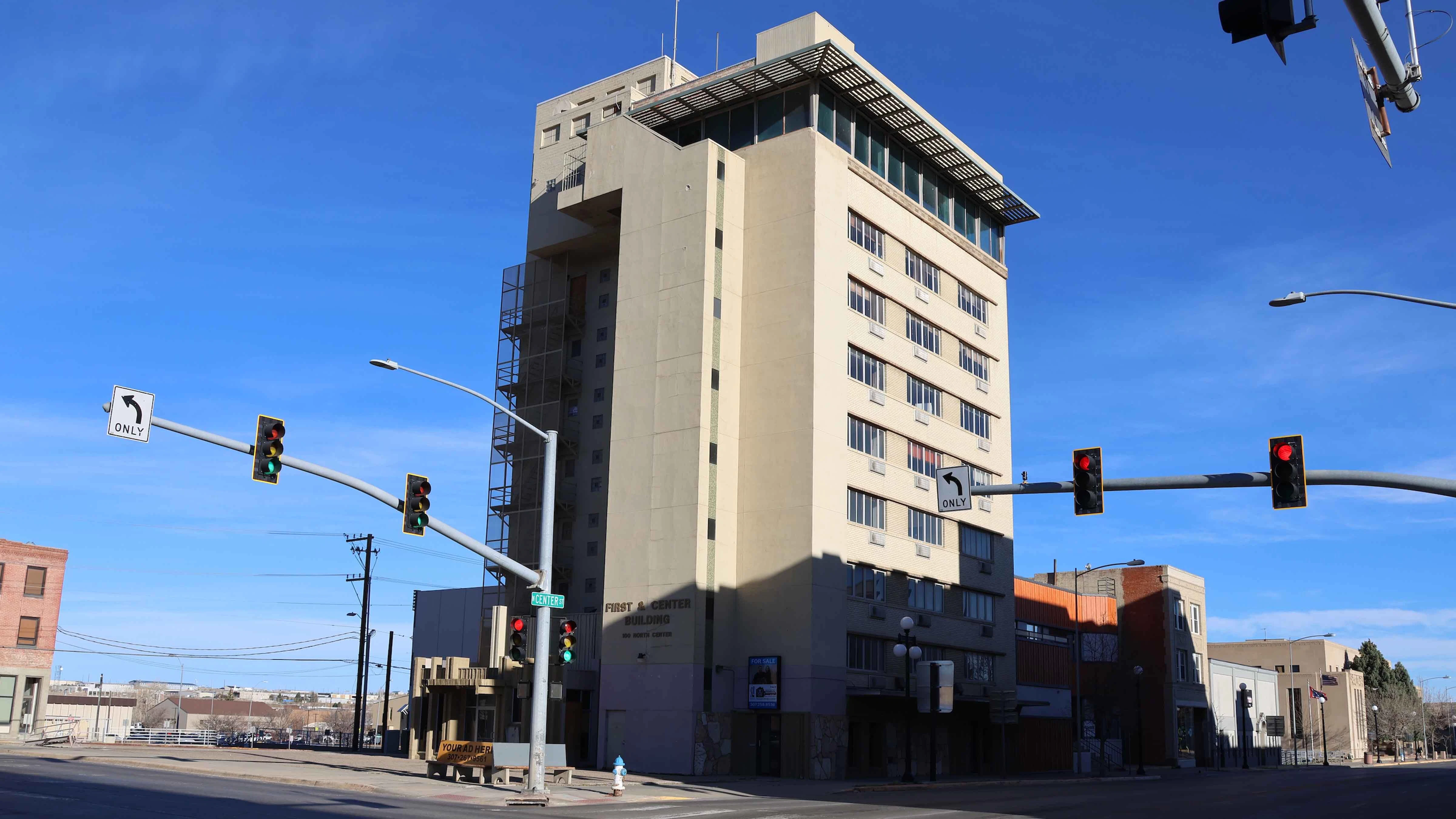
‘Blight’ Trigger
If the council passes a resolution declaring that “blight” exists in the city, it can then create a five member “urban renewal agency” which can develop renewal plans and projects.
Christensen told the council that a blight designation does not attach to individual properties and does not reduce property values.
“Potentially, if a property is within an urban renewal area, to the development community, it might signify that this is a big opportunity,” he said. “That’s something that happened in Cheyenne with the development down there, a developer saw that the property was an urban renewal, so it somewhat increased the value because they saw the development opportunity and the opportunity to use tax increment financing.”
Tax increment financing does not happen as a result of a blight study but instead identifies an area where tax increment financing could take place. Tax increment financing requires the development of a project for the specific area and then approval of the tax increment district.
Under tax increment financing, Christensen said the designated property’s taxes are frozen and any tax increases above that amount can be captured and used for improvements in the designated area.
“I would say that this is the primary driver for urban renewal in Wyoming,” he said. Christensen said Cheyenne is using it and Douglas recently approved a project as well, while Laramie is exploring it.
Casper’s downtown showed nine of the 13 characteristics of blight chosen for the study that included dilapidated and obsolete structures, crumbling curb, gutters and sidewalks, abandoned buildings, defective and inadequate street layout, and more, Christensen said.
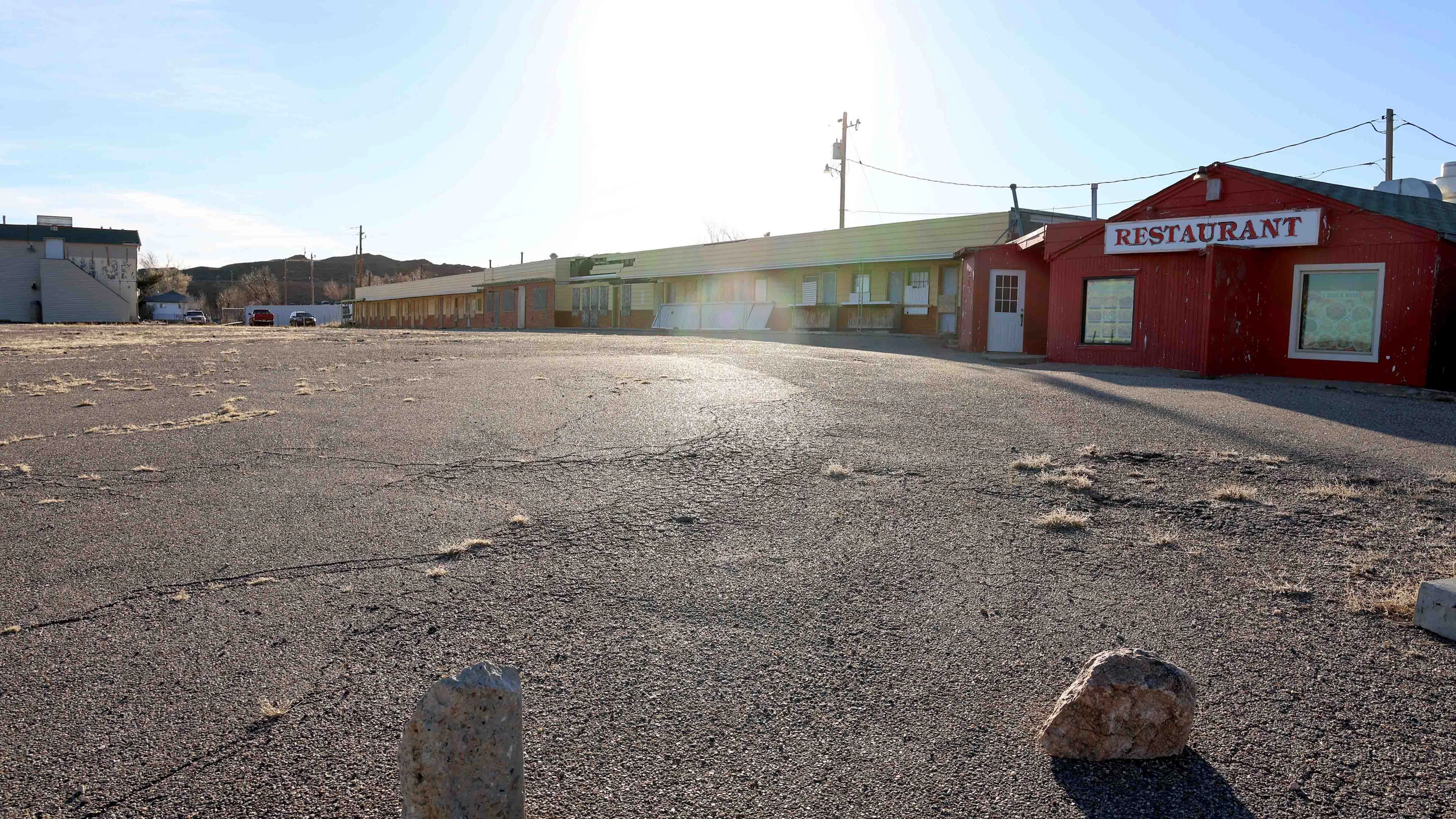
Eastridge Mall
The Eastridge Mall had five conditions of blight. Christensen wrote that the vacancies in the mall “constitute an economic liability to the community as they are not contributing to the optimal tax base in their vacant state, primarily through sales tax.”
He also said the mall’s acreage and lack of use also contributes to the housing shortage in the community in that “the large acreage” could potentially be replaced with housing.
North Casper exhibits nine conditions of blight because of dilapidated housing, fencing and outbuildings on the verge of collapse, crumbling gutters and curbs, vacant lots and homes, Christensen found.
The Paradise Valley corridor which is the southwest entrance to the city had seven conditions of blight that “impairs the growth of the community and does not yield a welcoming gateway to the community,” he said.
Should the city create an urban renewal agency, that entity would not have any power to condemn structures, Christensen said.
Becher told the council that staff recommend two council members be part of the entity if it is created.
DDA Executive Director Melissa Hugget told the council that her board would be “supportive of any kind of development opportunities down there.”
“We have recently started to take an inventory of the properties that are for sale or lease,” she said. “I would say that there’s a significant portion of them that need a little help. So, these are some of the things that definitely get us in that direction.”
Next Steps
Council members gave a “thumbs up” to send the study to the city’s planning commission for review. Planners will review it and then provide a written recommendation on it to the council. If the council then adopts the study, it could move to create the urban renewal agency, Christensen said.
The urban renewal agency members would then be selected and once the agency is formed be able to create projects and plans for the city. Christensen said urban renewal plans and projects could also come from developers.
Council member Amber Pollock said that having to do the blight study before getting to add tax increment financing seems like an “odd little bit of red tape.”
“I feel like you could make the case that any place in this municipality or any other municipality is blight,” she said. “I understand that we have to do it to make available this tool.”
Dale Killingbeck can be reached at dale@cowboystatedaily.com.