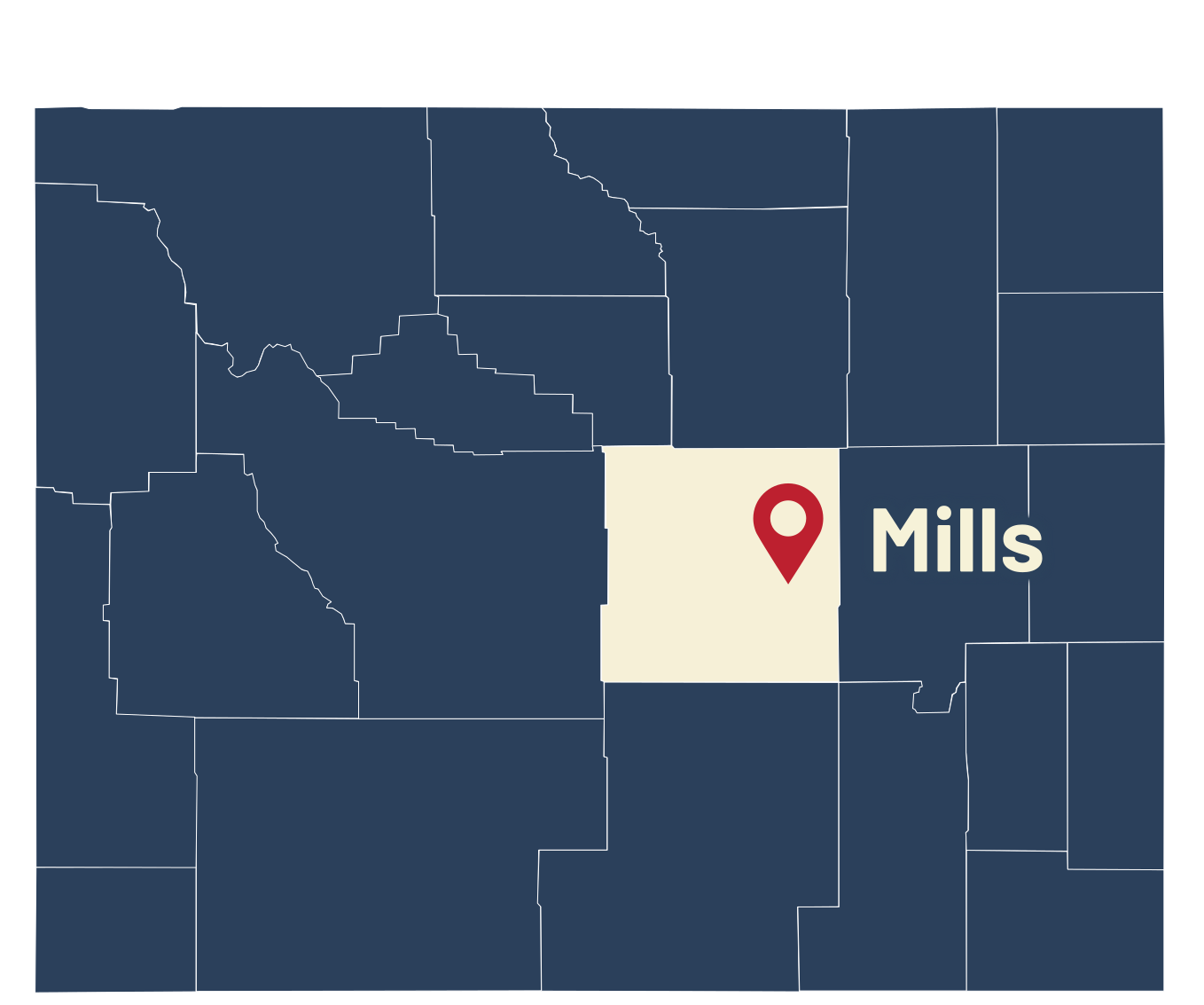
A 440-megawatt solar farm that was supposed to transform thousands of acres of private land north of Mills into one of Wyoming’s largest renewable energy installations just got smaller — and postponed for three years.
The Industrial Siting Council on Tuesday approved an amendment to the Dinosolar Solar Energy Project’s permit, pushing the construction start date from the original April 2024 target to on or before March 3, 2029 — a three-year extension beyond the current permit deadline of March 3, 2026.
The amendment also slashes the project nearly in half, from 440 megawatts of power generation and storage down to 240 megawatts, and from approximately 3,591 acres to roughly 2,396 acres. Instead of two construction phases, the downsized project would be built in one.
The request came from the project’s permittee and was filed with the Industrial Siting Division of the Wyoming Department of Environmental Quality. The Siting Council then approved the amendment Tuesday at its meeting in Cheyenne.
Gene Galke, a senior project manager at NextEra Energy Resources listed as a business development contact for the project, referred Cowboy State Daily to the NextEra communications team.
“Dinosolar is a great project to help meet Wyoming’s growing power production needs,” wrote Marshall Hastings, a NextEra spokesperson, in an email. “The permit extension, our first amendment to the original 2023 Industrial Siting Division (ISD) permit, enables us to advance the commercial agreements.”
Hastings added, “While the project has taken longer than originally anticipated, that reflects how much the market has changed since it was first permitted. Since acquiring the project, we’ve refined it to better align with today’s energy demands, and we remain committed to delivering a strong project for Natrona County and the state. We appreciate the community’s patience as the project evolves and timelines adjust.”
Mayor’s Frustration
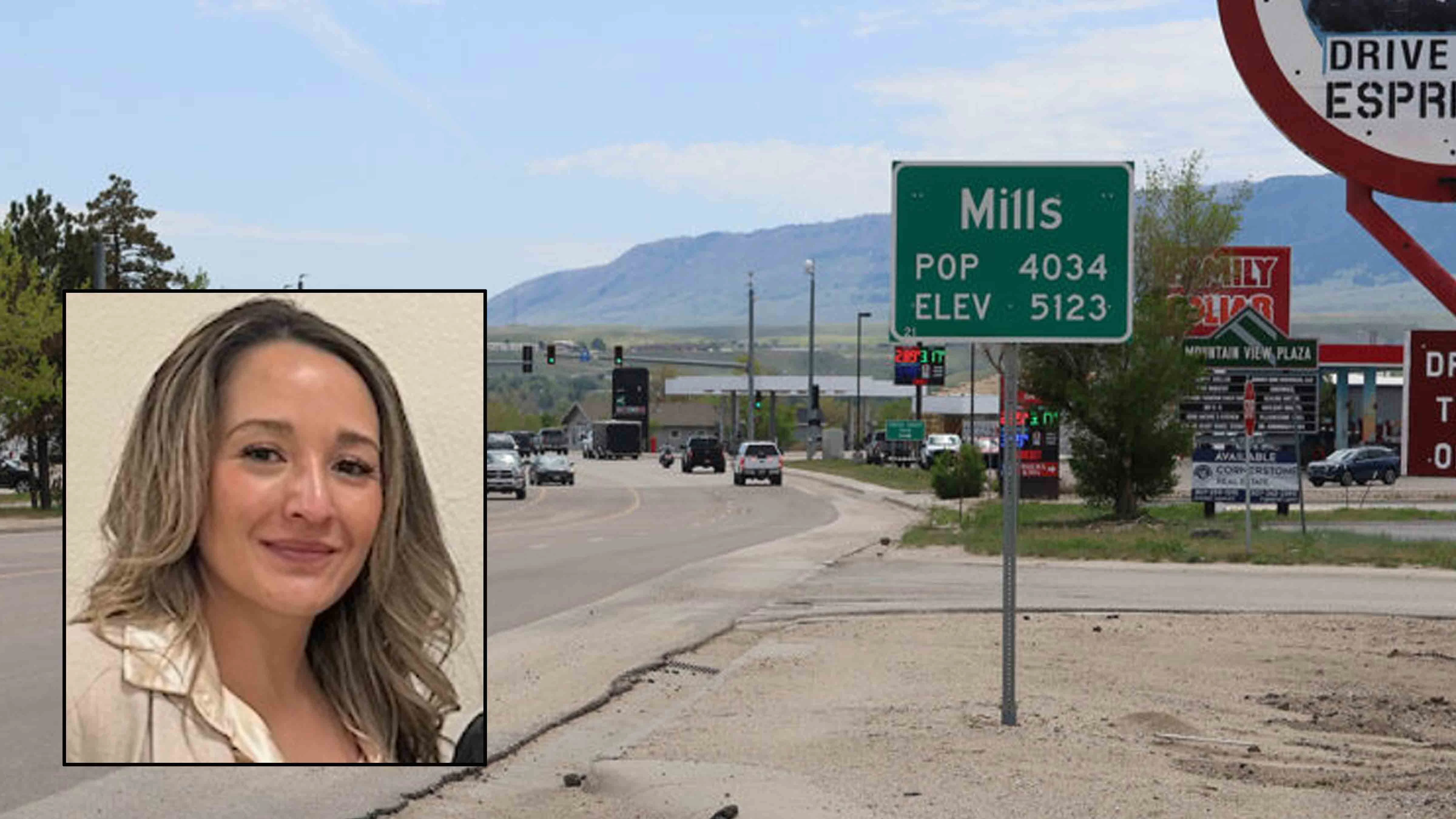
The mayor of Mills, population of about 4,300, responded Tuesday to the Siting Council’s decision.
“They approved the construction timeline amendment to extend it out to 2029, and possibly beyond,” Mayor Leah Juarez told Cowboy State Daily.
While Juarez said she can understand the council’s perspective — that without the extension, the project has no path forward — she isn’t pleased with her town being left on the hook for a sizable amount of upfront investment.
“The frustration here is that in order to extend this permit, we now should have the obligation to review the impact and how it plays out in the communities,” Juarez said. “The council didn’t do this in the proper way. They should have sent this back for an additional hearing so that we could discuss the impacts and how it’s changed and affected us.”
When large energy projects are approved, municipalities and counties are responsible for assessing the impact on their communities — everything from fire danger to traffic to police response.
The City of Mills was awarded $889,800 in unmitigated impact funds following the Siting Council hearing in 2022. An ambulance purchase, on a lease-to-own arrangement, cost $285,000 — $60,000 more than the original estimate at the time of the hearing.
“The ambulance that we had to purchase, and we are under a lease for, will be nearing the end of its life” by the time construction might actually start, Juarez said. “So we will probably have to get another ambulance by the time this project starts.”
The financial squeeze extends beyond Mills. According to Juarez’s social media post, the Natrona County Fire District has spent approximately $1.9 million on impact preparation and has already paid more than $457,000 in interest.
“We will not see our 1st reimbursement payment until construction starts on that project, which they don’t anticipate until 2029,” Juarez told Cowboy State Daily.
“We have to commit to being ready to respond the second they start construction,” Juarez said. “But we won’t receive any payments until construction starts, which is the normal process for all of these. So we’re at a financial loss until we get reimbursed — if at all.”
Legal Challenge
A March 6 letter from Casper attorney Patrick T. Holscher, writing on behalf of the city of Mills to Natrona County Commissioner Dave North, laid out the legal and financial case for sending the project back to square one.
The letter asked the county commissioners to require a new conditional use permit — the old one is set to expire this year — and a fresh Siting Council permitting hearing.
“While we realize that this may be inconvenient, that inconvenience is not the fault of the city of Mills or any of the other municipalities, or the county,” the letter stated.
When asked why NextEra isn’t in more of a hurry, Juarez said, “It’s my estimation that a lot of these companies are stalling to see what happens with the next presidential election. These projects are hinged on that funding. If they don’t get these subsidies, it’s hard for them to move forward with construction.”
“Absolutely there is” Washington politics influencing what’s happening in Mills, she said.
Original Scope
When the project first went before the Siting Council in 2022, it was envisioned as a massive two-phase commercial solar facility capable of producing 440 megawatts, with a battery energy storage system, located on 3,591 acres of private land in Natrona County approximately 1.5 miles north of Mills and half a mile west of Bar Nunn.
In its 2022 prehearing statement, the City of Mills laid out a detailed impact estimate totaling $889,800, including $762,000 for fire department needs alone — covering a seasonal firefighter program, a water tender, a command truck, a new ambulance, specialty training, and a used rescue truck. Additional costs covered road maintenance, police overtime, and administrative expenses.
The original project was expected to employ 533 workers during Phase I construction and 481 during Phase II, with roughly six permanent employees remaining afterward. The city argued then that it would face increased fire danger, heavier road use, more emergency calls, and the challenge of responding to types of fires — solar panel and battery fires — that it had never dealt with before.
In a social media post Monday, Juarez stated a NextEra representative promised to look at making affected communities financially whole, but that conversation wouldn’t happen until after another delay was approved.
“This request to amend raises serious concerns,” Juarez wrote, “and from my perspective feels more like a rubber stamp than a meaningful review.”
In NextEra’s response Tuesday, the company spokesperson noted, “We are actively working with local leaders to better understand and evaluate potential paths forward. We value these relationships and remain committed to ongoing discussions as the project progresses.”
David Madison can be reached at david@cowboystatedaily.com.