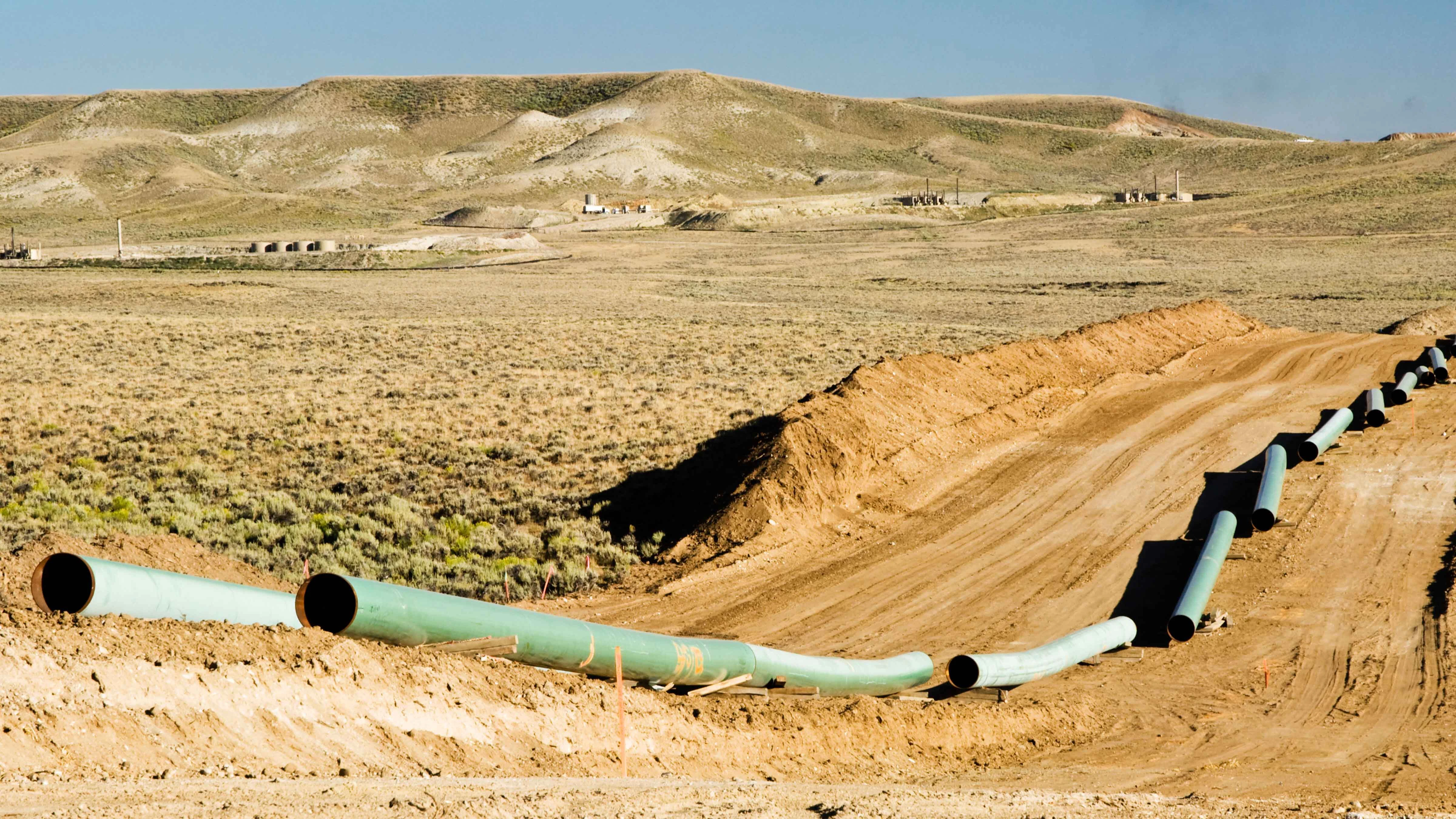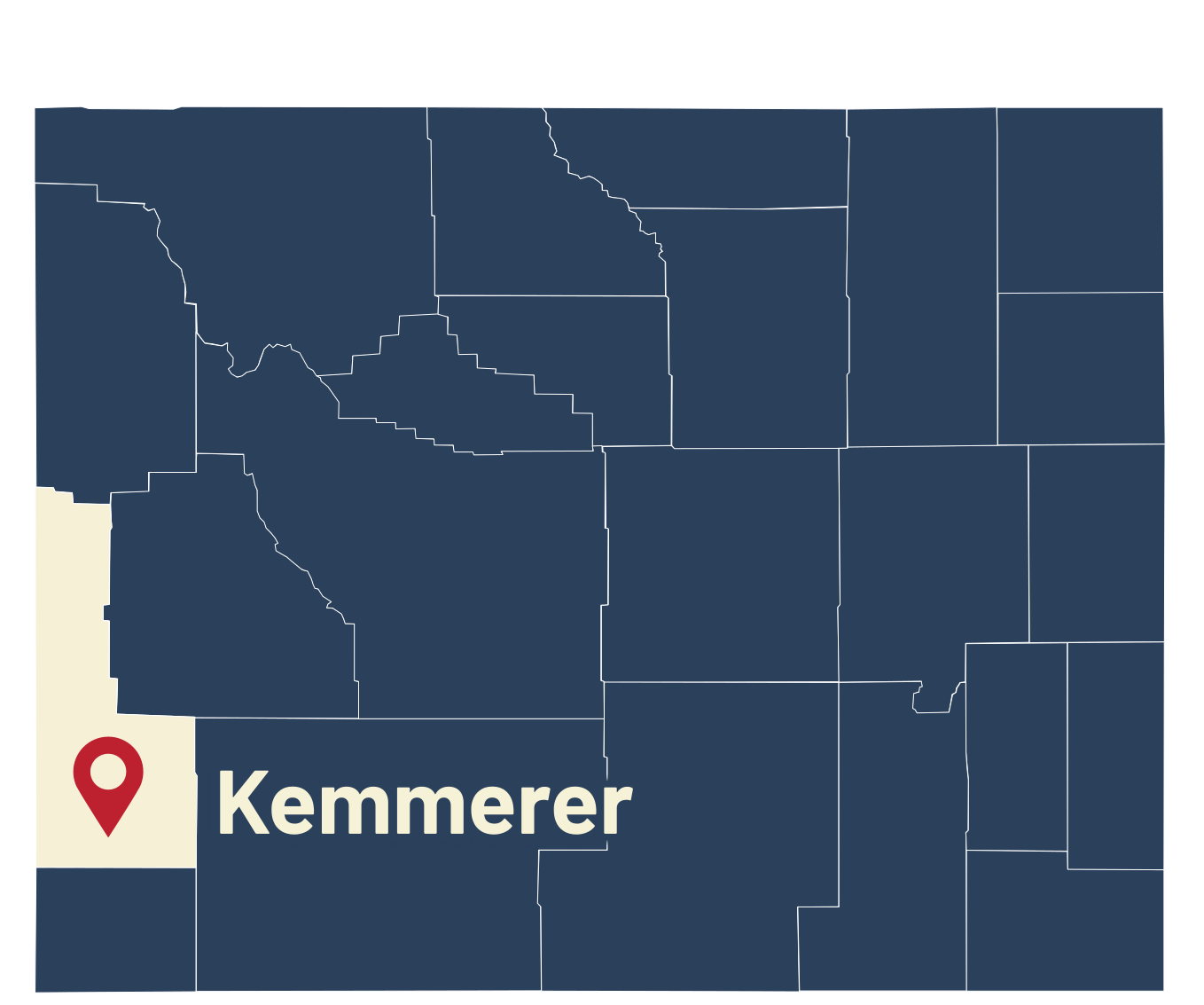
TerraPower’s next-generation nuclear power plant outside of Kemmerer, Wyoming, is no longer hypothetical.
The key construction permit from the Nuclear Regulatory Commission has been granted, and concrete and steel are already moving on the site for its precursor Test and Fill facility.
Despite the sight of that Test and Fill Facility rising to the sky, Mayor Robert Bowen said people still question whether the development is truly real or will really pan out for the small town of about 2,400 people in southwest Wyoming that was founded on coal.
“Even with it right there visible,” he said, shrugging. “I mean, open your eyes. It’s right there.”
All through the winter, there have been 110 workers raising the Test and Fill facility. But TerraPower will soon be moving in hundreds more workers to build the actual nuclear plant.
At peak, the Bill Gates-backed company has said there will be more than 1,600 construction workers in Kemmerer working on the plant at one time.
Those may be temporary, but once the nuclear plant is finished, there will be at least 200 to 250 permanent, high-paying jobs. Some estimates have been drifting higher in private conversations.
Bowen has been told the plant is highly scalable. There's already been some talk suggesting a second nuclear power unit isn’t out of the question. That would mean more workers, maybe 400 permanent jobs instead.
Each new job could support as many as three additional jobs, adding between 1,150 to 1,500 jobs to Kemmerer’s economy.
That doesn’t count developments that might come along beside it. Cuby Technologies, for example, is considering a microfactory to manufacture attainable housing throughout southwest Wyoming.
The TerraPower Plant is seen by many in Kemmerer, including Bowen, as a once-in-a-century opportunity.
In a series of conversations Cowboy State Daily had with residents, business owners, developers, and local officials, a more complex picture begins to emerge.
Many in the community are working hard to prepare for what they see as an exciting future, but they are racing against time to address aging infrastructure and limited amenities.
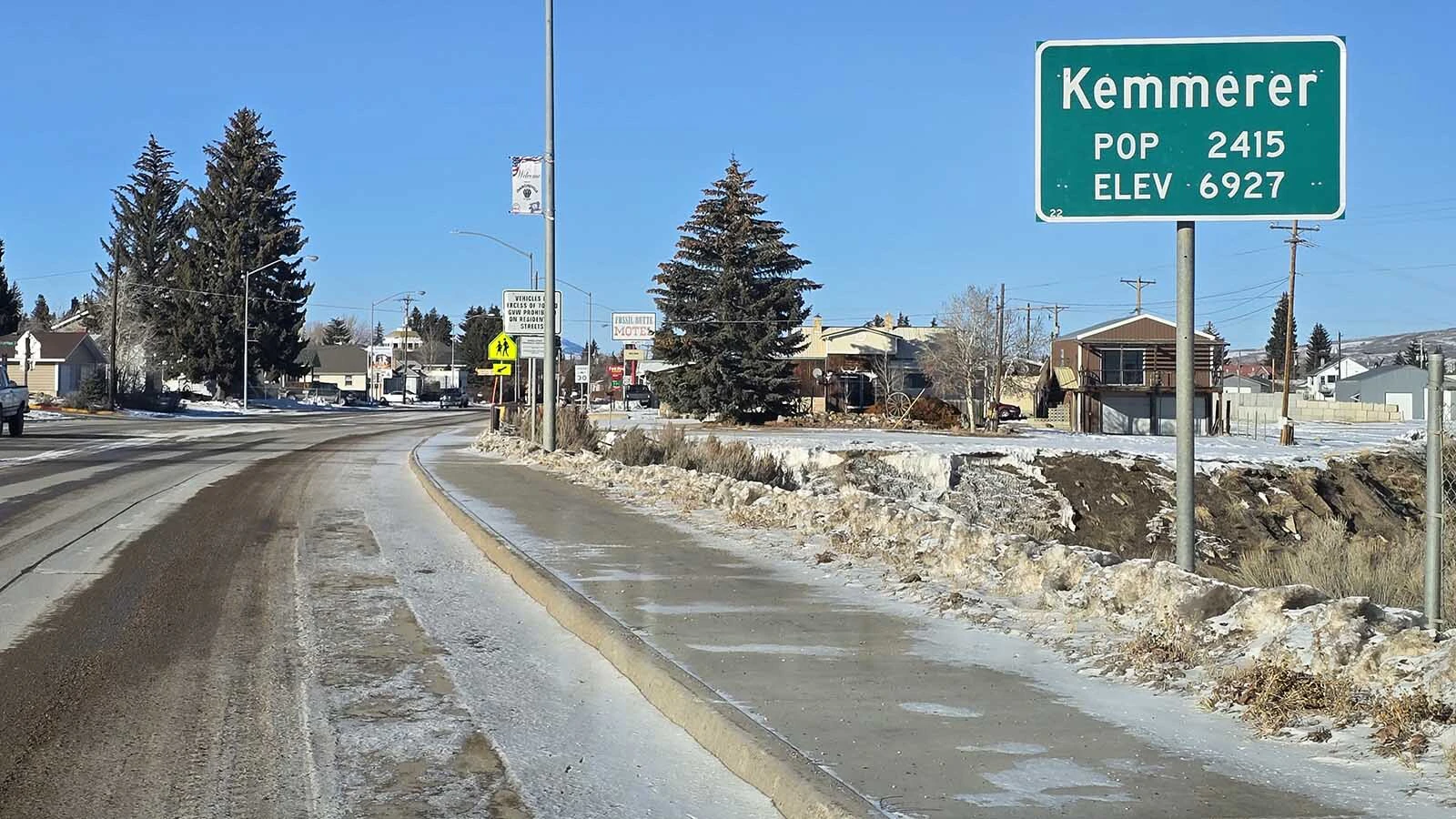
Meanwhile, there is an undercurrent of ambivalence as far as how big Kemmerer, which has a population of 2,415 as of the last U.S. Census count, and Diamondville, which has a population around 600, really wants to get.

Nathan and Box Fox are worried the city isn't pushing hard and fast enough to solve infrastructure and housing problems. (Renee Jean, Cowboy State Daily) 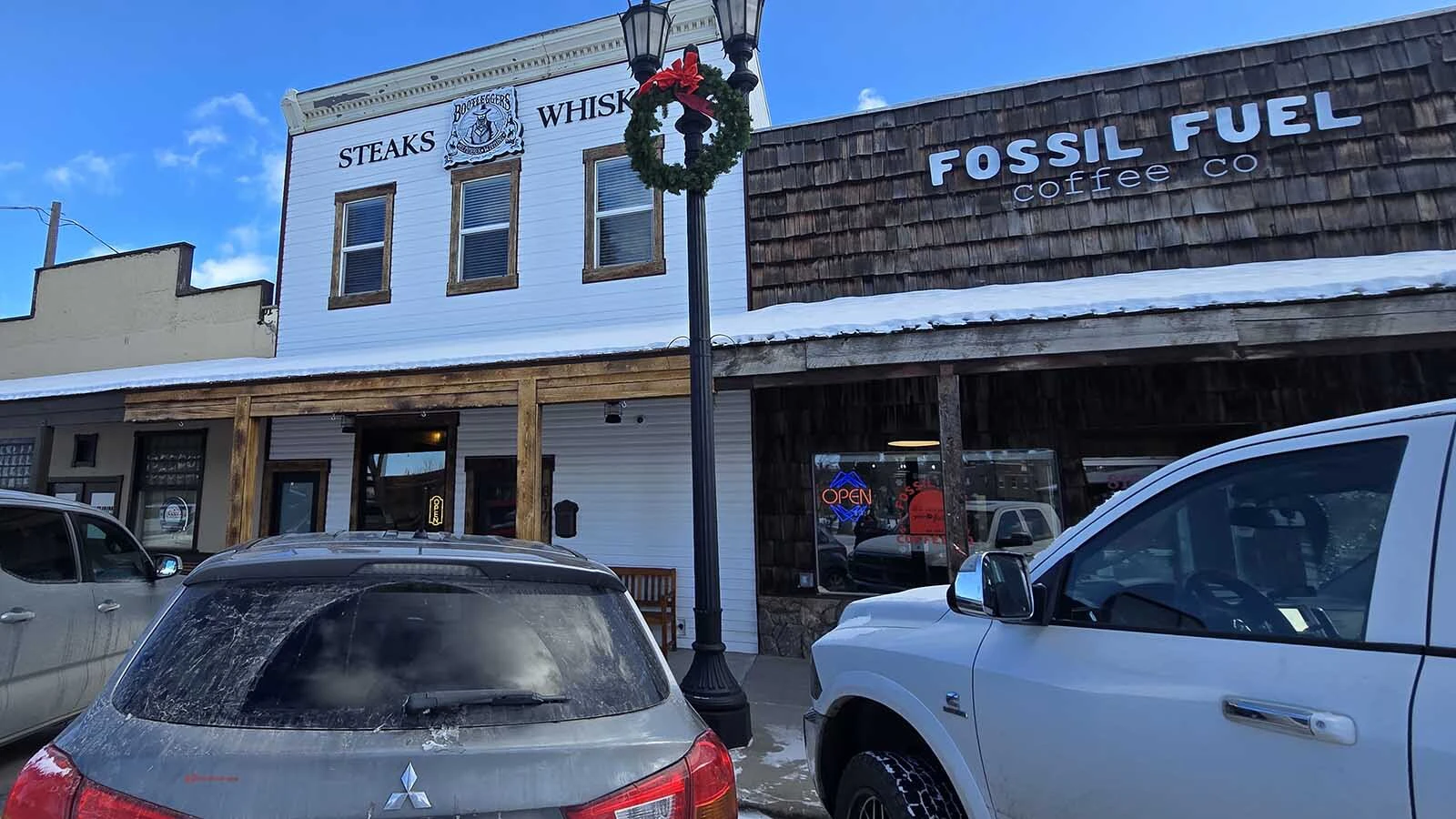
Fossil Fuel, next to the new whiskey and steakhouse Bootleggers, is another of the newer businesses that have opened in Kemmerer following word that TerraPower would build a nuclear plant there. (Renee Jean, Cowboy State Daily) 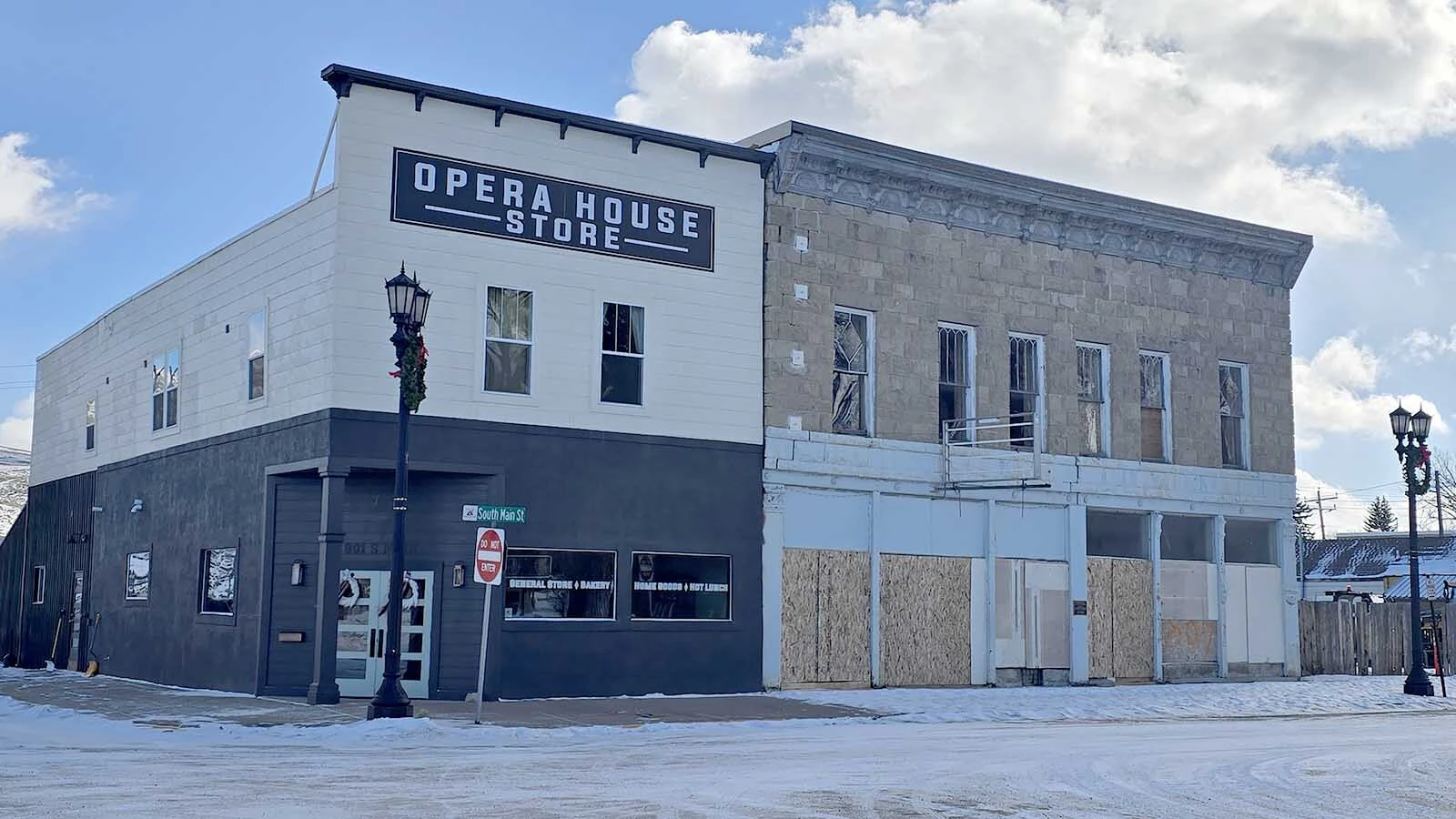
The Golden Rule store, next to the Opera House, is being restored. (Renee Jean, Cowboy State Daily) 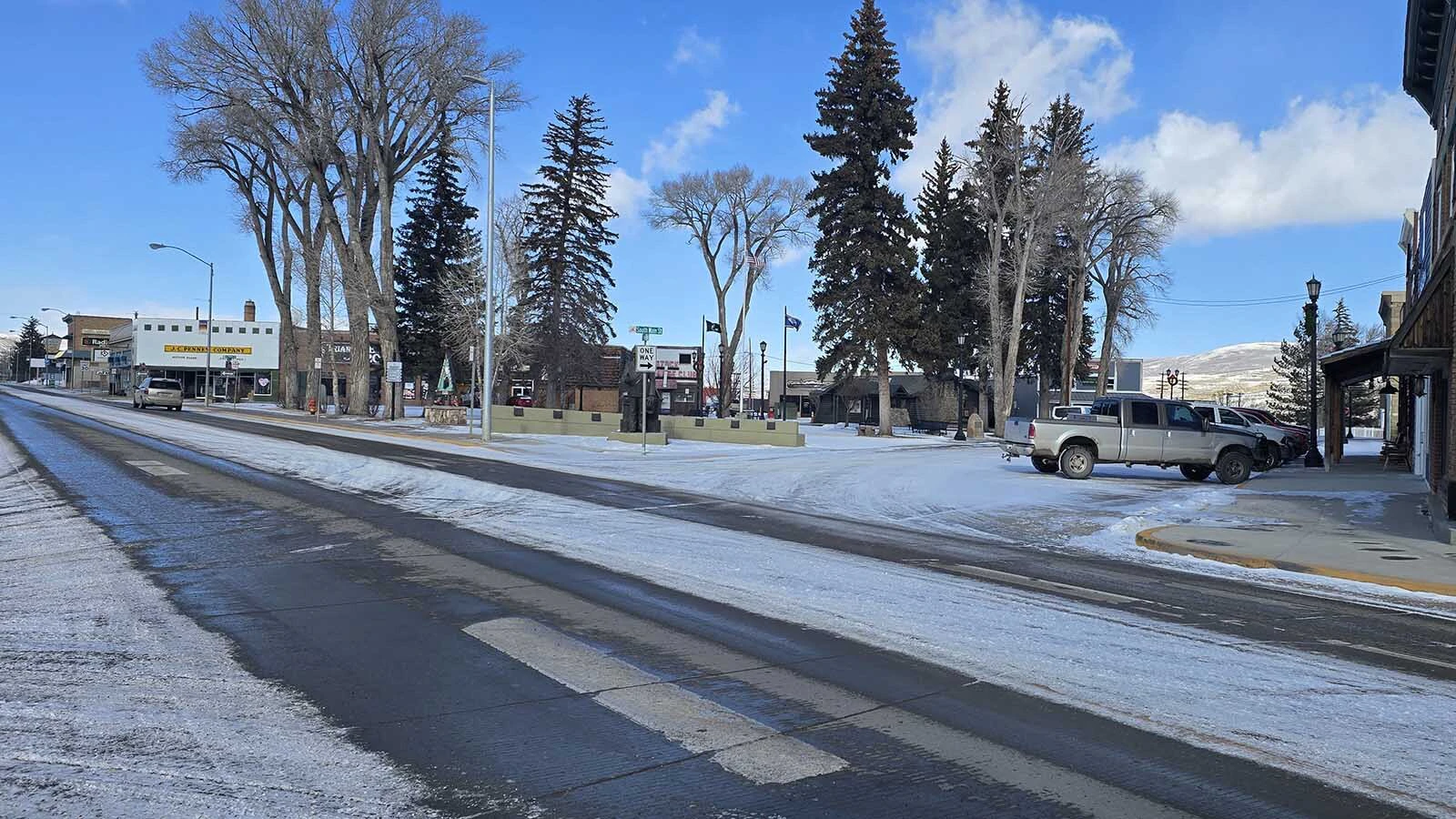
This triangle-shaped downtown area is where the most dramatic changes in Kemmerer so far can be seen. A new restaurant has opened, along with a "dirty" soda shop, and a longtime family is restoring the Golden Rule store. (Renee Jean, Cowboy State Daily)
Pivotal Moment
TerraPower presents a pivotal moment for the community. How it all plays out will determine just how much the community benefits from TerraPower and the jobs it’s bringing.
By day, Kemmerer feels quiet, but at night, there’s a visible change. Motel parking lots that have been mostly empty all day suddenly fill up with work trucks and cars, seemingly from nowhere.
Hundreds of construction workers are in the area already, and not just for TerraPower’s Test and Fill facility.
They’re working on the switchover from coal to gas power at the Naughton Plant, and they’re helping to build things like a new justice center for Lincoln County.
But the puzzle is that many of those workers have not been very visible in the town. Restaurants have remained stubbornly empty, despite having so many additional workers floating around, and grocery stores seemed no more populated than before.
The disconnect helps illustrate the coming issue, one where plenty of workers are sleeping in Kemmerer, but few are spending money in the community — money that will be needed for sales tax revenue to help alleviate strain on services.
That’s just a taste of what could happen on a larger scale once TerraPower has built its plant, if most of its workers decide to spend their money and/or live elsewhere in places like Rock Springs and Evanston instead, communities that already have housing and far more amenities.
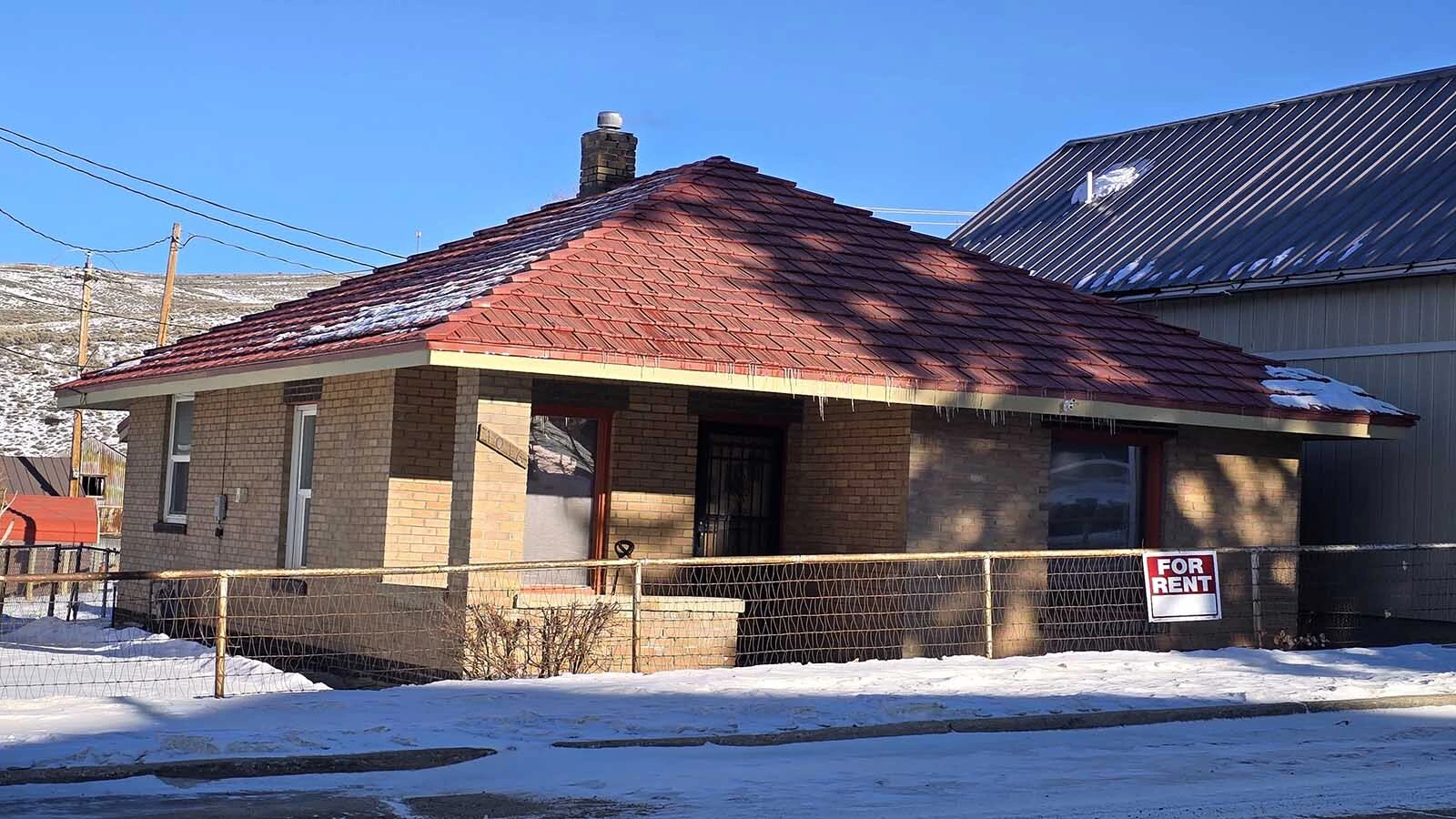
Few places show up for rent in Kemmerer. Housing stock is stretched thin too. Kemmerer will need more housing as TerraPower completes its nuclear plant, if it wants to capture new workforce. (Renee Jean, Cowboy State Daily) 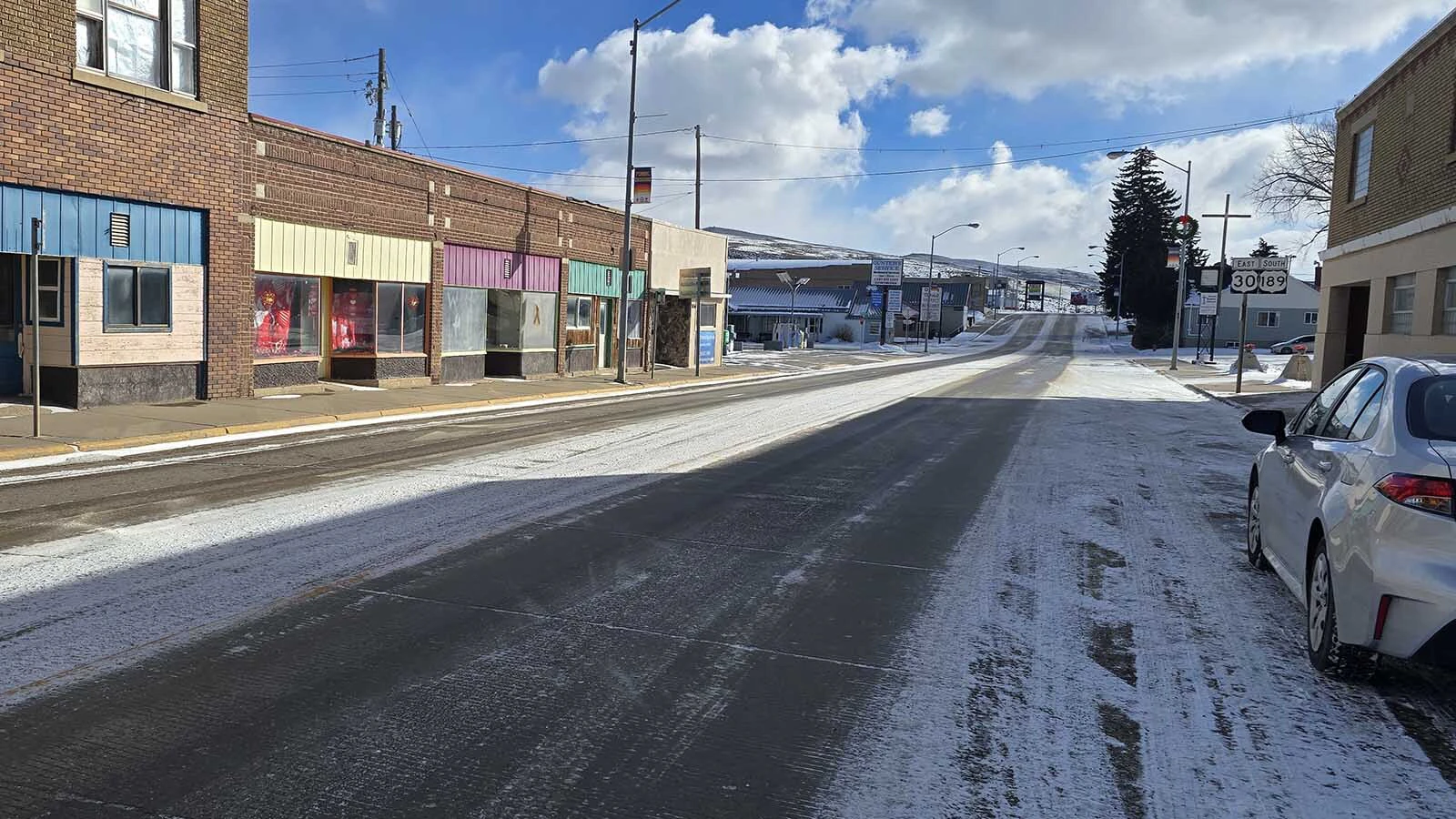
Many in Kemmerer hope empty businesses will fill up, thanks to a new nuclear plant that TerraPower is building just outside their town. (Renee Jean, Cowboy State Daily) 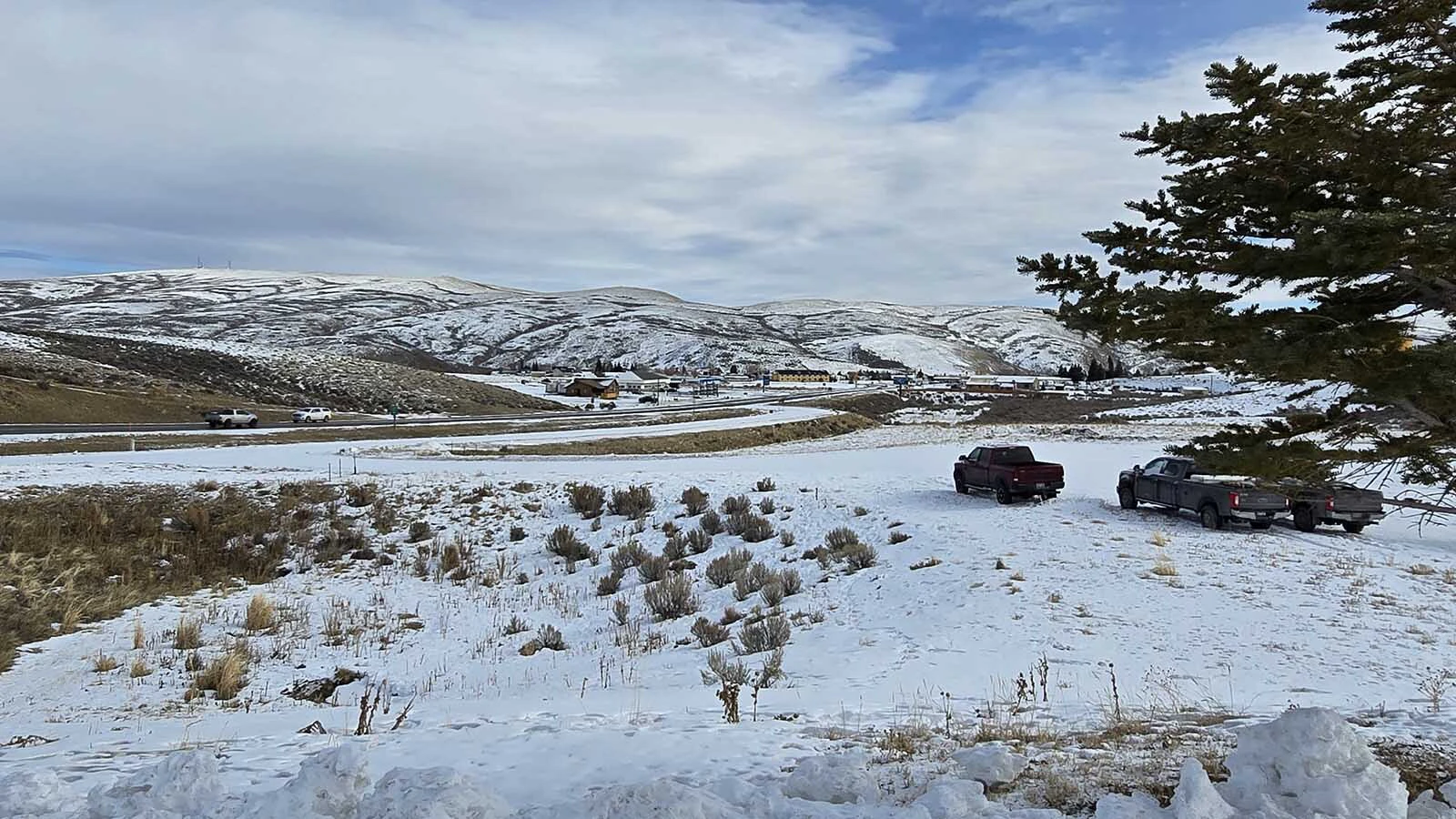
Kemmerer and Diamondville are nestled amidst the Oyster Hills, in the background. In the foreground, one of the many parking lots that appears almost empty by day, but fills up at night with work trucks. (Renee Jean, Cowboy State Daily)
Downtown Revival
Not everyone is anxious for the town to maximize its economic opportunity.
“I’d love to see Kemmerer stay — I won’t say small — but I don’t want to see us turn into Rock Springs,” Bowen said. "And because of our geography, I don’t know that we could grow that much anyway.
"But I would like to see if we can get Kemmerer and Diamondville combined to 5,000-6,000 people, I think that’s a comfortable number.”
Still, Bowen and City Administrator Brian Muir say that Kemmerer has been taking steps to prepare for the influx of people and the potential for economic growth.
The most dramatic evidence of changes already in play show up at its quaint, triangle-shaped downtown, where new businesses have already opened and efforts are ongoing to restore various locations.
Muir told Cowboy State Daily he believes that area is showing future workers that Kemmerer will have things worth sticking around for.
“The downtown has really been significantly revitalized,” he said. “When you drive through (at night) you do see a lot of people down there doing things.”
Among the newly opened businesses is a whiskey and steakhouse called Bootleggers, with an experienced chef from Pinedale running the show.
The Opera House, meanwhile, which opened a year or two ago, continues to thrive, while a “dirty” soda shop has since opened up, along with a medical spa.
A few blocks away, Nathan and Bob Fox are putting their money into restoring the town’s original Golden Rule store, which was a precursor to its JCPenney store, which is the first one in the nation.
The hard part of that restoration has been done, stabilizing the 100-year-old stone building and putting on a new roof.
They are working with an experienced preservation architect to turn the restored building into a vibrant mix that will include office space and a community and event space for things like weddings and birthday parties.
That’s something the community has struggled with in the past, but it’s been difficult to support something like that with such a small population.
They are counting on growth to help support their business venture and feel like the city is moving too slowly on the things Kemmerer needs most of all.
A downtown revival may be nice, but it’s not going to win over a wave of engineers and nuclear scientists accustomed to the amenities of a much larger place.
The thing Kemmerer needs most of all to win the argument is housing, Bob Fox told Cowboy State Daily.
“Look at it like this. There’s 3,000 people here, maybe, right now. And there’s only 50 homes that aren’t 100 years old,” he said. “You move a lady in here who used to live in a 3,000-square-foot modern home … she doesn’t want to live in a 1,200-square-foot mining home.”
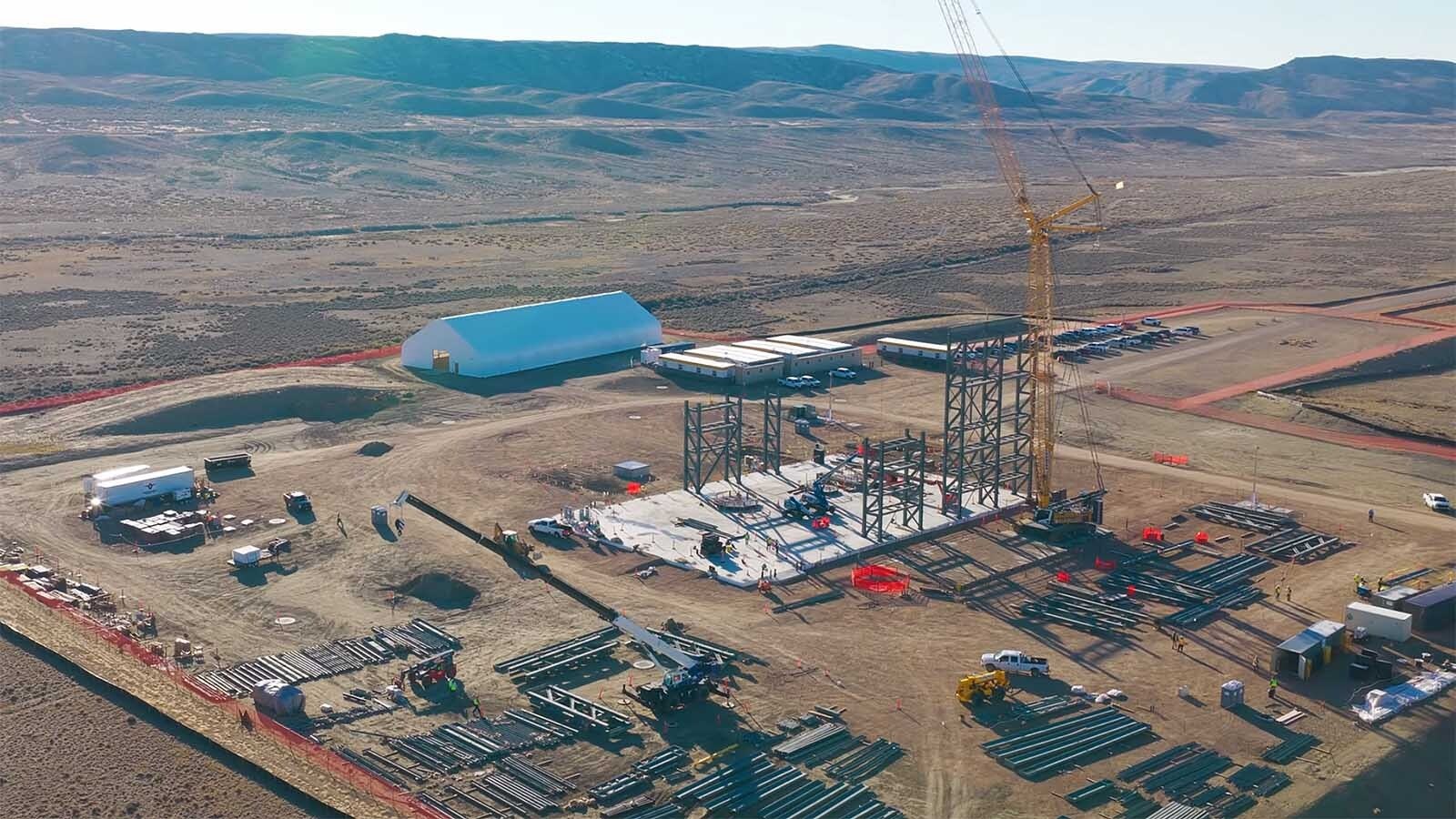
The federal Nuclear Regulatory Commission has found that Kemmerer Natrium project poses “no adverse impact to the environment.” It is the first advanced commercial facility to receive such a distinction. (TerraPower via YouTube) 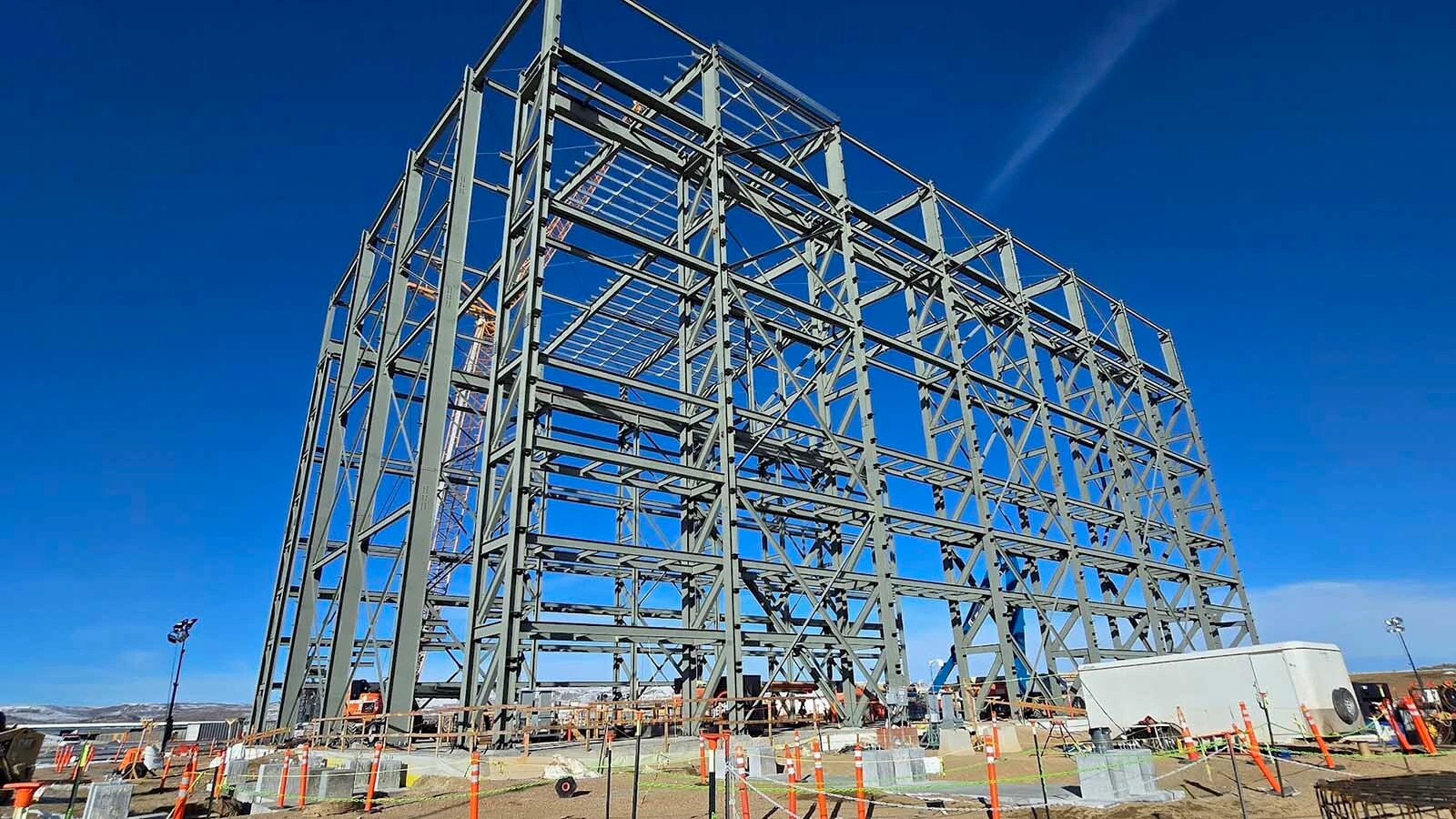
Even with TerraPower's Test and Fill facility rising to the sky, Mayor Robert Bowen says he still hears people questioning whether the development is real. Bowen hopes Kemmerer doesn't grow too much as a result of the nuclear plant being built there. (Renee Jean, Cowboy State Daily) 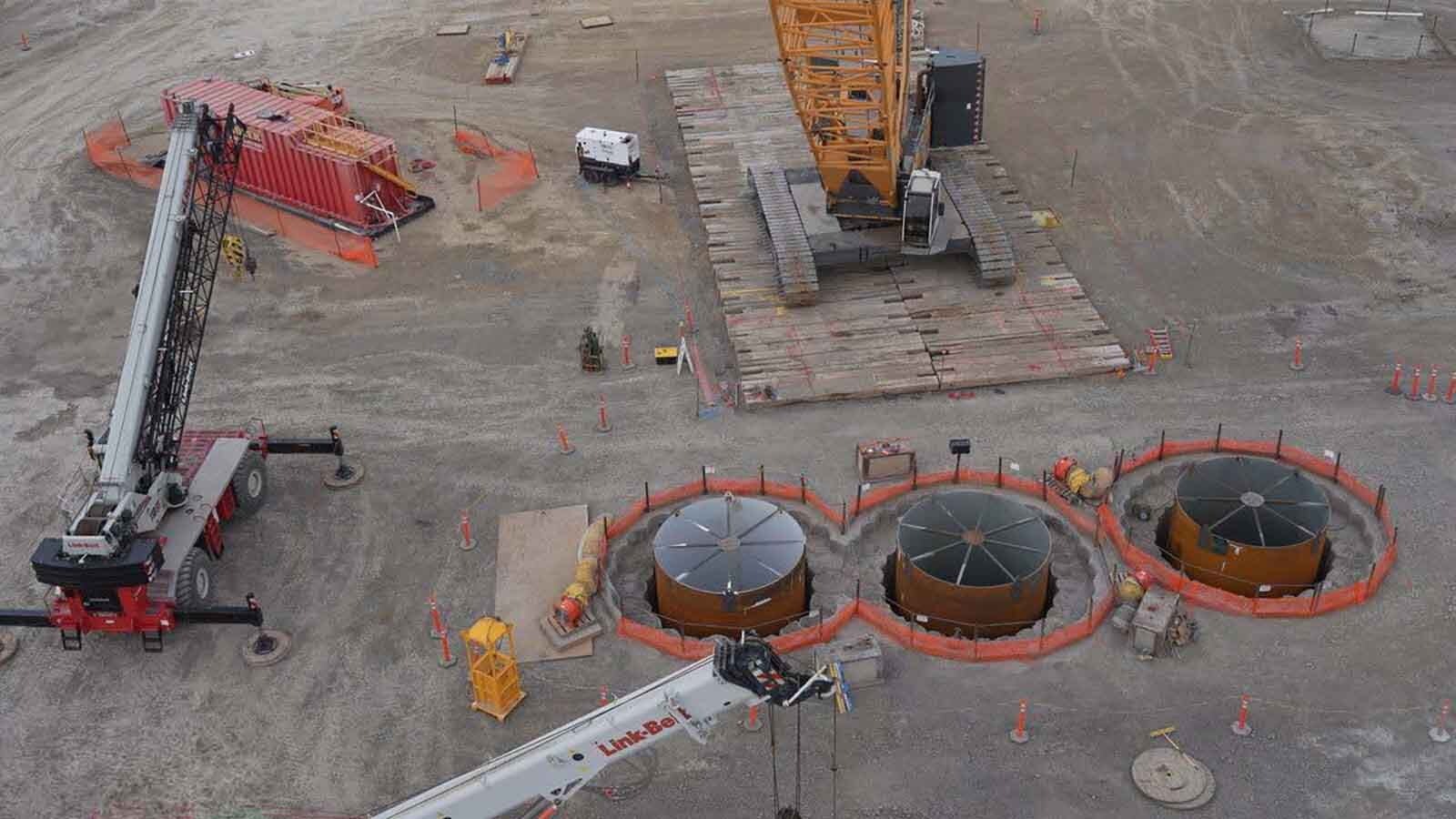
TerraPower has begun construction on portions of its Kemmerer nuclear facility that don't require approval from the Nuclear Regulatory Commission. (Courtesy TerraPower) 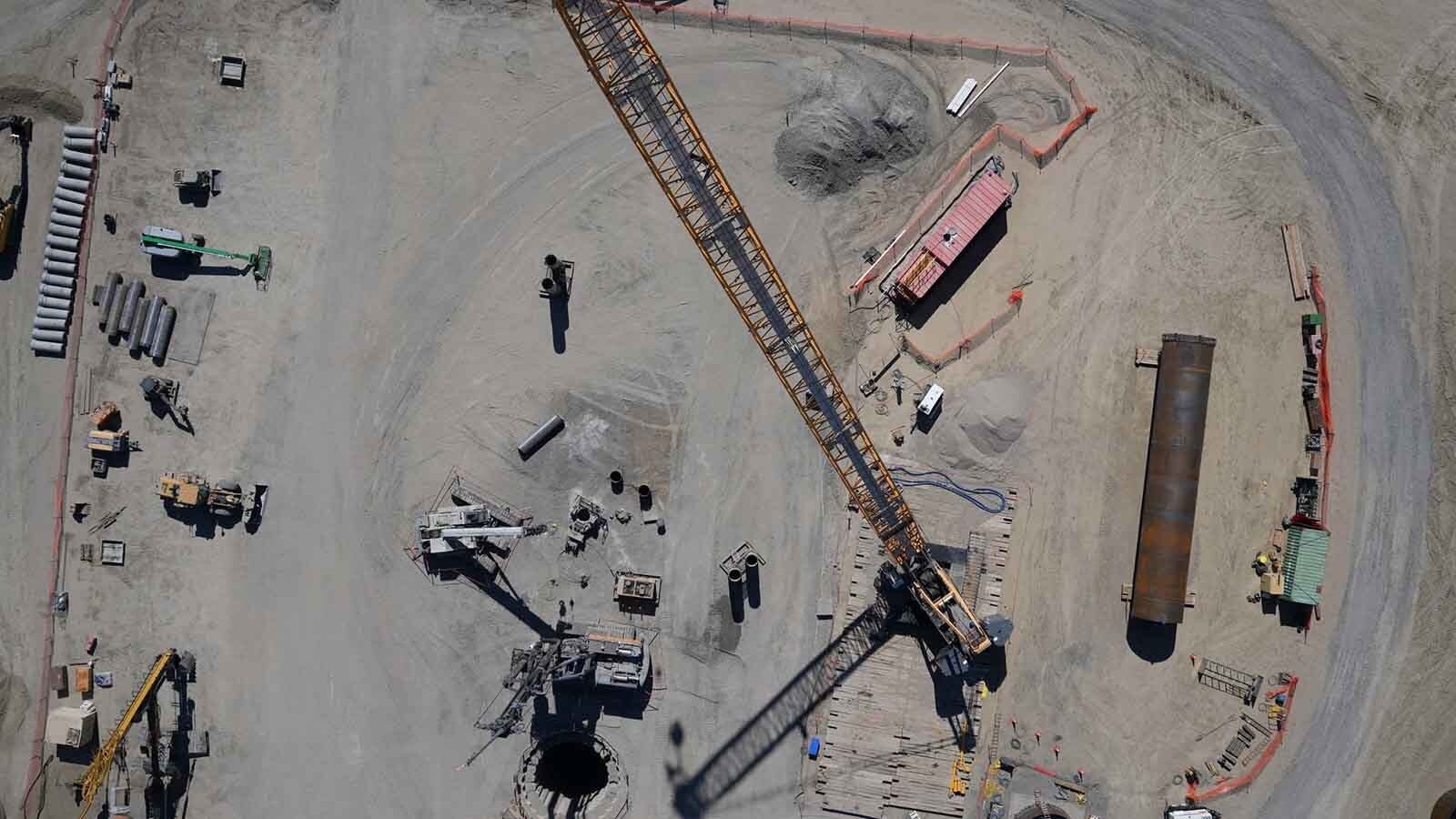
TerraPower has begun construction on portions of its Kemmerer nuclear facility that don't require approval from the Nuclear Regulatory Commission. (Courtesy TerraPower) 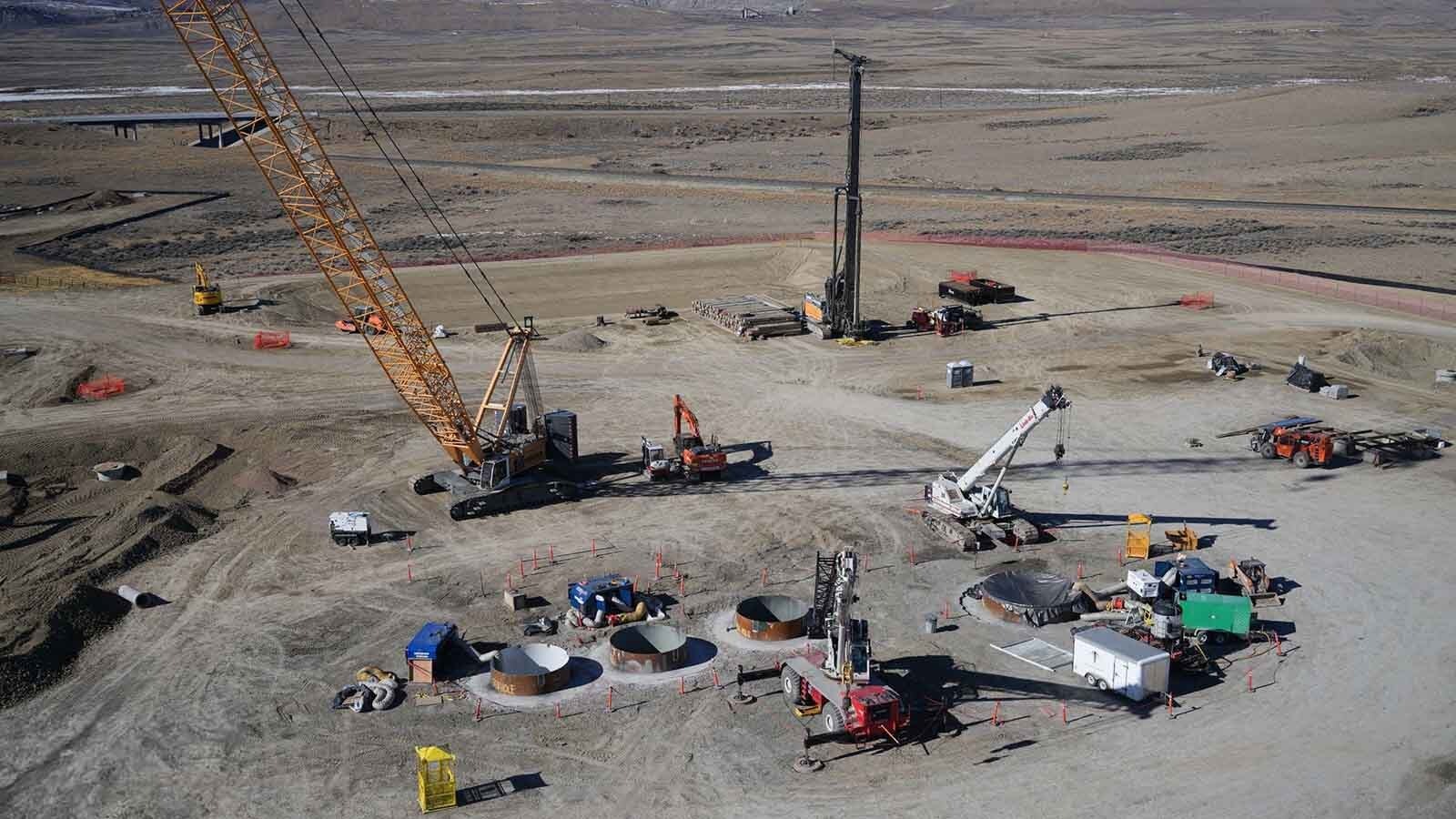
TerraPower has begun construction on portions of its Kemmerer nuclear facility that don't require approval from the Nuclear Regulatory Commission. (Courtesy TerraPower)
Rents Are Already Rising
Most people Cowboy State Daily talked to about Kemmerer’s future agree that more housing is a critical need. And the housing markets in Kemmerer and its sister city Diamondville are already tightening.
Two young residents who work in Rosie’s Pizza Parlor told Cowboy State Daily that rents have soared.
One worker, Dakota Gordon, said she had rented a “cute little house” for $650 a month. She’s recently moved into her own home but has heard the rent where she was is now closer to $2,500.
“We got very lucky,” Gordon said. “The only reason we got our house is because the people who sold it to us knew we were from Kemmerer and wanted to start a family. We were outbid probably four times.”
McKinley Chytka, meanwhile, still lives at home with her parents, and her rent is just utilities and internet for now.
Both of these are deals that out-of-towners aren’t likely to find, underscoring just how important housing solutions are going to be to capturing some of Kemmerer’s new workforce, and then building a more resilient town.
Local contractor Clint Unsworth, meanwhile, believes the town just needs more of everything, from housing to grocery stores.
“If there’s not a lot of meat in town at the grocery store, it will force contractors to move to Evanston,” he said. “And then places that aren’t open on Sundays and Mondays, for the other half who like to eat at restaurants, they’re also going to move to Evanston instead of Kemmerer.”
Operating hours will be another sticking point for a lot of potential new residents, Unsworth said.
“When these guys get off at 6 p.m., where are they going to get their hair cut?” he said. “Things like that are going to be a struggle.”

Clint Unsworth, Kemmerer resident, enjoys a meal at a newly opened restaurant called Bootleggers and talks with Cowboy State Daily about the future of his town with TerraPower building a nuclear plant there. (Renee Jean, Cowboy State Daily) 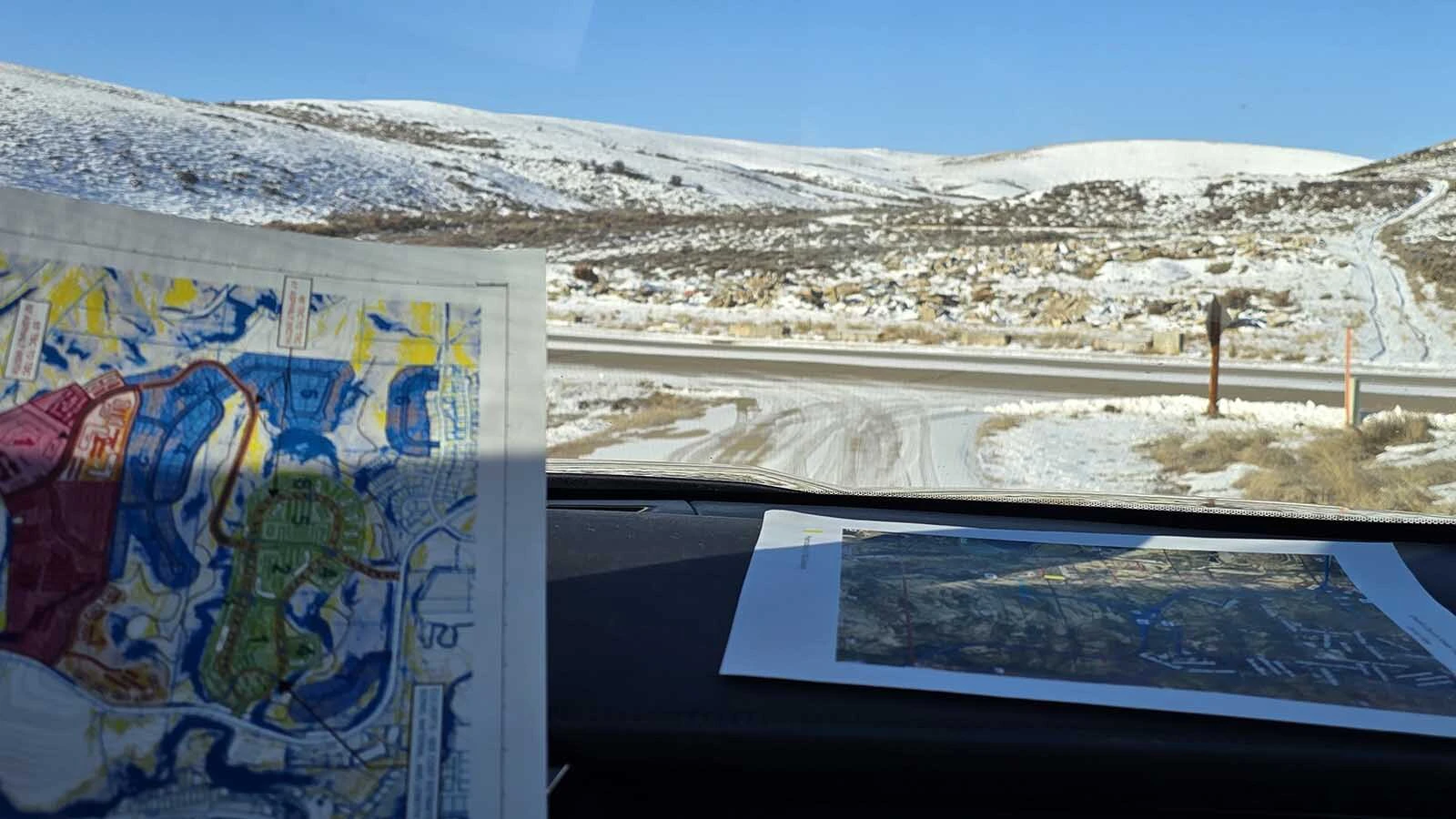
On paper, there are lots of houses planned for Kemmerer. But so far, the houses are just on paper. Very little visible work has occurred on the ground. (Renee Jean, Cowboy State Daily) 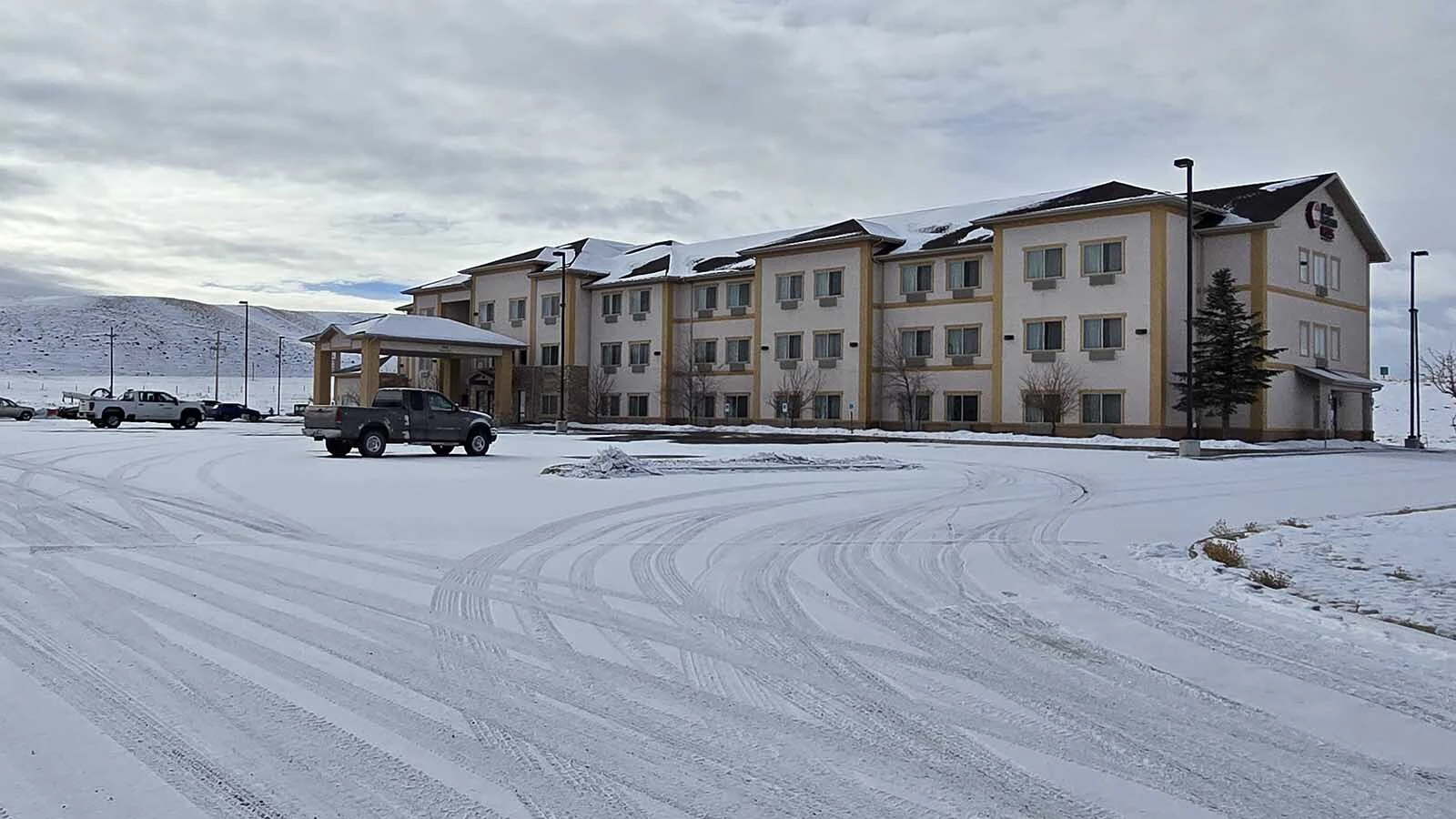
Right now, the Best Western in Kemmerer is the only major hotel chain. That could change once TerraPower finishes its nuclear plant. The hotel is typically quite busy, and was sold out some of the nights Cowboy State Daily was there this winter. (Renee Jean, Cowboy State Daily)
Questions About Housing Pipeline
On paper, the housing pipeline is huge. That’s something that developer Mark Germaine said his company is focused on.
“Everyone knows there’s a tsunami coming,” he said. “How do we get ready for it?”
He has several projects planned to address housing in Kemmerer.
There’s Gateway PUD, which has 78 homes in its first phase, with 24 to 25 homes expected to go up in the first wave, with more to follow after that, depending on how demand shakes out.
The Gateway subdivision, meanwhile, has 274 single-family homes on the drawing board, of which 25 to 54 homes are planned for 2026. They will be factory-built houses from Colorado company Fading West.
The Canyon Road Development, meanwhile, is the largest of the developments.
Germaine envisions 1,000 apartments there eventually, plus houses and condos, along with a truck stop, hotel, urgent care, and a full-service supermarket, all aimed at serving TerraPower workers.
All of that’s not going to come online all at once, he said. It has to be done in waves based on demand.
But he believes that demand is ultimately going to be large enough to support his vision.
His internal estimates show as many as 6,000 new jobs headed to Lincoln County. That’s an estimate that includes everything that’s going on across sectors, not just TerraPower.
Critics, which include the Foxes, have raised questions about the company and don’t like the mixture of public and private funding.
“There’s been a lot of talk and not a lot of action out there at Canyon Road,” Nathan Fox said. “I like their ideas, but I would love to see them put some levels in the ground and put some of their money, instead of the city and the county giving and giving and giving.”
Germaine pushes back on such narratives.
While Lincoln County kicked in almost $1 million to help with the design phase in return for a small but permanent slice of affordable units in the first apartment building, he said he’s already put $10 million into the area.
That includes engineering costs, which have topped $700,000 on the Canyon Road project and its associated sewage plant.
Germaine said he is keeping his timelines tied as tightly as he can to the incoming development, which he believes is crucial so that the supply he’s building meets demand.
Based on TerraPower’s construction timelines, he hopes to have initial Gateway homes available by this fall, and said apartments would come online as supply chain issues resolve.
“If demand is stronger, we can always ramp up,” he said.
The truck stop and other big box amenities would not come along until around 2027, roughly the same timeframe when TerraPower would be drawing in more permanent staff.

Bill Gates arrives in Kemmerer, Wyoming, on Monday, June 10, 2024, to break ground on the new Natrium nuclear reactor project for TerraPower. (CSD File) 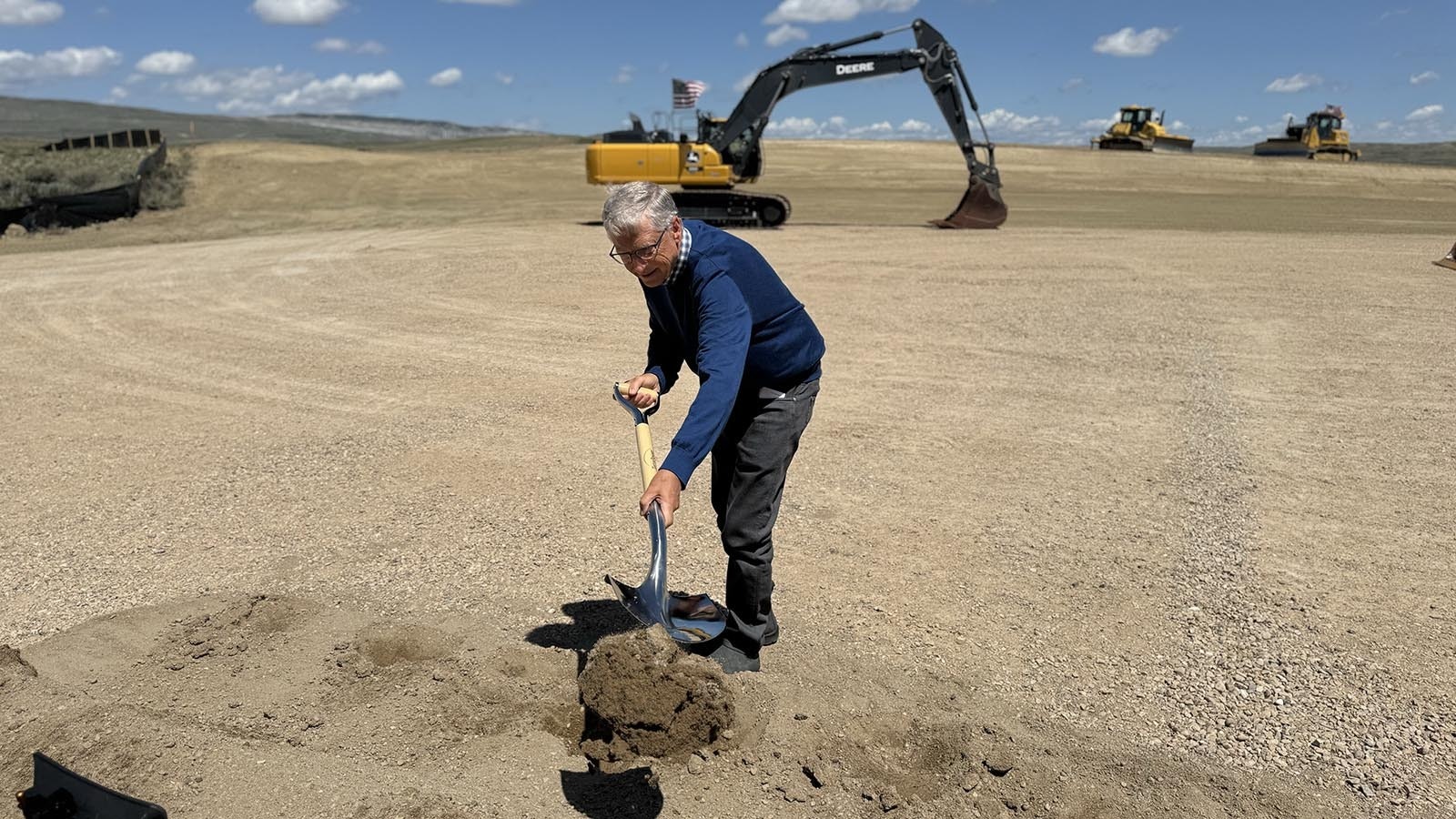
Billionaire Bill Gates took his turn at shoveling up some dirt in a groundbreaking ceremony for TerraPower’s nuclear reactor project in Kemmerer, Wyoming.
Not Leaning Hard Enough Into The Moment
While city leaders like Muir and Bowen see a “sweet spot” for Kemmerer at the 5,000 to 6,000 population mark, others want to see the town lean more into its opportunities.
Councilman Brantley Popp is among those who feel the town isn’t leaning hard enough into its opportunity.
“You know, it’s sad, but change is inevitable,” he told Cowboy State Daily. “If you look back through the entire course of history, every single person who has ever resisted change has never come out on top.”
Coal is a beloved resource in Kemmerer, Popp acknowledged, and many people don’t want to see it fade.
“Everybody loves coal, and obviously we’re a big mining town, which I understand,” he said. “That has a very rich history behind it. But your product is only as good as your buyer, and there’s no buyers for it anymore.”
What people are interested in buying is natural gas and nuclear power.
“A lot of people don’t realize and understand just how big this project is in terms of nuclear science,” he said. “The whole world is watching, and this could change so much.
"This is going to change just energy in general for our lifetime.”
While some have expressed fears of nuclear power in the community, Popp is among those who believe that TerraPower’s new approach to nuclear is vastly different and will prove to be much safer.
“So, there’s this huge opportunity, especially with data centers and stuff like that, and we need those,” he said. “We need the jobs of the future.
Failing to lean fully into the opportunities could lead to a crushing conundrum — people who live and work in Kemmerer, but spend it elsewhere for groceries and amenities that the town lacks.
That would leave the town with less revenue to deal with the impacts that population growth is inevitably, inescapably going to cause.
“We need to encourage real business growth,” he said. “Whether that’s reaching out to some other people, franchises and stuff like that.
"And if the city has land that’s for sale, buildings that’s for sale — anything that’s for sale — we need to promote that and get that sold. We need to make that process easier.”
A Ticking Clock
Kemmerer is a city where residents are used to the ebbs and flows of energy. Coal, oil and gas — those have all been boom and bust almost from the town’s beginning.
Regardless of which camp residents of Kemmerer and Diamondville fall into, it’s clear none of them are indifferent to what’s coming down the pike.
They can all see that change is upon their small community, and that what they do today is going to determine how their future looks tomorrow.
Some want to focus on a sustainable medium-sized town, while others want to lean into maximizing this once-in-a-lifetime opportunity for growth.
Still others are focused on fairness and survivability along the way, fearing that longtime residents will be pushed out by rising rents, or left paying for speculative projects, if the nuclear energy boom falls short.
That’s given the city a curious blend of excitement and caution on the eve of TerraPower’s construction — sometimes expressed by the same person in almost the same breath.
The opportunities are real. Everyone seems to agree on that. And there’s also a clock ticking, with an outcome that is not yet pre-ordained.
The coming months will determine whether Kemmerer becomes just the place where TerraPower happens to be, or a town that was able to capture a healthy portion of new workers who can set a new economic baseline for the community, one that sets it up to sustainably grow into the future.
Renée Jean can be reached at renee@cowboystatedaily.com.