Tom Vernon wrecked at least two trains to rob passengers, used a number of aliases during his lifetime and spun tall tales so convincingly that newspapers across the country published them as if they were true.
Most were not.
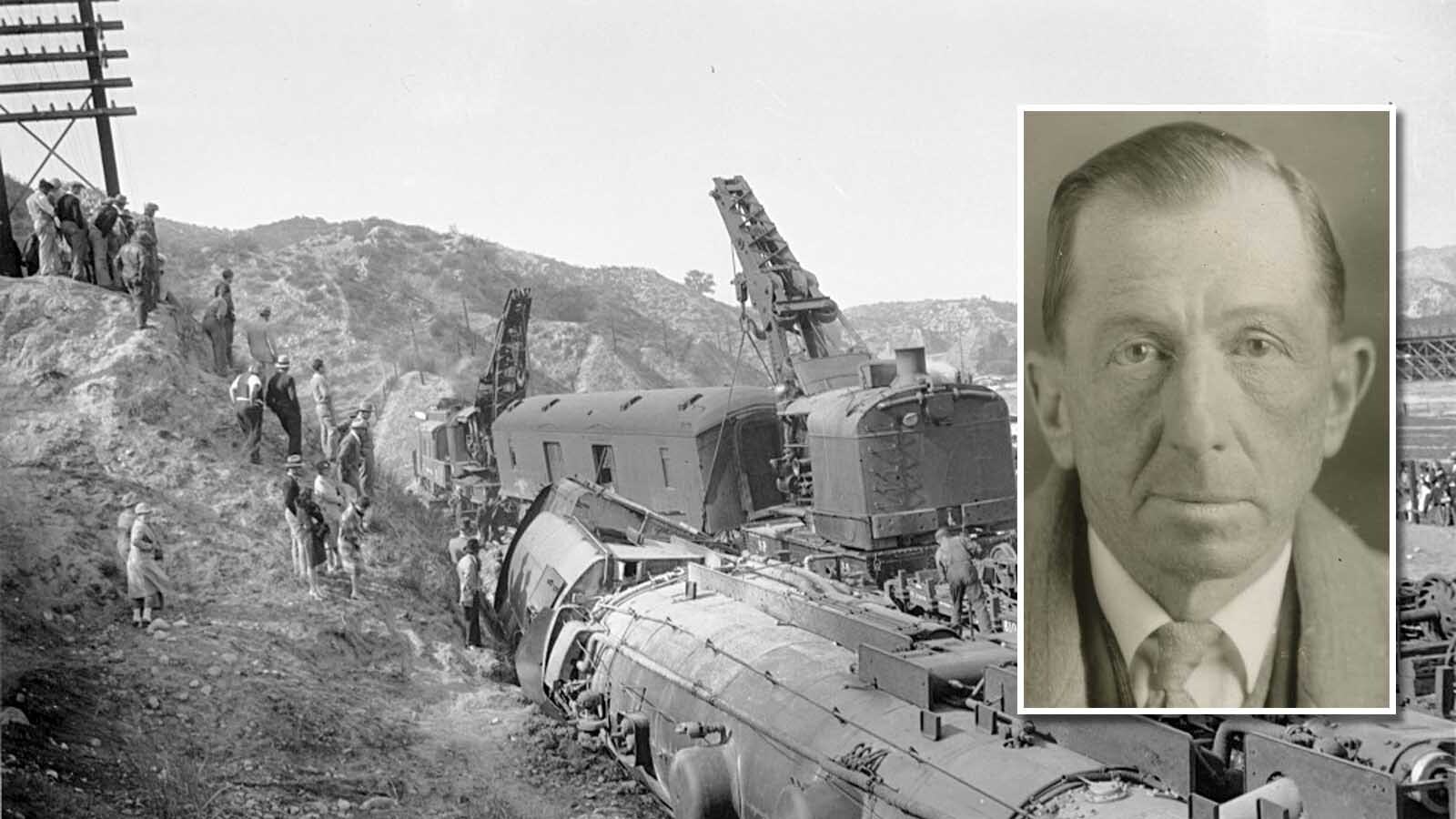
What is true is that passengers headed westbound on the Union Pacific’s Portland Limited about 8:20 p.m. on Nov. 25, 1929, were just 3 miles from Cheyenne when the cars they were riding in lurched off the tracks.
“When I felt the car bump over the ties, my first thought was whether we would turn over,” Cornelia E. Bailey told the Wyoming State Tribune at the time.
She was headed from Michigan to Portland, Oregon.
“I have heard so many times of trains going over embankments, and that was the first thought that entered my head,” she said. "When the man stuck the gun in my face, I was not nearly so frightened, because then I was out of the car and on firm ground.”
Engineer Walter Flintjer and fireman B. Stack were in the cab when Flintjer felt the engine go over a loosened rail.
He threw on the brakes, but the train did not stop for another few hundred feet and the dining and club cars, two Pullman cars and a one coach car veered off the tracks, the State Tribune reported
Conductor Carl Yost saw a bandit with a mask on and pistol leveled and ran to the engine and ordered the engineer to decouple from the cars and go to Cheyenne, the news account reads.
Meanwhile the bandit was asking people to hand over their money, telling them he wasn’t interested in their watches or jewelry.
As soon as Flintjer pulled the locomotive into Cheyenne, he quickly alerted the railroad and authorities, the State Tribune reported. A special train with lawmen, physicians and railroad workers was dispatched. Roadblocks were set up in the county, and canvasses were made of rooming houses and hotels.
Telegraph messages to Scottsbluff, Fort Collins, Wheatland, Greeley, Casper and beyond advised lawmen to be on the lookout for a bandit that passengers described as about 22 years old, 5-feet, 7-inches tall and having a slender build.
He wore a white handkerchief over his face with just his teeth showing and blue overalls with a red thread through them. A cap was pulled down on his head.
No Armed Crew
The Wyoming State Tribune reported that investigators mulled over the fact that the Portland Limited did not have any armed crew members because it was not a mail train.
They noted that a mail train had gone over the same tracks about 8 p.m., just 15 minutes before the Portland Limited.
Railroad officials also quickly concluded that the modus operandi appeared similar to a wreck in Sagus, California, on the Southern Pacific Line between Los Angeles and Sacramento just 15 days earlier.
The engine had been thrown into a ditch after 10 lengths of rail were loosened, according to the news account. The engineer was burned by the steam released. Passengers were robbed of money but not jewels or watches.
“Railroad officials said Monday evening that a man familiar with track work must have been responsible, due to the act that although the track was not secure, the electrical signal system was not disturbed,” the Wyoming State Tribune reported on Nov. 26, 1929. “The block signal did not warn the engineer that the track had been disturbed.”
Newspapers reported that Wyoming suspects were rounded up for questioning and some were held in jails.
A suspect in Cheyenne was arrested after police found he had a pencil sketch of himself as the masked bandit and a “tottering alibi” about his whereabouts on the evening of Nov. 25, the Wyoming Eagle reported on Nov. 29.
Three other suspects were being held in Cheyenne, and Union Pacific special agents and other local and regional police were following up on leads to hopefully take them to their man.
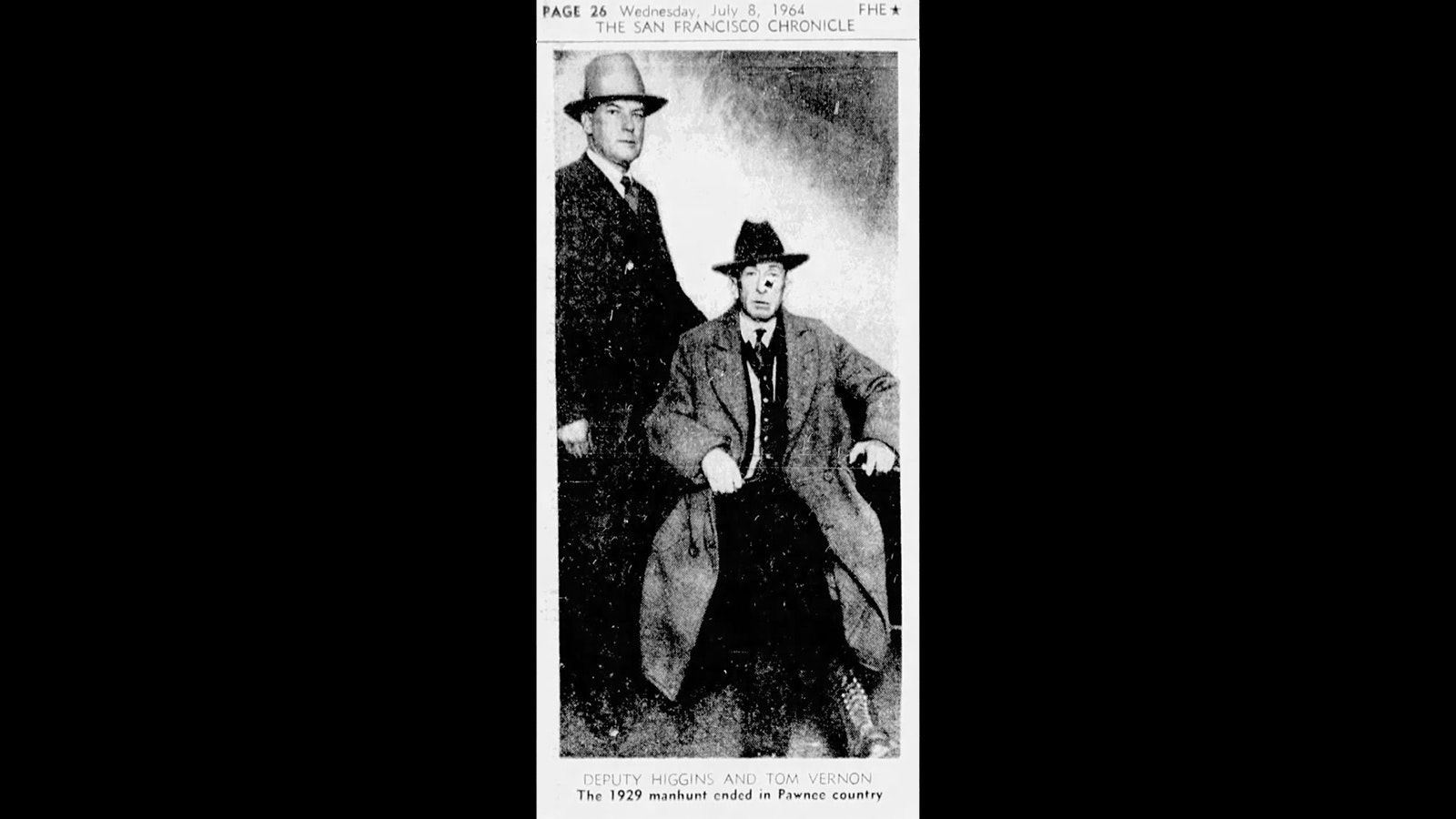
But it was Los Angeles County Sheriff’s Deputy Thomas Higgins working the California crash who honed in on Vernon — aka Tom Averill, aka “Buffalo” Tom.
He knew that Vernon had served as a fireman for a prison train while doing time in a California prison.
Higgins reportedly knew Vernon from Los Angeles from earlier arrests, and when he heard about the description of the California train wreck suspect he took note of the physical similarities.
When learning of a driver filling his tank at a Sagus gas station and then being asked by a stranger walking out of the desert for a ride to Children’s Hospital in Hollywood because his daughter had been in the train wreck, Higgins went to the man with a mug shot.
The San Francisco Chronicle on Nov. 13, 1929, reported a good Samaritan named Tom Frith of Burbank gave a man named “Hall” a ride to the hospital. On the way, Hall said he was a forest ranger and lost his badge and gun trying to ride down to the tracks when he saw the train wreck.
“He first told us he had gone to Los Angeles to put his daughter on the train in care of the conductor and then changed his story, saying the little girl got on the train herself,” he told reporters.
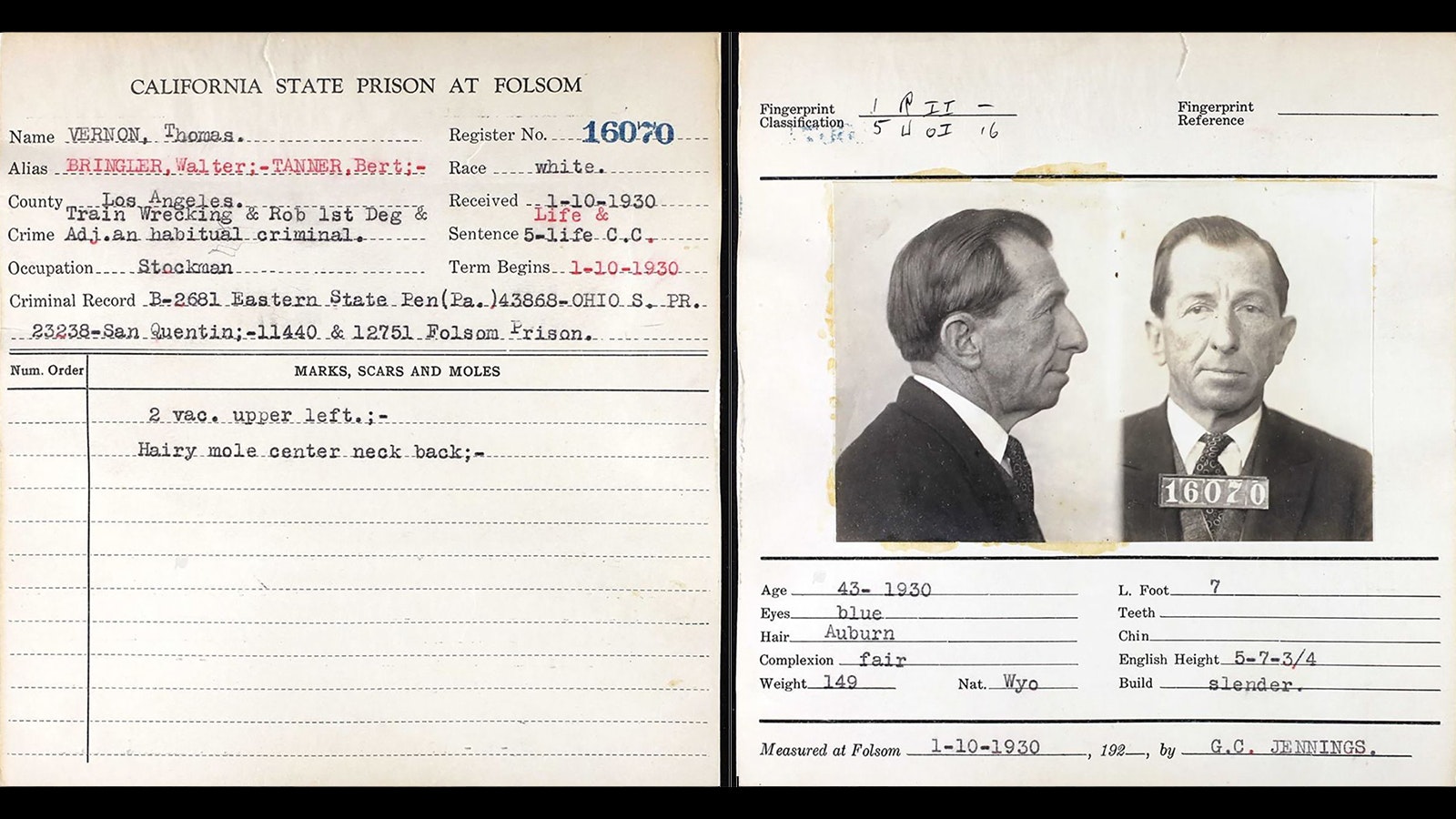
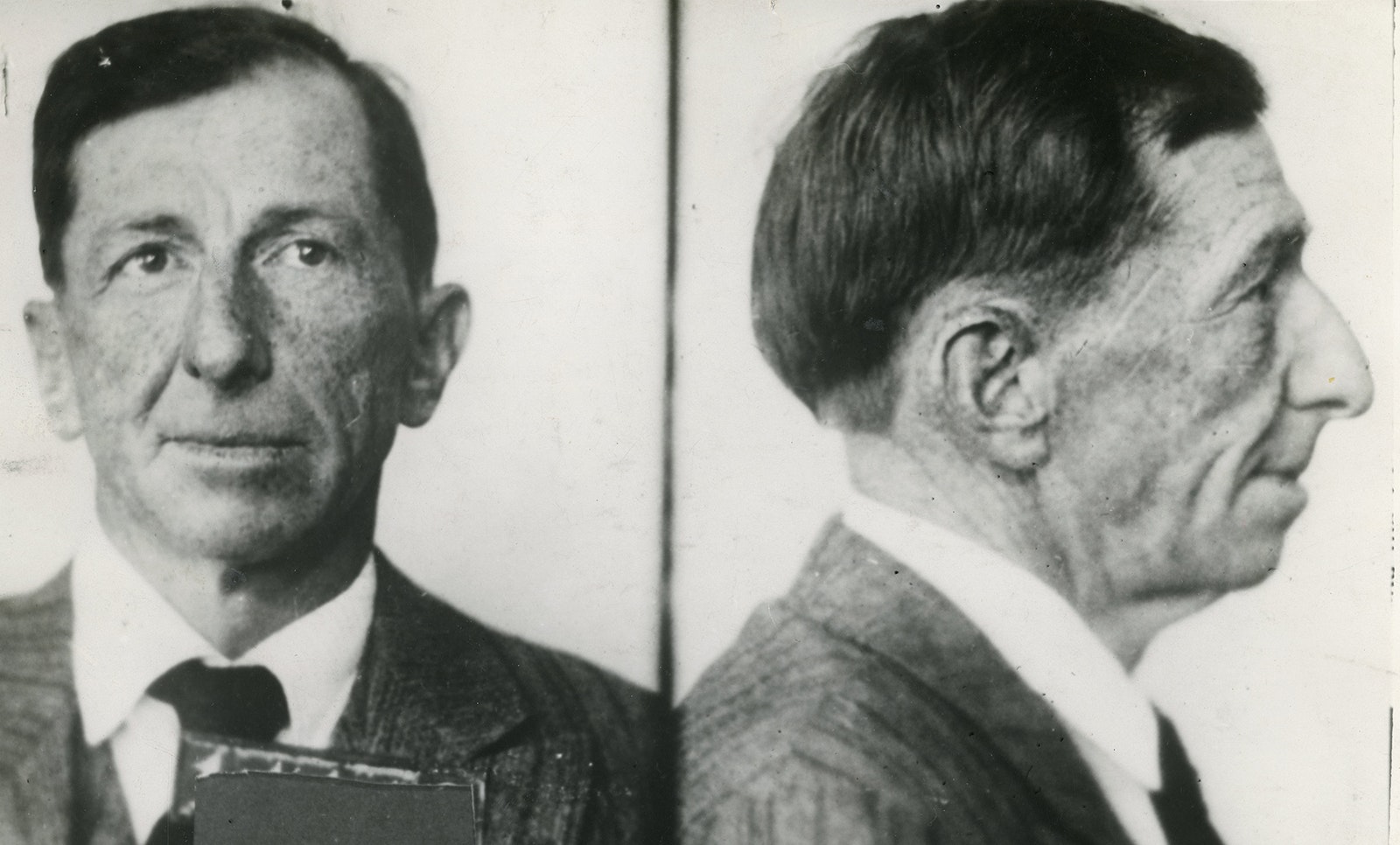
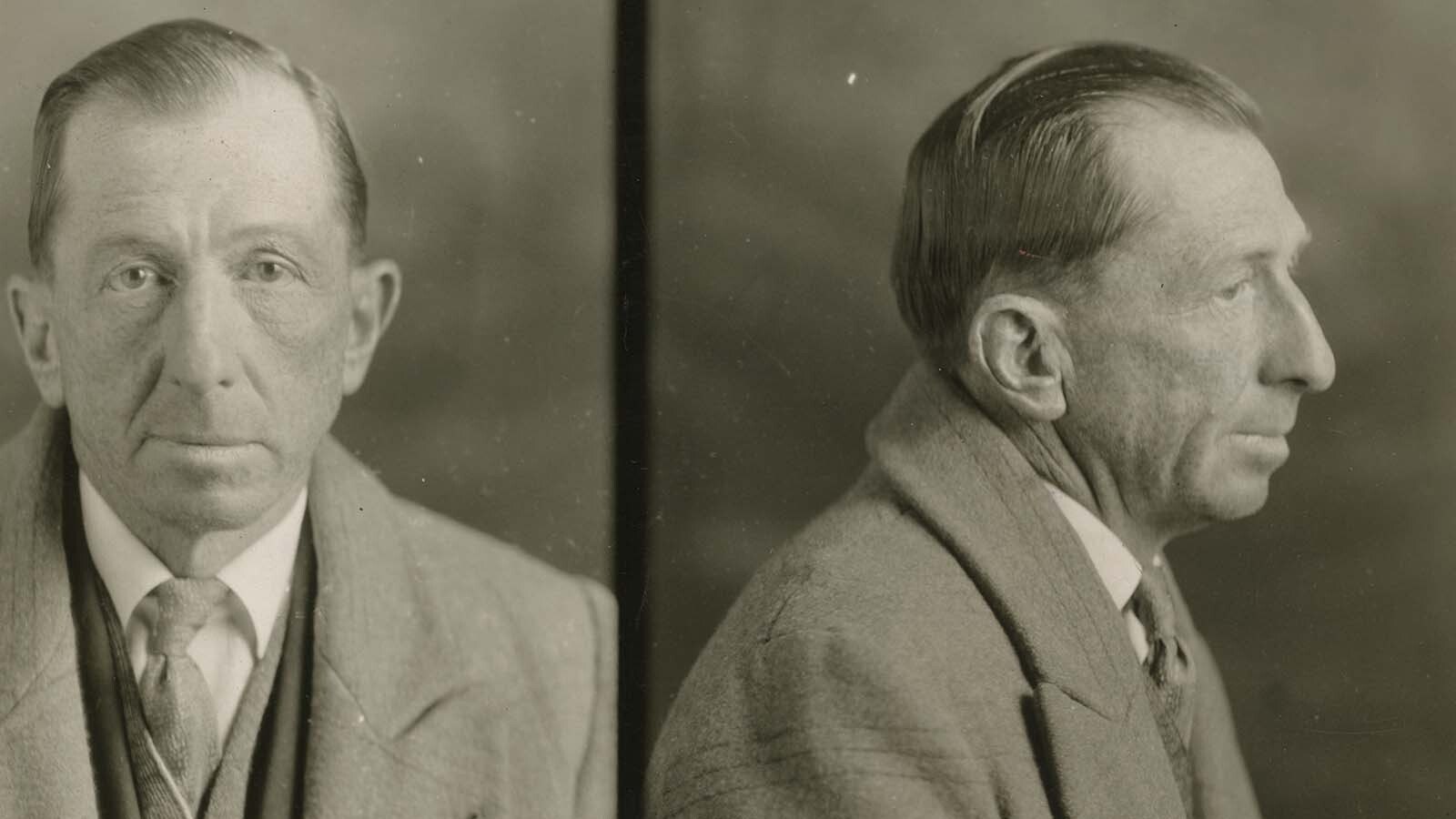
Tom Vernon’s mug shot and prison record. (Courtesy Find A Grave) 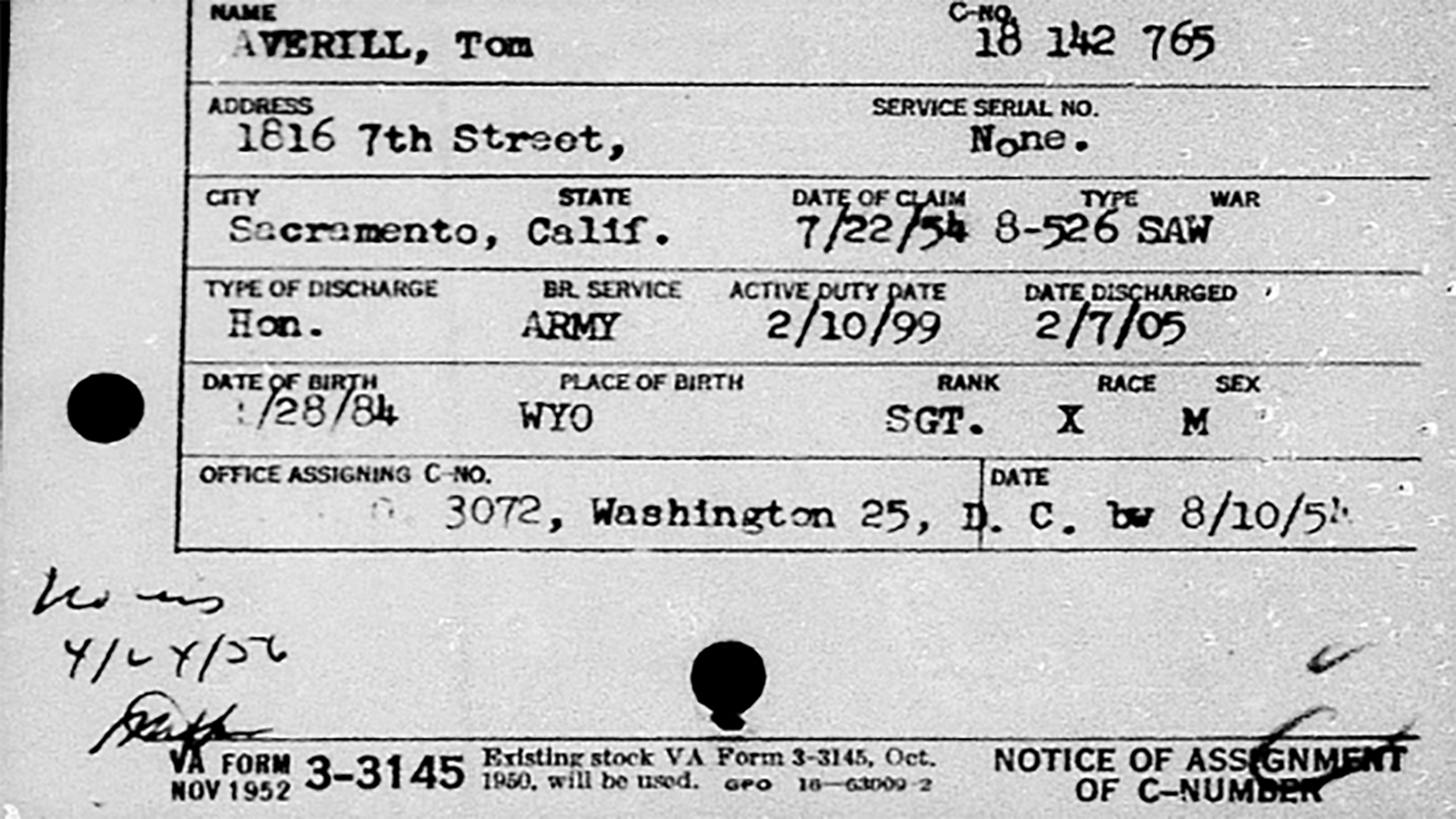
A Veterans Affairs form for Tom Averill in Sacramento, California issued in 1954. (Courtesy Familysearch.org) 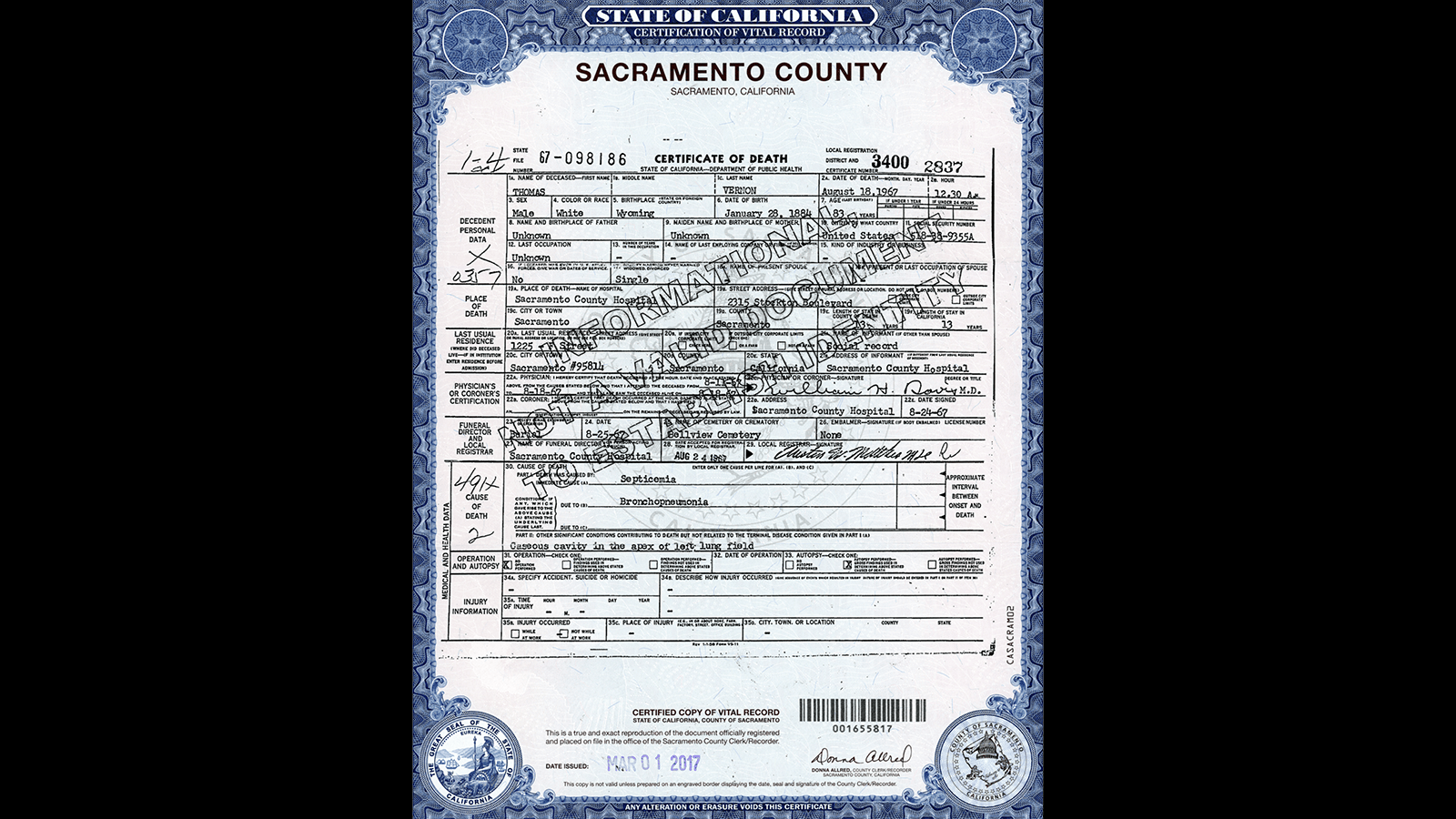
Tom Vernon’s death certificate. (Courtesy scvhistory.com)
A Realization
When Frith learned about the description of the man, he suspected he had hauled the train robber into the city.
Higgins showed Frith a copy of Vernon’s photo and Frith identified him as the man he helped.
Meanwhile, Higgins would later tell newspapers that Vernon wrote a letter to his former attorney trying to cover his tracks and mentioned he was traveling to Denver, so he headed there in pursuit.
“I traced him from Los Angeles and then to Denver. From there I learned he had gone to Cheyenne,” he said. “I did not arrive there until after the Union Pacific train had been derailed and its passengers robbed. I was too late.”
Vernon apparently went back to Denver after the wreck, and Higgins found a hotel maid who told him Vernon said he was going to Pawnee, Oklahoma.
Higgins followed, and with the help of a local sheriff, Vernon was arrested. Newspapers across the West announced his capture and suspicion that he was responsible for both wrecks.
“Robber Confesses Wrecking S.P. Train,” The San Francisco Examiner reported on Dec. 3, 1929. “Gunman Jailed in Oklahoma Breaks Under Police Grill; California, Wyoming Fight for Trial of Sagus, Cheyenne Robber.”
The newspaper pointed out that though Vernon initially denied being responsible for the train wrecks, passengers in both trains shown his mug shot identified him as the man.
When Higgins caught up with Vernon in Pawnee, Oklahoma, Vernon told the local sheriff he would fight extradition to Wyoming but would be willing to go to California. After prolonged questioning by Higgins in Oklahoma, the Chronicle reported that Vernon decided to “come clean.”
He wrote out a confession to the California crime, but not the Cheyenne train robbery.
A legal fight between Wyoming and California to extradite Vernon resulted in California convincing Oklahoma authorities to release the suspect to them.
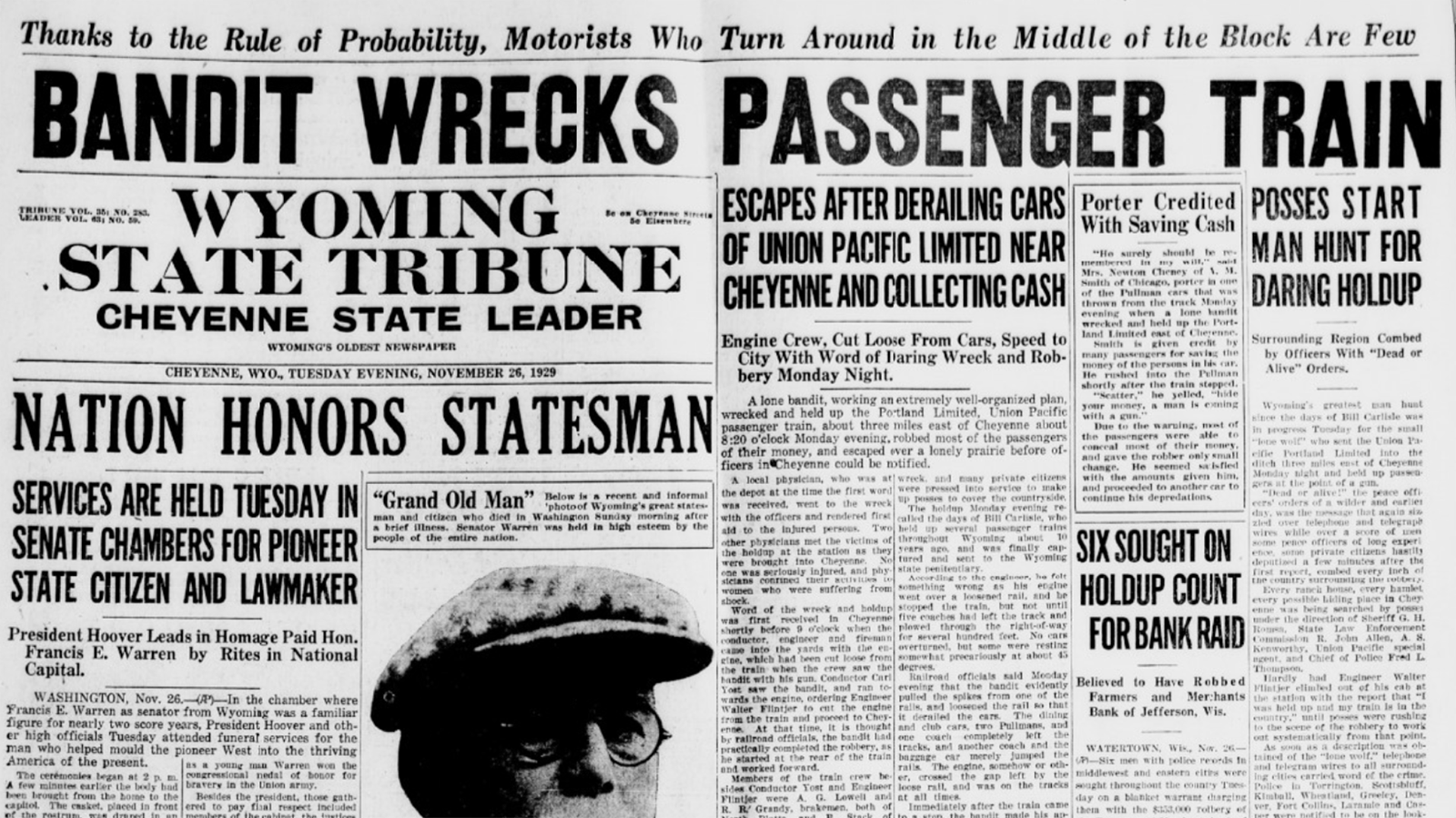
The Wyoming State Tribune, Nov. 26, 1929, records the the wreck of robbery of the Portland Limited outside Cheyenne. (Courtesy Newspapers.com) 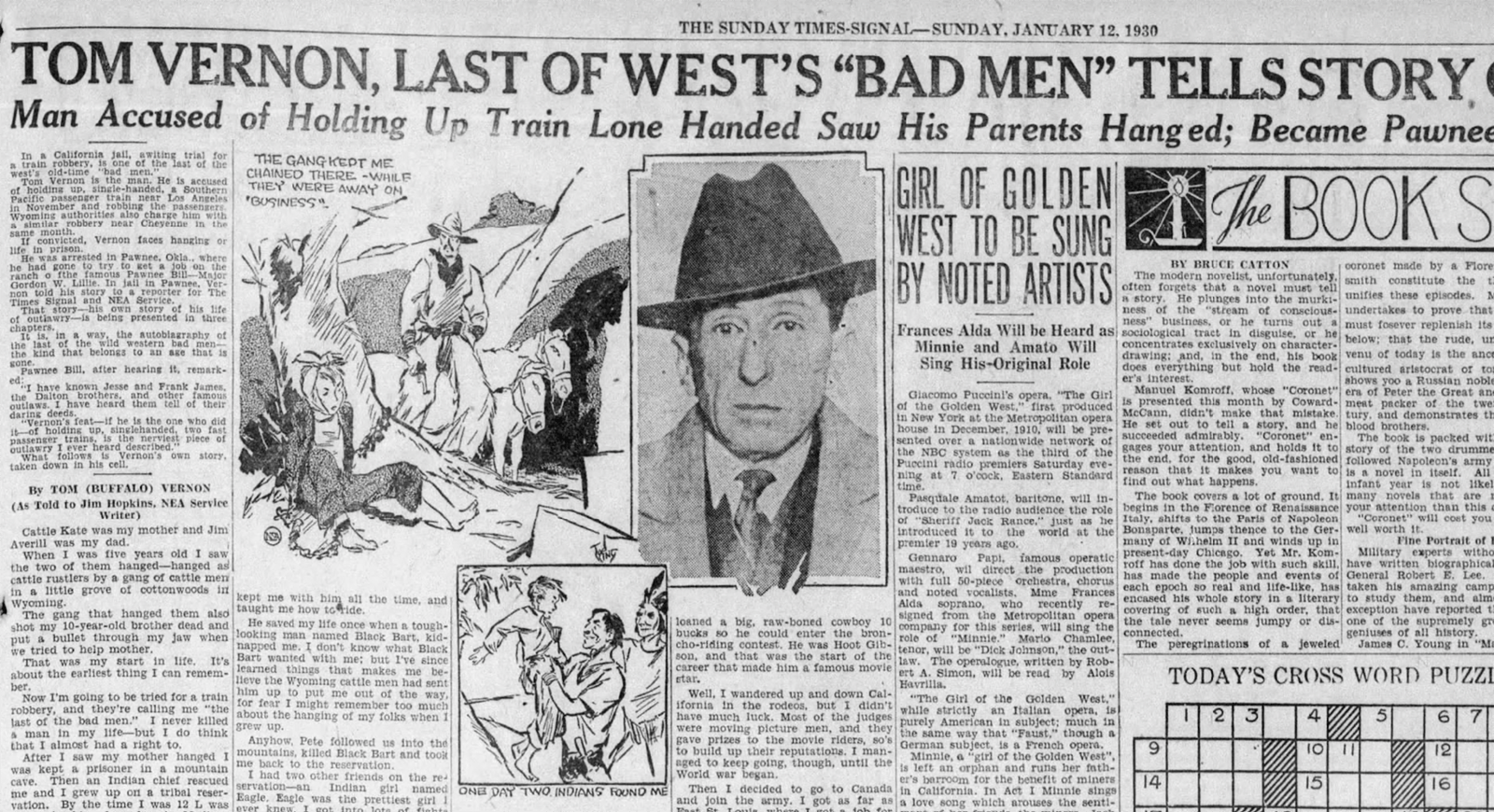
Tom Vernon’s saga about his life was published in many newspapers across the nation in January 1930. (Courtesy Newspapers.com) 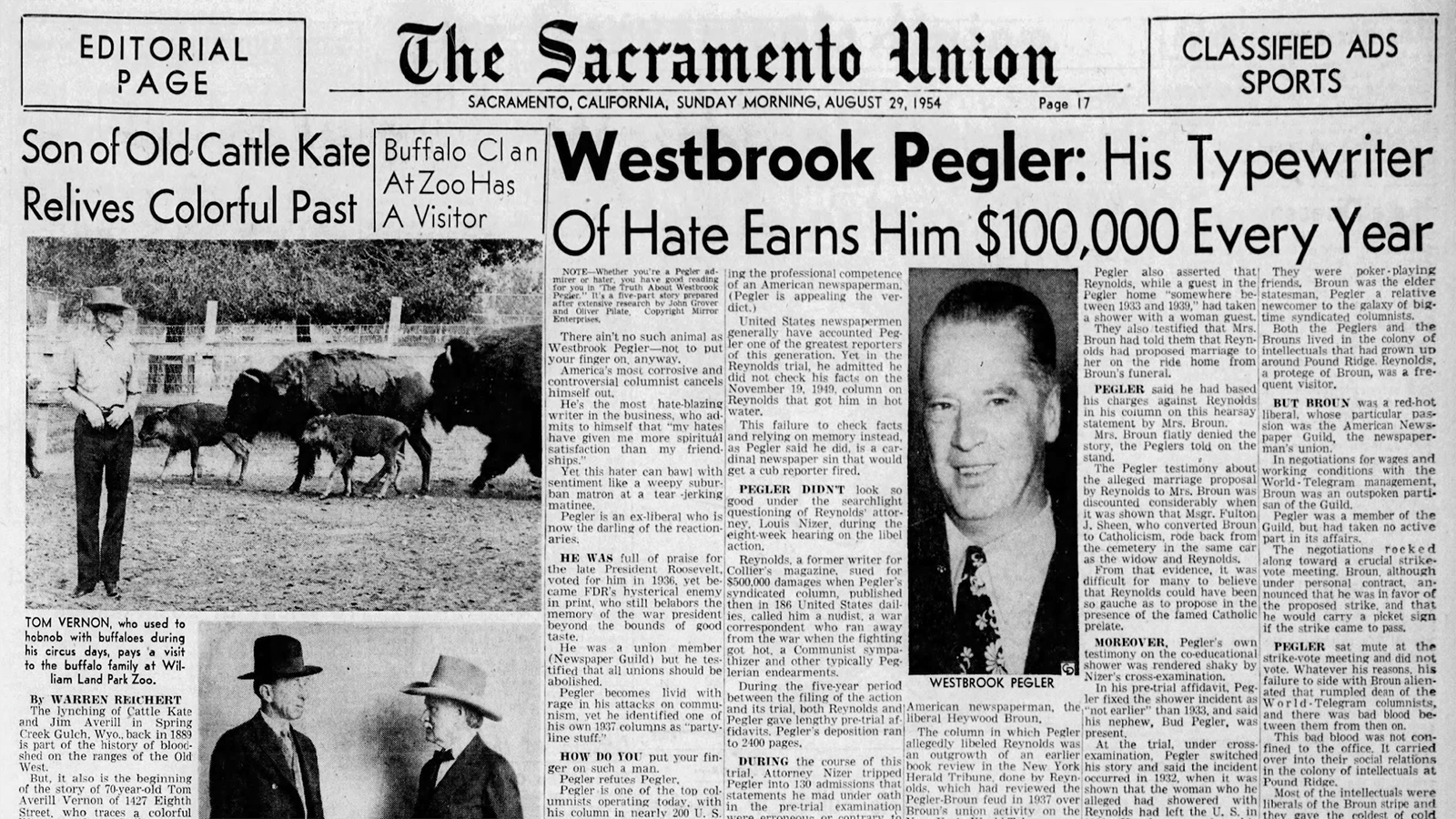
The Sacramento Union in 1954 did a feature story on Tom Vernon who added to his story. (Courtesy Newspapers.com) 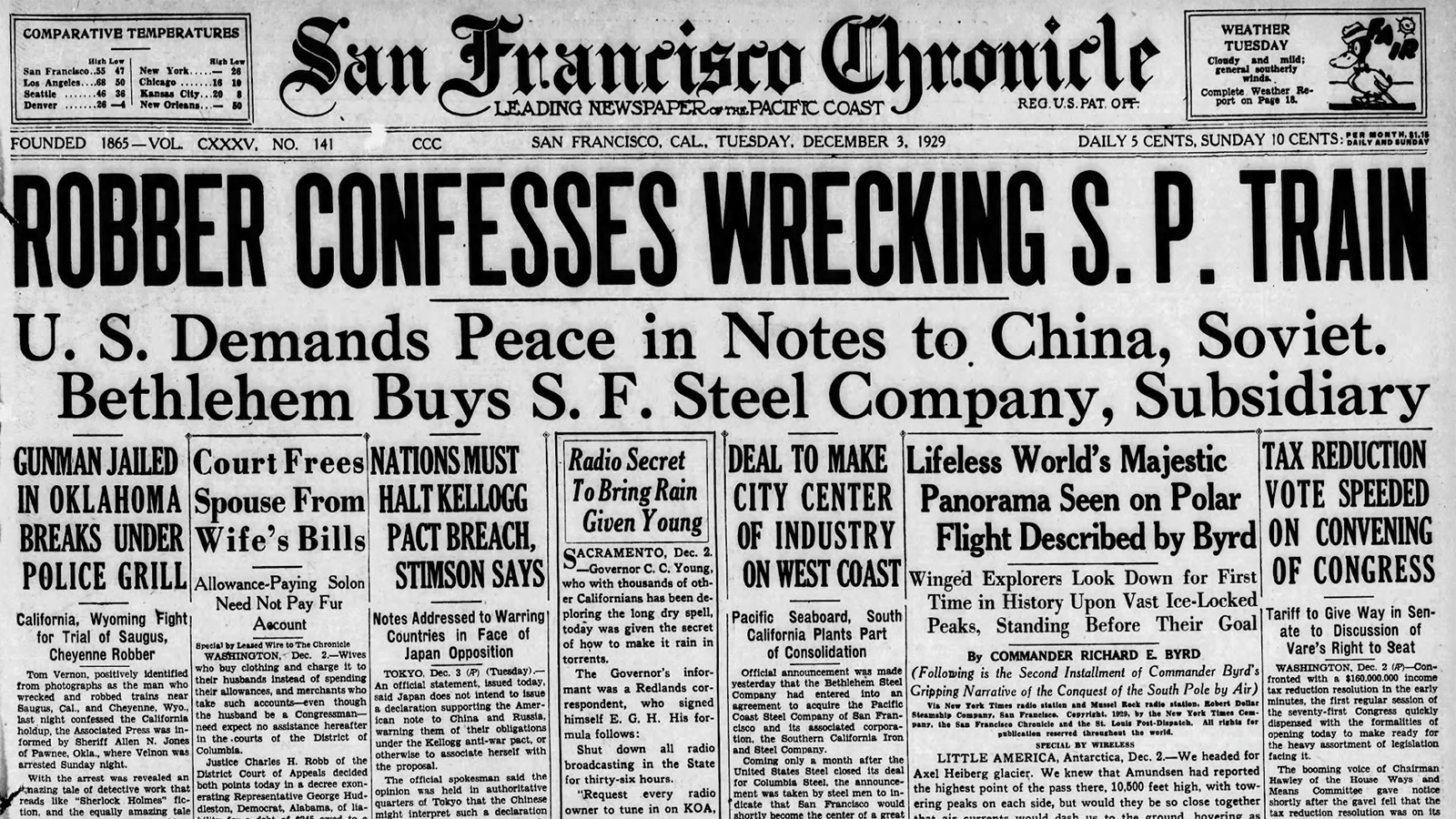
The San Francisco Chronicle had a banner headline about Tom Vernon was nabbed in Oklahoma. (Courtesy Newspapers.com) 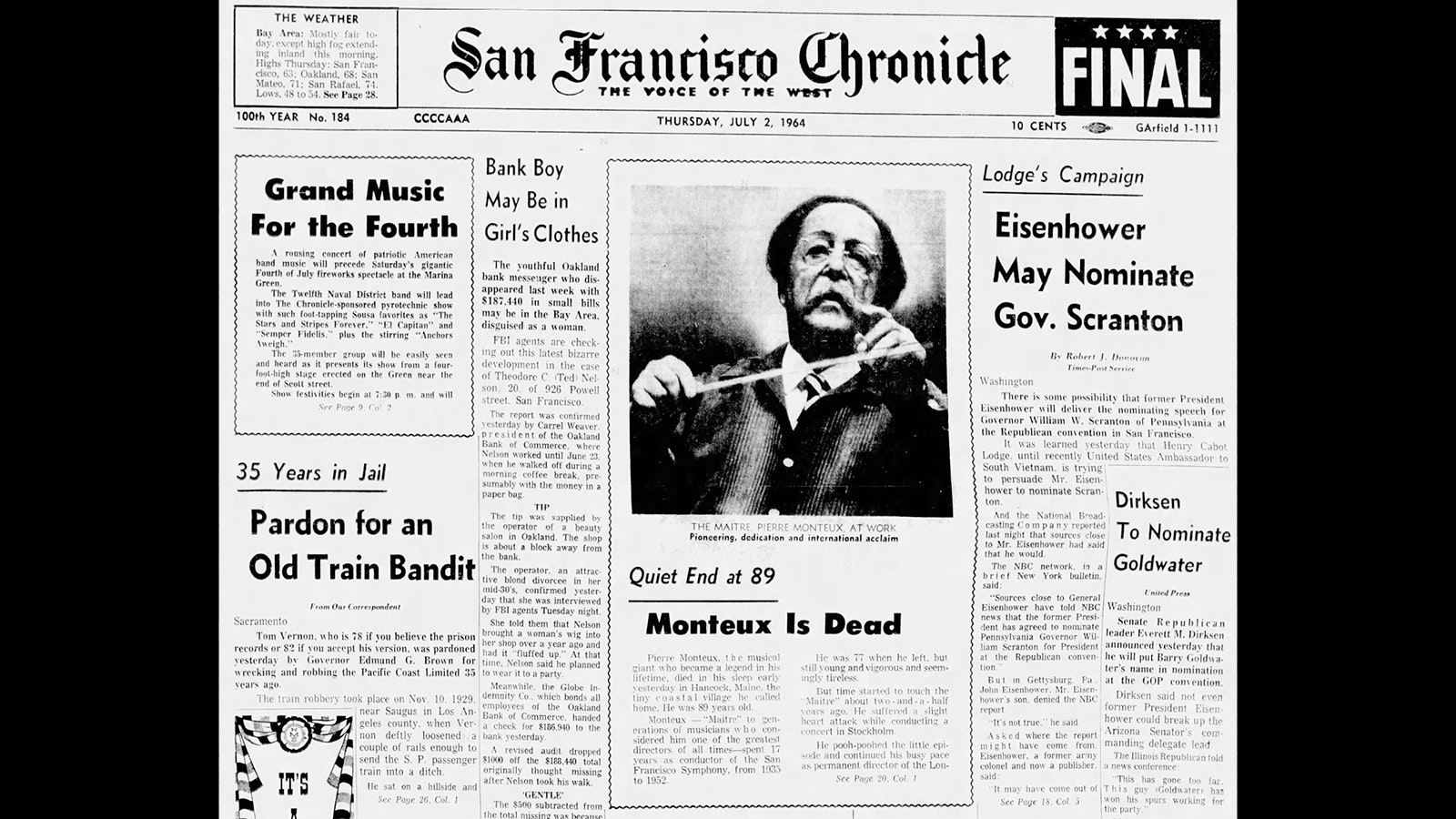
Tom Vernon was pardoned by California Gov. Edmund “Pat” Brown in 1964. (Courtesy Newspapers.com) 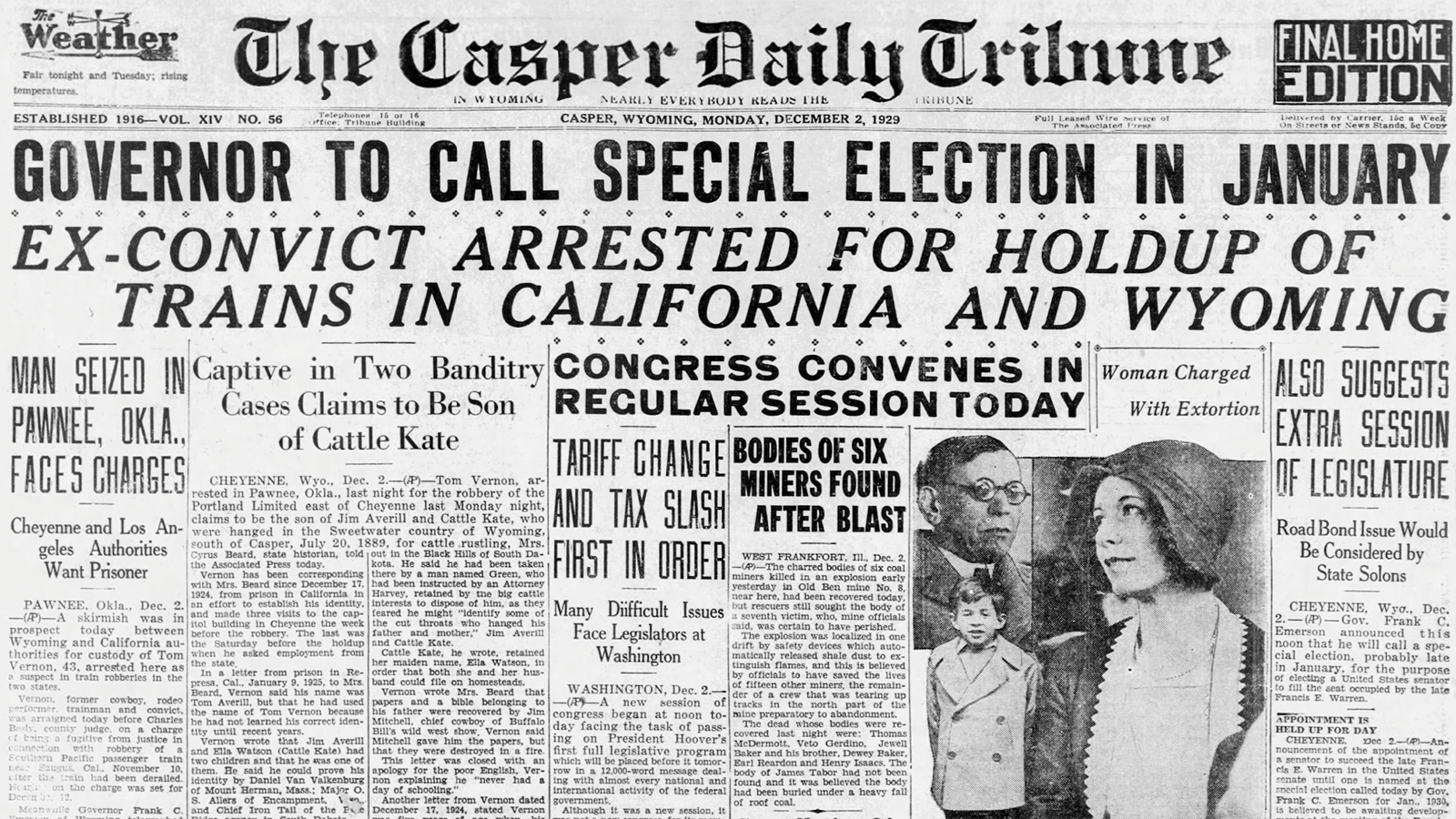
The Casper Daily Tribune uses it sub-headline to tell Wyoming readers Tom Vernon claimed to be the son of Ella Watson and Jim Averell. (Courtesy Newspapers.com)
Stories To Tell
While Vernon was under arrest, he had stories to tell.
Wyoming newspapers reported that he had already been in communication with the Wyoming State Historian Frances Beard and had visited Gov. Frank Emerson’s office three times on the Friday before the Cheyenne train wreck on Monday, Nov. 25.
They also reported that Vernon was claiming a link to an infamous story in Wyoming’s past.
“Tom Vernon, arrested in Pawnee, Okla., Sunday night for the robbery of the Portland Limited east of Cheyenne … claims to be the son of Jim Averill (sic) and Cattle Kate, who were hanged in the Sweetwater country of Wyoming, south of Casper, July 20, 1889, for cattle rustling, Mrs. Cyrus Beard, state historian said Monday,” the Cheyenne State Leader reported on Dec. 3, 1929.
Vernon had written to Beard that papers and a Bible that belonged to his father, were recovered by Jim Mitchell, chief cowboy for Buffalo Bill’s Wild West, but had been “destroyed in a fire.”
Vernon had tried to visit Beard at her Cheyenne office before the train robbery but she was sick at home.
He went to Gov. Frank Emerson’s office and told the governor’s secretary, Gregory Powell, the story of his alleged beginnings and also asked for a job.
He said he needed to establish his identity as the child of the hanged pair to “clear his criminal record,” which was extensive in California.
Vernon allegedly told Powell it “was not until recently” that he learned his real name, according to the news report.
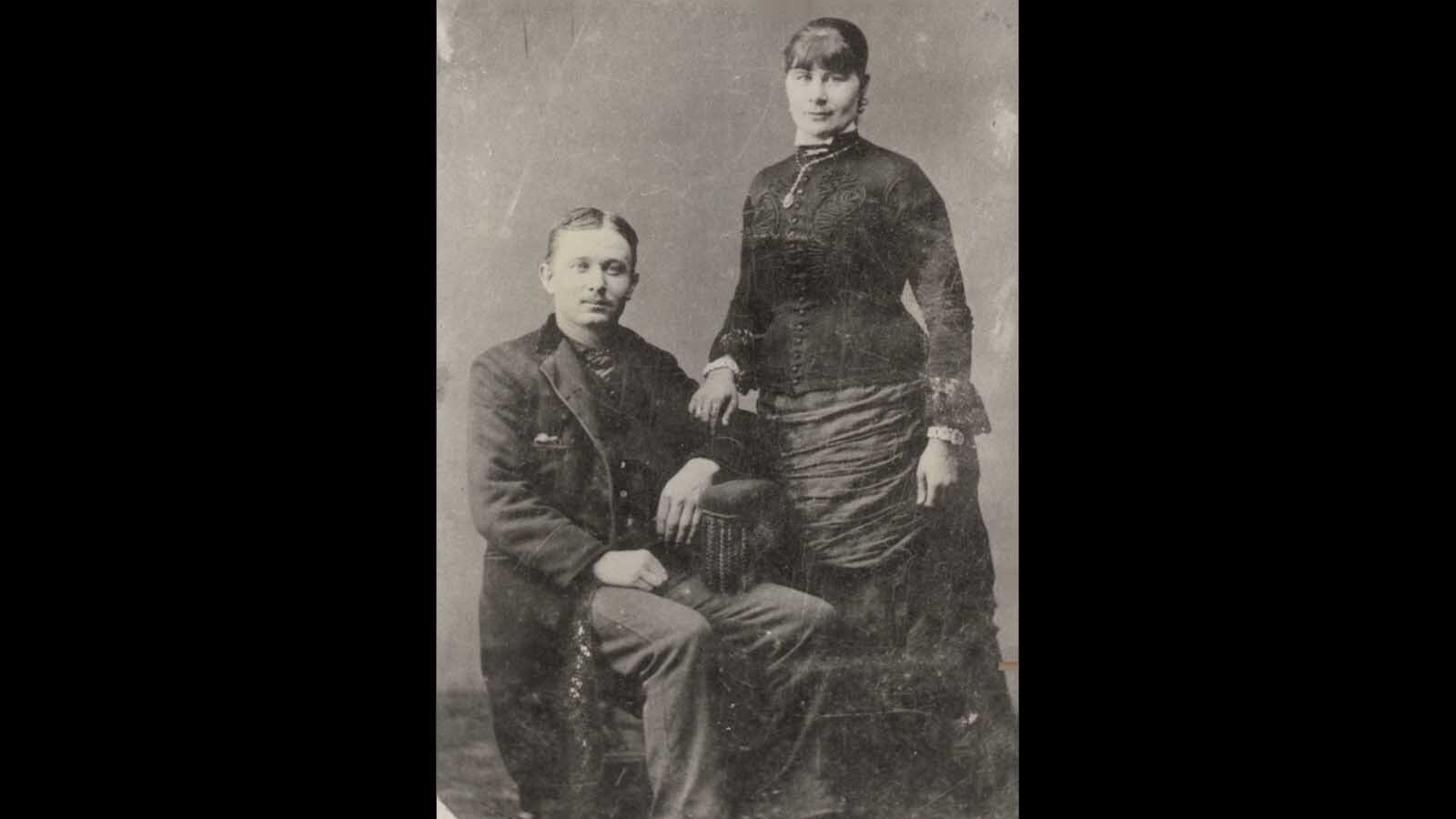
The story repeated in newspapers across the country in later days and even years was that Vernon, who also went by Tom Averill — with the last name misspelled from Jim Averell — was 5 years old when his parents were hanged.
Allegedly Shot
Some of his accounts that show up later in his life say he was shot along with another brother, and while his brother was killed he survived and was taken to South Dakota by cowboys who chained him to a stump during days in the Black Hills.
There he alleged he was found and rescued by Chief Iron Tail, whose likeness is on the Buffalo nickel, and then raised by the Sioux until Mitchell asked the chief to be part of the Wild West show.
One account recorded by newspapers is that the chief demanded that Vernon also be allowed to participate as well.
Beard told the Cheyenne newspaper that there was “considerable foundation to support Vernon’s claim” of being a child of the hung pair.
However, Casper historian Tom Rea, who has researched the story of Ella Watson and Jim Averell and wrote about them and their hanging for WyoHistory.org and his book “Devil’s Gate,” said he has never heard of Vernon and his story from 1929.
“I think it is pretty clear they never had a child,” he said. “I’m pretty sure this guy was making it up.”
Rea said there were a couple of younger boys working around their ranches at the time the pair were kidnapped and taken to be hung, but Vernon “was definitely not one of them.”
While Vernon’s story drew headlines in California and Wyoming in 1929, it did not get him off the hook for the train robberies.
Once turned over to California authorities, Vernon at his arraignment pleaded guilty to wrecking the Southern Pacific train and to one count of robbing a passenger.
He told the Los Angeles County Superior Court that he did it out of revenge for the Southern Pacific not hiring him as a fireman after learning of his criminal record.
He also was charged as being a habitual offender. The court cited convictions for grand larceny in Solano, Ventura and Los Angeles counties as well as in Pennsylvania and Ohio where he had been convicted of horse stealing.
Following an investigation of his sanity requested by his defense attorney, Los Angeles Superior Court Judge William Aggeler sentenced Vernon to life in prison.
The district attorney had asked for the death penalty and cited Vernon’s previous convictions in California. His defense attorney asked for life imprisonment because no lives had been lost in the California wreck.
New Audiences
A month after his sentence, newspapers from Camden, N.J., to Kalamazoo, Michigan to St. Louis, Missouri and dozens more across the country were carrying serialized versions of Vernon’s “life” as recorded by Newspaper Enterprise Association writer Jim Hopkins from his “jail cell.”
“Tom Vernon, Last of West’s ‘Bad Men’ Tells Story of His Life,” a headline in the Sunday Times Signal in Zanesville, Ohio read.
Vernon unloaded to Hopkins about witnessing the death of his “parents” by hanging, being saved by the Sioux chief Iron Tail and placed under the care of a white man named Pete Vernon.
He spoke of joining Buffalo Bill’s Wild West show portraying a pony express rider, and after an alleged suggestion by Annie Oakley, he dressed like a girl and rode a bucking horse. He told the reporter he was promoted as “the daredevil daughter of Cattle Kate.”
Vernon claimed to be part of Buffalo Bill’s Wild West company for four years, joining when he was 12 and leaving when he was 16 in 1900 when he enlisted in the U.S. Army was assigned to the Sixth Cavalry’s A Troop and was sent first to San Antonio, Texas before ordered overseas to China because of the Boxer Rebellion.
“We saved half-starving missionaries that had been kept in dark dungeons,” Vernon said. “And we found others with their heads chopped off.”
The stories went on about his arrest in Pennsylvania after leaving the Army. He said before his arrest, he was asked by a mysterious man if he had ever lived in Wyoming.
He claimed to be framed for stealing a watch. After his prison time there, Vernon shared that he was a bronco rider with Major Gordon W. Lillie “Pawnee Bill” in his wild west show where he was given the nickname “Buffalo.”
The reporter, Hopkins, wrote that Lillie was in the cell with him as he interviewed Vernon and that “Pawnee Bill” nodded in approval when Vernon spoke of being a good bronc rider.
Pawnee Bill’s Endorsement
“Vernon was the best bronco rider I ever had with my show,” Lillie said. “Once he got on a horse, there wasn’t any bucking him off.”
In the article, Vernon spoke of leaving Pawnee Bill’s show, being arrested in California for stealing $50 from a livery stable, spending time in San Quentin, and then after his release meeting Hoot Gibson, as his name was rising in Hollywood.
Then as World War I broke out, Vernon said he again served in the U.S. Army at a remount station in Texas, and after the service headed west to Hollywood where he was a stunt double in films until a ranch foreman accused him of stealing his horse and he went to prison again.
Nathan Bender, a research assistant at the McCracken Research Library at the Buffalo Bill Center for the West, told Cowboy State Daily that records show a “Tom Vernon” was employed in 1910 as a cowboy in Buffalo Bill’s Wild West.
“The name Tom Averill also shows up as a Buffalo Bill Wild West employee in the Buffalo Bill Museum curator’s files,” he said.
The year 1910 is well after Vernon’s claim to be with the show from when he was 12 years old to 16 — which would have been 1896-1900. But 1910 is also when Tom Vernon aka Bert Tanner was sitting in San Quentin State Prison for grand larceny. His mug shot lists him as a “nat. Wyo.” or native of Wyoming.
In 1900, the U.S. Sixth Cavalry was sent to China to help quell the Chinese fighting against the foreigners in the Boxer Rebellion conflict.
A Veteran’s Administration form found on familysearch.org under the name of Tom Averill, with Tom Vernon’s birthdate of Jan. 28, 1884 and a Sacramento address in 1954, states that it was issued on Aug. 10, 1954. The form lists the dates of active duty service for “Tom Averill” as from Feb. 10, 1899, to Feb. 7, 1905.
Prison mug shots of Vernon and his aliases can be found at scvhistory.comand a record from the California prison system posted online shows that he was sentenced for his various crimes as “Walter Pringle” in 1905 in Pennsylvania, as “Hugh Clark” in 1915 in Ohio, and as “Bert Tanner” in 1920 in California.
Vernon’s life sentence was not the end of his story.
Prison Release
In 1954, the Sacramento Union newspaper did a story on “Tom Averill Vernon.” The then 70-year-old was out of prison. A search for a date on his release was unsuccessful.
Vernon again recounted his many adventures and his supposed birth by Jim Averell and Ella Watson — he also alleged he learned the Oglala language during his eight years on the reservation in Chief Iron Tail’s family and that “welfare people” objected to him being raised on the reservation.
Vernon told the reporter that Buffalo Bill, Iron Tail and Annie Oakley showed up in the courtroom with him and Buffalo Bill suggested Annie Oakley be his guardian.
“She learned me all the education I ever had,” he told the reporter. “She taught me school all the while I was in the show under her supervision.”
Vernon also produced a letter for the reporter allegedly from Buffalo Bill and dated Nov. 11, 1913 that said records showed he joined his show from 1896 to 1899 and then again in 1908 — his story morphed from his 1930 version.
In July 1964, California Gov. Edmund “Pat” Brown pardoned Vernon as among those deemed “rehabilitated.”
A July 2, story on the pardon in the San Francisco Chronicle told that generation of readers that Vernon caused the Southern Pacific train wreck in 1929. It also stated that as a boy, he had been hanged with his parents and found by Indians who cut down the father, mother and son.
The boy still had life in his body, was taken and raised by Chief Iron Tail.
Where the reporter got the information was not cited. But Tom Vernon was still alive and presumably talking.
The Cheyenne train wrecker never paid for his Wyoming crime. A death certificate copy posted online for him at scvhistory.com shows that he died on Aug. 18, 1967, from septicemia due to bronchopneumonia.
Vernon is buried in Bellevue Cemetery in Sacramento, California.
Dale Killingbeck can be reached at dale@cowboystatedaily.com.