Sam Harris sees beauty in everyday things that people overlook: a powerline against a cloudy sky, a cherry-red tractor, a little white house with a white picket fence.
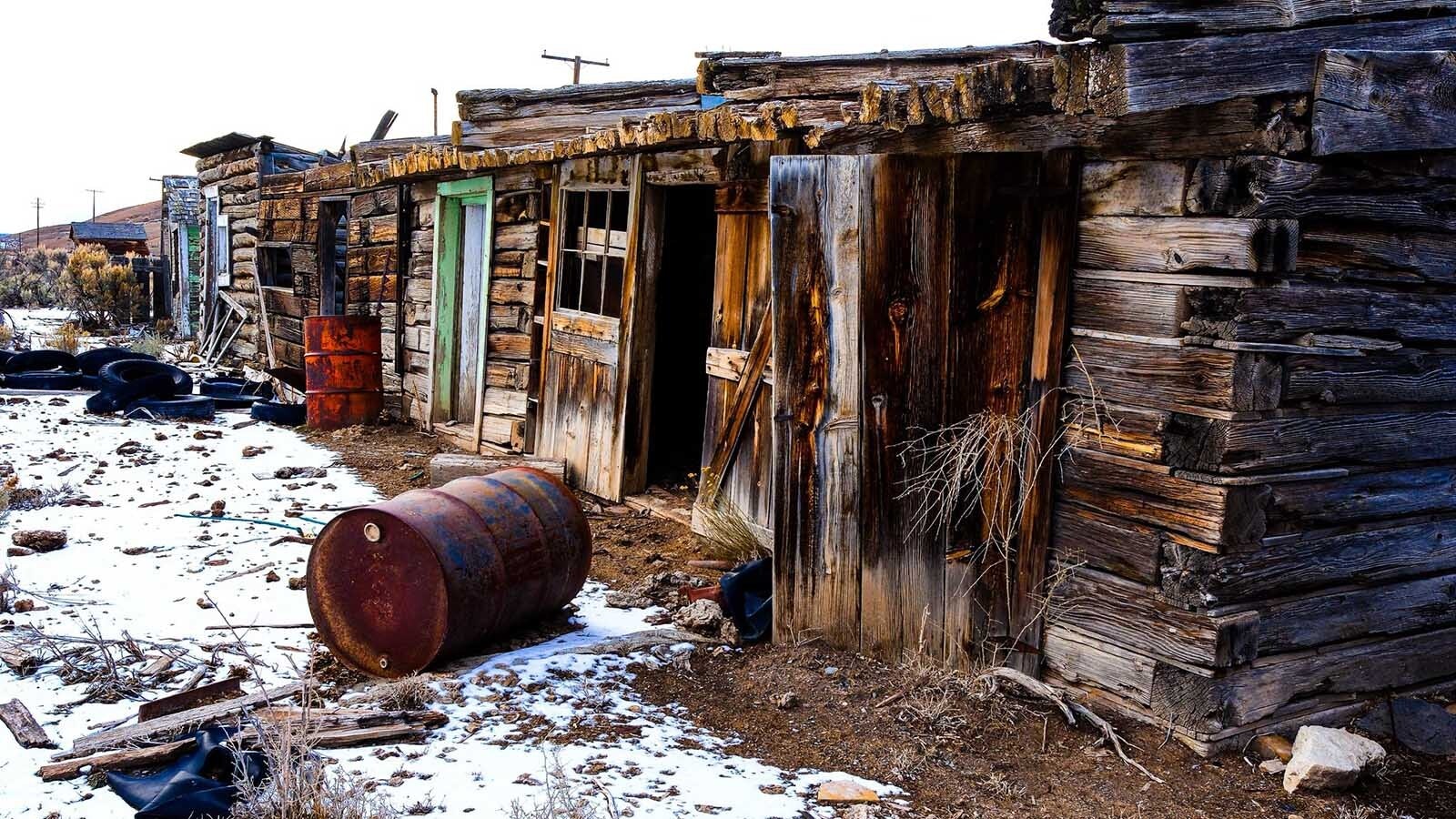
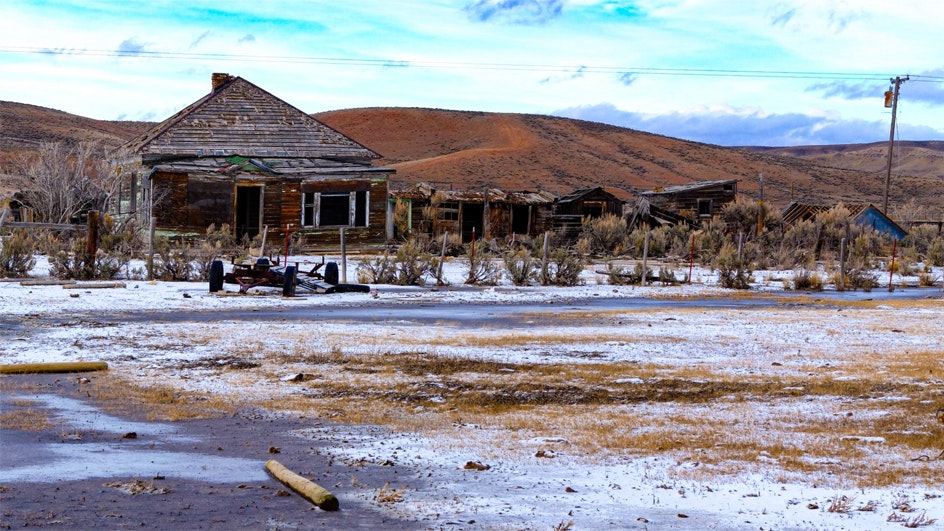
When he recently took photos of a ghost town in southwestern Wyoming, he personified what was left of the once utilitarian community in his images and the words he shared about them.
In Harris’ own words, Sage, now a southwestern Wyoming ghost town, was “born in the dust of 1881 when the Oregon Short Line laid its iron spine across the valley.”
“I had wanted to photograph this place for a long time,” the Kemmerer resident told Cowboy State Daily.
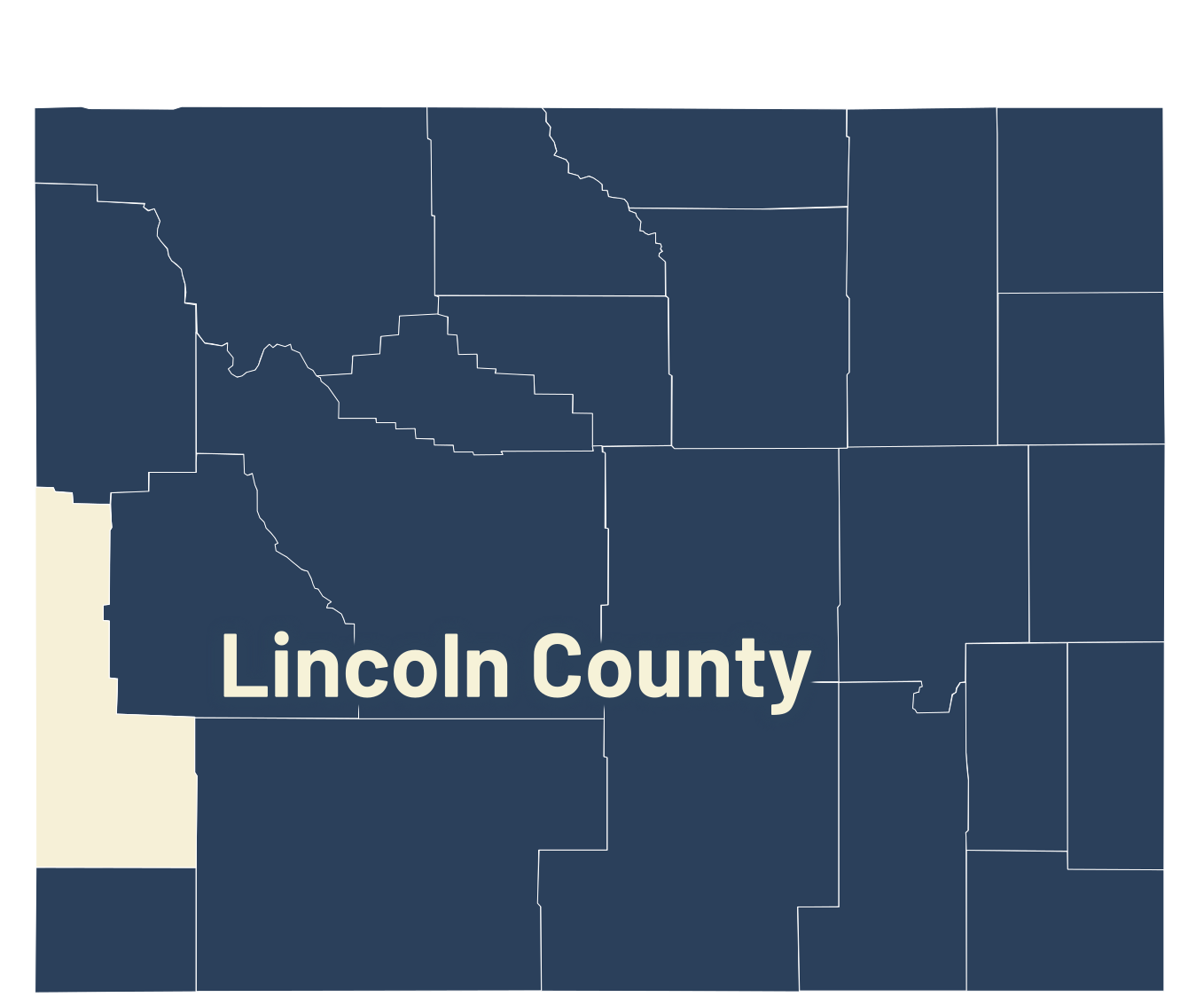
The dilapidated buildings south of Cokeville near the intersection of state Highway 89 and U.S Highway 30 are on private property, and while Harris could see them, he didn’t want to trespass.
Through a friend at the Lincoln County Sheriff’s Office, Harris was able to connect with the property owner. He got permission to come onto the land and take pictures. That was a few years ago.
Last month, Harris returned to the ghost town. He imagined it as a character and paid attention to it in a way few ever have.
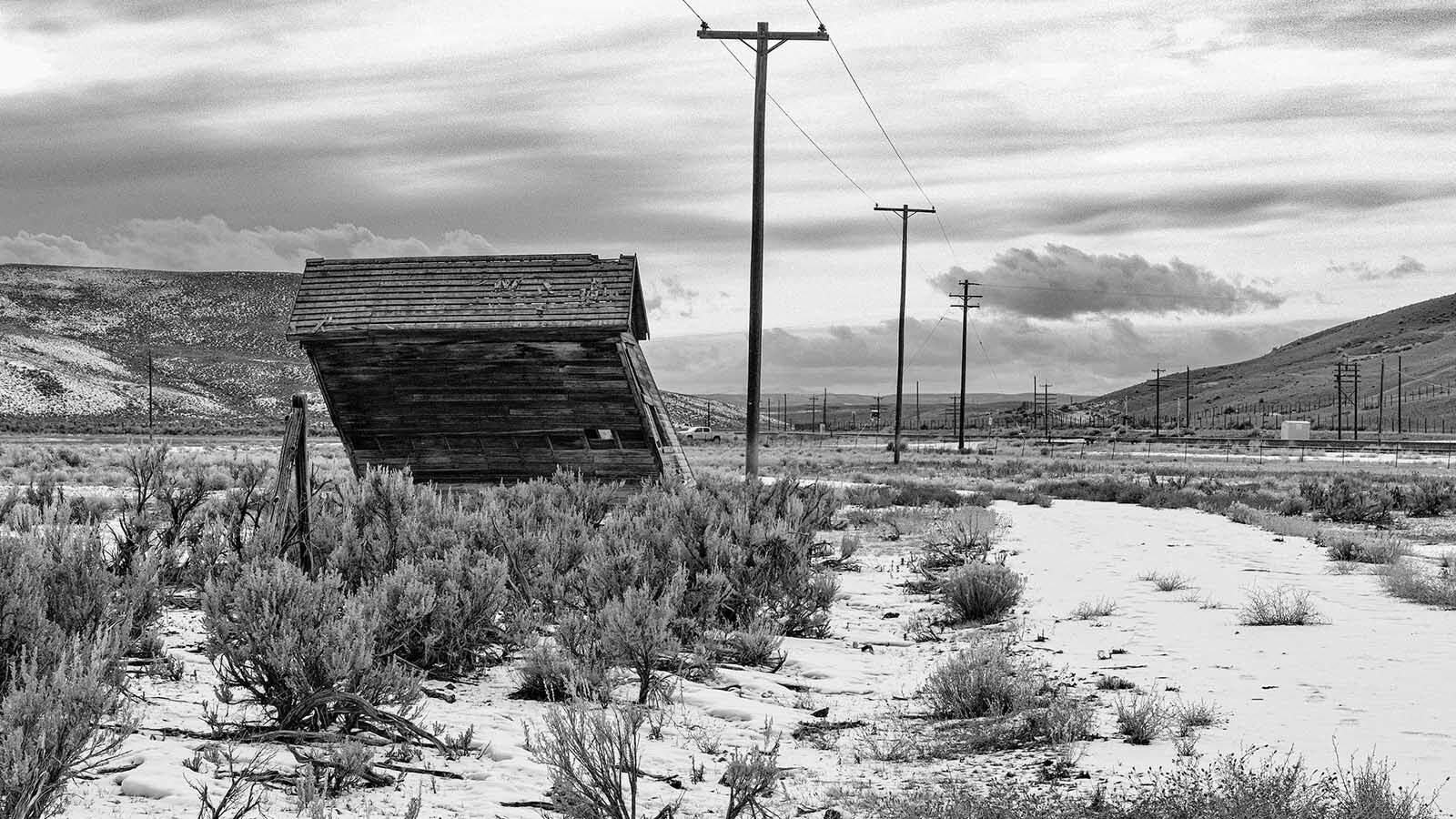
Sage, Wyoming
In the late 1800s, Sage was expected to grow into a stable mining and ranching community.
Coal had been discovered in the area. The railroad came to the town, and with it came a general store and a post office that carried letters from Fort Bridger, according to Harris.
The coal that was discovered nearby was found to have so many impurities that miners determined it could not economically be refined.
“Trains changed routes, automobiles whispered past on the new highway instead of stopping, jobs drifted to bigger places, and one by one the lights went out," Harris wrote about the town. "The post office shuttered in ’73, the last voices faded, and the prairie began to reclaim what it had loaned me.
"Roofs sagged under snow and neglect, windows shattered like broken promises, curtains frayed into ghosts that still stir when the wind remembers.”
In the short story “Brokeback Mountain,” which appears in the 1999 short story collection "Close Range: Wyoming Stories” by Annie Proulx, the character Ennis del Mar is described as being "from around Sage, near the Utah line."
Harris writes of Sage: “Ranchers leaned on my porches, miners warmed their hands by stoves in the lean winters, and families lit lamps against the long dark at 6,300 feet.”
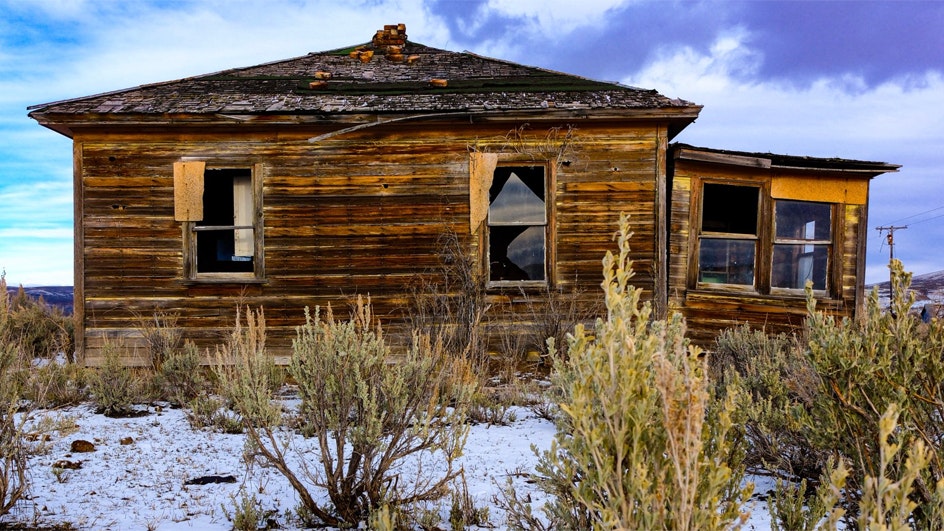
Isolation Photographer
Harris frequently visits ghost towns and hunting camps — abandoned places that throb with rich history.
Sometimes he stumbles onto these places by pure happenstance. Other times, he finds them with the help of Google Earth and old railroad beds.
“You can find the rail beds real easy because nature doesn’t make straight lines very often,” he said.
He has photographed ghost towns throughout Wyoming, including South Pass City, Kirwin — high in the Absaroka Mountains — and the short-lived coal mining town of Sublette about 8 miles north of Kemmerer.
“It’s like I see something and keep looking closer and closer,” he told Cowboy State Daily. “I get out and take a photo, and it’s kind of like stop and smell the roses.”
Harris is a self-proclaimed isolation photographer. Post-traumatic stress from a stint in the Army causes him to avoid people, he said. He takes his dogs out into the high desert and snaps photos, which he shares on social media.
“I take isolation photos because I feel isolated,” Harris said. “I go out there and I see the textures and different tonal ranges of grey. When I see that, I say, ‘Wow. I’ve got to take that photo.’”
Landing the perfect photo takes time. It also takes a keen eye, an intense curiosity and a heap of patience.
“You have to set up the shot, adjust your lighting, adjust the aperture,” he said.
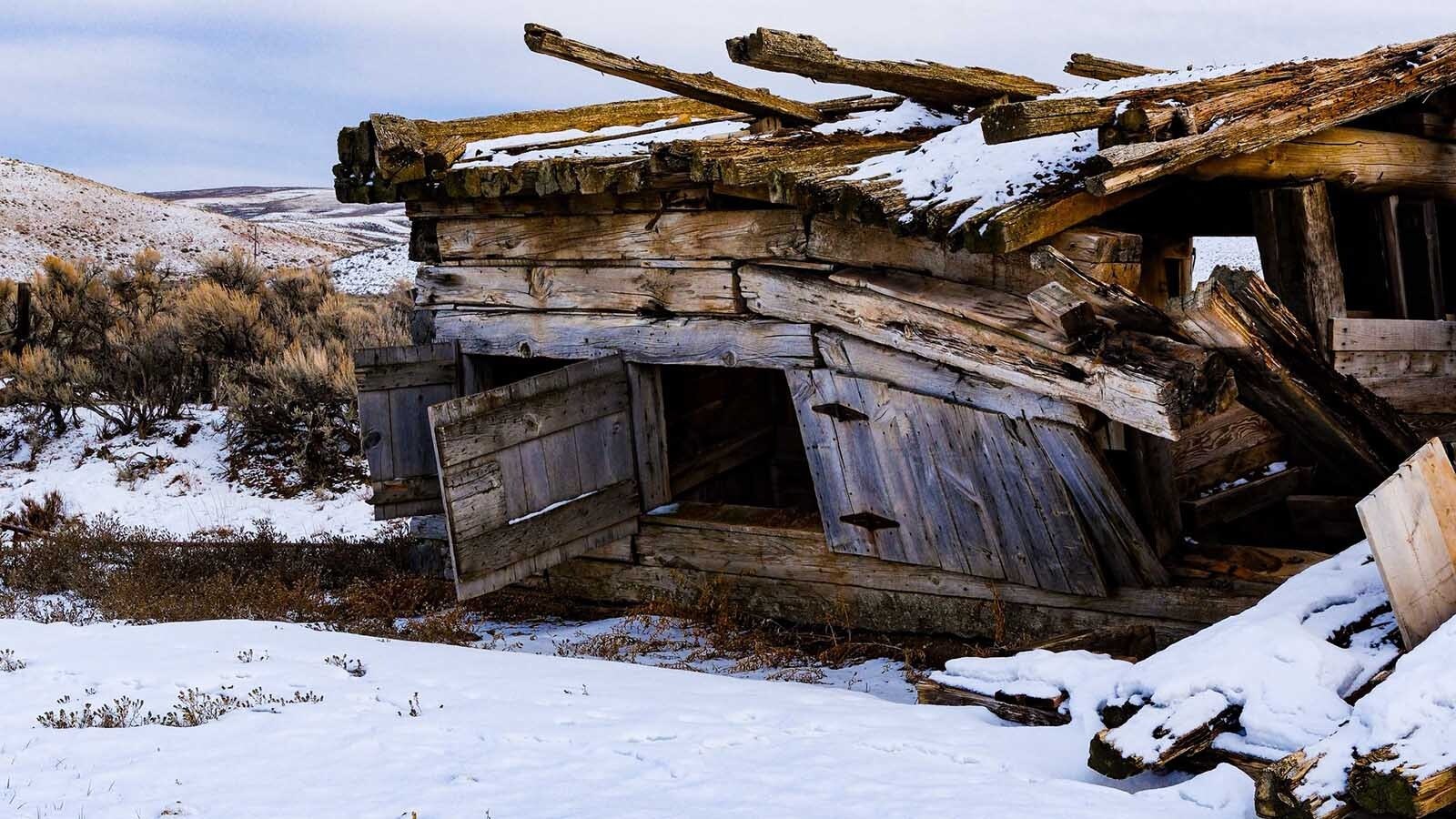
Sam Harris, a Wyoming photographer and Army veteran, finds beauty in abandoned places, like the ghost town of Sage. His haunting photos capture history’s abandoned remnants while he enjoys the solitude. (Photo by Sam Harris) 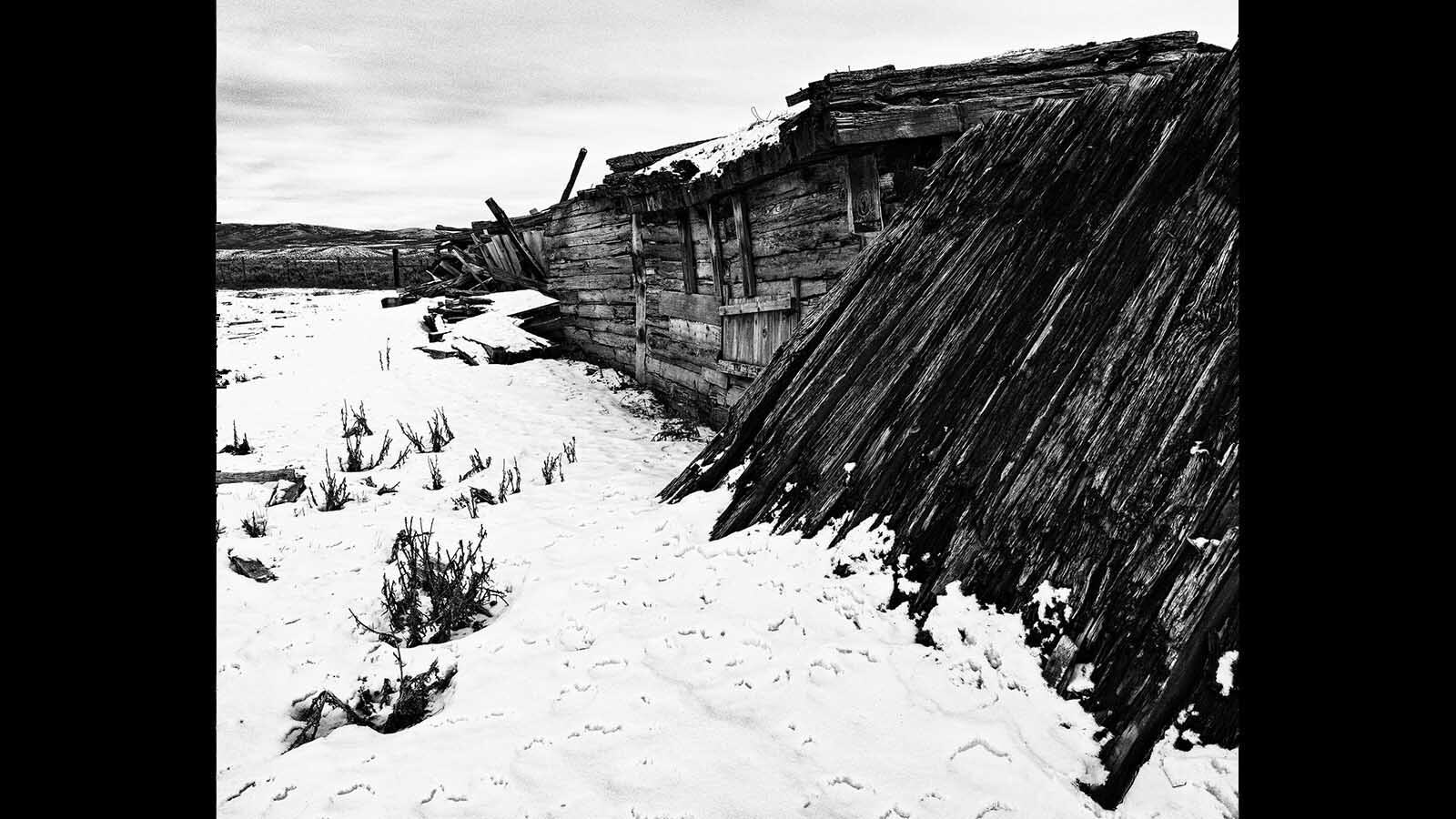
Sam Harris, a Wyoming photographer and Army veteran, finds beauty in abandoned places, like the ghost town of Sage. His haunting photos capture history’s abandoned remnants while he enjoys the solitude. (Photo by Sam Harris) 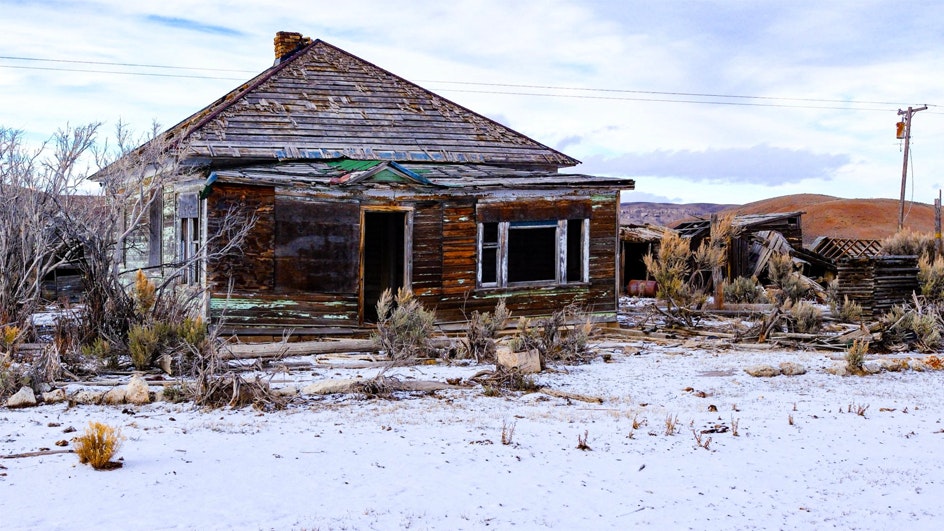
Photographer For Decades
Harris, originally from Jackson, Mississippi, said he came to Wyoming because of its low population. He’s been taking photographs since 1984.
His passion for photography started when he enrolled in an art program for gifted students when he was in middle school. In the class, he learned about film cameras and how to develop film.
He enlisted in the army in 1989 and took photos around Germany and the Middle East during his time in service.
After that, he put his camera down for several years, he said, and returned to it only when an acquaintance asked him to take some photos.
“I picked my camera back up and remembered how much I enjoyed it,” Harris said.
Harris continued to use film cameras until 2007 before switching to a digital Canon camera. His appetite for learning digital photography was voracious.
“I started teaching myself more and more and was reading everything I could,” he said.
After a successful run, with his photos landing in publications such as Popular Photography magazine and Asian Restaurant News, he again put his camera down.
“I was spending more time behind my camera than I was with my kids,” he said.
But the camera always beckons.
Right now, Harris said he has no professional ambitions with his photography. He’s sold a few images here and there, and people occasionally ask for his photos. Last year, his photography won Best in Show at the Lincoln County Fair.
He works for the Fossil Basin Promotion Board, taking photos and promoting tourism.
But he is most at home in nature, alone, exploring once-bustling places that are now abandoned — in his own words, “Their wooden structures and stone foundations left to the mercy of the elements.”
Contact Kate Meadows at kate@cowboystatedaily.com
Sam Harris, a Wyoming photographer and Army veteran, finds beauty in abandoned places, like the ghost town of Sage. His haunting photos capture history’s abandoned remnants while he enjoys the solitude. (Photo by Sam Harris) 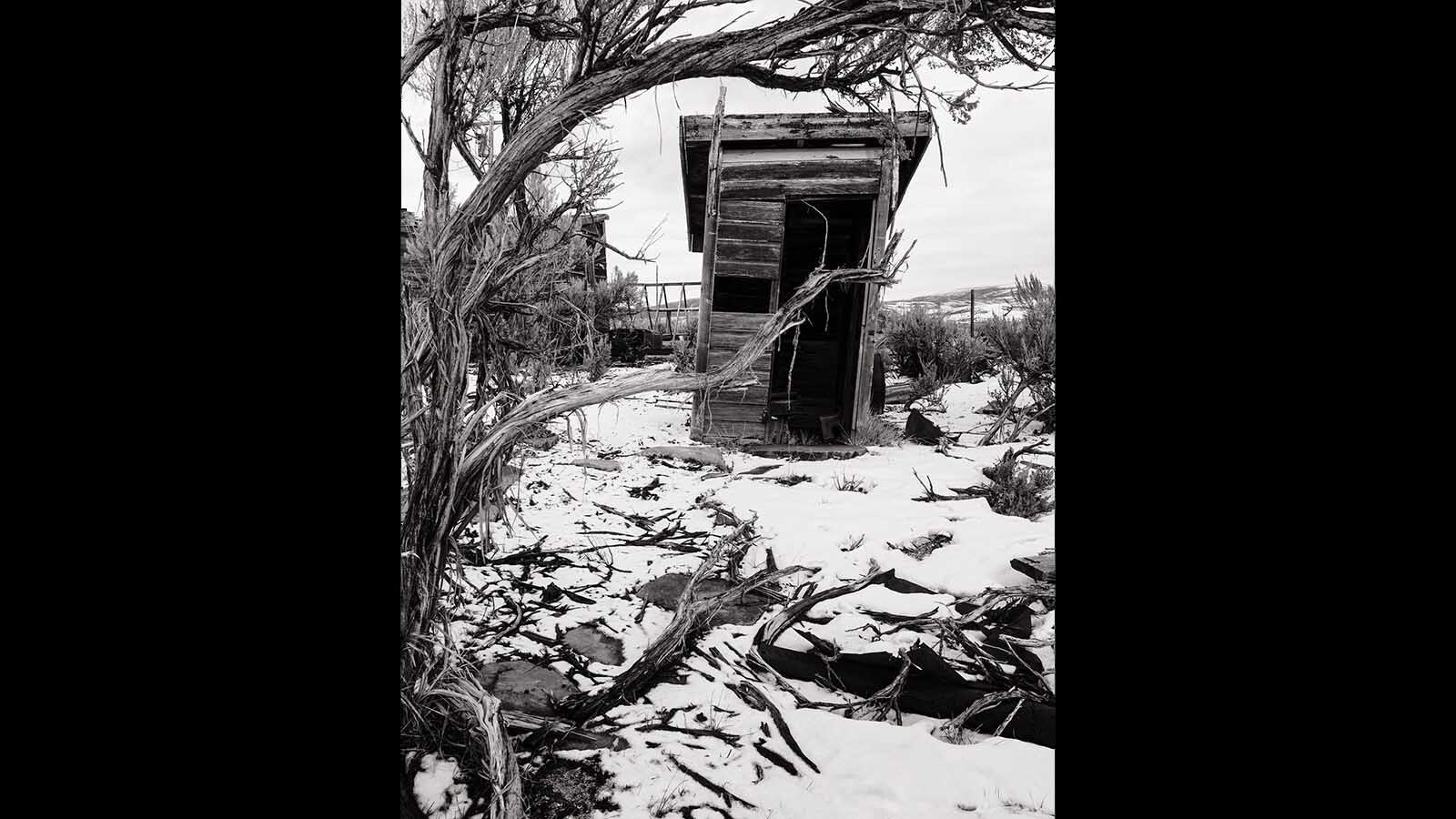
Sam Harris, a Wyoming photographer and Army veteran, finds beauty in abandoned places, like the ghost town of Sage. His haunting photos capture history’s abandoned remnants while he enjoys the solitude. (Photo by Sam Harris) 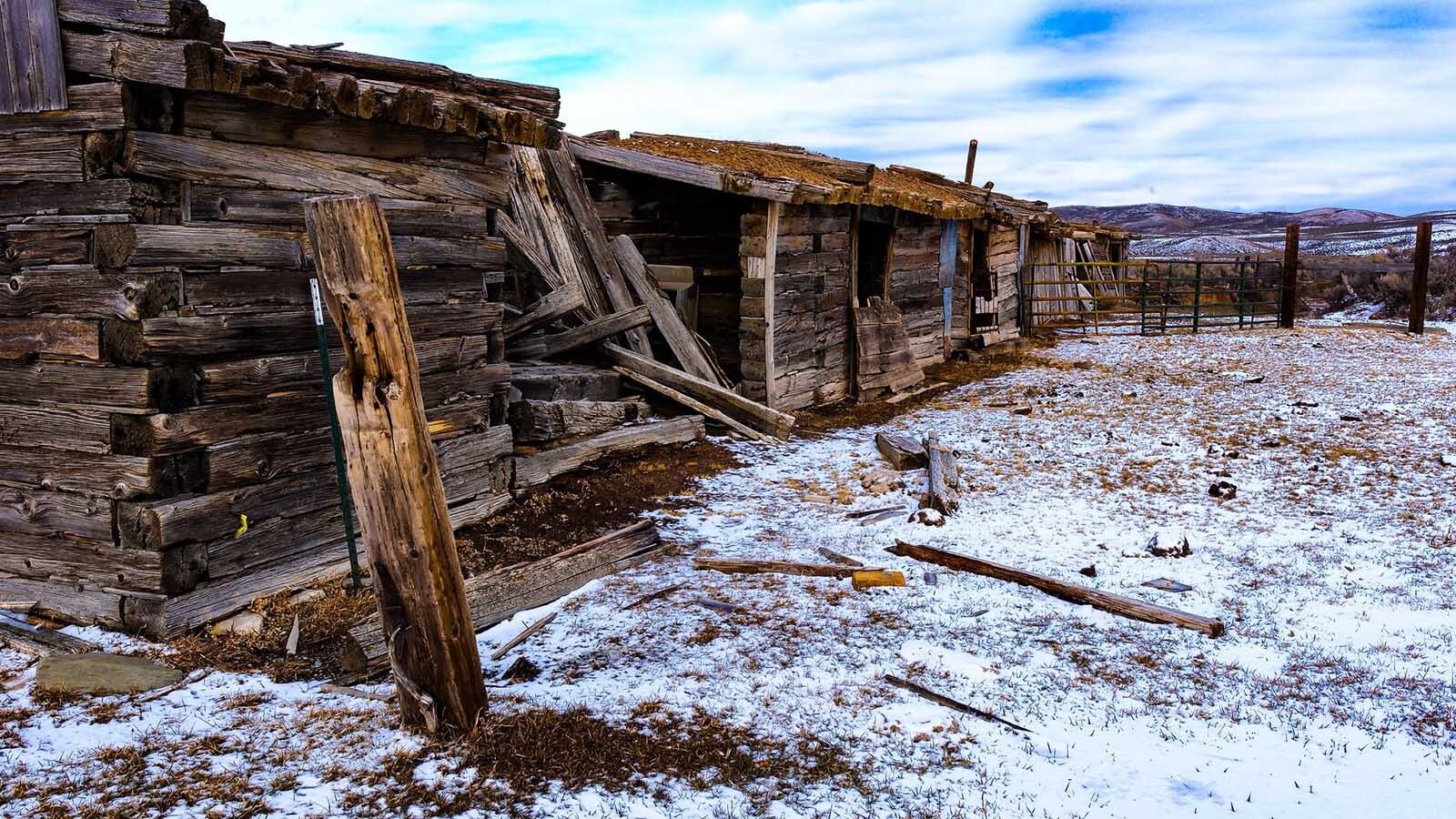
Sam Harris, a Wyoming photographer and Army veteran, finds beauty in abandoned places, like the ghost town of Sage. His haunting photos capture history’s abandoned remnants while he enjoys the solitude. (Photo by Sam Harris) 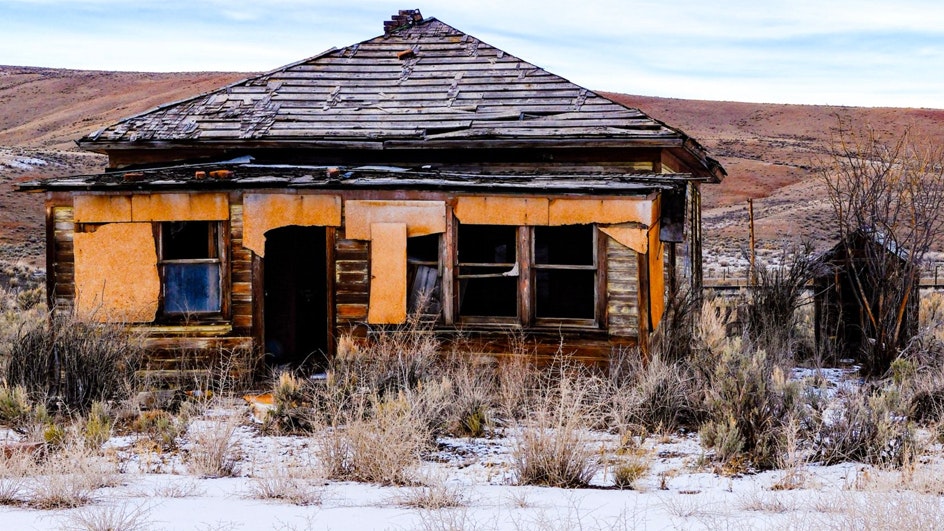
Sam Harris, a Wyoming photographer and Army veteran, finds beauty in abandoned places, like the ghost town of Sage. His haunting photos capture history’s abandoned remnants while he enjoys the solitude. (Photo by Sam Harris)
Kate Meadows can be reached at kate@cowboystatedaily.com.