Think your job is rough? Try hauling sticks of unstable, weeping dynamite up a mountain to blast open a tunnel, riding a half-wild horse through a blizzard, or emptying chamber pots in the dead of night.
Life in the Wild West was, as Buffalo Bill Center of the West historian Paul Hutton puts it, “tough, grim work” in a frontier world where everything was inherently dangerous and there wasn’t much in the way of either cleanliness or comfort to soften life's harsh edges.
“People often say to me, ‘Wouldn’t you love to go back and live in the Wild West?” Hutton said. “No. Not a bit. I love indoor plumbing. I love electricity.”
From coal mines to cattle ranges and back-alley brothels in between, many of the West’s most iconic jobs were also among its dirtiest and deadliest.
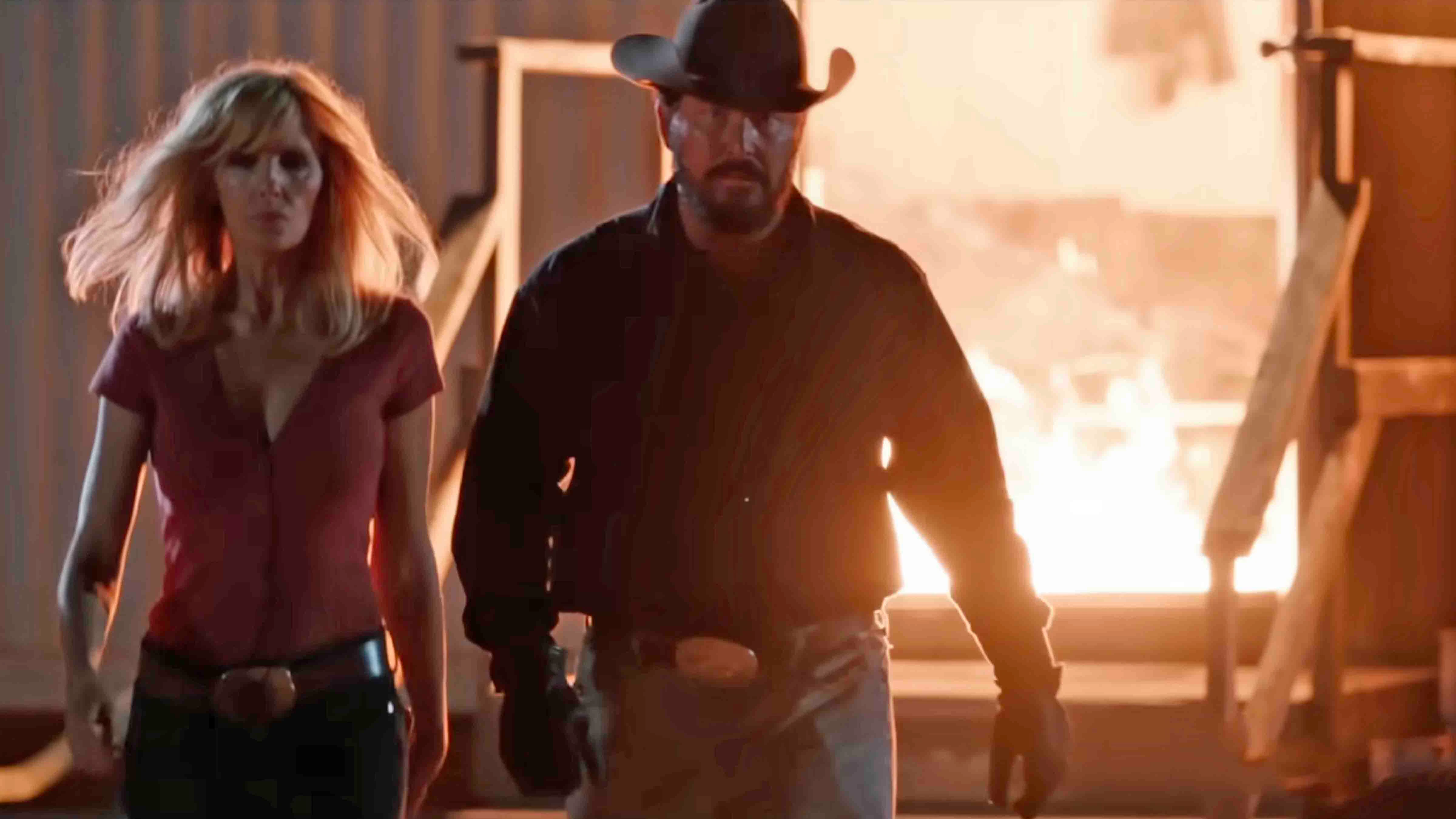
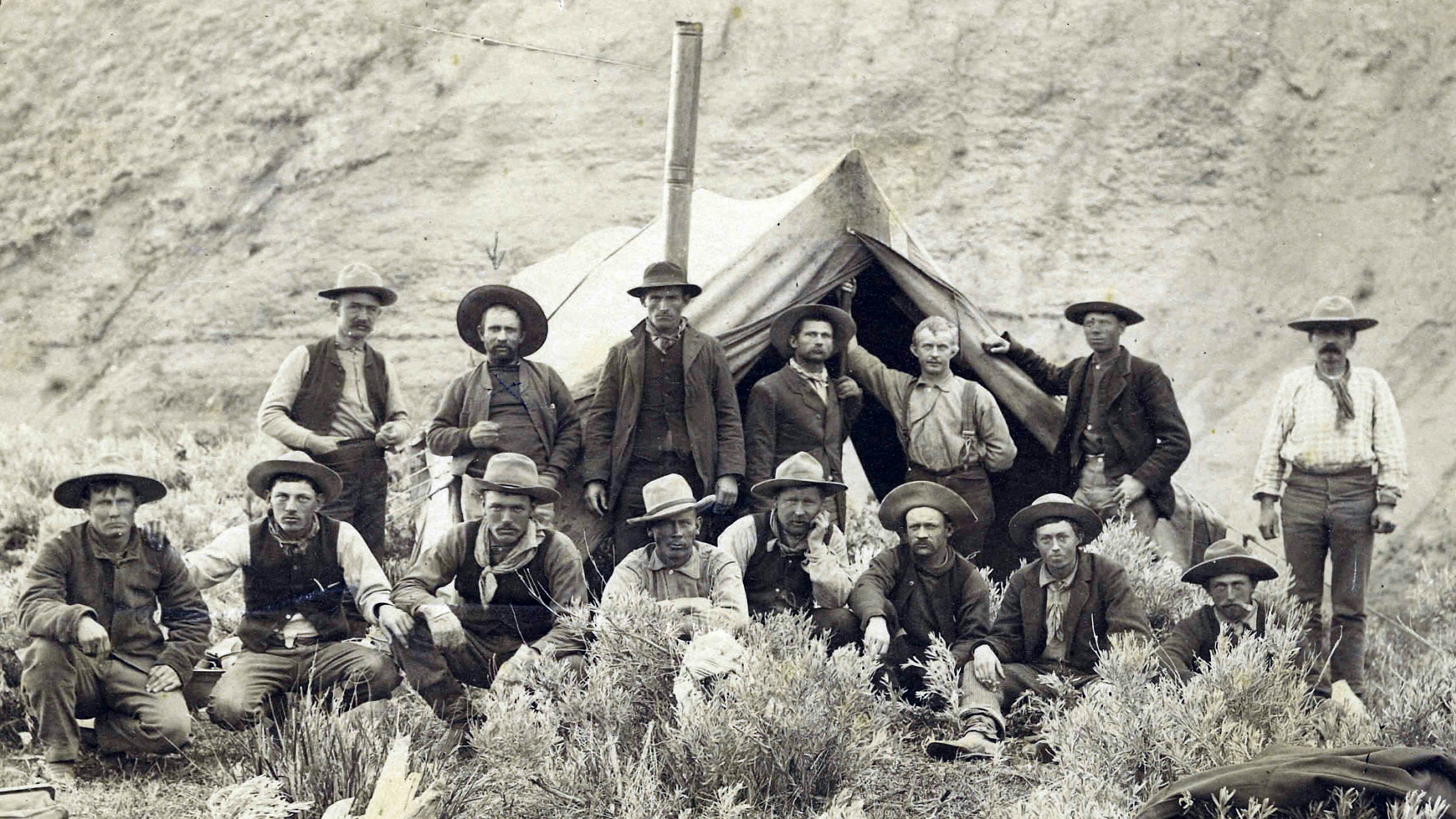
Let’s take one of the most iconic, and most common, first: The cowboy.
Western movies have glamorized the cowboy, but his job during frontier times was around-the-clock dangerous.
“There were so many ways to get injured,” Hutton said. “It was difficult, physical work, and just the sheer problem of getting thrown off horses.
"Now we celebrate it, but it was a pretty common problem then, and even a minor break is going to put you out of commission for a while.”
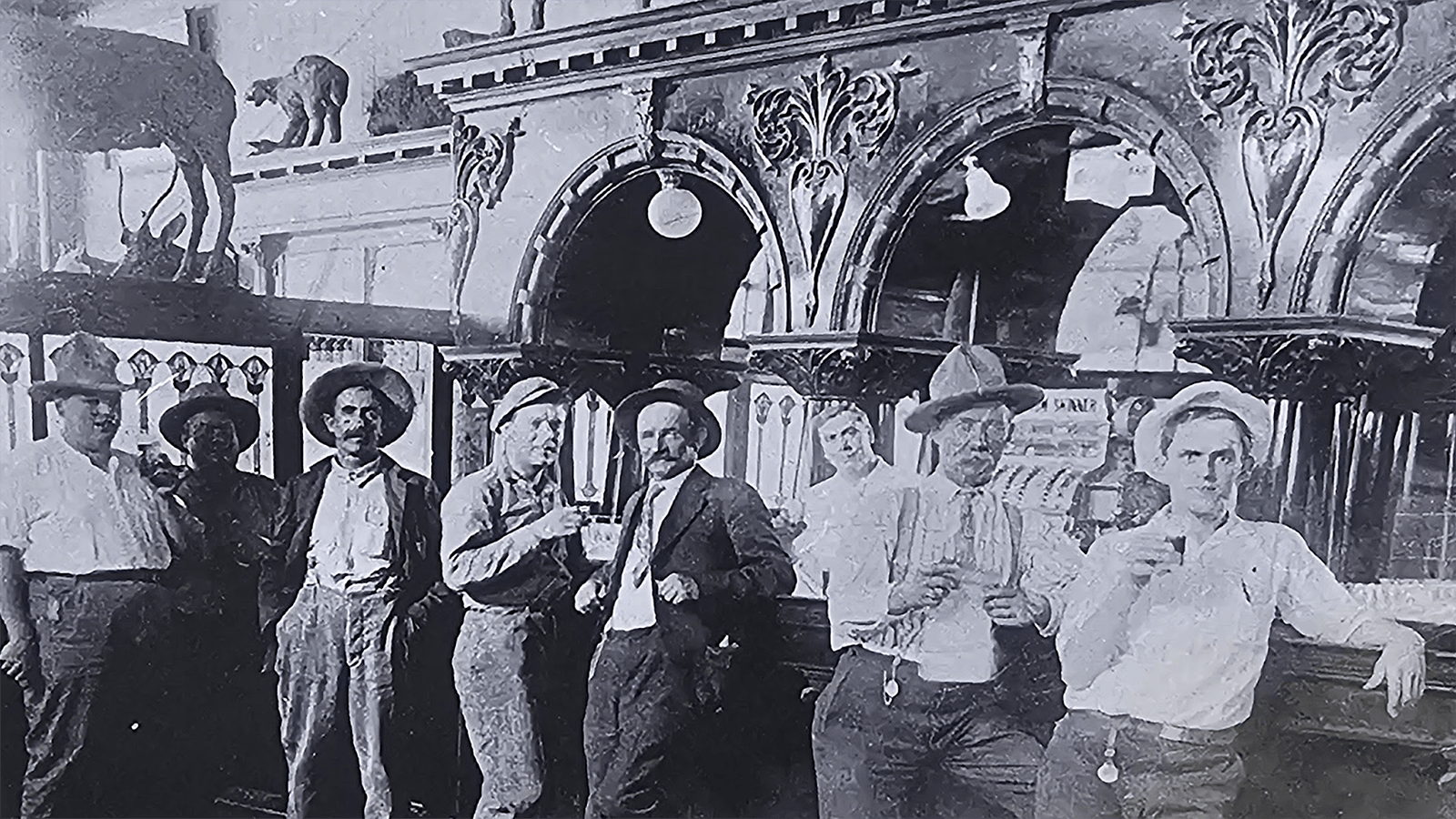
Tending bar wasn't as great a job in the Old West as many people would think, including at the Hole in the Wall Saloon in 1914. (Courtesy Photo) 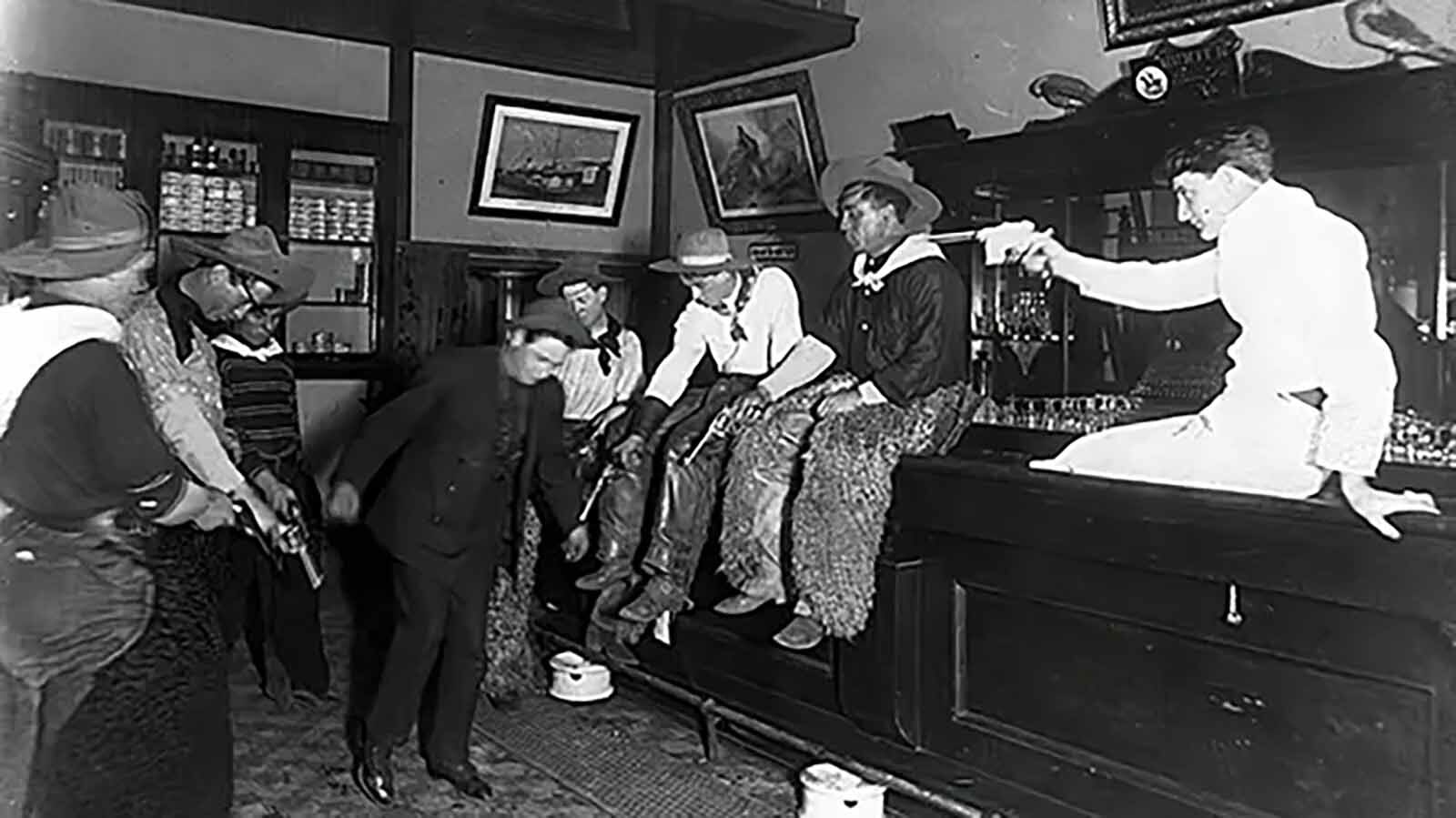
Patrons appear to be compelling a man to dance in this saloon photo believed to have been taken in Wyoming at an unspecified saloon in the 1880s. (Courtesy Photo) 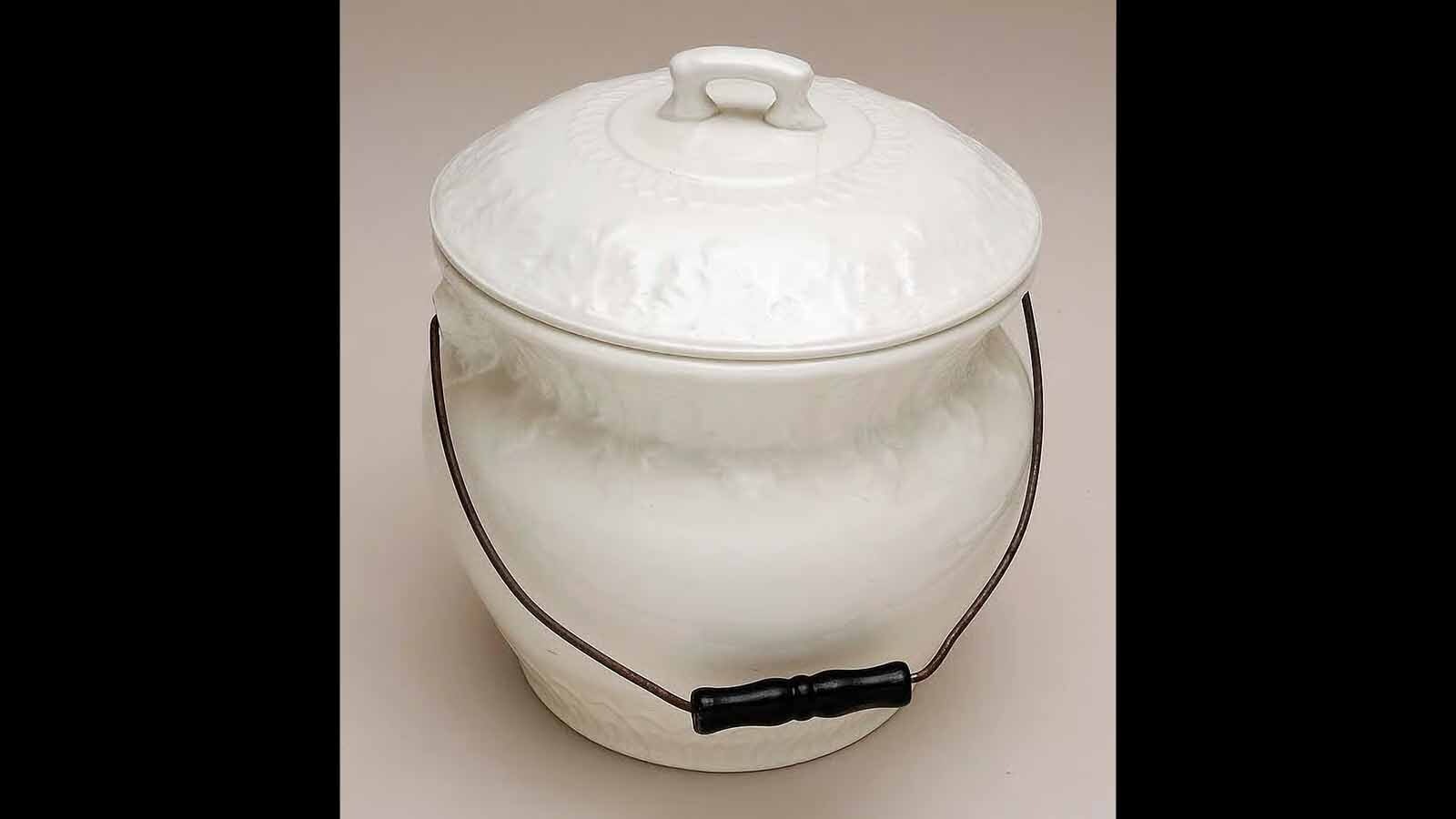
This chamber pot was still in use at the Irma Hotel in 1910. (Courtesy Photo) Tending bar wasn't as great a job in the Old West as many people would think, including at the Hole in the Wall Saloon in 1914. (Courtesy Photo)
Gearing Up
The cowboy’s gear wasn’t just for looks. Everything he wore was designed for a purpose.
His pointy boots, for example, helped him slip in and out of stirrups a little more easily. This was a life-saving feature if a cowboy fell off a horse — which was not all that uncommon.
Otherwise, he could be dragged to his death by his own horse if he couldn’t get his feet free.
The cowboy hat, meanwhile, with its wide brim and indentations in the crown, wasn't just so he would cut a dashing figure against the sky.
The wide brim protected him from sun. In a pinch, that hat could also scoop up water for the horse and the cowboy, or maybe even collect a little rainwater for a long, dry journey on the trail to round up the cattle and bring them home.
Bandanas offered a little protection from the dust of the day, kicked up by horse and cattle and wind, while chaps helped fend off sharp bushes and cacti.
They could also help protect the cowboy if he did fall off his horse, and struggle to get free.
Not 9 To 5
A cowboy’s day started early, before dawn, and typically lasted well past sundown.
It was typically 15 hours of back-breaking work in all kinds of weather, ranging from frostbite cold to heat exhaustion hot.
The day didn’t end with a nice hot shower in a climate-controlled space, either. Plumbing wasn’t common in the frontier West, and air conditioning wouldn’t become common in America until the mid-20th century.
A frontier cowboy also faced rattlesnakes and grizzly bears, as well as American Indians and cattle rustlers, few of whom were likely to be friends.
“There were lots of opportunities to injure yourself,” Hutton said. “It’s just tough, grim work. And then you’re dealing with these large animals, which are inherently dangerous as well.
"These folks were out working in the worst possible kinds of weather, both heat and cold, and there were just innumerable opportunities to injure yourself.”
True medical help, meanwhile, was far, far away — if it existed at all.
“There were a surprising number of people in the West who were killed in just workaday accidents,” Hutton said. “And, of course, in those days, because of infections, it didn’t take much. If you’ve got a bad cut — and you can just imagine how easy that is working on the ranch — and it got infected, that could be the end of you before antibiotics.”
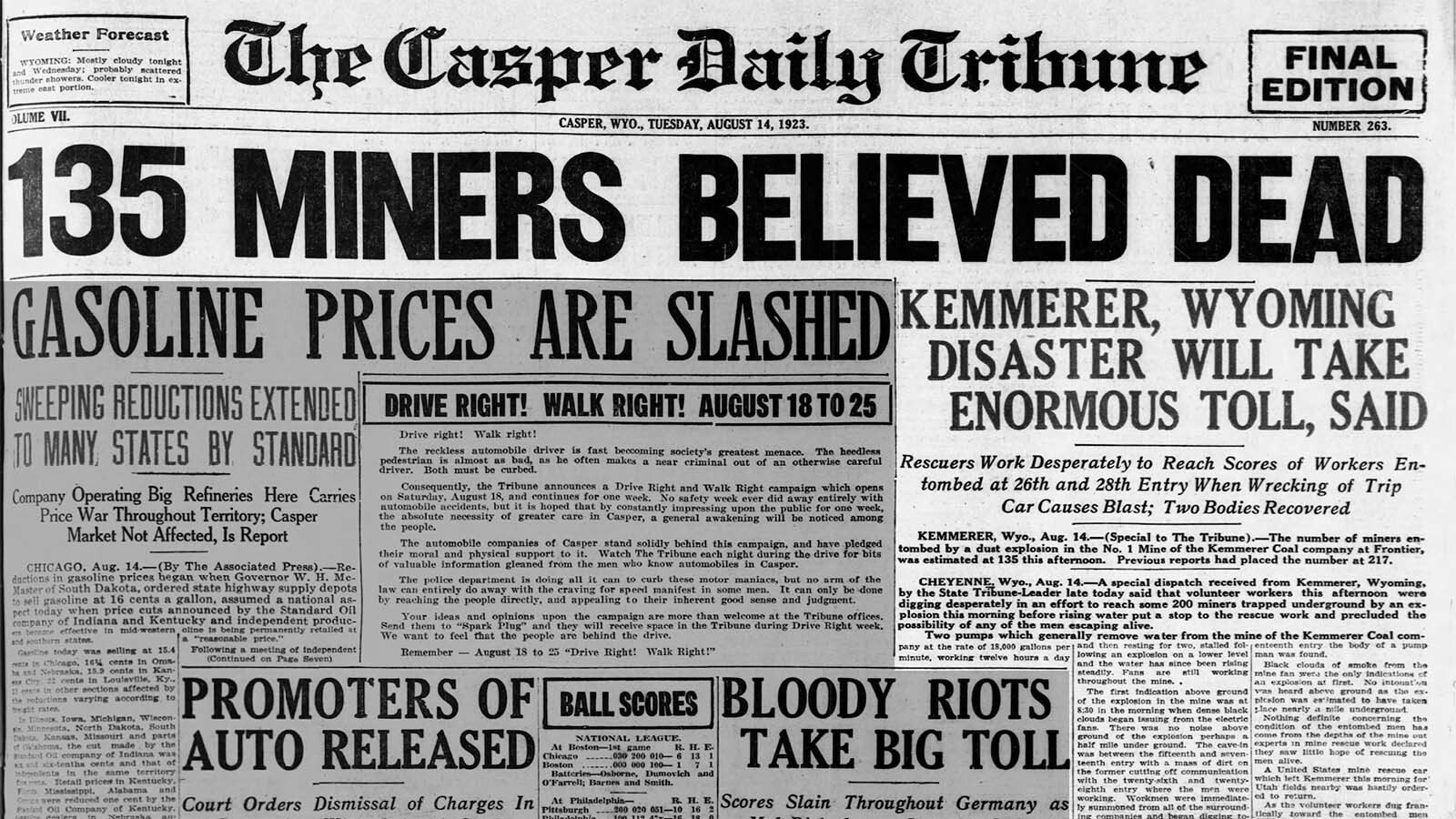
The Aug. 14, 1923, Casper Daily Tribune reports the disaster at Frontier Mine No. 1 near Kemmerer. (Courtesy Newspapers.org) 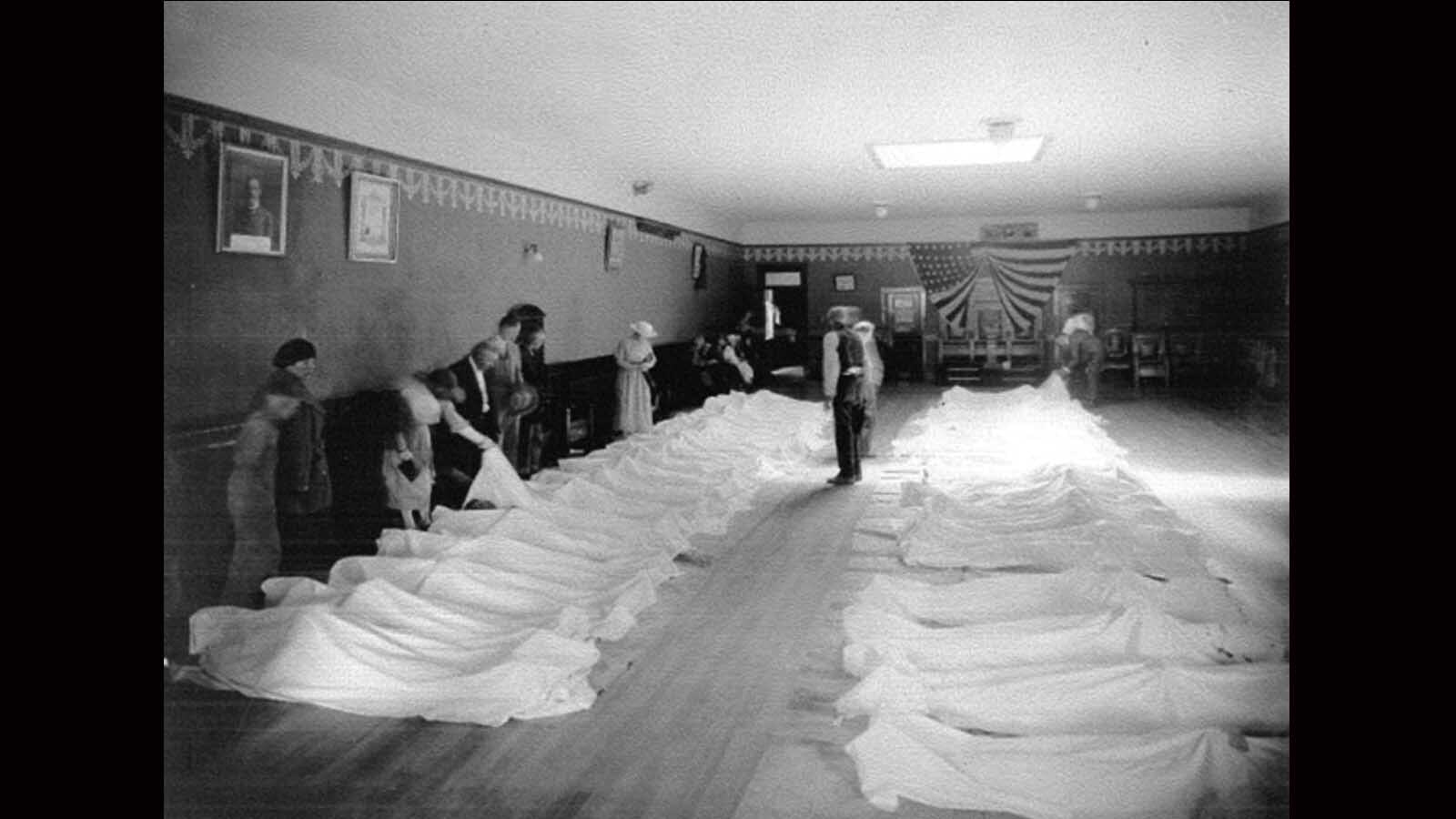
Bodies in a room after a devastating coal mine explosion in Kemmerer in the early 1920s (CSD File) 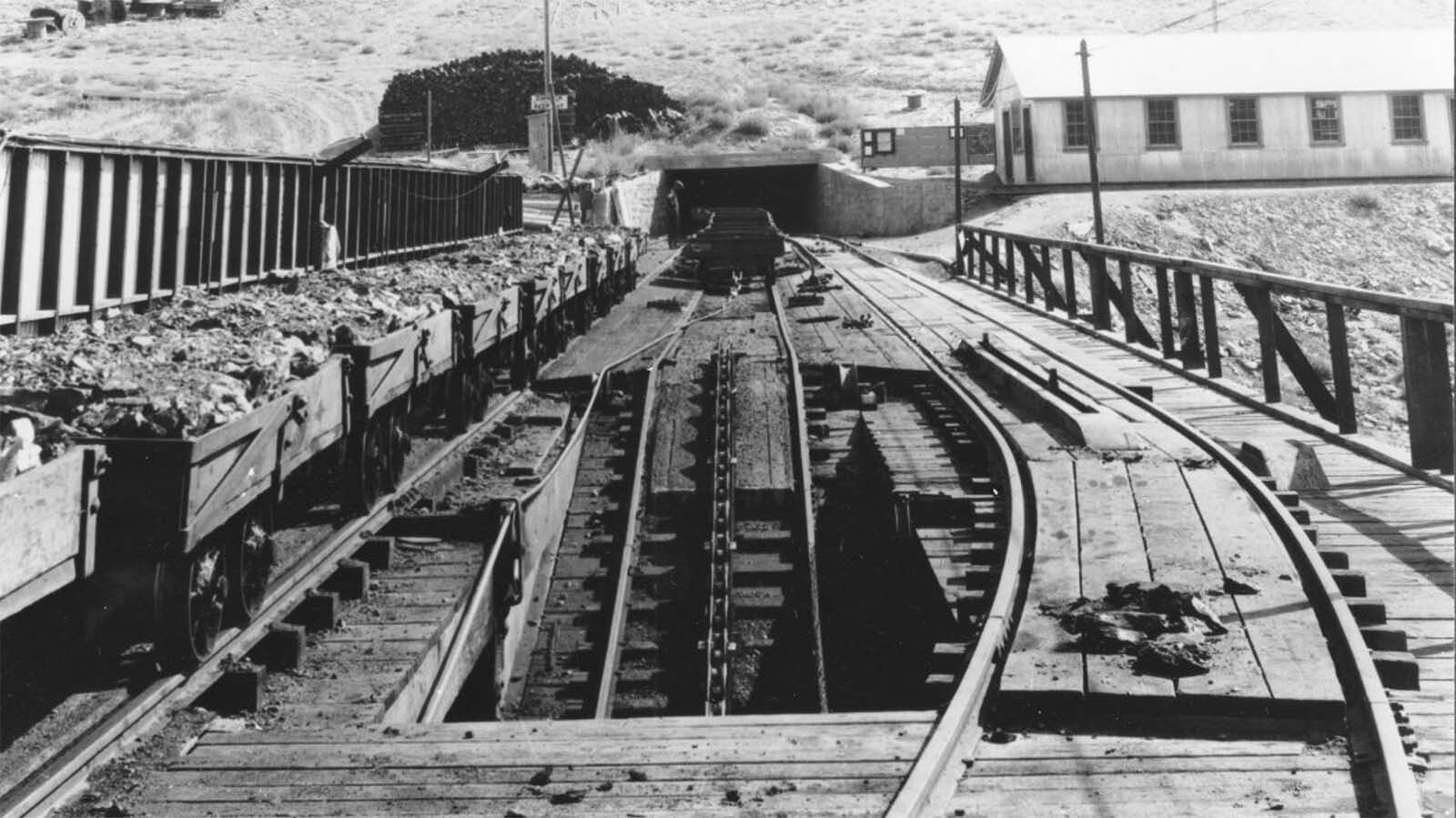
The Susie Mine entrance near Kemmerer depicts a mine entrance in the earl part of the past century in the region. (Courtesy University of Wyoming American Heritage Center)
In The Mines
Cowboying was a dangerous frontier career, but not the most dangerous by far.
For that, Hutton turns to mining. More specifically, coal miners, who were sent down into the depths of the earth to work in near-total darkness much of the time.
“Especially in the 19th century, there were no protections,” Hutton said. “They treated those guys terribly. They would send them deep down into the ground in a lot of places in the west — thousands of feet down — and there were accidents all the time.”
There wasn’t that much in the way of technology to help the miners doing their jobs, either.
“(It) wasn’t that far removed from when they built the pyramids,” Hutton said, chuckling a little. “It was muscle, pickaxes, and shovels.”
They did have one helpful little piece of technology to help them dig their tunnels.
Dynamite was invented in 1867 by Alfred Nobel. It was a vast improvement over black powder, which had been notoriously unreliable and claimed many lives.
But dynamite, too, had its problems. It became quite unstable with age, to the point where jostling it a little bit could set it off.
Miners also had headlamps, but they were of the open-flame variety.
If the miners encountered any kind of volatile gas while underground, mining in a cave shot full of coal, it was going to trigger an explosion — which happened more than once in Wyoming.
“Hard-rock mining would be at the top of my list of really terrible jobs,” Hutton said. “They had bad air and terrible working conditions."
Buffalo Bill Didn’t Play It Safe
Buffalo Hunters who hunted the way Buffalo Bill Cody did held another, quite-dangerous frontier job.
Many hunters would set themselves up in a hunting stand, well out of reach of the buffalo, so they could fire away at a distance, killing whole herds at a time.
But that was not Cody’s style, Hutton said.
“Bill hunted buffalo for the railroad, and he hunted them from horseback like the Indians did, using a single-shot rifle, Lucretia Borgia, and he would circle the buffalo and get him kind of stampeding in a circle, and kill them,” he said.
Unlike many other hunters, Cody butchered the animals he killed, collecting the meat for railroad workers.
“By the time the big slaughter of buffalo occurred, Cody was already on the stage in the East, and he condemned the slaughter of the buffalo,” Hutton said. “It was buffalo that he had saved and used in his show that were actually part of the herds that helped bring the buffalo back.”
After the Civil War, many unemployed soldiers headed West to seek their fortunes, and buffalo hunting seemed like relatively easy, fast money.
“New techniques for producing leather in the East had made buffalo hides really valuable,” Hutton said. “And by then, too, you had much better rifle technology.”
While many of these hunters preferred working from a stand, even that was still dangerous. Every hunter was one wrong shot away from stampeding a whole buffalo herd, potentially right at whatever position he had taken up.
Since the hides were the real money, corpses were often left to rot, drawing dangerous wolves and other scavengers to the area.
American Indians, meanwhile, were furious with all this wasteful buffalo hunting, where the meat wasn’t even being harvested. That presented yet another potential peril for the would-be buffalo hunter.
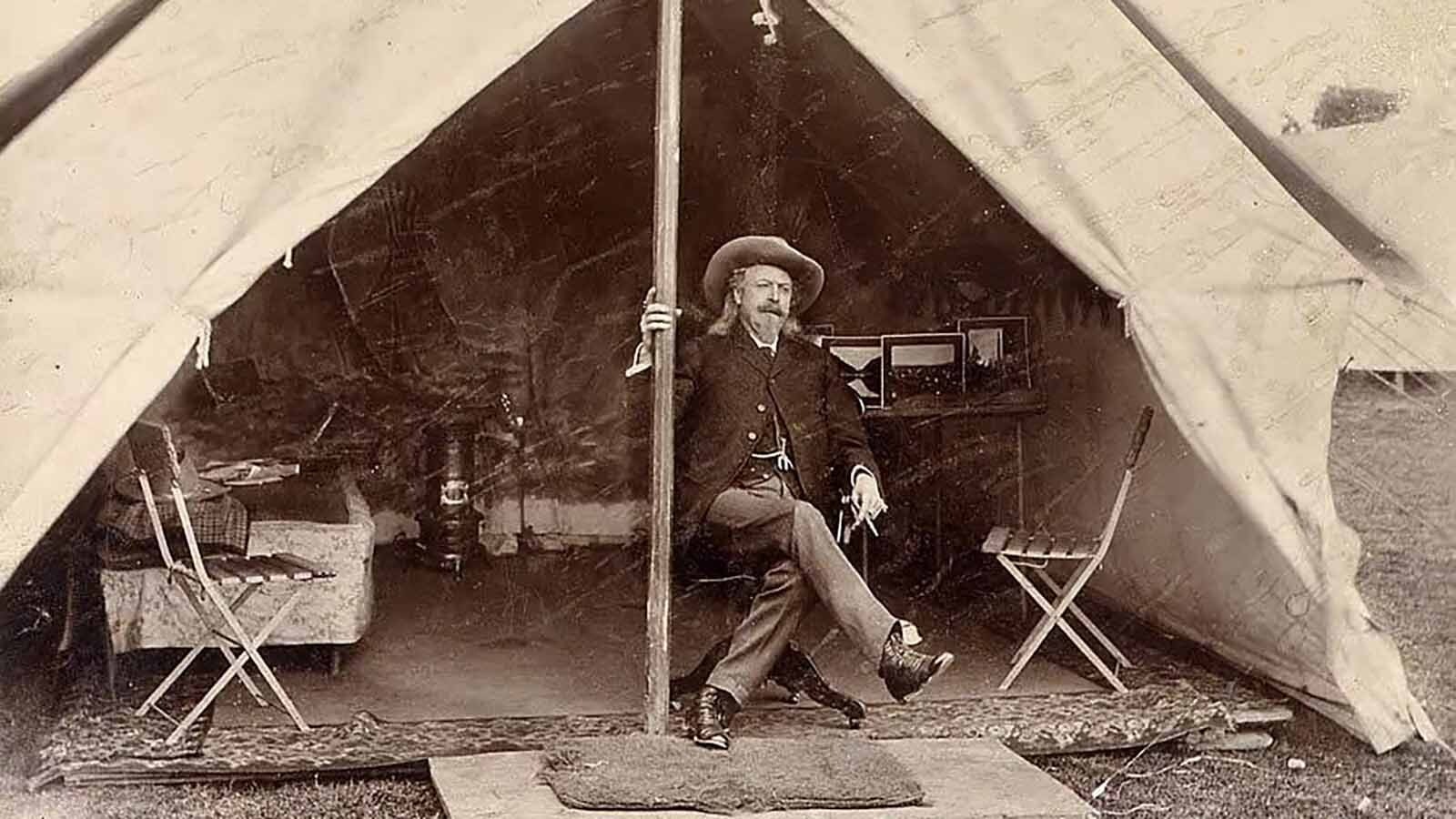
Buffalo Bill Cody in a Wild West Show tent circa 1903. (Courtesy Photo) 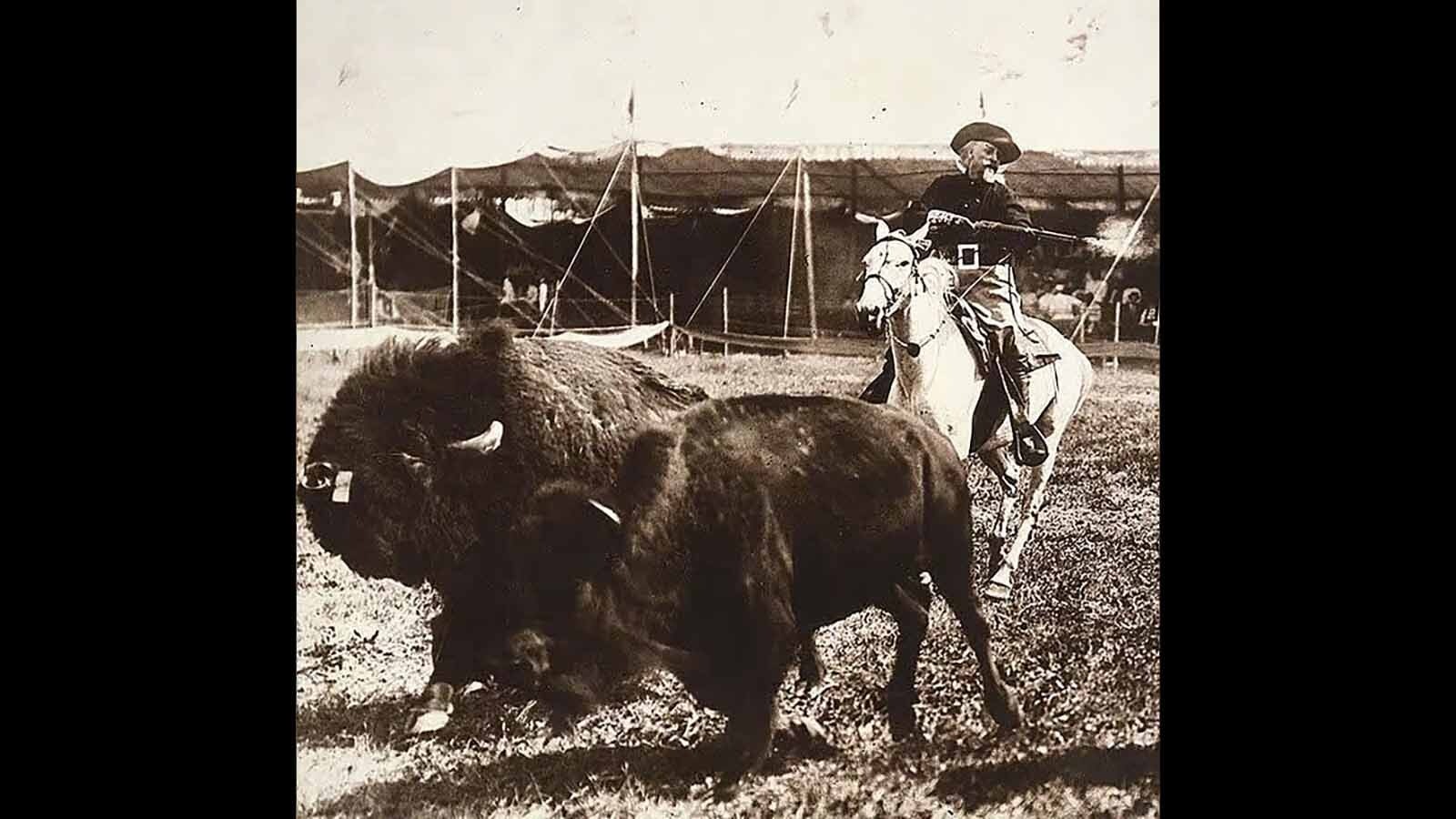
Buffalo Bill Cody demonstrating the dangerous way he hunted buffalo. (Courtesy Photo) 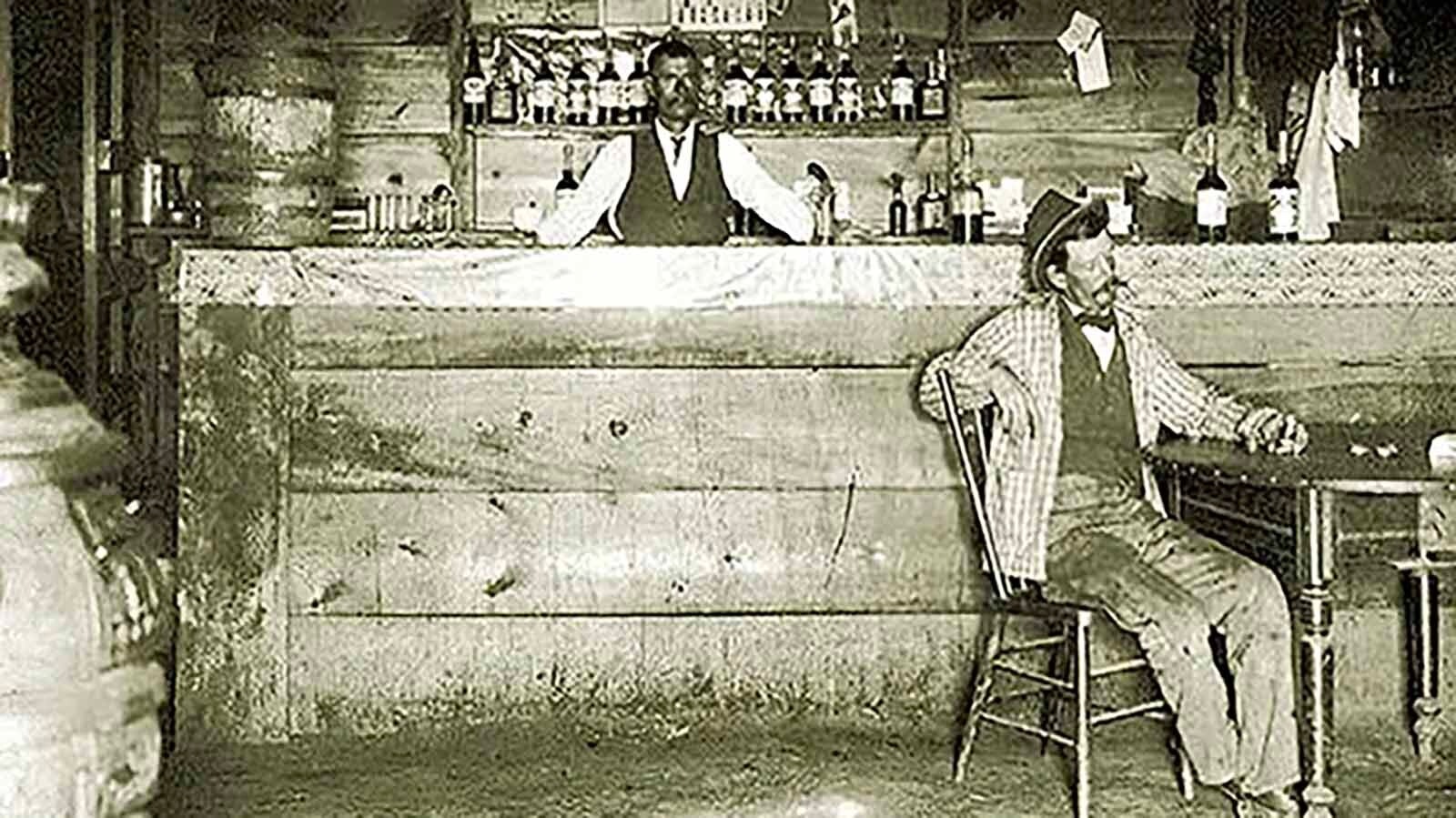
A Wyoming Saloon taken in the late 1800s. (Courtesy Photo)
The Oldest Profession
Not all the dangerous jobs belonged to men.
Prostitution was also among the deadliest professions of the frontier West.
“Usually, these ladies were living in the boom towns, the underside of boomtown life,” Hutton said. “So, when you think about the construction crews who were building the transcontinental railroad in the 1860s, and then all the big railroad projects that went on after 1865, these 'Hell on Wheels' towns, they were called, would spring up around the railroad.”
The pop-up railroad towns earned the name “Hell on Wheels” because of how wild and dangerous they were.
“First, you have just the basic problem of disease,” Hutton said. “It was incredibly prevalent. And they serviced the needs of all the soldiers, the buffalo hunters, the railroad workers, the miners — this was a society that had lots of men, young men, and very few women. So, it was a booming business, as they say.”
The women faced many of the same dangers of the modern day — abusive, drunk clientele and exploitative employers — but with no real protection from either violence or disease.
“These men had not showered or bathed in a long time,” Hutton added. “And diseases were so prevalent, especially among the soldiers. And there were no real treatments in those days. They used mercury.”
Mercury is poisonous — a classic example of a cure that is likely to be worse than the disease.
Before Indoor Plumbing
Towns offered some different job options, but many of them were no more palatable, or less dangerous.
With most places lacking indoor plumbing, hotels and boarding houses needed people to daily clean their chamber pots and outhouses.
That was true even for a high-end hotel like Buffalo Bill’s Irma Hotel. By 1910, the Irma was still using chamber pots in many of its rooms.
In fact, Buffalo Bill Center of the West has an example of a 1910 chamber pot from the Irma. The artifact saved hotel guests from a “30-yard dash in the inky dark to the outhouse” and a “cold, hard, wooden seat with cavernous black hole underneath,” a museum article about the artifact explains.
The chamber pot may have saved the guests a little hardship each night, but some poor soul had to clean those smelly chamber pots, full of biohazardous materials, out.
Saloon keeper, meanwhile, might sound like a cushy career for the time period. After all, top job skills include selling drinks, hosting card games, and creating a welcoming social hub for dusty cowboys and traveling merchants.
But there’s more to this job than just being congenial and mixing a few drinks.
The job required a black belt in crisis management and a six-shooter, given the clientele. Imagine a saloon full of trigger-happy gunslingers, scheming gamblers, and rowdy ranch hands, all of whom have consumed enough whiskey to make some mighty poor decisions.
A saloon in the frontier West is just one bad poker hand away from utter pandemonium every single moment that it’s open.
And if you were the lawman called to said saloon?
“That was pretty dicey as well. You had a lot of situations to deal with,” Hutton said. “Most of these lawmen got themselves shot, dealing with drunks and saloons and that sort of stuff. That, too, was an incredibly dangerous job.”
It’s easy to forget just how tough life was once upon a time in the frontier West of old.
“It was a tough, hard life,” he said. "And it’s one of the reasons we admire those people so much and, I think, frankly, it’s just breathtaking what they went through, what they suffered through, to build up our society and make it work.”
People in America today live relatively comfortable lives thanks to all of that, Hutton added.
“Working on a ranch and being a cowboy is still a tough job,” he said. “Working in a mine is still a really tough job. But not like it was, back in the day.”
Renée Jean can be reached at renee@cowboystatedaily.com.