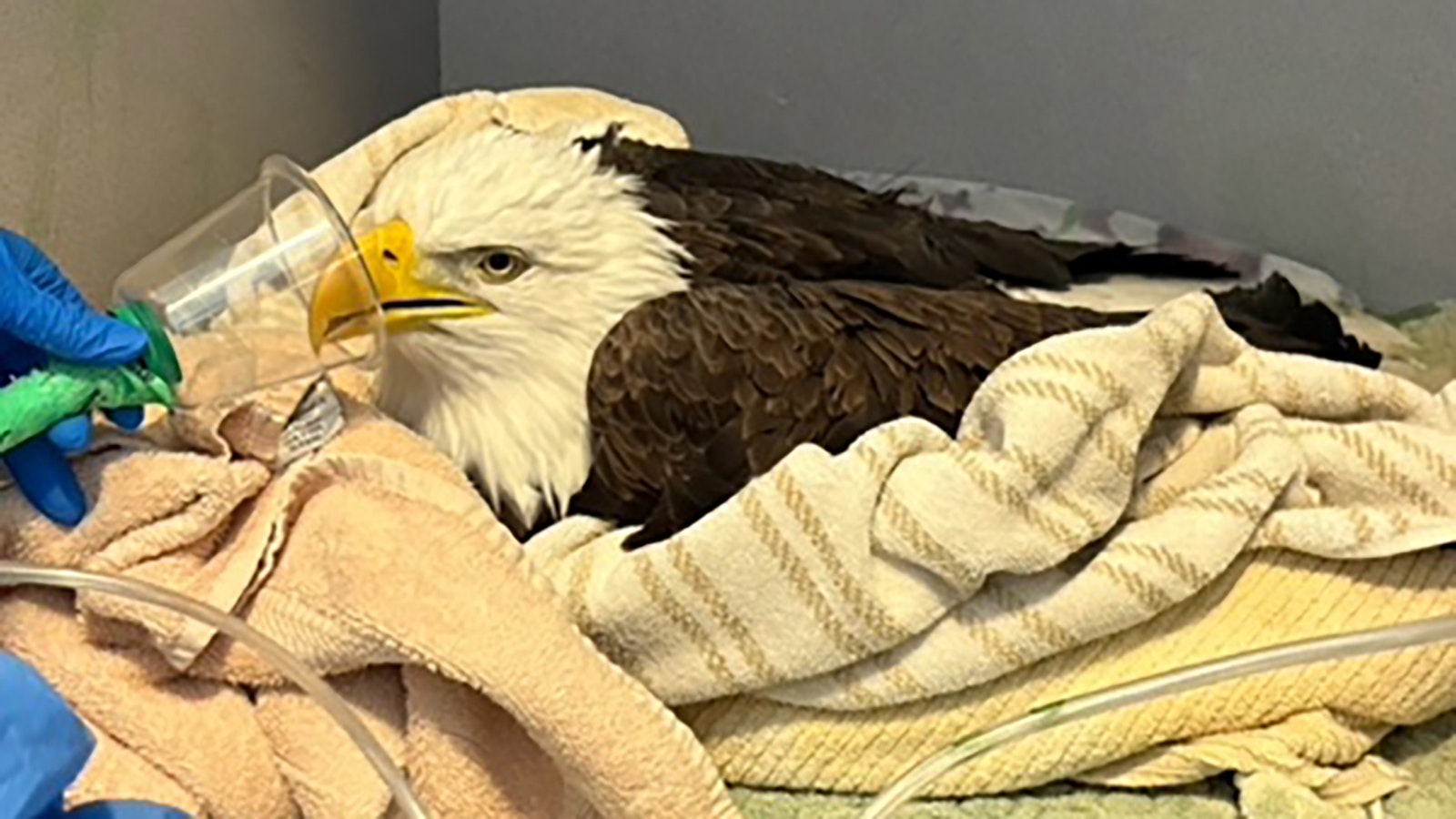
A bald eagle struggling to survive severe lead poisoning in a Colorado wildlife rescue center is hardly alone; many raptors get sick and die this time of year.
That’s because bald eagles and golden eagles scavenge as much or more than they hunt during the winter, and the carcasses they feed on might have lead bullet fragments in them.
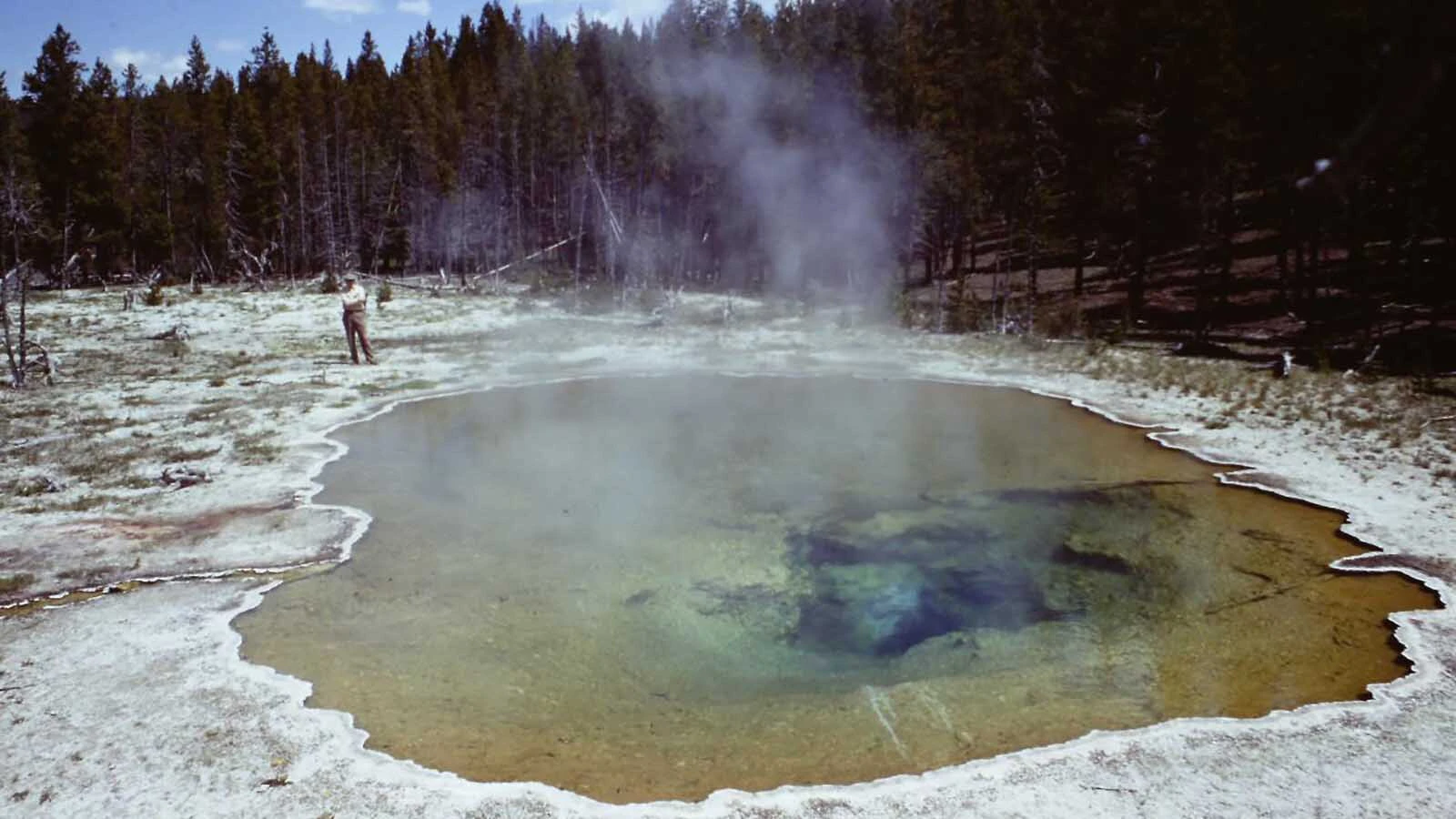
Eagles’ wintertime scavenging ways were recently on display in Yellowstone National Park, when bald eagles and ravens swarmed a bison carcass.
Some farmers found a lethargic and emaciated young male bald eagle in Elizabeth, a tiny town in Colorado just beyond the southeastern edge of the Denver metropolitan area.
The staff of a raptor rescue center in nearby Sedalia have been trying for more than a week to keep it alive and nurse it back to health.
It’s difficult to say whether the eagle will live, Rocky Mountain Wildlife Alliance founder and executive director Emily Davenport told Cowboy State Daily.
“It’s very much so touch and go. I would say he’s still in critical condition and his prognosis is still guarded,” she said. “We'll keep fighting as long as he wants to keep fighting."
Eagle Behaving Strangely
Like Wyoming, Colorado has a large resident population of eagles, as well as numerous eagles that migrate in from the north to spend the winter there.
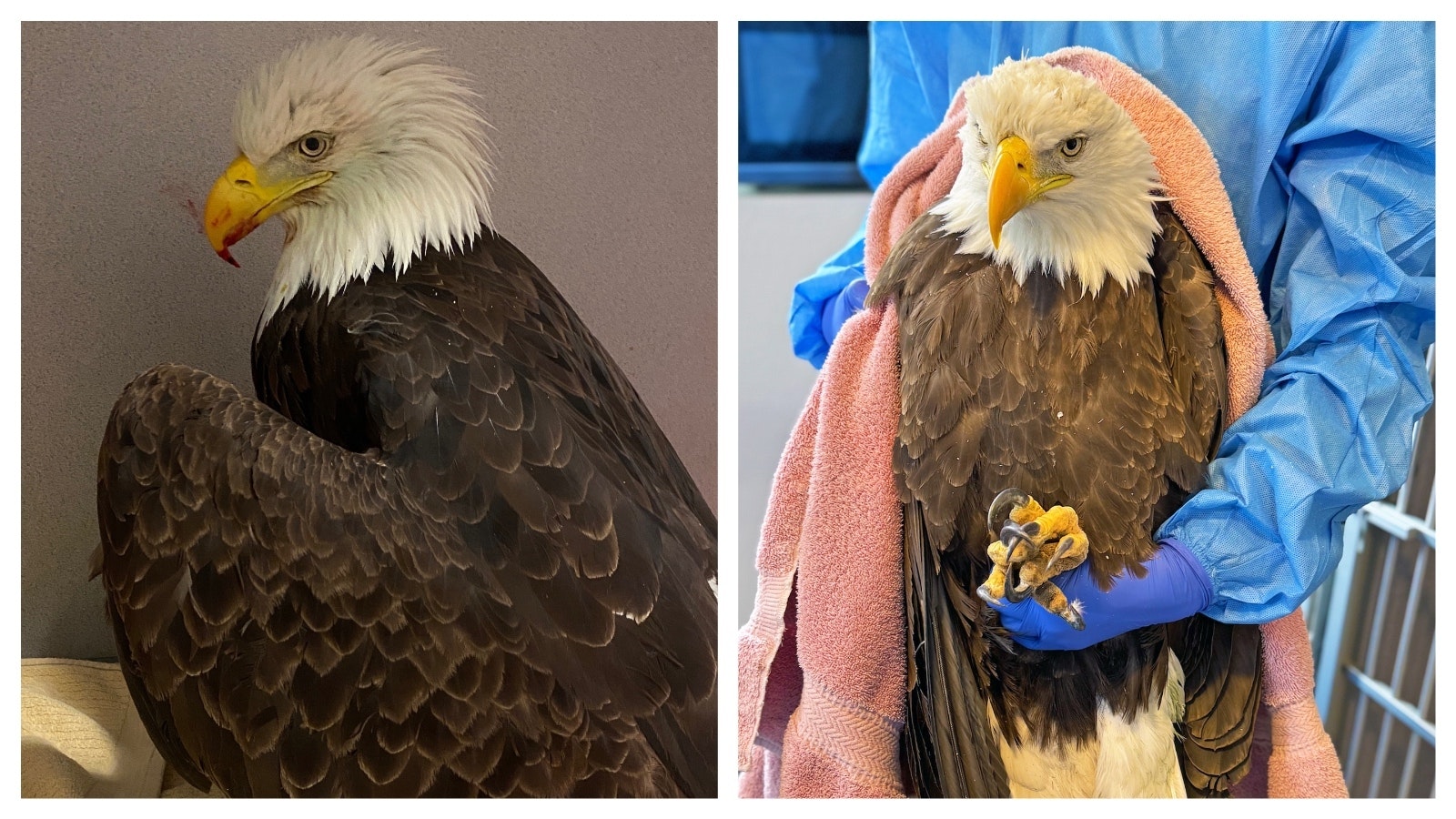
Davenport said it isn’t certain whether the bird she and her staff are treating is a resident or a migrant. It’s estimated to be about 5 years old, just old enough to have the iconic white head.
“He still has a few brown feathers,” indicating youth, she said.
Barring lead poisoning or other mishaps, bald eagles can live 20 to 40 years in the wild, she added.
The farmer who first reported the eagle is used to seeing raptors around his place, and noticed something wasn’t right with one of them.
“He thought that it was unusual that the bird had barely moved for three days,” she said.
By the time the farmer and a friend decided to try capturing the bird and bring it to the rescue center, it couldn’t fly, walk or even stand.
Davenport said she coached the rescuers over the phone.
“We walked them through, in detail, what they needed to do to catch the bird without getting hurt themselves — and not injuring the bird,” she said.
Given the eagle's severely weakened state, Davenport knew it was likely one of two things – an avian flu infection or lead poisoning.
It turned out to be the latter.
They have a machine to test birds’ blood for lead contamination.
“His poisoning was so severe, our machine couldn’t even read the levels,” she said.
“It was probably a couple of days away from death,” she said.
Starving To Death
When a raptor is contaminated with enough lead, it will throw the bird’s entire system out of whack.
There are neurological and muscular effects, which ruin the eagle’s ability to fly or walk. Disruption of the nerves and muscles can also make breathing difficult.
Lead contamination can also incapacitate digestive function. So, even if the eagle eats, it can’t process calories.
“Even if food is available to eat, they slowly starve to death. That’s what was happening to this bird, it was on the edge of starvation,” Davenport said.
“He’s held down a few small meals now, which seems tiny, but that’s significant progress,” she added.
The center doesn’t give names the raptors it tries to rescue, out of respect for their wildness, she said.
Like Chemotherapy
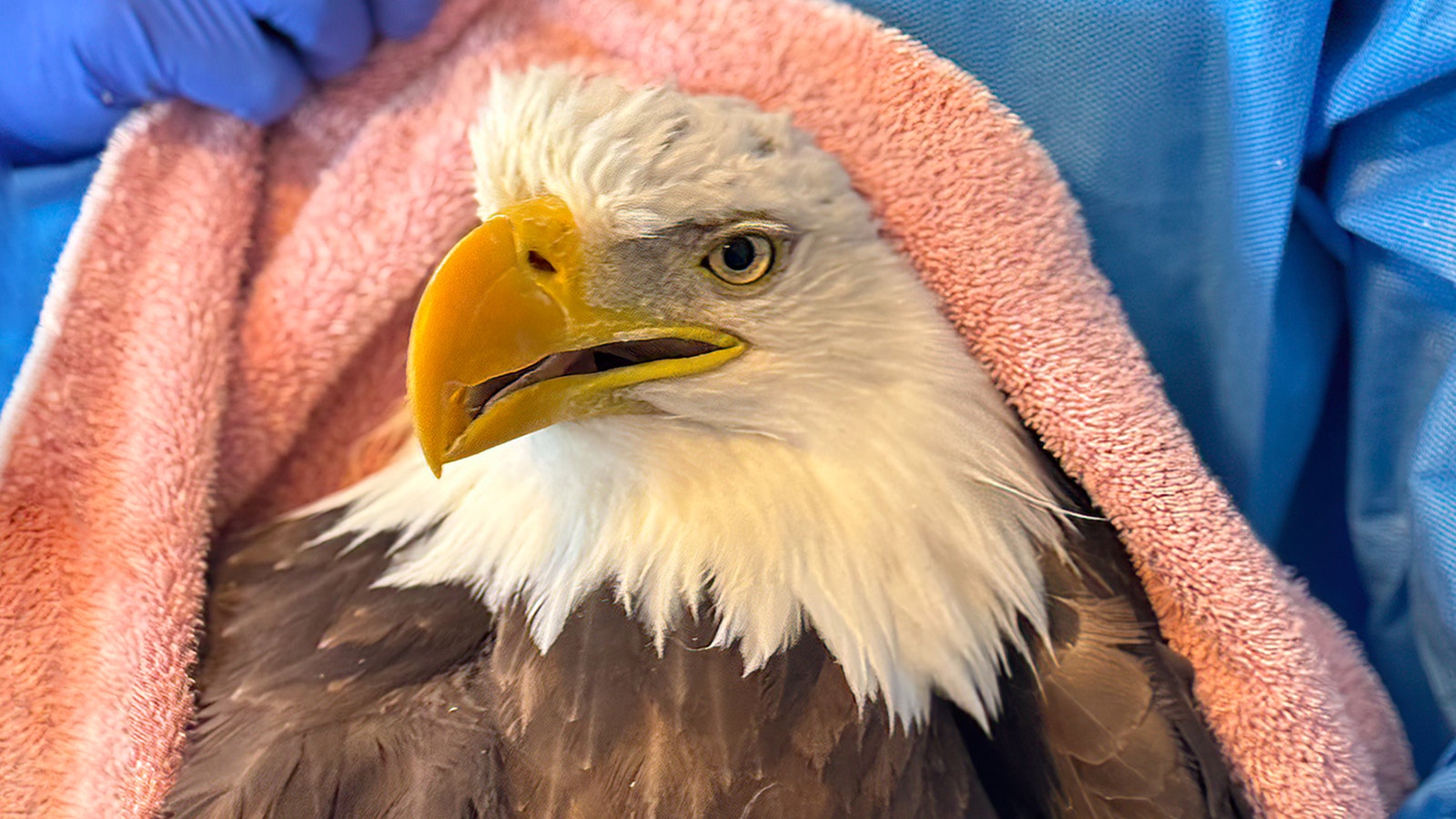
The eagle is being treated with chelation therapy. That involves injecting it with a formula that draws the lead out of its system.
It’s a harsh process that involves a few days of treatment, then letting the eagle rest and recover for a few days, Davenport said.
The process is similar to what humans go through when undergoing chemotherapy for cancer, Bryan Bedrosian, conservation director at Wyoming’s Teton Raptor Center, told Cowboy State Daily.
“It introduces a chemical that binds to the lead that’s circulating in the blood of the bird, and it essentially gets pooped out,” he said.
“We’ve had eagles that we’ve had to give four rounds of chelation treatment,” he added.
The Teton Raptor Center frequently takes in eagles with lead poisoning, he said. About two weeks ago, they tried to save a golden eagle, but it didn’t survive.
Lead-Free Ammo
Davenport and Bedrosian are both big game hunters, and strong advocates for hunters switching to lead-free ammunition.
Copper bullets are what they recommend.
“I love solid copper ammunition. It doesn’t fragment and retains its mass, unlike lead,” Davenport said.
Bedrosian supports the Sporting Lead-Free group, which features a lead-free ammunition finder on its website.
It’s difficult to tell where and how the bald eagle was contaminated, Davenport said.
It’s not only big game hunters that use lead ammunition. Varmint shooters, or ranchers who have to put down sick or injured livestock might leave lead-contaminated carcasses on the landscape, she said.
Those carcasses are a hazard for eagles and other wildlife, Bedrosian said.
If an eagle eats enough contaminated meat, it might take a month or more for it to start developing symptoms of lead poisoning, he said.
Mark Heinz can be reached at mark@cowboystatedaily.com.