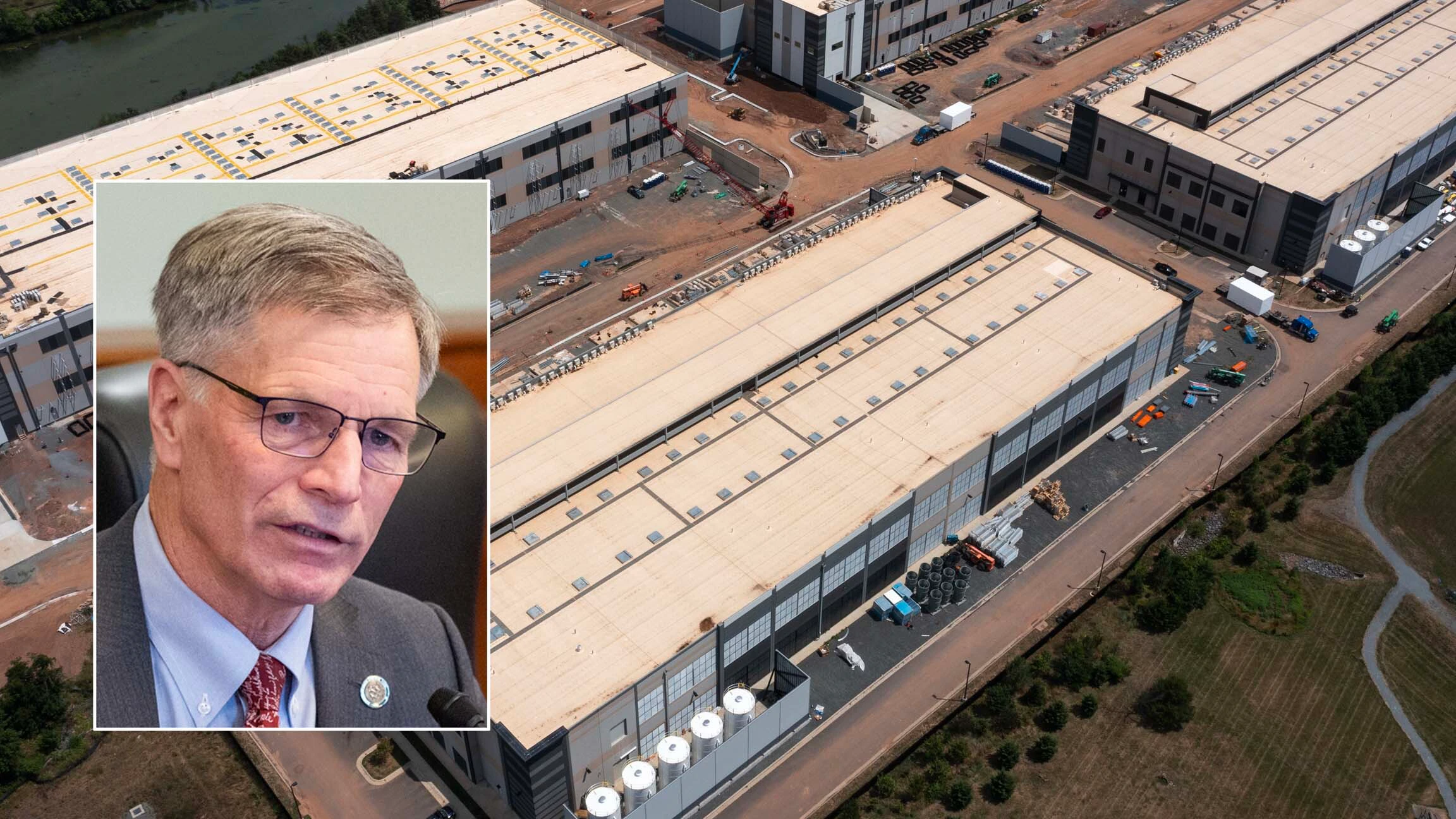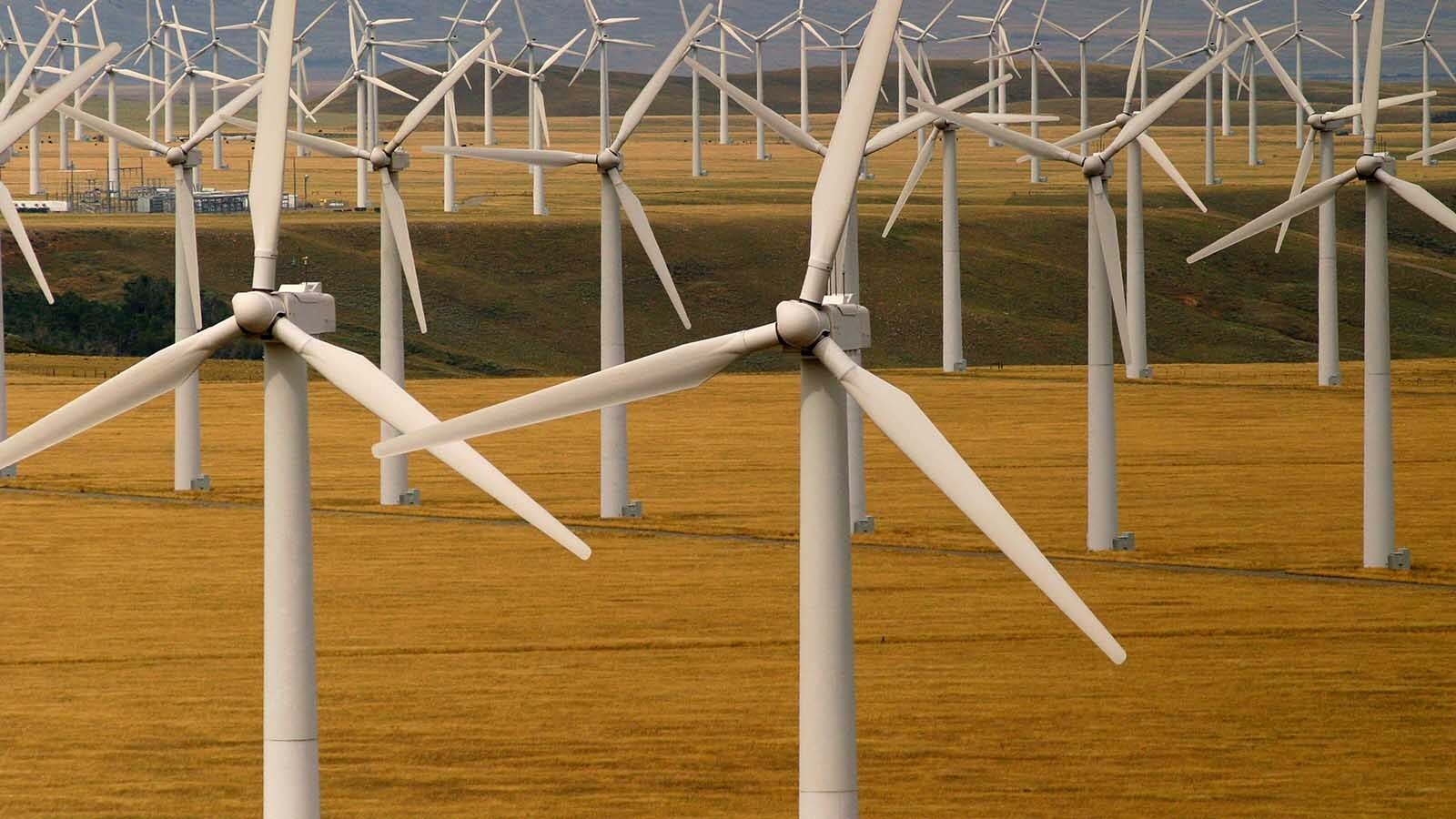
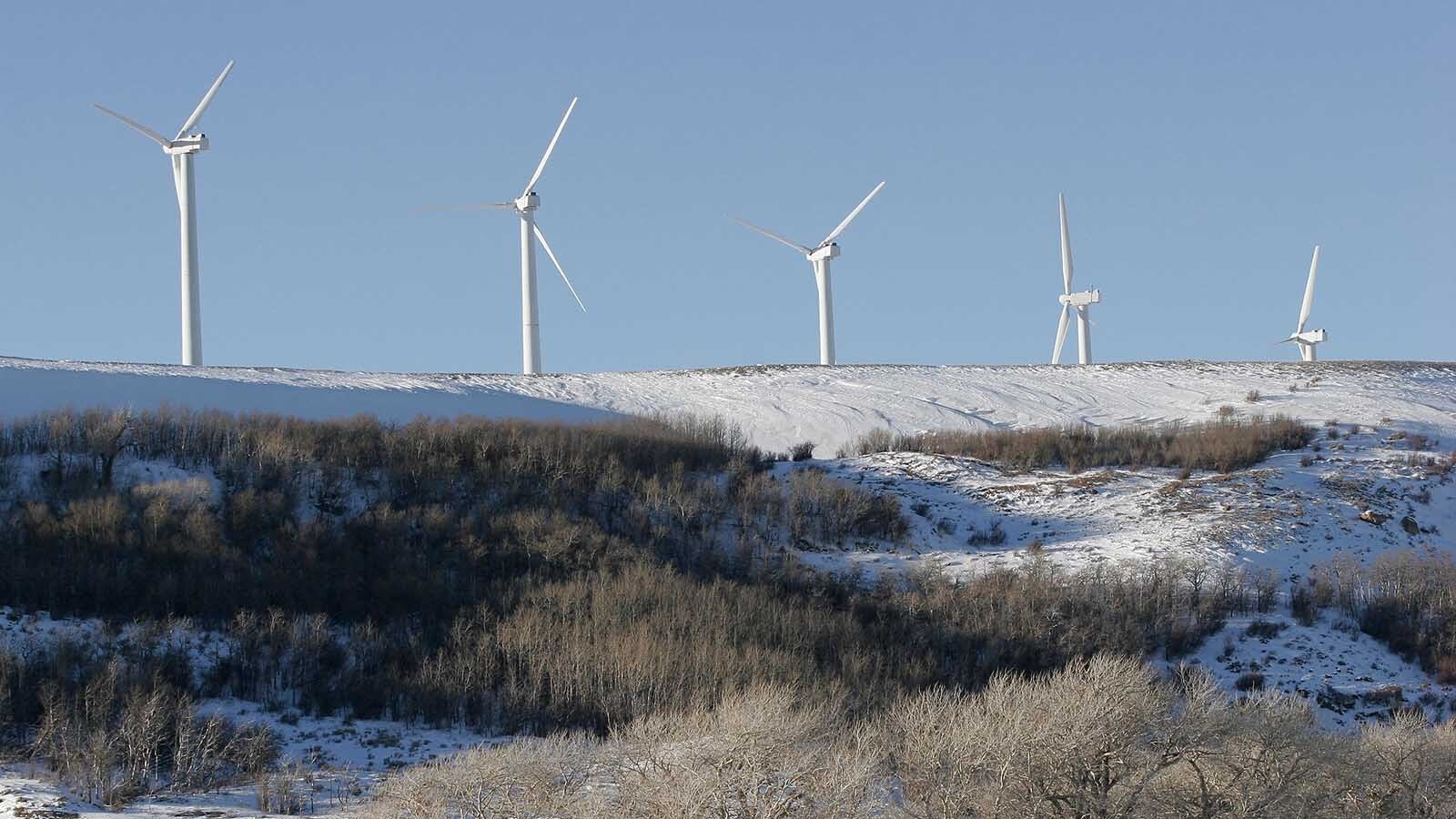
A $750 million project featuring up to 87 turbines across 110 square miles of South Dakota is turning heads in that state as its largest wind energy development.
It doesn’t hold a candle, however, to an estimated $5 billion wind energy project that will feature 600 or more turbines in Carbon County, Wyoming.
South Dakota regulators recently approved a permit for a 333-megawatt wind farm about 85 miles east of Rapid City.
The Philip Wind Project, which is expected to start construction in June, will be the largest wind farm in the state.
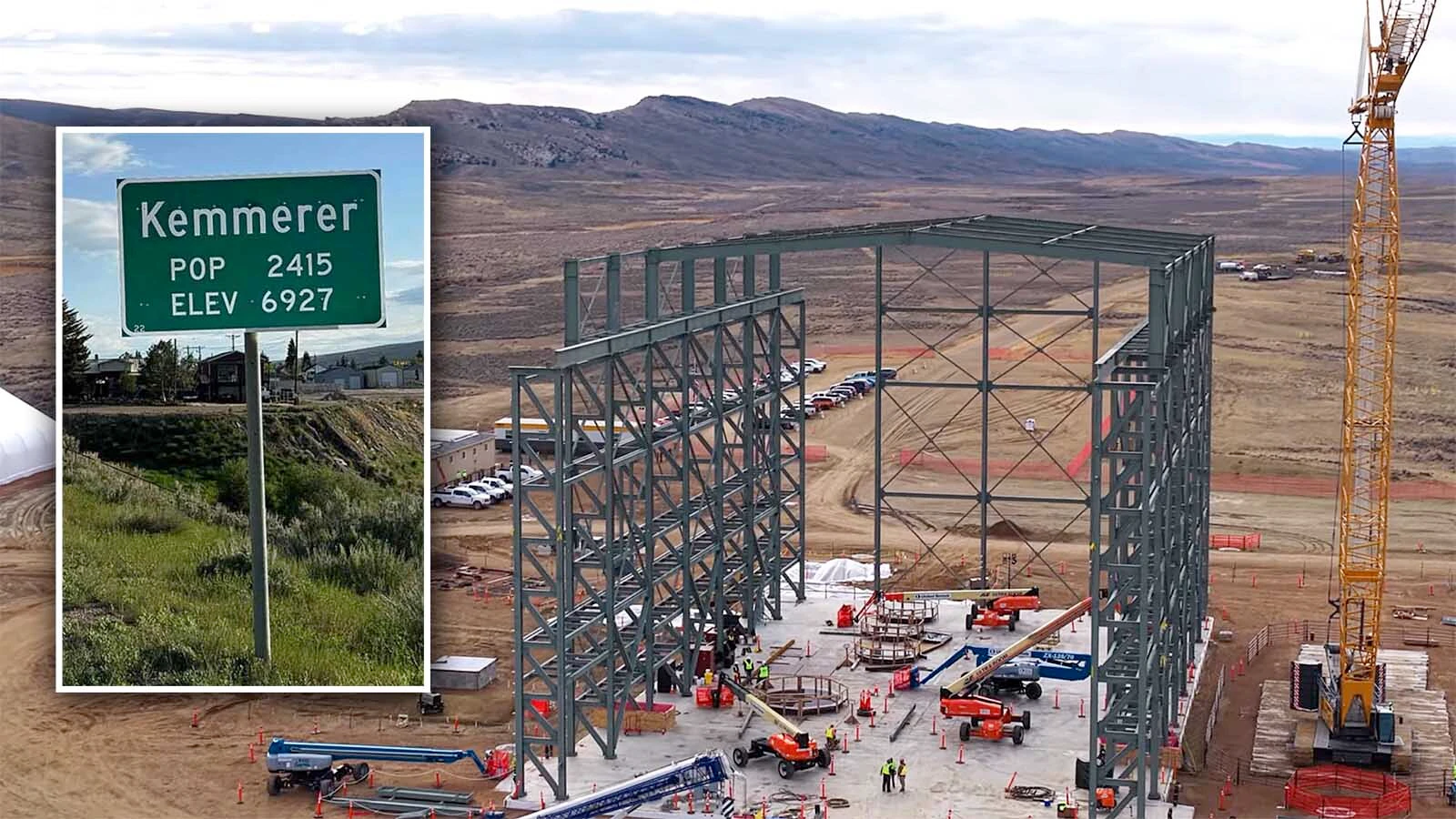
Construction on what will become Wyoming’s largest wind farm — the Chokecherry & Sierra Madre Wind Project (CCSM) — will produce 10 times that amount of power.
Where South Dakota’s largest wind farm will have enough capacity to power up to 300,000 homes, Wyoming’s will power about 1.5 million to 2 million homes, according to industry standards.
The South Dakota farm is expected to be commercially operational in December 2027. Wyoming’s CCSM is scheduled to be finished in 2029.
Large-scale wind projects are becoming more common, said Dr. John Naughton, co-director of the Wind Energy Research Center at the University of Wyoming.
Permitting requirements and infrastructure needs make big projects more palatable, he said, because one larger wind farm is easier to build than 10 smaller projects.
Easier to build doesn’t mean easier to win over people in states like Wyoming, who are vocal about opposing wind on a number of fronts, saying: they kill eagles, destroy spectacular views, and pose potential health impacts on nearby residents.
There are a lot of factors to consider when comparing wind farms across state lines, Naughton said.
The size and scope of projects are obvious. But the impacts each will have on jobs, tax revenue, infrastructure and more also provide insight into the future of the nation’s energy needs.
Economic Impacts
Kara Choquette, vice president of Government and Public Relations for Power Company of Wyoming, told Cowboy State Daily the Chokecherry & Sierra Madre Wind Project is a “one-of-a-kind wind power project” that is “creating good jobs for Wyoming workers.”
The Wyoming wind energy project will create at least 114 permanent, full-time operations and maintenance jobs that will attract skilled workers, such as wind turbine technicians trained in Wyoming, and their families to Carbon County, Choquette said.
The South Dakota wind farm will create about 200 construction jobs and 12 long-term jobs.
Choquette said all Wyoming power plants pay an 11.5% non-mineral property taxes each year.
They also pay sales and use taxes on equipment they buy.
Wyoming imposes a tax on electricity that is produced by a wind power plant at a rate of $1 per megawatt-hour of electricity produced.
CCSM organizers estimate taxes will total about $850 million over its construction and 20-year lifespan. In Wyoming, about 75% of all property taxes paid are distributed to local and statewide schools, Choquette said.
Invenergy, the owner of the South Dakota Philip Wind Project, will pay about $85 million to landowners over the next 30 years and another $50 million in property taxes, plus $10 million in state and local sales taxes, according to the project’s permit application.
Erika Huffman, senior director of communications for Invenergy, said the project is expected to generate $1.4 million annually in tax revenue that will benefit Haakon County, South Dakota, and its schools.
Where Will The Power Go?
While the scope of producing wind power is vastly different in Wyoming and South Dakota, the states share one thing in common: both produce significantly more energy than they consume.
That means both major wind projects will ultimately export at least some of the power the wind on their farms generate.
At the same time, Wyoming also has its eye on producing huge amounts of electricity to power large artificial intelligence data centers.
Rodger Horr, director of the South Dakota Renewable Energy Association, told Cowboy State Daily that about half of the energy generated in South Dakota is exported.
A 2025 U.S. Energy Information Administration (EIA) report confirms that.
“The more we can use locally, the better,” Horr said.
Construction of the South Dakota wind farm will include about 5.5 miles of electrical transmission lines. South Dakota Public Utility Commissioner Chris Nelson said there is no buyer yet for the power the Philip Wind Project will generate.
It’s being built in conjunction with the TransWest Express transmission line to supply power to California.
How Much Comes From Wind?
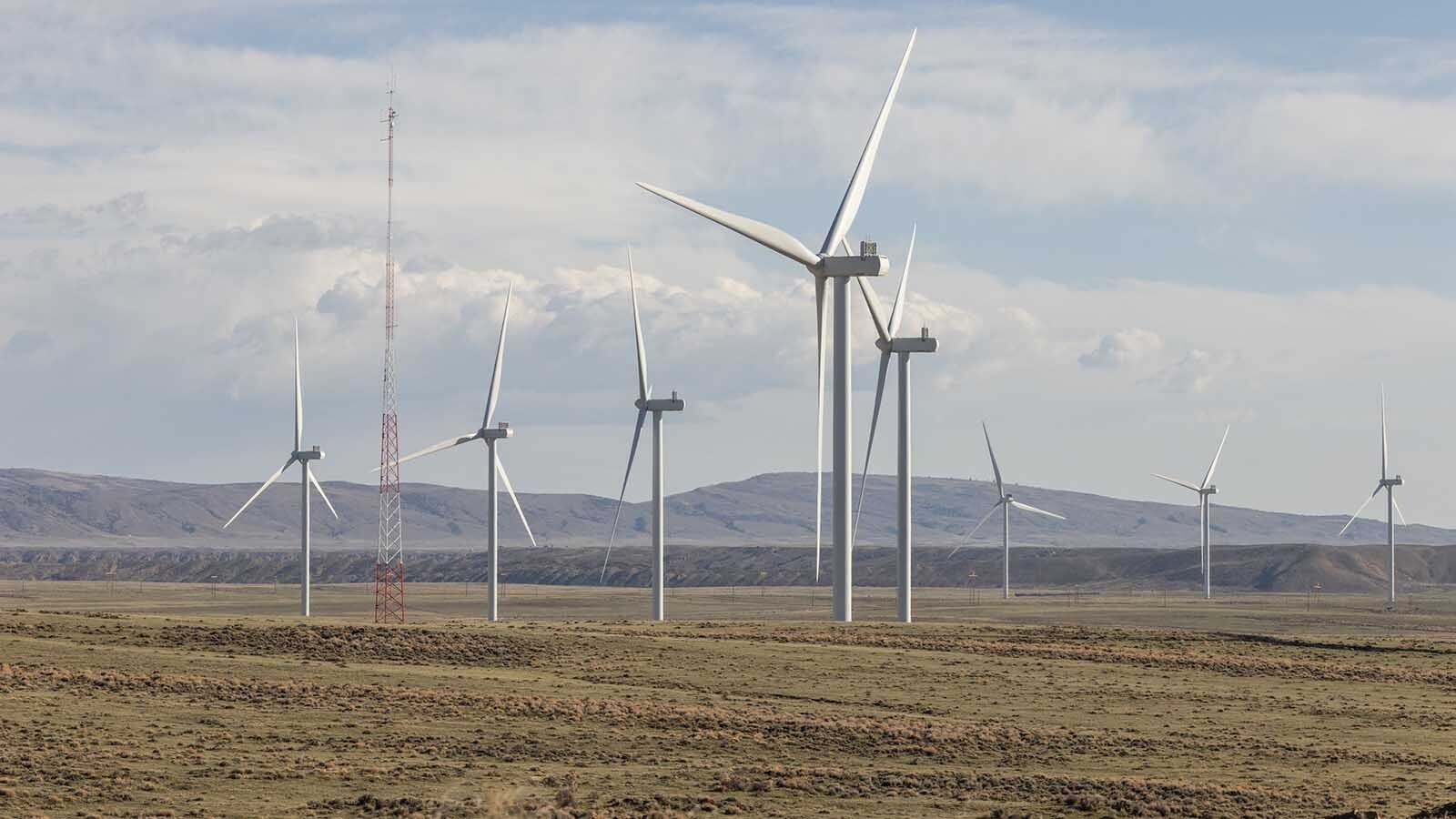
Large-scale wind projects are becoming more common in states like Wyoming and South Dakota because of their large swaths of land available for development, Naughton said.
“Wyoming is not a built-up area,” he said, adding that large tracts of undeveloped land are seen as enticing potential for energy developers.
“If you move to somewhere like the Ohio Valley, it’s harder to find continuous land that can support these sizes of wind farms,” he added.
According to Choose Energy, about 58% of South Dakota’s electrical generation comes from wind, which is a higher percentage than all other states except Iowa and Kansas.
Just over 30% of Wyoming’s electricity comes from wind.
According to the EIA, 81% of South Dakota's total in-state electricity came from renewable resources in 2024, the second highest in the nation after Vermont.
Wind surpassed hydroelectric as the No. 1 power source in the state in 2021, according to the EIA. In 2024, South Dakota generated five times as much wind power as it did in 2015 — enough to power more than 1 million homes.
The most recent data available from the EIA shows that South Dakota generated just over 12 million megawatt-hours of wind power in 2024, whereas Wyoming generated just over 9 million.
Six of South Dakota’s 10 largest power plants generate electricity using wind technology. Three of Wyoming’s 10 largest plants use wind technology.
“We certainly have some of the most outstanding wind resources in the Lower 48,” Naughton said. “South Dakota has really good wind resources, too.”
Always A Debate
Naughton acknowledged that objections to wind energy development are always present.
“We have this love-hate relationship with wind,” he said.
Wind energy development works in Wyoming because any turbine that is installed typically produces more power than it would in other places, he said.
Wind development tends to work well on agricultural land, he said, because of the wide-open spaces. Energy development and agriculture can go hand in hand.
“Agriculture and wind is not a bad dual use,” he said.
That doesn’t mean everyone in Wyoming has embraced wind. Top state elected officials are vocal critics of wind, as are residents in areas where projects are proposed.
Landowners who cooperate with energy companies to put turbines on their properties are often pitted against others over private property rights.
While people tend to either love the idea of wind energy or hate it, Naughton said he encourages people to consider both the benefits and the liabilities of wind energy development.
“We typically hear, ‘It’s all great,’ or, ‘It’s all awful,’” Naughton said. “But that’s not the whole story. There is always a debate. We have a history in Wyoming of developing our natural resources.”
Nationally, wind energy generation increased an average of 2% between November 2024 and November 2025.
Wyoming ranked second in the nation for the highest annual increase in wind energy production, with a yearly percentage change of 47%.
Kate Meadows can be reached at kate@cowboystatedaily.com.