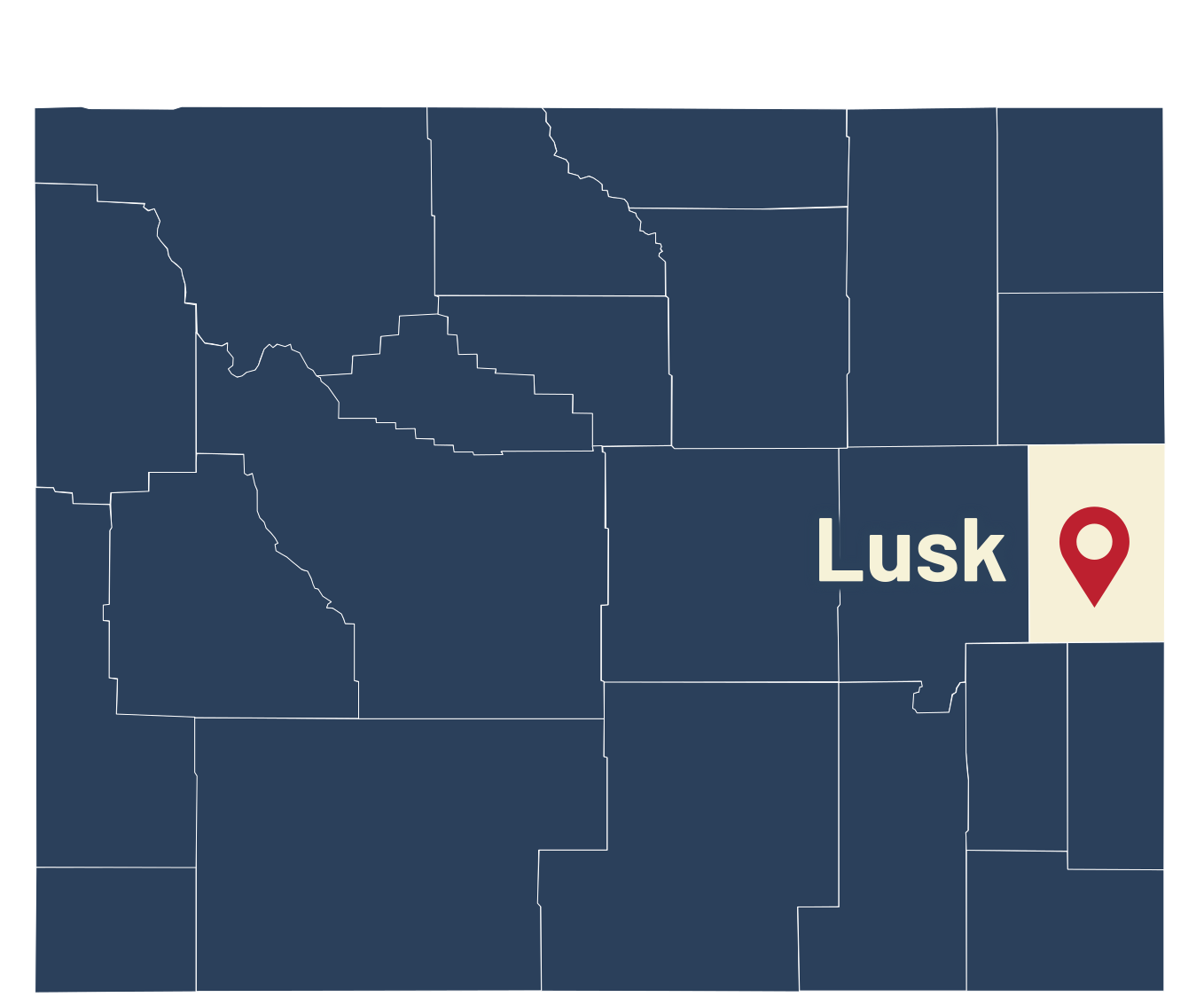
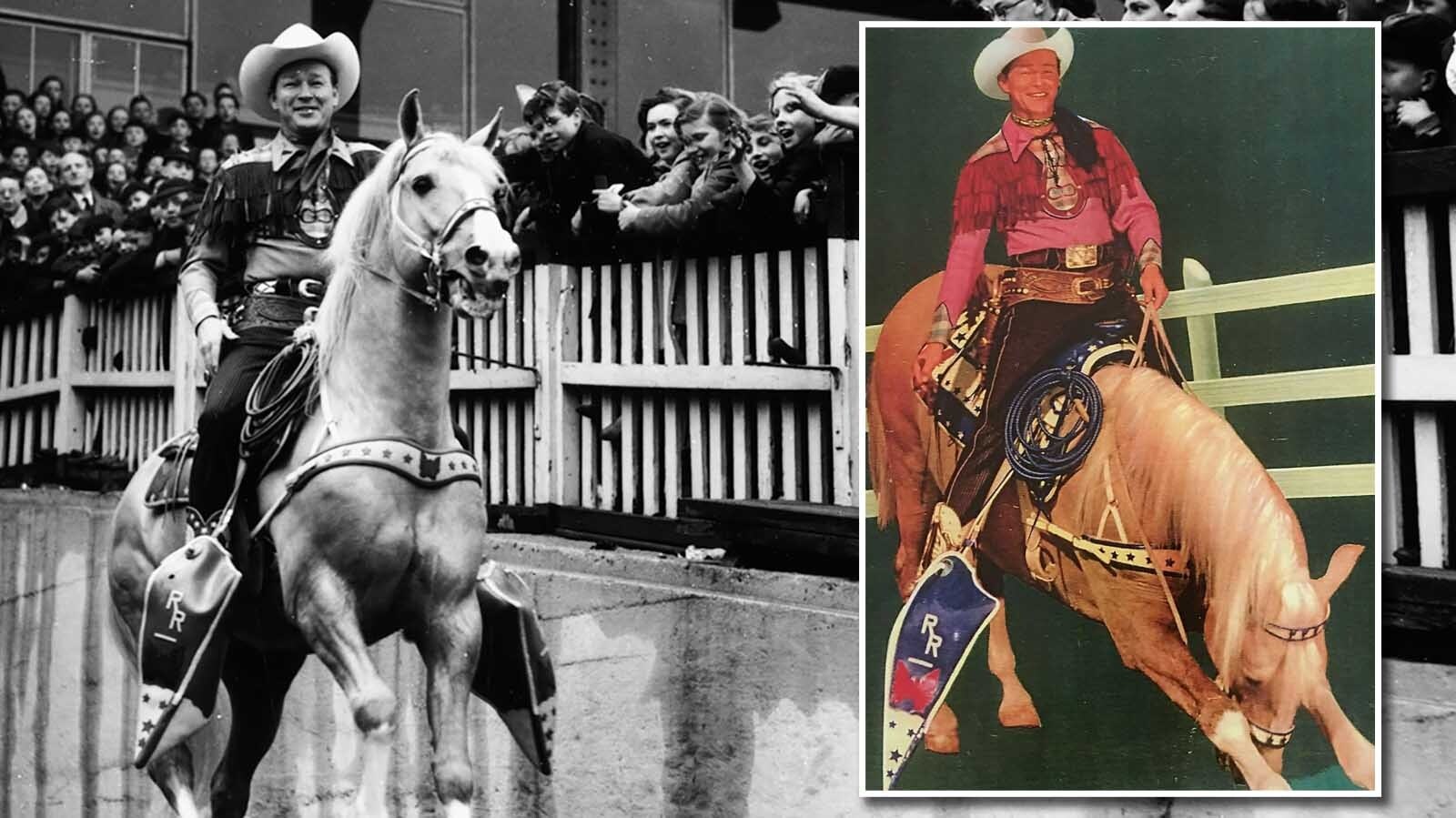
Roy Rogers' iconic red, white and blue saddle with its vibrant colors is not leather like many fans assume but a plastic saddle made in the tiny Wyoming town of Lusk.
The legendary western actor and singer was so enthralled with the brightly colored saddles that Rogers eventually purchased five and even became a spokesman for the fledgling company.
Glenn Randall, a horse trainer for Rogers first discovered the colorful plastic saddles and introduced them to the actor.
“The plastic saddle was an ideal thing for Rogers to display and make presentations to the public,” rancher and plastic saddle collector Tom Harrower said. “He also liked the red, white, and blue because Roy was a patriotic man.”
The popularity of the saddles took off when people saw Roy Rogers riding on them. All-Western Plastic Company began attracting considerable attention, according to the October 17, 1946, Lusk Herald.
“While the first saddles will go almost entirely for show purposes, the plastic is said to have all the strength and many of the features of leather,” the Lusk Herald wrote. “While it looks slick, the feel is much like well-finished leather, and it will not crack or break in any temperature or weather condition.”
Bill Carson of Newcastle, a fan of Roy Rogers and his unique saddle, said that the public was enthralled by the new product.
“They were pretty nice to look at and great for riding in a parade because you didn’t have to put one on a horse for too long,” Carson said. “But you weren’t going to go out and ride one all day long.”
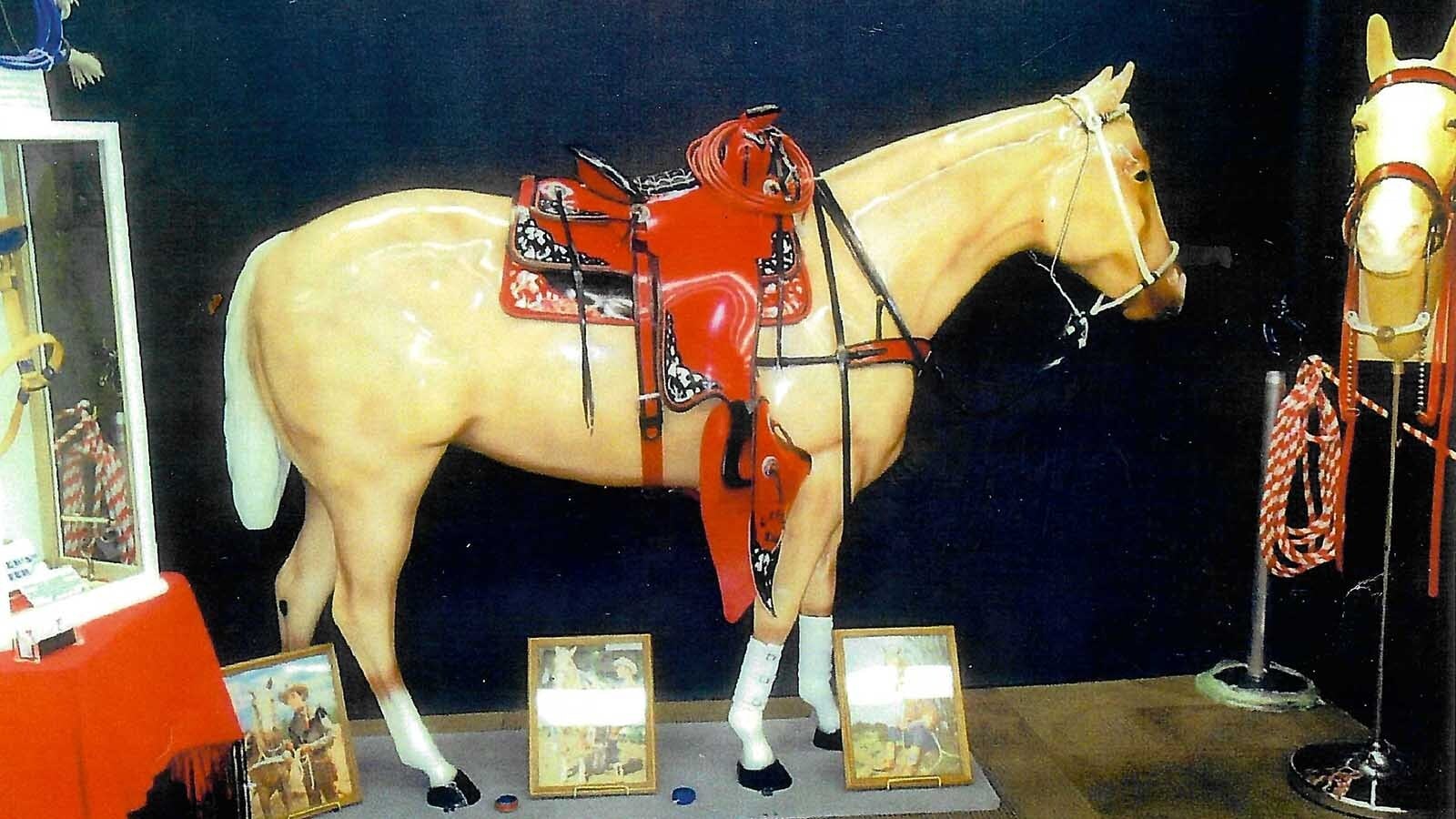
Tom Harrower of Cheyenne began collecting the plastic saddles and accessories of the All-Western Plastic Company in 1982. He put together a traveling display and seeks to preserve the stories of the plastic cowboy collectibles. The saddles were all made in Lusk, Wyoming, and Harrower said they are an important part of our state’s history. (Courtesy Tom Harrower) 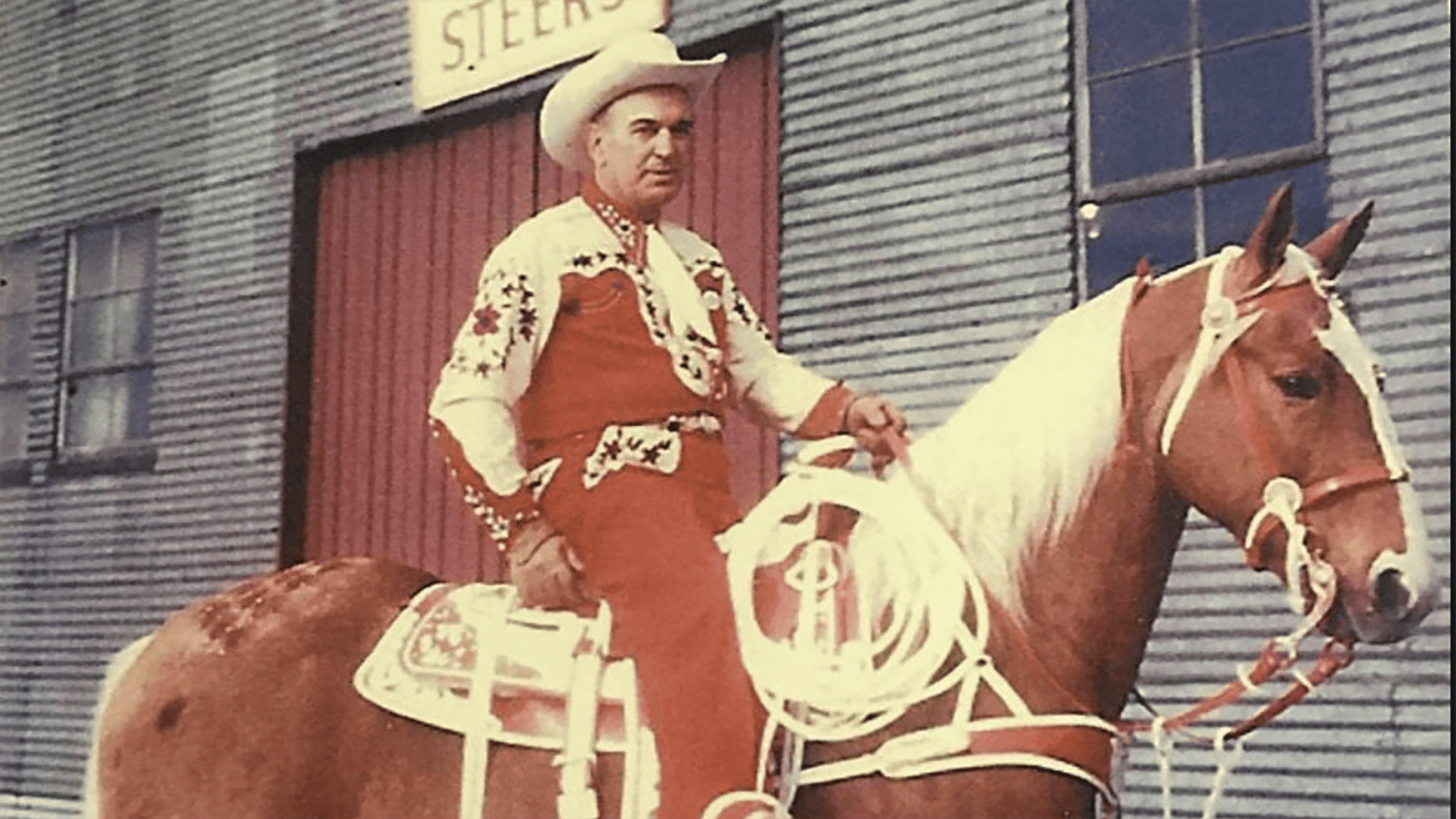
William B. Vandergrift came up with the idea of the plastic saddle when traditional leather and saddle trees became scarce during World War II. He formed the All-Western Plastic Company with his partner, Tom Nielson, in Lusk, Wyoming. Their company produced 65 saddles before the idea was abandoned due to high costs and issues with the plastic. (Courtesy Tom Harrower) 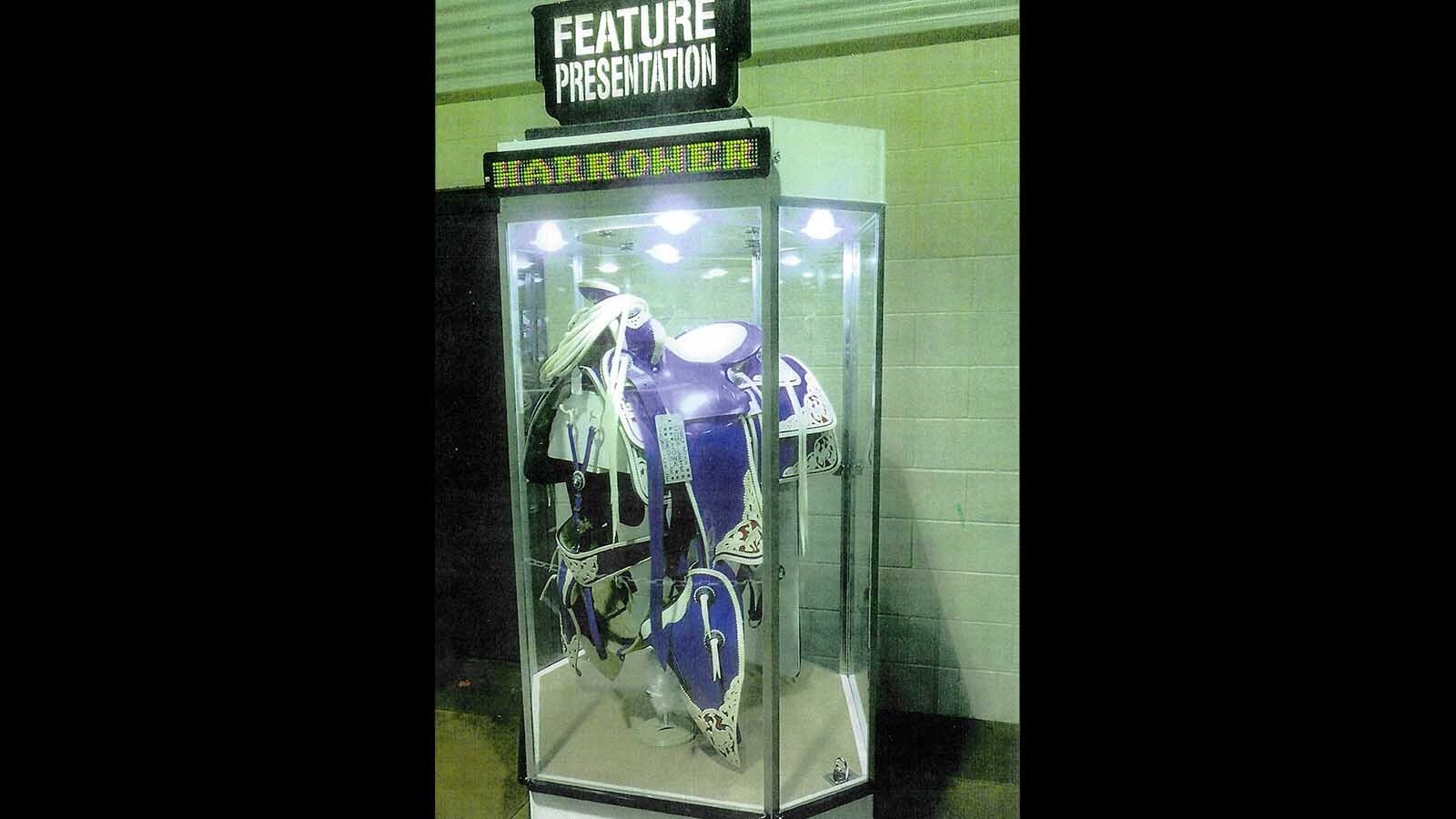
Tom Harrower of Cheyenne began collecting the plastic saddles and accessories of the All-Western Plastic Company in 1982. He put together a traveling display and seeks to preserve the stories of the plastic cowboy collectibles. The saddles were all made in Lusk, Wyoming, and Harrower said they are an important part of our state’s history. (Courtesy Tom Harrower) 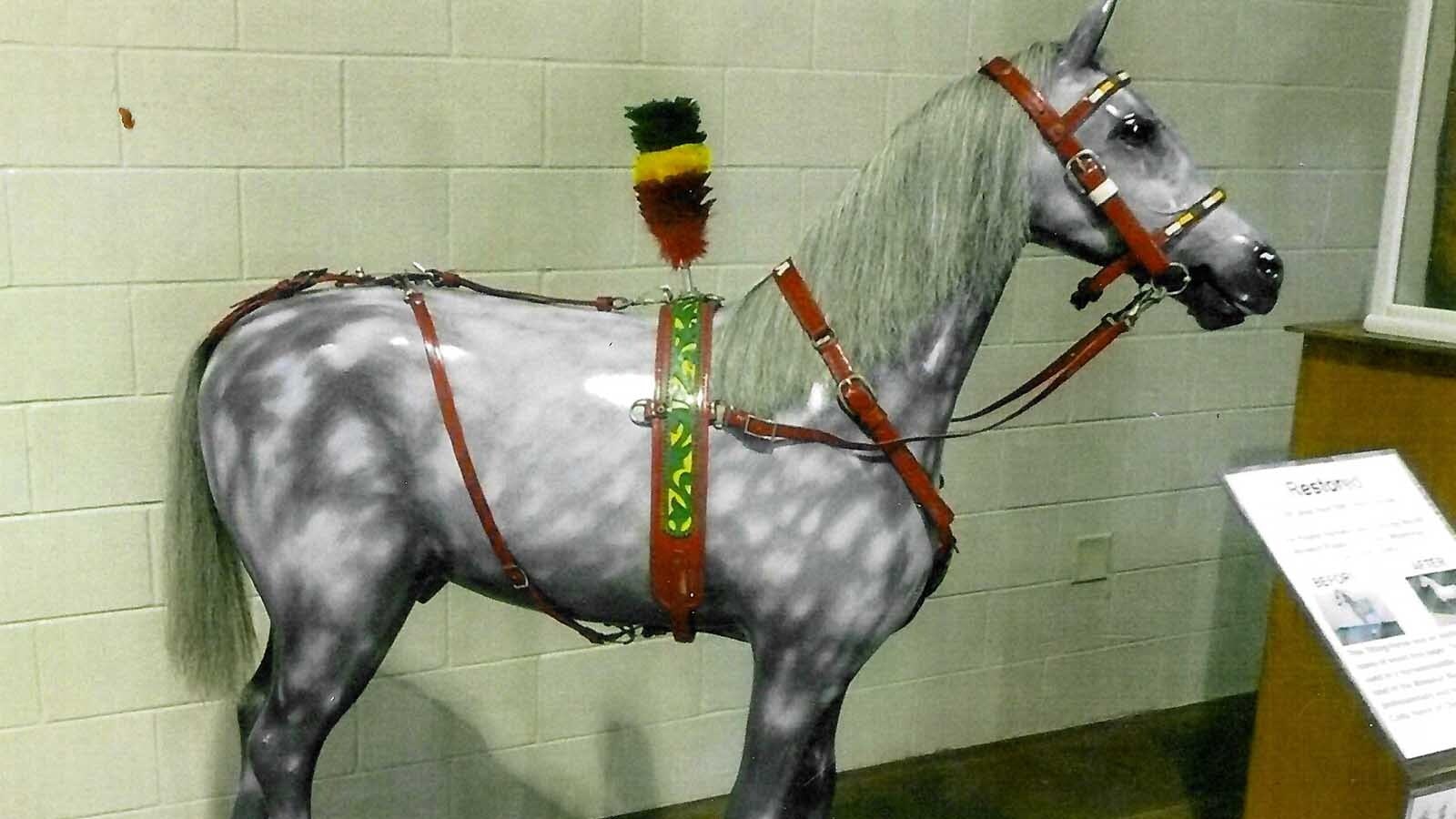
Tom Harrower of Cheyenne began collecting the plastic saddles and accessories of the All-Western Plastic Company in 1982. He put together a traveling display and seeks to preserve the stories of the plastic cowboy collectibles. The saddles were all made in Lusk, Wyoming, and Harrower said they are an important part of our state’s history. (Courtesy Tom Harrower)
Discovering The Plastic Masterpieces
Carson had first discovered the saddles when Roy Rogers' Rosebud Parade plastic saddle was sold at an auction and was fascinated when he discovered that the saddles were exclusively made in Lusk.
“I was like, Holy smokes,” Carson said. “You don’t think of Lusk, Wyoming having a Roy Rogers connection.”
Harrower, also fascinated by the Lusk plastic saddles and Roy Rogers, has spent the last four decades researching and hunting down anything connected to the All-Western Plastic Company.
Harrower, a rancher from Kemmerer, had originally discovered the plastic cowboy collectibles in 1982. Jim Wear of Laramie had invited him to the first show of an organization that would eventually be the National Bit, Spur and Saddle Collectors Association.
“At the show, there was a bushel basket full of these plastic bridles, and I knew nothing about them, but I thought, man, that’s cool,” Harrower said. “They were made out of plastic and attractive.”
Harrower bought the basket of bridles for $18 and the adventure of collecting the plastic western art began. In 1998, Harrower bought his first plastic saddle and by 2000, began researching the company in earnest.
“I became very interested in this because of my ranching background,” Harrower said. “I always had an appreciation for different ideas that were put into saddles and riding equipment, and I also love cowboy collectibles.”
Harrower discovered that the Lusk company had produced 65 saddles and he has been able to track down 54 of the plastic creations, adding many to his own collection.
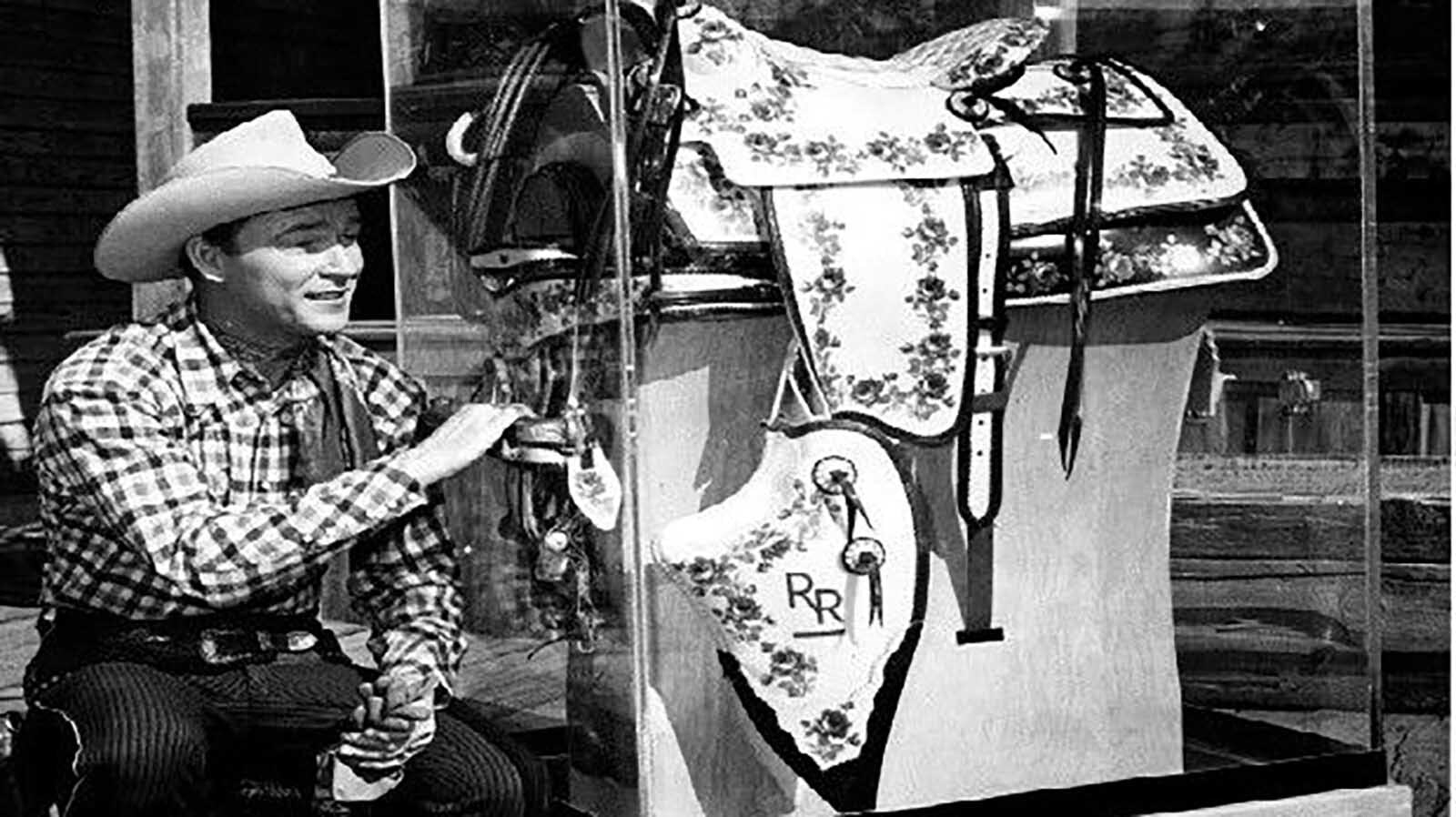
Roy Rogers poses with one of his plastic saddles. As a showman, he loved the bright vibrant colors and became a spokesman for the plastic company in Lusk that made the unique saddle. (Courtesy Photo) 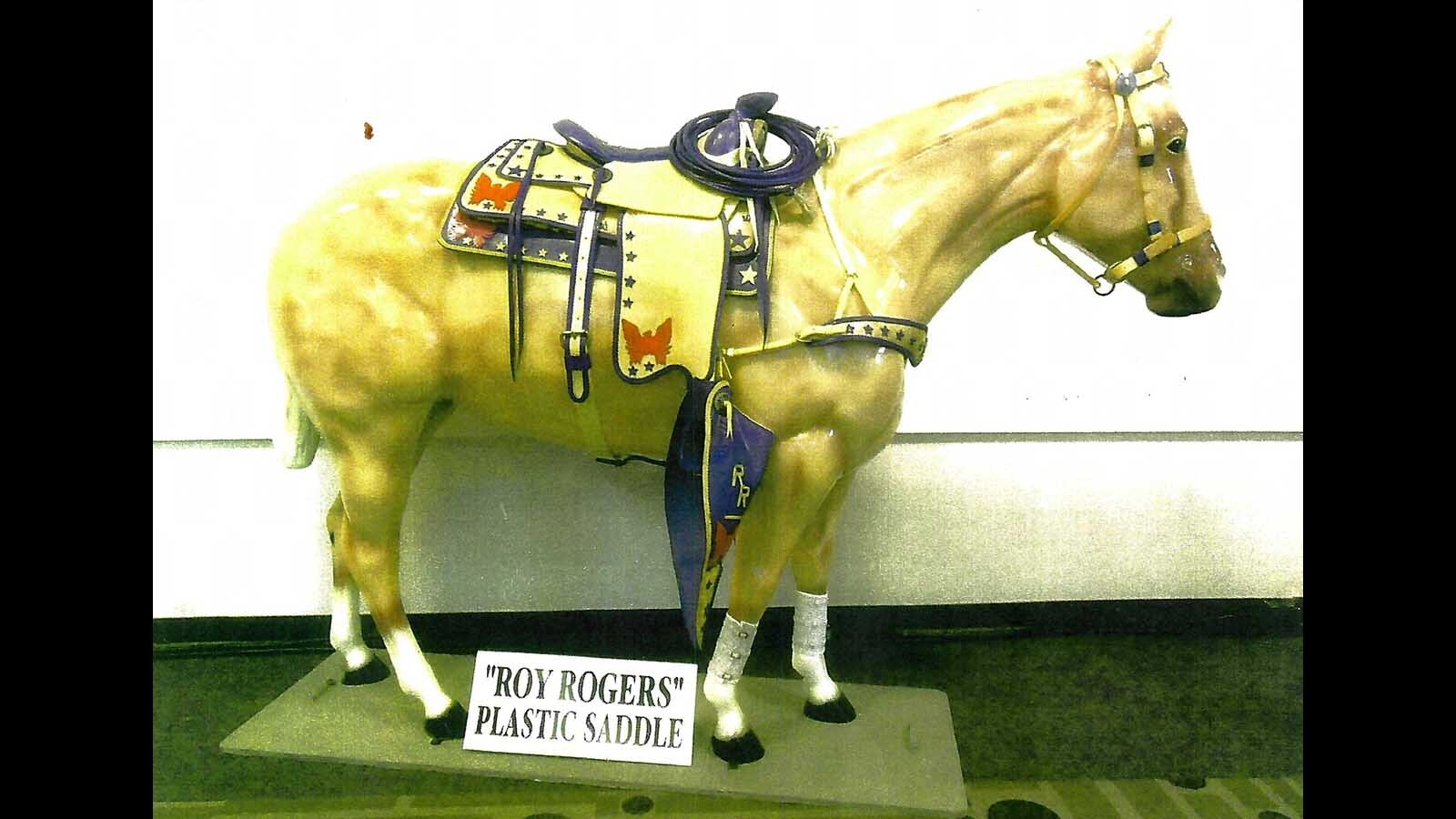
Tom Harrower of Cheyenne began collecting the plastic saddles and accessories of the All-Western Plastic Company in 1982. He put together a traveling display and seeks to preserve the stories of the plastic cowboy collectibles. The saddles were all made in Lusk, Wyoming, and Harrower said they are an important part of our state’s history. (Courtesy Tom Harrower) 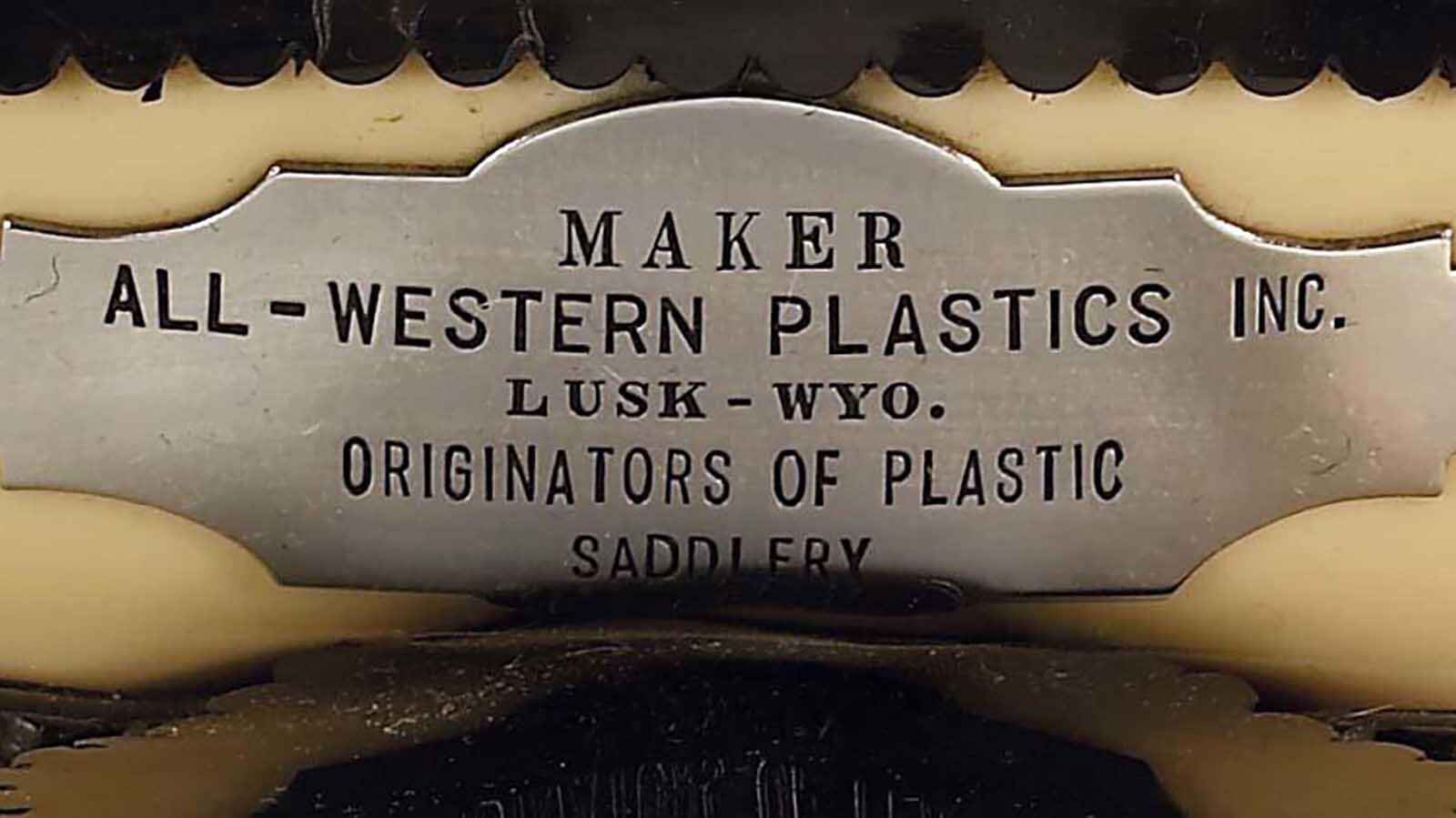
Roy Rogers’ plastic hand-painted saddle was sold for $65,000 at auction. This saddle was ridden by Rogers as Marshal of the 1952 Tournament of Roses and again as Grand Marshal in 1977. It was made by the All-Western Plastic Company of Lusk, Wyoming. (Courtesy Photo) 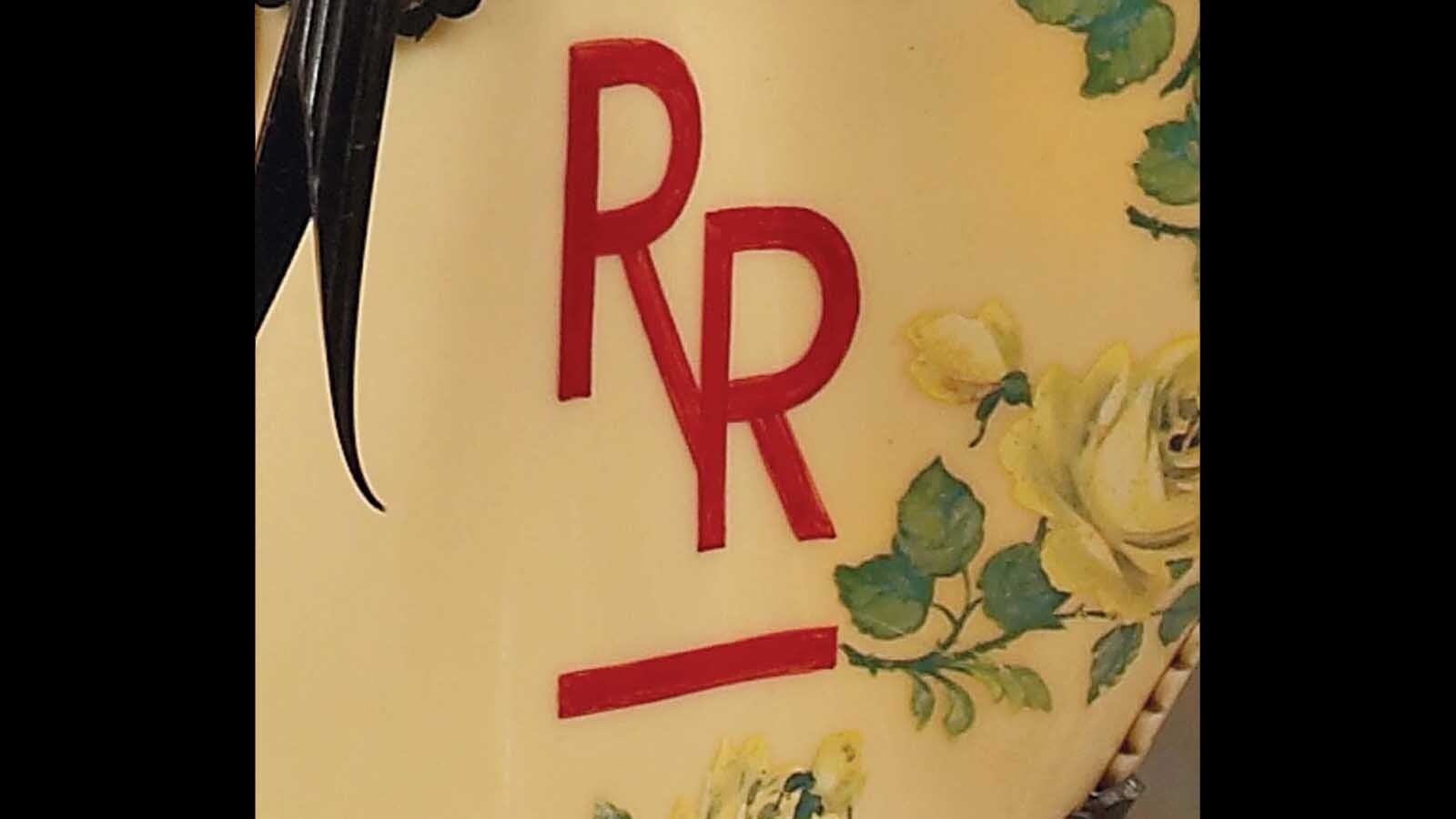
Roy Rogers’ plastic hand-painted saddle was sold for $65,000 at auction. This saddle was ridden by Rogers as Marshal of the 1952 Tournament of Roses and again as Grand Marshal in 1977. It was made by the All-Western Plastic Company of Lusk, Wyoming. (Courtesy Photo)
Plastic Saddles
According to Harrower, the idea for the plastic saddle was the brainchild of William B. Vandergrift in 1945. It was the tail end of World War II and materials were scarce for making saddles.
“The plastic was produced by BF Goodrich, the same company that’s in business today making tires,” Harrower said. “It’s a petroleum-based material and it was readily available.”
Vandergrift began experimenting with the plastic and the first plastic saddle was made in Colorado by saddle maker Roy Beaver.
“When they work with the plastic, they used heat to form it on the saddle trees,” Harrower said. “Roy Beaver heated the plastic in his wife’s coal kitchen range oven.”
From those humble beginnings, Vandergrift was invited to the National Plastic Exposition in New York where he displayed the plastic saddle on his own paint horse, Chief. Harrower said the saddle was a hit and when Vandergrift returned west, he met Tommy Nielson, a saddle maker in Lusk, who was willing to go into business with him. Nielson had 175 back-orders to fill and not enough leather and saddle trees to complete the orders.
The two men formed a partnership called the All-Western Plastic Company and hired Bernard Thon as the head plastic saddle maker. In the January 1986 Western Horseman Magazine, Thon wrote that it took him and several apprentices six attempts and two months to make a saleable plastic saddle.
When Roy Rogers and Dale Evans ordered a pair of the saddles, both cream-colored with patriotic blue and red trim, it was a stroke of good luck according to Thon. By October 1946, the new company had 40 orders and two saddles completed. Only saddles were to be made at Lusk. Bridles, martingales, breast collars and other accessories would be made at Alliance, Nebraska.
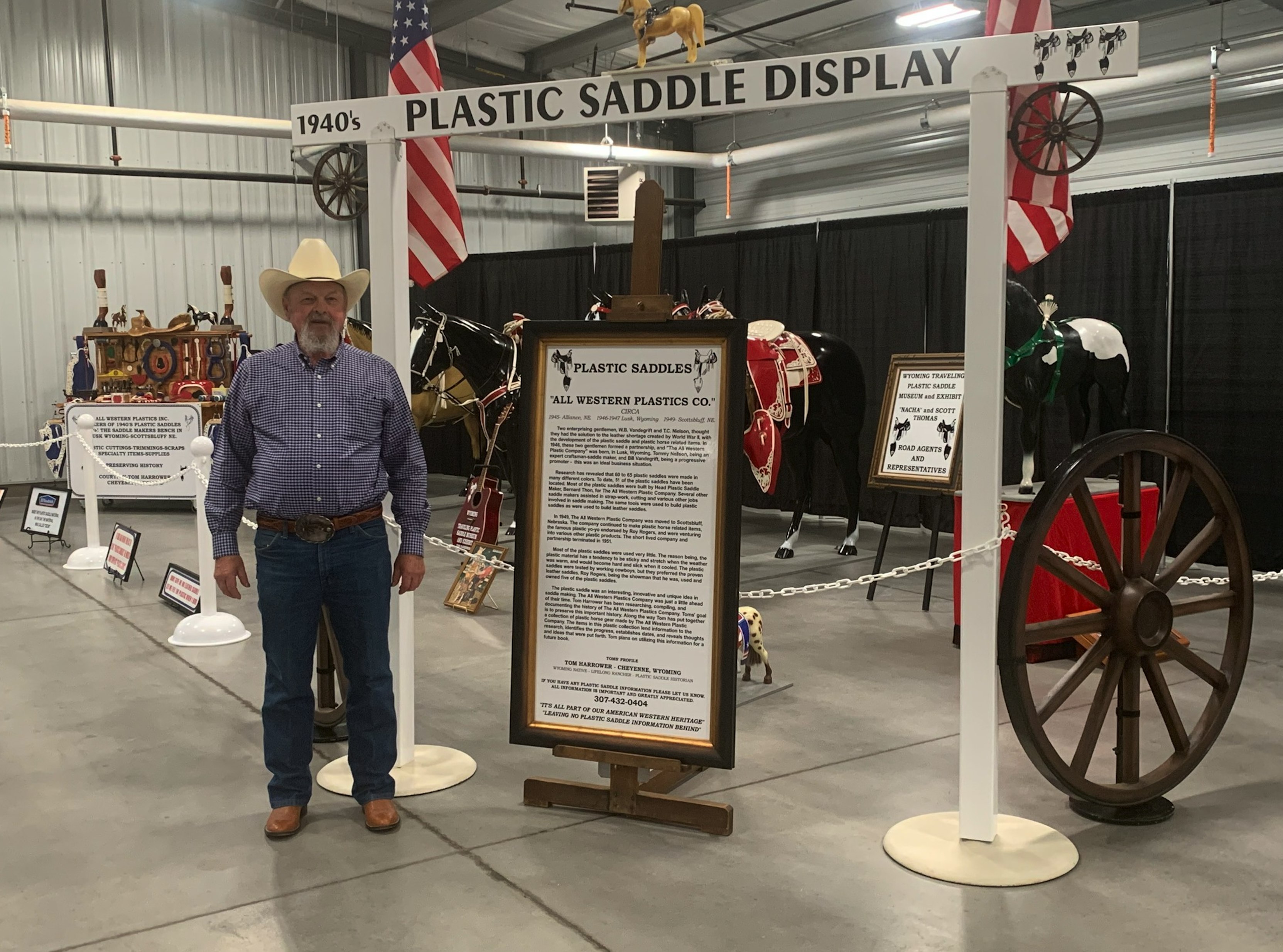
Tom Harrower displays his traveling exhibit featuring plastic saddles that were made in Lusk, Wyoming in the 1940s at the National Bits, Spurs, and Saddle Collector’s Association show. (Courtesy Don and Janet Bailey, National Bits, Spurs, and Saddle Collector’s Association) 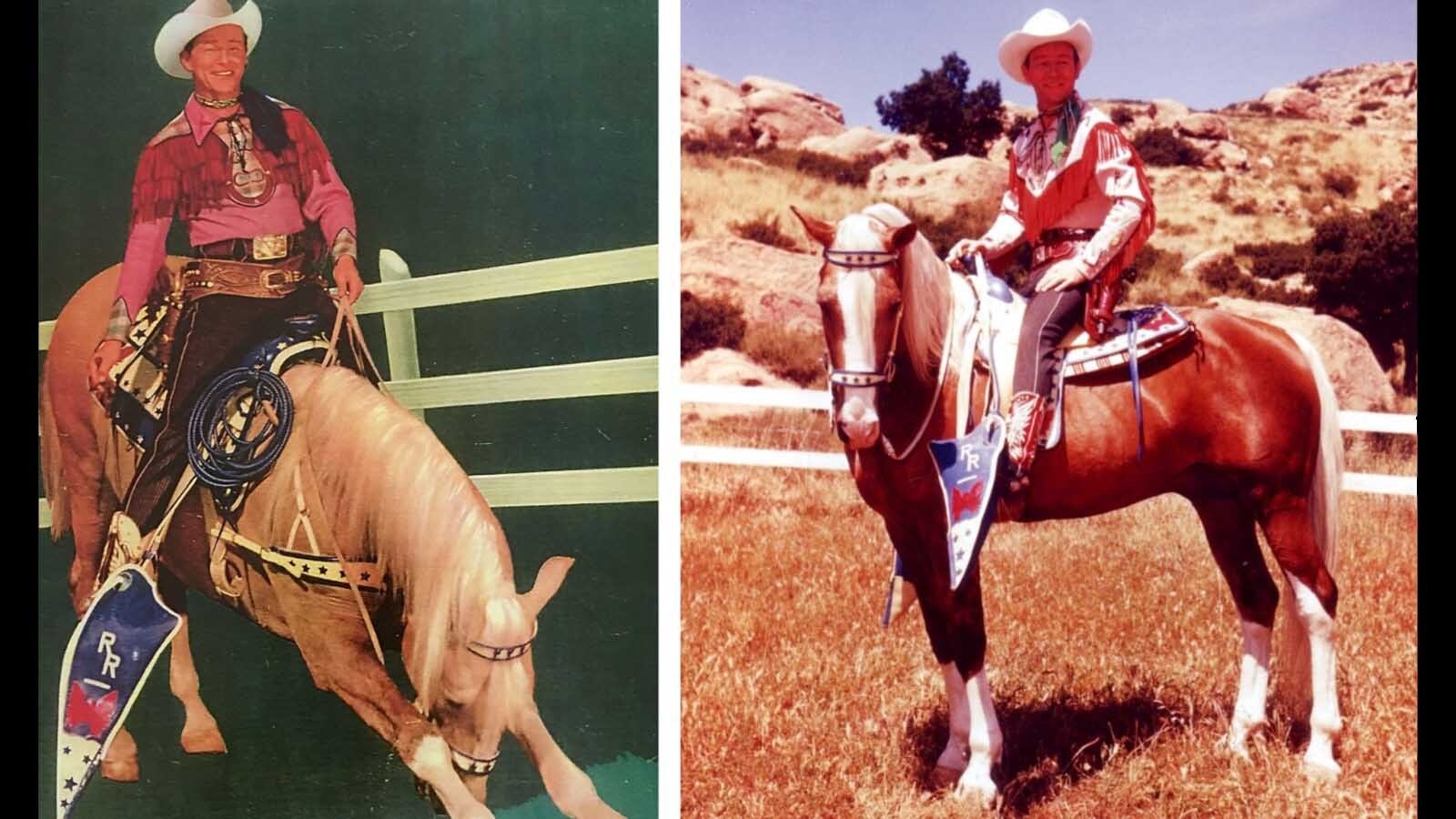
Roy Rogers favorite saddles were made of plastic. They were bright and vibrant, sure to be crowd pleasers. These unique plastic saddles were made in Lusk, Wyoming and only 65 are believed to have been made. (Courtesy Tom Harrower) 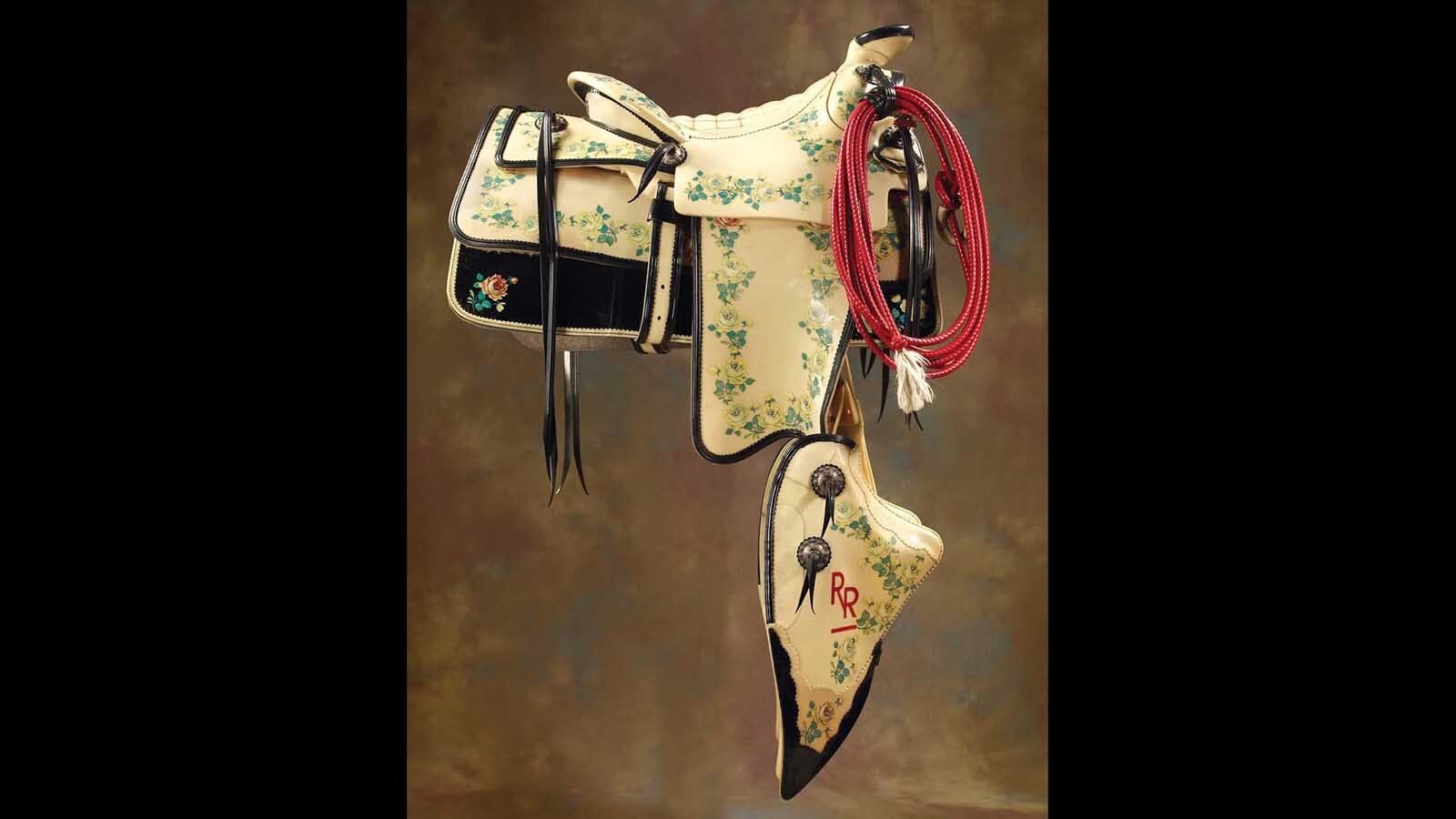
Roy Rogers’ plastic hand-painted saddle was sold for $65,000 at auction. This saddle was ridden by Rogers as Marshal of the 1952 Tournament of Roses and again as Grand Marshal in 1977. It was made by the All-Western Plastic Company of Lusk, Wyoming. (Courtesy Photo) 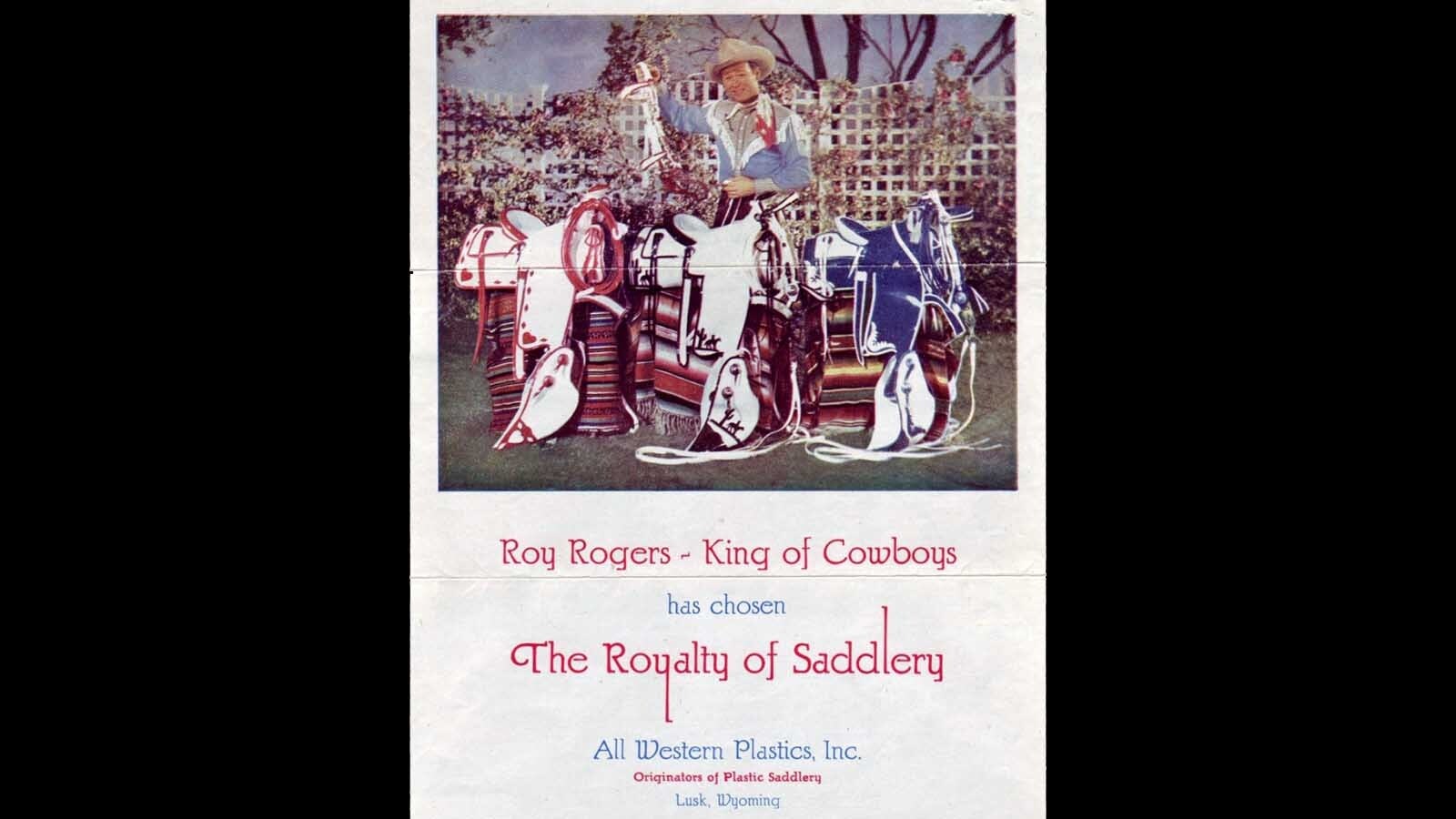
Roy Rogers was so impressed with the plastic saddles made by the All-Western Plastic Company of Lusk, Wyoming, that he bought five of the saddles and became a spokesman for the company. (Courtesy Photo)
Melt Down
The saddles in Harrower’s collection are all in very good condition and he explained that they didn’t get much use because the plastic saddles had issues.
“When it was cool, the plastic became slick and brittle, and when it was hot, it became clingy and sticky,” Harrower said. “When it was hot, stretching would also occur.”
The other issue holding back the popularity of the saddles was the price. A complete plastic saddle with accessories cost nearly $500 compared to a leather saddle that sold for an average of $125.
There was some demand for the brightly colored saddles but only for show and not for a working horse.
“When the company moved to Scotts Bluff in 1949, they were still making horse related plastic items, but I don’t think they made any more plastic saddles,” Harrower said. “These saddles were hard to sell because they were high priced and had problems.”
All-Western Plastic bought an injection mold and began to make other plastic items endorsed by Roy Rogers such as his trademark yo-yo. The plastic company continued to experiment, but their success was short-lived and they closed their doors in 1951.
Harrower believes that if they could have weathered their financial hardships for just a few more years, the plastic company would have been part of the plastic revolution that began in the late 1950s. He said that they were just ahead of their time and were unable to weather the storm.
The Plastic Legacy
Over the years, Harrower has amassed the largest known collection of plastic saddles and accessories and put together a traveling display. He takes his fiberglass horses around Wyoming and neighboring states for special shows where he hopes to gather more stories about the unique Lusk saddle.
He said that his most prized possession that he shares with the public is the Roy Rogers Presentation saddle which sports the patriotic red, white and blue vibrant colors.
Harrower invites people to call him directly at (307) 432-0404 because he is still actively searching for information about the saddles and other products made by the All-Western Plastic Company and is not on the internet.
“It’s really important to preserve this history because it was a really unique idea that took place in Lusk,” Harrower said. “The plastic saddles are part of our cowboy culture.”
Jackie Dorothy can be reached at jackie@cowboystatedaily.com.