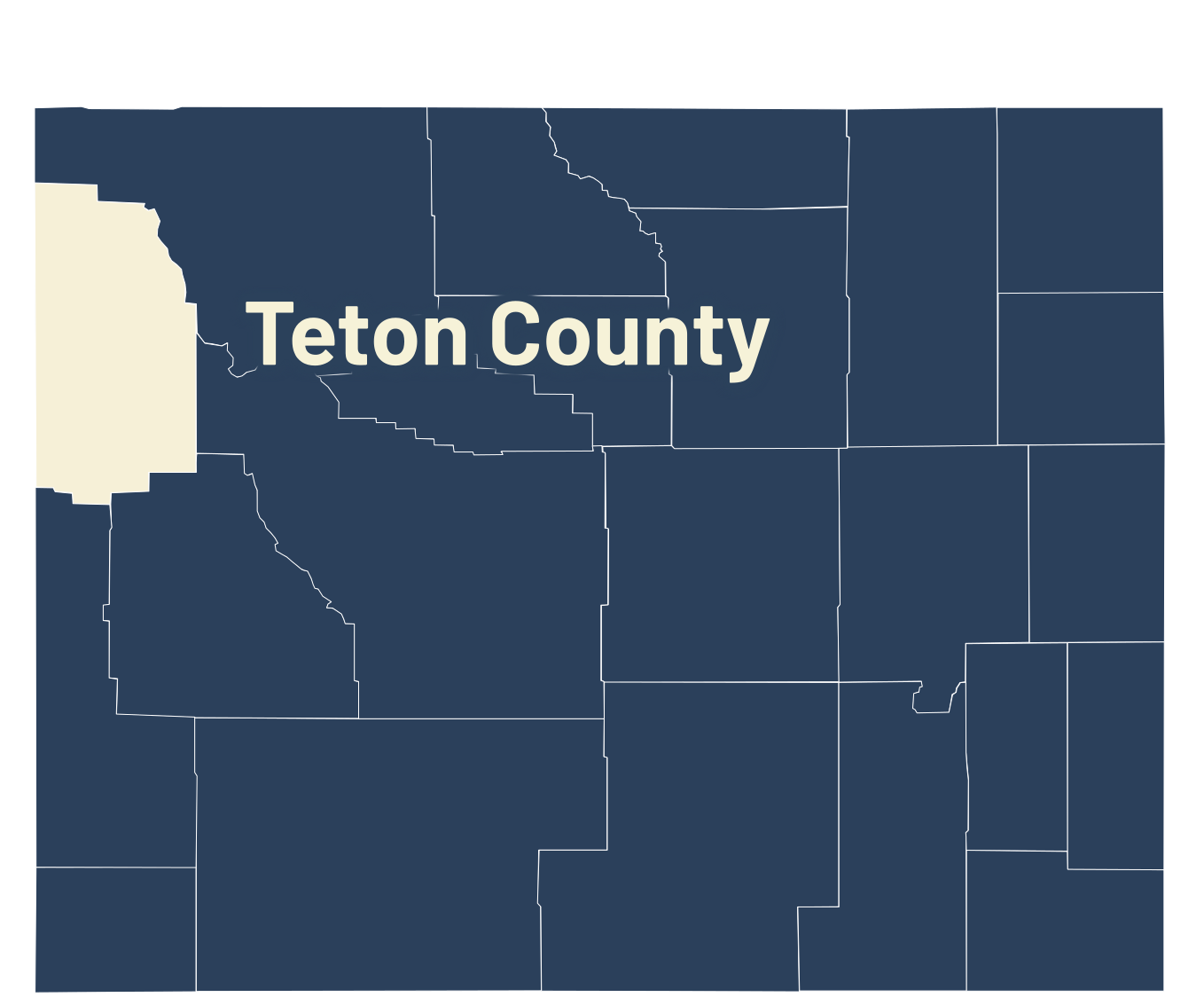
Sixty years ago, Teton County was poor enough to qualify for a federally subsidized loan meant for the nation’s neediest communities.
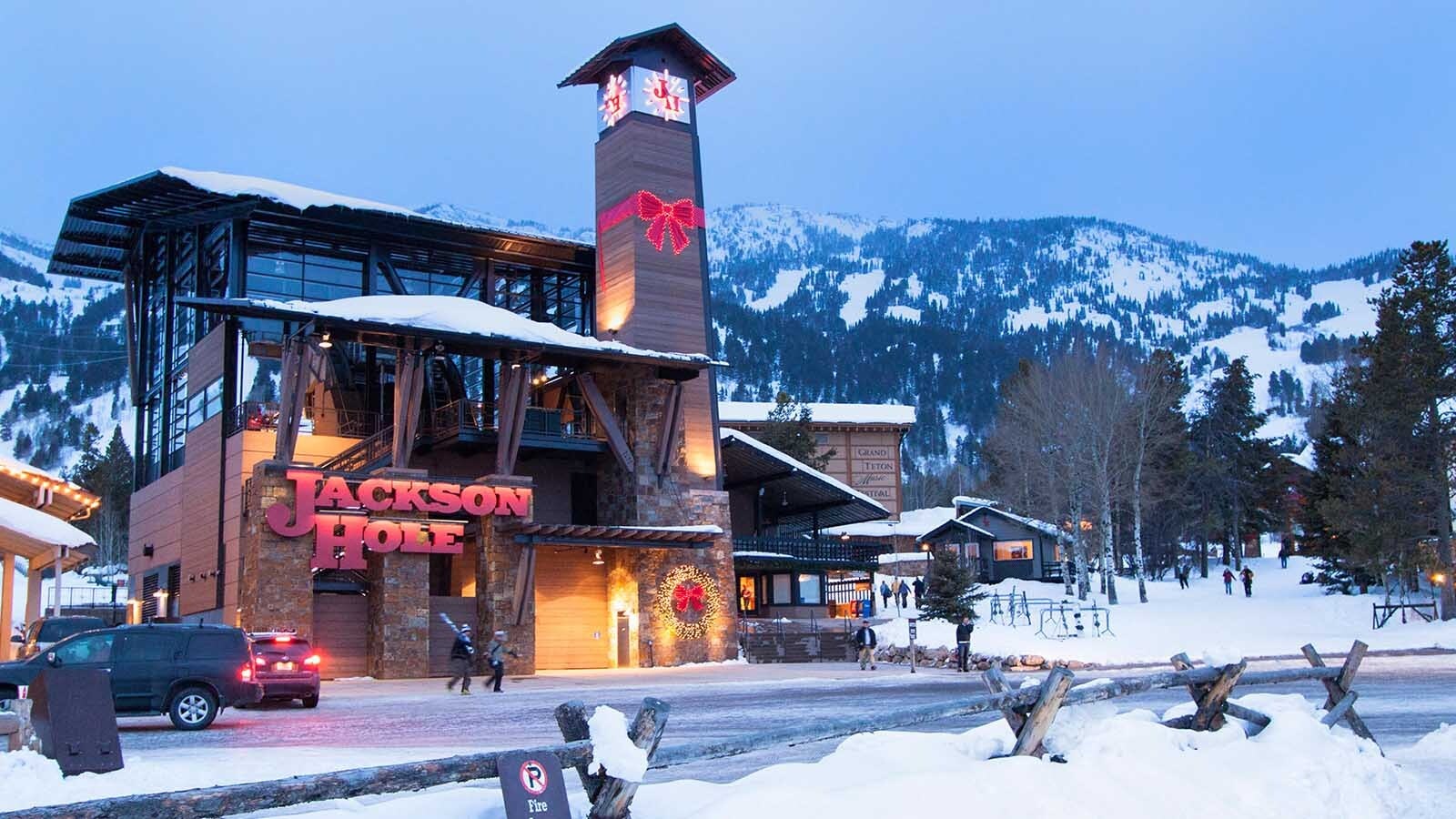
The loan helped launch a little skill hill called Jackson Hole Ski Area, better known today as the world-famous Jackson Hole Mountain Resort.
Today, Teton County is impoverished no more.
Instead, it’s become the wealthiest county in the nation — and not just by a little bit. It’s beating all the other 3,116 counties tracked in America by miles.
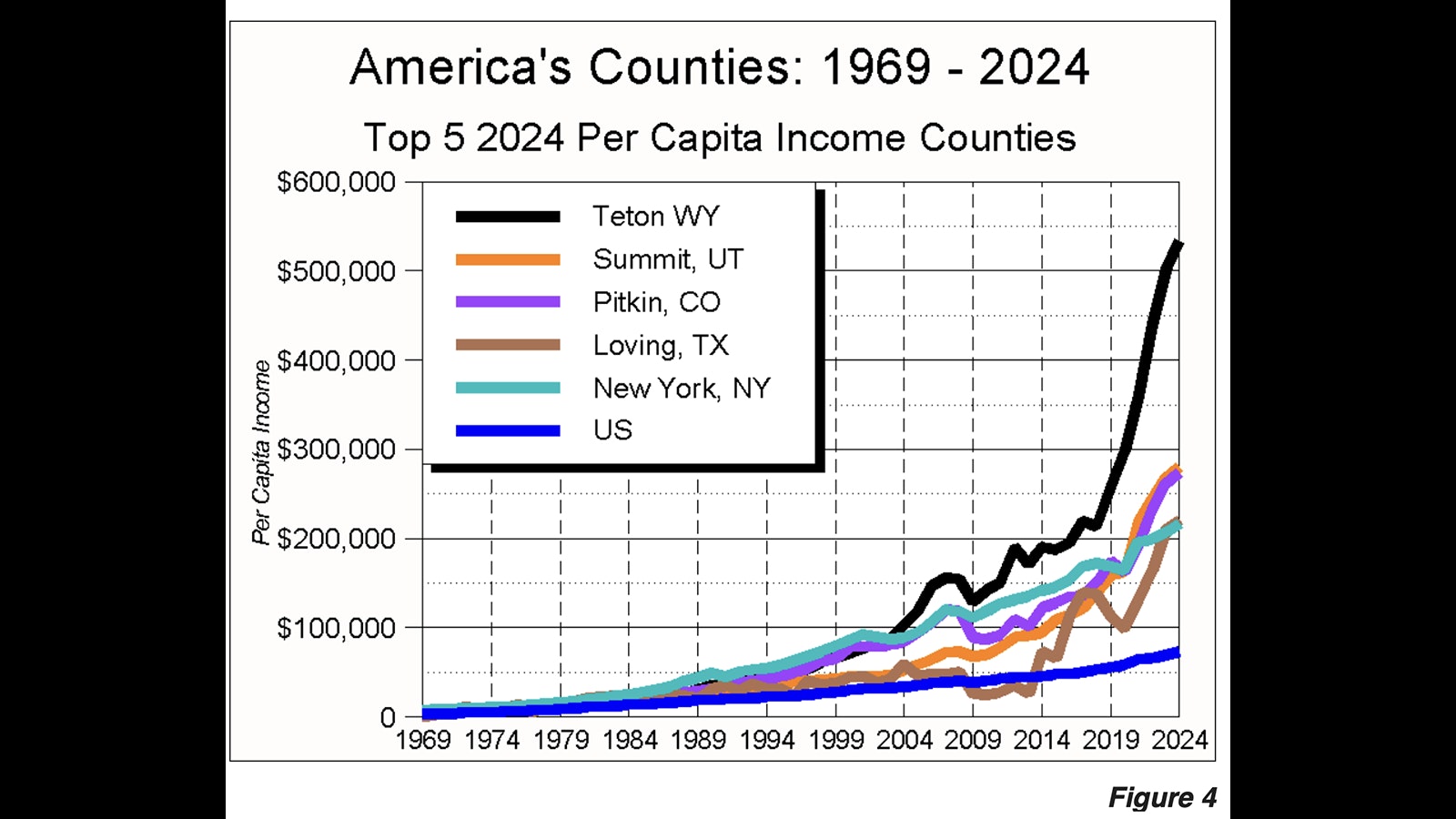
Jackson Councilman Jonathan Schechter’s latest examination of Teton County’s eye-popping wealth statistics shows that the Wyoming county’s estimated per capita income (PCI) was $532,903 in 2024, a 6.5% increase over 2023.
The figure is more than six times greater than the national average of $73,204 over the same period. It’s also twice the $280,510 PCI of the next wealthiest, Summit County, Utah.
Meanwhile, it’s a little more than $500,000 above the county with the nation’s lowest PCI — $26,119 for Wheeler County, Georgia.

What Are People Doing To Make Half A Million A Year?
Shortly after Schechter sent Teton County’s latest wealth figures out in his CoThrive newsletter, he was having dinner with a few friends, and they were talking about the numbers.
“We looked around the table and figured that the four, five of us weren’t earning that much between us,” he told Cowboy State Daily. “So that really never ceases to amaze, bit at this point it just isn’t surprising.”
Schechter wondered what people were doing to make that much wealth in a single year, so he did another deep dive into the numbers to understand that as well.
About 77% of Teton County’s total income came from investment income, his analysis found — another figure that is higher than in any other county. It works out to a per capita figure of $411,446.
The next highest county earned 68% of its total income from investments, Schechter found. Even more telling is that no other county had a per capita investment income figure of even $180,000.
Wages, meanwhile, are just 21% of Teton County residents’ total income, putting the county at 3,114 out of 3,116 Schechter examined.
Almost dead last.
Its per capita wage income of $111,642, however, is No. 10 in the nation — right on par with Silicon Valley.
Tracking right along with that 21% figure, more than 80% of Teton County residents’ total income was location neutral, reflecting that remote work is a trend that’s part of Teton County’s wealth picture.
Why Not More Of Wyoming?
Schechter has often said that Teton County is the “gateway drug” to the rest of Wyoming.
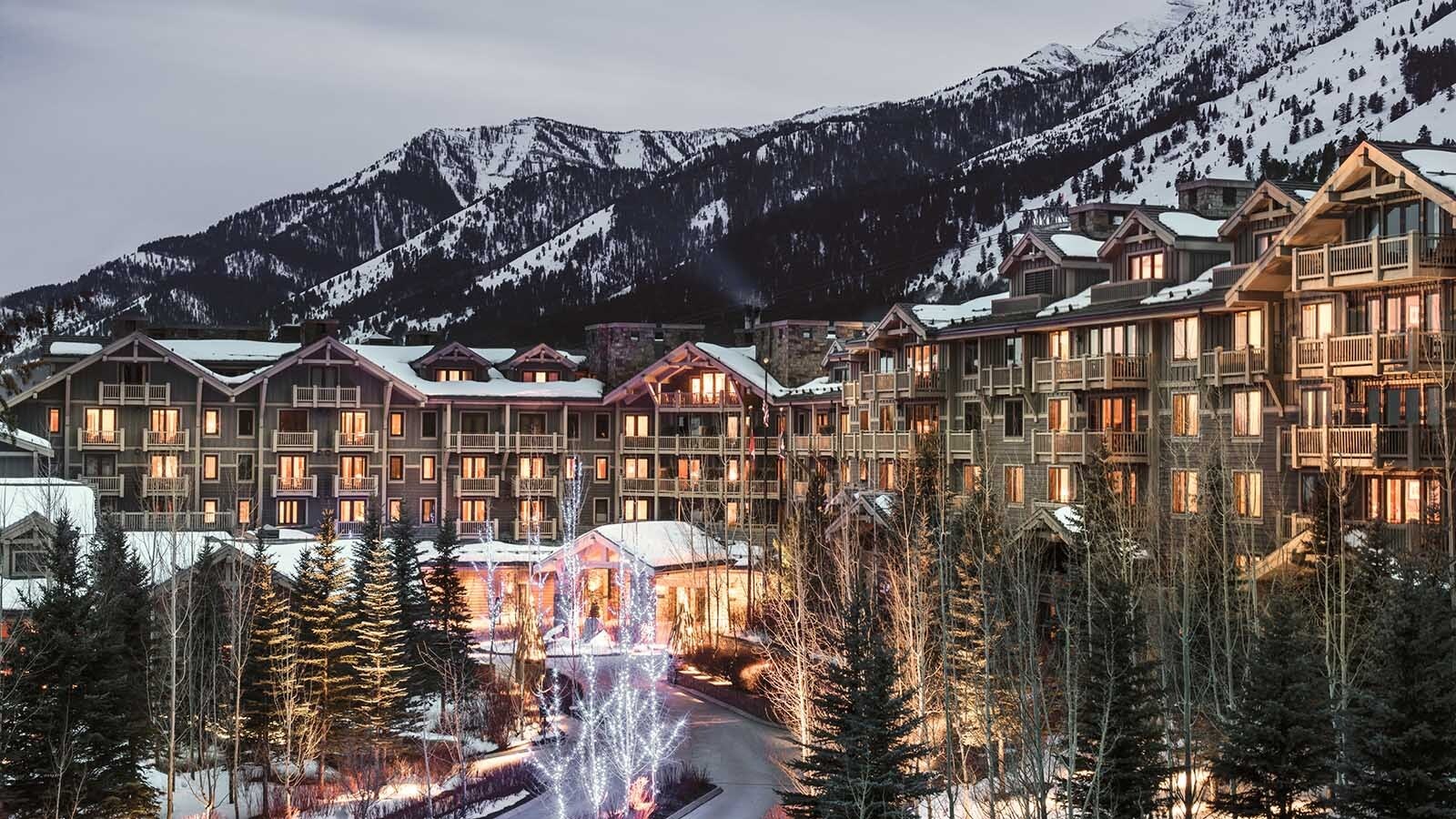
Jackson Hole lures people in, only for them to realize they can’t really afford to live there. They drift to nearby communities, where the scenery remains stunning, but homes and groceries cost less.
“The thing that’s less clear to me is why the really well-to-do are not settling in Wyoming’s other 22 counties,” Schechter said. “And that’s where the IRS migration data would be of some interest.”
One possibility is a kind of “chicken-egg” thing with lack of infrastructure. But the same tax laws apply in every county of Wyoming and, at one time, Jackson and Teton County also lacked infrastructure, said Schechter.
“If you look at the county license plate numbering, which is based on the value of the land, the assessed value, we’re 22 out of 23,” he said. “Only Sublette County was lower when that was done.
"Somehow, we managed to build these things up, slowly but surely, and then at a certain point, it started building on itself. Wealth started attracting wealth.”
Real Estate Transfer Tax?
Wyoming has, in effect, won the race to become America’s most wealth-friendly state in terms of tax policy, Schechter said. But he wonders about the upside.
Wyoming’s public coffers see little return from the billions that are flowing through high-end real estate deals in Jackson Hole.
“We’ve said to rich people, ‘Come here, live here,’ and they’ve flocked to Teton County,” Schechter said. “But it turns out that rich people have much higher maybe not needs, but certainly wants from government, because it doesn’t work for them to not have their snow, their driveway, their streets plowed first thing in the morning after a storm or whatever.”
Schechter believes it’s past time to treat real estate more like a renewable resource — similar to coal — and implement a real estate transfer tax, an idea that has been floated before, and shot down.
“Real estate is to Teton County what coal is to the rest of Wyoming,” he said. “It’s our primary resource. And wonderfully, it’s endlessly renewable, because unlike coal or oil or gas, once you pull those out of the ground, they’re gone for good. With real estate, it can just keep turning over.”
Teton County had over $2 billion in real estate sales last year. If even a small percentage of that was taxable, it would generate a significant amount of revenue for solving the problems Teton County faces, Schechter said.
“Thirty years ago, the state authorized a lodging tax, and it was structured in a way that it would only apply to Teton County,” Schechter said. “Local voters had to authorize it, so it didn’t have any effect whatsoever on the rest of the state until it did.
“Then what happened was people saw that it was a good thing, because other parts of Wyoming started to get publicized and tourism there started to take off.”
Schechter believes a similar dynamic could play out with a real estate transfer tax.
“It could easily be structured in a way that only applied to Teton County,” he said. “We could try it, and if it worked, then maybe other places could try it. But it would certainly give us a way to give back to the rest of the state in the same way that say Campbell County gives back through taxes on coal.
"To me, there’s just absolutely no threat to the rest of the state. It would be a great experiment to see to try something new and different that might help everybody.”
Contact Rene Jean at renee@cowboystatedaily.com
(Courtesy Jonathan Schechter) 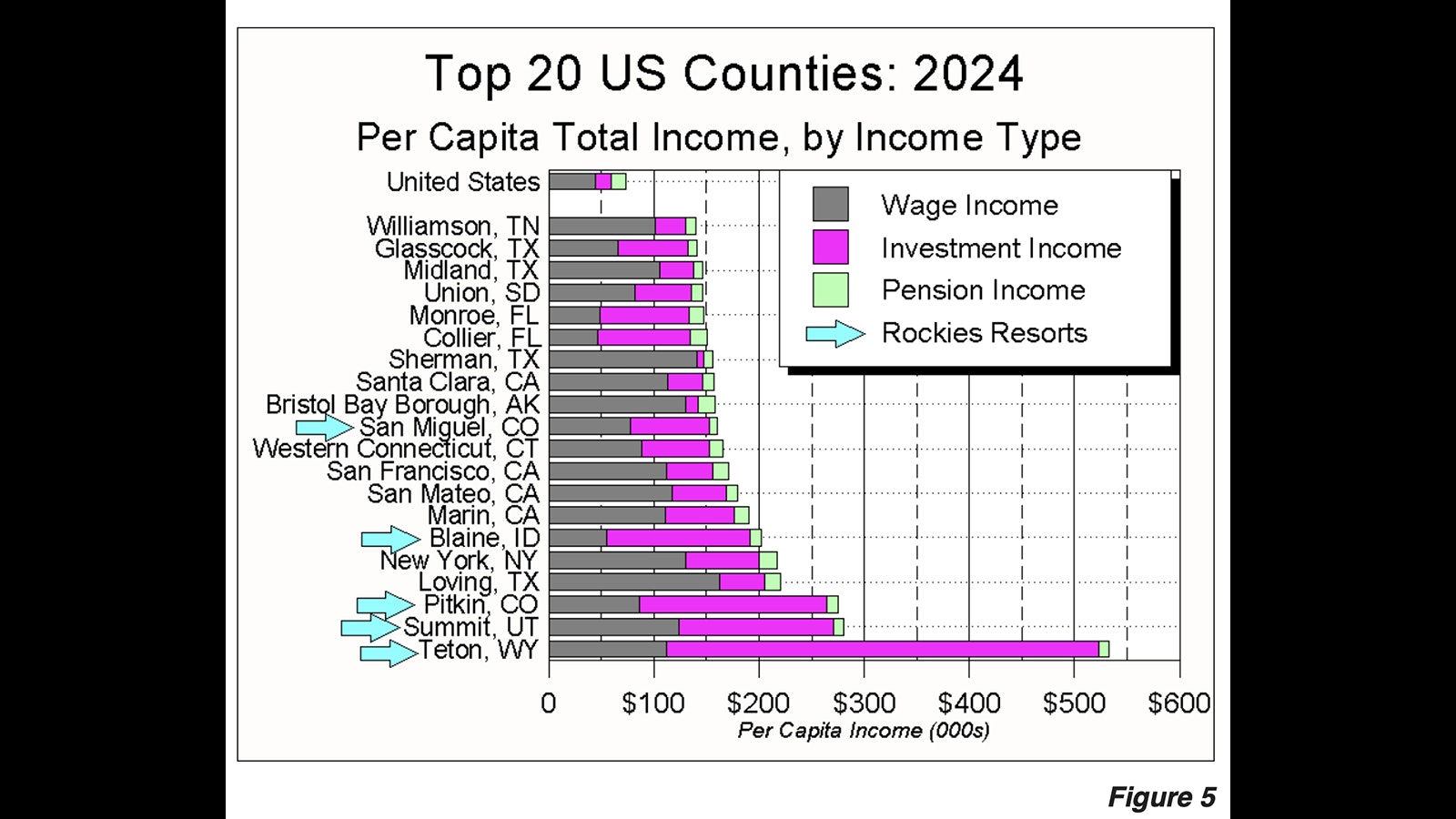
(Courtesy Jonathan Schechter) 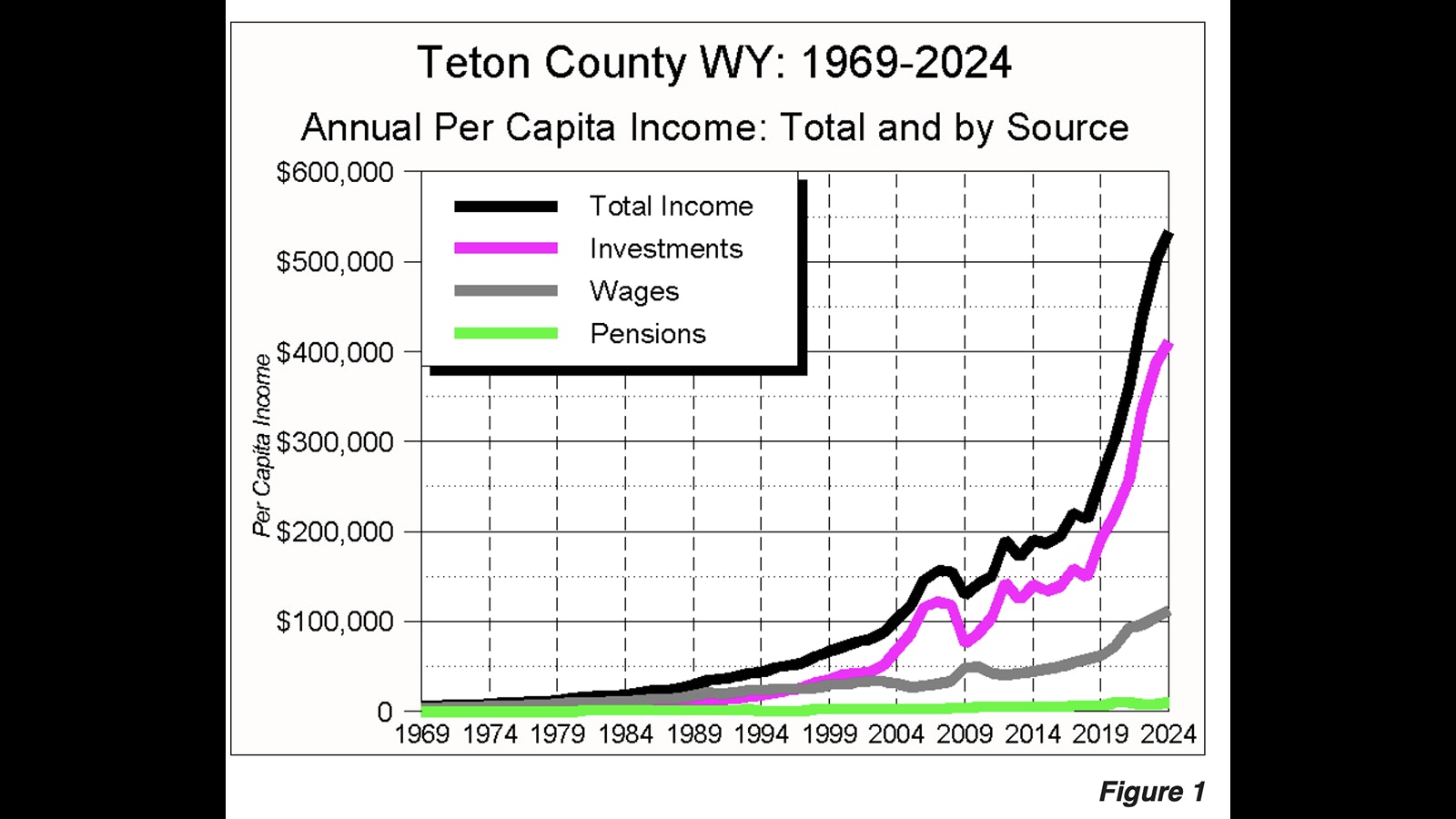
(Courtesy Jonathan Schechter)
Renée Jean can be reached at renee@cowboystatedaily.com.