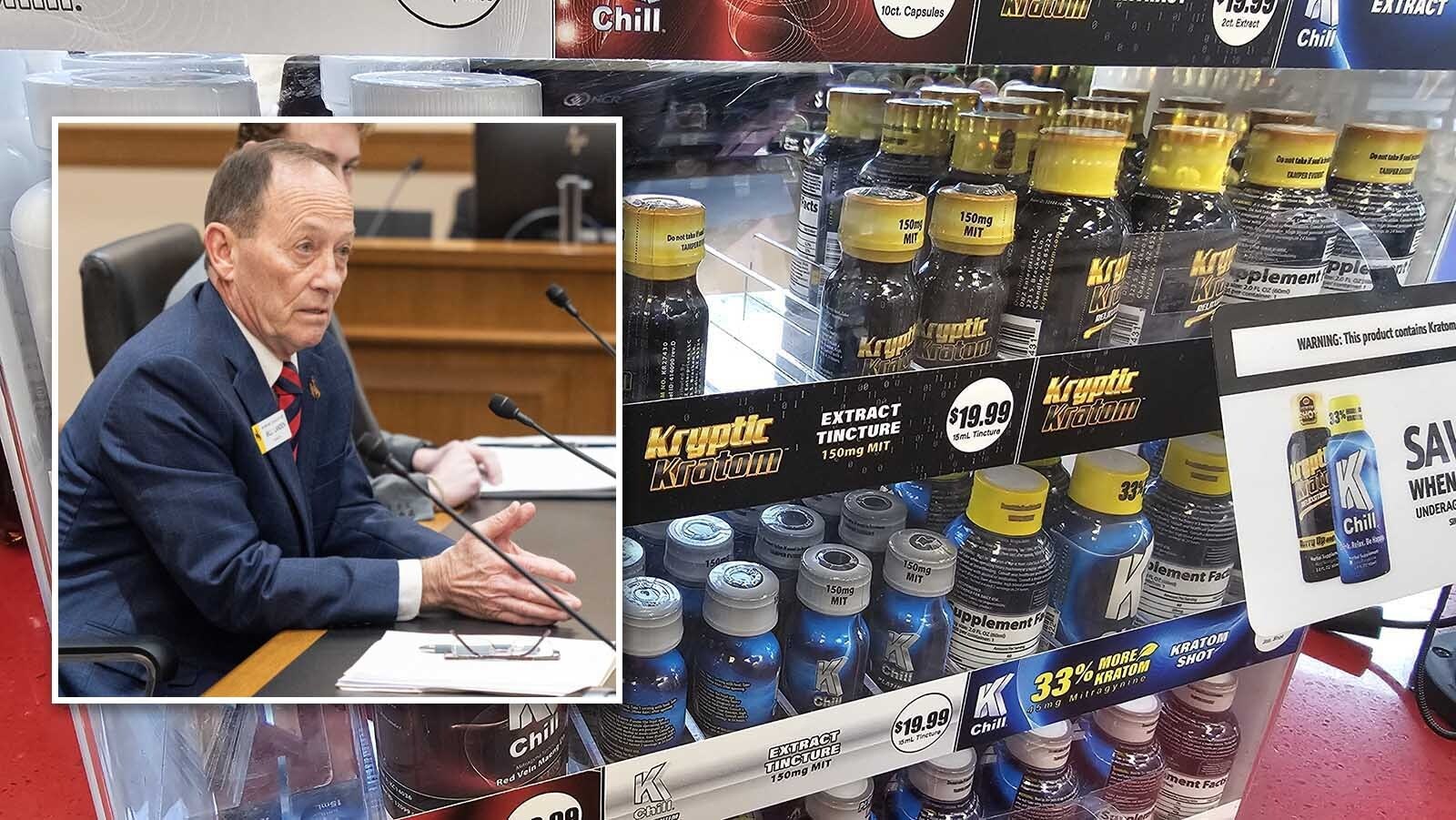
A bill to ban the delivery of kratom to people under 21 has to survive five more steps to become Wyoming law.
Kratom is an unregulated substance in Wyoming and sold at convenience stores, vape shops, grocery stores and herbal stores.
The House Judiciary Committee advanced Senate File 56 to the state House of Representatives floor Wednesday by a unanimous vote of all lawmakers present: seven aye votes and two representatives marked “excused.”
If it becomes law, the bill would impose a misdemeanor punishable by up to one year in jail and $1,000 in fines on people who knowingly manufacture, distribute, advertise, deliver or sell kratom to anyone younger than 21, or who do those acts with kratom that is adulterated or contains a drug component concentrated above 0.2%.
It would also be illegal to do those acts with a kratom product mimicking a candy or packaged in a way that appeals to children, that is intended for smoking, or does not label its source, ingredients and cautions of use.
It would send $115,000 per biennium to the Wyoming Department of Health for regulatory activity and another $24,000 to the Wyoming Department of Agriculture for testing equipment, plus $197,540 per biennium for a Department of Agriculture employee.
Legislative staffers anticipate a loss of $91,022 per biennium to the state’s coffers and $98,784 per biennium to local government revenues in sales tax dollars.
“I was today-years-old when I heard about kratom,” began Rep. Ken Chestek, D-Laramie, in a Wednesday committee debate on the bill.
Chestek addressed the testimony of Casey Patterson, drug intelligence officer for Wyoming, who had described overdoses and limited remedies for overdoses, as well as serious side effects from misusing the drug.
“From your description of this substance it seems pretty dangerous and pretty scary,” said Chestek. “Why are we just hearing about it now? Why hasn’t the federal government taken action?”
The U.S. Food and Drug Administration has issued warnings on kratom, but the product is not banned at the federal level.
Patterson said that at lower doses, kratom acts as a stimulant. But at higher doses it behaves like an opioid and has a depressant effect and can subdue the respiratory system.
The chemical attaches to opioid receptors in the brain. Fentanyl and morphine attach to both prongs of a certain brain receptor, said Patterson, while kratom attaches — much more strongly — to just one prong in that same receptor.
“So that’s why it takes more naloxone to release that chemical and allow the body to begin breathing again,” he added, referring to the drug used to reverse drug overdoses.
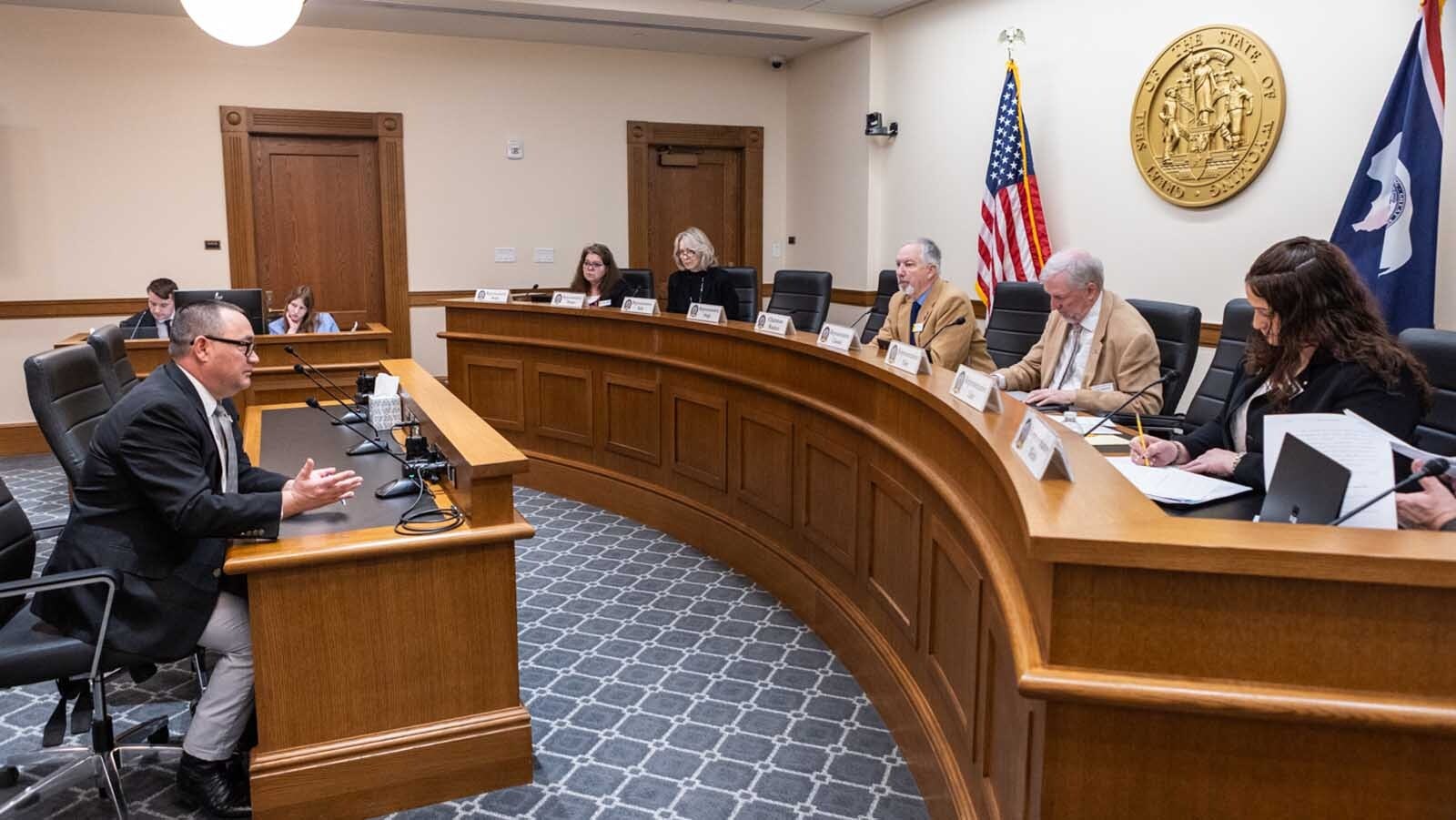
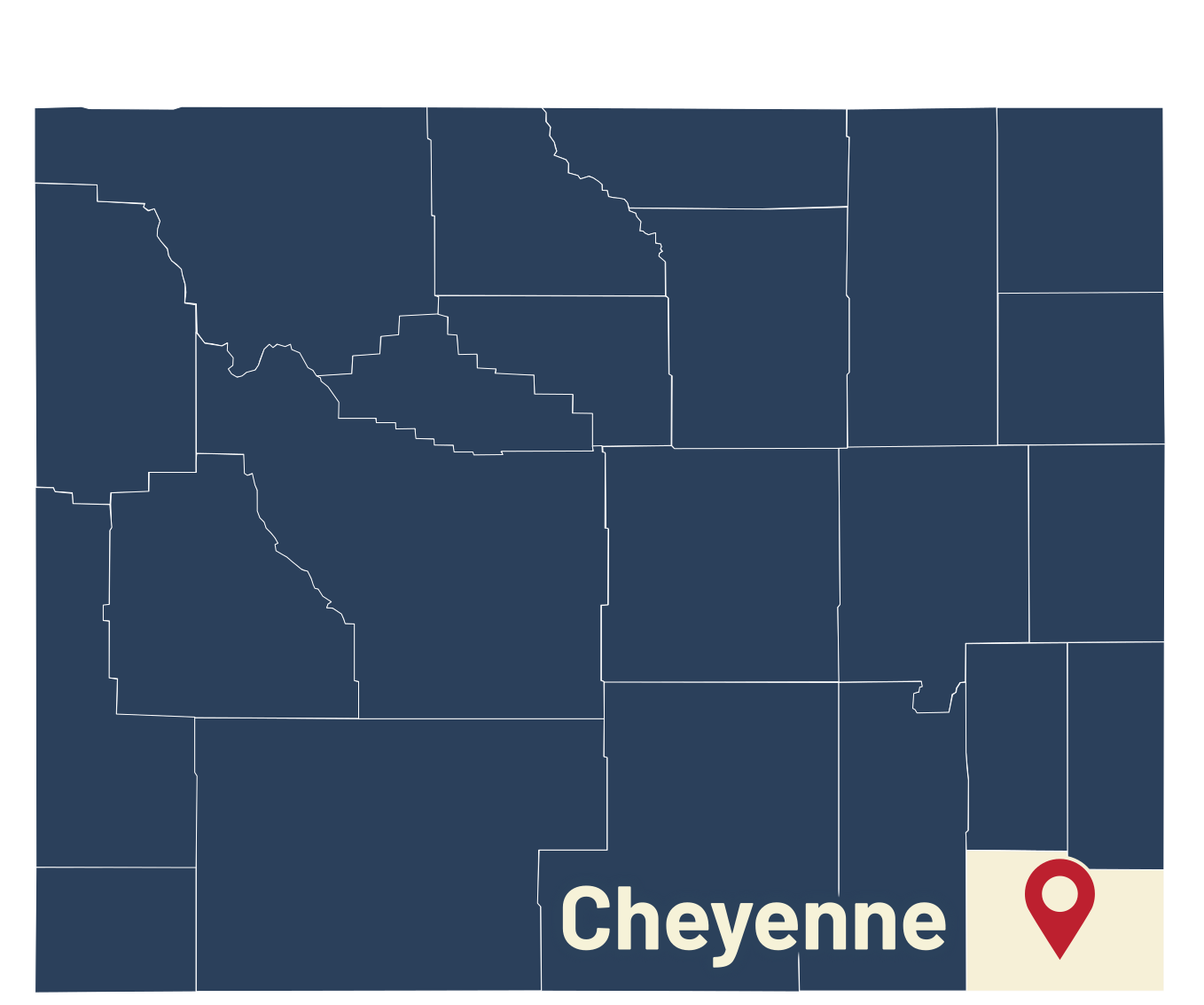
Doug Miyamoto, director of the Wyoming Department of Agriculture, testifies at the House Judiciary Committee Meeting on the kratom product regulation bill on Wednesday, Feb. 25, 2026, at the Capitol in Cheyenne. (Matt Idler for Cowboy State Daily) 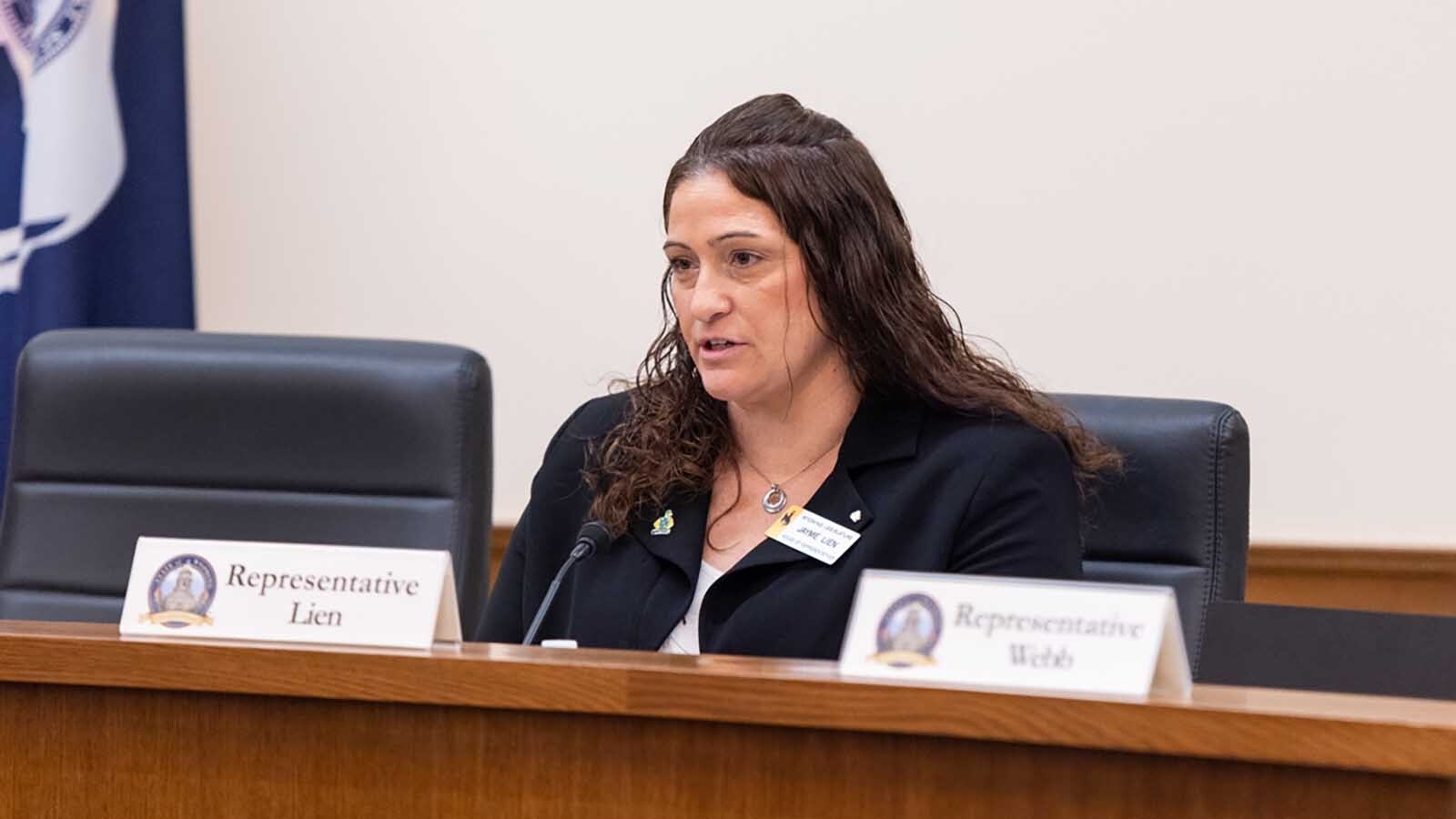
Rep. Jayme Lien, R-Casper, on the House Judiciary Committee Meeting during testimony on the kratom product regulation bill on Wednesday, Feb. 25, 2026, at the Capitol in Cheyenne. (Matt Idler for Cowboy State Daily) 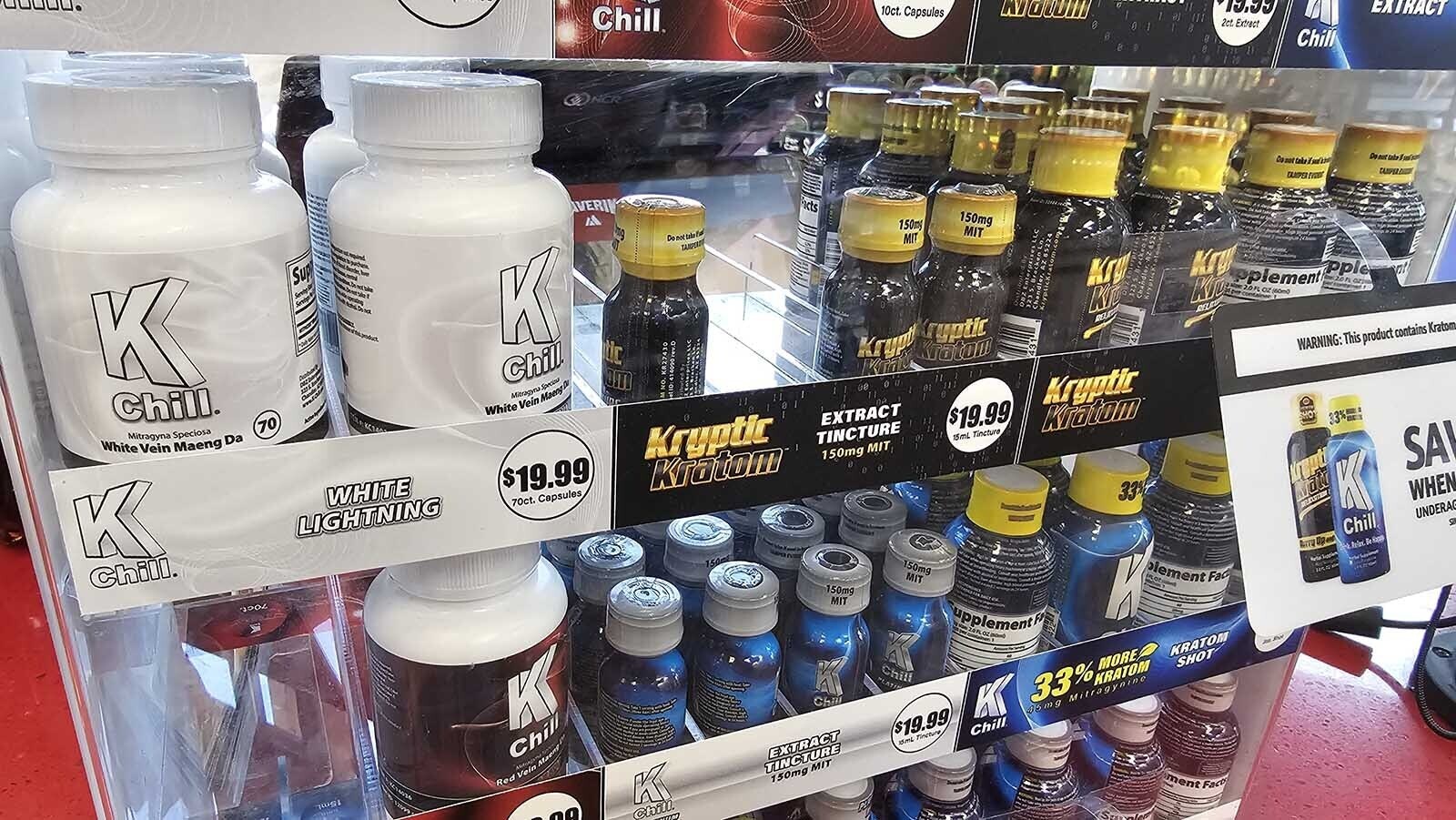
Kratom products for sale at a Cheyenne convenience store. (CSD File)
'Panic And Mania'
Other people testified in favor of the bill, and many of those said they’d prefer it to be an outright ban rather than an age restriction.
One of those was Sara King, a patrol deputy for the Teton County Sheriff’s Office.
King said she’s found kratom on impaired drivers, heard of it in treatment programs and as a drug court administrator, and has seen probationers use it to avoid their probationary ban on drug use and to dodge urine analyses that don’t always catch it.
She also said her former husband suffered from addiction to kratom, and when he underwent withdrawals, he didn’t know who she was or who he was.
He endured “panic and mania,” said King.
Another woman who described herself as a kratom user, Sarah Ress, told the committee she supports the age restriction but not an outright ban. Many people who use it are women who find mental health or pain management benefits in it, she said.
Ress related anecdotally from vendors that veterans also comprise a large user group. She said convenience stores selling it in the Cheyenne area already age-limit to people over 21.
Sen. Bill Landen, R-Casper, said he brought the bill because he was hearing from Wyoming coroners that the drug was cropping up in relevant toxicology readings in deaths and suicides.
Fremont County Coroner Erin Ivie confirmed Wednesday to Cowboy State Daily that she is concerned about kratom.
“Yes, I have concerns about the use and abuse of mitragynine products — the active substances in kratom,” said Ivie in a text message.
The substance caused or was related to Fremont County deaths last year, she said.
“It is also highly addictive and at high doses, can cause death,” added Ivie.
To become law, SF 56 must survive three readings in the state House of Representatives, Senate approval of any changes the House makes, and the governor’s desk.
Clair McFarland can be reached at clair@cowboystatedaily.com.