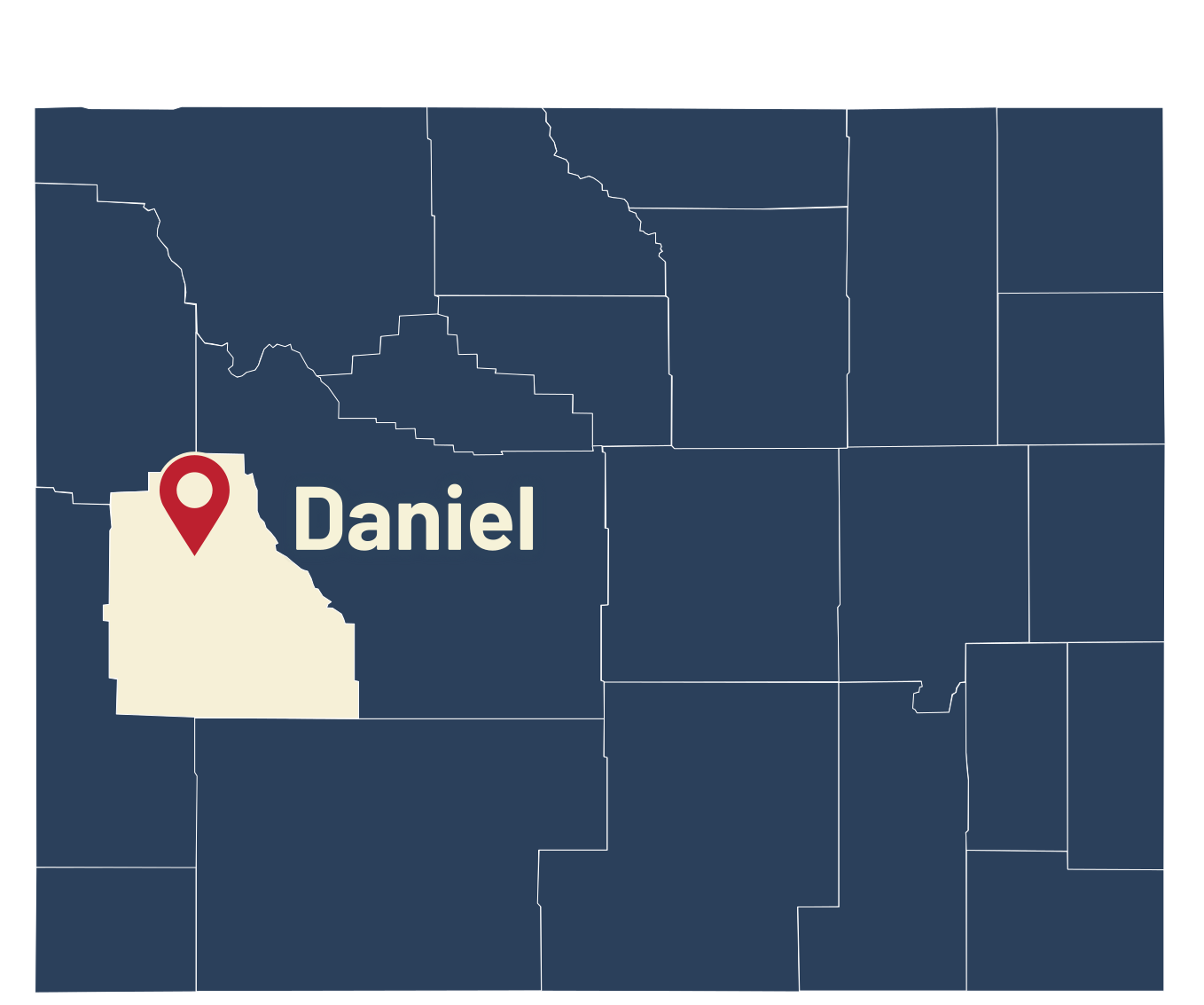
A Daniel, Wyoming, man accused of torturing a wolf two years ago has signed a plea agreement.
That means Cody Roberts no longer seeks to defend his case against the felony animal cruelty charge for which he was slated to go to trial March 9 in Sublette County District Court.
The defendant in a case that has generated global headlines and significant outrage, Roberts, 44, was indicted last August by a grand jury. Felony animal cruelty carries a penalty of up to two years in prison and up to $5,000 in fines.
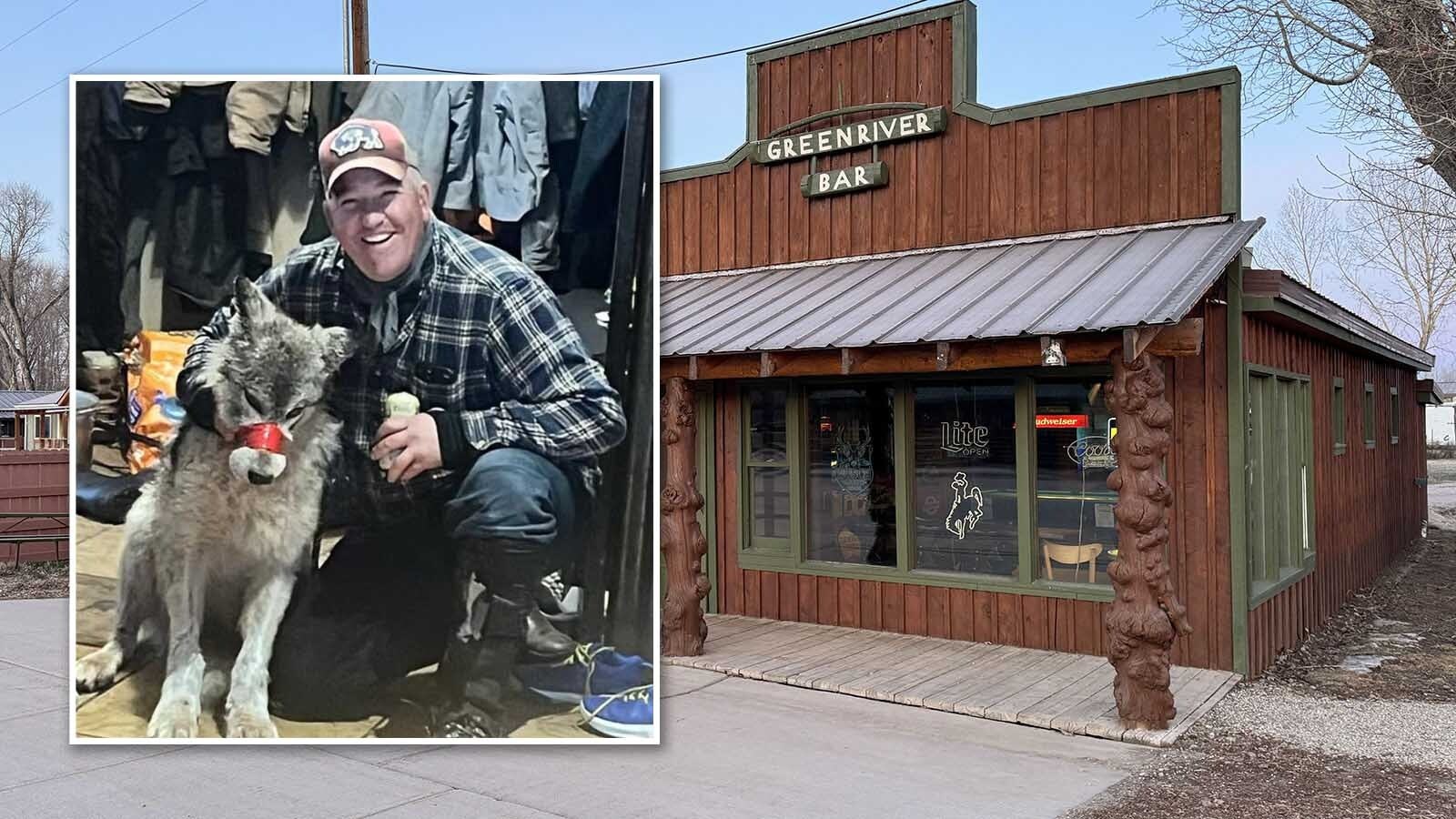
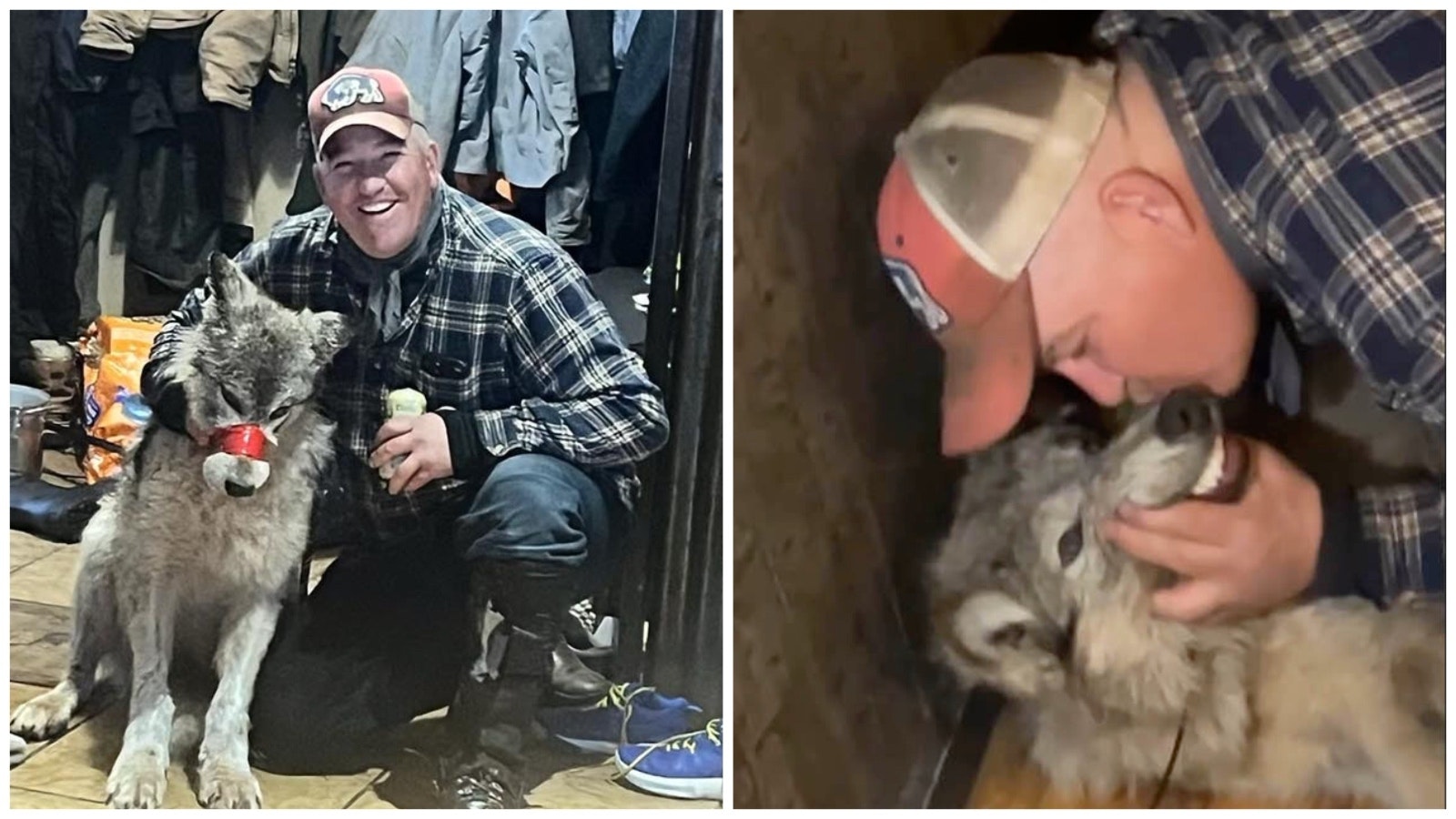
The indictment followed claims that Roberts ran over a wolf with a snowmobile, brought it injured and muzzled into a bar in Daniel, taunted it and later killed it.
He originally paid a $250 fine for possessing wildlife.
The citation was from a part of law that doesn’t actually match the nature of the allegations, however, which could be one of the reasons Roberts’ felony case didn’t fall to a double jeopardy issue. The other is that the citation and felony charge contain different elements.
It's unclear when Roberts could be sentenced. If the court chooses, he may change his plea at his upcoming March 5 pretrial hearing.
Terms
The terms of the plea agreement, which Roberts signed Feb. 18 and which was filed in Sublette County District Court on Wednesday, say that he can change his plea either to guilty or no contest to the felony charge.
Whether a no-contest plea is allowed is generally up to the judge’s discretion.
In exchange, both Sublette County Attorney Clayton Melinkovich and Roberts’ defense attorney, Robert Piper of Coal Creek Law, will recommend an 18-month probation term with stringent and specific conditions, and a $1,000 fine.
If Roberts fails probation, he could face between 18 months and two years in prison, and pay another $4,000 in fines.
The plea agreement says he’ll also pay normal court costs and fees, including a $300 victim compensation surcharge.
The terms of probation upon which both prosecutor and defense have agreed are:
• No hunting, including shed hunting, and no fishing, “whatsoever, for the entirety of probation.”
• No alcohol or entering bars, liquor stores or lounges.
• Follow all recommended treatment.
• Other standard probation conditions at the court’s discretion.
Roberts “shall book and release” in jail as part of his plea. He must remain law abiding in all regards while awaiting sentencing and sign a waiver of extradition.
If Roberts violates his bond conditions or plea agreement, Melinkovich can revoke the agreement, the document says. In that event, Roberts couldn’t revoke his guilty or no-contest plea.
He agrees, under the bargain, not to file an appeal.
And if the case judge, Sweetwater County District Court Judge Richard Lavery, rejects this agreement, Roberts can undo his plea and go to trial, or strike a new plea agreement.
Lavery is serving in the Sublette County court since its judge, Judge Kate McKay, recused herself from the case.
As a convicted felon Roberts would lose his gun and voting rights.
This Saga
The incident with the wolf exploded into international headlines, sparking outrage across the globe from sportsmen and animal rights activists, and it put both the Wyoming Game and Fish Department and Wyoming’s wildlife management laws under a microscope.
Melinkovich had sought to wage a more serious prosecution in the case in 2024, but struggled with the evidence he had at the time, he told Cowboy State Daily in an August phone interview.
“It took so long because evidence needed to be processed,” Melinkovich said. “We finally got all the evidence back from processing in November (2024).”
The prosecutor didn’t think it made sense to undertake grand jury proceedings over the holidays, he said.
As January turned to February 2025, a compound bow murder diverted his focus, Melinkovich added.
He requested the grand jury in June, and it convened in the second and third weeks of August, Melinkovich said.
Doxxed
As to why Melinkovich called the grand jury rather than launching a charge on his own probable cause narrative of the evidence, Melinkovich indicated there wasn’t enough evidence for that.
The investigation had stalled prior because people didn’t want to talk to law enforcement, he said.
“I speculate that (silence) is because of such national and international pressure, and people’s fear of being doxed if people knew they knew information — or were (in the bar) that night,” said Melinkovich.
Witnesses generally don’t have to talk to law enforcement, but a grand jury can subpoena people and make them talk, with some Constitution-based exceptions.
He declined to say whether those reticent sources produced the missing pieces this month, saying that would disclose the confidential grand jury witness testimony.
Though already penalized, Roberts can still be charged with a different law for the same conduct — if the newer charge differs enough in its elements from the citation to satisfy a judge that Roberts’ right against double jeopardy isn’t being violated.
Legal Arguments
Roberts’ attorney, Robert Piper, argued in court last month that Wyoming’s exception to its animal cruelty statute — rendering immune from prosecution acts of hunting, capture, killing and destruction not otherwise prohibited by law — should block Roberts from being prosecuted.
Lavery later denied that motion.
“I tend to think the defendant’s broad definition of the predator exception goes too far,” said Lavery at the time. “It just seems a bridge too far to say the state can’t pursue a case that constitutes torture or torment to an animal (under that exception).”
That echoed in part Melinkovich’s argument that Roberts’ encounter with the wolf was not one long capture, and that the portion of law during which Roberts allegedly behaved cruelly was a “possession” of the wolf, which isn’t a carveout under the law.
March 9 Trial
Lavery was planning a trial.for March 9.
Lavery said he wanted to seat 31 jurors, from a candidate pool of 100, and to have counsel interview them at the local library to accommodate everyone.
That’s 12 deliberators, one alternate as usual and another nine alternates each for the prosecutor and defense. He wants to hold jury selection in a library to accommodate both the juror candidates and a potential public crowd, he said.
Upend Wyoming's Laws
The argument last month hinged upon whether Melinkovich’s theory — that Roberts committed an act of cruelty not allowed by law and not covered by the exceptions — would upend Wyoming’s laws allowing wildlife hunting sports that could cause an animal to suffer.
Piper gave examples like trapping, bow hunting and black powder rifle hunting.
Amid testimony over this case, the state Legislature added a ban on torturing wildlife to its animal cruelty statute last year.
Piper argued that this act shows that the law didn’t cover Roberts’ conduct already.
Roberts captured the wolf in late February 2024, before the law was changed, reportedly.
State Of Mind
Melinkovich countered in his argument, saying his interpretation of the law and decision to pursue a felony case on that don’t jeopardize hunting and trapping in Wyoming.
That’s because the state’s definition for torture or torment includes a state of mind, he said.
The definition calls torment and torture “every act, omission or neglect whereby the willful and malicious infliction of pain or suffering is caused, permitted or allowed to continue when there is a reasonable remedy or relief.”
To torture an animal illegally, a person must harbor willfulness and malice toward that act in his mind, Melinkovich said.
“There’s nowhere any risk whatsoever, that a person hunting, lawfully hunting, can be subject to these statutes - because the intent is not there,” added the prosecutor.
Clair McFarland can be reached at clair@cowboystatedaily.com.