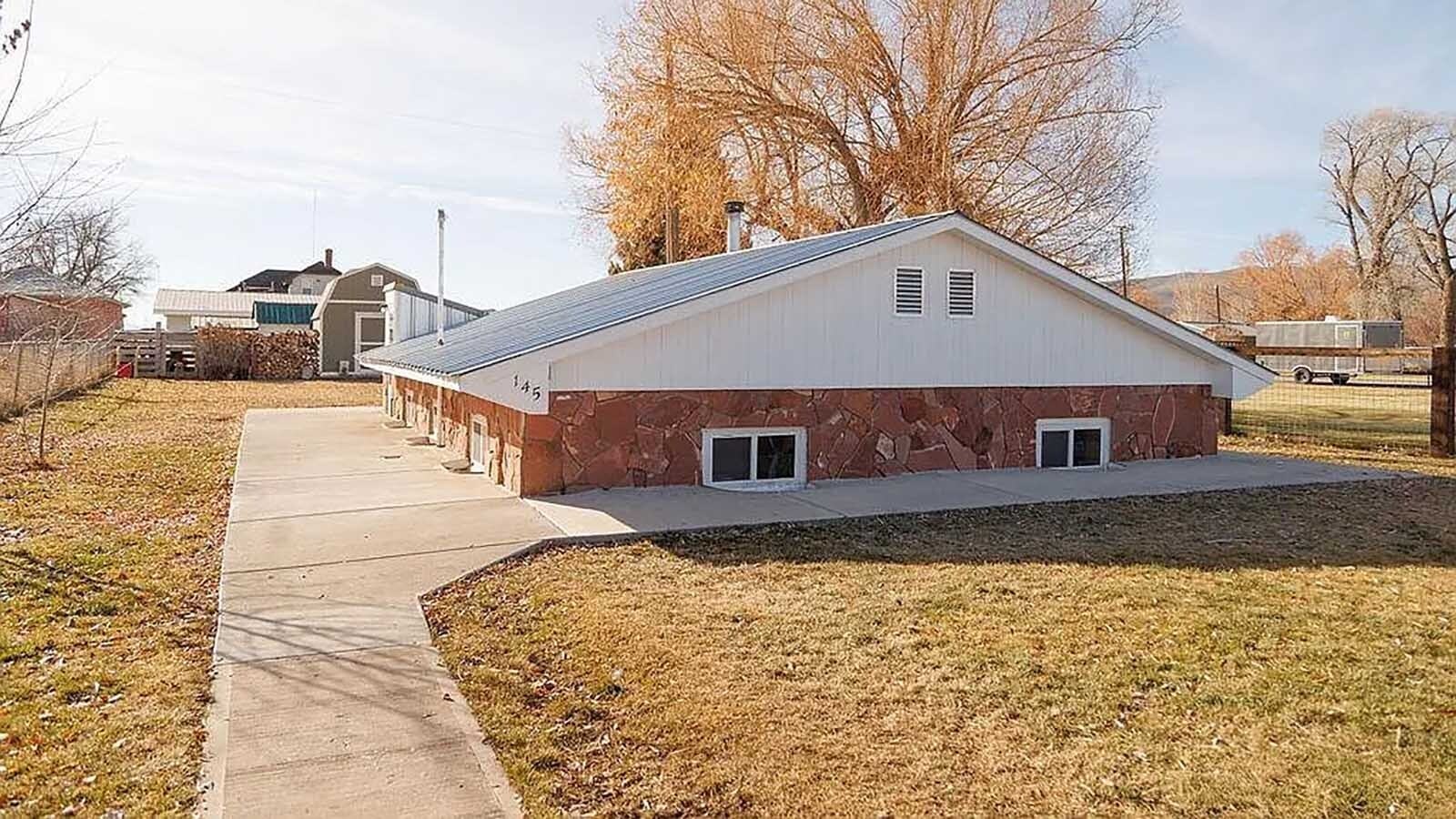
The house looks like someone was going to get around finishing it someday.
That never happened for the original owner — and those who came after — of this starter basement home in Cokeville, Wyoming, which was recently highlighted by Zillow Gone Wild on its Reddit channel.
Zillow Gone Wild has made a name for itself since appearing in 2020 with real estate posts that go viral either because they have some kind of quirk or are over-the-top gorgeous. The social media outlet's popularity has even spawned an HGTV series.
From the street, the Cokeville’s home does look rather obviously unfinished, earning it some bonafides for a Zillow Gone Wild posting.
There’s this huge roof sitting on top of a squatty wall that offers just enough room for a few small windows.
The roof’s highest point is about 6 feet above ground, and the wall is a little less than half of that height.
But the unique house wasn’t built for little people or anything like that.
The 1950s house was a “starter” home, in the literal sense of the word, according to listing agent Zane Erickson with RE/MAX Valley 1 Realty in Star Valley.
“It was originally built by, I think it was the Birch family in Cokeville,” Erickson told Cowboy State Dailly. “And they built it as a basement home and put a roof on it.
"Then, I think the following year, they were planning on building up on top of it.”
The current owners, meanwhile, are a young couple who have outgrown the home as is. They considered building on top of the home when they replaced its roof last year for more space.
But since the city doesn’t allow horses in the backyard — go figure — they decided instead to buy property outside of city limits, where they will have more space, fewer rules, and horses.
If you ever wanted to live in a fallout shelter, there’s a “basement home” in Cokeville, Wyoming, that checks all the boxes. The idea behind these post-World War II 1950s starter homes was to grow upward when there was enough money to go above ground. (Zane Erickson, RE/MAX Valley 1 Realty via Zillow) 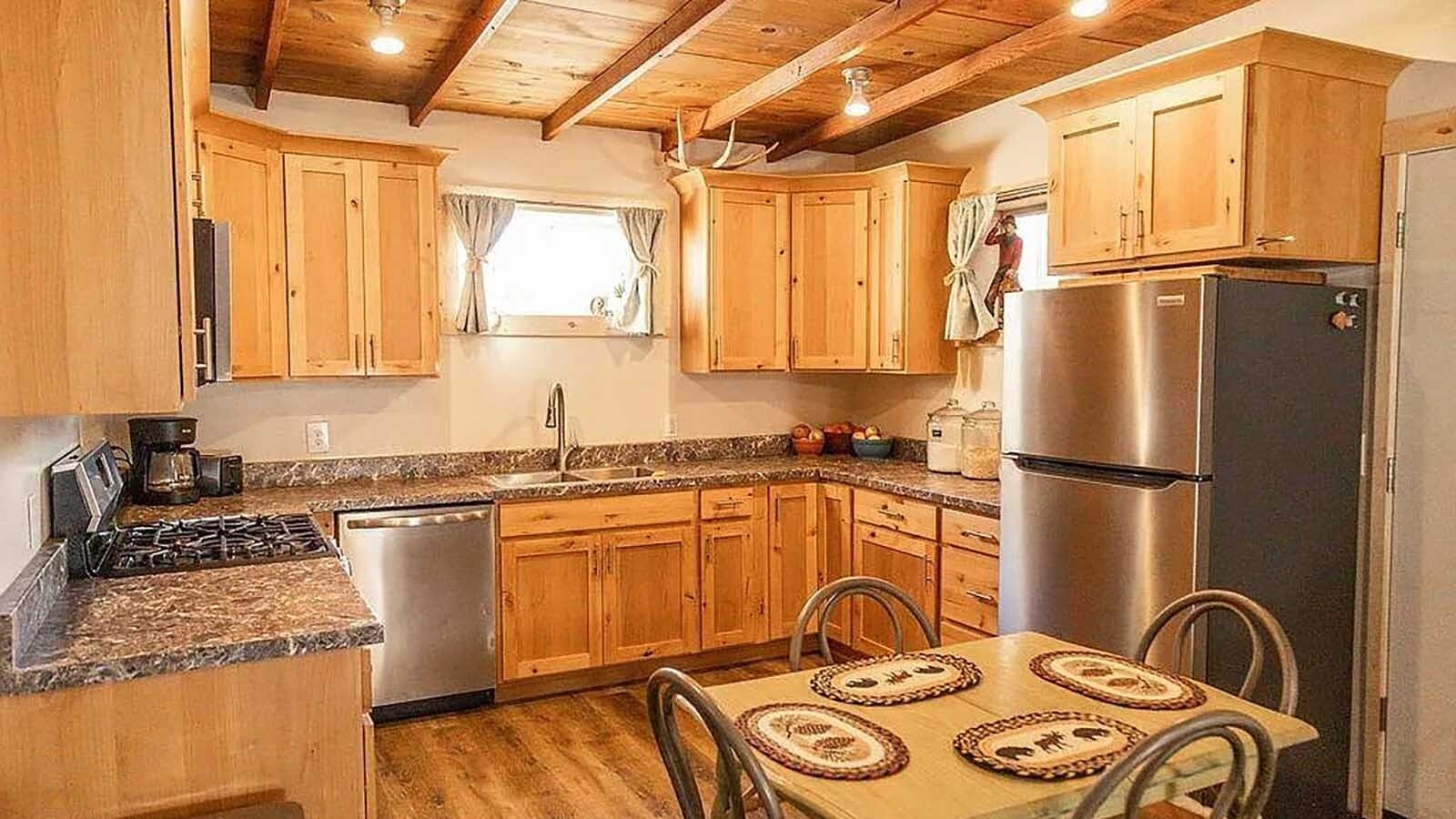
If you ever wanted to live in a fallout shelter, there’s a “basement home” in Cokeville, Wyoming, that checks all the boxes. The idea behind these post-World War II 1950s starter homes was to grow upward when there was enough money to go above ground. (Zane Erickson, RE/MAX Valley 1 Realty via Zillow) 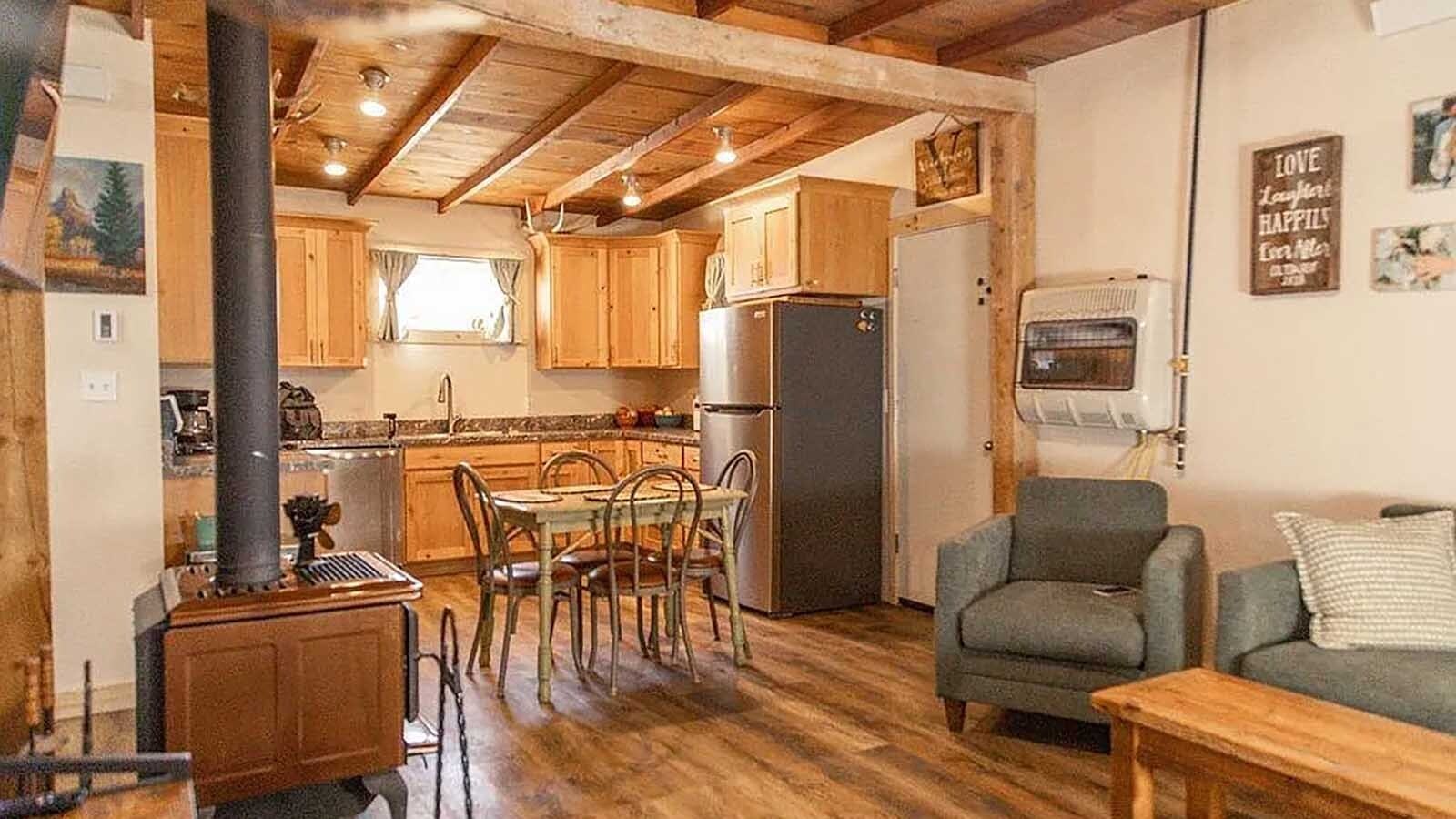
If you ever wanted to live in a fallout shelter, there’s a “basement home” in Cokeville, Wyoming, that checks all the boxes. The idea behind these post-World War II 1950s starter homes was to grow upward when there was enough money to go above ground. (Zane Erickson, RE/MAX Valley 1 Realty via Zillow) 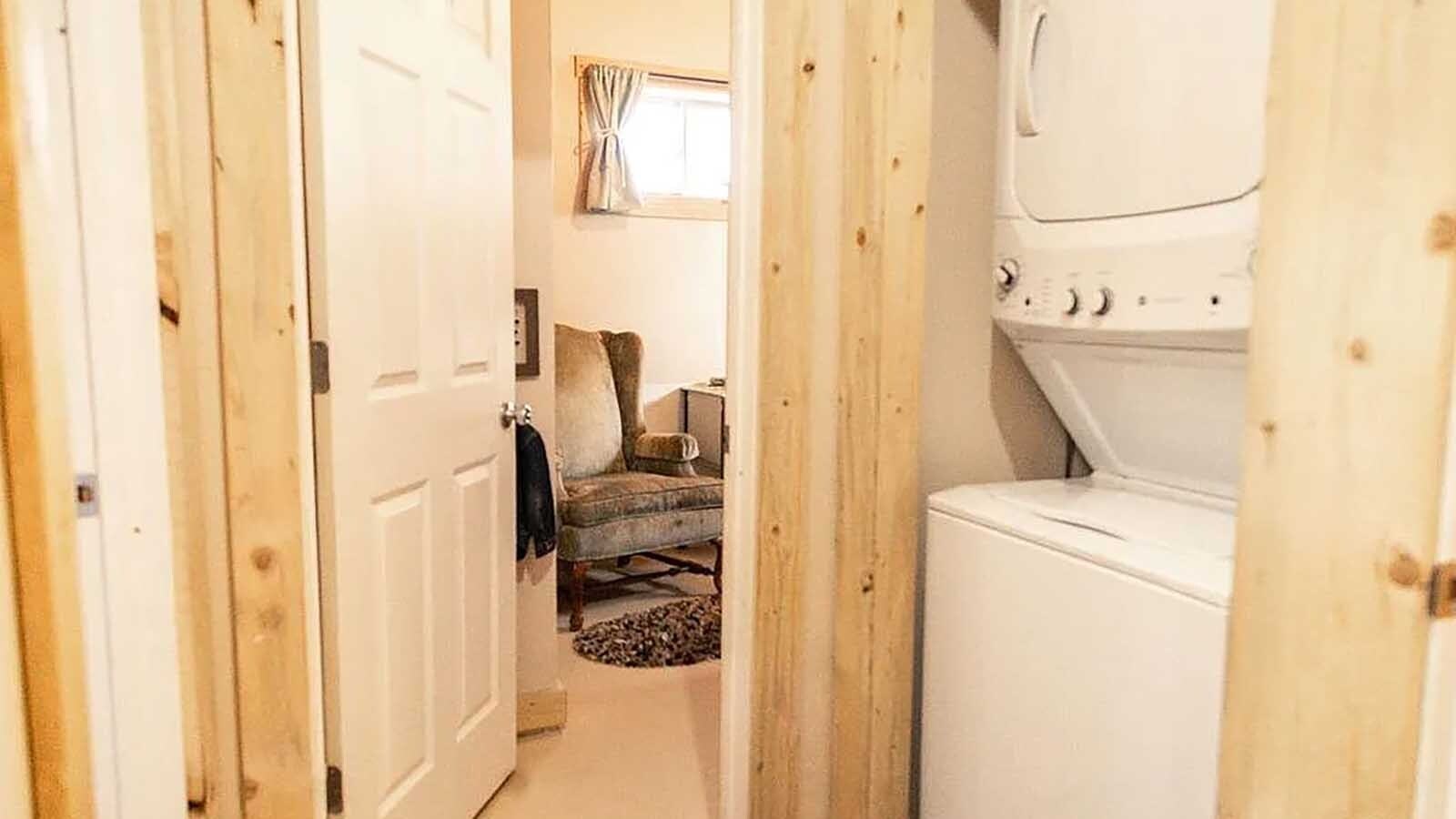
If you ever wanted to live in a fallout shelter, there’s a “basement home” in Cokeville, Wyoming, that checks all the boxes. The idea behind these post-World War II 1950s starter homes was to grow upward when there was enough money to go above ground. (Zane Erickson, RE/MAX Valley 1 Realty via Zillow) 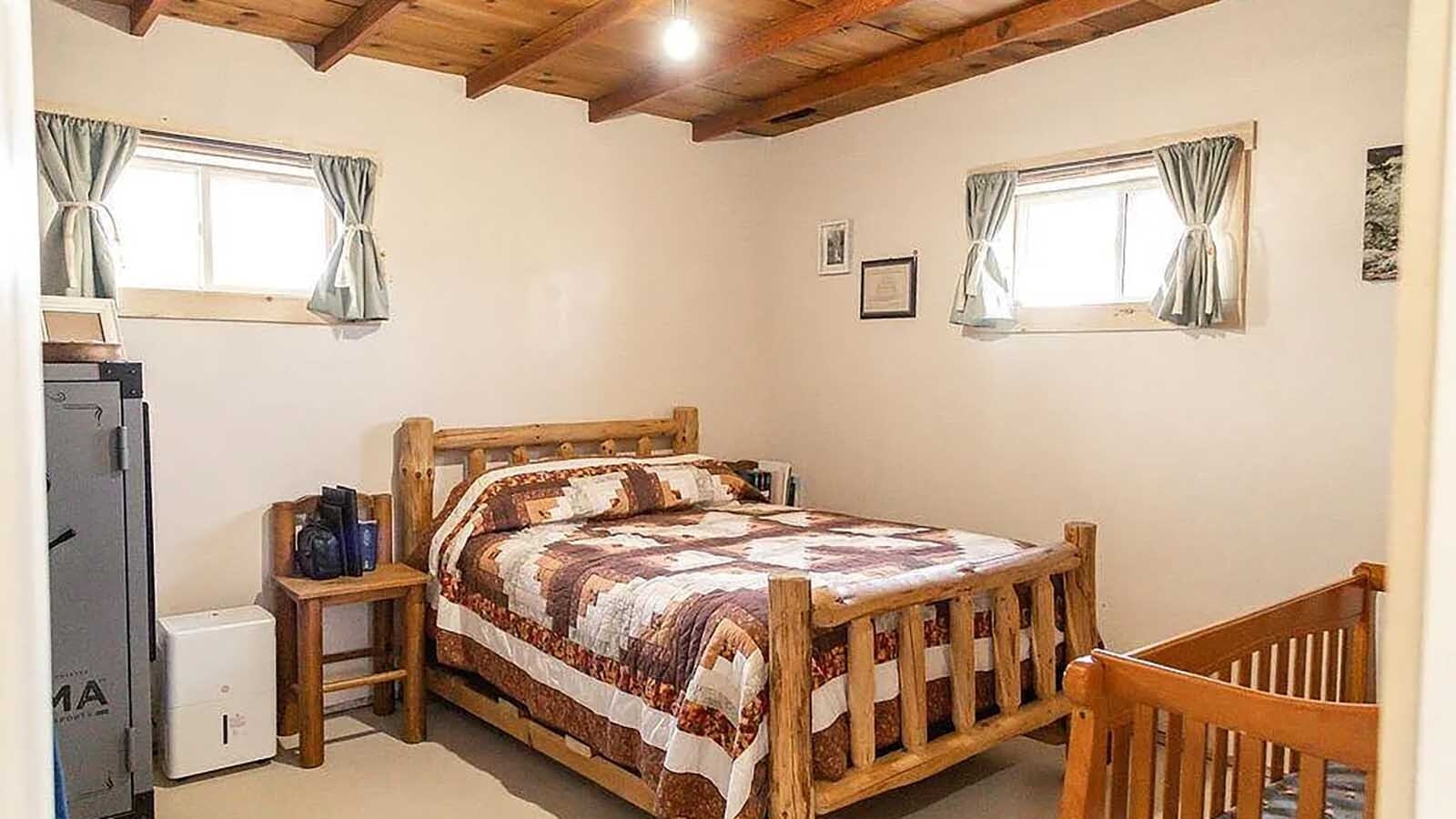
If you ever wanted to live in a fallout shelter, there’s a “basement home” in Cokeville, Wyoming, that checks all the boxes. The idea behind these post-World War II 1950s starter homes was to grow upward when there was enough money to go above ground. (Zane Erickson, RE/MAX Valley 1 Realty via Zillow) 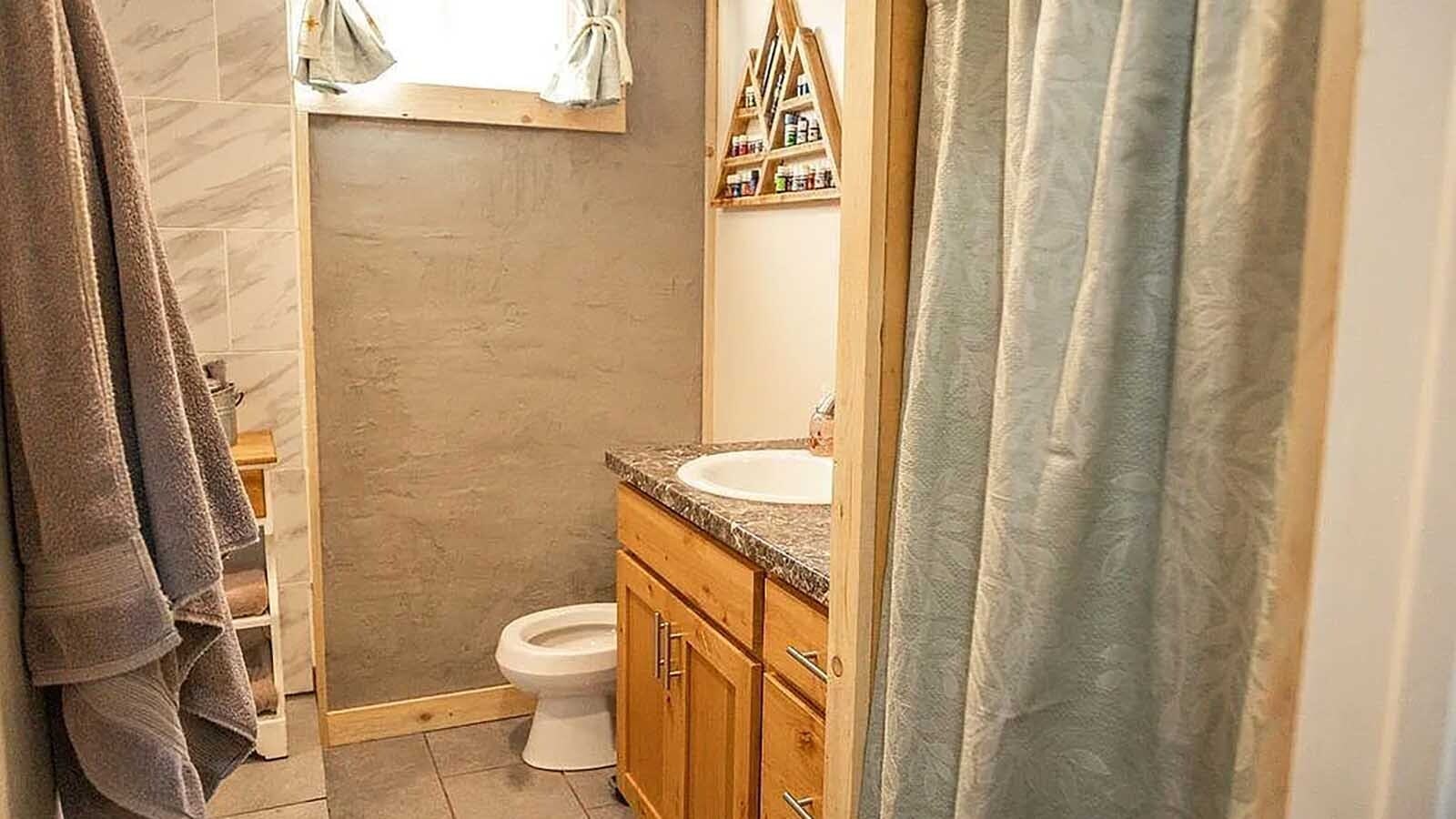
If you ever wanted to live in a fallout shelter, there’s a “basement home” in Cokeville, Wyoming, that checks all the boxes. The idea behind these post-World War II 1950s starter homes was to grow upward when there was enough money to go above ground. (Zane Erickson, RE/MAX Valley 1 Realty via Zillow) 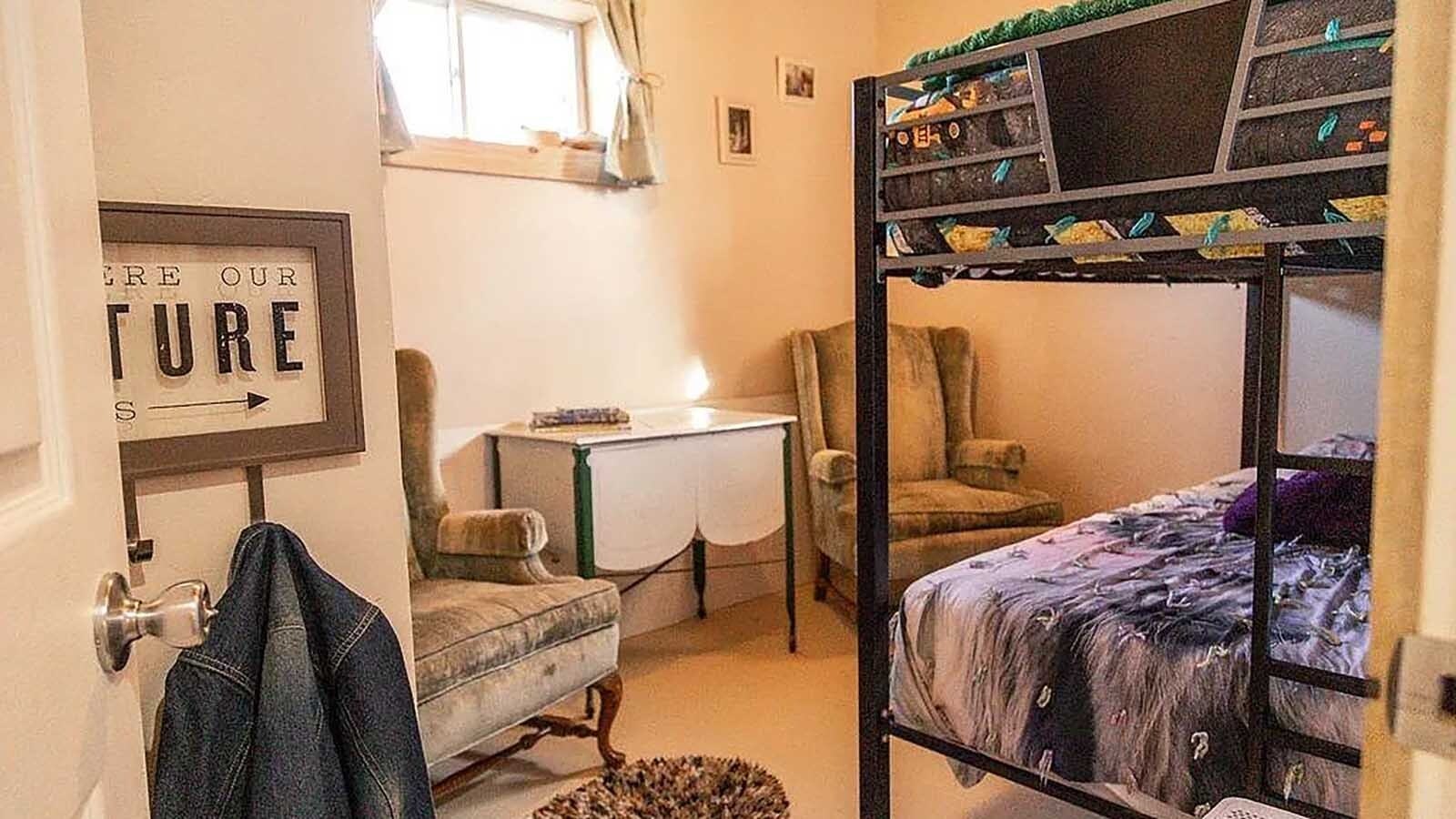
If you ever wanted to live in a fallout shelter, there’s a “basement home” in Cokeville, Wyoming, that checks all the boxes. The idea behind these post-World War II 1950s starter homes was to grow upward when there was enough money to go above ground. (Zane Erickson, RE/MAX Valley 1 Realty via Zillow) 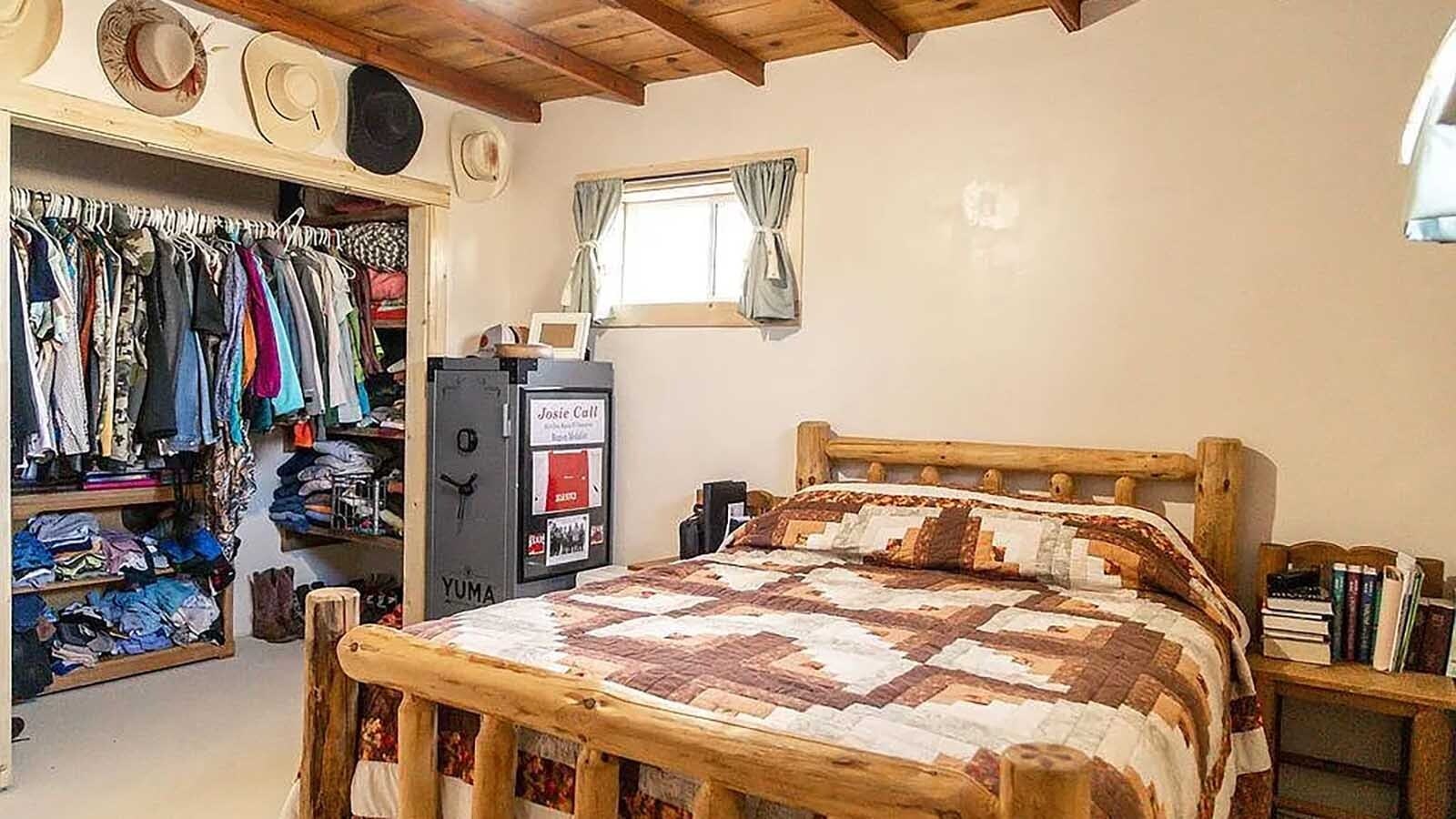
If you ever wanted to live in a fallout shelter, there’s a “basement home” in Cokeville, Wyoming, that checks all the boxes. The idea behind these post-World War II 1950s starter homes was to grow upward when there was enough money to go above ground. (Zane Erickson, RE/MAX Valley 1 Realty via Zillow) 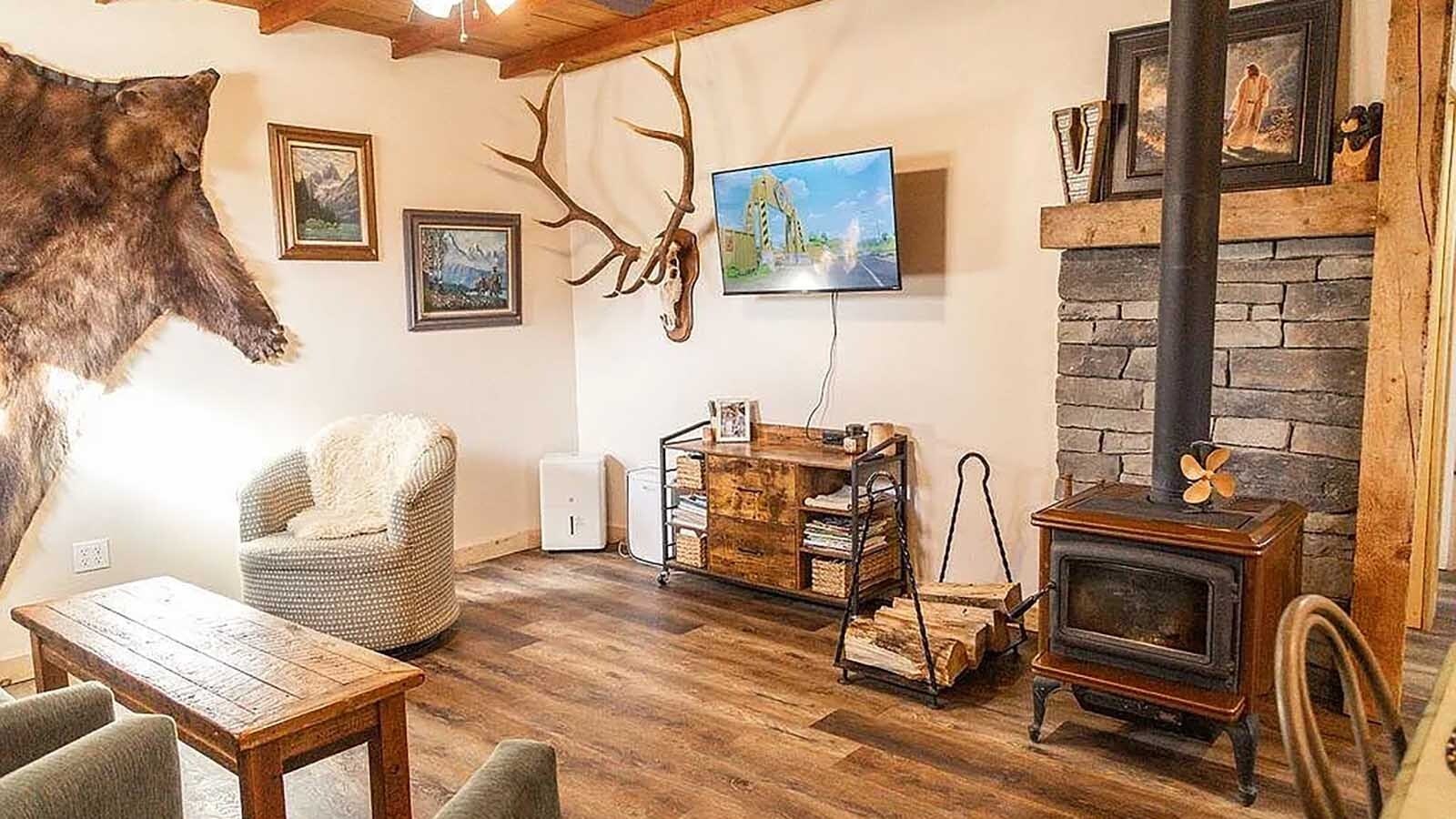
If you ever wanted to live in a fallout shelter, there’s a “basement home” in Cokeville, Wyoming, that checks all the boxes. The idea behind these post-World War II 1950s starter homes was to grow upward when there was enough money to go above ground. (Zane Erickson, RE/MAX Valley 1 Realty via Zillow) 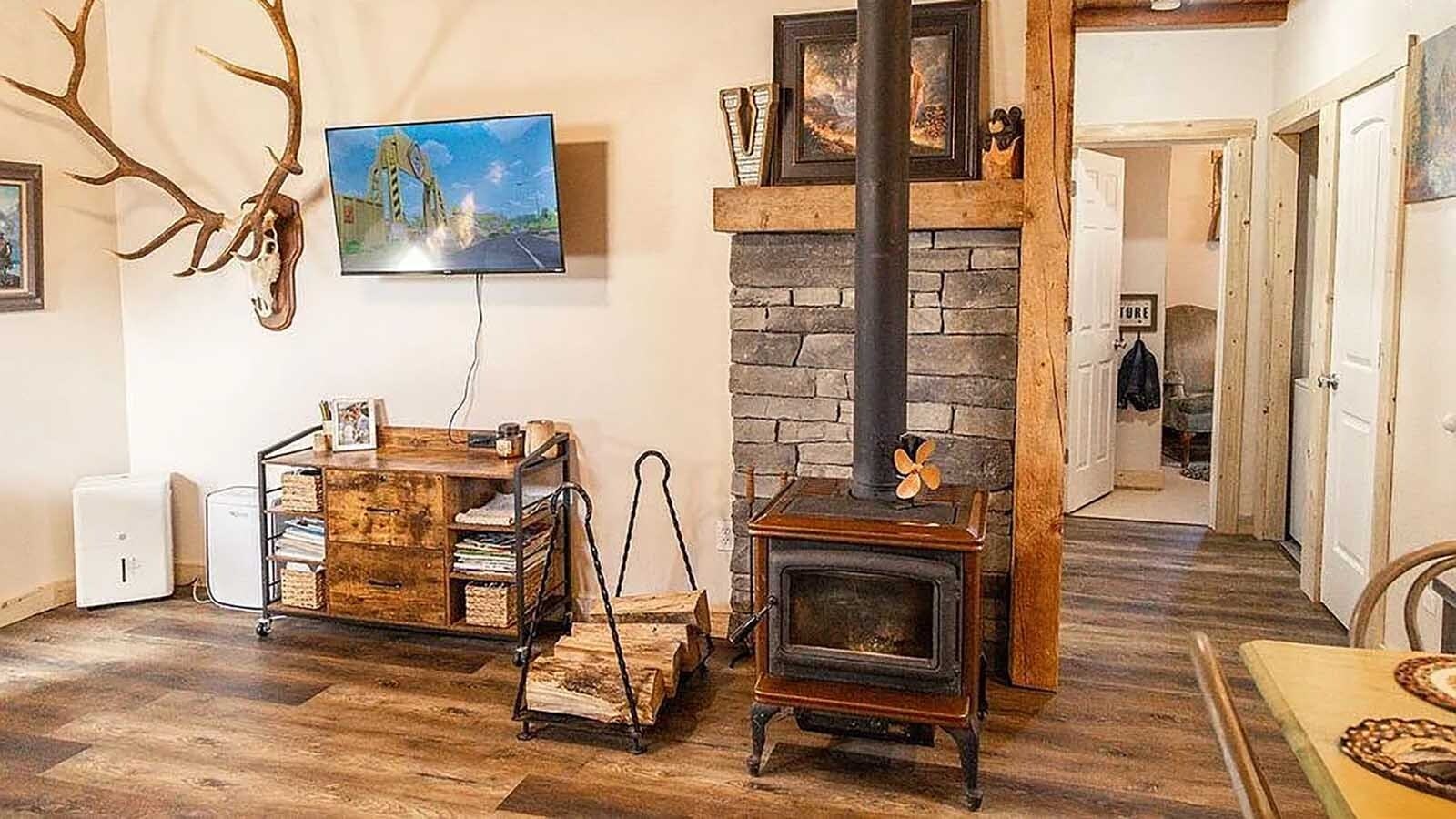
If you ever wanted to live in a fallout shelter, there’s a “basement home” in Cokeville, Wyoming, that checks all the boxes. The idea behind these post-World War II 1950s starter homes was to grow upward when there was enough money to go above ground. (Zane Erickson, RE/MAX Valley 1 Realty via Zillow)
Hope Houses
Erickson said Cokeville’s 1950 basement house — which is listed at $178,000 — is the only one like it in town that he knows of, and the only one like it he’s seen in the entire Star Valley area.
However, basement houses — or hope houses as they were once called — weren’t all that uncommon after World War II.
The United States had a huge housing crisis after the war with millions of veterans returning home and seeking places to live.
Many were young men hoping to start families and live in nice homes, but America had not been building a lot of homes, nice or otherwise, since the Great Depression.
Studies at the time estimated America needed 3 million new houses to suddenly pop up between 1946 and 1947 to accommodate the sudden influx of demand after the war ended in 1945.
Basement houses were seen as an affordable solution to the problem.
It was a nice stair-step strategy for new homebuyers, who could have the advantage of temporary living space while saving money to finish a larger home.
Building a basement house meant to be expanded later does mean some careful planning is required. The roof supports need to be designed as a sub-floor, so that the second or main level can readily be built when funds permit.
Some thought must also be given to future plumbing, electrical, and structural needs, so that the second level doesn’t become prohibitively expensive to build.
While once common, it’s rare to see basement homes now.
Most were either finished at some point or demolished to make way for more modern homes, making this particular home a unique slice of American history.
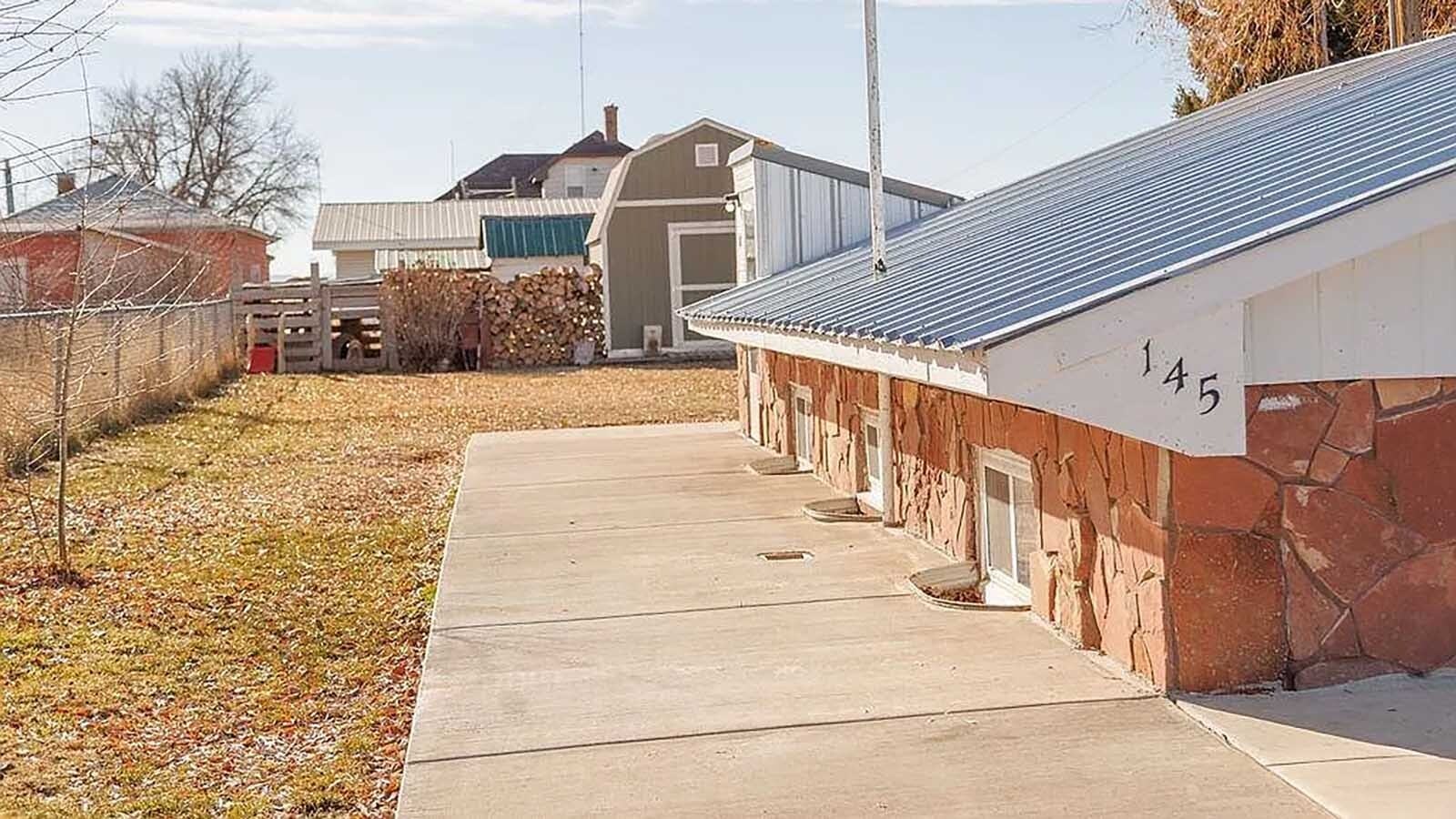
If you ever wanted to live in a fallout shelter, there’s a “basement home” in Cokeville, Wyoming, that checks all the boxes. The idea behind these post-World War II 1950s starter homes was to grow upward when there was enough money to go above ground. (Zane Erickson, RE/MAX Valley 1 Realty via Zillow) 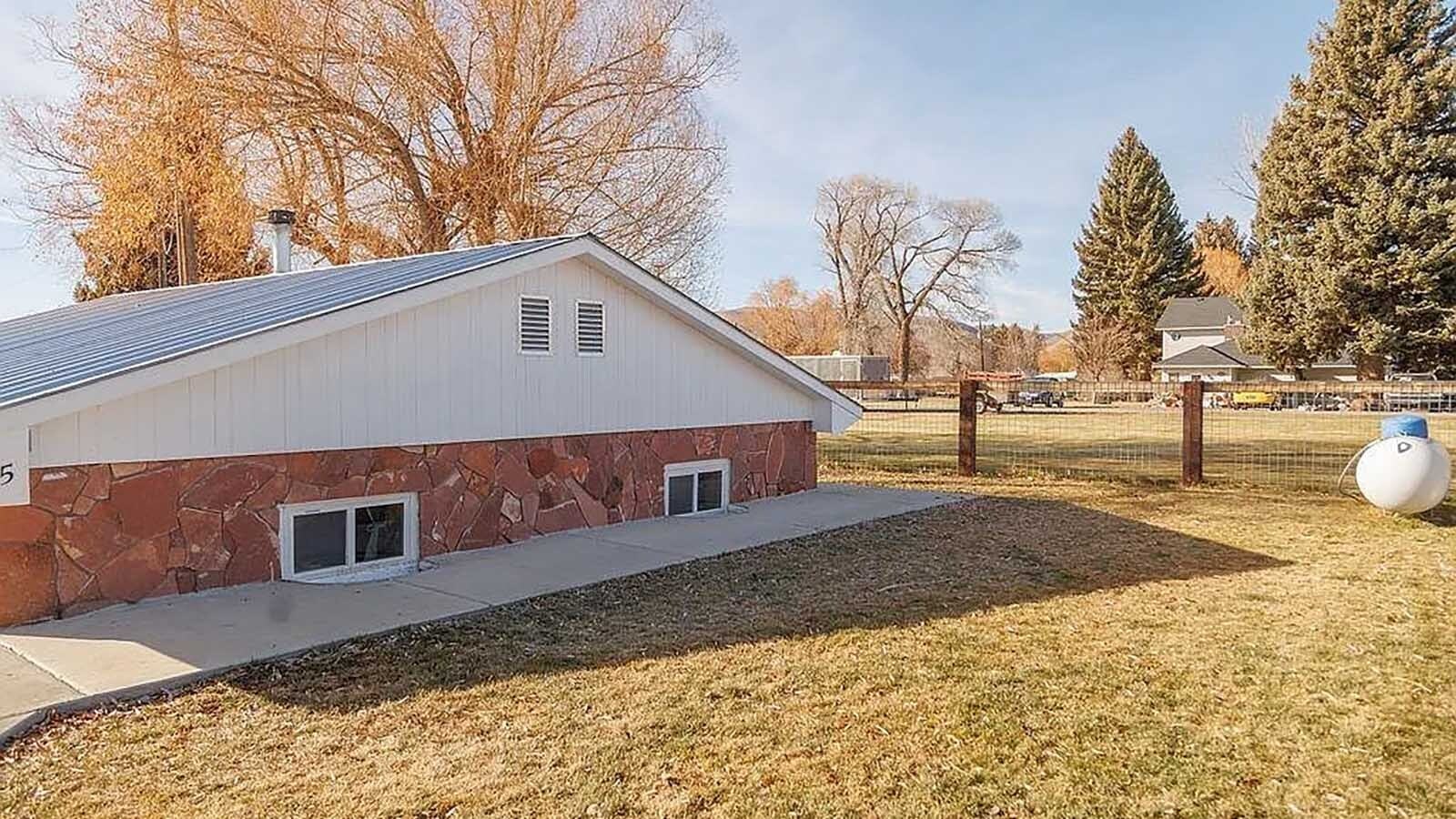
If you ever wanted to live in a fallout shelter, there’s a “basement home” in Cokeville, Wyoming, that checks all the boxes. The idea behind these post-World War II 1950s starter homes was to grow upward when there was enough money to go above ground. (Zane Erickson, RE/MAX Valley 1 Realty via Zillow) 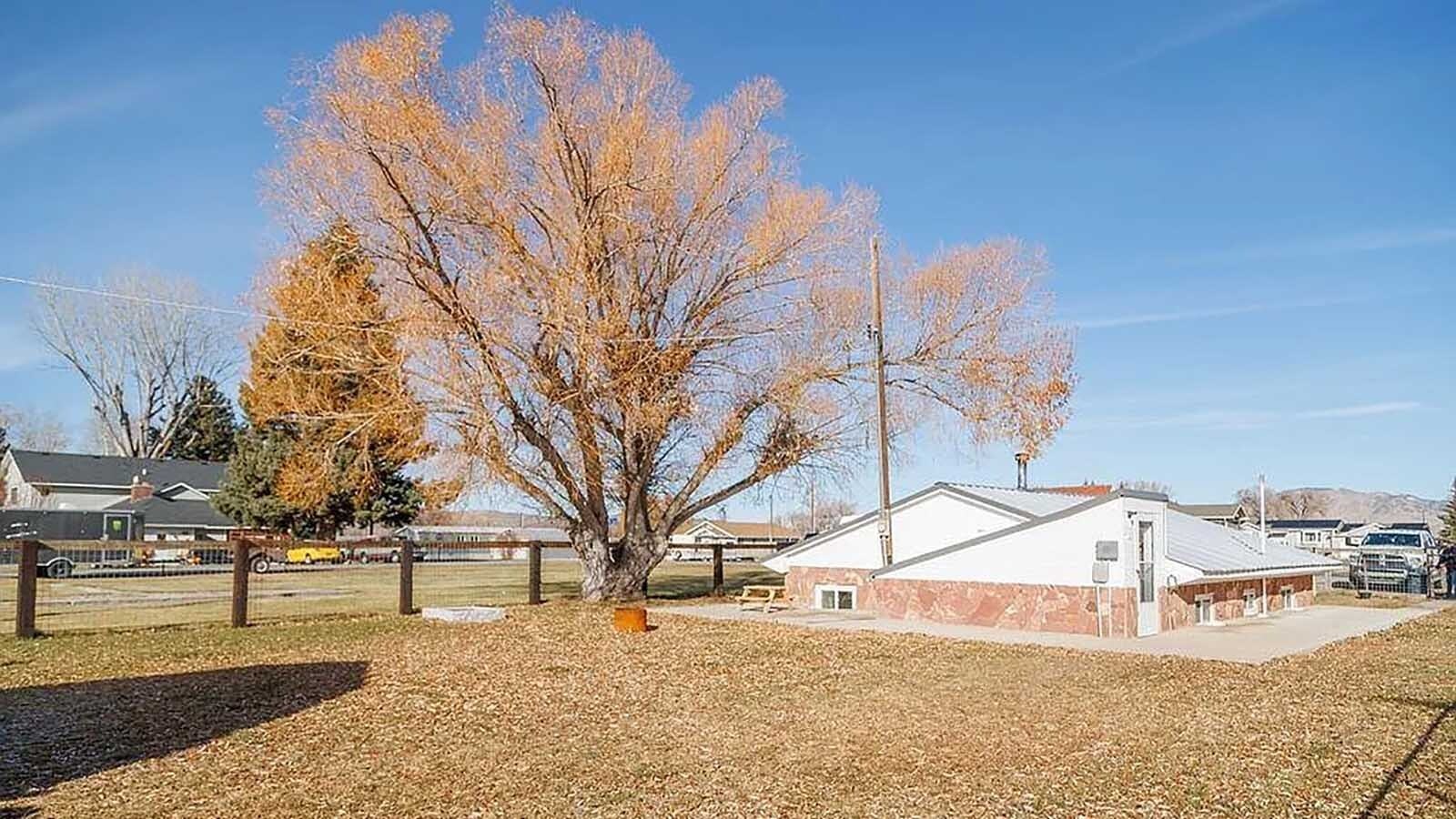
If you ever wanted to live in a fallout shelter, there’s a “basement home” in Cokeville, Wyoming, that checks all the boxes. The idea behind these post-World War II 1950s starter homes was to grow upward when there was enough money to go above ground. (Zane Erickson, RE/MAX Valley 1 Realty via Zillow)
Let’s Take A Tour Inside
The entrance to the home is a full-size door located at one end of the building, with its own roof that has been pitched at an opposite angle.
It’s basically covering a narrow stairwell that leads down into the basement home.
While it might look claustrophobic from the street, Erickson said he was surprised by how big the 810-square-foot living space actually feels once inside.
There’s plenty of natural lighting thanks to all the windows that surround the home on all four walls, and the homeowners have done quite a bit of remodeling during their time there.
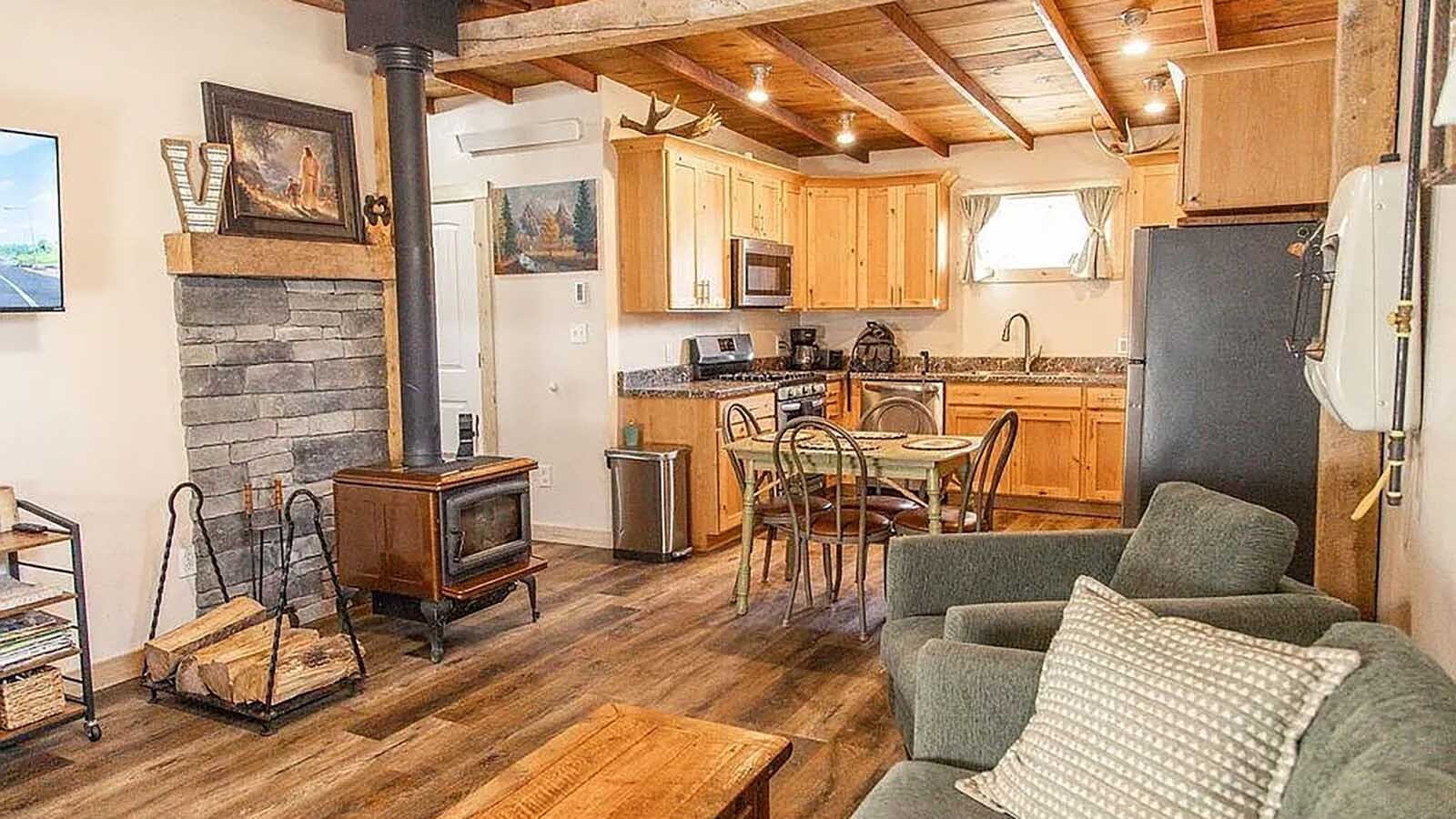
“They did new electrical, new plumbing, new sheet rock, and new heaters,” Erickson said. “They installed a wood stove and put it in a more central location of the home. They have redone the bathroom, redone the kitchen, so it’s almost like brand-new on the inside.”
The remodel included nice, new wood floors and trim for a cozy, underground-cabin feel.
Launching Pad For Adventures
Insulation, meanwhile, isn’t a huge issue for this home, because it’s got the earth helping backstop its heat in the summer and its air conditioning in the winter.
The roof’s proximity to ground, meanwhile, makes it easy to inspect and keep the gutters clean. Although children may also be tempted to sneak onto the roof from time to time and watch the cars go by.
The couple's improvements include a new sidewalk sloped away from the home, which has helped ensure no water enters the basement.
That was undertaken after a big snowstorm caused some water to enter one of the bedrooms, Erickson said. The change has kept the problem from happening since.
Cokeville is near the Pine Creek Ski Resort, close to the Bear River, and is just 10 miles from the National Forest, making this quaint basement home a great launching pad for outdoor adventures.
Renée Jean can be reached at renee@cowboystatedaily.com.