
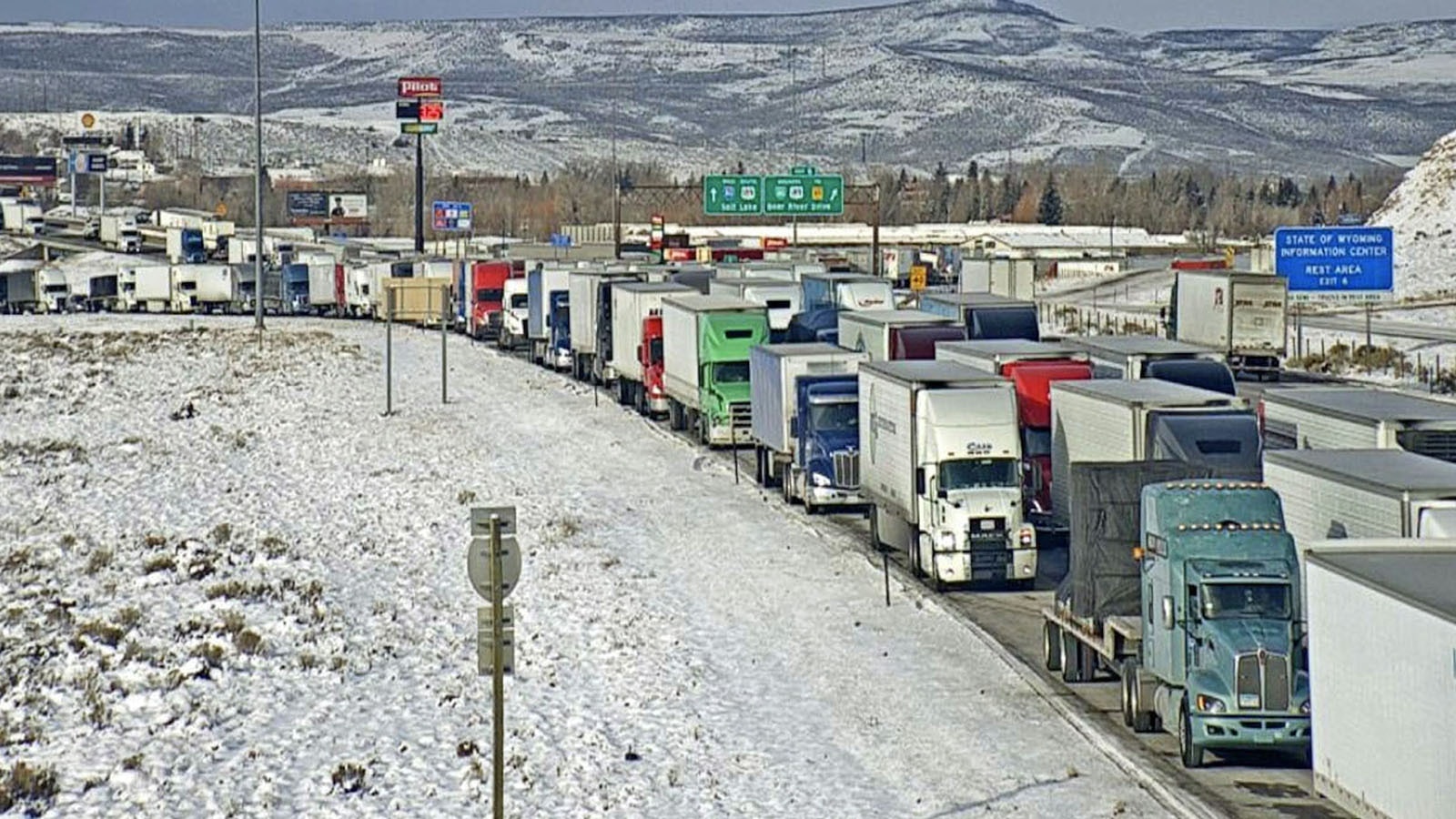
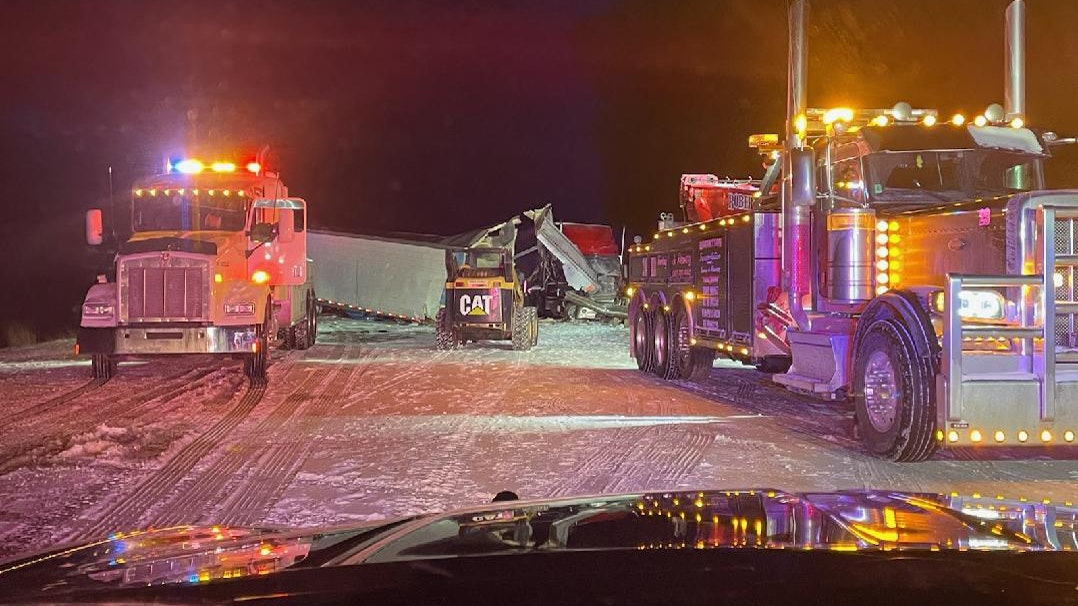
With the sudden influx of winter weather, there have been several crashes on Wyoming’s highways. There were multiple incidents on I-80 on Tuesday and Wednesday involving over 70 vehicles, dozens of injuries and two deaths.
In these situations, the Wyoming Department of Transportation (WYDOT) often implements rolling closures along the interstate. It’s one of the tools they say keeps drivers safe, roads clear, and first responders unencumbered.
But what exactly is a rolling closure? It’s a bit more complicated than many drivers believe, but interesting to understand.
“A rolling closure is a tool to help travelers meet their safety needs without overtaxing communities,” said WYDOT spokesperson Doug McGee. “The distinction for the public might not feel quite as different as it does for WYDOT, but it helps us understand what's going on out on the roads, manage traffic, and help our communities."
Diverting Community Chaos
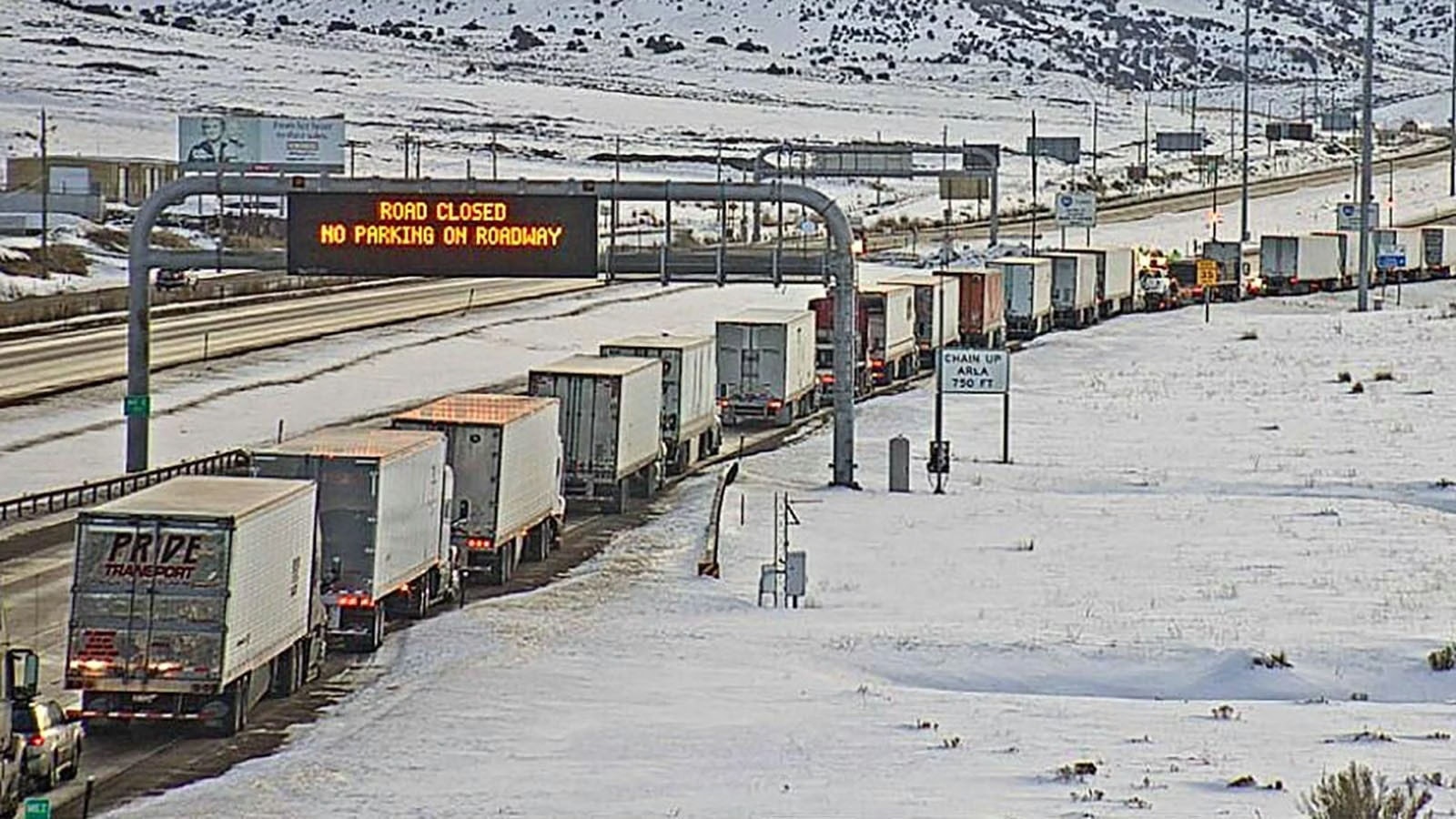
According to WYDOT, a rolling closure starts after an incident, usually a traffic accident or hazardous weather. It starts in the communities on either side of the hazardous area and can be extended further based on the severity of the situation.
“When traffic fills up a community, and it puts a demand on their resources, we move the closure back along the route to the next community,” McGee said. “We implement rolling closures in communities where there are services and possibly alternate routes for folks to take as an outlet.”
That’s the “rolling” part of rolling closures. Instead of sticking to a hard-and-fast closure, WYDOT can adjust the extent and duration as conditions change.
McGee said WYDOT began implementing rolling closures based on feedback from Wyoming communities.
“Before we instituted rolling closures, communities were overtaxed,” he said. “The streets were crowded with interstate traffic, so emergency responders, snowplows, and school buses couldn't move around their own communities. Hotels were booked. Truck stops and parking lots got full very quickly. There wasn’t enough to meet the demand.”
For example, if there’s hazardous weather on I-80 near Elk Mountain, WYDOT might temporarily close one or both lanes between Laramie and Rawlins.
If the situation worsens and more vehicles spill into those communities, WYDOT might extend a rolling closure east to Cheyenne, west to Wamsutter, in both directions, and beyond.
“With rolling closures, communities can still meet their safety needs, and travelers have a place with resources until the road opens,” McGee said.
What Lies Ahead
A driver who comes across a rolling closure might see nothing but clear skies and dry roads. How serious could it be if there are no signs of trouble?
“We understand that sometimes the roads could be dry in the section that's under a rolling closure,” said WYDOT spokesperson Jordan Young. “In that case, the road is closed because of the issue further down the road.”
Another benefit of rolling closures is their fluidity. It allows WYDOT to minimize the impact of a road closure while ensuring the area is free of all but essential traffic.
Rolling closures might be more common in winter, but they can be implemented for any hazard at any time. Young said, depending on the situation, they can be just as common in summer and winter.
“The closure isn't necessarily due to conditions where you were,” she said. “It might be bright and sunny where you have to stop, while it’s an accident or blowing snow drifts down the road that's causing the issue.”
Plenty Of Warning And Penalties
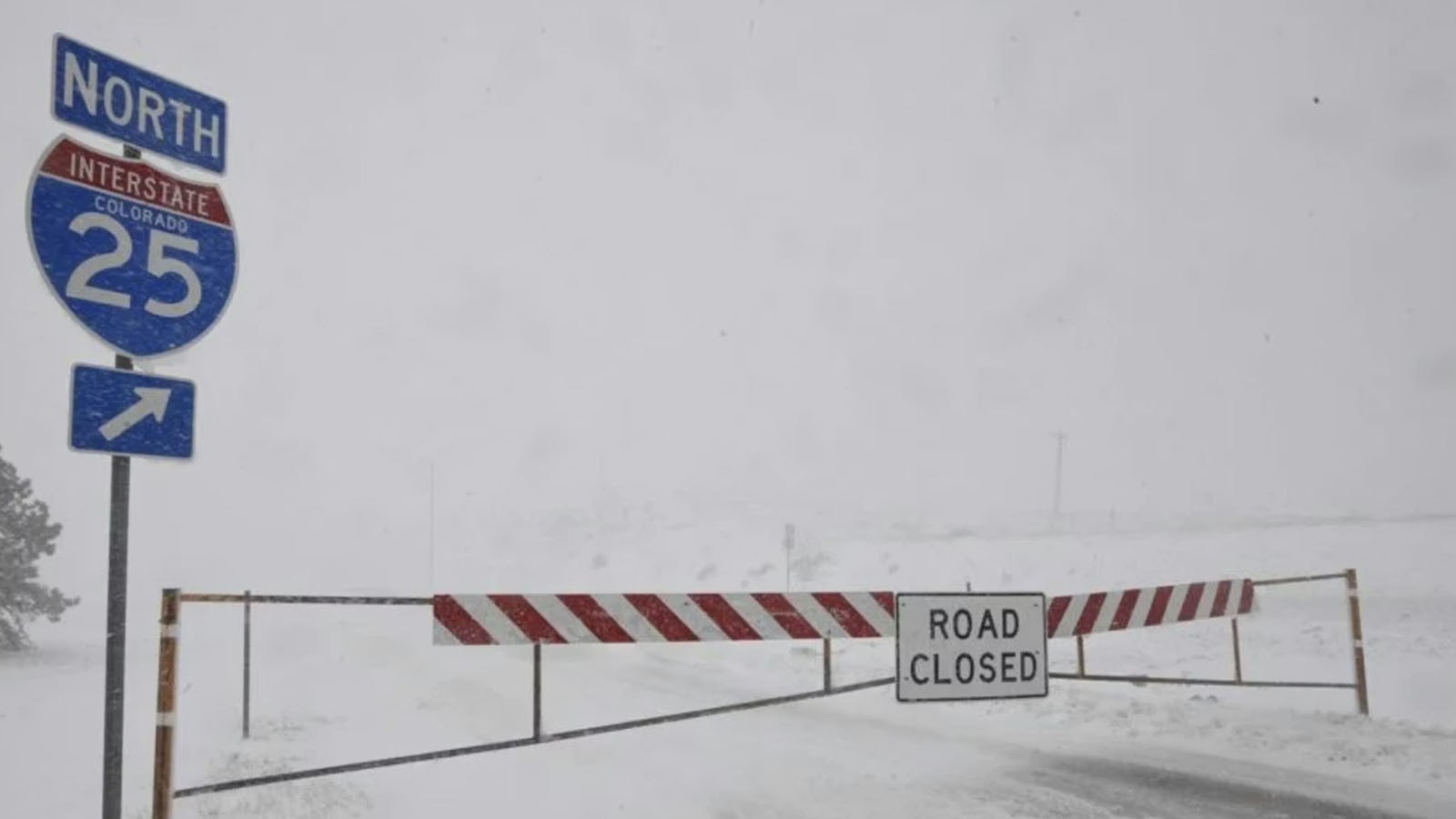
If anyone’s caught traveling along a closed road during a rolling closure, aside from those Wyomingites with authorization, they will be penalized for doing so. WYDOT implements the closures, and the Wyoming Highway Patrol (WHP) enforces them.
“Rolling closures try to make sure passengers who suddenly get stuck aren't getting stranded in a place where they're going to go hungry or can't find water or other resources,” said WHP spokesman Aaron Brown. “Ensuring roadway safety is our top priority, so if you're caught driving when you shouldn't be, you're going to get a ticket.”
The penalty for driving on a closed road during a rolling closure is the same as for any other closed road. It’d be hard to do by accident, as WYDOT has multiple systems and signs alerting drivers to rolling closures.
“Wyoming statute requires that drivers be notified of a closure before reaching the closure point,” Young said. “There will be signage and other indications that the road is closed before you reach a gate, regardless of if the gate has been closed yet.”
WYDOT’s road closure gates are strategically placed to support logistics for rolling closures, but none of those gates are automated. Each one is lowered manually, which Young described as a deliberate choice that allows local personnel to make “boots-on-the-ground decisions” to close roads when necessary.
If drivers don’t see the roadside and overhead dynamic signs warning them of a road closure ahead, they’ll inevitably encounter a gate. If they go beyond the gate at that point, they’re driving on a closed road.
“If the overhead sign says the road is closed, the road is closed, whether the gates are down or not,” Young said. “That’s important for folks to know.”
Brown said the typical ticket for driving on a closed road, for commercial and civilian drivers, is around $1,000. It’s something WHP takes very seriously.
“If a road is closed, there's a reason for it,” he said. “We want to make sure you're not putting yourself or other people in danger. If you’re driving on a closed road and get stuck or blown over, we're going to help you get out of there safely. We're also going to give you that ticket.”
Roll On Through
A rolling closure is considered a road closure. However, it doesn’t have to be a complete road closure.
While all traffic is blocked during a full closure, Wyomingites can travel on roads under rolling closures. All they need to do is obtain a permit through the Wyoming Travel Authorization Program.
“The program allows people with a Wyoming driver's license and address to sign up for rolling closure authorizations,” he said. “Oftentimes, they’re just passing through, going home or to work, so that authorization will help them get through those rolling closures.”
If a Wyomingite needs to pass through a rolling closure to reach home, work, or livestock, WYDOT thinks it’d be better to allow them to travel through rather than unnecessarily add additional strain to the impacted communities. If they can get where they need to go, why not let them?
However, a Wyoming driver’s license and license plate aren’t enough. Authorization is required, and McGee “strongly encouraged” all Wyomingites to consider signing up.
“If there's a rolling closure between Cheyenne and Laramie, drivers might have to hop up to Medicine Bow to keep going,” he said. “The rolling closure authorization helps Wyomingites get where they need to go without violating the road closure.”
Even so, rolling closures should be taken seriously. Even authorized Wyomingites shouldn’t underestimate the hazards ahead.
“We like to say, ‘Don't race to be the first one on a closed road thinking you're going to be the last one on an open road,’” Young said. “You’ve got to stay on your toes while WYDOT and WHP focus on driver safety and managing traffic. That’s what rolling closures are all about.”
Andrew Rossi can be reached at arossi@cowboystatedaily.com.


