Watching the House debate budget amendments on second reading, one thing became painfully clear: for the Freedom Caucus, exercising power is more important than the well-being of Wyoming citizens.
Consider a few examples.
The governor proposed that Wyoming participate in a federal program to help low-income children eat during the summer months. The program would have provided modest assistance, about $120 total, or roughly $40 per month, on a debit-style card to purchase groceries.
Not luxury. Not excess. Food.
The amendment failed. Freedom Caucus members united to reject it even though the lunches would all be paid for by federal dollarw.
Rep. Rachel Rodriguez-Williams of Cody argued the state should not advance “Sleepy Joe’s big government agenda” or expand “welfare dependency” through EBT cards.
Gov. Mark Gordon asked the obvious question: “What kind of people are we if we don’t feed our kids?”
Rep. Ken Pendergraff, R-Sheridan, warned that giving hungry children grocery money teaches them “socialism.”
Apparently, the preferred lesson is hunger.
This vote came while Wyoming is enjoying roughly $990 million in annual income from state investments.
But denying food to poor children was not the end of it.
The House also rejected efforts to address the growing crisis in maternal health care.
Kemmerer, Wheatland, Rawlins, and Riverton have all lost labor-and-delivery units. Entire counties — Crook, Weston, Niobrara, Carbon, Sublette, and Uinta — now has no labor and delivery unit.
When amendments were offered to help, the Freedom Caucus pointed to a federal Rural Health Transformation grant program as the solution.
Unfortunately, that program comes with restrictions that make it largely useless for this problem: funds cannot be used for billable clinical services, increased Medicaid reimbursement rates, or new construction — precisely what rural hospitals need to keep maternity wards open
In other words, the federal program solves nothing.
So, Wyoming mothers will continue to drive hours in labor, if they can find care at all.
Not to be outdone, the House also rejected increasing Medicaid reimbursement rates for nursing homes.
Wyoming is aging rapidly. To qualify for Medicaid long-term care, seniors must already be destitute. Yet the average nursing home costs about $10,600 per month, and many facilities operate on razor-thin margins due to low reimbursement rates and high labor costs.
If facilities close, elderly Wyomingites won’t have a choice between good care and bad care. They will have no care at all.
Hungry children. Expectant mothers. Frail seniors.
None made the cut.
Neither did the University of Wyoming, facing a proposed $40 million reduction — reportedly because university officials failed to show sufficient “respect” to legislators.
One wonders what level of genuflection would be required to avoid crippling the state’s flagship university for a generation.
Public education fared no better. The House declined even to introduce a redollars. bill to recalibrate school funding that took into account local control, class size and insurance, despite clear evidence the system is out of alignment.
But legislation targeting allegedly “dirty books” in school libraries moved forward nicely — a far more convenient campaign issue than solving complex funding problems.
The pattern is unmistakable. Programs that help vulnerable people struggle to survive. Symbolic issues sail through.
So far, this budget session has been less about governing and more about demonstrating who holds the gavel.
There is still time to change course. A responsible budget would reflect Wyoming’s long tradition of practicality and neighborliness — taking care of citizens across the lifespan, especially those who cannot take care of themselves.
Former Vice President Hubert Humphrey put it plainly: “The moral test of government is how that government treats those who are in the dawn of life, the children; those who are in the twilight of life, the elderly; and those who are in the shadows of life — the sick, the needy, and the disabled.”
By that measure, the current performance is not a passing grade.
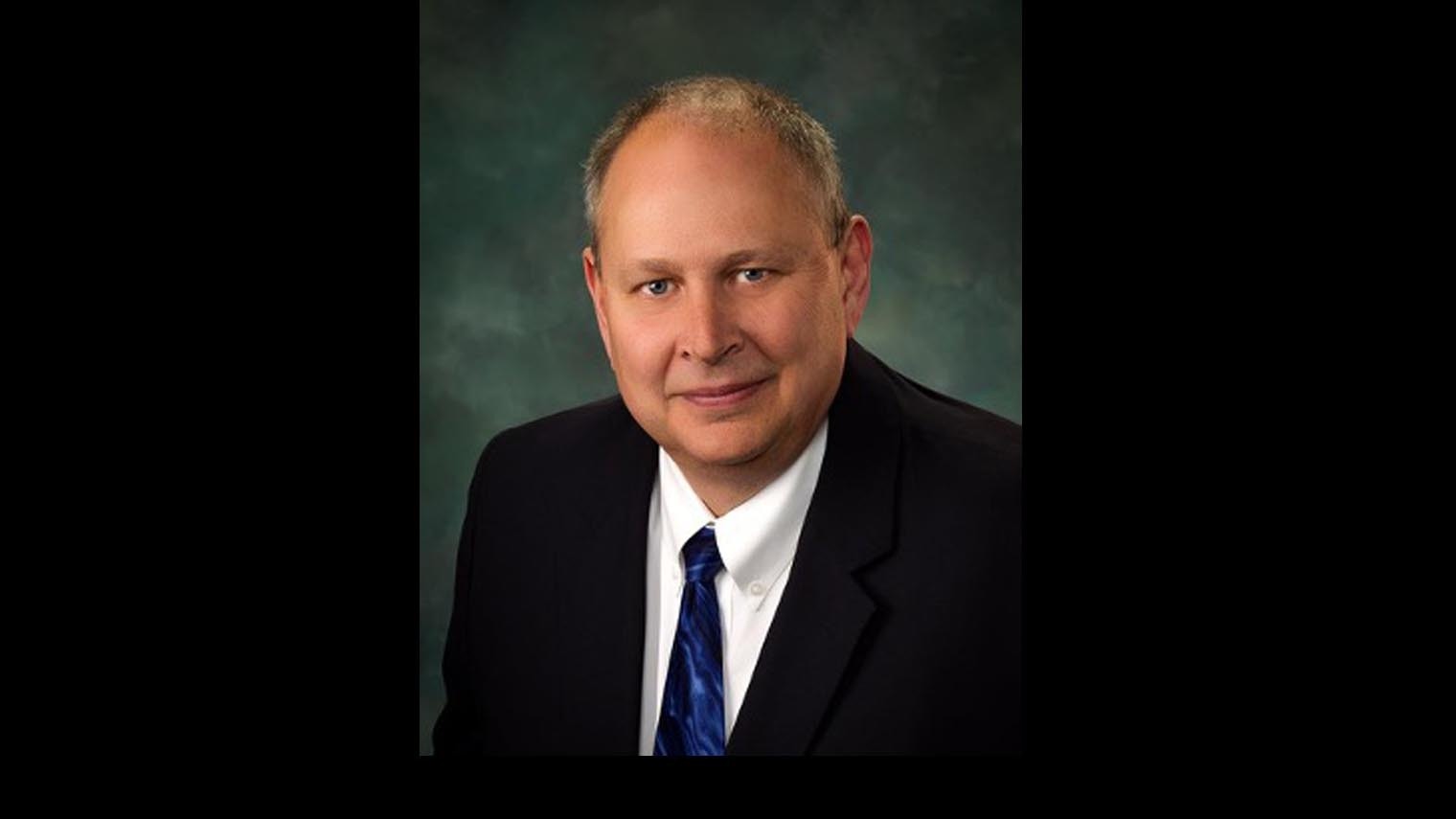
Tom Lubnau served in the Wyoming Legislature from 2004 to 2015 and is a former Speaker of the House. He can be reached at: YourInputAppreciated@gmail.com