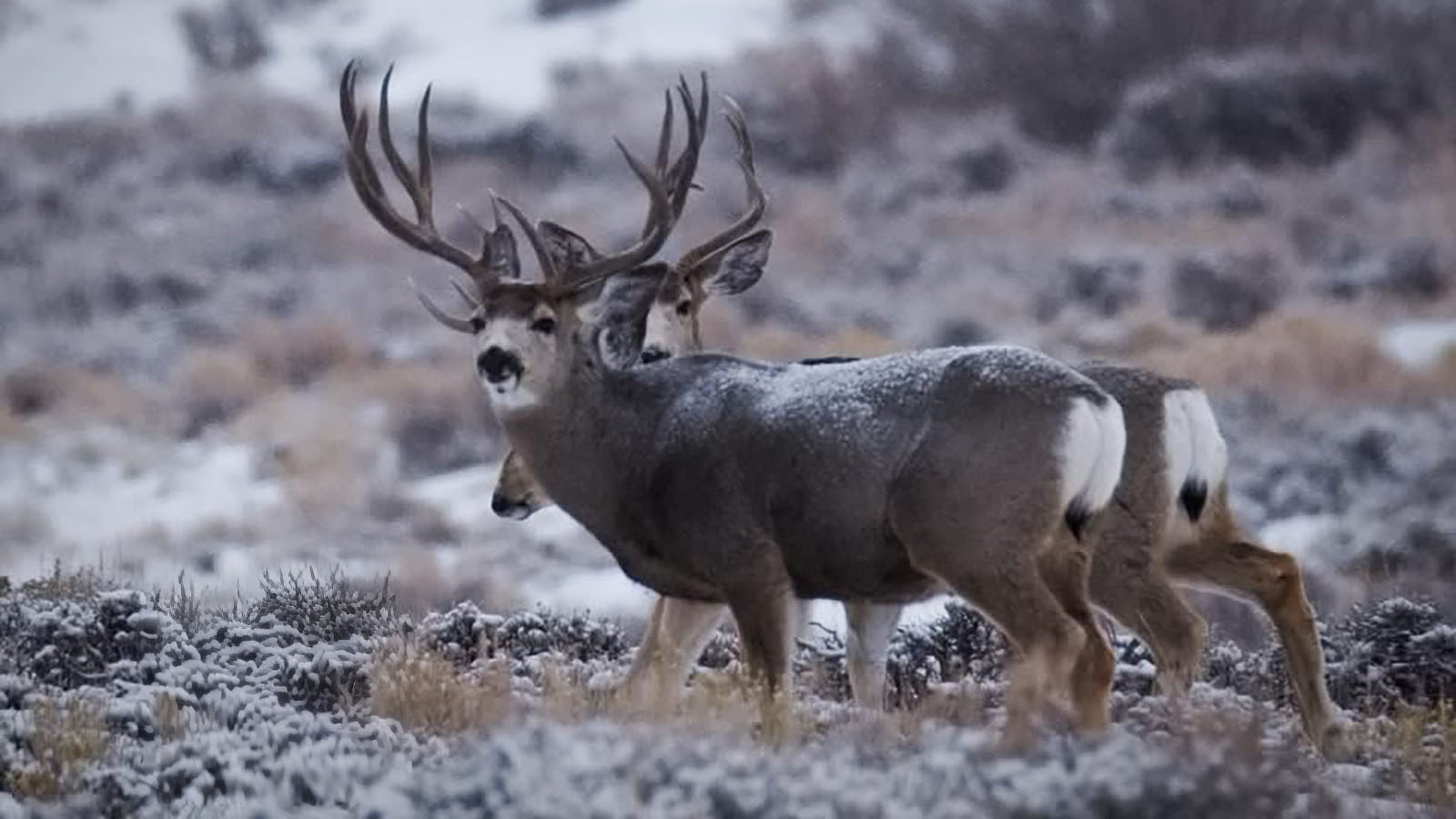
How fortunes have turned for the iconic Wyoming Range mule deer herd.
During the terrible winter of 2022-2023, they were starving and dying by the thousands, while this winter they’re downright chunky.
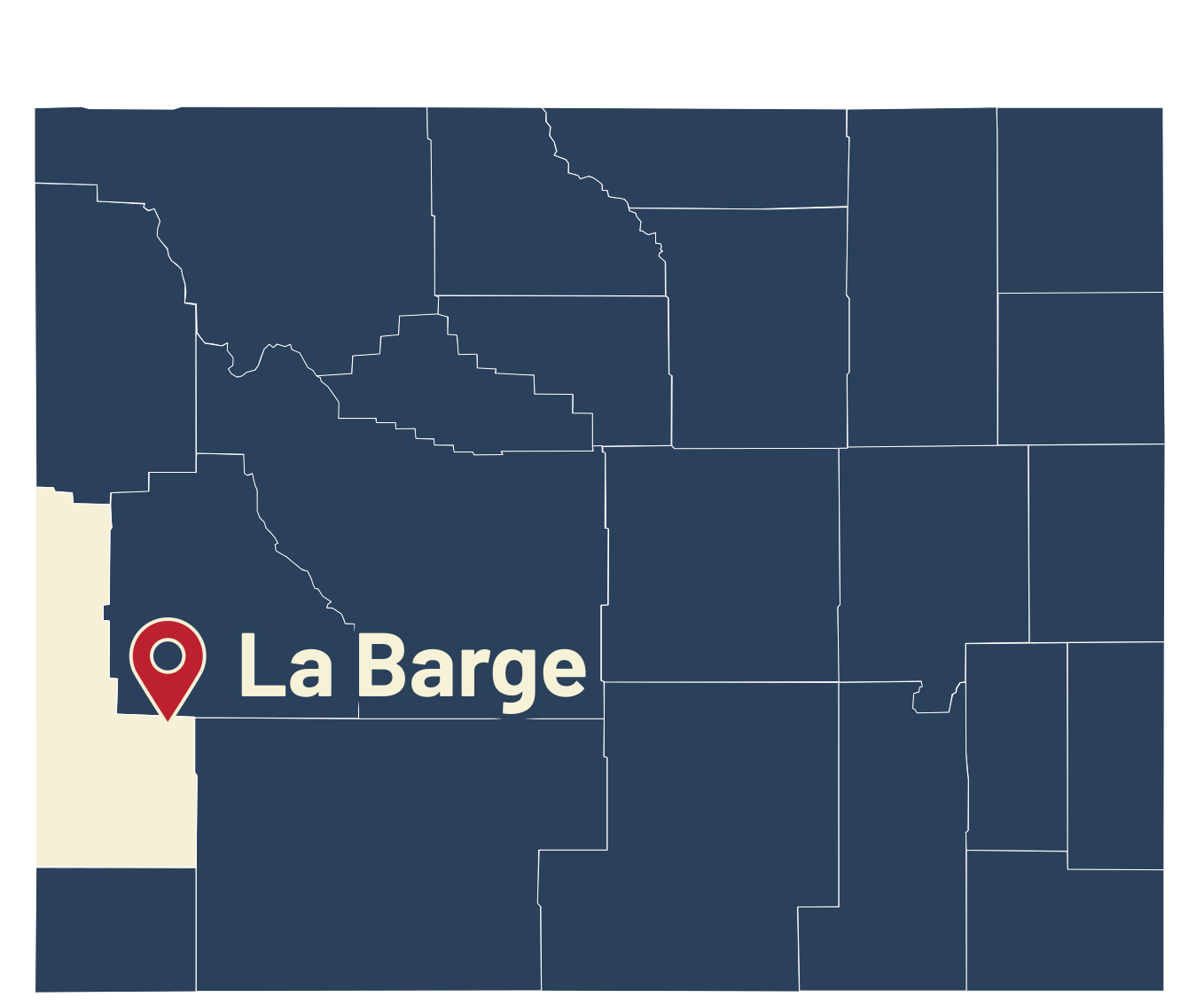
Avid hunter and deer conservationist Zachary Key of La Barge keeps a close eye on the herd, and so far this year, he likes what he sees.
“The deer are fat. They look awesome,” he told Cowboy State Daily. “I have not seen one deer that looks bad — not one. They all have potbellies, the females all look pregnant."
This winter hasn’t felt much like winter at all across much of Wyoming. There’s been little to no snow in the lowlands, and temperatures have been regularly soaring into the 50s.
That’s made for easy living for the Wyoming Range mule deer and other wildlife.
But it could come with a price.
Key and some wildlife biologists worry that if the next couple of months don’t bring significant snowfall, that could lead to a dry spring and early summer. In turn, that could reverse gains for wildlife.
“It might seem like it’s nice now, because you don’t see critters dying left and right, but at the same time, it’s not all sunshine and rainbows,” retired Wyoming Game and Fish Department biologist and pronghorn specialist Rich Guenzel told Cowboy State Daily.
Near the Snowy Ranch in Carbon County, there’s no snow on the plains and little on the surrounding hills, said Rawlins resident Deb Dahlke.
She took photos of a large and healthy pronghorn herd near her home Monday, saying she can’t remember a time when there was so little snow this late in winter.
“Three years ago, I had a 9-foot snowdrift on my lawn,” said Dahlke, who grew up near Saratoga and Hanna.
In fact, the snow on the nearby mountains was used to decide if it was safe to travel or not, she said.
“We used to gauge if we could to to Laramie by looking at the top of Elk Mountain,” Dahlke said. “If there wasn’t a lot, it was good to go. If there was, just stay home."
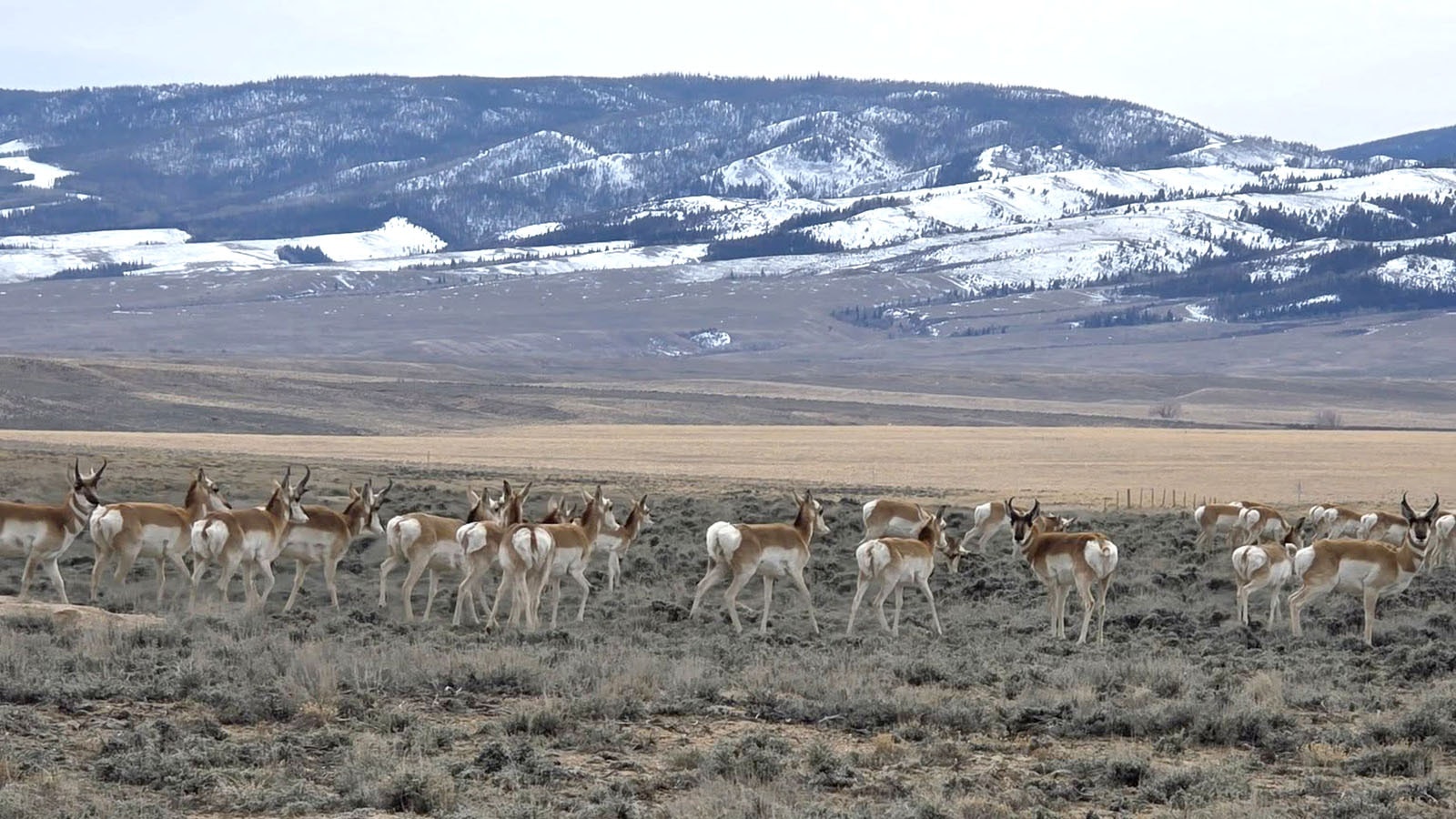
A fat and happy herd of pronghorn in Carbon County, Wyoming, on Feb. 16, 2026. (Courtesy Deb Dahlke) 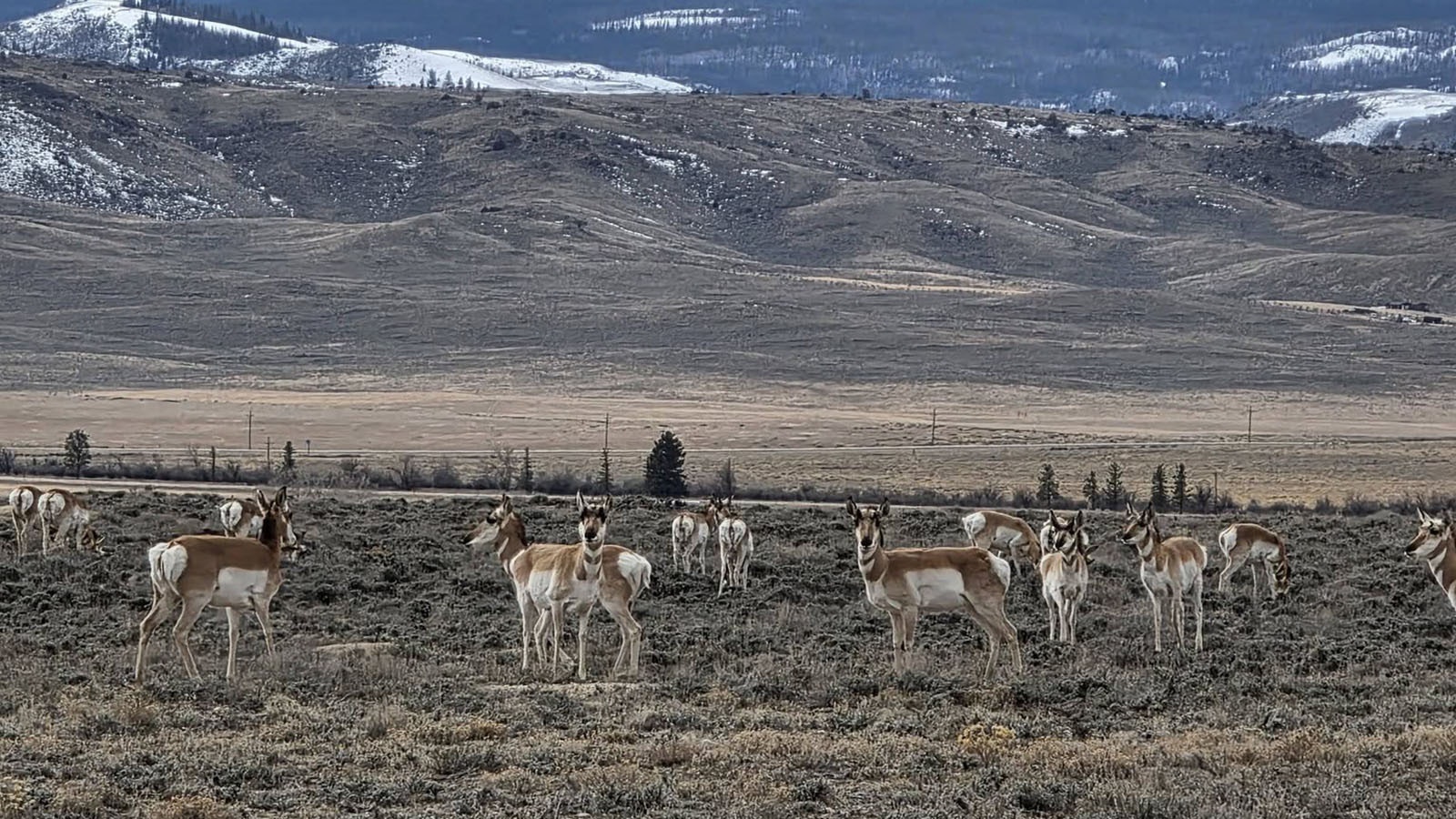
A fat and happy herd of pronghorn in Carbon County, Wyoming, on Feb. 16, 2026. (Courtesy Deb Dahlke) 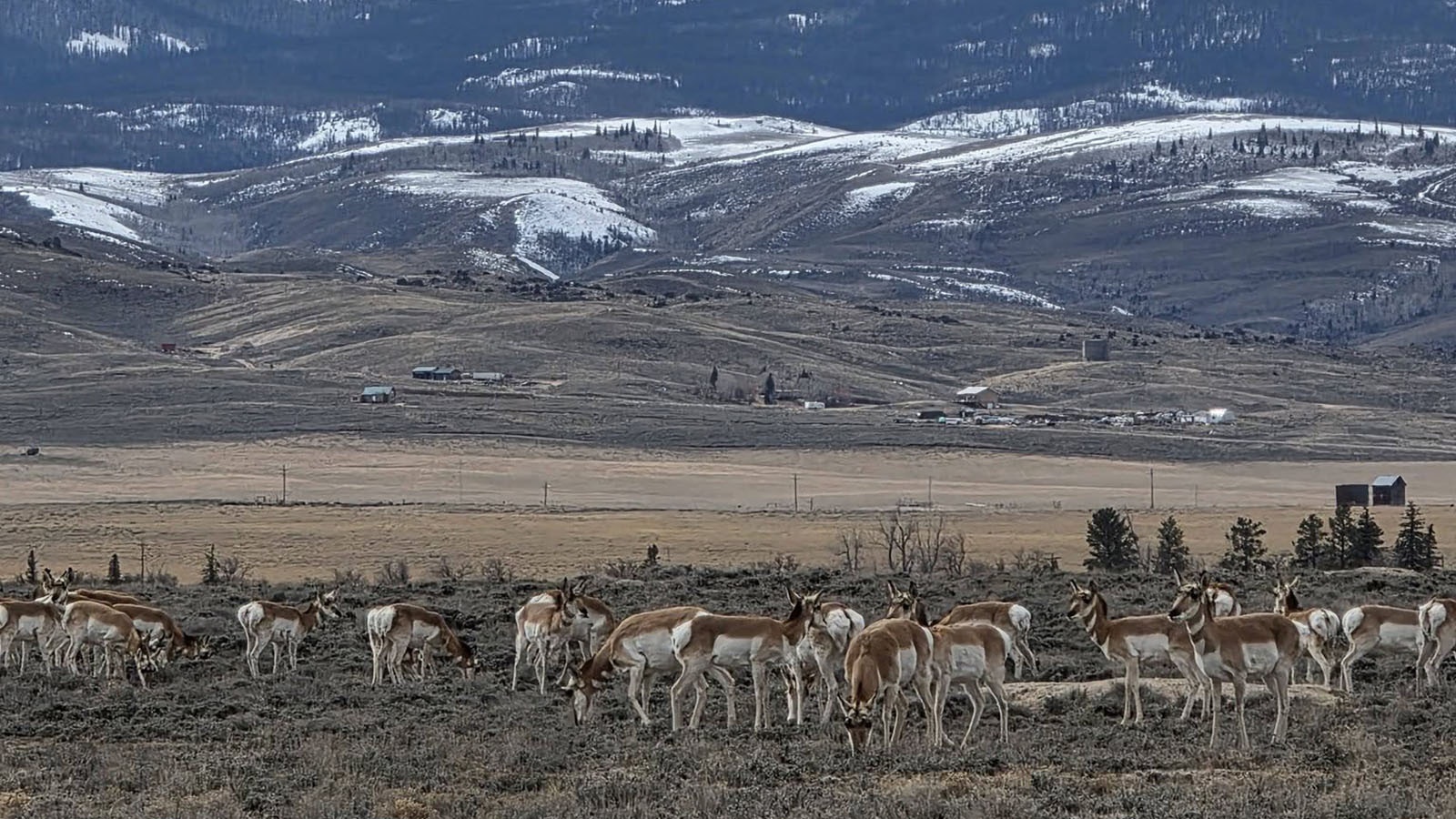
A fat and happy herd of pronghorn in Carbon County, Wyoming, on Feb. 16, 2026. (Courtesy Deb Dahlke)
Healthy Offspring
After the devastating winterkill of 2022-2023, Key opted not to hunt deer that fall, instead encouraging other hunters to turn in their deer tags as tickets for a prize drawing in his Let a Deer Walk program.
About 2,000 hunters responded.
Since then, “I think the Man Upstairs was looking out for us,” because the winters have been mild, and this one especially so.
Even so, Key said he’s concerned that if spring snows and rains don’t arrive as they usually do, dry forage could leave deer short of nutritious food when they need it most in later winter and early spring.
For now, the news is good for pregnant big game animals, biologist Joe Sandrini told Cowboy State Daily.
“The energetic demands (on wildlife) are reduced quite a bit. That’s really helpful for the does and the cows — they can put more energy into their fetuses,” said Sandrini, a retired Game and Fish game warden and wildlife biologist in the Black Hills region.
“In theory, that could lead to them putting more energy into the development of their fawns and calves, resulting in better and more robust fawns and calves,” he said.
However, if it stays dry, that could hamper the “green-up,” or the emergence of lush, green vegetation during the spring, he said.
“The initial green-up is really important,” Sandrini said, because those green plants have a high protein content, which is vital for female animals in the last trimester of their pregnancies.
Once offspring are born, that high-protein food is also important for lactating females so they can pass that nutrition on to their young, Guenzel said.
If mother animals can’t produce enough nutrient-rich milk, that could reduce the survival rates of young animals, he said.
“A decrease in juvenile survival rates could dampen any population gains that we get” from the mild winter, he said.
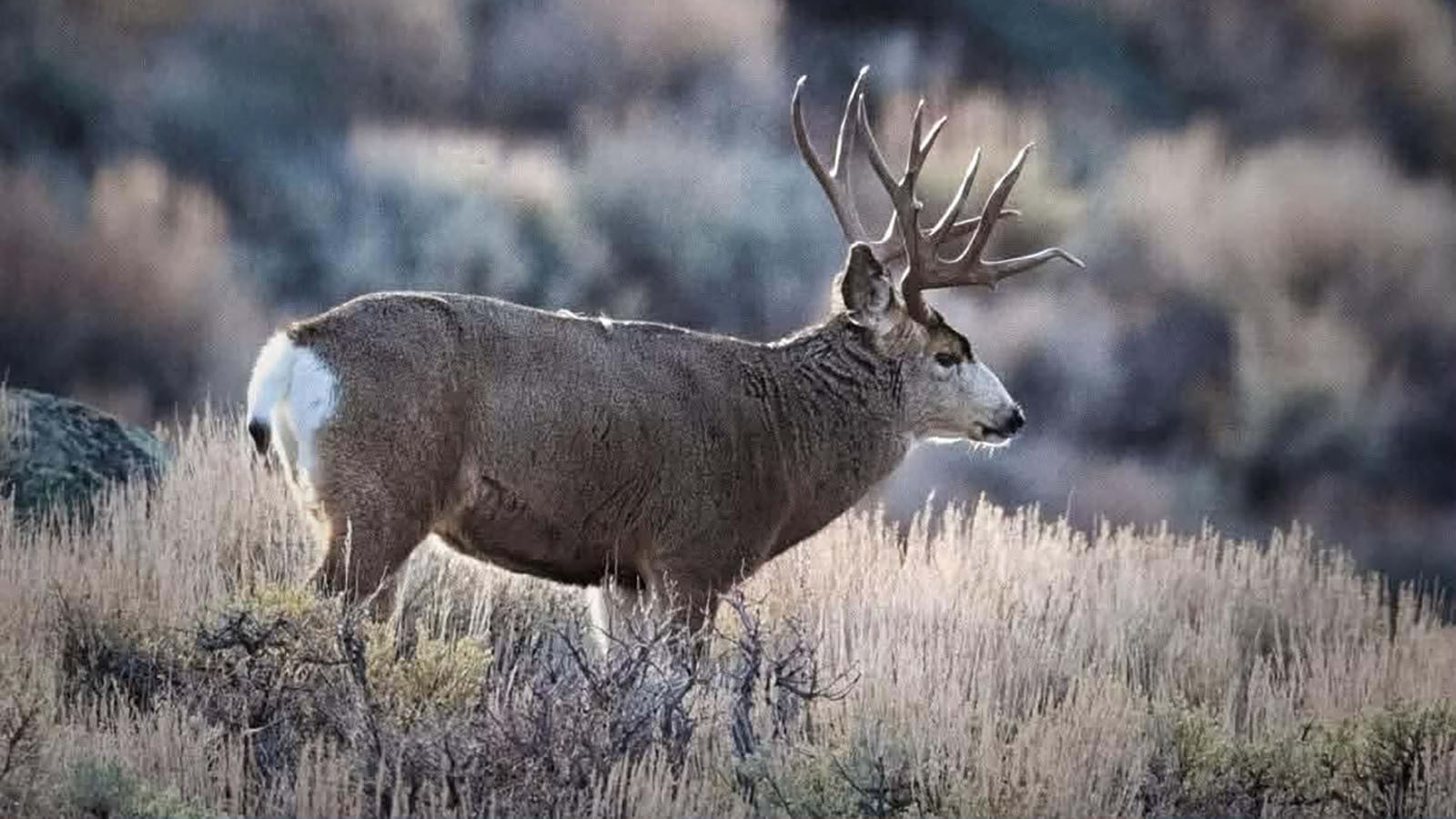
The legendary Wyoming Range mule deer herd was starving and freezing during the brutal winter of 2022-2023. With this year’s mild winter, the deer are getting chunky. (Courtesy Clay Allen/Clay Allen’s Wildlife Photography) 
The legendary Wyoming Range mule deer herd was starving and freezing during the brutal winter of 2022-2023. With this year’s mild winter, the deer are getting chunky. (Courtesy Clay Allen/Clay Allen’s Wildlife Photography) 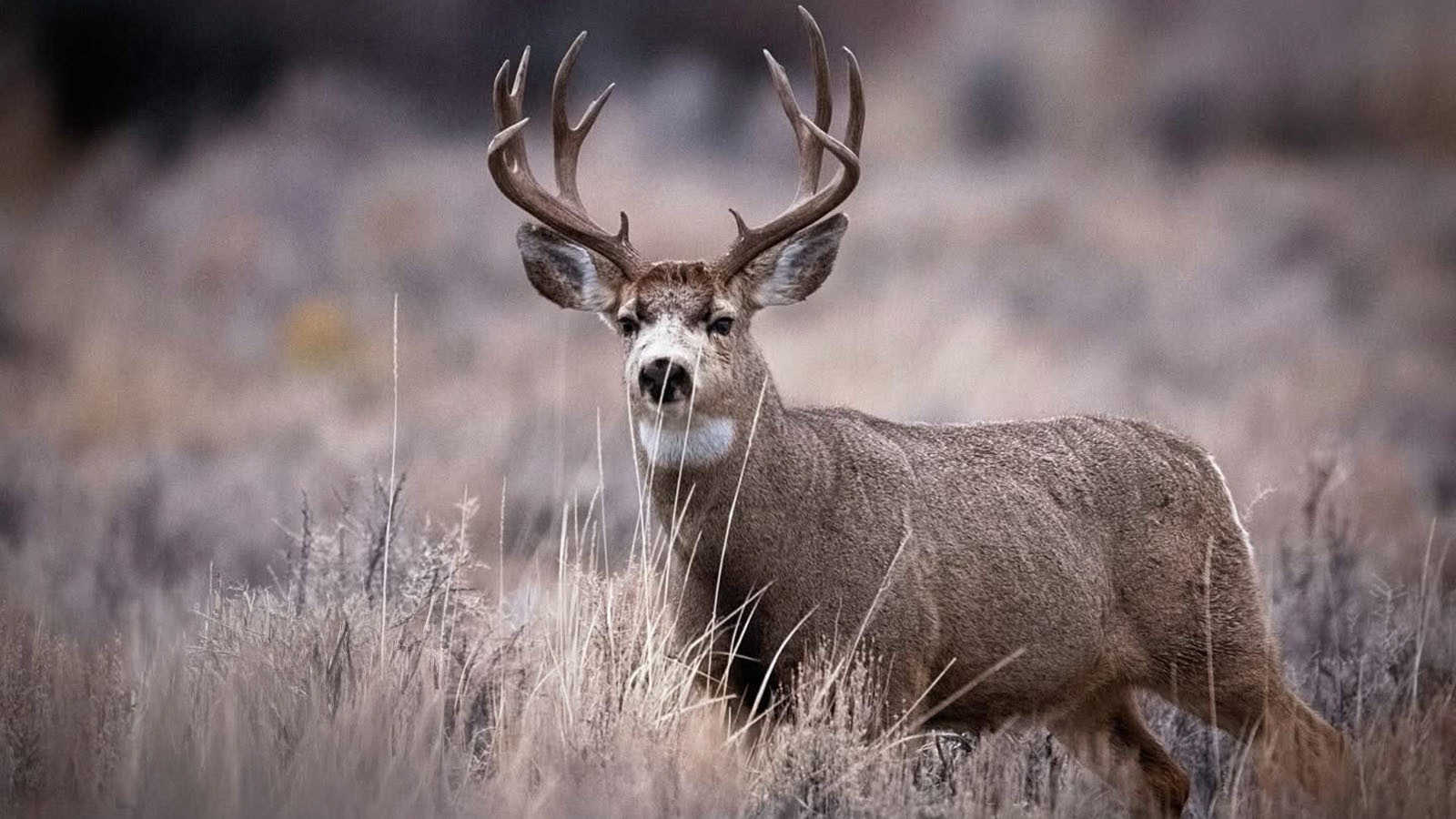
The legendary Wyoming Range mule deer herd was starving and freezing during the brutal winter of 2022-2023. With this year’s mild winter, the deer are getting chunky. (Courtesy Clay Allen/Clay Allen’s Wildlife Photography)
Long-Term Concerns
Looking ahead, Key said he’s concerned that a series of “cakewalk” winters could hamper the ability of deer to survive the next harsh winter, whenever it comes.
That could be especially true for younger deer born into the Wyoming Range herd after 2023 that have never known a hard winter, he said.
If dry conditions persist through the spring and summer, it could also slow the growth of “mast plants,” or the natural fruit- and nut-bearing plants, Sandrini said.
Wildlife is highly dependent upon those in the Black Hills region, he said. For example, black bears that feast on wild berries during the fall.
Dry weather and persistent wind could evaporate watering holes for pronghorn and other species, Guenzel said.
Disease might also be a factor, Sandrini added.
“Some of the old-timers say, when it’s a mild winter like this, the parasites and different bugs that cause diseases don’t get knocked back as much,” he said.
Key said the mountain snowpack in his area is looking good, but that alone might not be enough to give the lowlands the moisture needed to carry the deer herd forward into a healthy summer and fall.
“We sure hope we have a wet spring with a bunch of precipitation,” he said.
Mark Heinz can be reached at mark@cowboystatedaily.com.