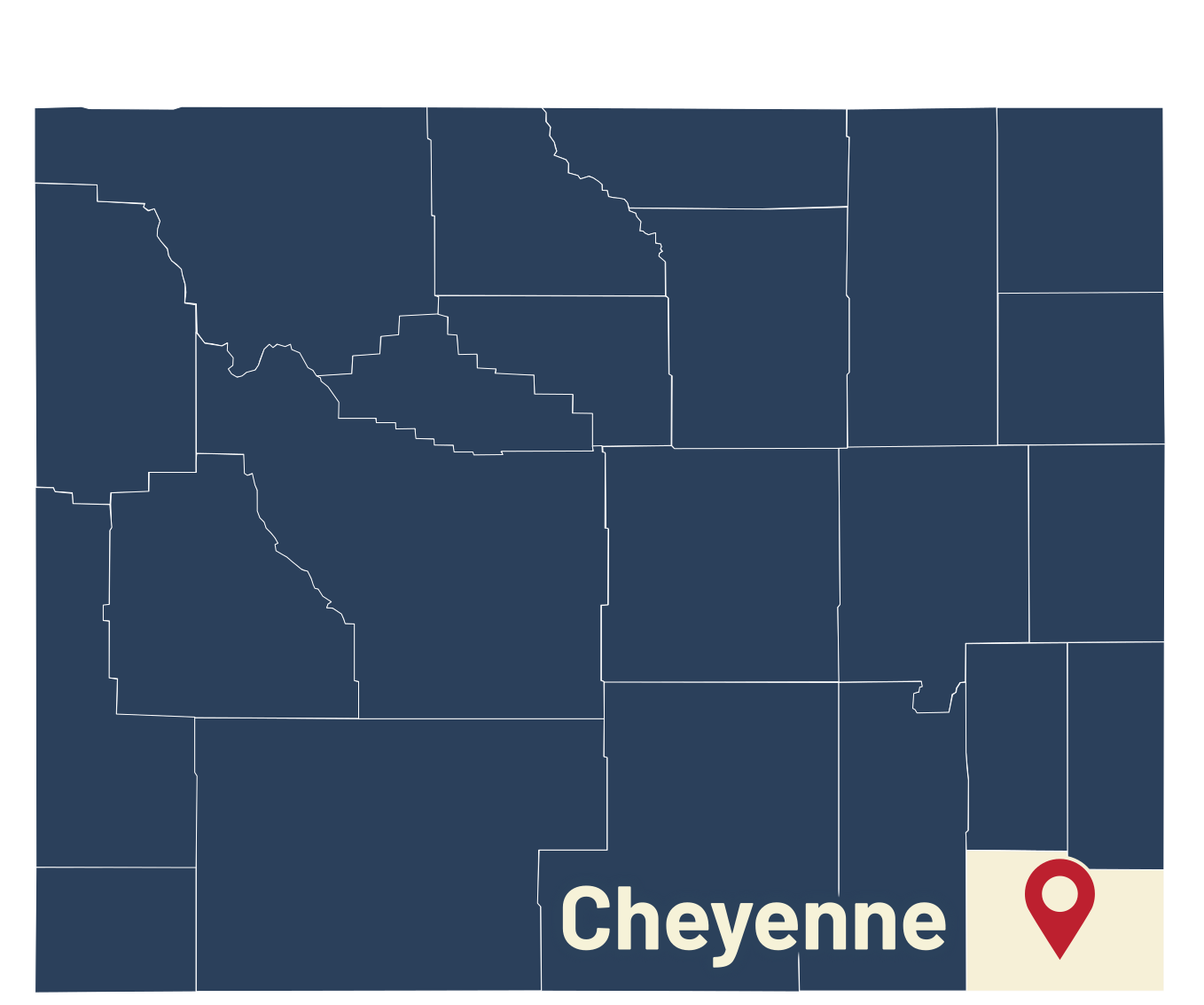
CHEYENNE — Sen. Cynthia Lummis was sitting in Fossil Fuel Coffee in Kemmerer when her phone rang. It was the president of the United States.
Donald Trump was calling to discuss developments around TerraPower's nuclear reactor project in Kemmerer, and Lummis marveled at the scene — a U.S. senator taking a call from the leader of the free world inside a little coffee shop in a small Wyoming town.
"That's just the way he is," Lummis told the Wyoming Senate on Monday. "He's super engaged on these issues, and it's making a difference for Wyoming."
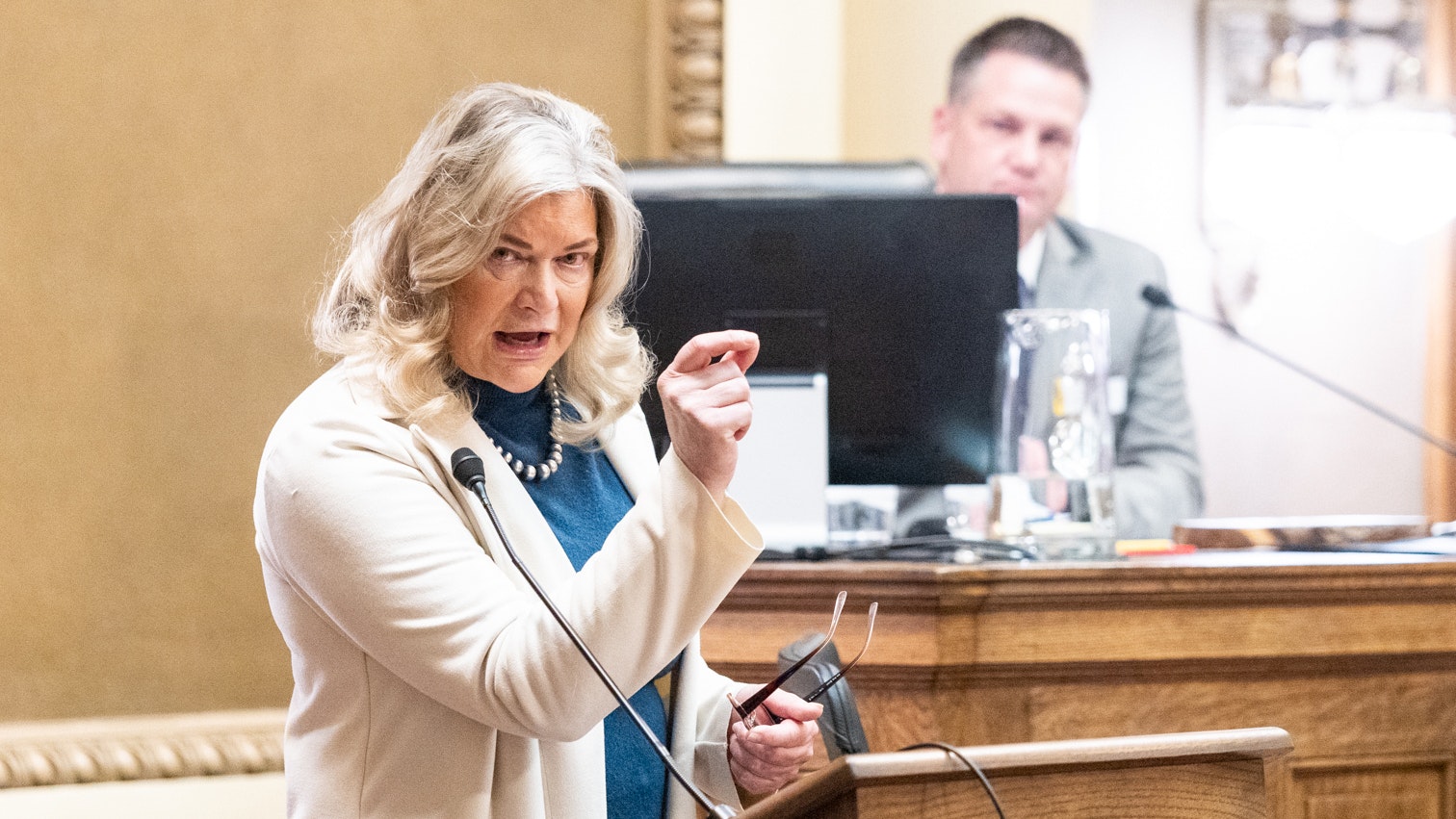
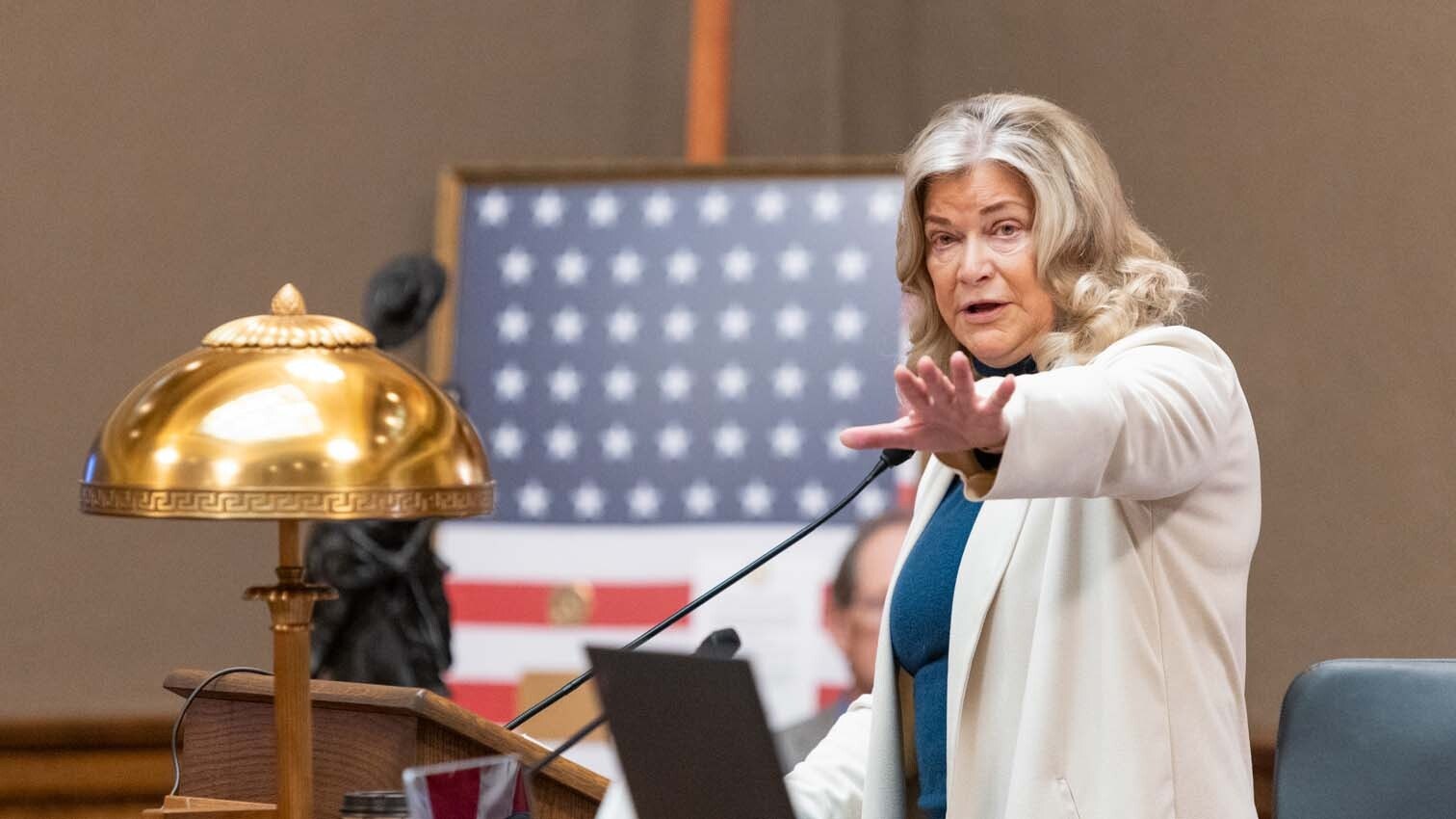
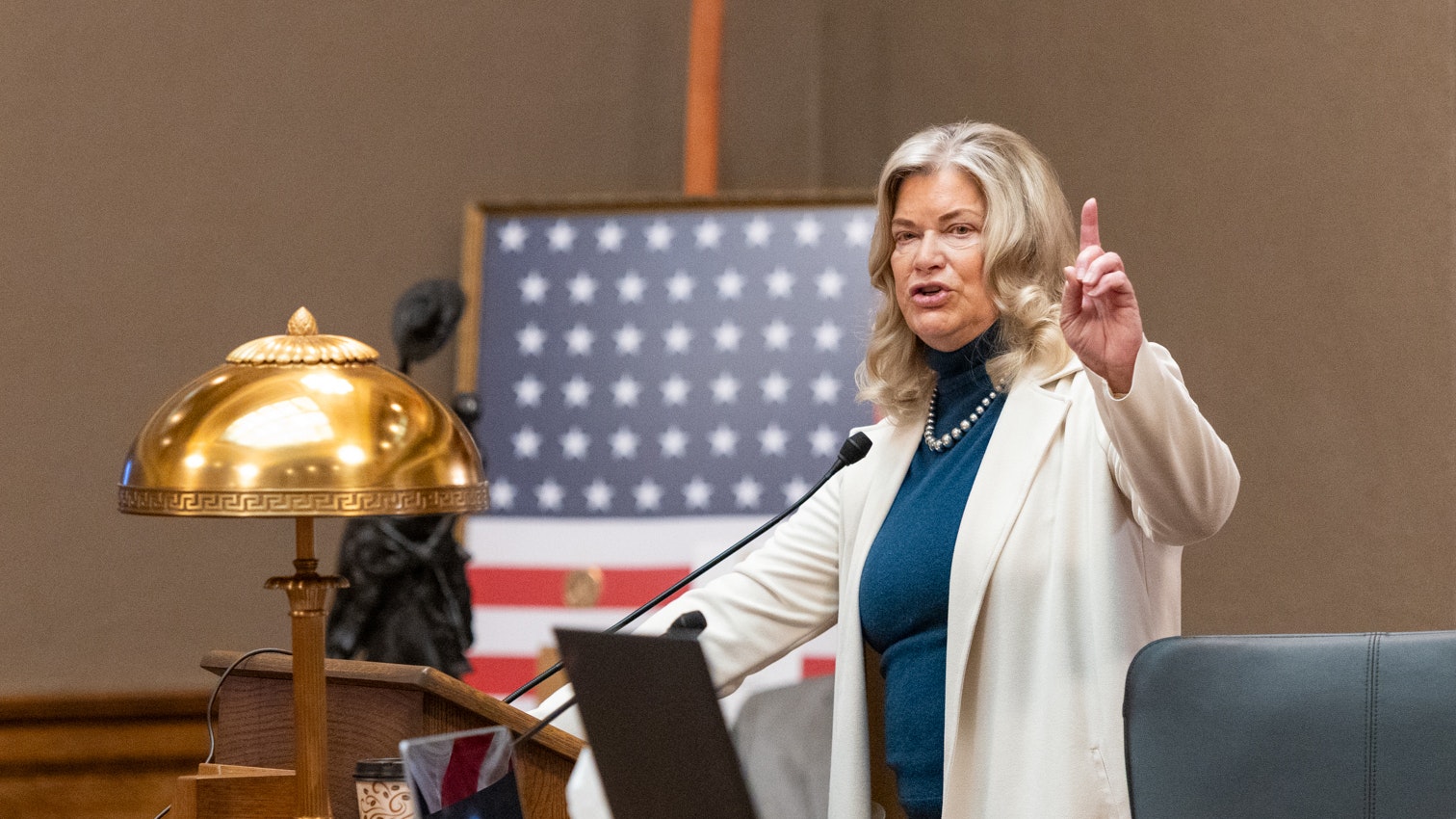
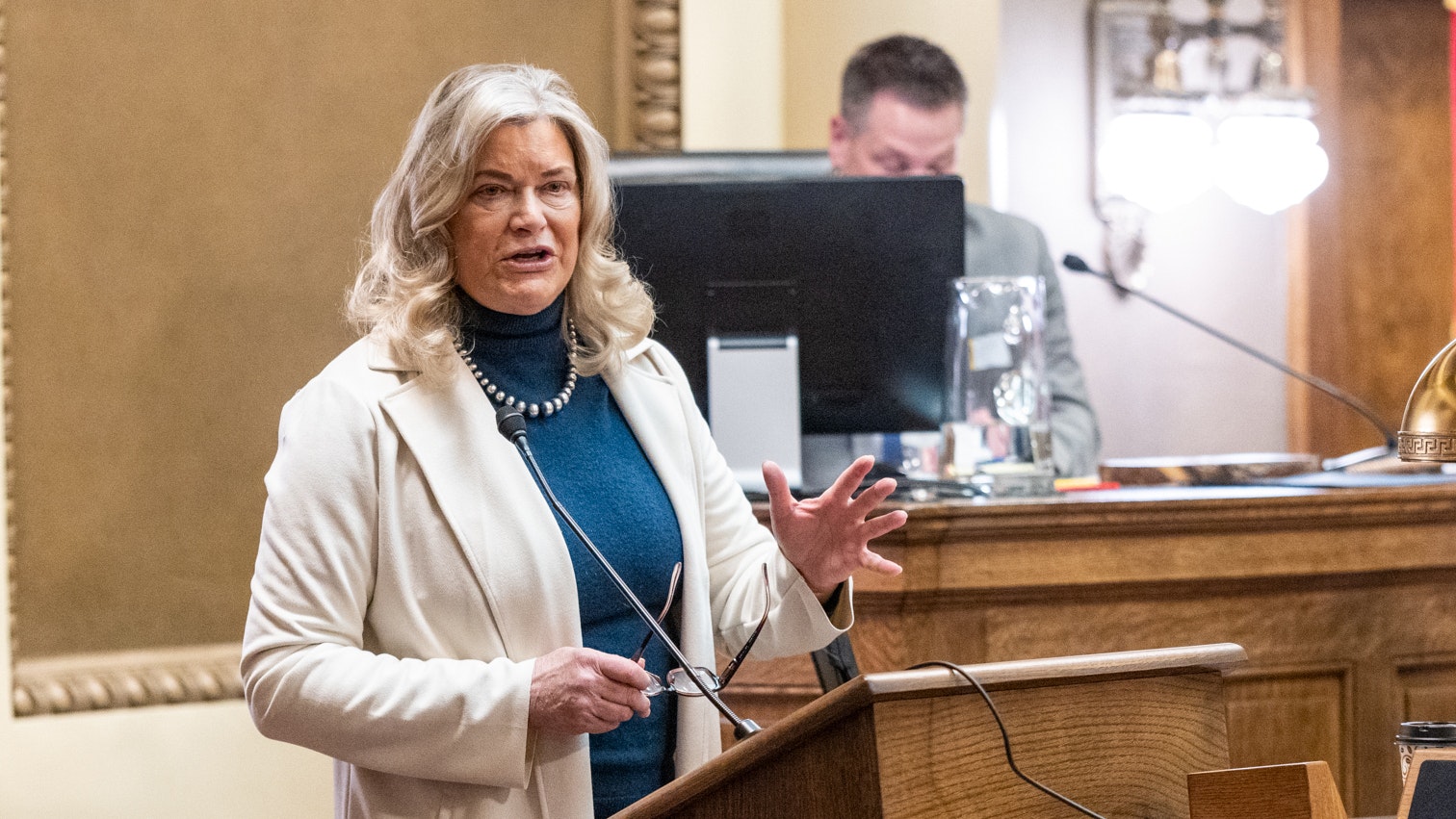
That anecdote was part of what amounted to a farewell address from Wyoming's senator, who appeared before the Wyoming Senate and House to deliver what she characterized as a series of wins from her 14 years of service in Washington D.C. Her message was future-leaning and optimistic, centered on digital assets, energy and artificial intelligence.
She also acknowledged the complicated nature of working with President Trump.
"Some days we cringe at what he says," Lummis told Wyoming lawmakers. "But I tell you, what he does has made a staggering difference in this country in one year."
During her President's Day address at the Wyoming Capitol, Lummis ran through a greatest hits list of what she described as positive developments for Wyoming.
It was a nostalgic homecoming for Lummis, who got her start in politics as an intern in the Wyoming Senate while studying animal science as a senior at the University of Wyoming.
She was elected a few years later and served 12 years in the House and one term in the state Senate before going on to serve as state treasurer, director of the Office of State Lands, and ultimately in the U.S. House and Senate.
Kraken Rewards Wyoming
One of the biggest announcements of the day was that Kraken, the cryptocurrency exchange that moved its global headquarters to Cheyenne, will sponsor Trump Accounts for every child born in Wyoming in 2026.
The Trump Account, created as part of the working families tax cut, provides every child born during the Trump administration with $1,000 from the U.S. Treasury. Parents and other entities, including nonprofits, can contribute additional funds, and when the child turns 18, they'll have access to the money.
Lummis described the Trump Account sponsorship as Kraken rewarding Wyoming for its leadership in making the state a good place to set up a digital asset business.
"There will be more. There will be others coming," Lummis said of digital asset companies looking at Wyoming.
Kraken is a $20 billion cryptocurrency exchange that announced last year it had moved its headquarters to Cheyenne from California. The company was Wyoming's first Special Purpose Depository Institution.
A key milestone, Lummis said, was Kraken gaining access to a master account with the Federal Reserve — essentially a bank account for banks that allows access to Federal Reserve services.
That was the “last sort of shoe to drop” as Kraken establishes itself as a federally legitimized player in the digital asset industry.
Former state Rep. Tyler Lindholm, one of the architects of Wyoming's digital asset framework, has said he believes Kraken is now the largest company with a headquarters in Wyoming.
Arjun Sethi, co-CEO of Kraken, said the investment reflects the company's commitment to the state.
"This is not a gift. It is an investment in Wyoming's future," Sethi said in the announcement from Lummis' office. "We chose Wyoming as our global headquarters because it leads the country in thoughtful crypto innovation and regulation. When a state creates the right environment for builders, it deserves long-term commitment in return. By seeding accounts for every newborn in 2026, we are backing families from day one and reinforcing Wyoming's role as America's home for responsible crypto leadership."
Lummis drew a comparison to South Dakota's success with the credit card industry, noting that more than 10,000 employees of credit card companies now work in Sioux Falls alone.
"These jobs are going to be all over Wyoming, not just in Laramie County," she said.
During her remarks, Lummis singled out Sen. Chris Rothfuss, D-Laramie, praising the bipartisan work that built Wyoming's digital asset framework, which includes more than 40 laws passed since 2016.
"Car Wash For Rocks"
On the energy front, Lummis highlighted Casper-based DISA Technologies, which recently received a permit from the Nuclear Regulatory Commission to begin cleaning up abandoned uranium mine sites — many of which date back to the World War II era, including sites on the Navajo reservation in Arizona.
Lummis said she worked with U.S. Sen. Mark Kelly, D-Arizona, to push the permit through.
"I call it a car wash for rocks," Lummis said of DISA's technology. "This pulls up right next to these piles of exposed uranium, cleans them up right on site to over 90%, and then moves on to the next site."
DISA Technologies, which is short for "disassociation," uses a proprietary High-Pressure Slurry Ablation technology that blasts two jets of mineral-rich slurry at each other to separate target minerals from ore.
The uranium remediation market is substantial, with more than 15,000 sites containing waste from Cold War-era mining across the country. The Navajo Nation alone has 523 abandoned sites where contamination has created documented health problems.
Lummis recalled the moment DISA CEO Greyson Buckingham brought the NRC permit to her office.
"I just stood there and stared at it and said, 'I have never seen one of these before,'" she said. "And it's because they hadn't been issued."
The company has raised $50 million, grown from eight employees to 45, and manufactures everything at its Casper facility.
Open For AI Business
Lummis was equally bullish on artificial intelligence, declaring that Wyoming is positioning itself as a destination for AI development because of its abundant energy resources.
"We are open for business in artificial intelligence," she told the Senate.
Wyoming exports dramatically more energy than it consumes, Lummis noted, making it an ideal location for the power-hungry data centers that drive AI computing.
She said the state offers companies the ability to go "from conception to consumption" — harvesting mineral wealth, converting it into electricity and using it to power AI computers, all within Wyoming's borders.
Lummis named several major technology companies that are either already operating in Wyoming or actively looking at the state for AI infrastructure. Meta is here, she said, Microsoft is here, and Google is looking at Wyoming.
"It was because we have it all," she said.
She also pointed to progress on nuclear energy, noting that TerraPower is building its Natrium reactor in Kemmerer — a project that had been stalled under the previous administration because the Nuclear Regulatory Commission wouldn't move.
Ranching And What's Next
Lummis told the senators that all of the developments she described were rooted in the legislative work done in Wyoming over the years.
"I hope that we have provided you with a footprint and a footpad to go forward," she said, "so the jobs we've worked so hard to create can just grow from Wyoming."
As for what's next, Lummis said she has no firm plans other than coming home to Wyoming to ranch with her brother and daughter.
But she left the door open to future involvement in the digital asset industry, saying that the relationships she's built over the years could lead to opportunities to participate in that sector of the Wyoming economy.
"I have no plans," she said. "Except to be here. Wake up in Wyoming every day."
She acknowledged former state Sen. Charlie Scott, R-Casper, noting they entered the Wyoming Legislature together in 1979.
"It's been a good run, Charlie," she said. "We saddled up. We did the best we could for Wyoming."
David Madison can be reached at david@cowboystatedaily.com.