Butch Cassidy, the alias for Western outlaw legend Robert LeRoy Parker, robbed the bank in Telluride, Colorado, on June 24, 1889, and escaped soon after into Wyoming.
Historians cite this as his first major crime, and most theorize it may have been his last if Cassidy hadn’t been sent to prison for buying stolen horses from a man named Billy Nutcher.
The 18 months Cassidy spent in the Wyoming Territorial Prison in Laramie so embittered him that his family said he escalated his bank and train robberies for the next four years after his release.
It was the only time he was locked up, and instead of emerging reformed, he came out more hardened and more focused on being an outlaw than before.
In Wyoming
Cassidy had turned up in Wyoming in 1890 as a working cowboy, well-liked by the locals in Dubois and Lander.
During the Great Western Horse Thief War, as dubbed by historian Mike Bell, Cassidy was captured after a brief gun fight and brought to Lander to face the court.
It was Cassidy’s friend William L. Simpson who was the prosecuting attorney.
Although Cassidy claimed to have a bill of sale for the horses he had in his possession, a jury found him guilty and Cassidy was sentenced to two years in the penitentiary in Laramie. He would serve 18 months of that sentence.
Still claiming his innocence, Cassidy sent for Simpson, who later wrote about the meeting in 1939.
“He told me that he did not blame me at all; that I had done my duty and that he wanted to be friendly, and this was understood as we had always been friends on the range during the time we were on Wind River,” Simpson wrote.
The friendship was apparently strong, according to Fredrich Bechtoldt, who wrote in “Tales of the Old-Timers,” that Simpson “cherished a warm man-to-man liking” for Cassidy.
According to the Simpson family, Cassidy had spent the night before he went to prison at their house instead of jail.
Cassidy had told the night jailer and Ben Sheldon, the clerk of the court, that he had business in Lander he needed to attend to. He promised that no one would see him and he would be back at the break of day.
Sheldon said that Cassidy was a man of his word and allowed him to go.
Cassidy was back at the jail door before dawn, according to Bechtoldt. Cassidy went to Laramie City (as it was then known) that same day to begin serving his sentence.
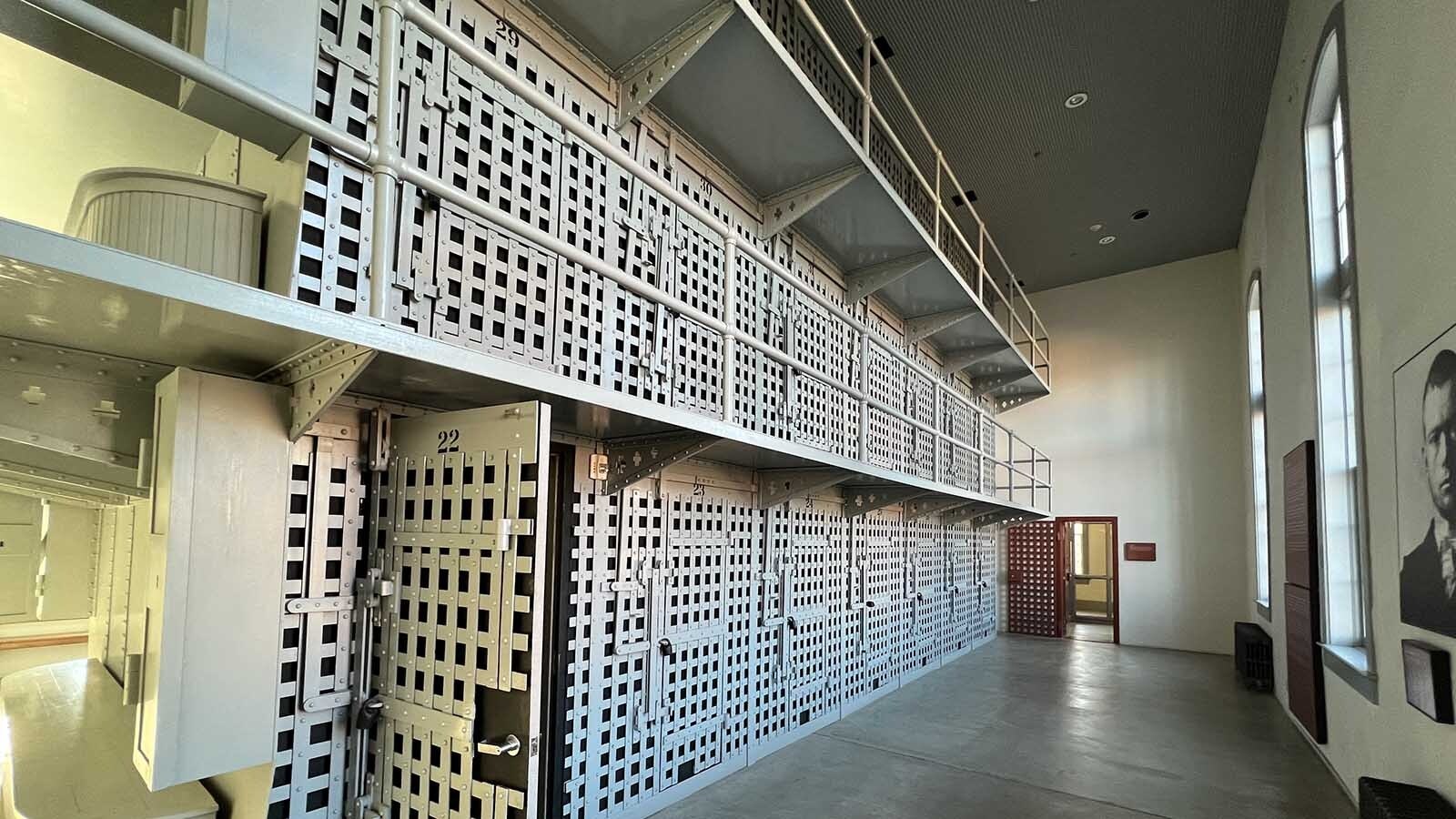
When Butch Cassidy was 27 years old, these cells became his new home at the Wyoming Territorial Prison in 1894. For the next 18 months, he worked long hours and seethed about his captivity. These cells would have held either a bunk bed or hammock, a chamber pot and nightstand. (Greg Johnson, Cowboy State Daily) 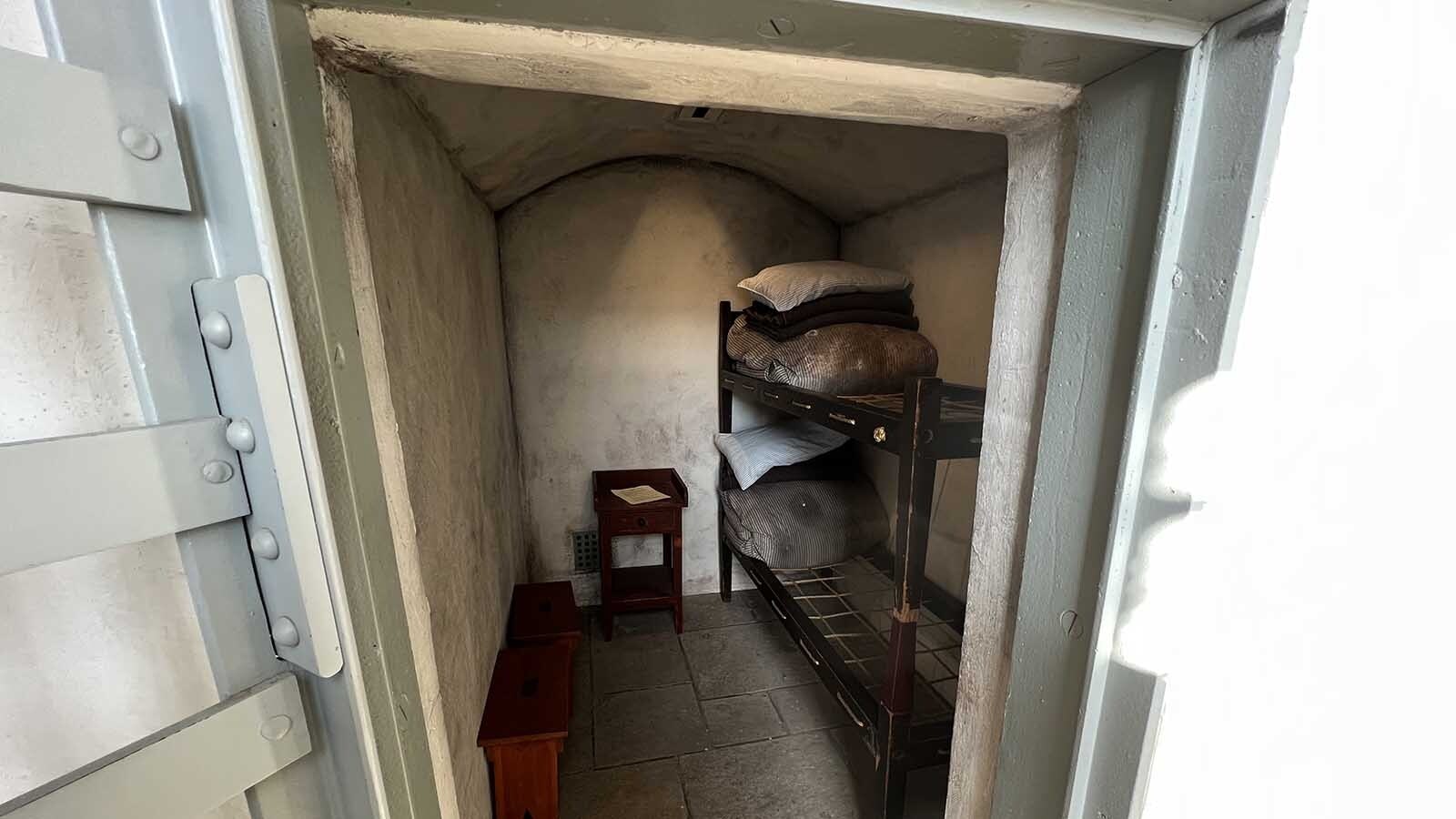
When Butch Cassidy was 27 years old, these cells became his new home at the Wyoming Territorial Prison in 1894. For the next 18 months, he worked long hours and seethed about his captivity. These cells would have held either a bunk bed or hammock, a chamber pot and nightstand. (Greg Johnson, Cowboy State Daily) 
The Wyoming Territorial Prison had over 1,000 inmates housed within its walls beginning in 1872. Butch Cassidy was a model prisoner during his stay but became an infamous outlaw after. His family said he was bitter over the time lost behind prison walls. (Greg Johnson, Cowboy State Daily)
Inmate No. 1897
When Cassidy was sent to the Wyoming Territorial Prison, he was 27 years old and had been charged with horse theft and grand larceny.
According to Simpson, Sheriff Charlie Stough of Lander brought Cassidy to prison along with five other prisoners. The lawman was accompanied by his constable and deputy, and Simpson said that Stough did not carry a gun or place manacles on Cassidy.
The Wyoming Territorial Prison where Cassidy was to spend the next two years had opened as a U.S. Penitentiary in 1872 and later became Wyoming’s first state penitentiary.
It was in operation for only 30 years.
“It was a prison for the whole territory,” said Lynette Nelson of the Wyoming Territorial Prison Historic Site. “It branched over into Nebraska and into Colorado.”
The prison had over 1,000 prisoners during its operation, although Nelson said more than a third of the prisoners escaped only to be recaptured later and punished accordingly.
When Cassidy showed up without shackles, Lander Constable Harry Boedeker recalled that Warden W.H. Adams was horrified and demanded to know why.
Boedecker, according to historian Larry Pointer in his book “In Search of Butch Cassidy,” said that Cassidy answered before any of the lawmen could defend themselves. .
“Honor among thieves, I guess,” Cassidy said.
Now known as inmate No. 1897, Cassidy was admitted into prison life in July 1894.
Adams interviewed the new prisoner who promptly gave a false identity.
Cassidy claimed New York City as his hometown and that his real name was George Cassidy to protect his Parker family in Utah.
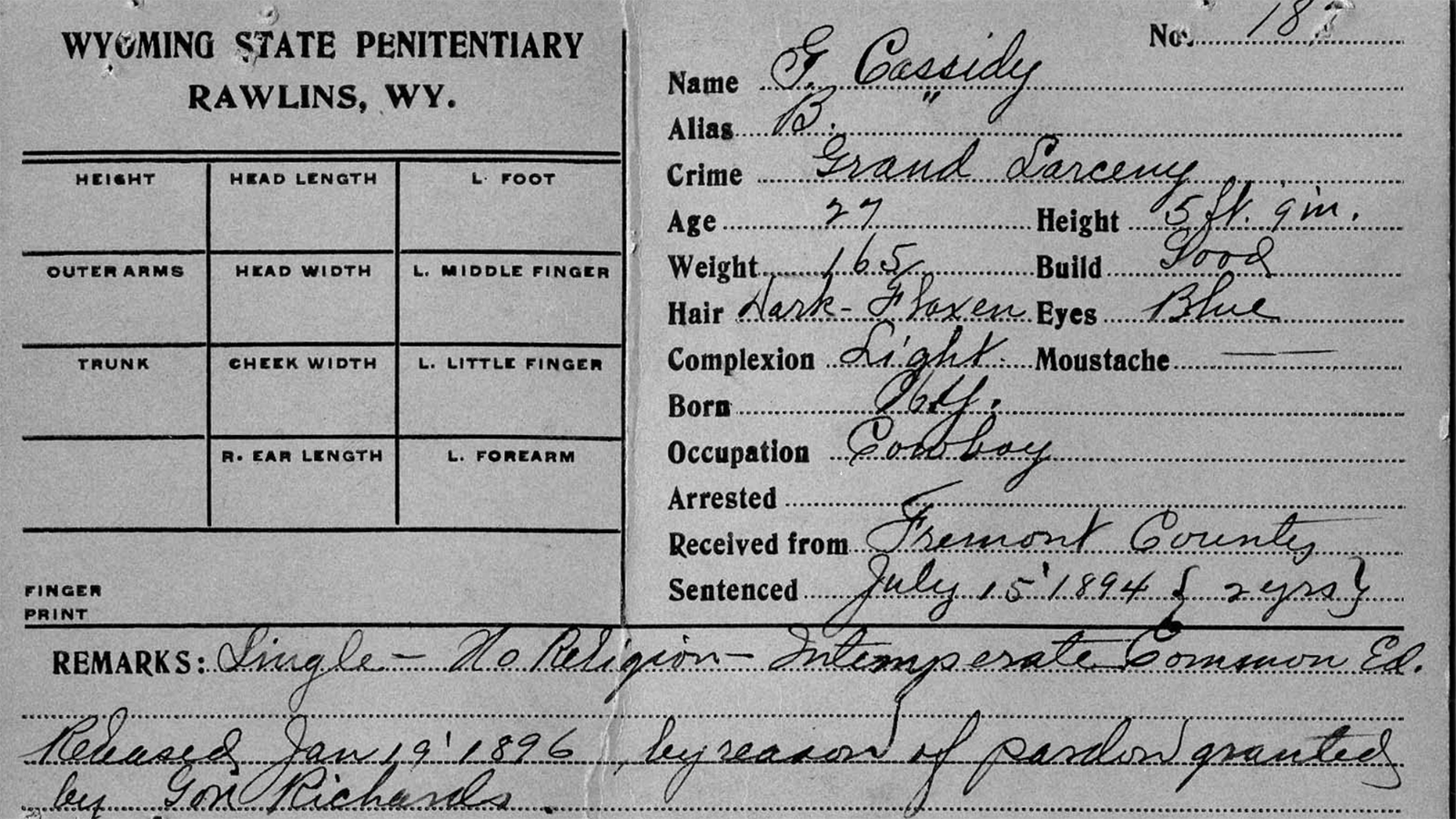
Cassidy was then examined and listed as 5 feet, 9 inches tall with a light complexion, dark flaxen hair, blue eyes, and weighing165 pounds.
He said he had no wife or children and claimed not to know if his parents were living. Cassidy denied having a religion and only a common school education.
His scars were noted, including the fresh red scar given to him in the gun battle during his capture.
Had To Earn Their Keep
The prison operated under the Auburn Prison System, which meant that strict silence was mandated, prisoners were referred to by their numbers and not their names, and they were expected to walk in lockstep while wearing striped clothing.
When Cassidy arrived, the prison population was at 113, according to historian Bill Betenson in his book “Butch Cassidy, The Wyoming Years.”
Betenson described the prison in detail and explained that at the time of Cassidy’s incarceration, it had two cellblocks with each containing 42 cells, stacked three high.
These cells were designed to sleep two prisoners and were about 6 feet by 6 feet with an 8-foot ceiling. Depending on the cell, prisoners would either have a bunk bed or hammock. Each cell had a chamber pot and nightstand.
After Cassidy was interviewed, he was processed into prison life beginning with a bath. He was given his new striped uniform, and his head was most likely shaved.
Cassidy would then have been escorted to his cell and given a candle, blanket and pillow.
To help defray the costs for this new small home, prisoners were expected to work, and there were plenty of opportunities to earn their keep, ranging from working in the broom factory to making cigars.
Betenson said that if Cassidy had his way, the outlaw would have been working in the garden or with the prison horses.
“I think from all indicators, Cassidy was most likely to have helped with the cooking and things like that,” Nelson said. “Unfortunately, we don’t have records detailing what he did for labor.”
A typical work day in the Wyoming Territorial Prison was 10 hours; five hours in the morning, a lunch break, and then another five hours of work.
The meals were usually stew, boiled meat, bread and vegetables.
Recreation, for those not in solitary confinement and on good behavior, would have been reading a book from the library.
On Labor Day in 1894, a rodeo was even held at the prison.
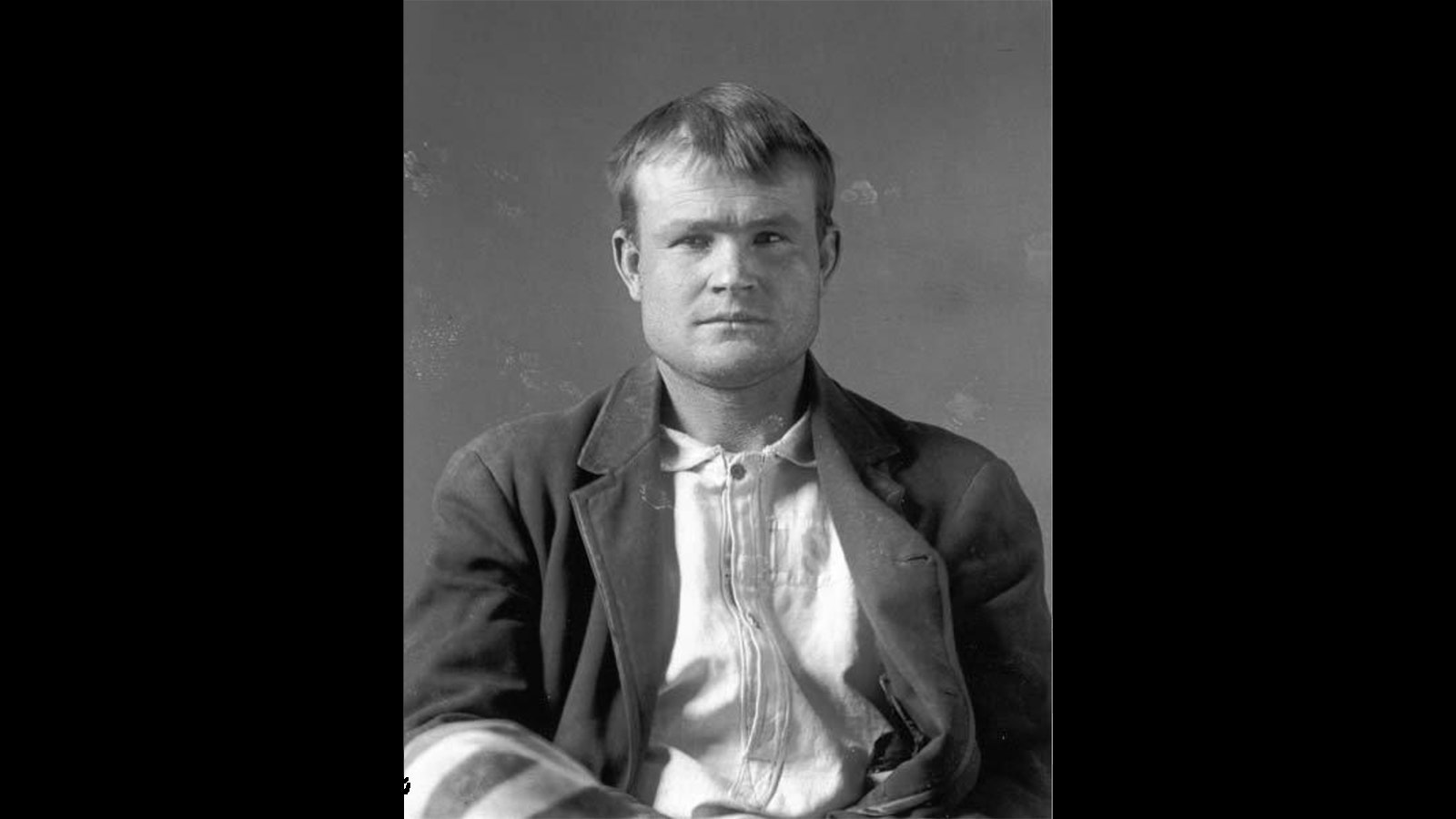
Claiming to be “George Cassidy,” Butch Cassidy was incarcerated at the Wyoming Territorial Prison in 1894. As part of his intake, a mug shot was taken and his vital statistics recorded. He lied about his real name and birthplace. (Courtesy Wyoming State Archives) 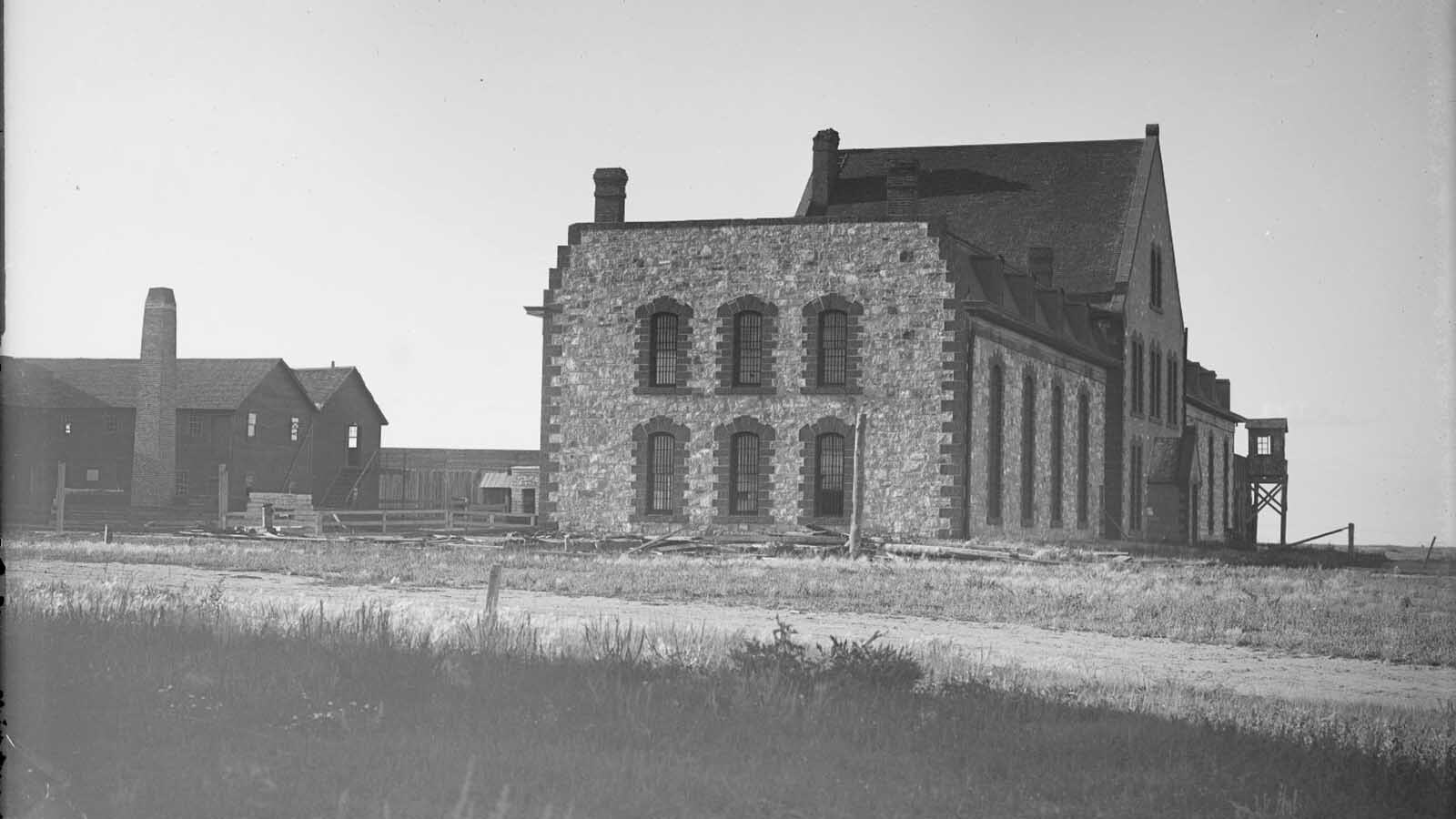
The Wyoming Territorial Prison where Cassidy spent 18 months as a prisoner had opened as a U.S. penitentiary in 1872 and later became Wyoming’s first state penitentiary. It was in operation for only 30 years. (Courtesy Wyoming State Archives) 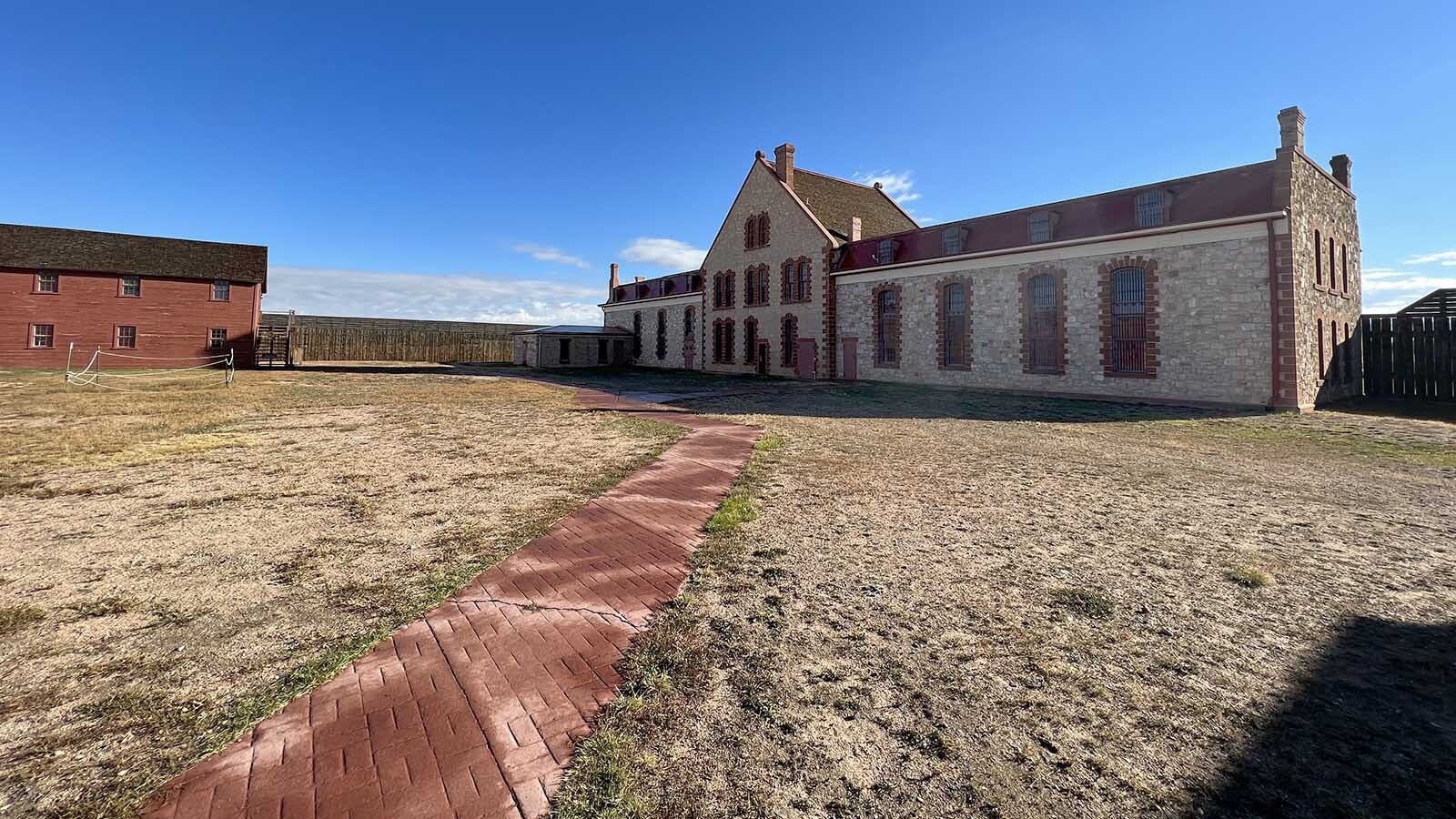
The Wyoming Territorial Prison had over 1,000 inmates housed within its walls beginning in 1872. Butch Cassidy was a model prisoner during his stay but became an infamous outlaw after. His family said he was bitter over the time lost behind prison walls. (Greg Johnson, Cowboy State Daily)
Released Early For Good Behavior
Prisoners were rotated around the prison every two or three weeks to keep them getting comfortable. That meant Cassidy stayed in about 36 cells during his incarceration.
“Cassidy was a model prisoner when he was here,” Nelson said. “He would have been rewarded with a cell on the third level during the winter because it was warmer up there, and in the summer, he would get a cell down on the lower level because it was cooler.”
Eighteen months after he was put in prison, Cassidy received a pardon from Gov. Brooks Richards based on a recommendation from the very judge that had sentenced Cassidy to prison.
“Cassidy’s pardon would have much to do in causing him to become a law-abiding citizen,” Judge Jesse Knight wrote. “I do not doubt but that he would be capable of organizing and leading a lot of desperate men to desperate deeds.”
Unfortunately for the governor and judge, Cassidy chose the second path after he was released in January 1896.
By August of that same year, the robbery of the Bank of Montpelier in Idaho had been tied to Cassidy.
Cassidy’s younger sister Lula Betenson said that her brother was disenchanted when he got out of jail, according to her grandson Bill Betenson.
Judging by Cassidy’s robberies after his release, his time in the penitentiary became more of a criminal training school rather than reformation.
“Lula shared that (Cassidy) became bitter in prison and said it they wanted to treat him as an outlaw, he would show them what an outlaw was,” Betenson wrote. “He had plans to make his mark in the world when he was released.”
The Prison Today
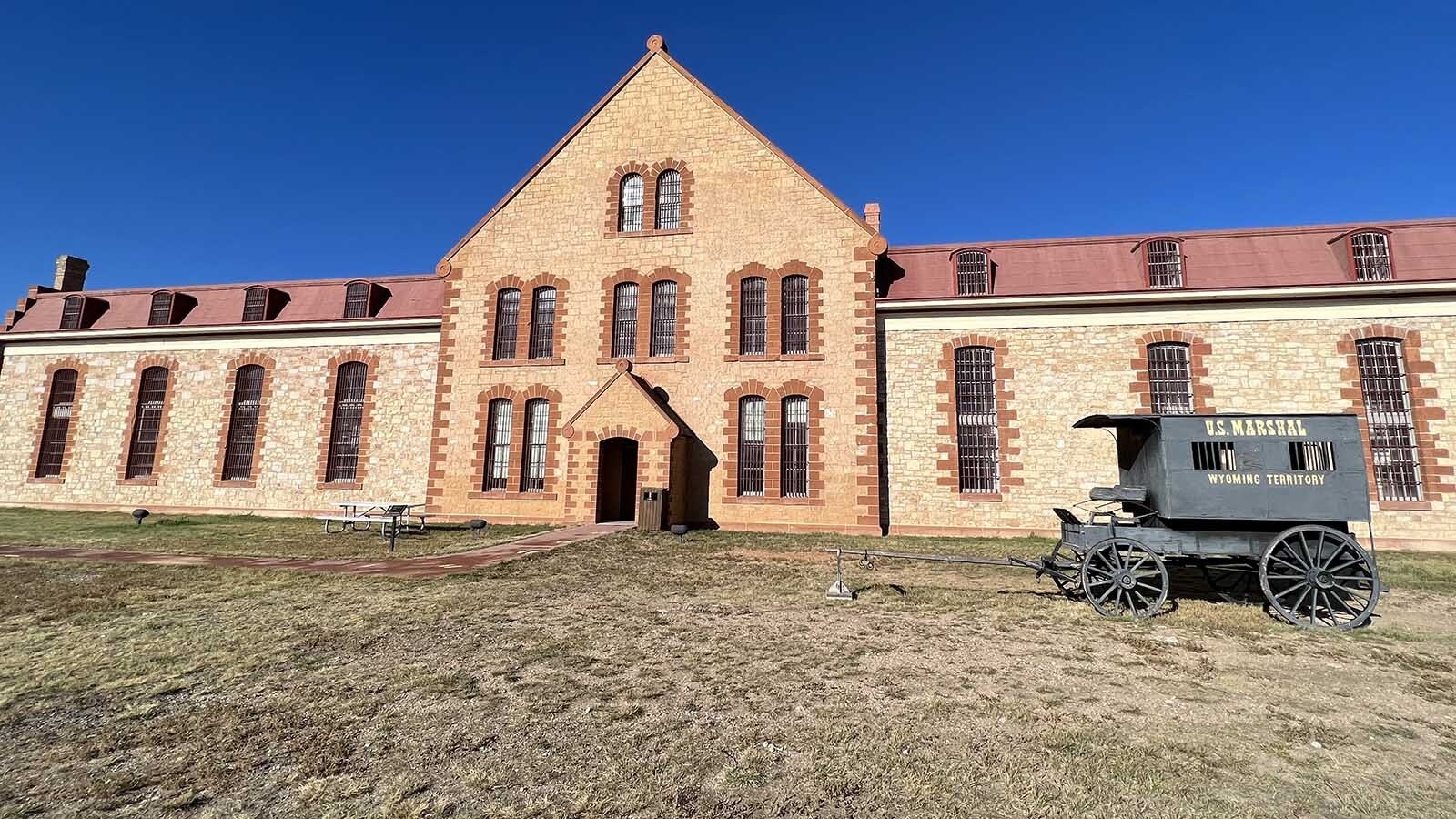
After being closed for decades, the Wyoming Territorial Prison found new life as a museum.
Visitors can explore the cells that once housed not only Butch Cassidy, but other desperate criminals from Wyoming’s outlaw past.
“We had over 1,000 prisoners, and each one had a different story,” Nelson said. "From murdering somebody to stealing clothes off of a clothesline.”
Guided and self-guided tours are available with an entire room in the prison dedicated to the legacy of Cassidy and his exploits.
“It's a part of our Old West history,” Nelson said. “This prison helped tame the Wild West.”
Although in the case of Cassidy, the prison instead became the catalyst that inspired him to become an infamous outlaw on a path to rob banks and trains for the next four years.
Jackie Dorothy can be reached at jackie@cowboystatedaily.com.