A list of the pioneering imagery of Wyoming would probably include cowboys, wide-open spaces, rich mineral and fossil fuel deposits, and the notoriety of being the first state to give women the right to vote.
An honest list should also include mail-order brides — lots of mail-order brides — and more than most Wyomingites realize.
Robyn Cutter with the Park County Archives has done a deep dive into the history of the Grey Bull Club in Meeteetse. It was one of many matrimonial clubs that are almost as old as the state of Wyoming itself.
With men in Wyoming outnumbering women 10-1, these clubs would try to connect lonely Western men with Eastern women seeking a better life out West and better marriage material.
"It made a lot of sense for a lot of the Western cowboys,” she said. “They ranched, raised livestock, and were lonely while they did.
“They wanted to build towns and have families, and these clubs were a means of making that happen.”
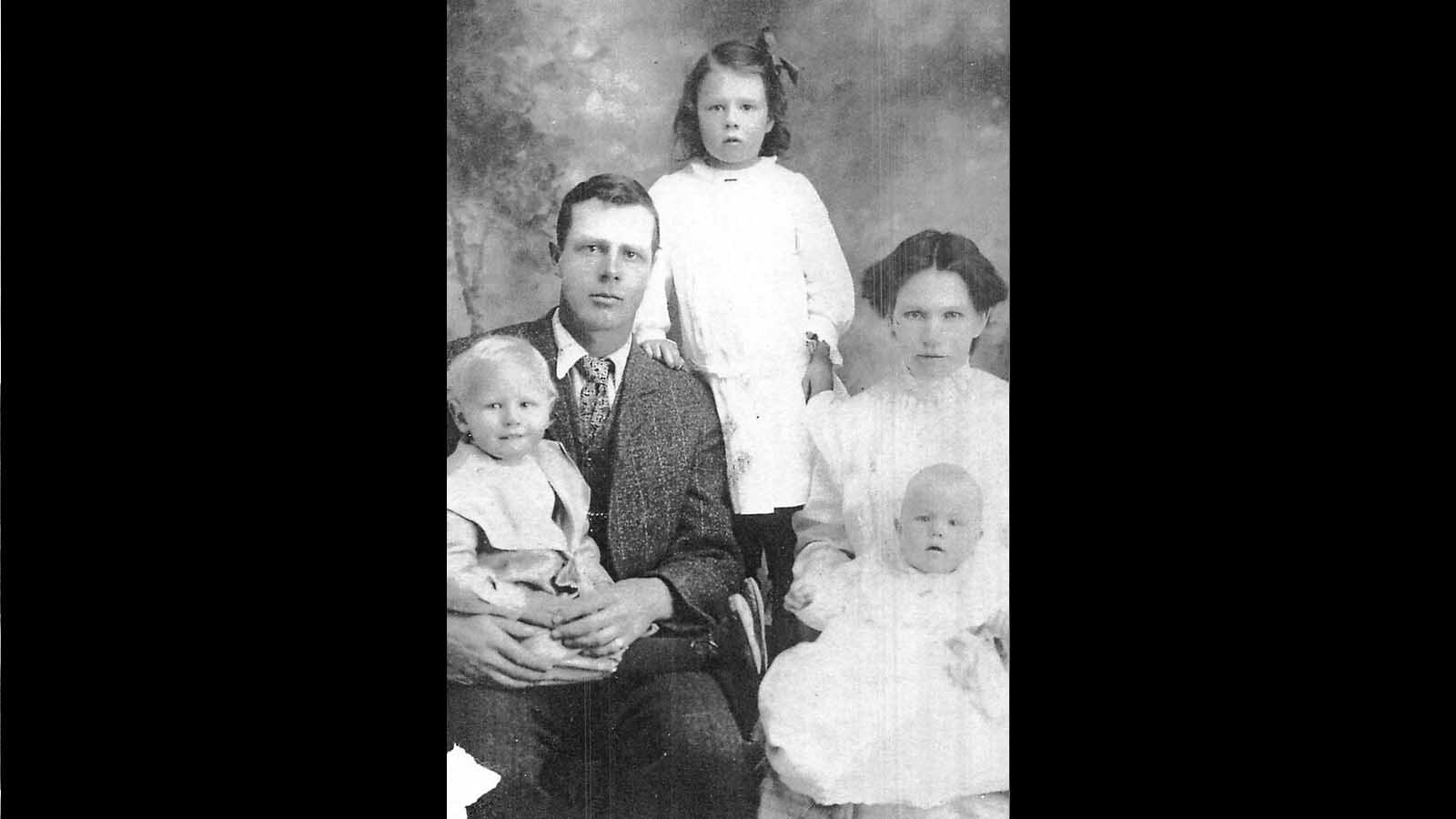
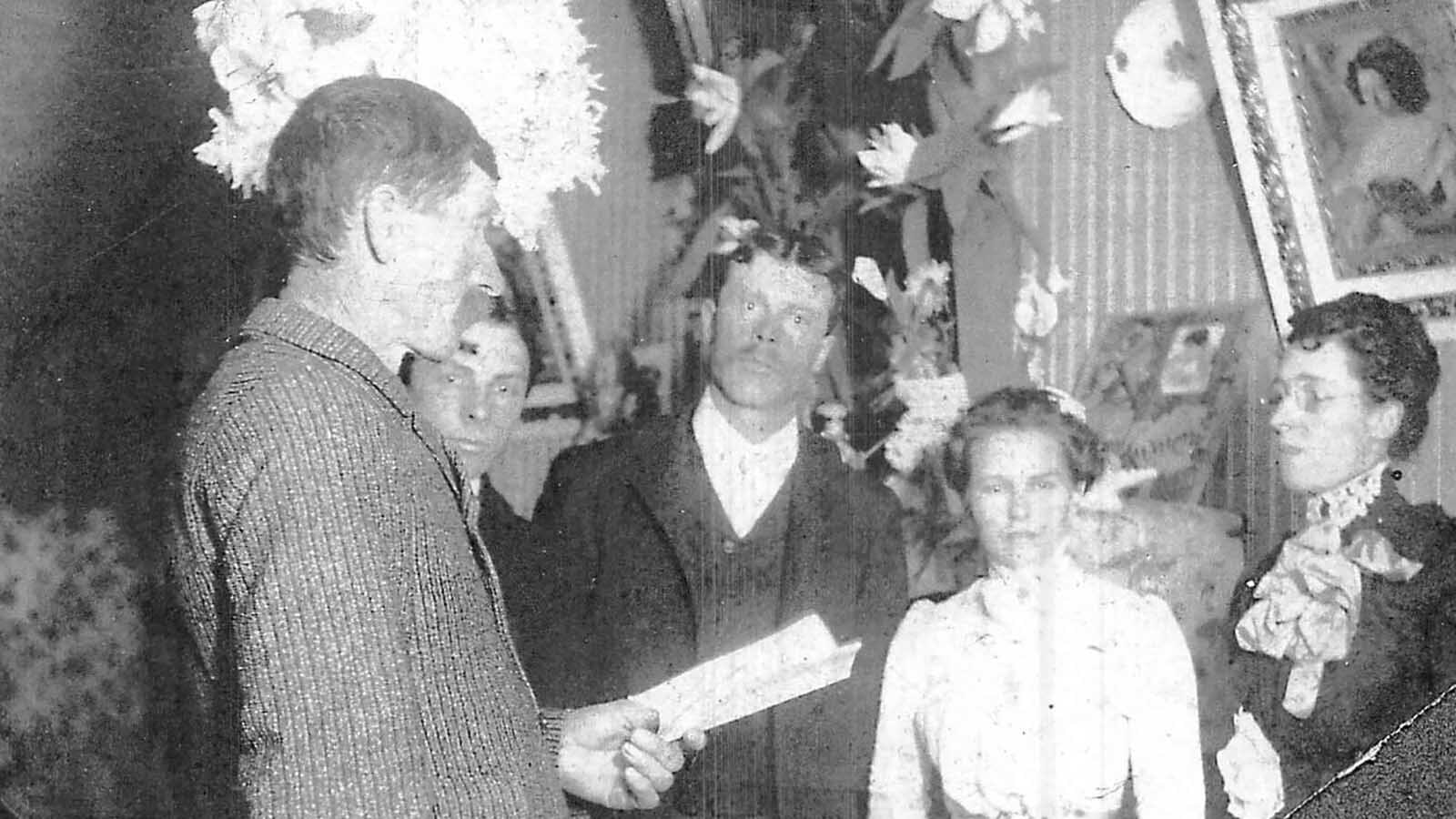
Earl Newton was a friend of Buffalo Bill Cody and had been a cowboy, miner, stage driver, rancher, and sheep man. He also was lonely. In 1902, he married a mail-order bride, Eliza Bushnell, of Cherokee, Iowa. She arrived by train and their were married by Judge M.O. Newton right away. Here they are after having three kids. (Getty Images) 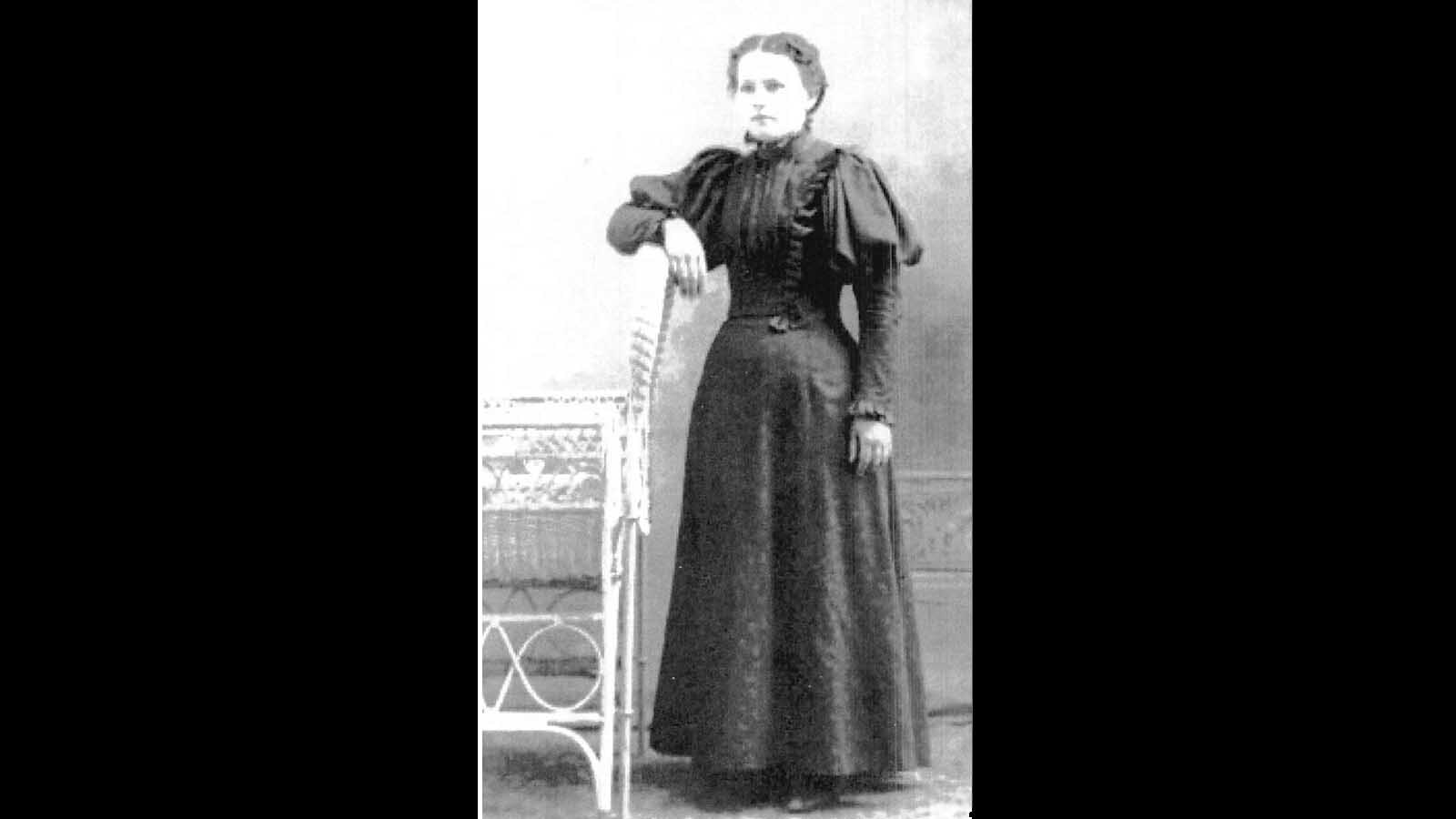
Earl Newton was a friend of Buffalo Bill Cody and had been a cowboy, miner, stage driver, rancher, and sheep man. He also was lonely. In 1902, he married a mail-order bride, Eliza Bushnell, of Cherokee, Iowa. She arrived by train and their were married by Judge M.O. Newton right away. Here's a photo of Eliza as a young woman. (Getty Images) 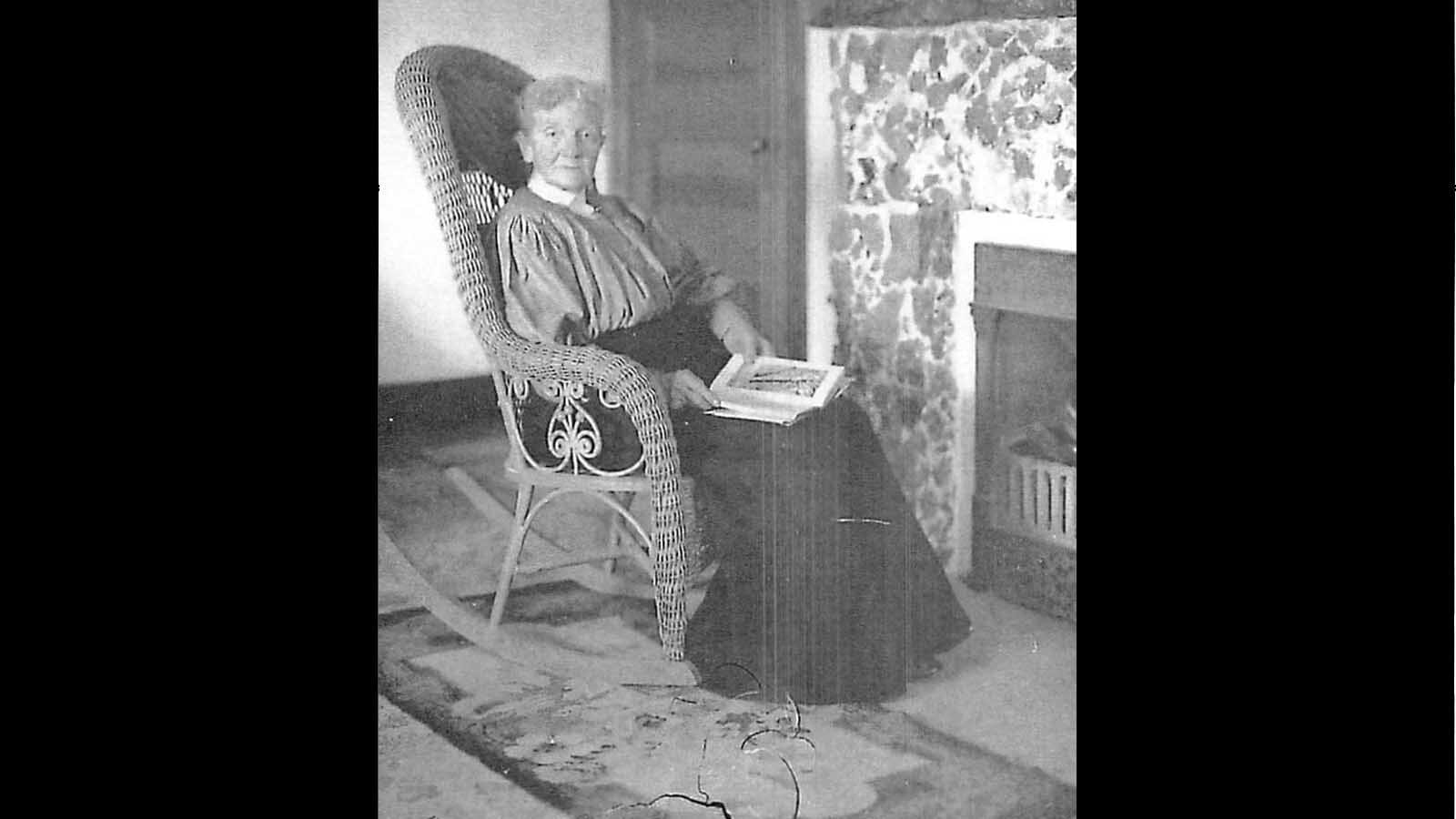
Earl Newton was a friend of Buffalo Bill Cody and had been a cowboy, miner, stage driver, rancher, and sheep man. He also was lonely. In 1902, he married a mail-order bride, Eliza Bushnell, of Cherokee, Iowa. She arrived by train and their were married by Judge M.O. Newton right away. Here's a photo of Eliza decades later. (Getty Images) 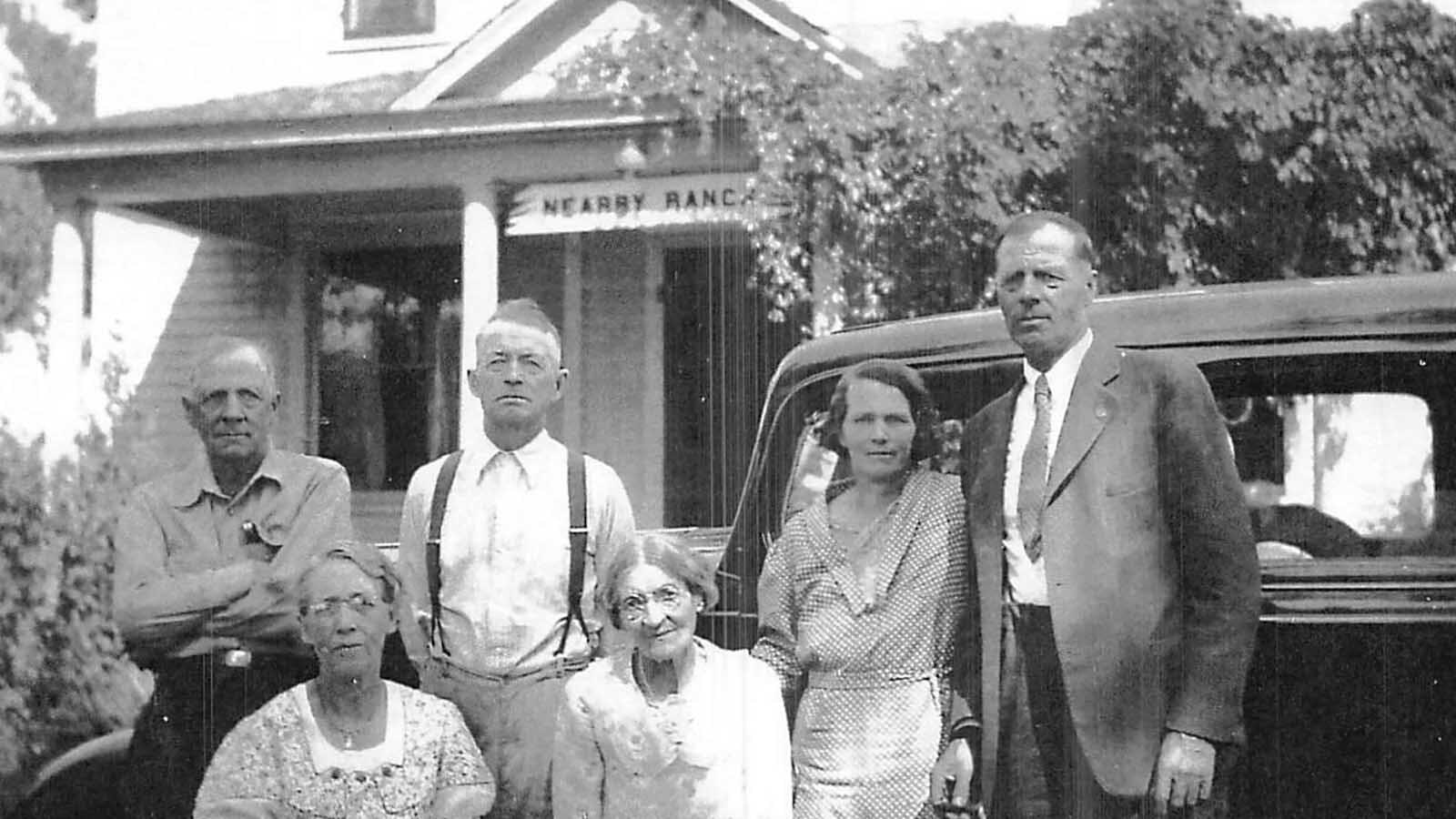
Earl Newton was a friend of Buffalo Bill Cody and had been a cowboy, miner, stage driver, rancher, and sheep man. He also was lonely. In 1902, he married a mail-order bride, Eliza Bushnell, of Cherokee, Iowa. She arrived by train and their were married by Judge M.O. Newton right away. Here they are later in life in a photo that doesn't identify who they are. (Getty Images)
No Judgment
It's 1906, and 50-year-old Judge A.C. Swenson wanted to settle down.
To find true love, he turned to the Grey Bull Matrimonial Club, a coalition of unmarried men older than 21 based in Meeteetse.
Between his legal and agricultural obligations, Swenson wrote letters to several women in the Eastern U.S. He found their connections through the club, which facilitated the correspondence.
“As they wrote back and forth, they were pretty accurate about everything,” Cutter said. “They didn't want to lie about what was going on and didn't want to mislead the women, so they’d come all this way and realize what had been described wasn’t true.
"They wanted to live a long, happy life.”
After writing and rejecting many potential partners, Swenson finally made a match with 27-year-old Rose Hennessey, a dressmaker in St. Louis, Missouri.
Once they established a connection, true love became transactional.
“She told him to send some money in order for her to get here,” Cutter said. “He sold off some yearlings, and she said that wasn’t enough.”
Swenson sold livestock and depleted his bank account until he had less than $200 left. After telling Hennessey he couldn’t make a better offer, she agreed to travel to Meeteetse.
A match made in heaven.
Now engaged, Swenson eagerly went to the train station in Cody, accompanied by a throng of locals, to welcome his blushing bride.
He reportedly embraced several random women, including the daughter of a Pennsylvania railroad official, whom he assumed (or hoped) was Hennessey.
To be fair, he had no idea what she looked like.
“He figures she's going to be on one of the next trains, so he goes to the station every day,” Cutter said. “After two weeks of waiting, he’s thinking he's been had.”
Swenson went back to his ranch to tend to his crops and livestock, while the locals started betting on whether Hennessy would arrive or whether their judge had been stood up.
There was much excitement, and probably some cursing, when she finally arrived.
While Hennessey got VIP treatment at The Irma Hotel, Swenson was summoned and raced back to Cody on his best horse. They were happily and immediately married.
“As far as I can tell, they lived happily ever after,” Cutter said.
Wyoming Wants Wives
The cross-country courtship of Swenson and Hennessy sounds like the plot of a second-rate Hallmark movie, but it’s more fact than fiction.
The entire ordeal was lovingly chronicled, as it happened, in The Cody Enterprise.
It was touted as another success of the “famous” Grey Bull Matrimonial Club, which had gained notoriety and results since it was founded by five bachelor ranchers in Shell, according to a Wyoming Tribune article published in March 1904.
“The person chosen must woo and wed a bride within twelve months,” it reads. “The first of these quintets of weddings has occurred in the marriage of Charles Babb and Mrs. Florence Quest, the ceremony being novel in as much as none of the invited guests knew of the marriage until they reached the house.”
The Tribune proudly taunted James Tatlock as "the next victim." He had to find and marry his bride before the end of the year (there's no record if he did).
The Grand Encampment Herald had a more blunt assessment of the Grey Bull Matrimonial Club in an article from December 1905: “Effort Being Made to Import Wives for Wyoming Men.”
“This club inaugurated the movement to advertise the fact in the east that there were ten unmarried males to one female (in Meeteetse),” it reads. “The idea was to attract this class to this part of the state in the hope that our unmarried men would find wives to their liking and increase the number of homes.”
The club was reportedly “swamped with letters” from teachers, bookkeepers, and widows open to marriage and willing to get a letter from “some nice bachelor” with the intent of growing from pen pals to partners.
It wasn’t scandalous or embarrassing, it was encouraged.
“If the people of Big Horn County who are in need of female help will make application to this office, letters from those seemingly suited to the case will be turned over to them,” the Grand Encampment Herald published.
These women were described as “mail-order brides” at the time, primarily because it was courtship conducted entirely by mail.
Cutter, however, said the surviving letters and historical accounts portray these unorthodox marriages as genuine and earnest efforts from both parties.
“A lot of the women wrote about strict parents, unhappy lives, or the feeling that there were no good men in their neck of the woods,” she said. “They wanted something completely new and different and were willing to take the chance on a bachelor in Wyoming.”
It worked.
All In The Family
Many legacy families in Wyoming might be reluctant to acknowledge, or are entirely unaware, that their family history may have begun with a mail-order wedding.
Cutter believes it might be more ubiquitous than reflected in the state’s historical records.
Cutter and her family have always wondered about their great aunt, Elizabeth. She was married to Alpheus Beam, a hunter and trapper in Cody, in 1895.
“My great uncle Alpheus came out to the Sunlight Basin in 1880,” she said. “Elizabeth ended up here in 1895, and my family in Illinois said she went West and they never heard from her again.”
Elizabeth took the train from Illinois to Billings, Montana. Alpheus was waiting for her, and they were married the same day that she stepped off the train.
Cutter doesn’t have hard evidence in the form of correspondence between the two, but the immediacy of the wedding has the hallmarks of Wyoming’s well-documented matches arranged through matrimonial clubs.
“She abruptly left Illinois and got married that same day she got off the train? We don’t know the answer, but we’ve always wondered if she was a mail-order bride,” Cutter said.
'Importing Women'
The concept of basically "importing women" for eligible bachelors — as some at the time described it — doesn’t sound out of place for turn-of-the-century Wyoming.
The reality is that the trend started by matrimonial clubs was surprisingly long-lived in the Cowboy State.
In 1910, Flora Klink sent her name, address, and a florid self-promotion to The Cody Enterprise.
The intentions of this “demure little miss who would marry a manly man of the plains” weren’t subtle.
“None of your department store clerks or city dudes will do for her, and she turns them all down,” it read. “What she wants is a typical westerner between the ages of 22 and 30, and in an ad in this paper, she inserts an announcement that she would be pleased to correspond with anyone who can fill the bill.
"Get out the tinted stationery and see that the life ambition of this young lady is gratified.”
The modern-day concept of a mail-order bride was popularized in a story by The New York Times in 1922.
The newspaper announced the arrival of 200 “brides” from Armenia, Greece, and Turkey, all engaged to American men, and many who were married the moment they got off the boat in New York City.
Wyoming was well ahead of that trend.
Cutter said the earliest documentation of a mail-order bride in Park County dates to 1893.
“Jim McLaughlin, a hunter and trapper born in Pennsylvania, found his way to the upper South Fork Valley,” she said. “He began corresponding with a Heart and Hand Matrimonial Club in January 1893, where he connected with his wife, known by people here as 'Buckskin Jenny.’"
Jenny Thompson lived in Virginia, but she happened to be the niece of Augustus "Gus" Thompson, the manager of Buffalo Bill Cody’s TE Ranch.
She and Jim McLaughlin might have found each other in Wyoming naturally, but Cutter said they connected through a club, not through Jenny’s familial connection to the Cowboy State.
Wyoming’s lonely hearts embraced the idea wholeheartedly.
At one point, the Big Horn County Matrimonial Club claimed to have more than 1,000 eligible bachelors participating and assisting each other in letter-writing courtship campaigns.
“There is a great reason to hope that some of these New England ladies may yet assist in preventing race suicide within the borders of this magnificent young state,” the Cody-based Wyoming Stockgrower & Farmer published in January 1906. “Meanwhile, our post office force is working overtime.”
That’s an awkward way to put it.
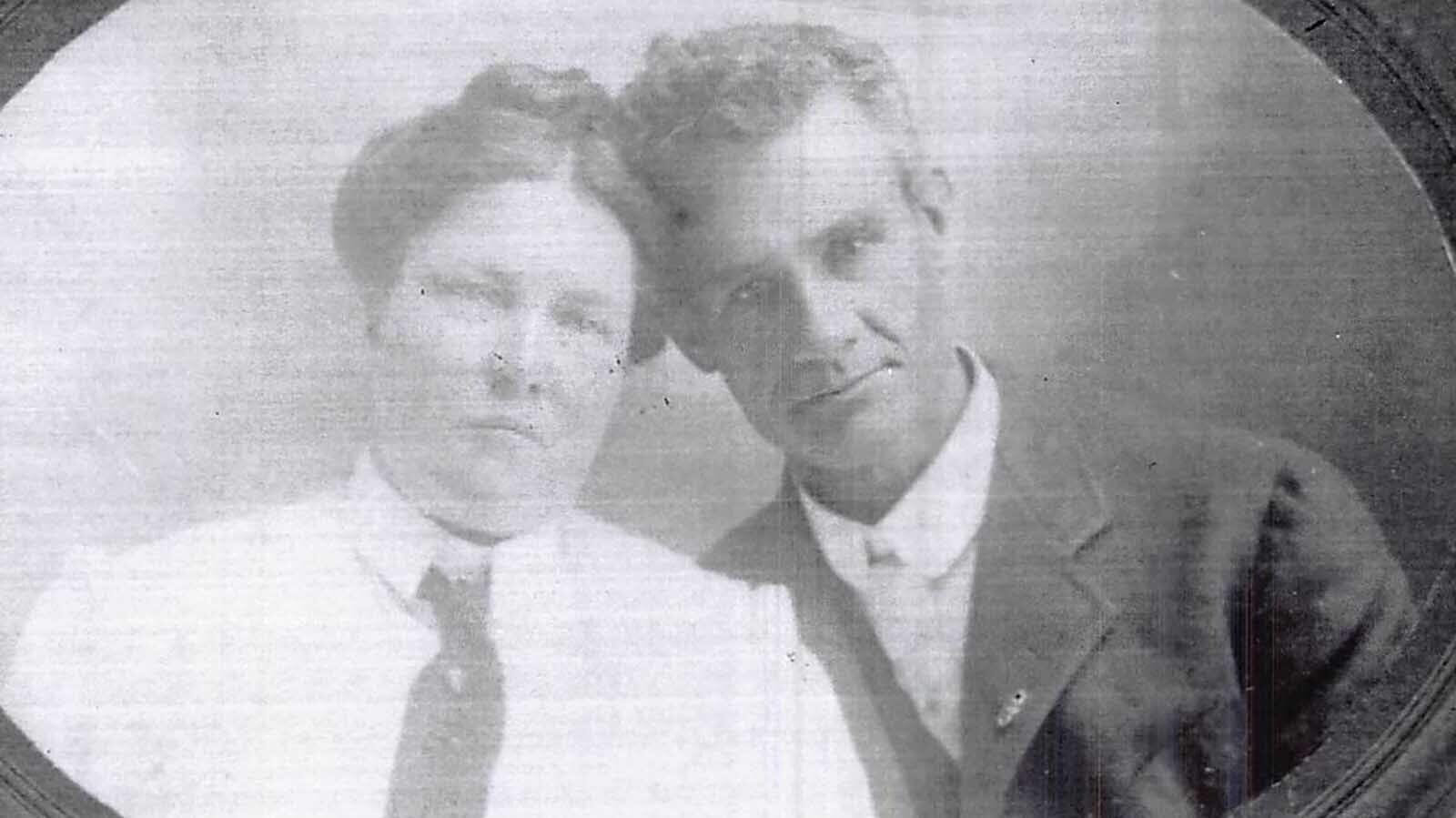
Jim McLaughlin was one of the earlier Wyoming bachelors to attract a mail-order bride, correstponding with a matrimonial club in the East to meet Jenny from Virginia. She would in Wyoming become known as Buckskin Jenny. She wsa the niece of another homesteader and manager for Buffalo Bill's ranch. (Getty Images) 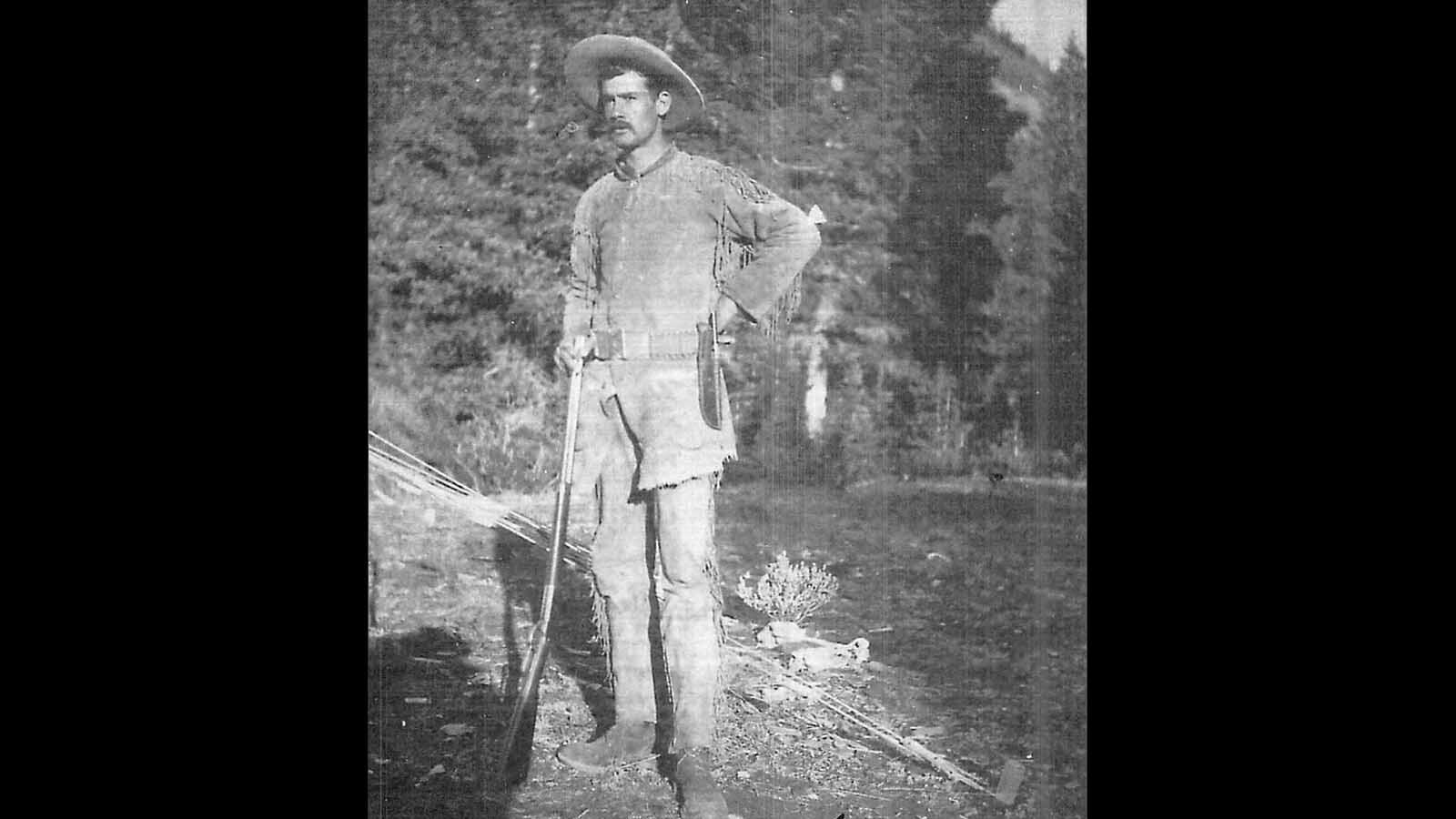
Jim McLaughlin, aka the Great Rocky Mountain Goat Shooter, at his ranch as a young bachelor. (Getty Images) 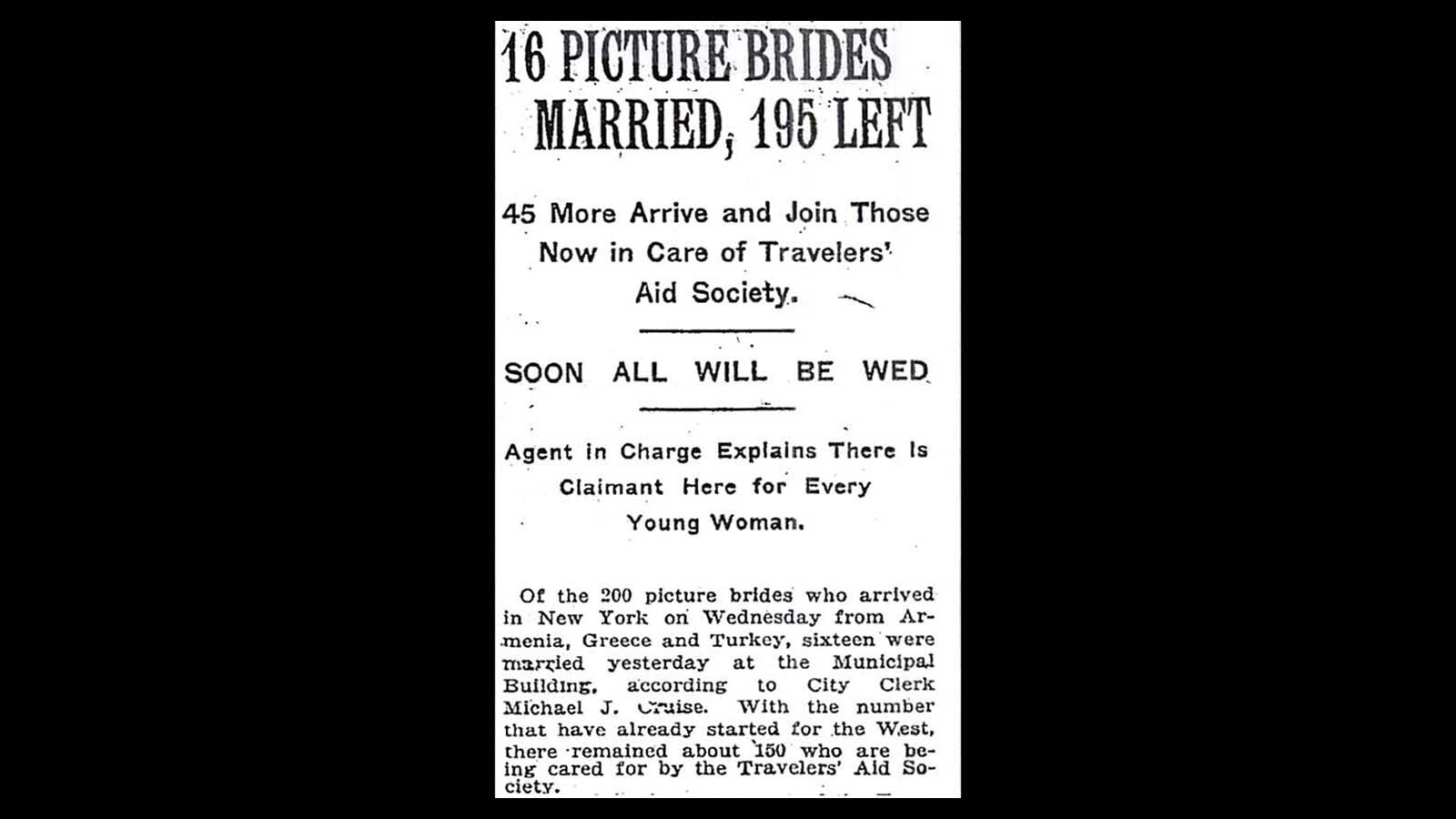
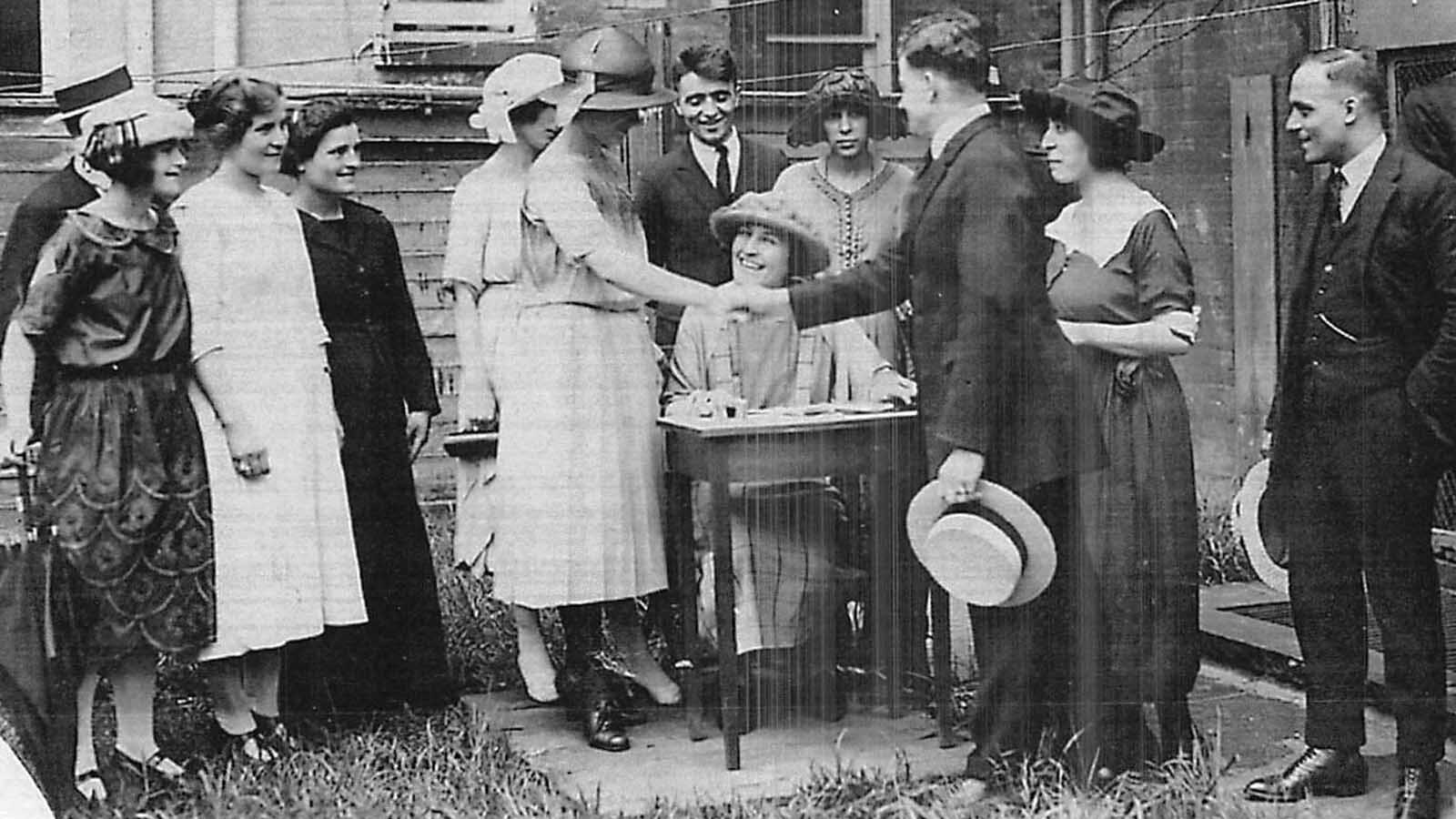
Matrimonial clubs were men were seeking women to marry were popular in early Wyoming, and across the United States. Thiis Aug. 4, 1922, item in The New York Times highlights a batch of brides who came to the U.S. seeking better lives.
Everything Old Is New Again
According to Cutter, Wyoming’s matrimonial clubs endured well into the 20th century.
Cutter said she found evidence of matrimonial clubs functioning, in some capacity, as late as the 1960s.
Mail-order brides are still fodder for sitcoms and stand-up comedians, but they aren’t as ubiquitous as they once were.
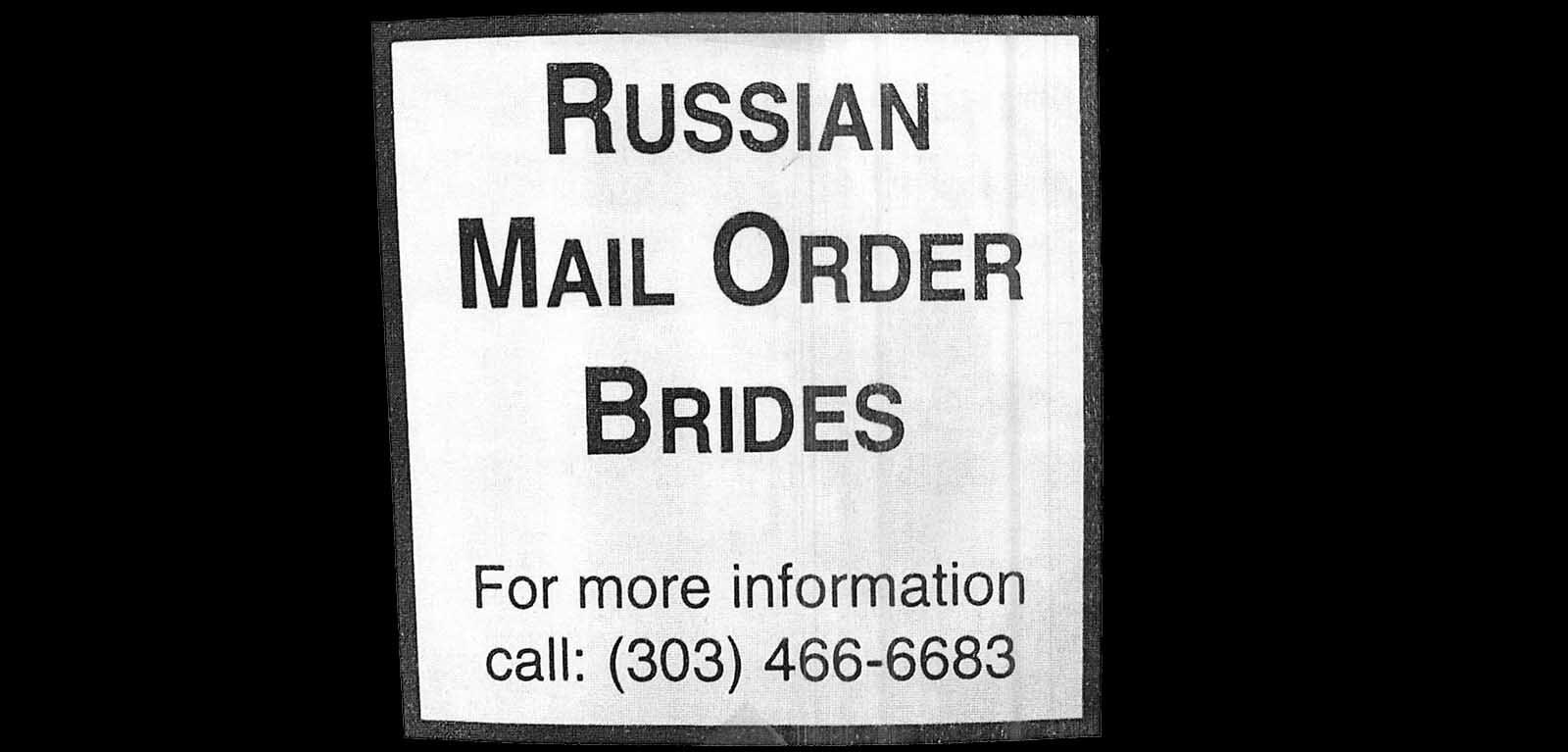
Still, they persisted, as an advertisement for “Russian Mail Order Brides” was published in The Cody Enterprise as recently as 1998.
In 2026, lonely people can connect with people all over the world through any number of dating apps and websites.
The concept of matrimonial clubs lives on in the higher-end matchmaking services used by affluent singles with a desire for love and discretion.
What fascinates Cutter isn’t only the surprisingly long legacy of Wyoming’s matrimonial clubs, but the endurance of the matches they made.
Not every mail-order bride marriage was happy or “till death do us part,” she said, but many were.
“These people stayed married, raised families, and had good lives,” she said. “Wyoming was remote back then.
"It was a tough life, but these lonely men and women made it work. They kept going, which is really interesting.”
Wyoming’s matrimonial clubs have been largely overlooked by historians, but Cutter suspects they might have had a larger impact on the state’s history than is now known.
If fourth- and fifth-generation Wyomingites delve into their genealogies, they might find the foundation of their families was the union of a lonely cowboy and mail-order bride, courtesy of a matrimonial club.
“If somebody dug into the research of matrimonial clubs throughout Wyoming, they would probably find a considerable number of mail-order brides and some pretty interesting stories,” she said. “There are a lot more than people realize.”
Andrew Rossi can be reached at arossi@cowboystatedaily.com.