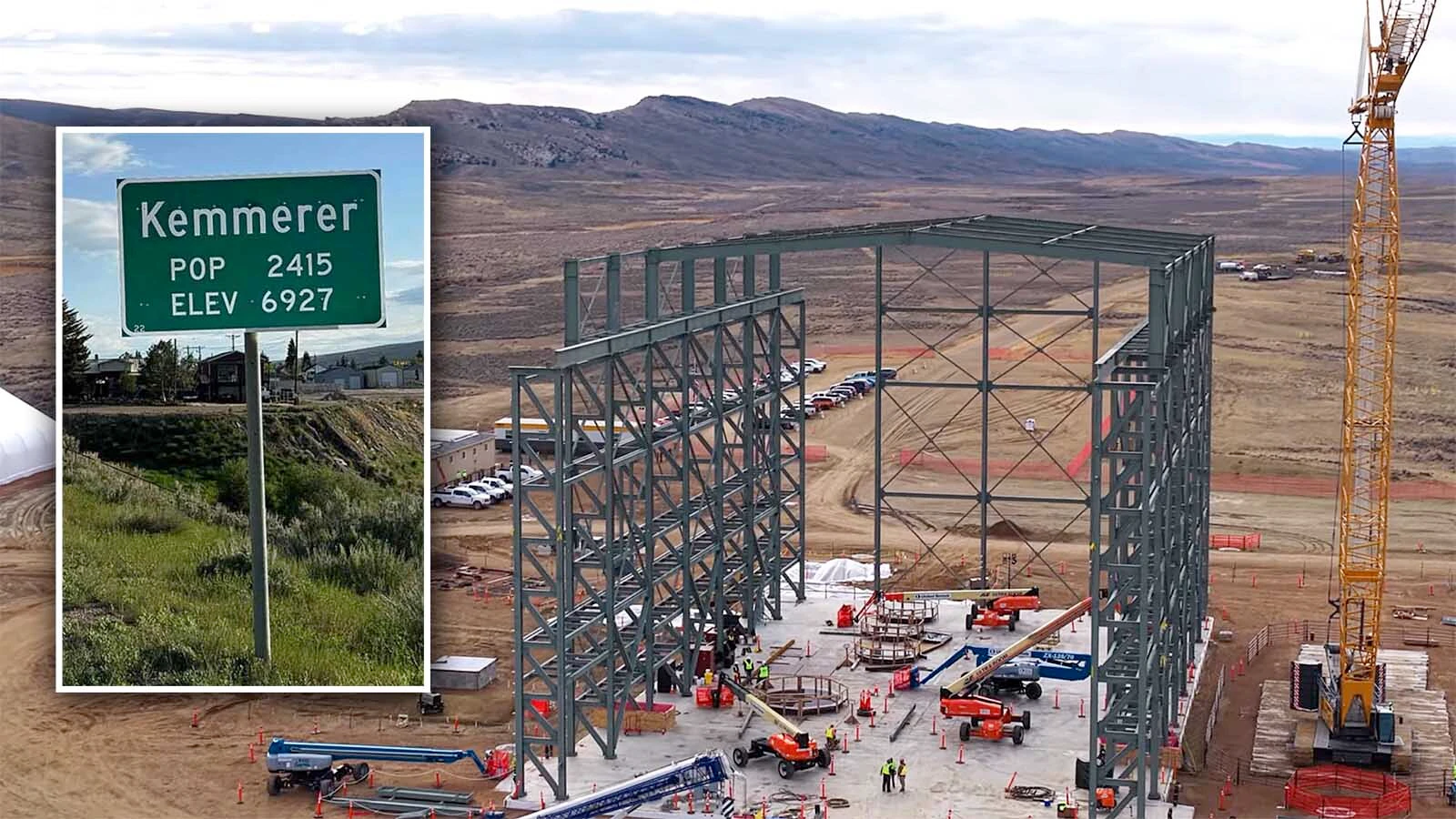
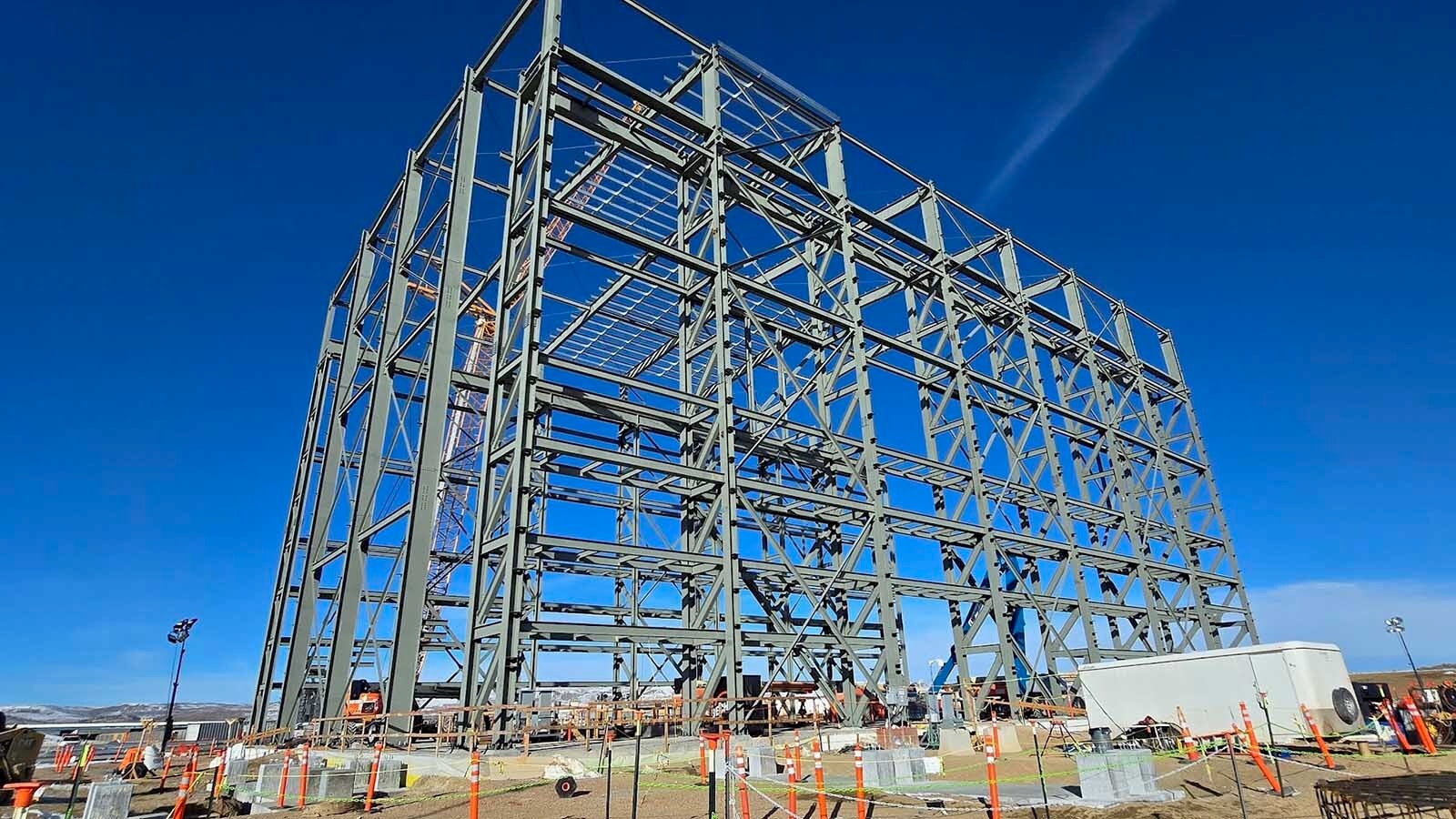
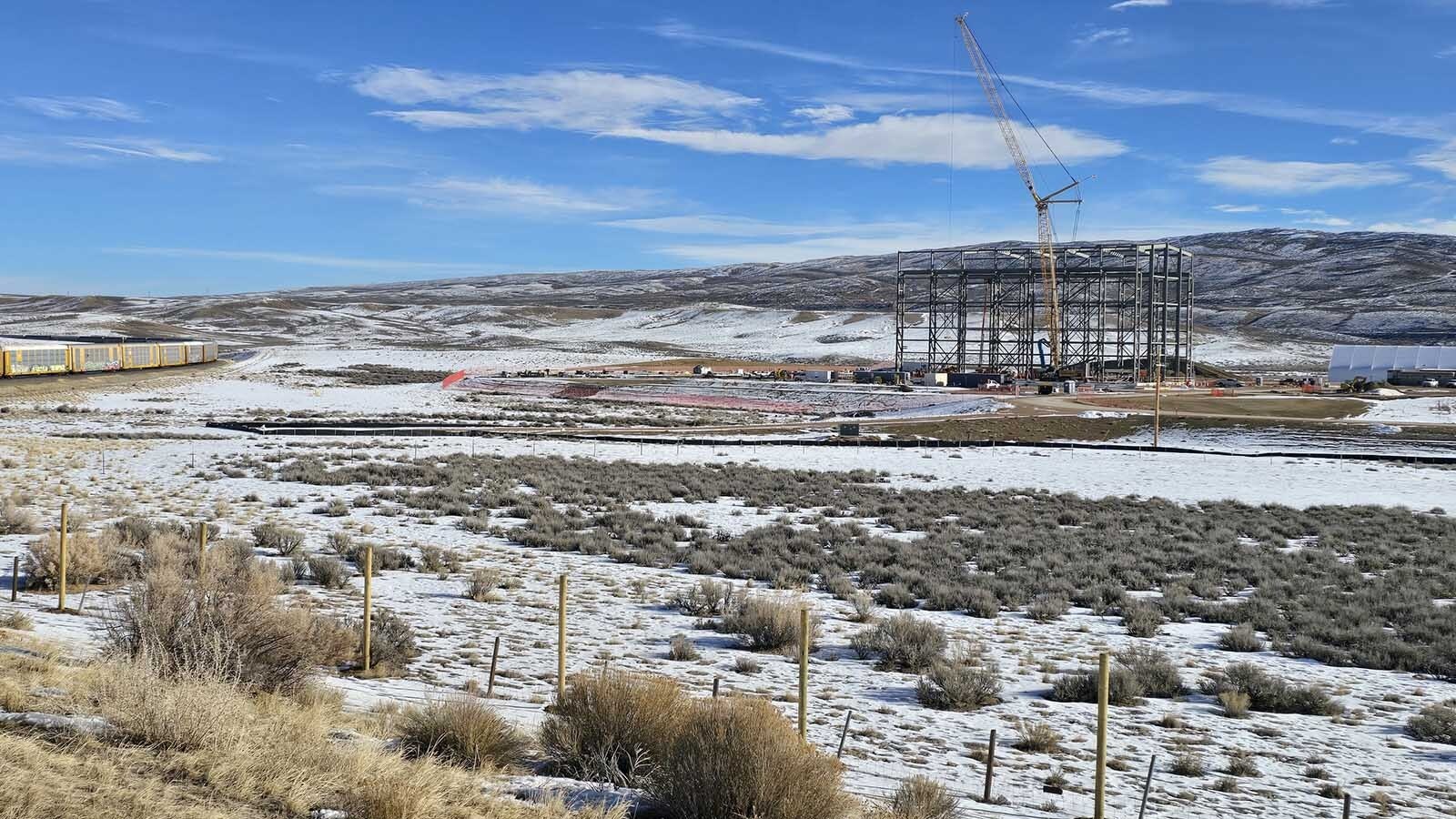
KEMMERER — The first thing a visitor to TerraPower’s site in Wyoming will notice is just how tiny the company’s rapidly rising Test and Fill Facility is rising up against the surrounding snow-dusted hillsides.
From a distance, the steel beams look terribly tiny, like breakable matchsticks that a strong Wyoming wind could come along and blow away.
But fragile looks are deceiving, and that becomes clear the closer one gets to the Test and Fill Facility (TFF), which will test, process and deliver liquid sodium to cool the nearby first-of-its-kind Natrium nuclear reactor.
The beams being used to build the unique structure are massive. The sizes vary, but they are 6 feet thick and up to 100 feet long, weighing as much as 90,000 pounds for each beam.
And the idea behind the Test and Fill Facility is also just as massive. It’s the start of an advanced reactor that radically rethinks nuclear power.
Not Water
The plant TerraPower plans won't use water at all to cool the reactor. It will use molten sodium instead, a commercial first for America, if realized.
TerraPower’s nuclear plant will be the first of many, the company has said. But the TFF?
That one is a one and only.
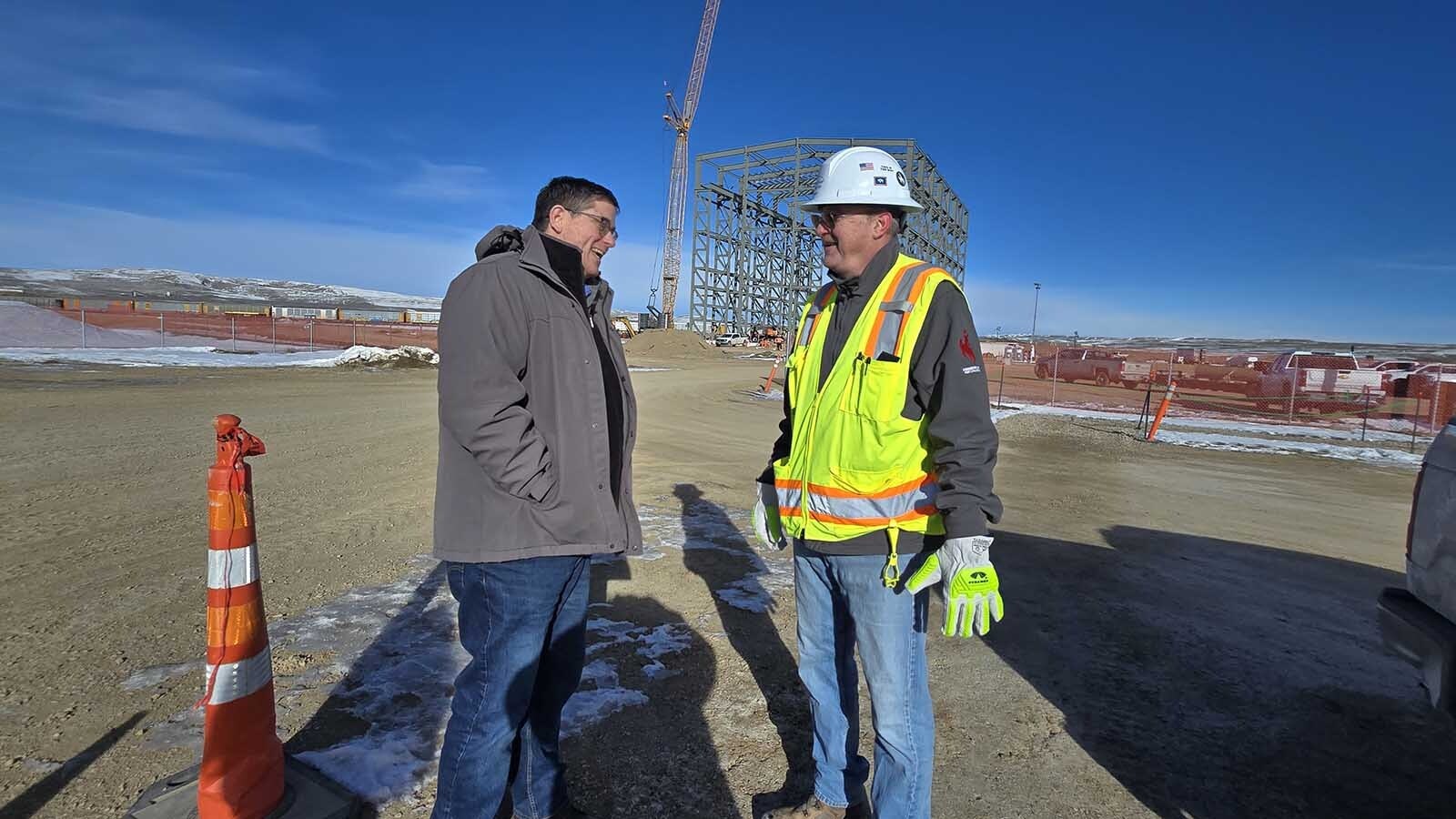
“This is actually unique to this deployment,” TerraPower’s Senior Vice President and Project Director for Natrium Pat Young told Cowboy State Daily on a behind-the-scenes look at the facility.
“Because it’s a facility where we’re going to test a lot of our major components before we actually put them into the main reactor facility, we won’t have to build another of these facilities,” he said. "It’s particular to this site.”
Steel for the facility’s interior erection crane was installed inside the TFF in 2025, a huge milestone for the project with the U.S. Department of Energy, which is cost-sharing up to $2 billion for the overall $4 billion project.
Electricians were working on a conductor rail to provide power to an interior crane the day Cowboy State Daily visited the site.
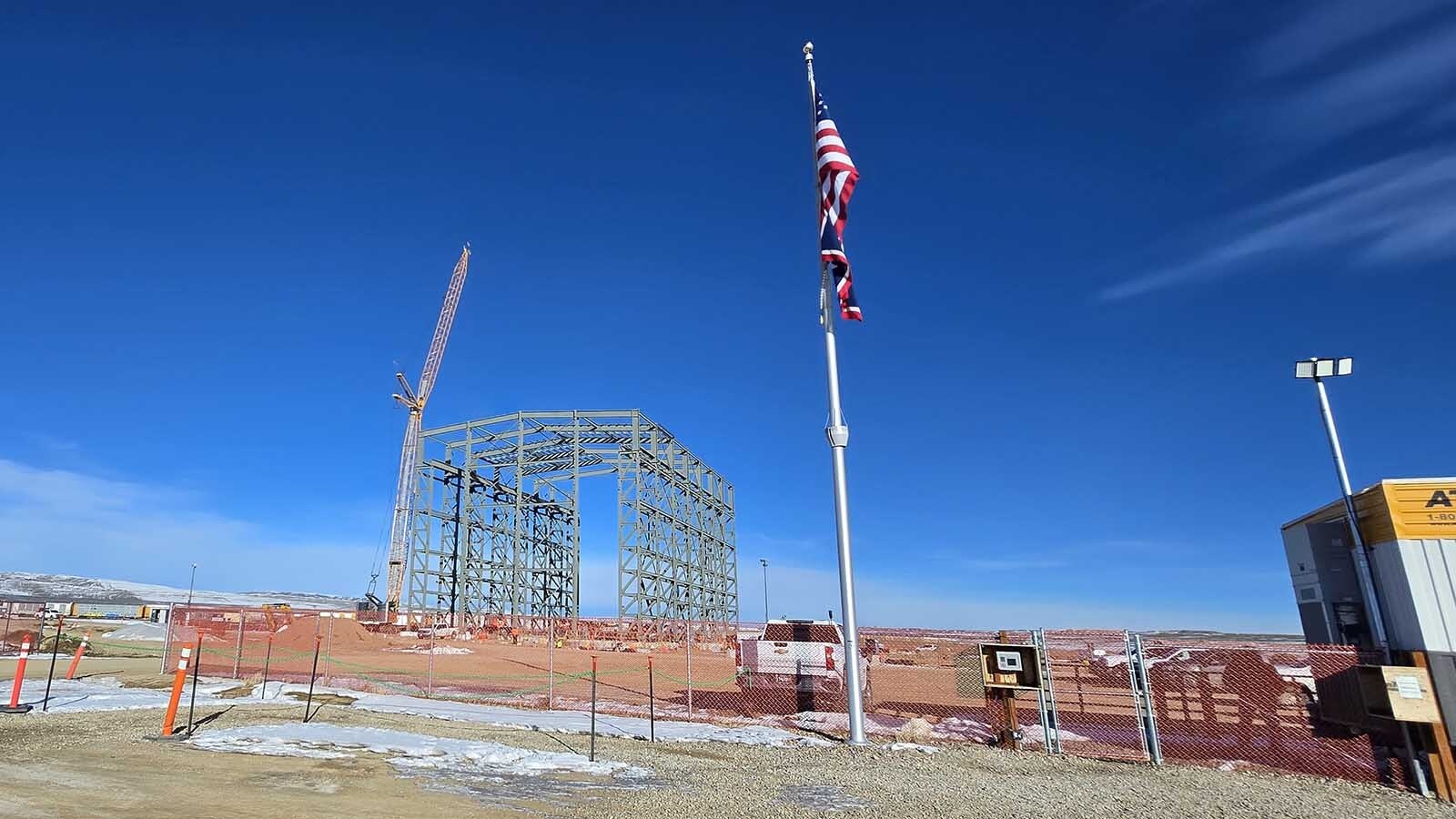
A 200-foot crane towered over the scene where the TFF's 167-foot steel girder frame cut the sky into discrete panes of stained-glass blue.
“In 2026, one of our milestones is to get the outside sheathing on so it’ll start to look like a building,” Young said. “It will look quite a bit different from the road as you drive by then.”
There Has To Be A Better Way
Backed by billionaire Bill Gates, the novel 345-megawatt nuclear power plant being built near Kemmerer will be much smaller and much cheaper than the hulking reactors of old.
The last two reactors built in America were the massive Vogtle Units 3 and 4 in Georgia, which required 23,000 tons of structural steel to build — enough to make 25,000 medium-sized cars — and enough concrete to build a 3,375-mile sidewalk from Miami to Seattle.
The cost to build Vogtle Units 3 and 4 was $35 billion.
TerraPower officials told Cowboy State Daily they did not have any figures on how much concrete and steel it will take to build the TerraPower nuclear plant.
Gates has told outlets like the Wall Street Journal and The New York Times that he hired an engineering team of hundreds to reimagine safer, less-expensive nuclear power back in the early 2000s.
“My nuclear journey started several years earlier when I first read a scientific paper for a new type of nuclear power plant,” Gates wrote in his blog at gatesnotes.com. “The design was far safer than any existing plant, with the temperatures held under control by the laws of physics instead of human operators who can make mistakes.”
The paper outlined a shorter construction timeline, as well as cheaper operating costs.
“And it would be reliable, providing dependable power throughout the day and night,” Gates said. “As I looked at the plans for this new reactor, I saw how rethinking nuclear power could overcome the barriers that had hindered it — and revolutionize how we generate power in the U.S. and around the world.”
Gates started TerraPower in 2008 to turn the concepts he’d been exploring with nuclear scientists into reality, and he selected Kemmerer as the first site of many planned plants, not just in America, but around the world.
Getting Rid Of All That Pressure
It’s not just size that will be different when it comes to TerraPower’s nuclear plant. It’s also going to use a completely different design.
The traditional approach to nuclear power has been to pump water into a reactor core heated by atomic fission, then use the steam to create electricity.
Systems that use water are also highly pressurized, which requires heavy piping and thick containment, adding to the high cost of these facilities.
The high pressure also presents legitimate safety concerns, which have held nuclear power plants back, bringing to mind the meltdown problems presented by Chernobyl, Fukushima, and Three Mile Island.
TerraPower gets away from high pressure systems by using molten sodium instead of water as a coolant, decreasing the need for all that thick shielding.
Liquid sodium can also absorb a lot more heat than water without reaching dangerous temperatures. That widens the safety margin.
Air vents, rather than water pumps, will cool the facility in an emergency instead of water. This approach won’t require emergency electricity or pumps to work.
TerraPower has estimated its system will produce electricity at half the cost of a traditional nuclear plant, all while boosting safety, in a system that’s designed to easily adjust power output so that it can mesh with fluctuating power sources like wind and solar.
The federal Nuclear Regulatory Commission has found that Kemmerer Natrium project poses “no adverse impact to the environment.” It is the first advanced commercial facility to receive such a distinction. (TerraPower via YouTube) 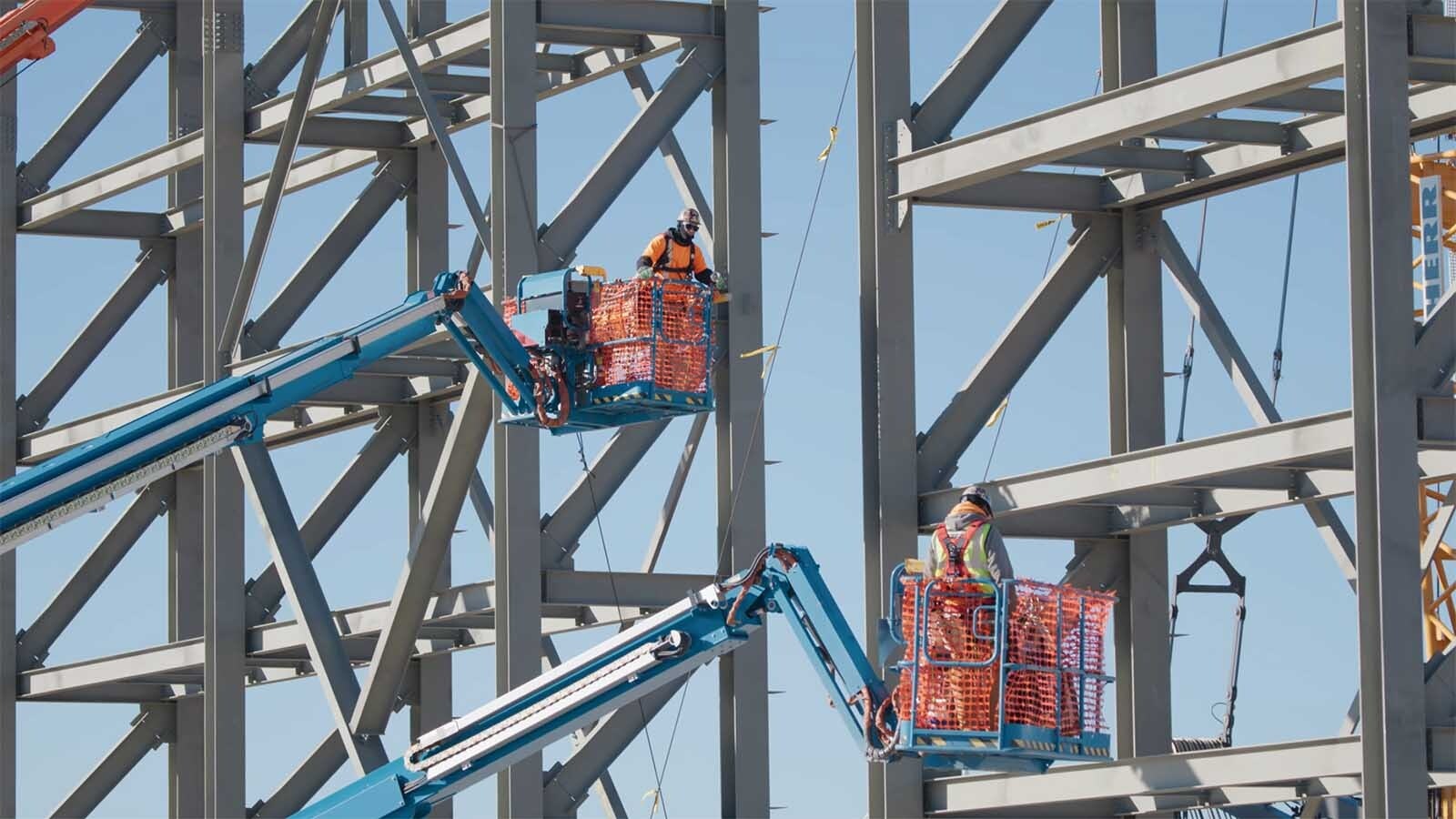
The federal Nuclear Regulatory Commission has found that Kemmerer Natrium project poses “no adverse impact to the environment.” It is the first advanced commercial facility to receive such a distinction. (TerraPower via YouTube) 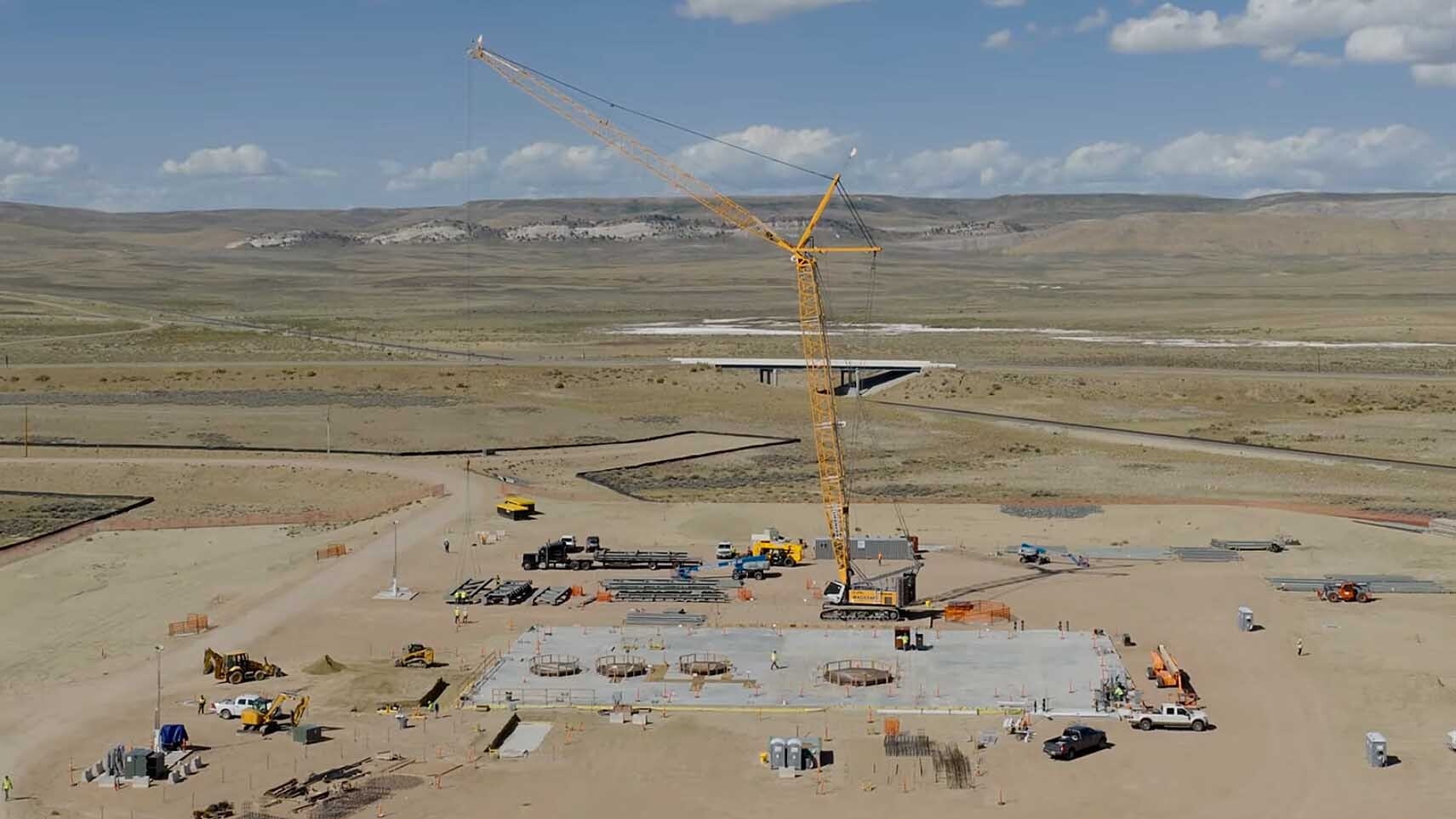
The federal Nuclear Regulatory Commission has found that Kemmerer Natrium project poses “no adverse impact to the environment.” It is the first advanced commercial facility to receive such a distinction. (TerraPower via YouTube) 
The federal Nuclear Regulatory Commission has found that Kemmerer Natrium project poses “no adverse impact to the environment.” It is the first advanced commercial facility to receive such a distinction. (TerraPower via YouTube) 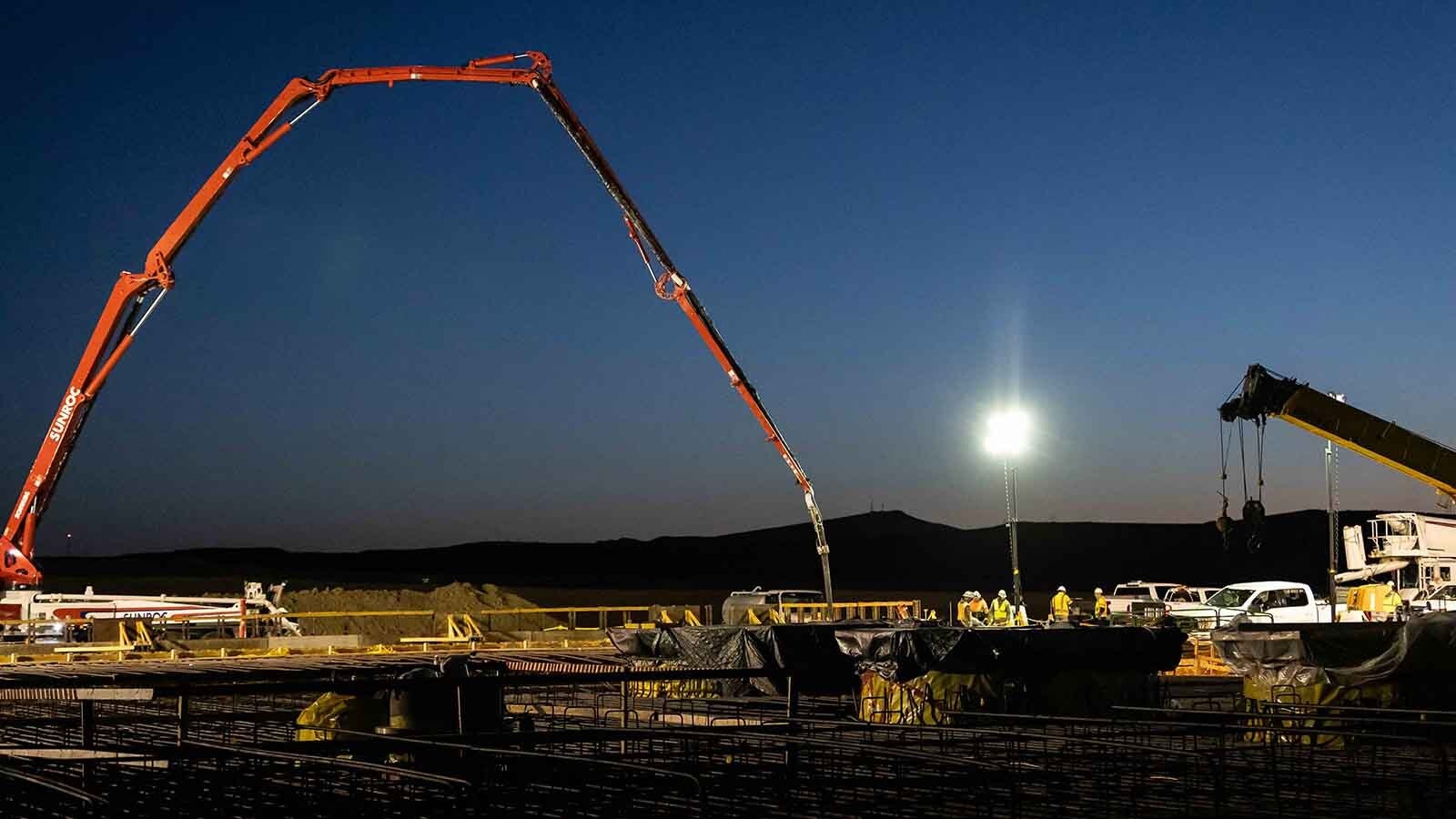
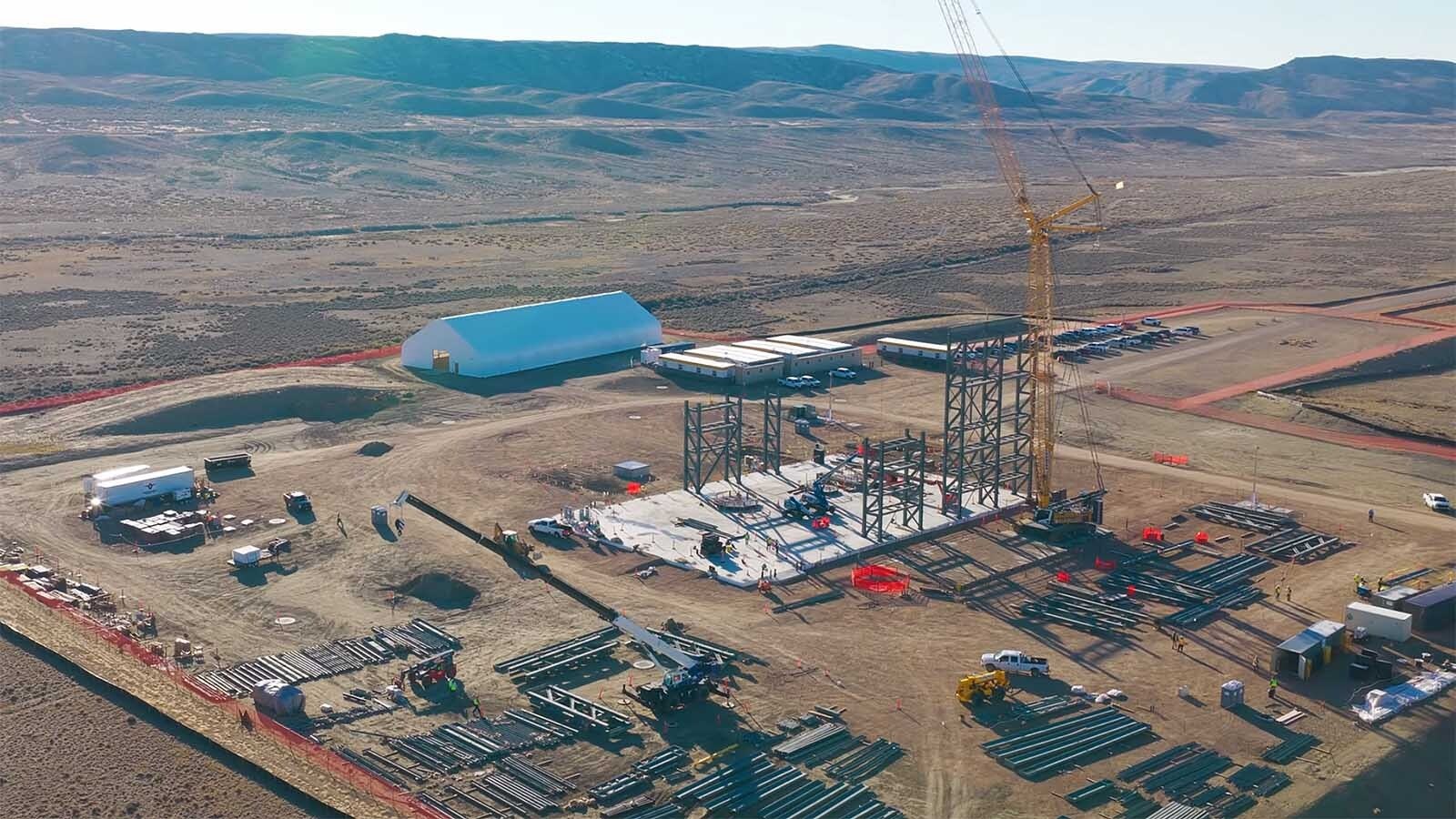
TerraPower has begun construction on portions of its Kemmerer nuclear facility that don't require approval from the Nuclear Regulatory Commission. (Courtesy TerraPower) 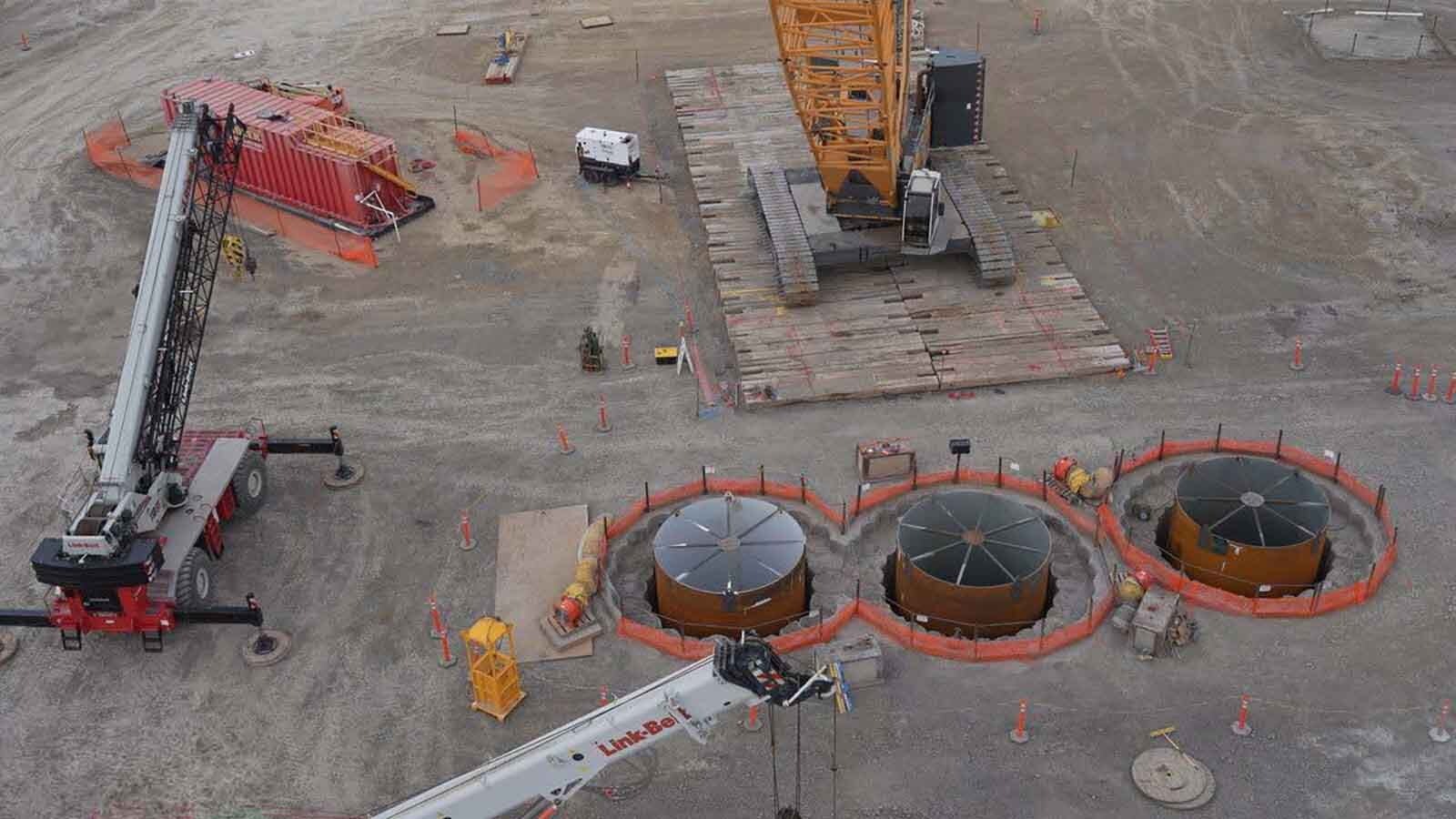
TerraPower has begun construction on portions of its Kemmerer nuclear facility that don't require approval from the Nuclear Regulatory Commission. (Courtesy TerraPower) 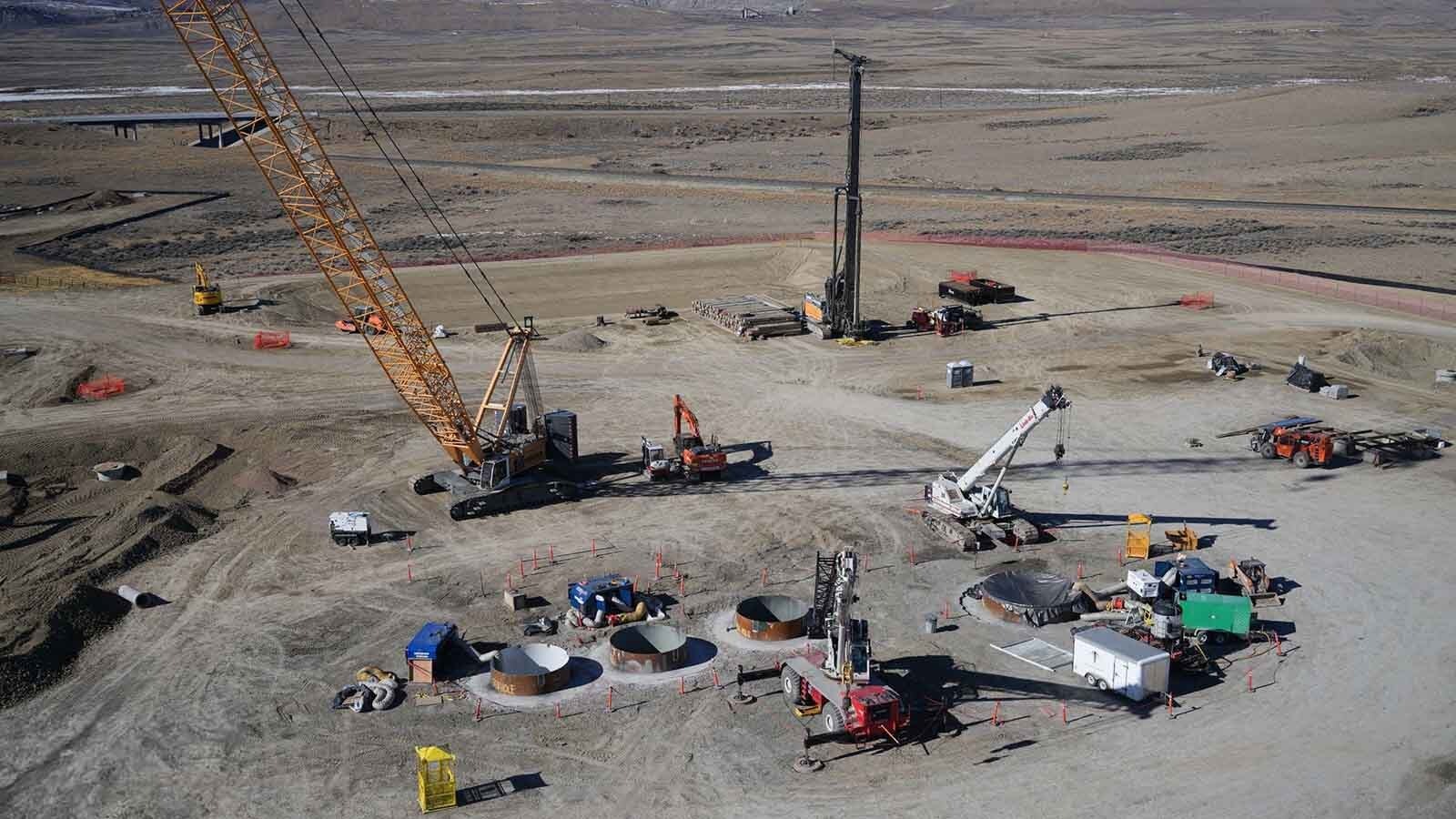
TerraPower has begun construction on portions of its Kemmerer nuclear facility that don't require approval from the Nuclear Regulatory Commission. (Courtesy TerraPower)
Moving Fast
TerraPower’s Test and Fill Facility is set to be finished by 2027.
“What we’re doing now is what we would call pre-nuclear work,” Young said. “We’re going to likely receive our nuclear construction permit in the spring, and then we’ll start doing what we call 'nuclear work,' which means that it’s regulated work where this is more commercial work.”
The company has three questions left to answer ahead of consideration of its construction permit, Young added.
“I don’t remember what the questions are, but our licensing department has basically said they’re not anything untenable,” he said. “It’s just protocol. But we’re very, very favorable on getting our license to construct.”
President Donald Trump has signed numerous executive orders to speed America’s development of nuclear power, deeming it important to national security. That’s had some people questioning the safety of the plant.
Young acknowledged that permitting has been moving “lightning” fast, but added that it’s a “testament to what we call our safety case,” which he believes to be “rock solid.”
A Mechanic Shop, But For Nuclear Plants
The Test and Fill Facility is part of that safety case.
The tallest building on the site in Kemmerer, it’s more or less a mechanic's shop for nuclear power plants.
“So, the bridge crane will be for bringing in some rather large equipment to be tested,” TerraPower Director of Construction Andy Chrusciel told Cowboy State Daily. “On the north side of the building, you’ll have a flatbed truck, let’s say, bringing in a big pump.
"It’ll back into the building. Then the bridge crane will pick up the pump and bring it over to the test stand.”
After that, the pump will get put through its paces — full-scale testing to ensure everything works as planned.
One wall of the TFF is now being kept open to accommodate installation of large pieces of equipment. That will get closed off once all the truly large things are in place.
The facility is also located within proximity of a railroad where a rail spur could one day be built, if desired. But right now, the stuff TerraPower is bringing is too large to travel that way, Young said.
“Not so much weight, but just physical size,” he said.
The TFF won’t just be for the nuclear plant at Kemmerer.
“If we have upgrades or different configurations on our fleet product, we’ll bring them here to test,” Chrusciel said. “Plus, there’s been interest from other companies using this as a test facility.”
The building has been designed with versatility in mind, Young added.
“I think it will be used in the future,” he said. “It’s quite a versatile building for what we need throughout the deployments we have. There’s nothing like this in the world. It’s world-class.”
Definitely Scalable
TerraPower has 110 workers on the Kemmerer site now, Young said.
They’re working on not just the Test and Fill Facility, but also the training and welcome center, which will sit at the very front entrance of its 60-acre site directly across from the Naughton Power Plant, which is in the process of converting its coal-fired turbines to all gas-fired.
The 110 TerraPower workers are just the tip of the spear for what’s coming to Kemmerer soon.
The company has estimated it will bring 1,600 construction workers during peak construction of the Natrium nuclear plant, which is set to span a five-year period.
After construction, the plant will support an estimated 250 people, including plant security.
That might be a low-ball estimate, however. Kemmerer Mayor Robert Bowen told Cowboy State Daily there has been “some talk” of a No. 2 unit, in which case employment numbers would grow.
“It’s definitely scalable,” Bowen said. “It can be added to easily."
Around The World, But Kemmerer First
TerraPower officials have not said whether the Kemmerer plant will grow, but they have said it’s just the first of many that the company plans to build around the world.
As such, they see Kemmerer as something of a “mother ship.” That has a little synergy with the city’s “mother store” — the nation's first-ever JCPenney store.
TerraPower has signed a development agreement with Meta for up to eight more reactors, which could mean a nuclear plant could be located in Cheyenne.
Young said the development agreement is stronger than a memorandum of understanding, but not yet a contract to build.
“This is where we’re basically doing all the work to understand, for Meta and others, what it would look like in detail to deploy this technology for them,” he said. “In our case, they approached us and said, ‘Help us understand how to use your technology.’
"So, it’s very favorable.”
The company has also signed other agreements and memorandums, which suggest plants are in the works for places like Kansas, Oklahoma, and Utah in the United States, and it’s thrown its hat into the ring with countries like the United Kingdom as well.
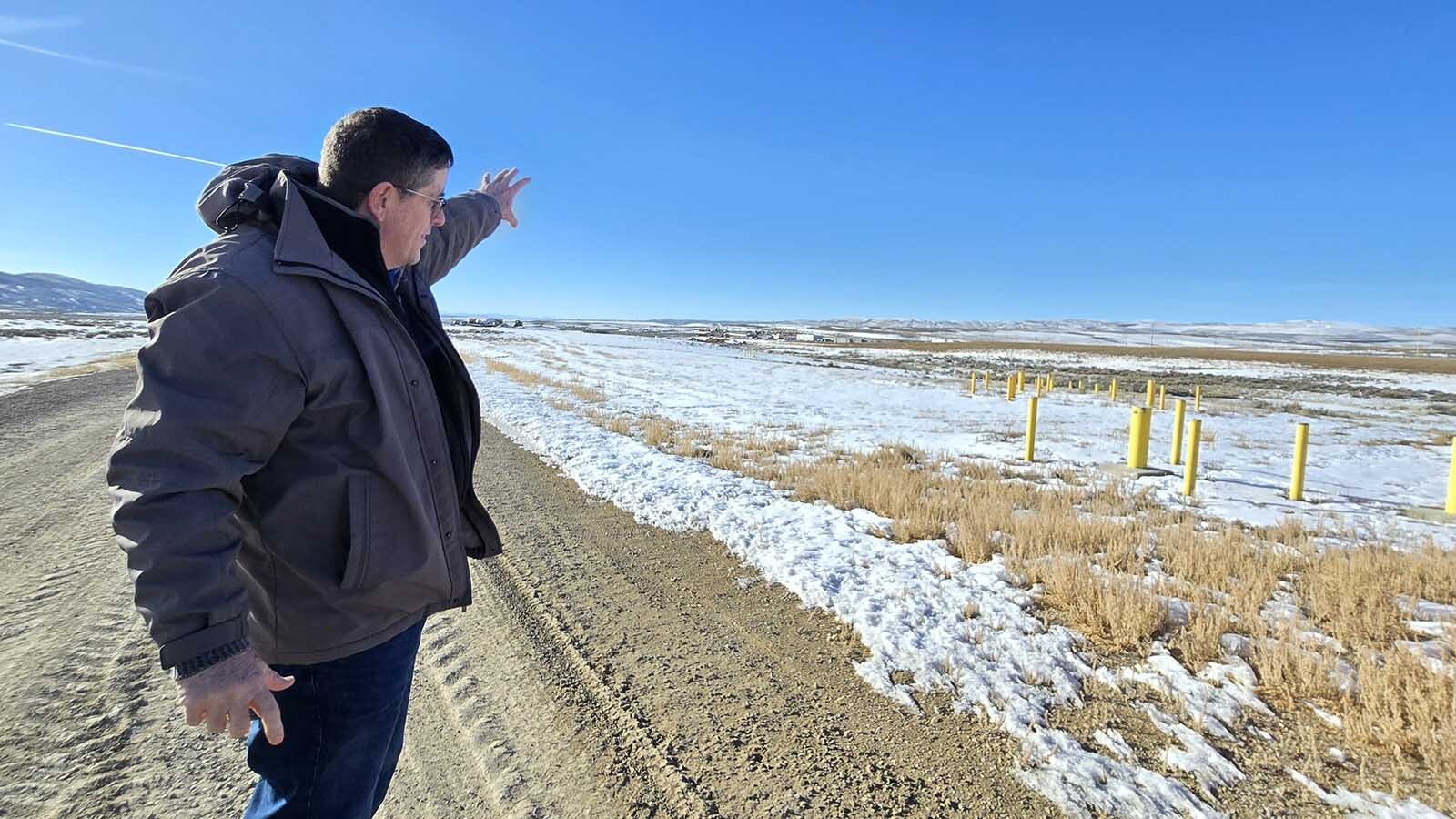
At the Kemmerer site, orange pylons already mark the spot where the nuclear plant is going. These are actually wells to monitor groundwater, which was a requirement of the plant’s permitting.
“These are about 250 feet, just to see how the underground water system is over time,” Chrusciel said. “It’s just to make sure there are no underground anomalies, hydrodynamic anomalies, that we need to be aware of. But this is one of the most perfect building sites I’ve seen.”
Where many building sites require a lot of rock blasting, Chrusciel said this one isn’t going to require much of that at all.
The project is exciting, not just for Wyoming, but America, Young said.
“It’s not often that nuclear reactors are built in the United States,” he said, looking out over the white, snow-dotted area with orange pylons. “The last construction permits that were issued for commercial reactors were about 2013 for the plants in Georgia and South Carolina. This reactor technology for what they call Gen 4 technology is a generation shift in safety relative to reactor technology.
“So, it’s a monumental thing,” he continued. “Not only for the state, but the country.”
Renée Jean can be reached at renee@cowboystatedaily.com.