Beef tallow is having a moment with social media influencers on up to U.S. Health and Human Services Secretary Robert F. Kennedy Jr. touting its health benefits which, if you believe everything you see on social media, range from curing obesity to soft and supple — if perhaps beefy-smelling — skin.
Kennedy fried his Thanksgiving turkey in tallow to make the point that tallow is popular again, and he went to a Florida Steak ’n Shake to praise the chain for replacing its vegetable oil with beef tallow nationwide.
He even ate a burger while there and some tallow-fried potatoes.
Kennedy has publicly called seed oils “poison” and has targeted them for elimination from America’s food supply.
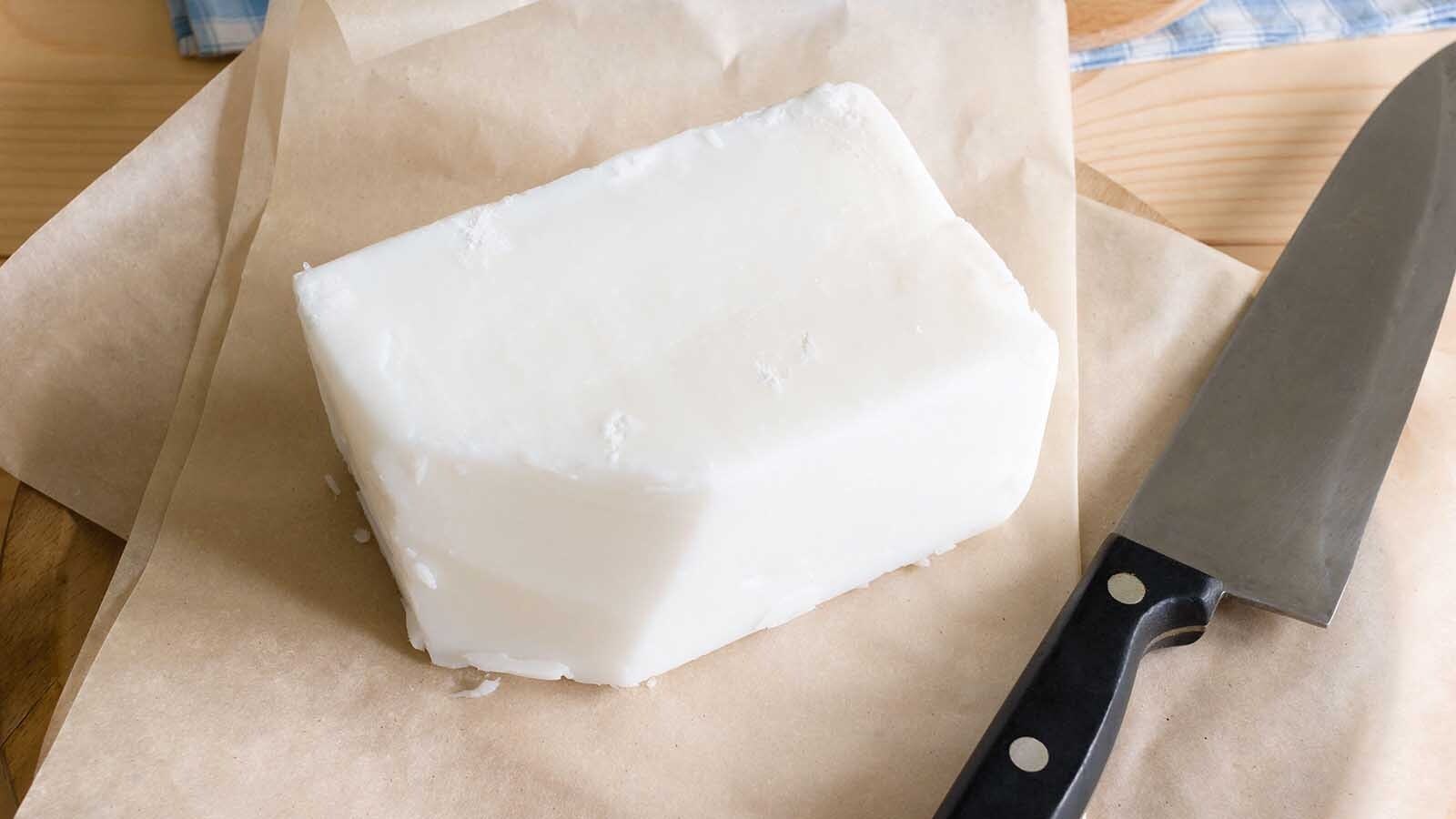
Beef tallow proponents like Kennedy say that seed oils promote inflammation, while beef tallow, which is typically rendered from beef fat or suet, is a nutrient dense cooking fat, which can provide essential soluble vitamins like A, D, E and K.
All of those support the immune system and bone health. And don’t forget about choline, which the brain and nervous system also need.
However, plenty of nutritionists and dietitians, as well as the American Heart Association, say that such nutrients are actually present in only trace amounts in tallow. Many studies, meanwhile, still show that saturated fats are linked to cardiovascular disease, and that people consuming less saturated fats, like seed oils, live longer.
Leaving aside all the health disputes, what about the truly important question?
Which fat produces the most satisfying french fry?
Eating satisfying food can lead to less overeating and less snacking on questionable foods. At least, that’s what many dietitians have been telling us for decades.
So Cowboy State Daily went on a little quest to find out which fries would be the most delicious.
(Renee Jean, Cowboy State Daily) 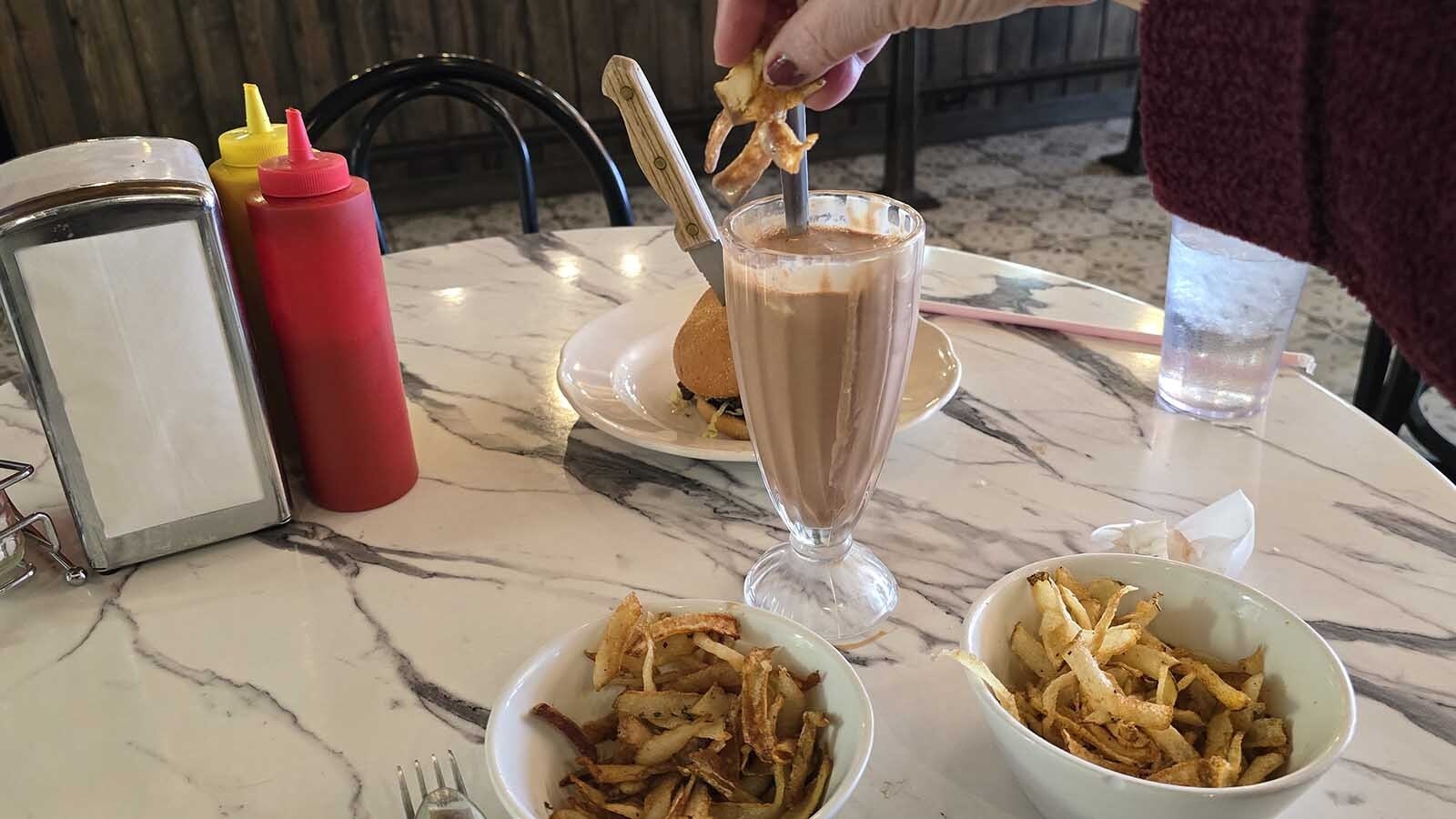
French fries turn out to be quite delicious dipped in a chocolate malt. That's something this reporter had never heard of before, but it is a secret menu item in Chugwater at the Soda Fountain. (Renee Jean, Cowboy State Daily) 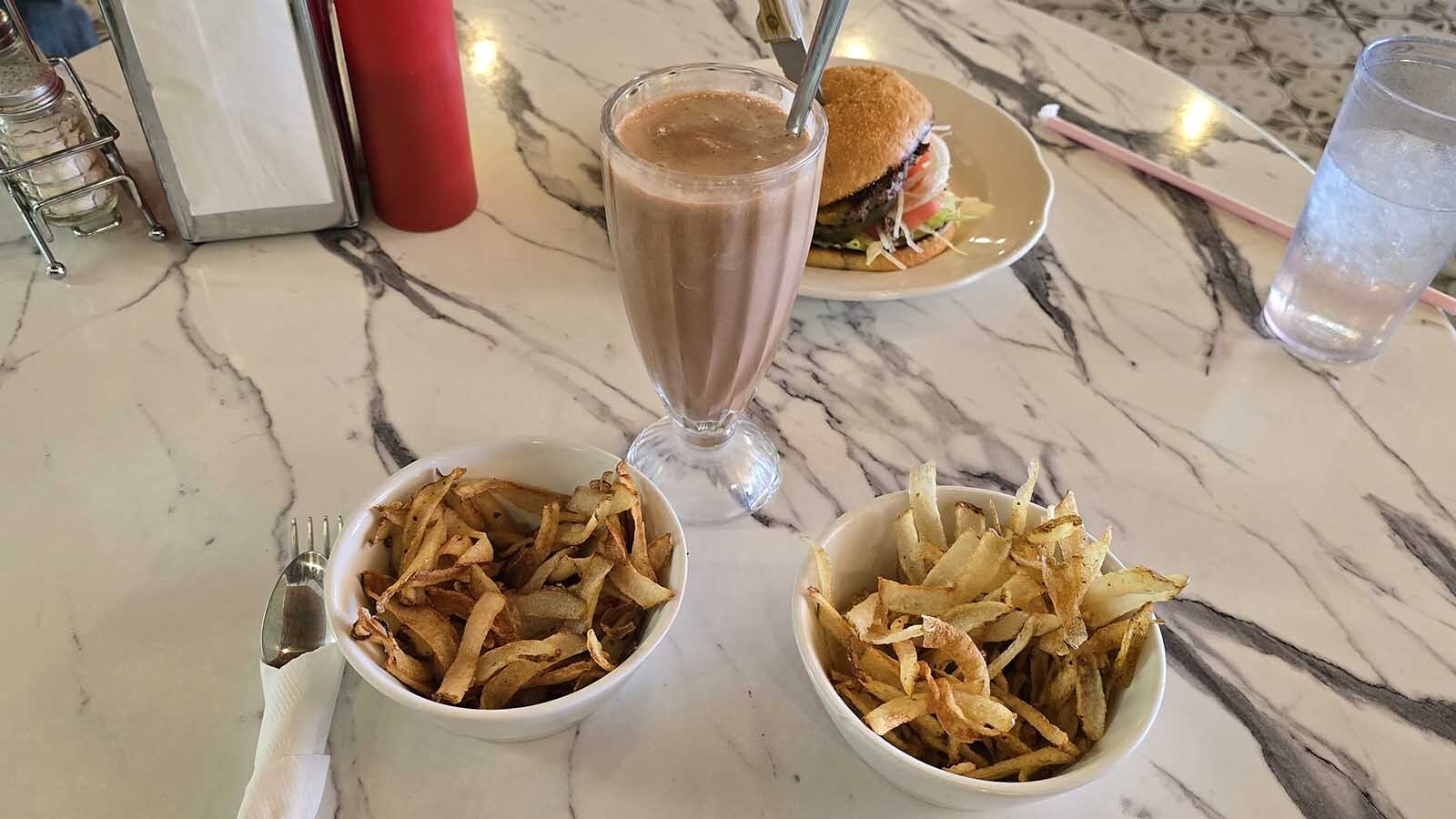
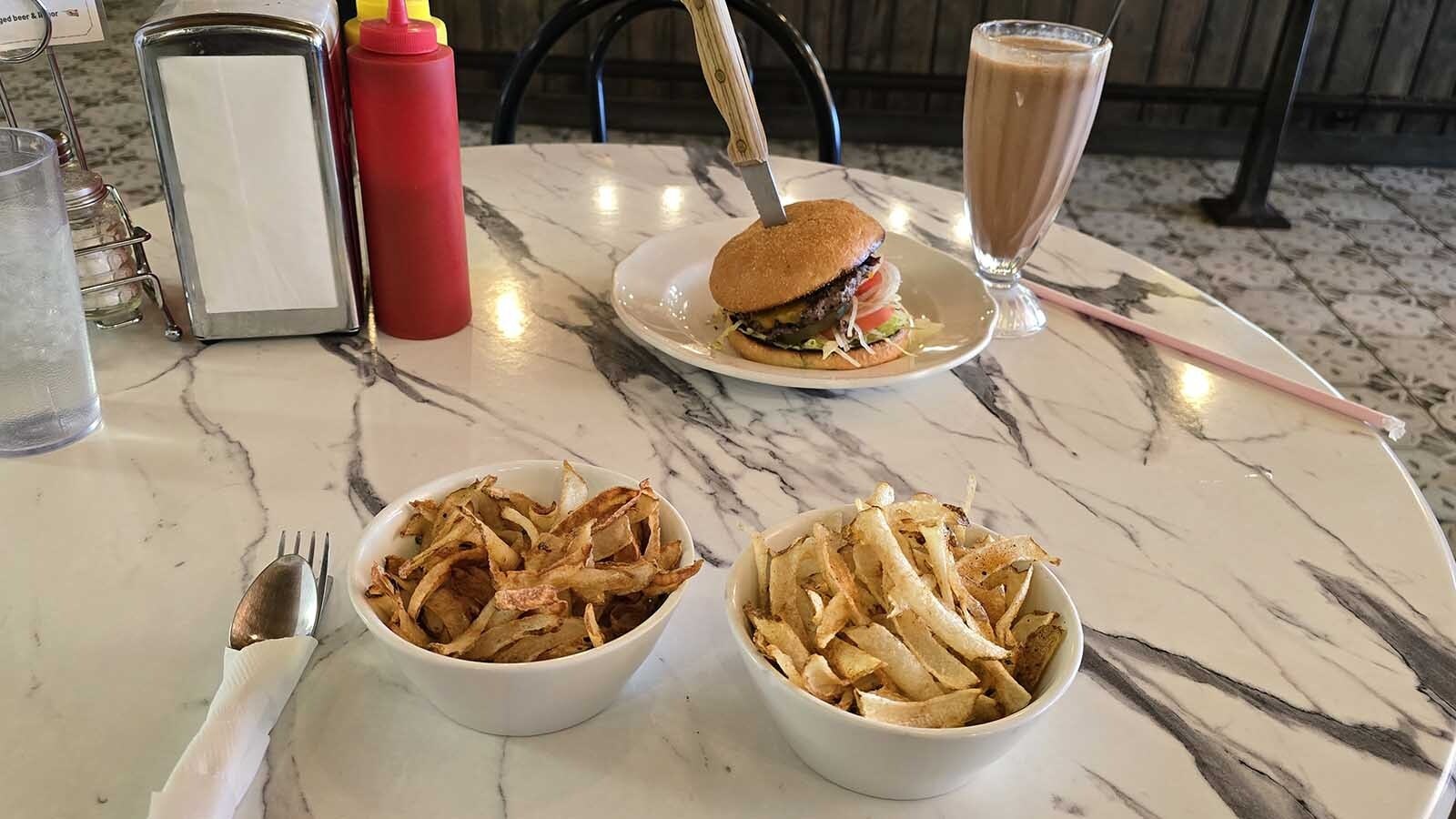
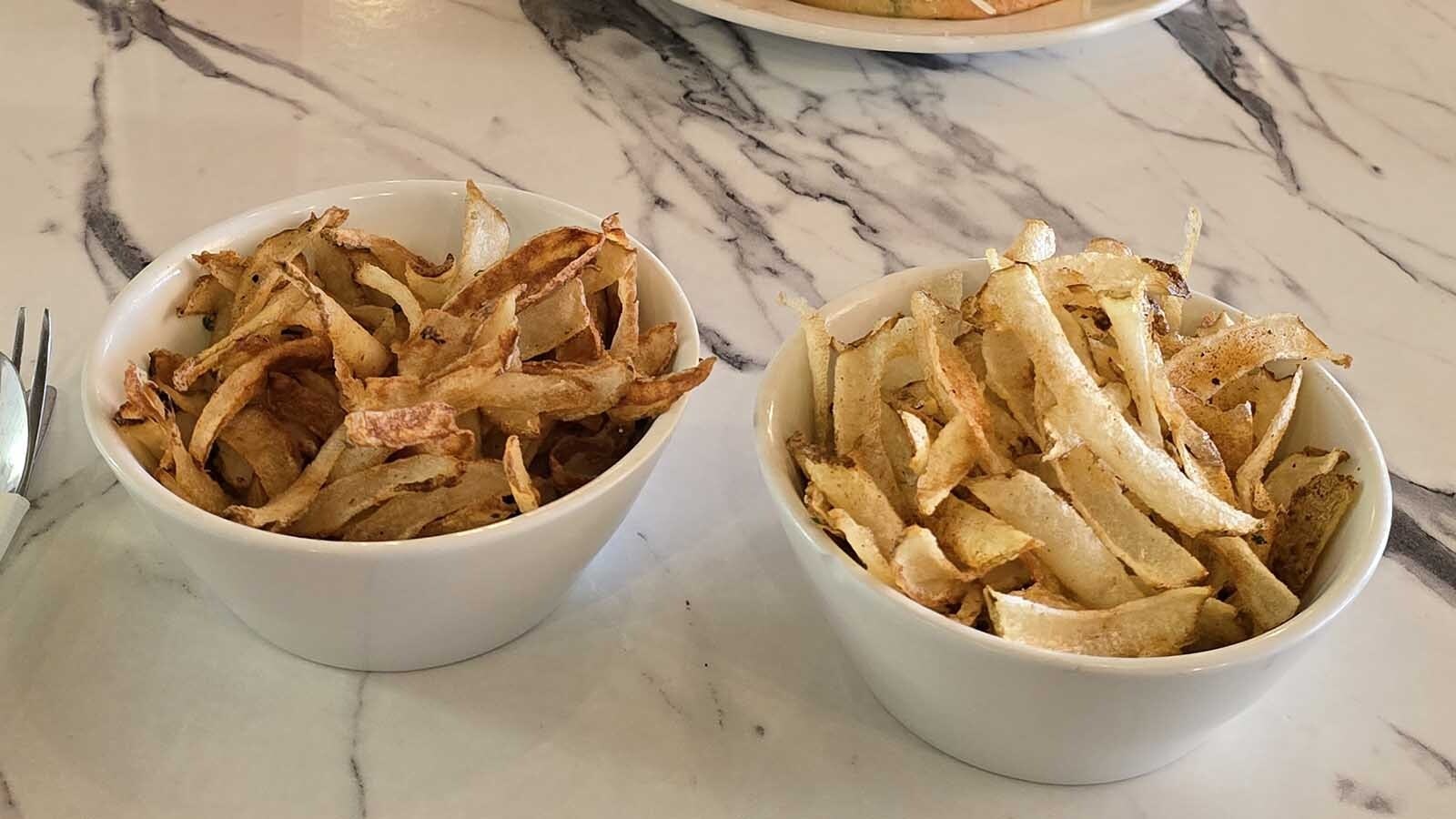
The taste test arrives. One bowl are tallow fries, and one bow was fried in seed oils. A chocolate malt is on standby for the taste test, as well as a ranch-raised, grass-fed burger from the Chugwater Soda Fountain. (Renee Jean, Cowboy State Daily) 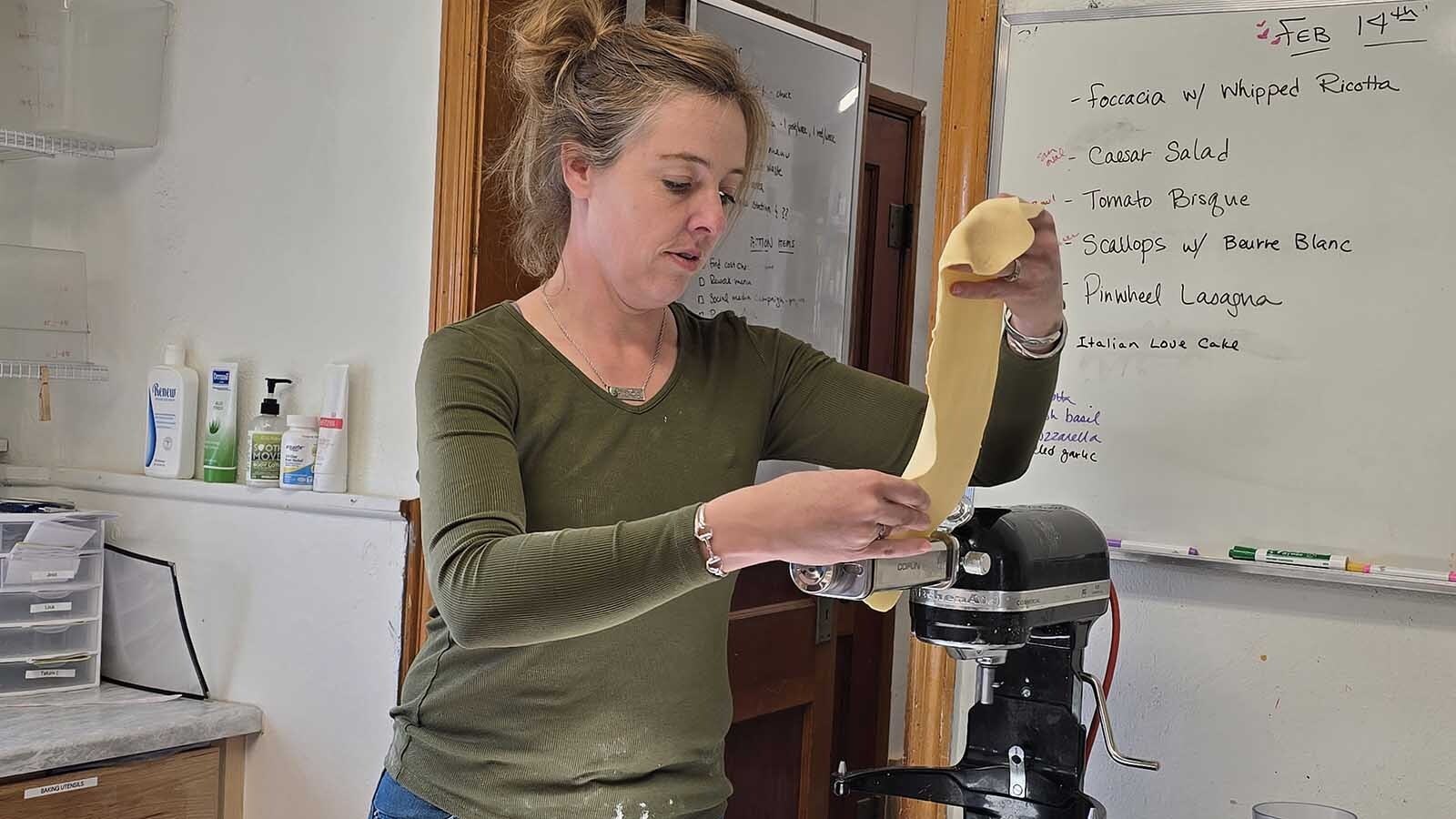
Jill Winger makes pasta noodles for an upcoming Supper Club night at the Chugwater Soda Fountain, which is Wyoming's longest continuously operating soda fountain. (Renee Jean, Cowboy State Daily)
Beef Tallow Has Always Had A Home At The Soda Fountain
There are a few restaurants in Wyoming which, like Steak ’n Shake, have switched to beef tallow and been somewhat vocal about it.
Born in a Barn in Laramie, a wings, burgers and beer-serving restaurant, for example, uses tallow for all of its frying.
Cowboy State Daily reached out to the restaurant by phone, but was told by whoever answered that they didn’t see a way to accommodate a taste test due to the restaurant’s high volume.
There were also six restaurants in Jackson that took out a full-page ad to announce the shift to tallow. These were Bubba’s, Sidewinders, Liberty Burger, Merry Piglets, The Blue Lion, and Noodle, all part of the Blue Collar Restaurant Group. But Jackson is a little far away for a french fry taste test.
Chain restaurant, Buffalo Wild Wings, meanwhile has long fried its wings and fries in beef tallow, but is another high-volume restaurant, and so would likely have the same objections to a taste test that Born in a Barn did.
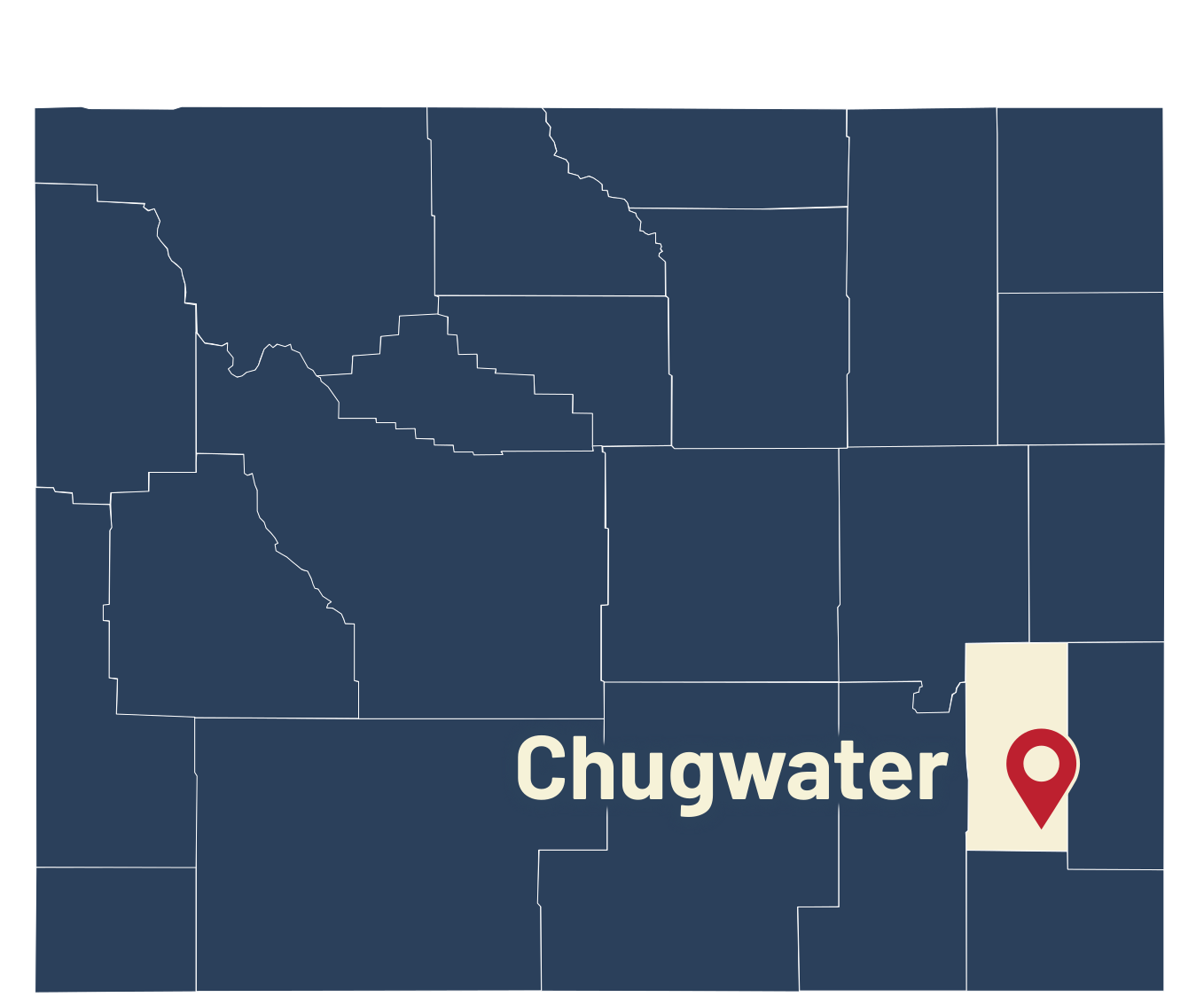
So, we turned to Jill Winger’s historic Soda Fountain in Chugwater, which made the switch to beef tallow last year in April and was willing to accommodate a blind taste test.
Winger is a popular social media influencer in the homesteading space, who has written a couple of cookbooks. She told Cowboy State Daily she has been using beef tallow for cooking long before it became JFK Jr. buzzy.
“Maybe this is flawed, but I always just go back to like, what were we eating as humans before factories?” Winger said. “What are our bodies adapted to eat since before the industrial revolution?”
In Winger’s mind, that wouldn’t be nut and seed oils, which she said typically require industrialized processing to happen at anything like scale.
“Nuts and seed oils are fine in natural quantities,” Winger said. “But like canola oil, soybean oil — you can’t really make that at home. You need a giant factory.”
Olive oil, on the other hand, which is actually considered a fruit oil, and beef tallow are among oils that have been around at scale for a long time, so those are the fats Winger has long preferred in her own homesteading kitchen.
Finding Tallow Was Tough At First
When Winger bought the Soda Fountain in 2021, she really wanted to use beef tallow for all the frying from the start. It just appealed to the homesteader in her, which wanted the restaurant to focus on an old-fashioned, classic menu of burgers and malts.
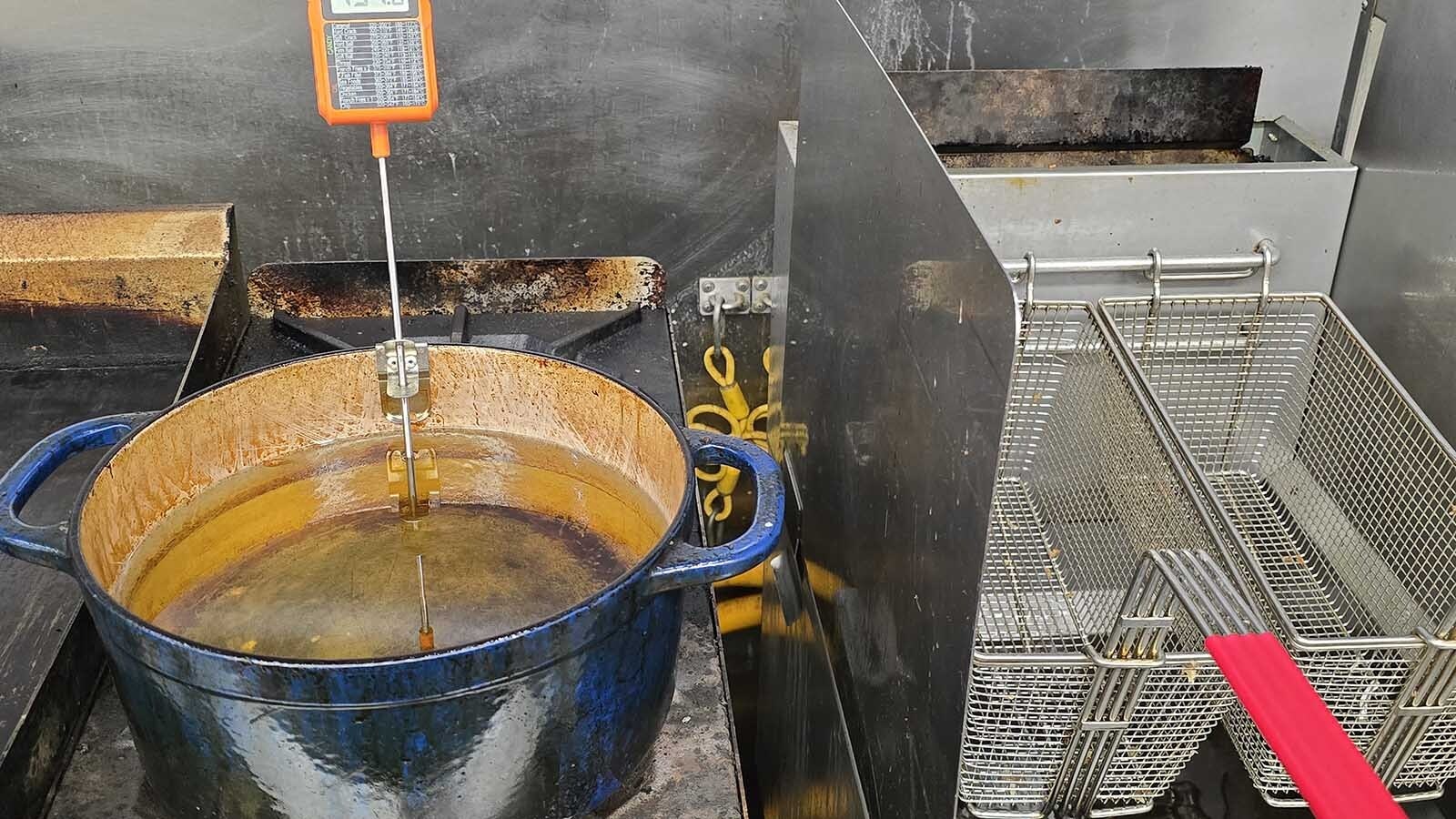
“I couldn’t find it,” Winger said. “I rendered it myself at home from cows we raised ourselves. But rendering enough of that for here, it’d be like a full-time job.”
But last year, Winger brought a new chef on board, George Atchison, who started poking around looking for a source of beef tallow that would be affordable.
“I found a couple of places you could get tallow online, but the shipping — they were small places, so the shipping was like, (so much),” Winger said, making a wide gesture with her arms.
Atchison decided to just ask their supplier, U.S. Foods, what they could do, and learned that not only could the company bring them beef tallow at an affordable cost, their restaurant in tiny Chugwater would be their first Wyoming customer getting that particular ingredient.
The response so far to the switch has been positive, Winger said, with just one customer saying it would stop them from coming in.
That particular customer had never come into the shop anyway, Winger added.
McDonald's Was Once The Beef Tallow King
Fries cooked in beef tallow oil actually have a long history.
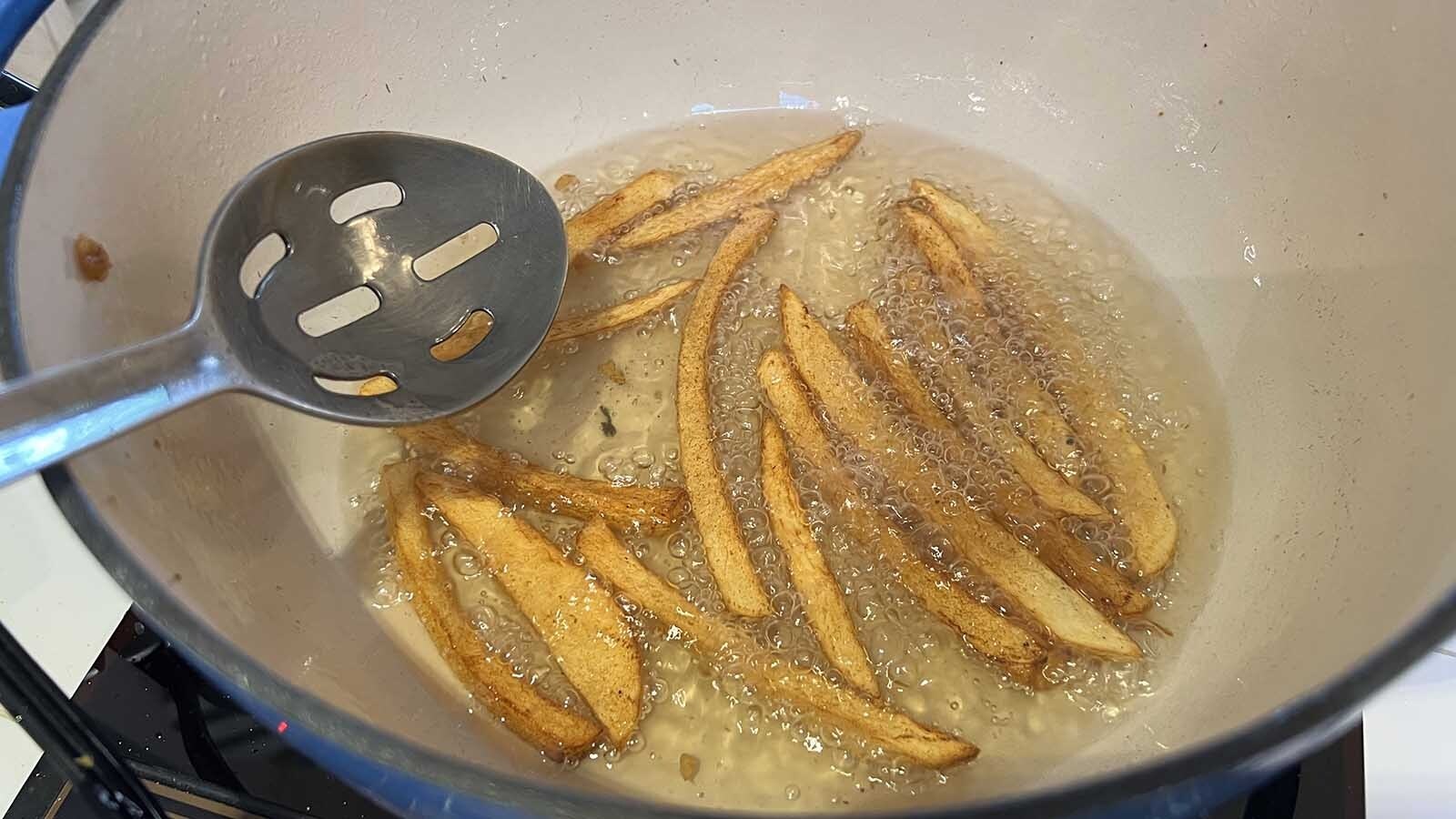
McDonald's started using beef tallow in the 1950s as part of its cooking oil mix, because vegetable oils at the time were just too expensive. To keep up with demand, they added some of grandma’s secret weapon to their vegetable oil, extending it and saving a little money, and also creating some of the most popular fries known to mankind around the world.
McDonald's stopped using beef tallow in its cooking oil mix in the 1990s after studies came out linking saturated fats to heart disease. The fast-food chain’s fries were publicly shamed for their high, saturated fat content by a businessman named Phil Sokolof after he had a heart attack in 1966.
Sokolof’s $15 million “The Poisoning Of America” campaign ran headlines, like “McDonald’s Your Hamburgers Have Too Much Fat,” and “Your French Fries Still Are Cooked With Beef Tallow.”
After McDonald’s stopped using beef tallow for its fries, customers weren’t big fans and the company’s stocks actually dropped as a result.
The chain found a way to put “natural beef flavors” back into its fries, using “wheat and milk derivatives.”
The fries are also coated with dextrose, which is a sugar. That promotes even browning, as well as delicious caramelization and flavors from the Maillard reaction, which is a reaction between sugars and amino acids that creates those sexy, savory flavors that so entice the appetite.
A shower bath of salt finishes off McDonald’s famous fries, of which the chain sells about 9 million pounds per day, according to a recent Yahoo article.
Now For The Taste Test You’ve Been Waiting For
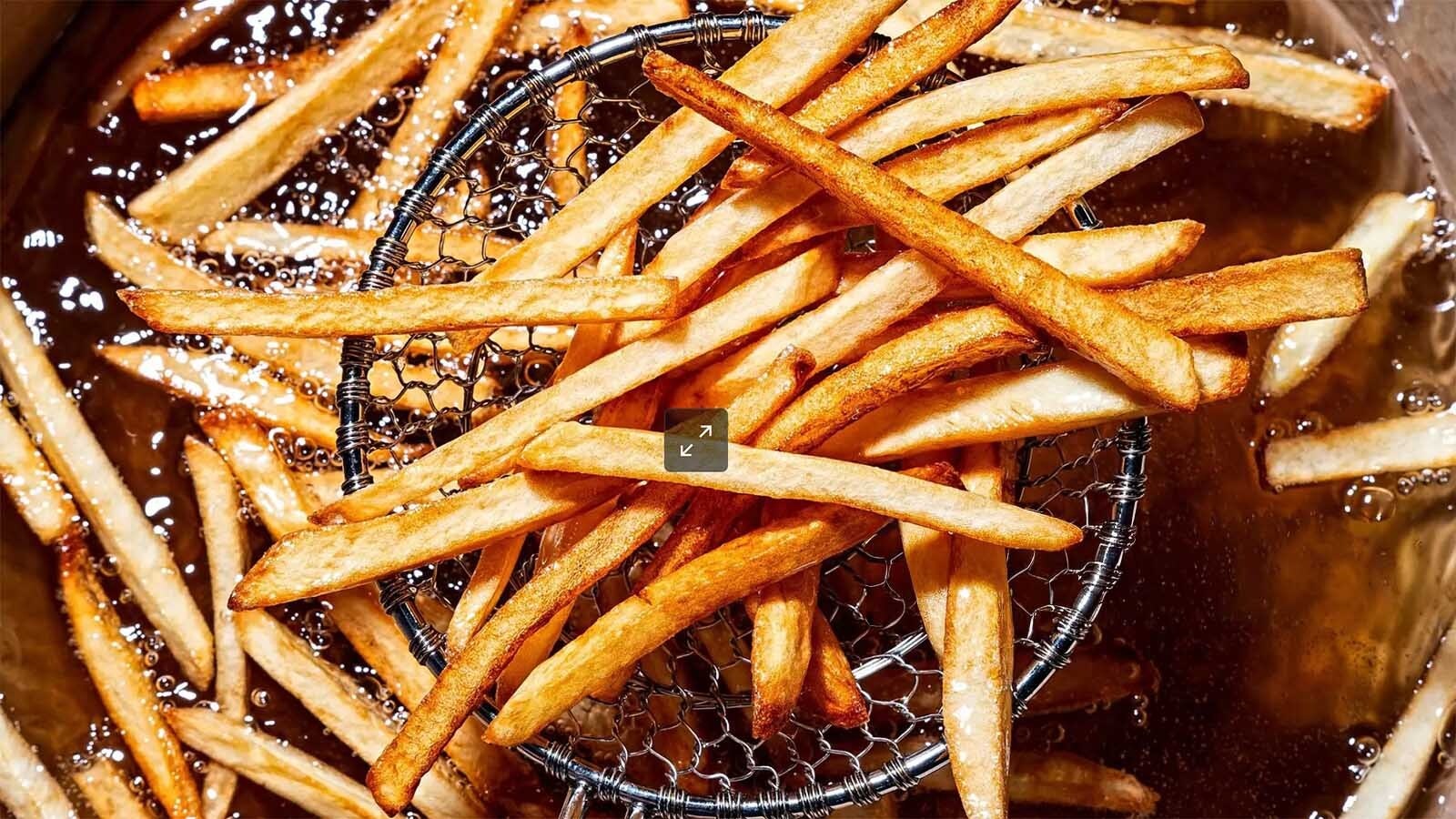
For Cowboy State Daily’s taste test, two different bowls of hand-cut fries were each fried separately at the same time, one in beef tallow oil and one in vegetable oil.
Cowboy State Daily was not told or shown which would be which. The two were brought out in the same kind of bowls, with the same light sprinkle of salt on each.
A loyal customer advised Cowboy State daily that a chocolate malt must also be procured for the taste test to be valid.
It seems that the most delicious way to eat french fries in Chugwater is by dipping said fries in one of the homemade chocolate malts. It’s a secret menu item, and one that Winger herself endorses. Duly noted and done.
A chocolate malt was on standby as the fresh fries came out, along with one of the Fountain’s signature burgers, made with locally raised grass-fed beef from Winger’s own farm.
Visually, this reporter could not tell much difference between the two bowls of fries. One was slightly darker than the other, but that’s a factor more related to the age of the oil than to its type.
Taste-wise, however, it was immediately apparent which bowl had the tallow fries, and which bowl had the vegetable oil fries.
The tallow fries immediately stood out thanks to a beefy, meaty taste that was just impossible to miss. The tallow fries were also pleasantly crisp, which is also a very important attribute of truly great fries. They didn’t feel overly heavy, despite the richness of saturated fat.
The other bowl of fries were also pleasantly crisp. In fact, their texture was just a little bit crispier, in all the right ways, giving them a point in their favor. The flavor, though somewhat neutral, was not unpleasant, and they too didn’t feel overly greasy or heavy.
Sometimes, neutral is a plus, Winger noted. Particularly if one is serving something where an assertive, beefy flavor might detract from, rather than add to, a dish.
Time For The Tie-Breaking Chocolate Malt
That made it something of a tie, but there was still the real test, as the loyal customer had earlier advised. Dipping the fries in a chocolate malt.
That’s something this reporter had never done before.
Ketchup? Sure.
Ranch? Ok.
Chocolate malt??
What? Really?
It did turn out to be quite delicious.
And it was delicious in the case of both fries.
But there was a clear winner this time, helping to break the tie between tallow fries with better taste and vegetable oil fries with better texture.
There was just something about the chocolate that married so well with the assertiveness of the beefy tallow fries. That made them the clear winner in this completely non-scientific taste test, at least to this reporter.
Bottom line, whichever oil you prefer, well-made french fries are pretty hard not to like. Sometimes, one oil might even be preferred over another not for health reasons, but for taste.
Eventually, science might sort out which oil is really the healthiest …
On the other hand, did anyone ever really eat french fries to be healthy?
Just asking for a friend.
Renée Jean can be reached at renee@cowboystatedaily.com.