CHEYENNE — Wyoming considered becoming the first state in the nation to tax hydrogen production Friday morning, but the House Minerals Committee shelved the proposal after industry leaders warned it would chill investment in a state that has no hydrogen business plan — and where key projects are already stalling or abandoning hydrogen altogether.
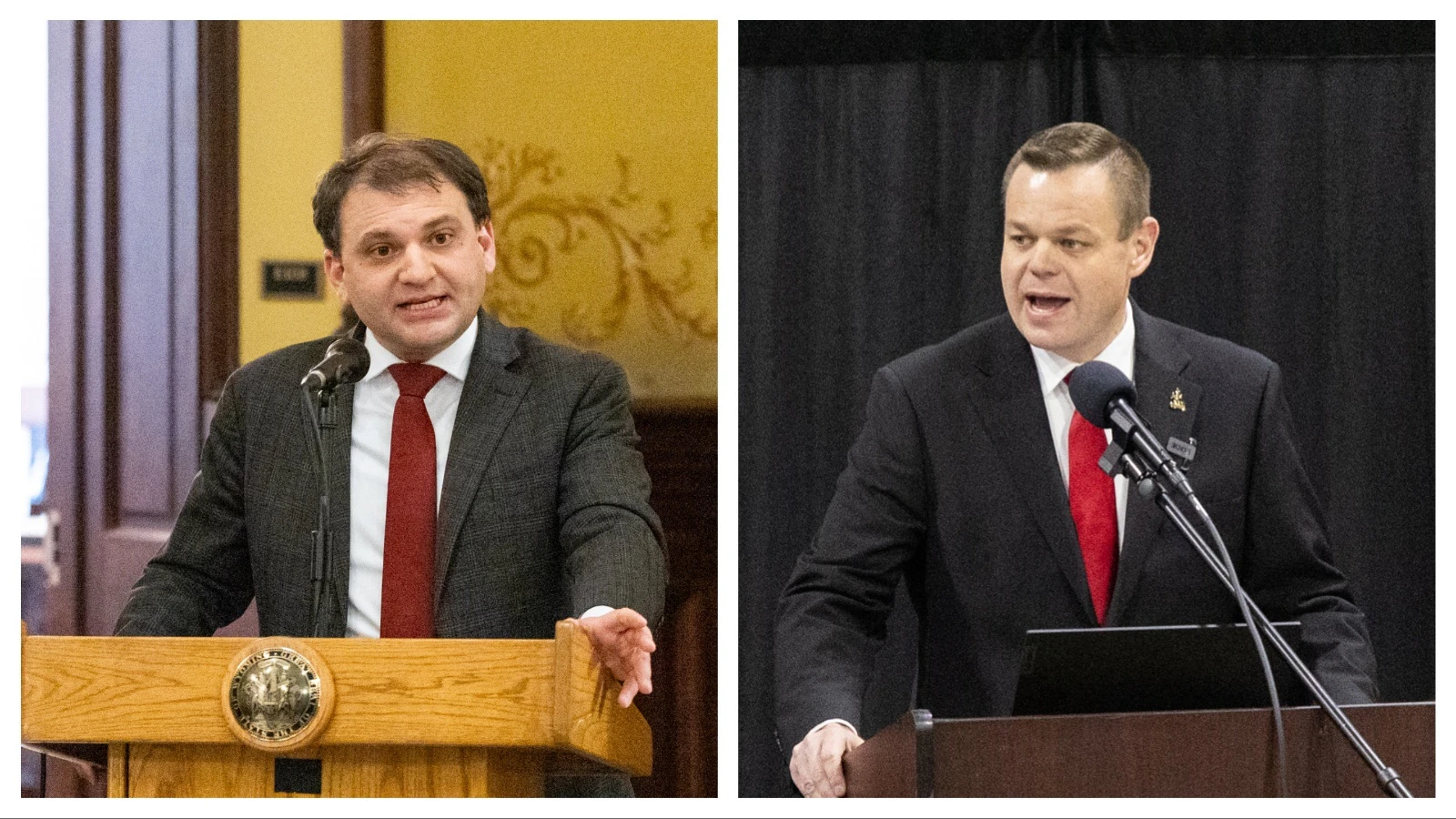
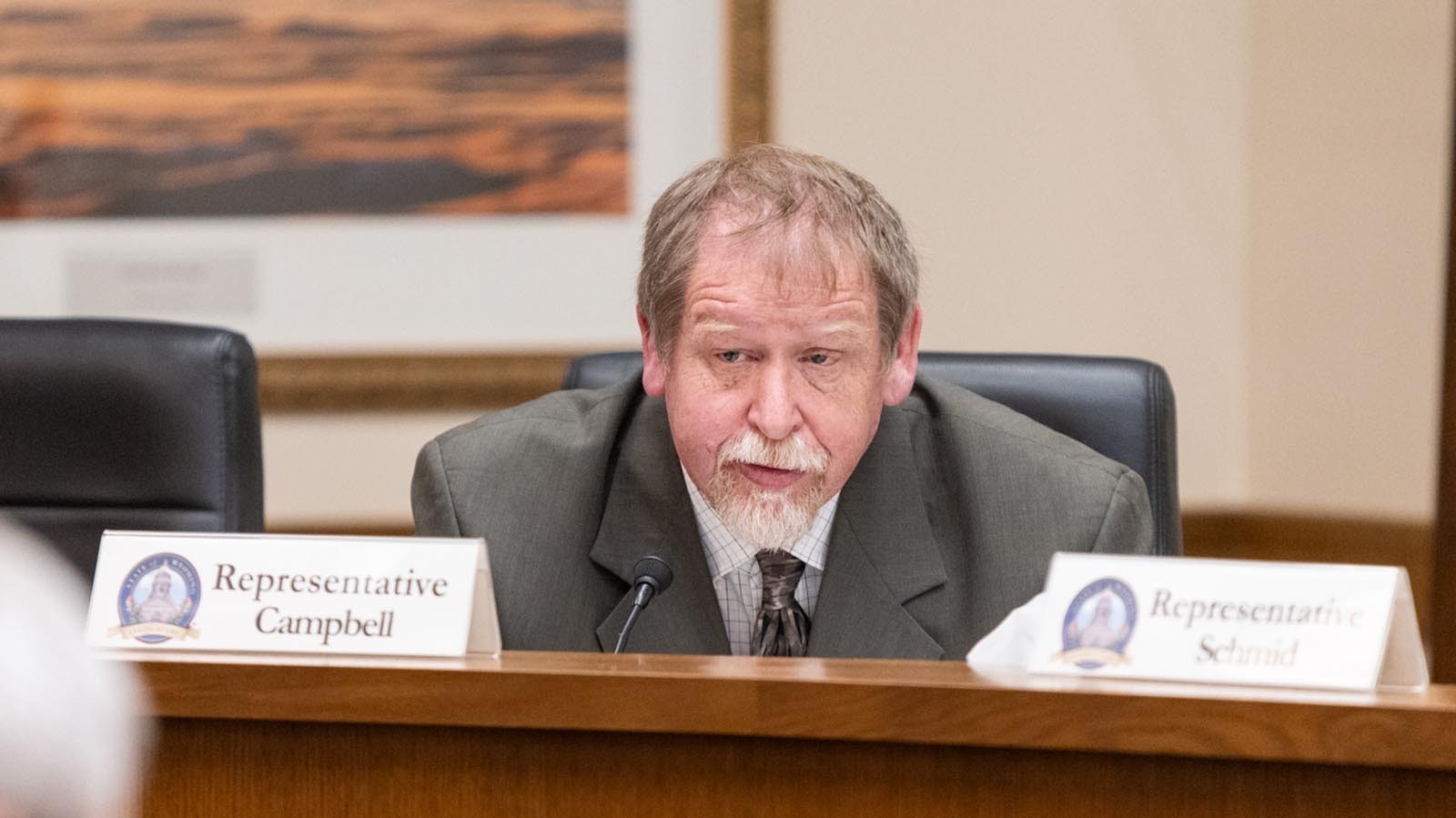
House Bill 121, sponsored by Rep. Kevin Campbell, R-Glenrock, proposed what would have been the first hydrogen severance tax in the nation, splitting rates between a 3% levy on hydrogen produced from wastewater and a 9% rate on hydrogen made from potable or agricultural water.
"Wyoming is an arid state, and water is sacred in Wyoming," Campbell told the committee. "I want the developers to know in advance: Wyoming takes our water serious and you're going to have to pay a premium if you're going to use our ag water, our potable water for industrial purposes."
Under the bill text, hydrogen production was defined as "the separation or extraction of hydrogen from a feedstock," with feedstock including "water, biomass, natural gas and other fossil fuels."
The debate over a hydrogen tax comes at a moment of uncertainty for Wyoming's hydrogen ambitions.
Since 2022, Gov. Mark Gordon, Williams Companies and the University of Wyoming's School of Energy Resources have partnered to develop technology that could transform oil and gas waste streams into hydrogen fuel.
But Williams told Cowboy State Daily earlier this month that current market conditions have significantly reduced near-term interest in the project.
Meanwhile, the Pronghorn Project in Converse County announced Jan. 29 it was dropping its plans to produce green hydrogen jet fuel. Hydrogen is also used to power vehicles and different industrial processes.
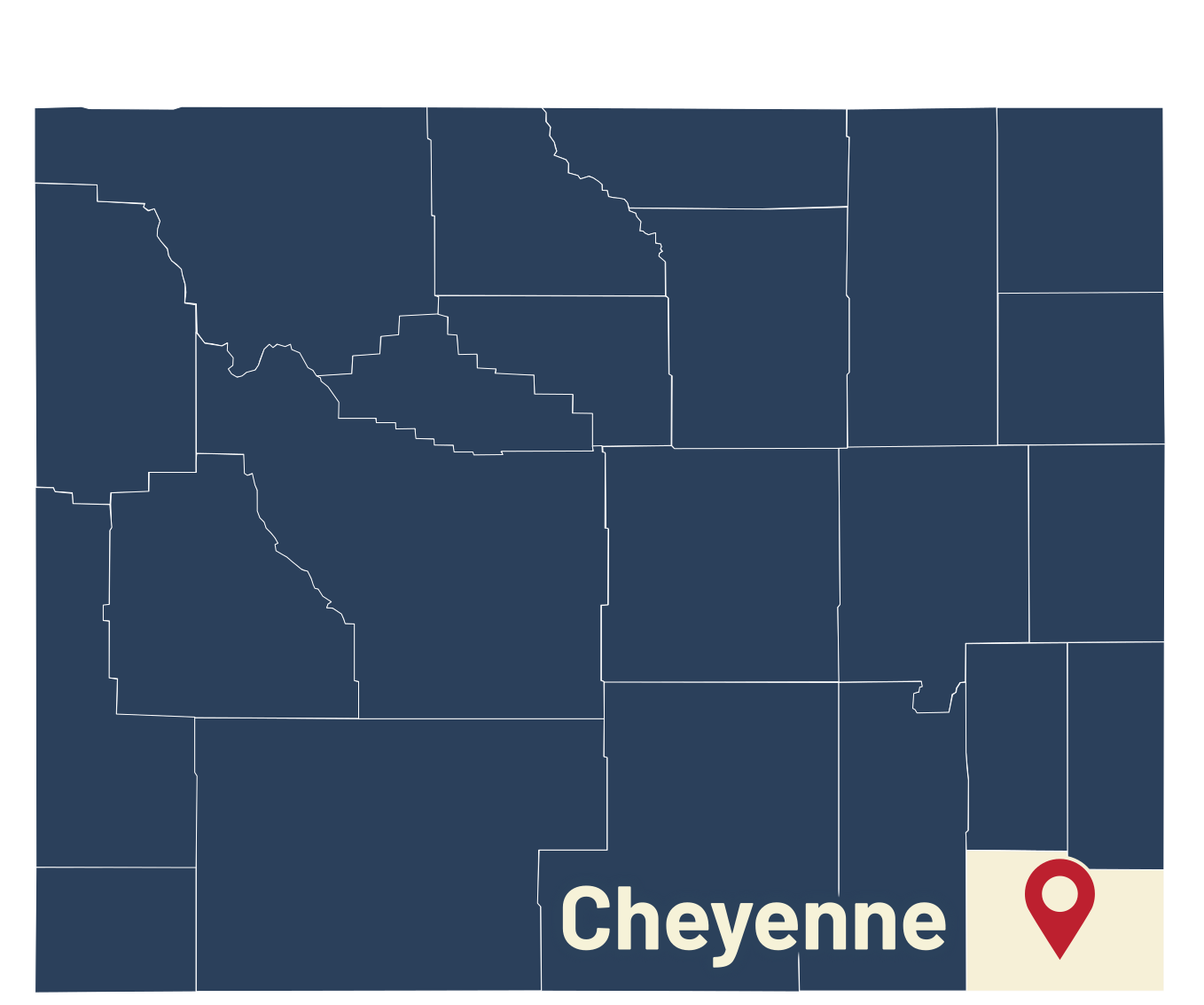
A pilot hydrogen production plant at UW's Hydrogen Energy Research Center south of Cheyenne remains one of the state's most active efforts, designed to produce about a ton of hydrogen per day using produced water and off-gas as feedstocks, but it needs additional money to complete.
Wyoming Energy Authority Executive Director Rob Creager called the produced-water approach a potential game changer.
"If we're ever going to do hydrogen in Wyoming, if we can crack the nut of using produced water to get there, that's it, right?” he said.
Industry Pushback
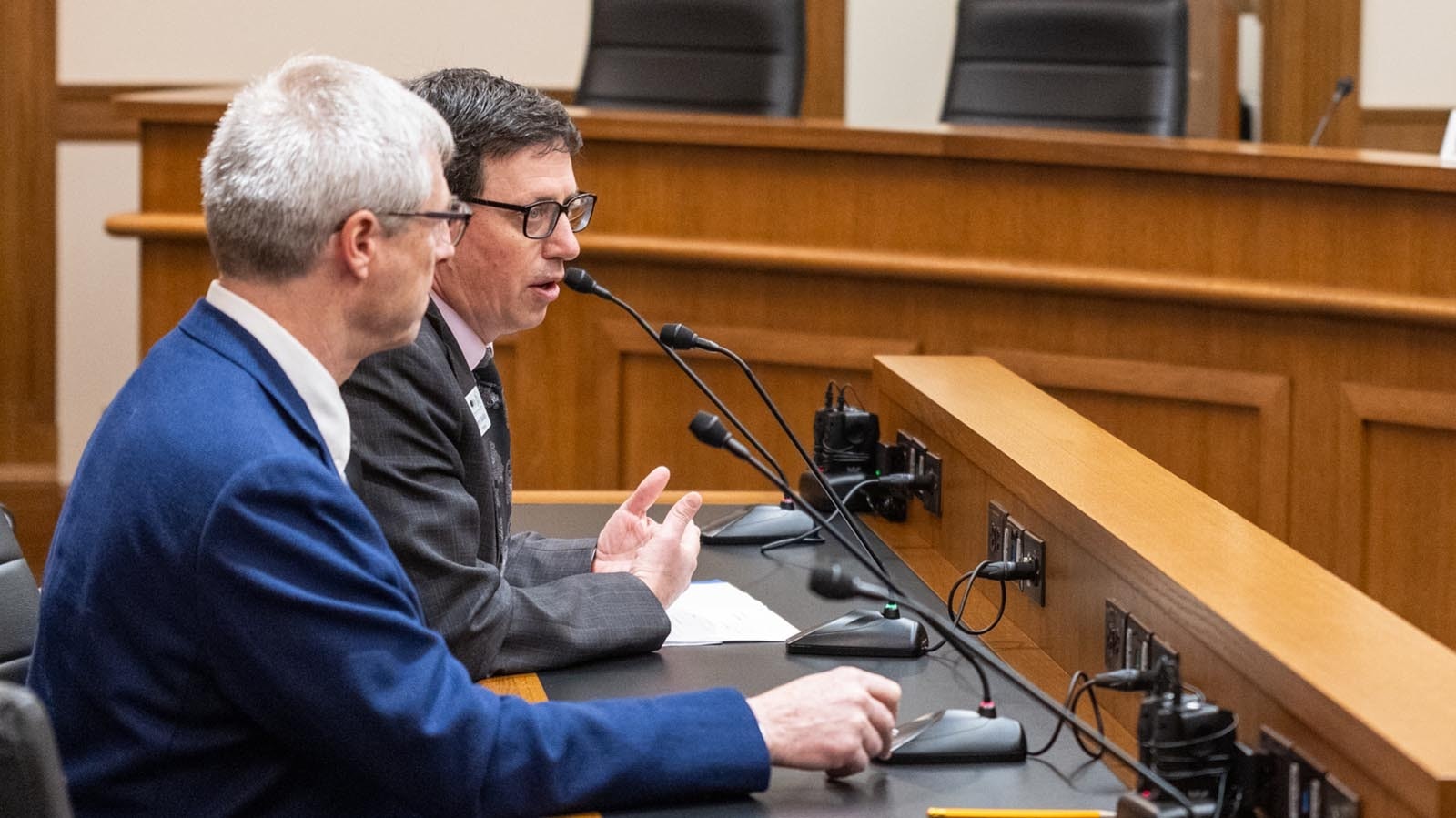
During Friday's testimony, Renny MacKay, president of the Wyoming Business Alliance, told the committee the tax would send a clear message to investors: don't come to Wyoming.
"I think if you put a tax on right now, that would just discourage — you'd get zero revenue ever because we would discourage investments in Wyoming," MacKay said.
MacKay warned that neighboring Utah is aggressively growing its energy industry and "would love to take advantage of us taxing this,” noting no other state taxes hydrogen production.
In a follow-up interview, MacKay told Cowboy State Daily that Wyoming's most promising near-term hydrogen path likely runs through natural gas, not water.
"To create hydrogen from produced water, you're going to have to spend power to break the water molecule," MacKay said. "What I think we're a lot closer to is using gas and taking that process to split it, because then the ammonia can be marketed and shipped more easily.”
MacKay said that in California, where Pinedale Mayor Matt Murdock's company Raven SR is building a hydrogen facility, there is a tax on the sale of hydrogen. There is no severance tax.
Murdock, who is also CEO of Raven SR, challenged the fundamental premise of calling hydrogen production a severance during his testimony Friday.
"It's actually manufacturing," Murdock told the committee. "When we break a water molecule or we break up a hydrocarbon molecule, or if I take Cheyenne's waste and convert it into fuel, that's more manufacturing, it’s not severance."
Raven SR recently cleared final permitting on a $75 million project in Richmond, California, that will produce about seven tons of hydrogen per day from diverted organic waste, as Cowboy State Daily previously reported.
“Wyoming stands at the doorway of a really big business,” said Murdock, but insisted his investors "would not consider doing a hydrogen project in Wyoming" with a tax in place.
"I can sell my hydrogen for $10 a kilo in California. Why would I do it in Wyoming? And that's me having to go through torture to get a project going in California, quite honestly."
In a follow-up interview, Murdock said Wyoming should position itself as a hydrogen leader rather than taxing an industry that doesn't yet exist in the state.
"I think we should be an energy state. I think we should be an expert in energy state," Murdock told Cowboy State Daily. "With a nascent technology or a nascent industry like hydrogen, we need to be more thoughtful and strategic about it. And a severance tax may not be the best step forward."
Murdock also pushed back on hydrogen "color" labels — green, turquoise, gray — arguing they create artificial barriers.
"I don't like colors. I think colors are something that we've done away with this society in many ways. We should talk about carbon intensity," Murdock said.
He pointed to his own company as an example. Raven SR can produce hydrogen from plastics — eliminating waste while generating fuel.
Under color-coding conventions, that hydrogen would be classified as gray or black, but Murdock called it "a super green environmental project” converting waste to fuel.
"We should not promote a technology or a pathway. What we need to promote is the intended goal," Murdock said. "We want clean hydrogen. We want abundant hydrogen. We want cheap hydrogen."
Solar Warning
The Department of Revenue flagged technical problems with HB 121, including that the bill's point of valuation would occur before hydrogen is actually produced.
Before the vote, Chairman Scott Heiner, R-Green River, drew a pointed comparison.
"We don't want to kill a process that's beginning in its infancy, but we don't want to wait too long to put in place a tax structure because we've seen that with some other industries," Heiner said. "What comes to mind right now is our solar farms.
"We wanted to wait until it came and now it's here and we can't put a tax on it."
The committee voted unanimously to send HB 121 to the interim, with Heiner directing stakeholders and the Department of Revenue to collaborate over the summer.
Campbell's Other Bill
In an interview after the hearing, Campbell told Cowboy State Daily he has a companion bill — House Bill 120, the Energy Product Reclassification and Sovereignty Act — scheduled for the Minerals Committee on Monday.
Where HB 121 proposed a tax, HB 120 would create incentives. The bill would direct the Wyoming Energy Authority to designate "industrial sovereign zones" in areas where natural gas prices are depressed.
Facilities in those zones would receive expedited 45-day permitting, sales and use tax exemptions on machinery, and a severance tax exemption on natural gas consumed in manufacturing "value-added" products through "substantial molecular transformation" including methane pyrolysis and ammonia synthesis.
The bill directs the WEA to first consider establishing a zone near the Opal natural gas hub in southwestern Wyoming.
"People don't like burning natural gas," Campbell said. "So what I'm doing with HB 120 is I'm taking a raw feedstock, natural gas, and I want to create a special zone for that — to where we take raw natural gas, we rearrange the molecules, and then we create three value-added manufactured products: turquoise hydrogen, ammonia and carbon black."
Campbell said he envisions Wyoming competing globally, with the Asian market seeking 20-year contracts for clean energy that could stabilize the boom-bust economics plaguing the state's gas producers.
"If we were to get a $4 billion turquoise hydrogen facility in Wyoming, the ad valorem taxes from that facility would pay for all the school funding in that county," Campbell told Cowboy State Daily. "If you sign a 20-year contract, you've insulated yourself from a bust. That is solid growth."
David Madison can be reached at david@cowboystatedaily.com.