CHEYENNE — Wyoming created a university four years before it became a state — and then nearly starved it to death.
From its founding in 1886, the University of Wyoming “suffered a lack of funding” from the territorial legislature, according to WyoHistory.org. Within three years, the institution might have ceased to exist had federal land-grant money not rescued it, tying the university’s survival to a practical mission: agriculture and the mechanical arts.
The late U.S. Sen. Alan Simpson, who earned two degrees from UW, never forgot how close Wyoming came to losing its only four-year university.
“I spent six years of my life on that campus, two of them married, and that’s where I was shaped and forged, right there in that place,” Simpson once said. “Those people and those professors were really the root of what I am.”
On Thursday, both chambers of the Wyoming Legislature took up the university’s budget, with sparks flying over whether or not UW is honoring its land-grant roots.
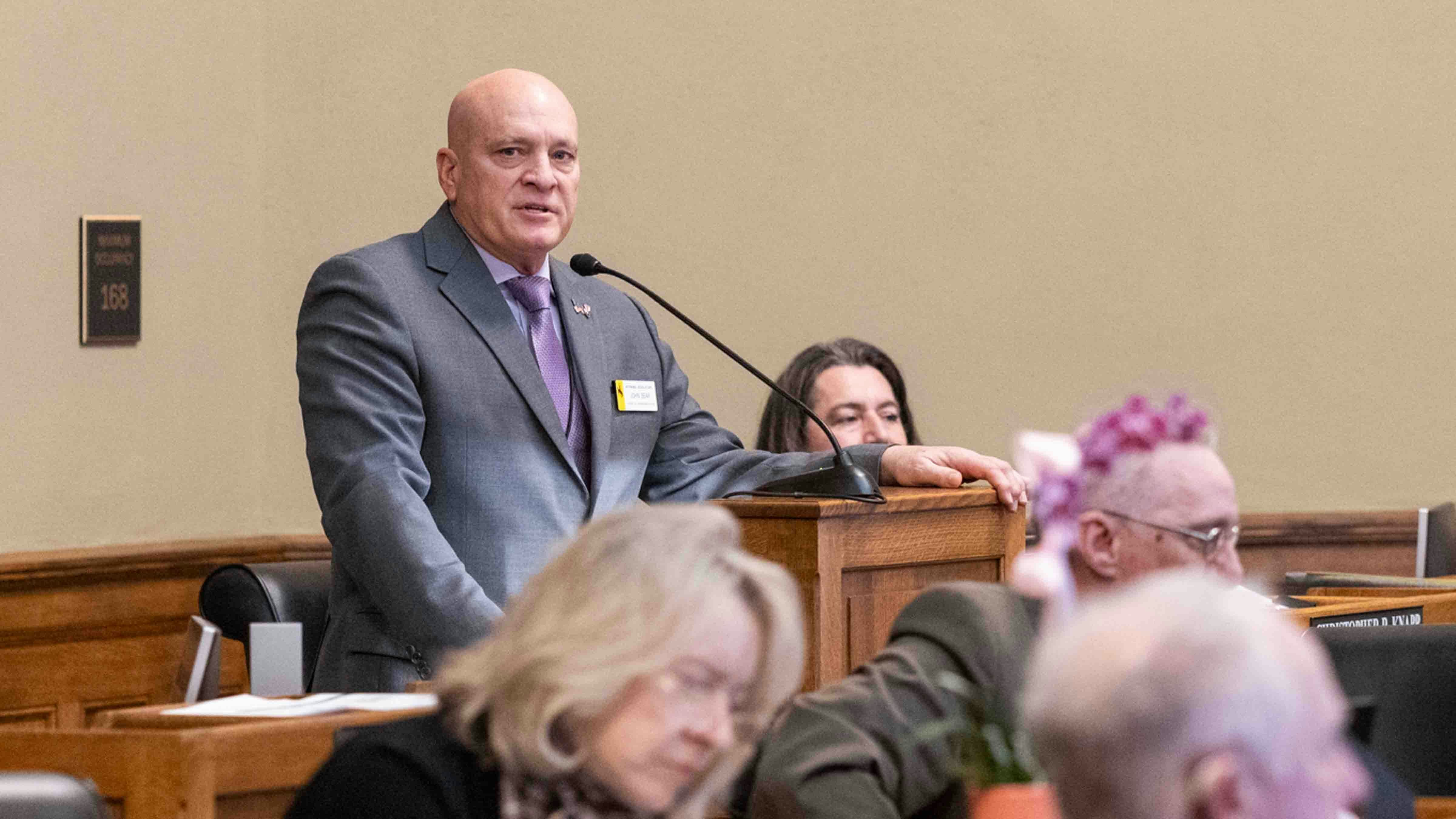
In the House, Joint Appropriations Committee Co-Chairman John Bear, R-Gillette, walked members through the budget before landing on the hot-button issue: a $40 million general fund reduction, paired with footnotes shielding the College of Agriculture, the College of Education, the Wyoming Outdoor Recreation, Tourism and Hospitality Institute, the Center for Innovation for Flow Through Porous Media, and the High Bay Research Facility.
Bear cast the cut as a return to fundamentals. He pointed to the 1862 Morrill Act, which established land-grant universities to deliver “a practical education,” and argued that UW has drifted from that mission.
“We’re living in an age where the universities across the nation are going further and further away from what a land grant university’s really designed to do,” Bear said.
Then, when Rep. Rob Geringer, R-Cheyenne, asked how the committee arrived at the $40 million figure, Bear was transparent about the intention of the Wyoming Freedom Caucus.
“That was just because we hadn’t gotten their attention with some of the other things that we’ve done in the past,” Bear said. “So trying to get their attention.”
Bear said the frustration was specific: legislative directives to eliminate diversity, equity and inclusion programs at the university “really didn’t happen” despite action taken in prior sessions.
That’s when Rep. Lloyd Larsen, R-Lander, rose to challenge that rationale. “Can you explain that a little bit?” Larsen said. “Because it would almost suggest that this action is retaliatory, that we’re going to show you.”
JAC Vice Chairman Ken Pendergraft, R-Sheridan, offered a broader defense, telling the House that about 80% of UW graduates leave the state while 80% of community college graduates stay. He said the university had “kind of lost their focus on the land grant concept” and that the Legislature wanted UW to refocus on agriculture, engineering and education — “the things that benefit Wyoming specifically.”
Geringer returned to the microphone, questioning the proportionality of the approach. The $40 million cut, combined with the shielded programs, would expose nursing, engineering, business and other programs to disproportionate reductions.
“$40 million sure is an attention getter, but it’s getting the attention of all sorts of programs that may be cut,” Geringer said. “I’m trying to understand how we want to take a huge sledgehammer to a problem like this.”
Rep. Mike Yin, D-Jackson, said, “There are some topics that you guys think that the university shouldn’t teach, so we’re punishing every single student in the university for it.”
What Leaders Do
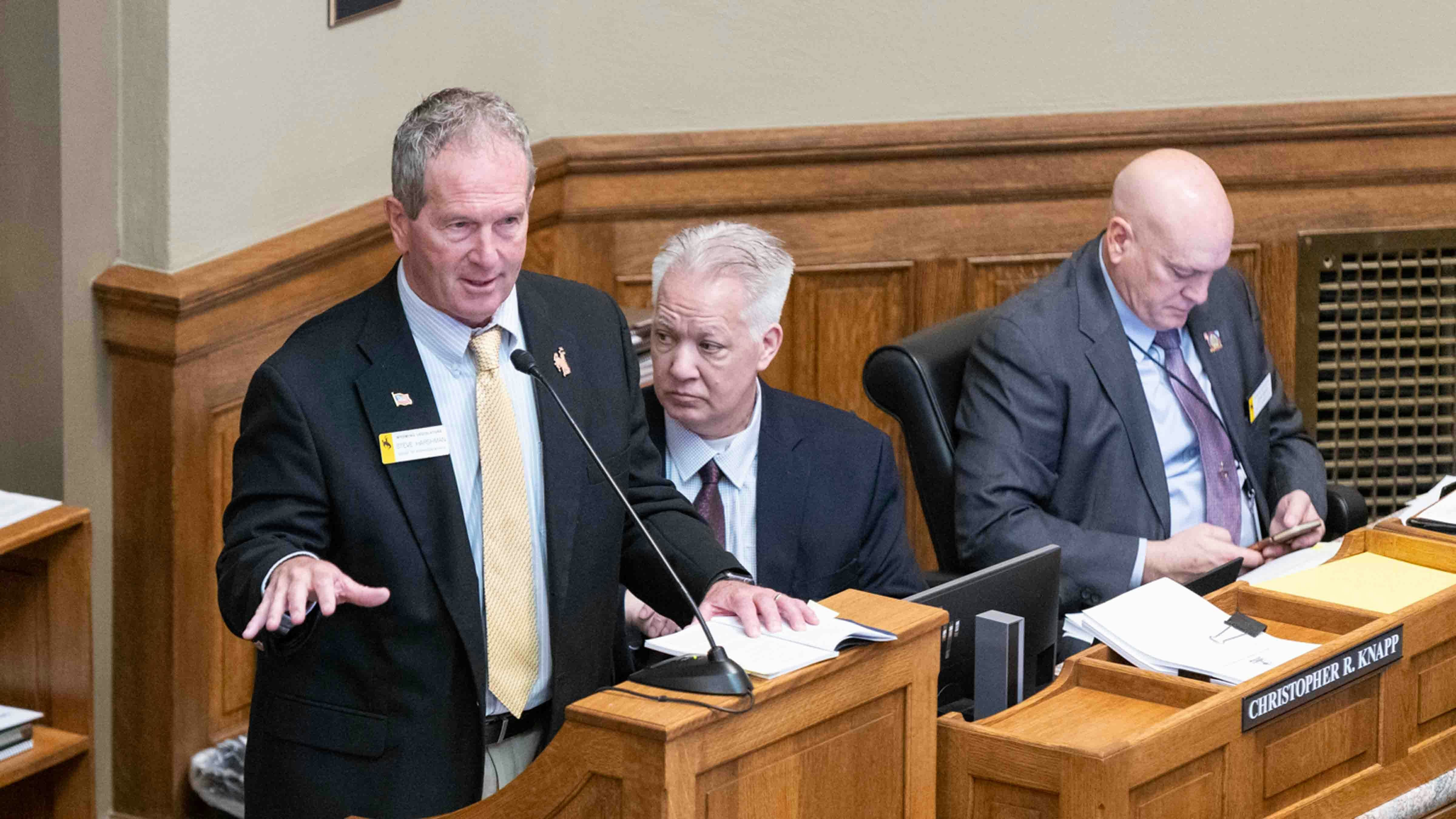
Then Rep. Steve Harshman, R-Casper, stood and delivered the most impassioned remarks of the evening.
Harshman read from the Wyoming Constitution, Article 7, which establishes the university and declares that instruction “may be as nearly free as possible.”
He reminded his colleagues that the founders who built the Capitol and Old Main “went into debt” to do it.
“They weren’t cheapskates,” Harshman said. “They were thinking about a great future for our young people.”
He noted that general fund appropriations to the university had been “pretty flat” for 20 years. He warned against the Legislature being remembered for not supporting higher education.
“When our picture’s up there hanging, hopefully it’s not — look, these are the guys who tore down. There’s no need to,” said Harshman.
“The university is the state of Wyoming,” Harshman added. “And we want to value that.”
Harshman pitched his fellow representatives on a more surgical approach — one deployed during his own time on the appropriations committee.
Appropriations once threatened to pull $5 million from UW’s block grant if it dropped its career technical education program. The university kept it.
“So we’re not going to take it to the next level by chopping the legs out,” Harshman said. “We’re going to use that carrot... and move this thing forward. So that’s what leaders do.”
Winners, Losers
Earlier Thursday, the Senate took up the same budget section and confronted the same fault line: who chose the winners?
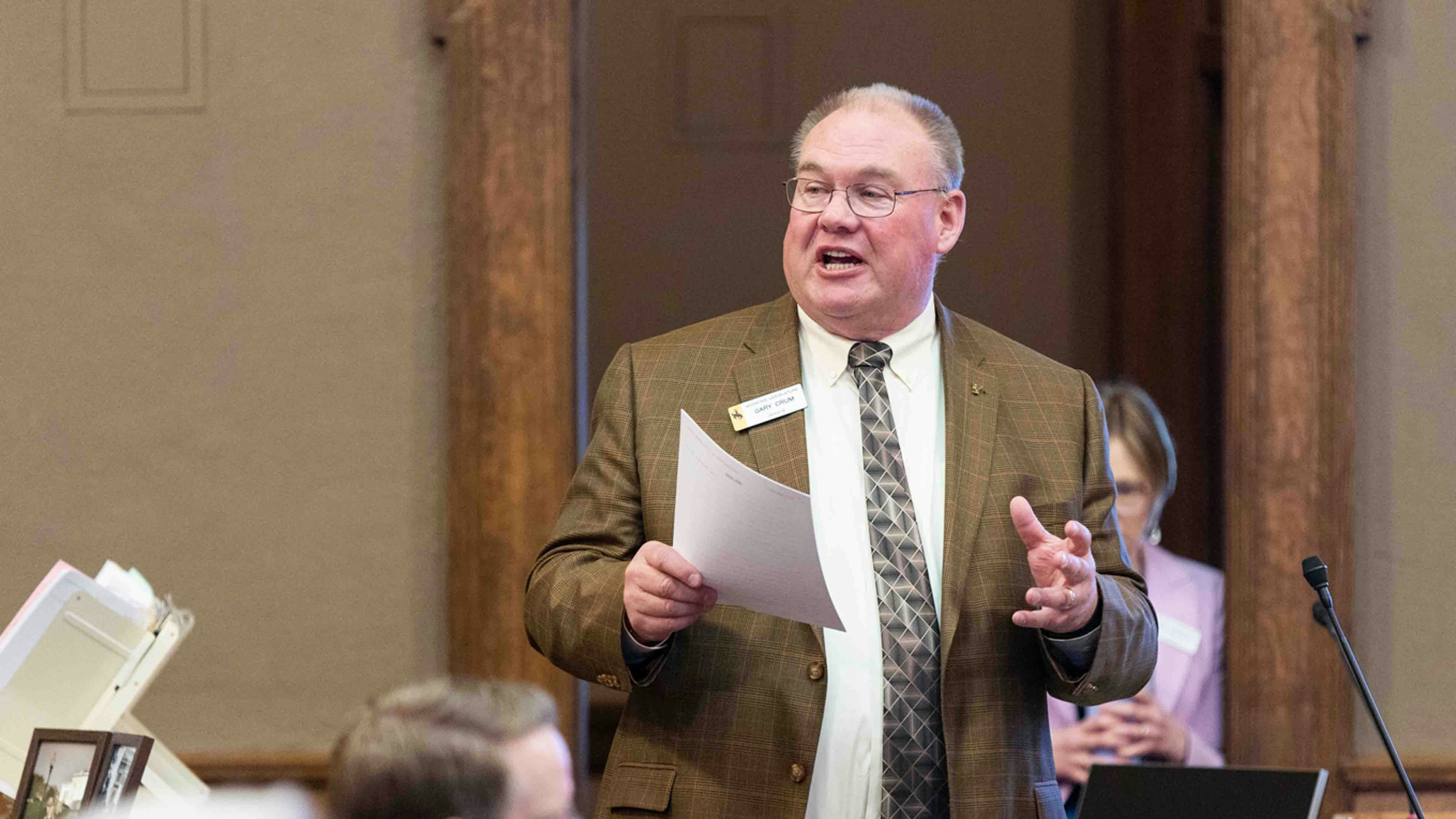
Sen. Gary Crum, R-Laramie, asked why the JAC recommended cutting $40 million but shielded the colleges of education and agriculture, the High Bay Research Facility, the energy research program within it, and the Jay Kemmerer Wyoming Outdoor Recreation, Tourism and Hospitality (WORTH) Institute.
“Wondering why we’re picking winners and losers,” Crum said. “And how come we’re penalizing some of those other colleges.”
The $40 million amounts to roughly 10 percent of the university’s state funding over the biennium, but a smaller share of its overall revenue, which includes tuition, endowment income, matching funds and donations, according to testimony in the senate Thursday.
The WORTH Institute shares a major donor with the WY Freedom PAC, a campaign arm of the Republican lawmaker group the Wyoming Freedom Caucus, Cowboy State Daily reported previously.
Multiple Freedom Caucus members enacted the shield for the WORTH Institute in a pre-session JAC meeting typically held for spot edits of the draft budget.
Sen. Ogden Driskill, R-Devils Tower, called it favoritism.
“$40 million, and we’re going to protect the things we like, but we’re going to let UW figure out how to deal with the rest of it,” Driskill said. “And that’s, long and short, that’s the way it happened.”
Culture Clash
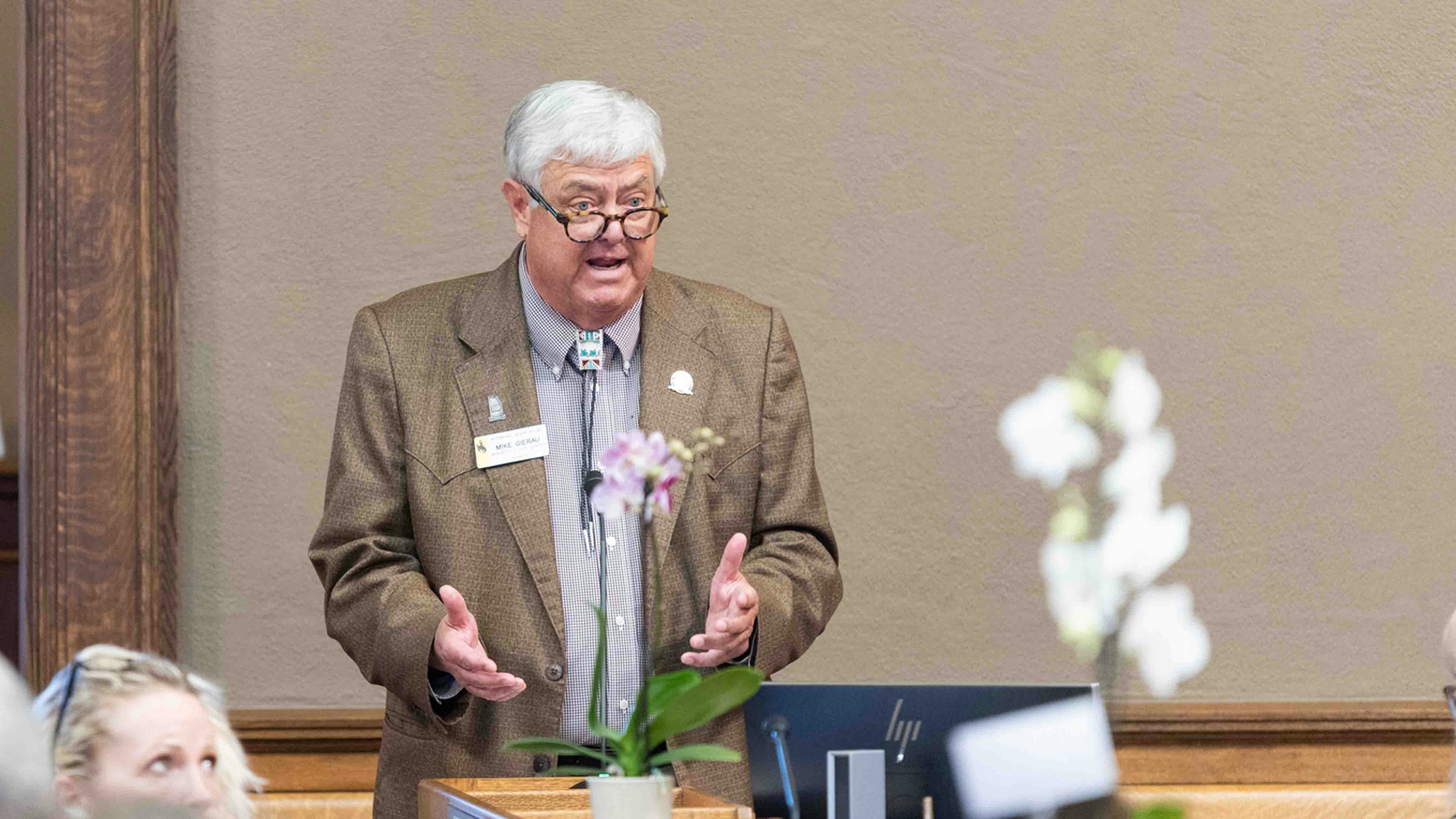
Sen. Mike Gierau, D-Jackson, a JAC member who participated in the committee’s four-week budget-planning marathon this winter, told the Senate that the “tenor” of the committee’s discussion was a culture clash between the university and the Legislature.
Gierau described “a general feeling that there was a lack of performance at the university in certain areas that the JAC has been talking about with the university for a couple of years. Some of the classes that are taught, some of the subject matter that is required in certain disciplines.”
Appropriators had sparred with UW leaders over class offerings like “eco-feminism” and the gender studies program remaining on UW’s online course listings despite the Legislature banning the expenditure of state resources on DEI initiatives in recent years.
“There are many different funding sources that come to the University of Wyoming — federal funds, grants and aid, endowments, all things all across the board and all across the spectrum,” Gierau told his fellow senators. “So when you take a $40 million cut out of the block grant and then you pick a few and say we’re not going to touch these, the impact on each of the other colleges is very, very difficult to calculate.”
Land-Grant Defense
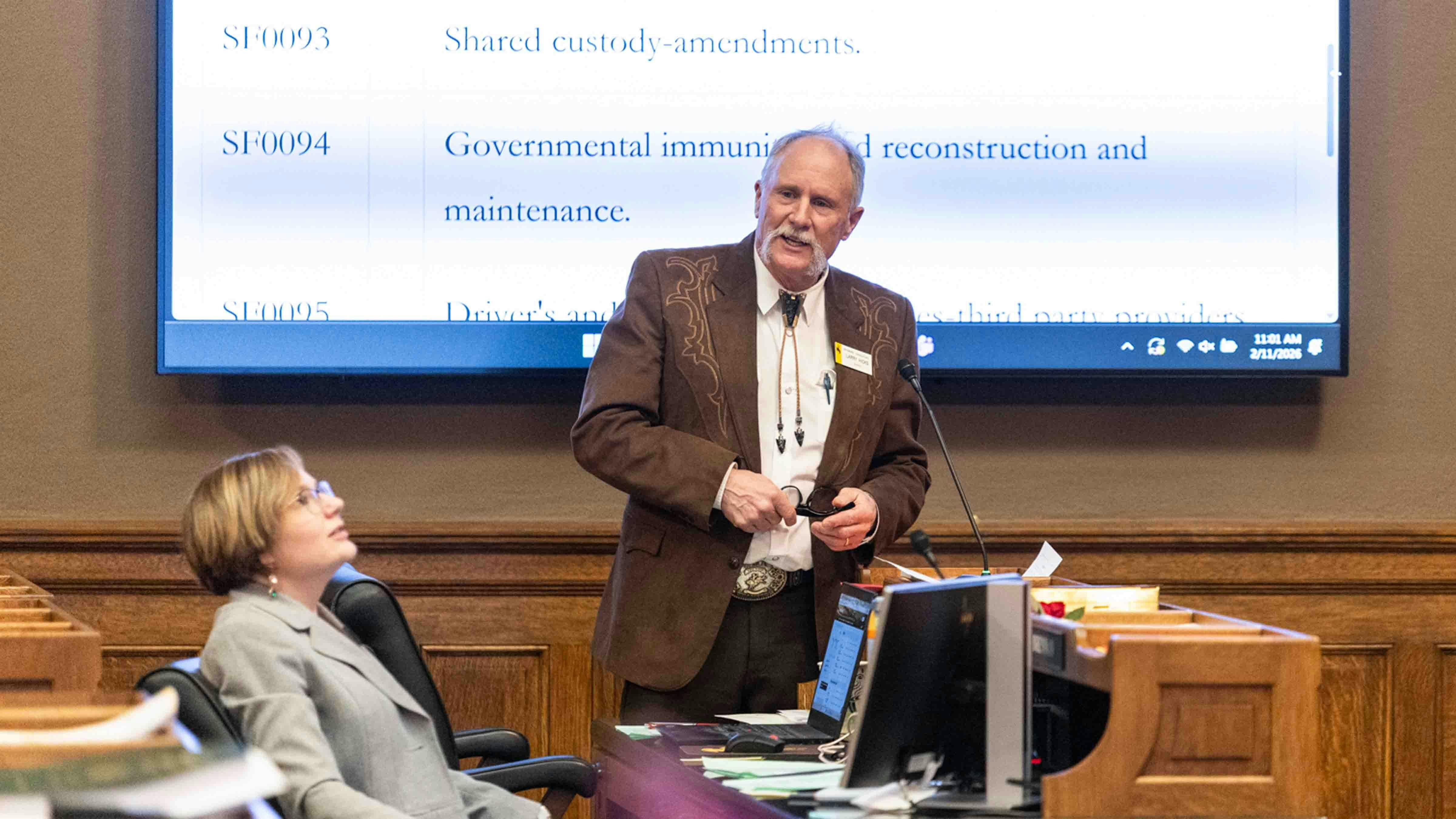
Sen. Larry Hicks, R-Baggs, offered the most structured defense of the protected programs, arguing that favoring certain UW programs is not a rare act of the Legislature.
He recalled that the Legislature had established a tier-one engineering initiative to drive the College of Engineering to higher standards, and he noted that Wyoming’s top revenue-generating industries are typically minerals, tourism and agriculture.
“This is just the Legislature saying, these are the things that drive the economy — agriculture, tourism, and energy,” Hicks said. “And these are priorities for budgeting for the University of Wyoming.”
Senate Appropriations Chair Tim Salazar, R-Riverton, countered critics by noting that UW enrollment has declined.
“Historically, this Legislature has been very generous to the University of Wyoming with regard to any of their requests,” Salazar said. “So I think there was a philosophical discussion about checks and balances on that.”
Bad Message
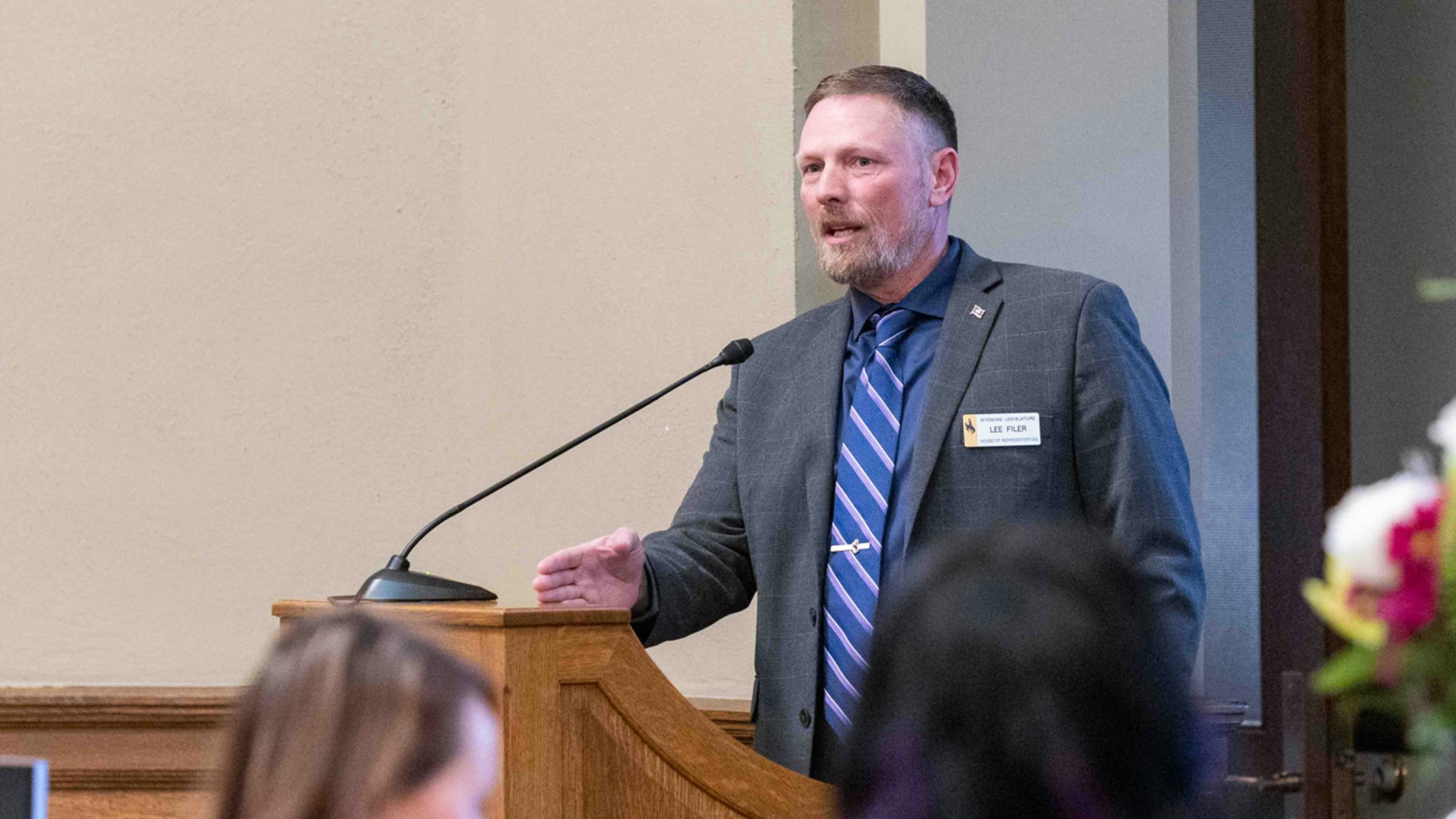
Back in the House on Thursday night, Rep. Lee Filer, R-Cheyenne, urged his colleagues to think about who was watching.
“Our state has the largest group of young folks leaving than any other state in the nation,” Filer said. “Here we are telling them, ‘Hey, we’re just gonna cut that wonderful university that they all strive for.’”
Filer, who has six children, said he regularly asks their friends where they want to go to school. The answer is almost always UW — and not just for agriculture.
“They all have different ideas. They all have different likes. They all have different career paths that they might want to pursue,” Filer said.
“We’re sending a pretty bad message,” continued Filer. “This is a bad message to every single kid in our state. And if we want to just open the border and let them go to that state south of us, because they actually offer these programs, because we refuse to compete, we’re going to lose our kids.”
Clair McFarland can be reached at clair@cowboystatedaily.com and David Madison can be reached at david@cowboystatedaily.com.