The U.S. cattle population hit a 75-year record low last week, the U.S. Department of Agriculture reports. But Wyoming cattle experts say that’s not all bad news.
The report was a surprise to cattle ranchers across the country, said Jeff Berry, who works for Producers Livestock, a marketing cooperative in Cheyenne.
“A lot of people were expecting there would be a slight uptick,” Berry told Cowboy State Daily. “The fact that it was lower was quite surprising to the industry.”
State Sen. Ogden Driskill, R-Devils Tower, also a rancher, indicated optimism over the report, saying lower cattle supply has led to higher demand and higher prices in the cattle industry.
That’s good news for Wyoming ranchers, he said.
“This is the first run we’ve had of really solid profits for a number of years,” he told Cowboy State Daily.
“We have never seen cattle prices like this in history,” added Berry.
These profitable years for cattle will help ranchers build cash reserves, Driskill said.
Yet beef prices remain high for consumers, and environmental factors play a role in the low cattle numbers.
The Numbers
According to the USDA report released Jan. 30, total U.S. cattle stands at a historic low of 86.2 million head. Beef cows are down 1% compared with last year to 27.6 million — the lowest number since 1951.
The 2025 calf crop was 32.9 million head, the smallest total since 1941. With calf herds also down, fewer feeder cattle are expected in 2026, according to the report.
Why The Decline?
The U.S. cattle population has been on the decline for the past five or six years, according to Driskill. Multiple factors help explain the historic numbers.
Drought is one of the key drivers of the decline, with states like Texas and California being especially hard hit. Drought threatens cattle food and water sources and causes feed costs to spike, which can force ranchers to sell off herds prematurely. Dried-up water sources and reduced pastures lead to smaller herd sizes.
Another factor leading to the cattle population decline is that ranchers are selling the female cows they typically use for breeding, because prices are so high. With heifer calves worth more than they’ve ever been, ranchers are choosing to sell rather than keep them for future breeding.
“Keeping replacements is significant, but how do you not sell a heifer calf for more than she’s ever been worth?” Berry said.
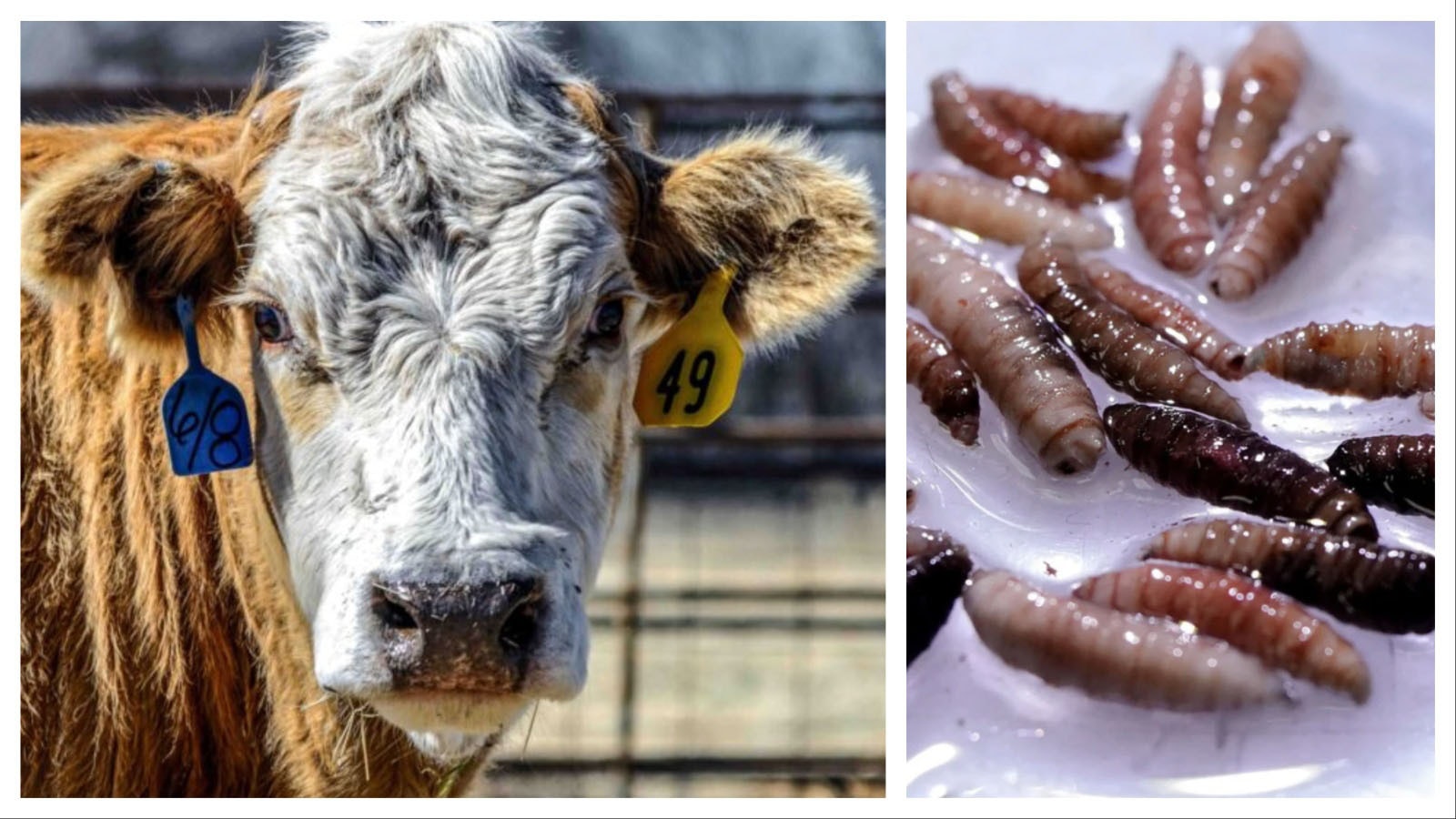
Driskill pointed to the lack of Mexican cattle being imported to the U.S. as another cause of the national population decline. The U.S. used to import hundreds of thousands of feeder cattle a year from Mexico, which contributed notably to the U.S. cattle population. But the outbreak of screw worm in Mexican cattle resulted in the country’s cattle being taken off the U.S. market.
“They’re not waiting at the border,” Driskill said. “The Mexican cattle have gone somewhere else.”
The typical rule of supply and demand is also at work. Berry said that over the past decade, ranchers have typically been breaking even on the prices they earn for their cattle. By winnowing down their herds, they have been able to earn more per head.
“If I can run 70 cows and make some profit or run 100 cows and break even, there is really no reason to keep producing 100,” Berry said.
Lately, ranchers have been making good money. “They’ve been getting paid for their product,” Berry said.
Added Driskill: “You want to be profitable.”
A Rosy Picture?
But US beef cattle being down 1% from last year is far from a dire situation, Berry said. Technology and genetic studies have allowed U.S. cattle ranchers to produce more red meat with less cattle.
“The genetic potential of these animals is being realized at levels that we have never seen before,” Berry said. “It’s the lowest cowherd ever, but surprisingly enough, not that much of a reduction in red meat production.”
Calves are on average about 80 pounds at birth, Berry said. By the time they reach a year old, they weigh 1,400-1,500 pounds, meaning a calf has the genetic potential to gain three to four pounds every day.
“That is genetic progress,” Berry said.
Berry said he expects the U.S. cattle population could be rebuilt within two years. But the market has to dictate it.

A Story Of Economics
The national average price per pound of ground beef was $6.69 as of December 2025, according to USDA data. Berry said he expects beef prices to increase –beyond pure inflationary numbers – because of the current low supply.
With pork and chicken prices lower – pork chops averaged $4.30 per pound and boneless chicken breasts averaged $4.15 per pound in the same USDA data — Driskill questioned whether beef will remain “somewhat of a specialty meat.”
Like any commodity, overproduction leads to lower prices because demand decreases as supply increases.
“That’s what the marketplace does. It’s human nature,” Driskill said.
Overproducing meat leads to a lack of profit for the ranchers.
Yet the classic law of supply and demand will ultimately drive what the market does. If history is any indicator, the low supply trend won’t last forever.
“Unless we do something different than we’ve done for the past 100 years, we’ll overproduce and the price will be driven back down,” Berry said.
A Bigger Herd To Come
Eventually, Berry said, the U.S. cattle herd will have to be built back up because demand will drive the market. Cattle ranchers will breed and produce more cattle.
Berry said he predicts that the market will reach a point where herds will have to be built back up and, as a result, ranchers will once again hold on to their female calves for future breeding.
“We will overproduce until the price comes back down,” Berry said.
Driskill said Wyoming cattle ranchers have lived through a lot of tough years. The current low supply helps the existing ranchers, he said.
Rebuilding the cattle supply won’t happen overnight, but, said Berry, it’s far from an impossible endeavor.
“The pendulum swings,” he said. “Ranchers will build their herds back up. It will happen.”
Kate Meadows can be reached at kate@cowboystatedaily.com.