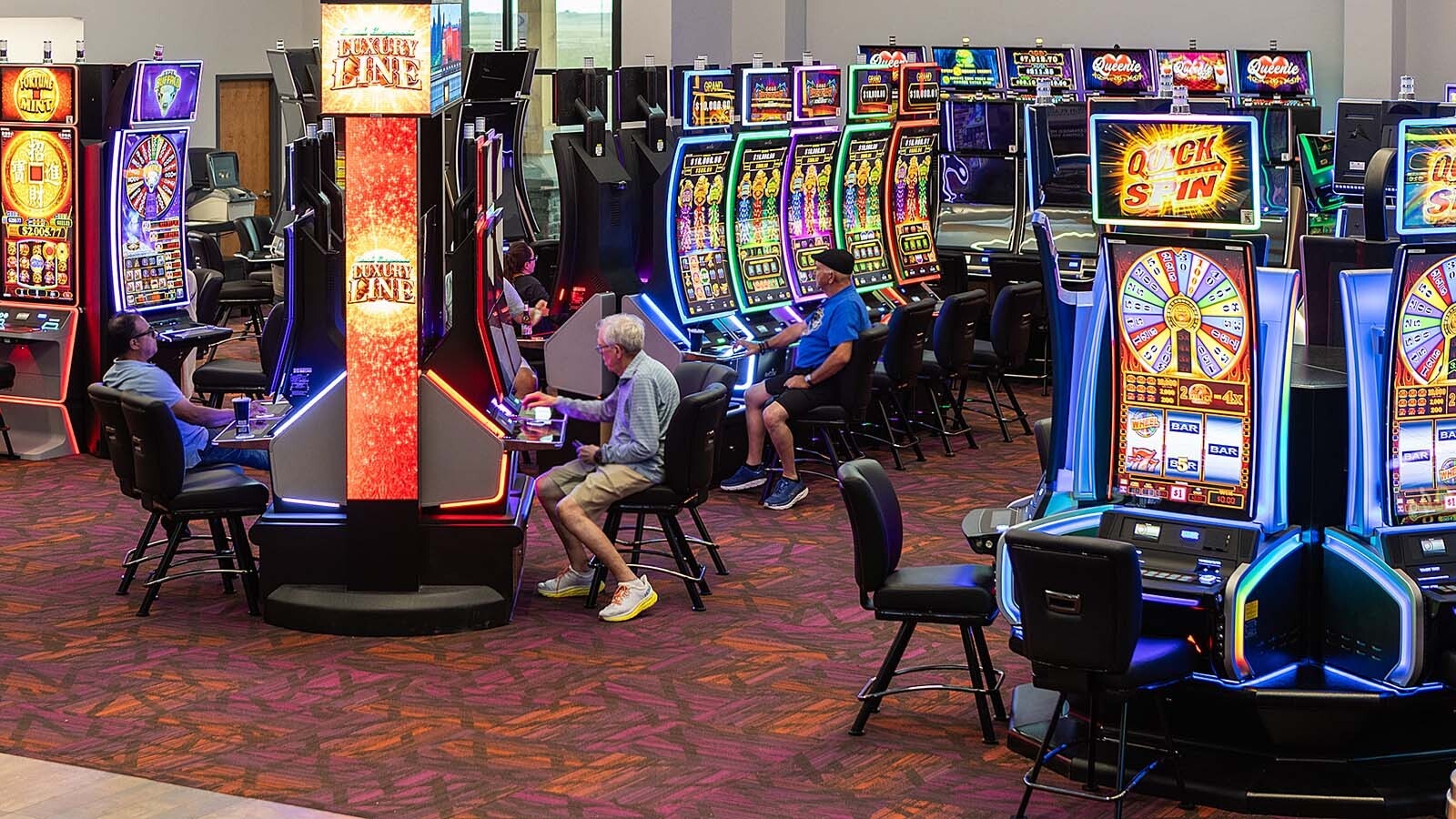
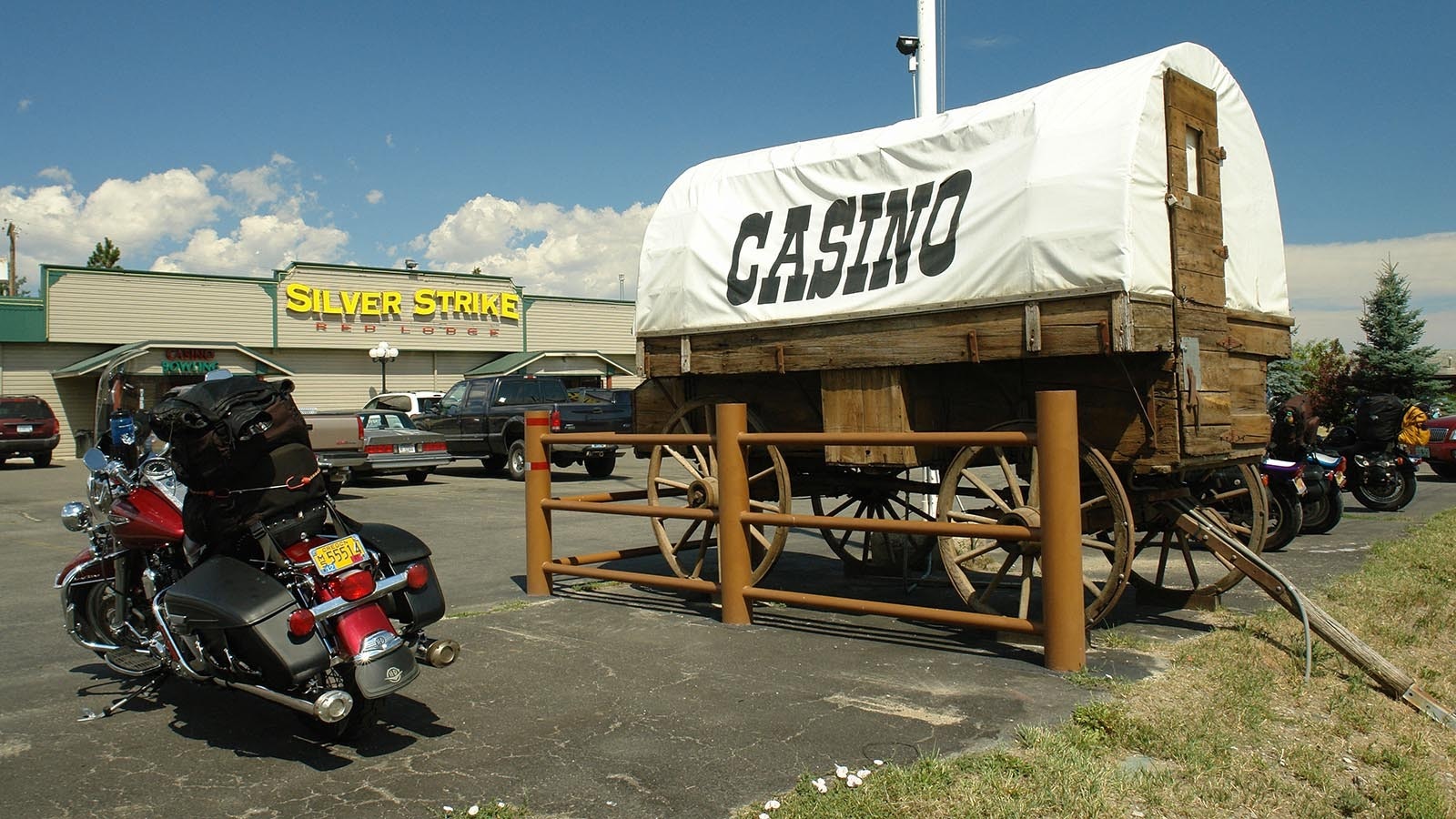
People traveling to Montana often have a similar observation: What’s with all the casinos?
With 1,247 licensed gambling establishments — about one for every 900 residents — it’s easy to assume that gambling in the Big Sky State is big business.
Yet the number of establishments has actually dropped 7.4% over the last decade, according to figures from the Department of Justice.
While you don’t have to look far to try your luck — Billings alone is home to more than 130 licensed gambling operators, for example — Montana “casinos” are limited to just 20 video gambling machines each, and many have far fewer.
Such dynamics make claims that Montana is becoming the next Las Vegas downright “silly,” said John Iverson, government affairs consultant for the Montana Tavern Association.
“A lot of people come to Montana and are like, ‘Wow, casino, casino, casino,’” Iverson said. “But the reality is that these businesses have to make money on more than gaming.”
How Montana And Wyoming Stack Up
Despite its visibility, Montana’s gaming industry isn’t the behemoth it seems, particularly compared to its much smaller southern neighbor.
In Montana’s 2024 fiscal year, statewide video gaming expenditures totaled nearly $2.8 billion, while wagering on Wyoming’s slot-like machines topped $2.1 billion in the 2024 calendar year.
The two states, like others, grapple with a Goldilocks question of sorts as they consider what amount of gambling is “just right” given the significant potential tax revenues at stake.
They’ve played their hands differently.
Montana collects a 15% tax on video game machine expenditures (wagers minus payouts), generating $83.1 million in revenue in 2024.
Wyoming, meanwhile, imposes a 1.5% tax on the total "handle" (amount wagered) of historic horse racing machines and collected $19.1 million in tax revenue that was distributed to cities, towns, and counties that same year.
In 2025, Wyoming legislators proposed tax hikes on the gaming industry in June and advanced bills to rein in slot-machine-like gambling in the state.
Montana legislators haven’t considered similar changes to its industry recently and long ago enacted a number of limitations. For example, becoming a licensed gambling operator goes hand-in-hand with obtaining the appropriate type of alcoholic beverage license, and there are quotas on those.
As a result, the total number of video gambling machines in the state—16,748 as of September—has stayed relatively consistent for the past decade, said Matt Eckdahl, supervisor of the technical services section of the gambling control division of the Montana Department of Justice.
“I don’t see that the number of machines would increase significantly because all the new liquor licenses aren’t gaming eligible,” Eckdahl said.
Montana’s Low Stakes Gambling
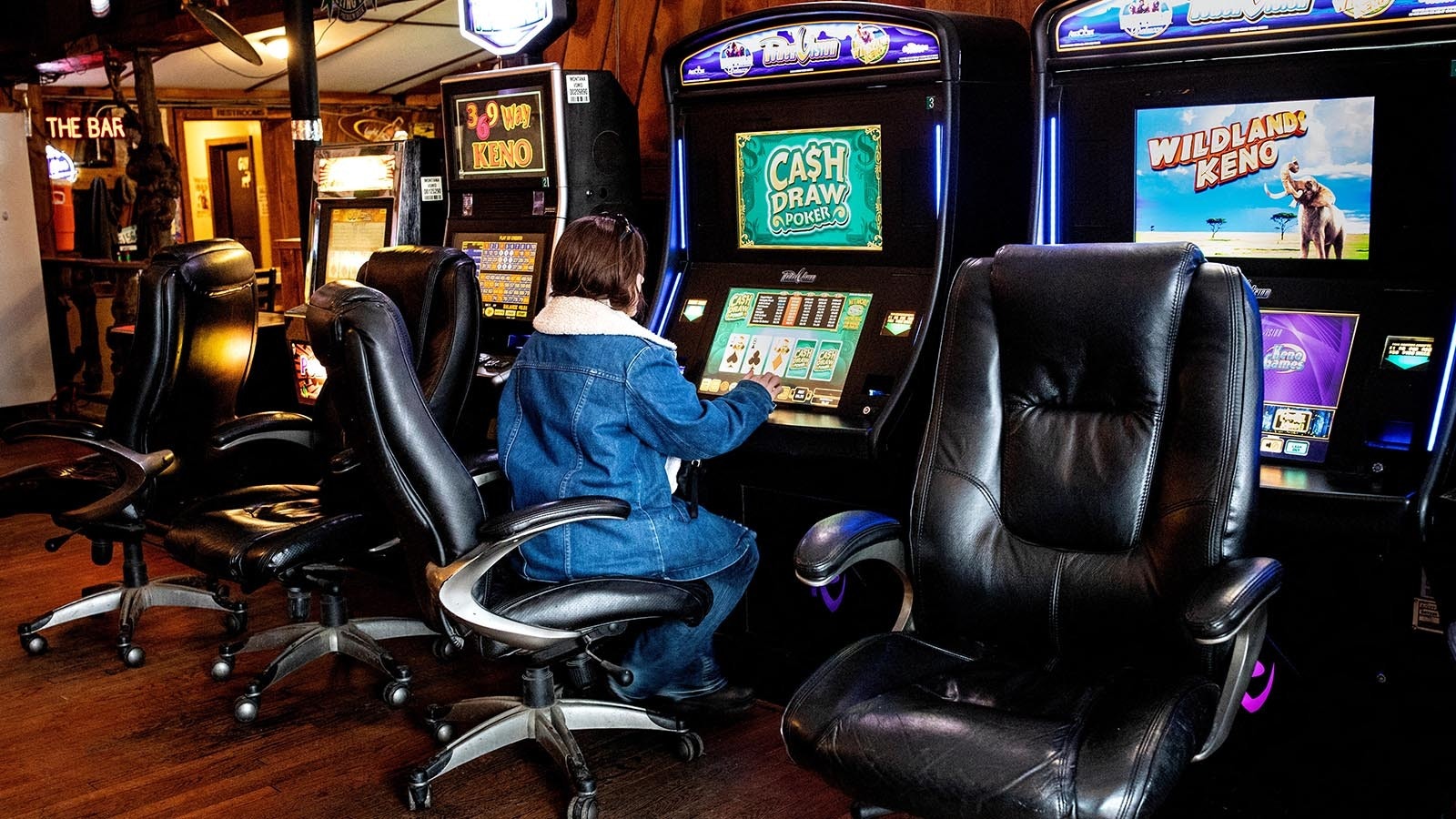
Stepping into one of Montana’s many “casinos” may bring another reality check: All of the video bingo, keno, poker, and line games outside reservations are limited to a maximum bet of $2 per game and a maximum award of $800 per game.
“We’re a lot lower stakes than in other jurisdictions,” Eckdahl said.
What’s more, most counties in the state aren’t exactly raking in the tax revenue. Aside from a few, particularly gaming-friendly counties, a majority of Montana’s 56 counties collect less than $100,000 in quarterly gaming taxes.
In many small towns, gaming is just one leg of a "three-legged stool," alongside food and alcohol, Iverson said. On average, video gaming machines statewide average just $96 in gross daily income.
Having a handful of machines in a tavern in a small town may help to keep the lights on or generate a little extra income, as can happen during hunting season when there’s a spike in wagering, Iverson said.
“It pays the power bill,” Iverson said of the revenue many bars generate from the machines. “One of the biggest misnomers, I think, is that a lot of people think that businesses that own video game machines are printing money.”
Keno, Old Machines Reign Supreme
Like Wyoming, Montana’s video gaming machines have some quirks unique to the state.
All of Montana’s gaming machines are based on random-number generators, which means that the outcome isn’t determined until the player presses the button, Eckdahl said. And thanks to the popularity of keno, the state is home to a lot more unique keno games than anywhere else, he said.
Montana’s gaming industry is largely served by Montana-based companies as much of the development, design, and manufacturing of these games still happens in Montana, Iverson said. And every machine that’s been approved by the state for play must first pass through a testing lab, which Eckdahl supervises, to ensure it adheres to all the state rules and is fair for players.
As is true elsewhere, recent years have seen more machines with big, vertical machines—similar, though not quite to the extent you might see in Vegas, Eckdahl said—and the sorts of bells and whistles that might get someone’s attention to try their hand.
“A big draw of the machines is triggering the bonuses,” Eckdahl said.
Even if some manufacturers go for the “hottest, cutest, newest thing,” there are still plenty of old-school machines that are operational across the state, though their rate of utilization has gone down because of the problem of finding replacement parts, Iverson said.
And Iverson isn’t alone in feeling drawn to some of those older machines.
“A lot of players still have an emotional attachment to the older machines,” Eckdahl added.